
The cost of visiting the United Arab Emirates often feels like it might drain your savings before you even land at the airport.
That is why our team at WildyNess created this guide to show you that the Emirates can be accessible and affordable if you know where the locals go and how they move.
Strategic Timing for Maximum Savings
Your travel dates are the most significant factor in determining the total cost of your trip. The UAE operates on a seasonal pricing model that is almost entirely dictated by the temperature. If you visit during the peak season from November to March, you will experience the most comfortable weather, but you will also pay the highest rates for hotels and flights. During this time, demand is high because of major global events and outdoor festivals, which means you should book at least three months in advance to secure any kind of reasonable rate.
For the deepest discounts, the summer months between June and August offer the lowest prices of the year. While the heat is intense, every indoor space is heavily air-conditioned, and hotels often drop their prices by half or more. You can find five-star stays for the price of a basic room if you are willing to spend your days in museums, malls, and indoor theme parks. Many hotels also include free breakfast or late check-out deals during this period to attract visitors.
The shoulder seasons of April to May and September to October represent the best balance for a budget traveler. During these months, the weather is warm but manageable for outdoor walking in the evenings. You will find that hotel prices have not yet hit their peak, and you can often find midweek promotions that are significantly cheaper than weekend rates. We recommend checking local calendars for public holidays like Eid, as prices can spike suddenly during these short windows.
Where to Stay for Proximity and Price
Choosing the right neighborhood will save you hundreds of dirhams in taxi fares and room rates. In Dubai, many travelers make the mistake of staying near the beach or Downtown, where prices are inflated. Instead, look at Deira or Bur Dubai.
These are the older parts of the city where you can find high-quality hotels for a fraction of the cost. These areas are also the culinary heart of the city, filled with affordable eateries that serve the resident population.
If you prefer a more modern setting that is still central, Al Barsha is an excellent middle ground. It is located right next to the Mall of the Emirates and has its own Metro station. You can find many hotel apartments here, which allow you to cook some of your own meals and save on dining costs.
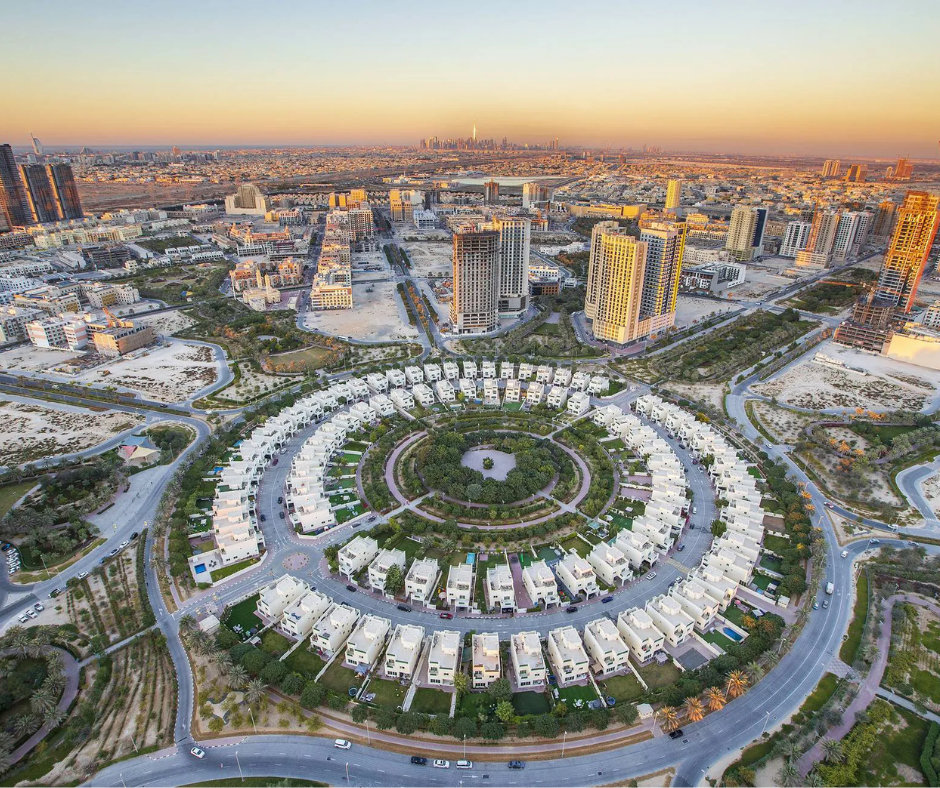
For those who want to be near the Marina without the Marina price tag, Jumeirah Village Circle or Discovery Gardens offer great value, though you will need to rely more on buses or short taxi rides to reach the Metro line.
In Abu Dhabi, focus your search on the Al Zahiyah area, which was formerly known as the Tourist Club Area. It is one of the most established parts of the city and offers a wide range of mid-range hotels that are much cheaper than the luxury resorts on Saadiyat or Yas Island. Staying here puts you within walking distance of the Corniche and provides easy access to the public bus network that connects the rest of the city.
Master the Metro and Public Transit
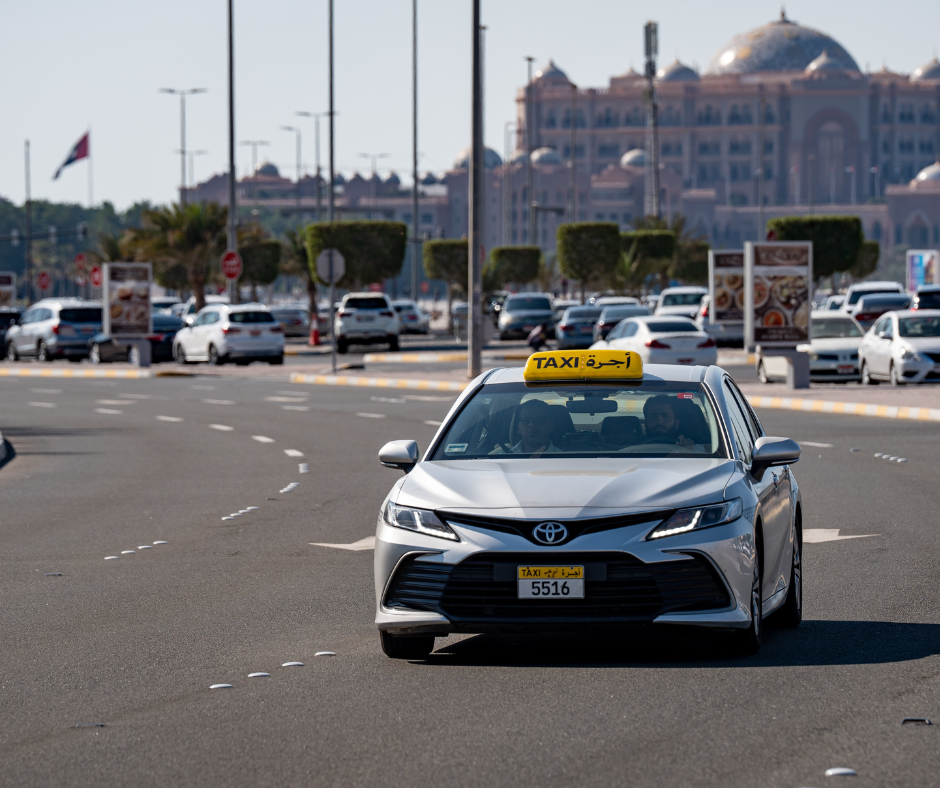
Taxis in the UAE are clean and reliable, but the costs add up quickly if you use them for every journey.
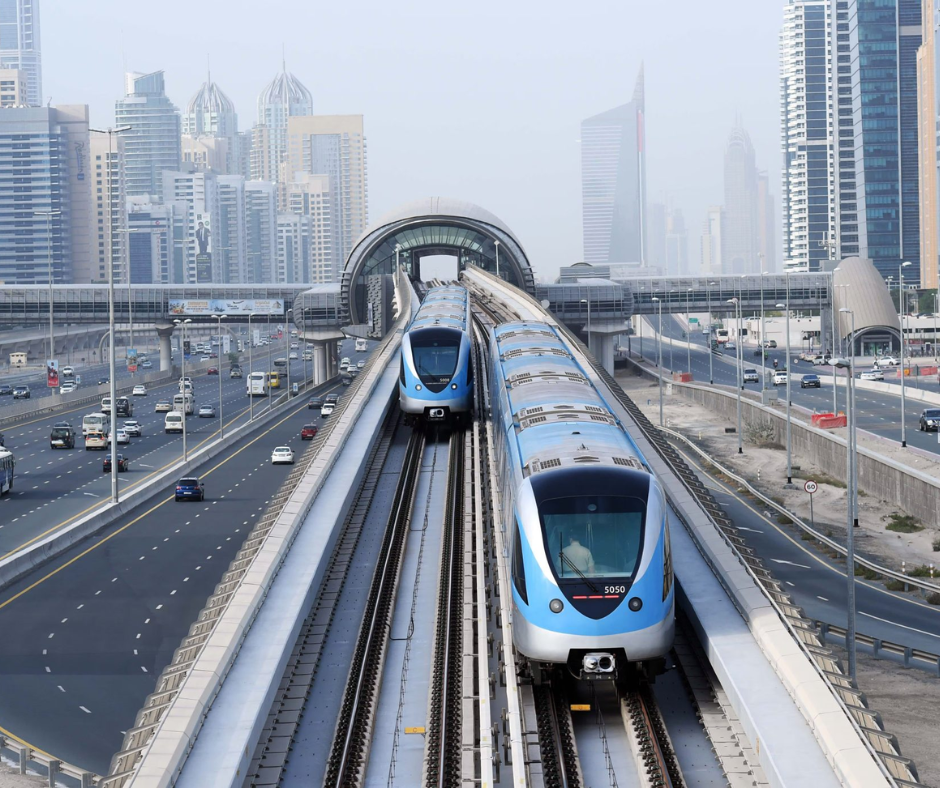
The most efficient way to get around Dubai is the Metro. To use it, you must purchase a Nol card, which is a rechargeable transit card. We suggest getting the Silver Nol Card if you plan to be in the city for more than a couple of days.
It costs 25 dirhams and comes with 19 dirhams of pre-loaded credit. The fares are zone-based, and the Silver card offers lower rates per journey than the disposable Red Tickets.
The Dubai Metro consists of two main lines. The Red Line runs the length of the city along Sheikh Zayed Road, connecting the airport to major spots like the Burj Khalifa, Mall of the Emirates, and Dubai Marina. The Green Line services the older districts around the Creek. When you use the Metro, you also get free transfers to the public bus system within a certain timeframe, which is perfect for reaching destinations that are a few blocks away from the station.
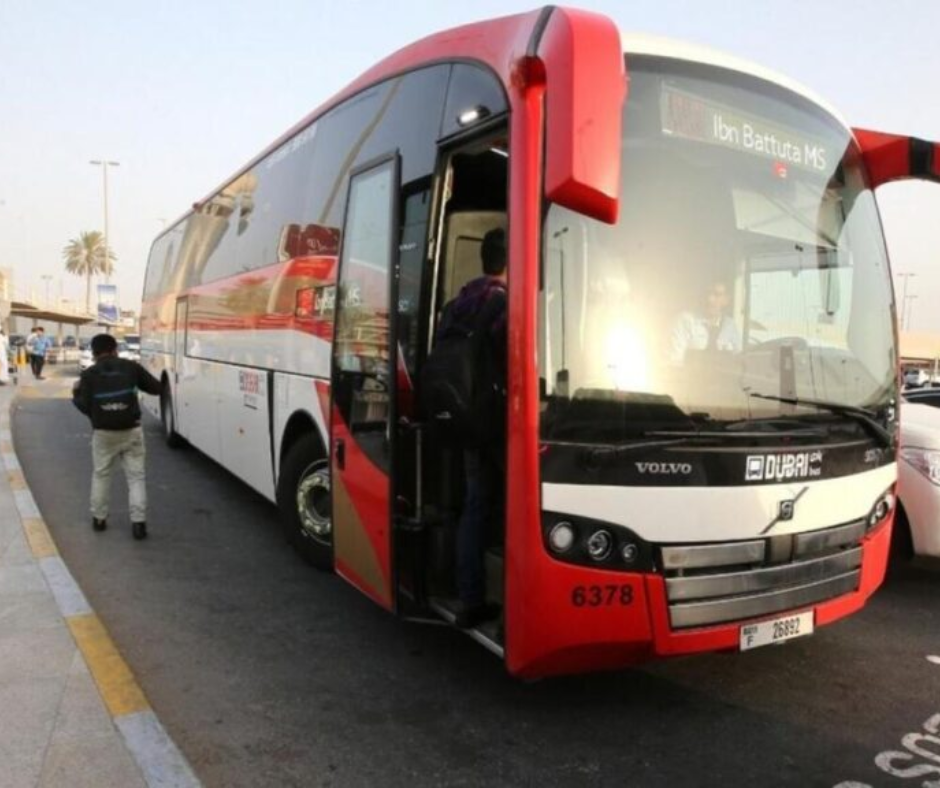
Traveling between cities is also very affordable if you use the Intercity Bus service. You can take the E100 bus from Al Ghubaiba in Dubai or the E101 from Ibn Battuta to reach Abu Dhabi for only 25 dirhams.
This is a massive saving compared to a private taxi, which could cost upwards of 250 dirhams for the same trip. The buses are air-conditioned, have comfortable seating, and often provide free Wi-Fi, making the two-hour journey very pleasant.
Eat Like a Local on a Budget
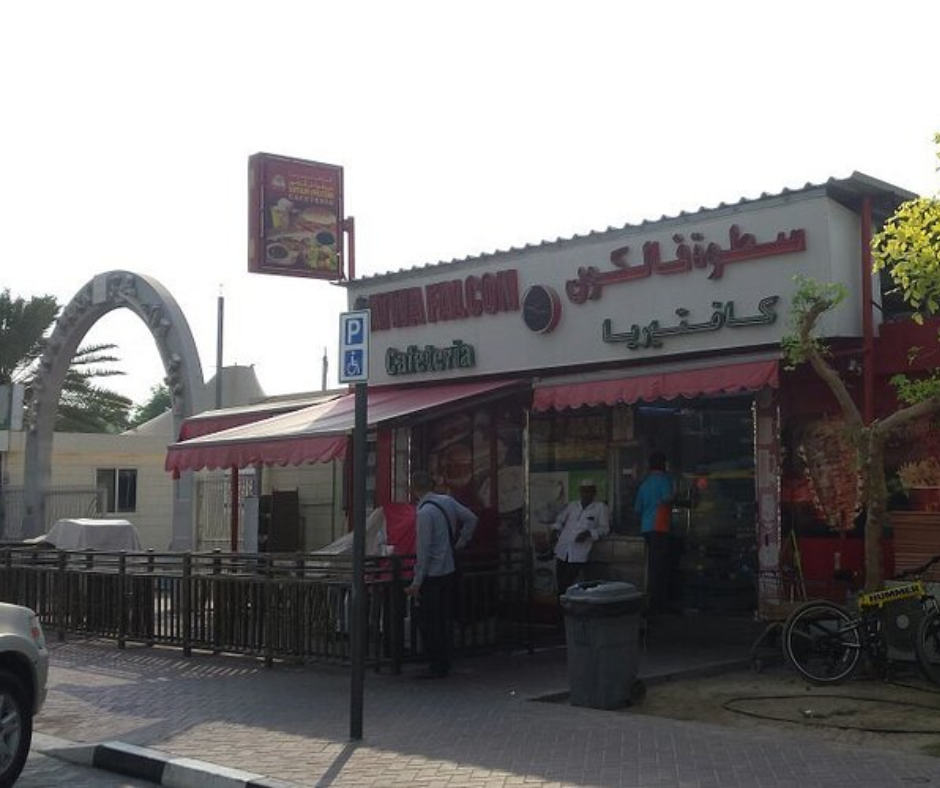
You do not need to dine at celebrity chef restaurants to have a memorable meal in the UAE. The country has a massive expat population, which means you can find authentic and affordable food from all over the world. The best way to save money on food is to look for "cafeterias." These are small, local eateries that serve wraps, fresh juices, and grilled meats. A chicken shawarma or a falafel wrap from a neighborhood cafeteria will usually cost less than 10 dirhams and is one of the most popular snacks in the region.
For a more substantial meal, head to the Pakistani and Indian restaurants in areas like Al Satwa or Deira. These spots serve incredible biryanis, curries, and freshly baked naan that are both filling and cheap. We also recommend trying Mandi, which is a traditional Yemeni dish of slow-cooked meat and spiced rice. It is usually served in large portions meant for sharing, making it a very cost-effective way to feed a group.
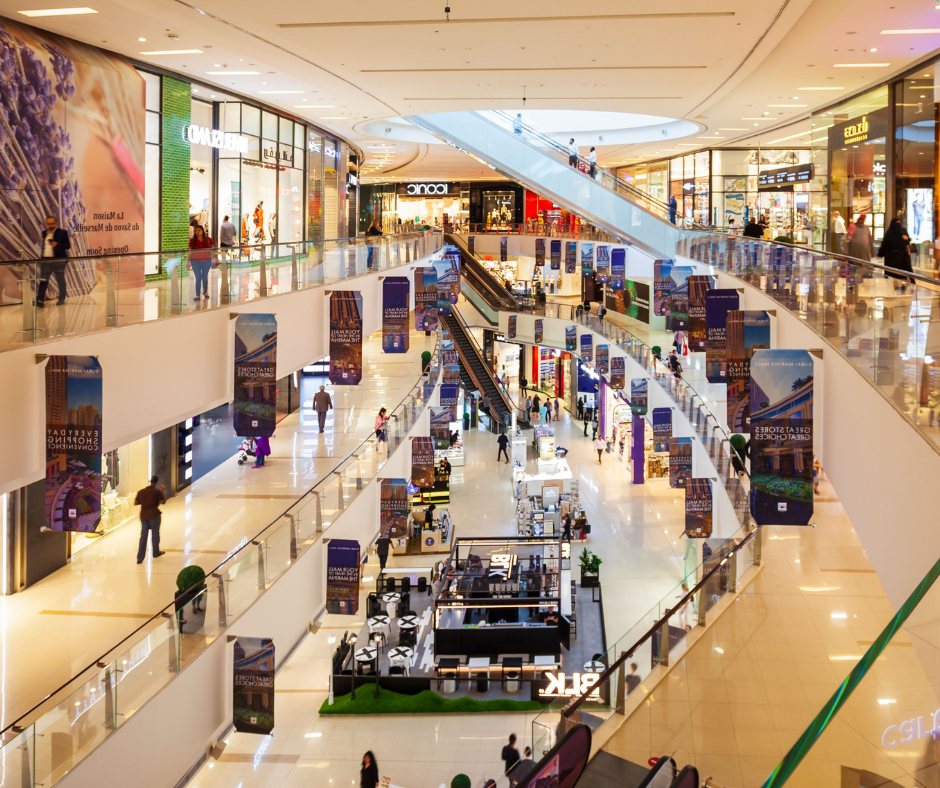
Supermarkets are another great resource for budget travelers. Large chains like Carrefour, Lulu, and Spinneys have extensive ready-to-eat sections. You can pick up roasted chicken, fresh salads, and local breads for a picnic at the park or the beach. This is also the best place to buy bottled water and snacks, which are much more expensive when purchased at tourist attractions or inside malls.
Iconic Experiences That Cost Nothing
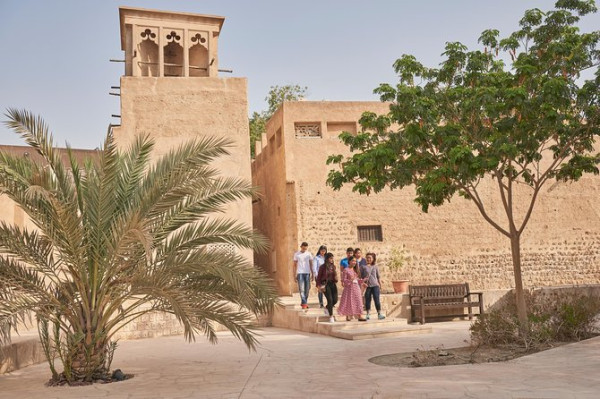
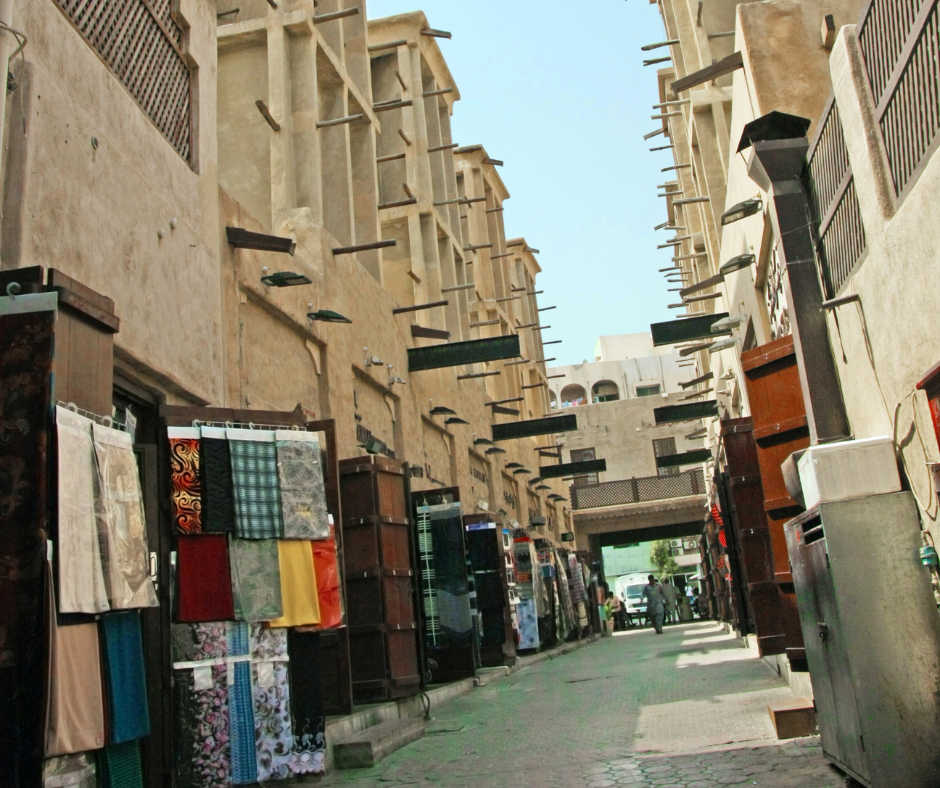
The UAE offers many high-quality experiences that do not require an entry fee. In Dubai, you can visit the Al Fahidi Historical Neighbourhood to see what the city looked like in the 19th century. The narrow alleys and traditional wind tower architecture provide a great backdrop for a morning walk. Afterward, you can walk to the nearby Dubai Creek and watch the traditional dhows loading and unloading goods. While the abra boat ride across the creek costs 1 dirham, the experience of standing on the docks is completely free.
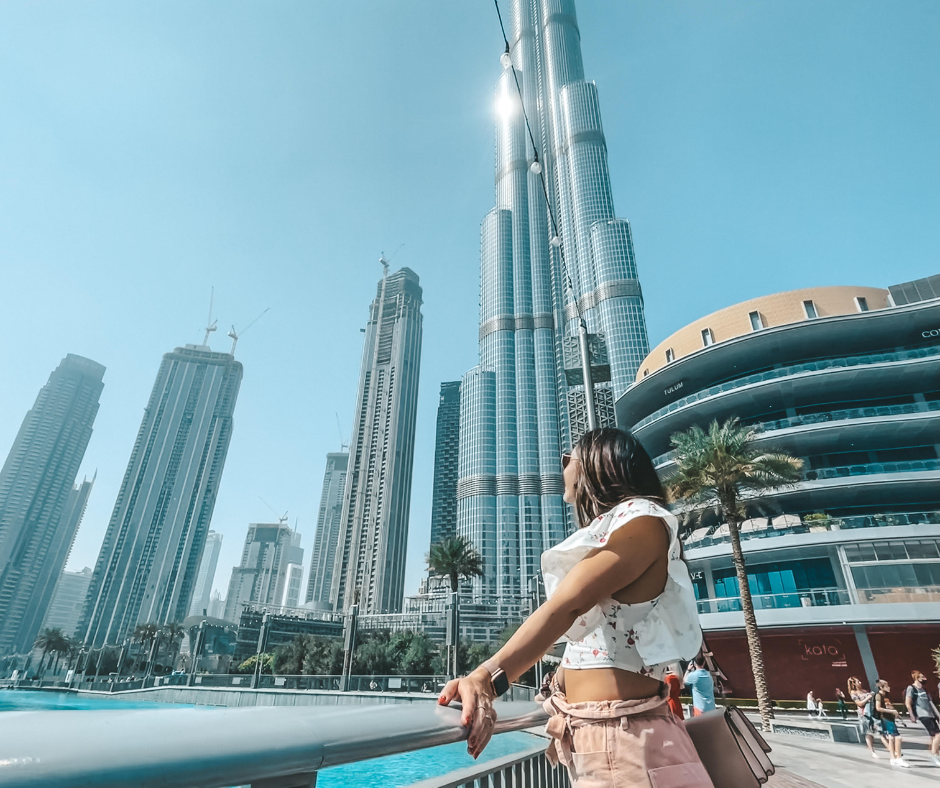
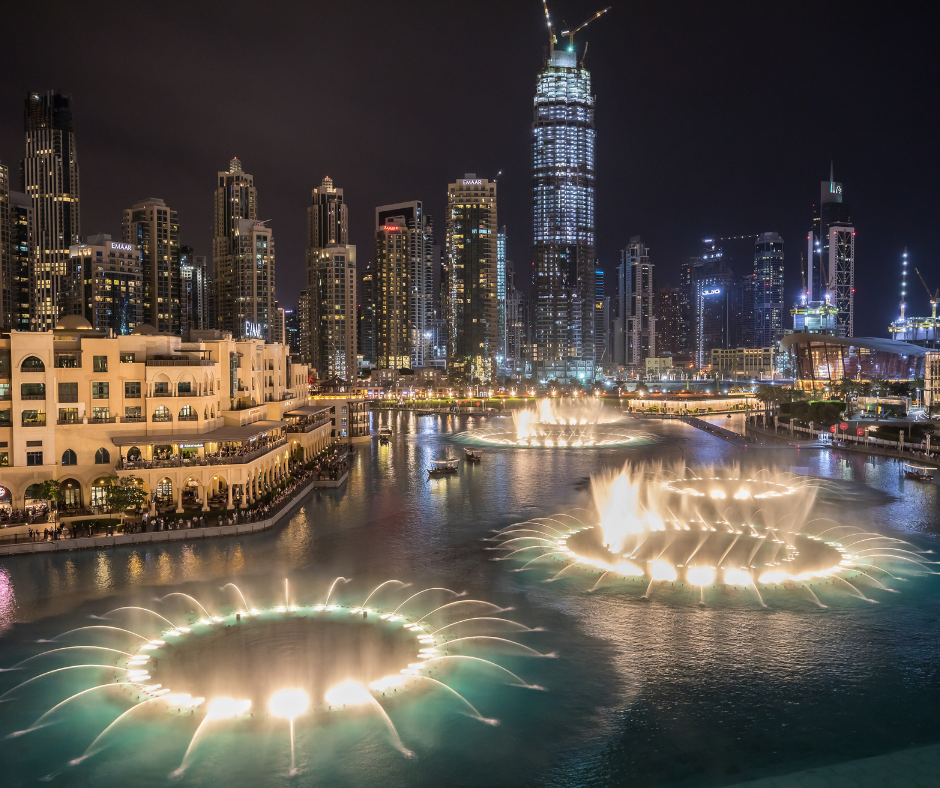
The Dubai Fountain show at the base of the Burj Khalifa is another must-see that costs nothing. The shows happen every thirty minutes in the evening and are a highlight for many visitors. For a different view of the skyline, head to the Viewing Point at Dubai Creek Harbour. This is a 70-meter long walkway that projects out over the water, offering clear views of the city at sunset without the price of an observation deck ticket.
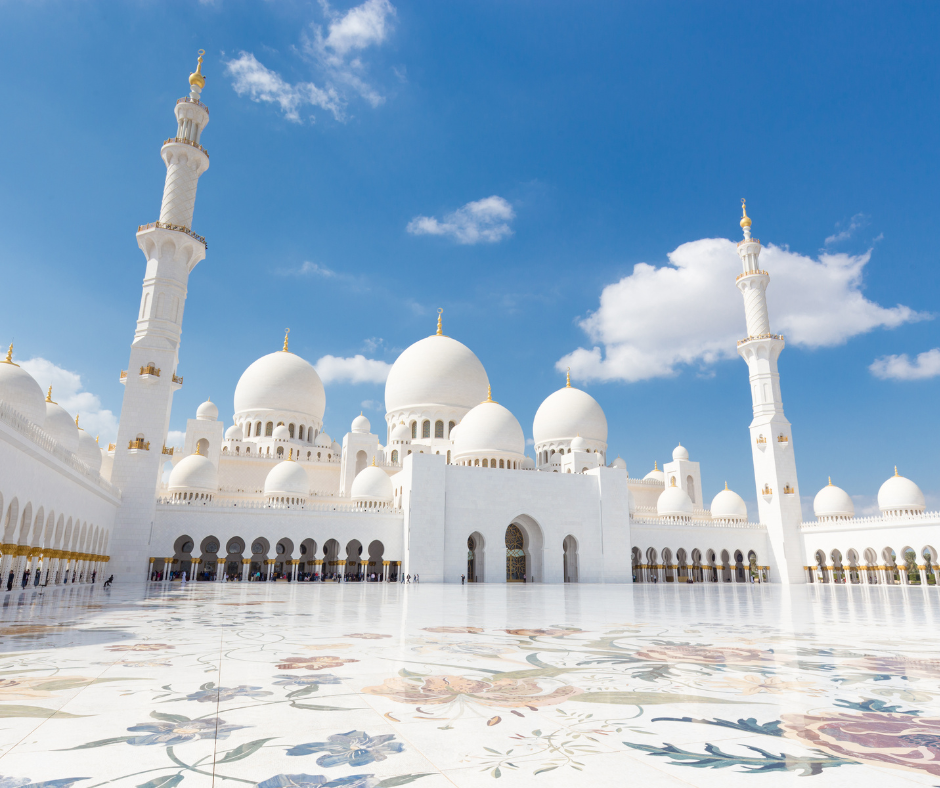
In Abu Dhabi, the Sheikh Zayed Grand Mosque is free to enter, though you must book a time slot online in advance. It is one of the most impressive buildings in the world and allows visitors to explore its courtyard and prayer halls.
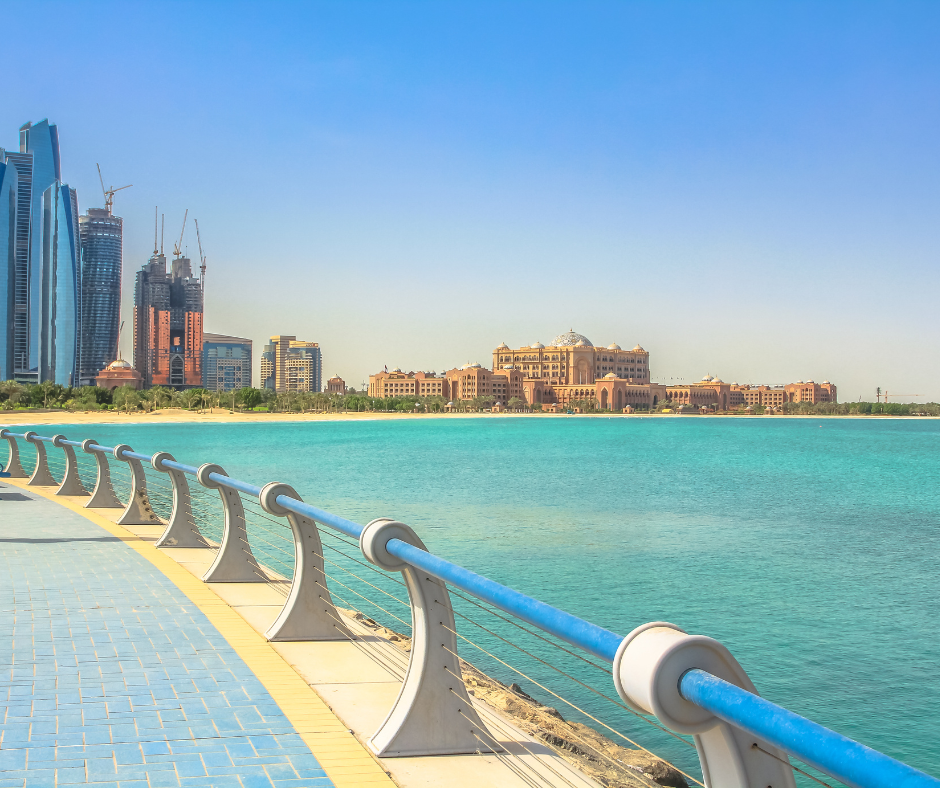
The Abu Dhabi Corniche is another great free destination, offering miles of paved walkways along the turquoise water.
It is a perfect spot for a long walk or a cheap evening out with a cup of karak tea, which usually costs about 1 or 2 dirhams from a nearby stall.

Adventure and Nature for Less
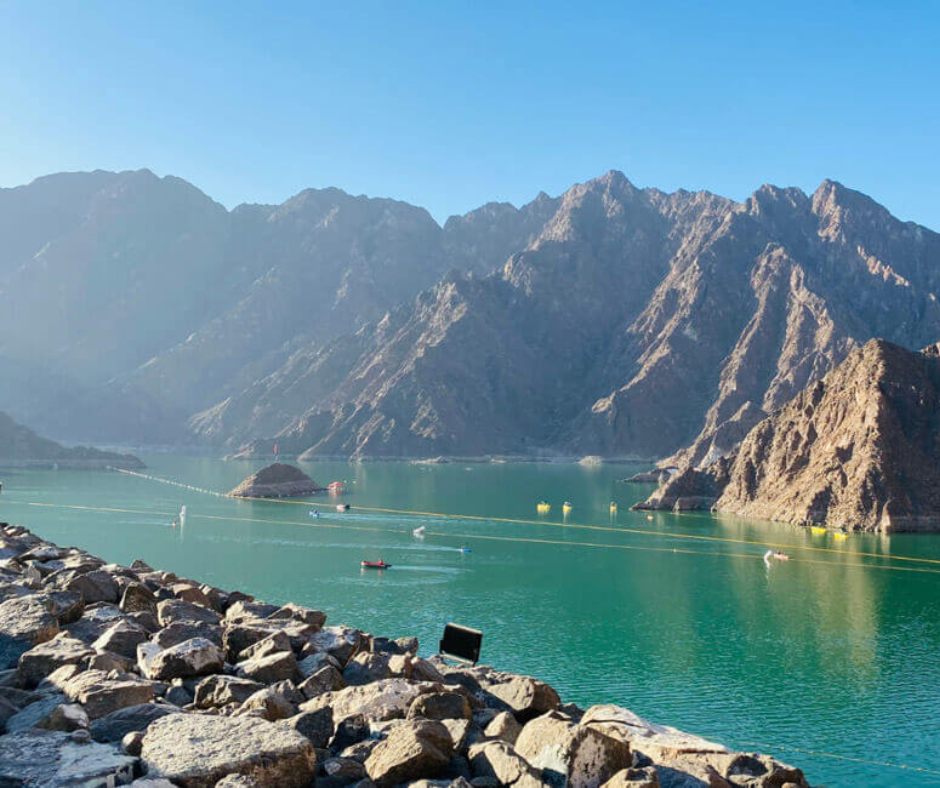
If you want to experience the natural side of the UAE, you can do so without booking an expensive private tour. For a mountain escape, you can drive to the Hatta region. While some activities at the Hatta Wadi Hub cost money, hiking the trails and visiting the Hatta Heritage Village is free. The scenery here is a complete contrast to the city, with rugged mountains and a large turquoise dam.
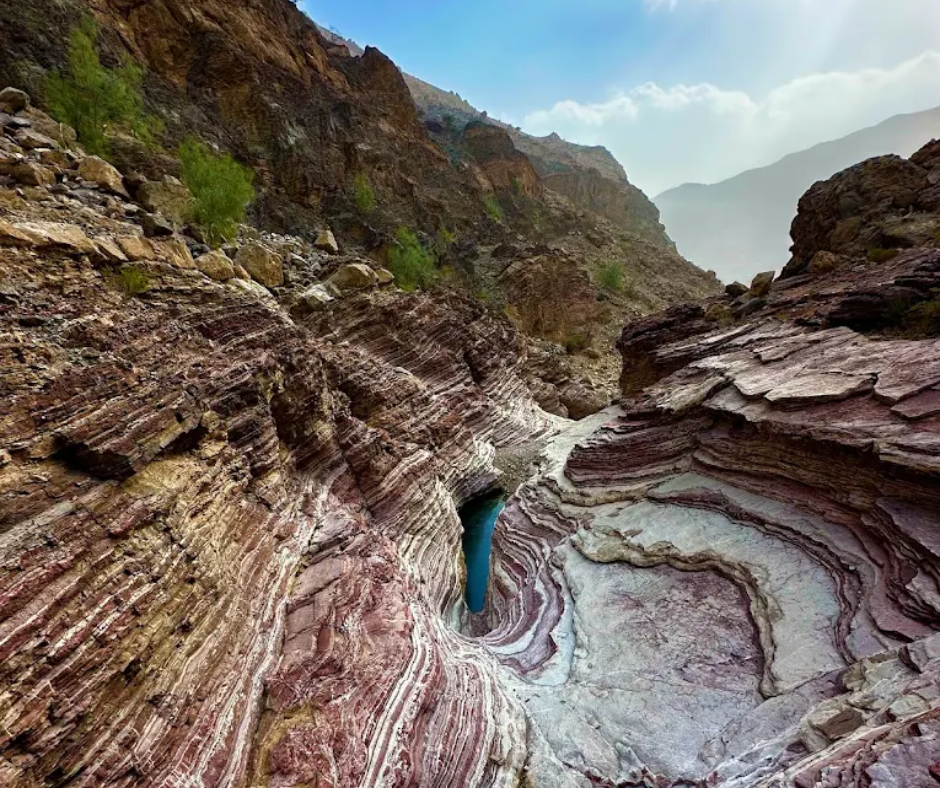
For those interested in the desert, Al Qudra Lakes is a popular spot for residents. Located about a 45-minute drive from Dubai, these man-made lakes are home to many bird species and offer a peaceful environment for a sunset picnic. You do not need a 4x4 vehicle to reach the main lake areas, making it accessible for anyone with a standard rental car. If you are planning a trip to the mountains of the East Coast, our guide to Rainbow Valley in Fujairah provides all the details you need for a self-guided hike through colorful rock formations.
When it comes to desert safaris, the best way to save is to book a shared morning safari. Most people want the evening dinner and show, which drives the price up. A morning safari usually includes dune bashing and sandboarding at a much lower rate. You get the same desert experience and the same photos, but you are back in the city by lunchtime, leaving the rest of your day free for other activities.
Using Apps and Securing Refunds
Before you arrive, download a few key apps to help manage your budget. GetYourGuide and Klook are great for comparing prices on tours and attractions, often offering lower rates than the official ticket booths. For dining, look into the Entertainer app or Groupon UAE. These apps provide "buy one get one free" vouchers for hundreds of restaurants and attractions. Even if you have to pay a small fee for the app, it usually pays for itself after just two uses.
Shopping is a major part of the UAE experience, and you should take advantage of the Tax-Free shopping scheme. As a tourist, you can claim a refund on the 5% Value Added Tax (VAT) paid on goods purchased in the country. To do this, look for shops that display the "Tax-Free" sign and ask for a tax-free tag when you spend over 250 dirhams. You will need to show your passport at the time of purchase.
When you are leaving the country, head to the Planet kiosks at the airport before you check your luggage. You will need your receipts with the tax-free tags, your passport, and the physical items in case the customs officer wants to inspect them. The refund can be issued back to your credit card or in cash, providing you with a nice little bonus at the end of your trip.
Finalizing Your Budget Plan
To keep your costs low, try to cluster your activities by location. This reduces the amount of time and money spent on transportation. For example, spend one day exploring everything in Old Dubai and another day focusing on the attractions along the Metro’s Red Line. Always carry a refillable water bottle, as the tap water is safe in many modern buildings, and there are now many "Dubai Can" water stations around the city where you can refill for free.
If you are visiting local markets like the Gold Souk or the Spice Souk, remember that haggling is expected. The first price you are given is almost always much higher than what the vendor will actually accept. A good rule of thumb is to offer about half of the initial price and then negotiate until you reach a number that feels fair to both parties. Being friendly and patient will always get you a better deal than being aggressive.
By following these practical steps, you can experience everything the UAE has to offer without overspending. Focus on the public transport system, eat where the residents eat, and take advantage of the many free cultural sites. The Emirates is a place of incredible contrast, and often the most authentic experiences are the ones that cost the least.
And remember, the WildyNess Team is here for you wether to respond to a question you have or to plan the itinerary for you. All you have to do is contact us.