


The logistics of crossing a North African border often feel like a barrier to the adventure you actually want to have.
That is why our team at WildyNess created this guide to help you navigate the transition from Tunisia to Algeria with total confidence.
Transit Options from Tunis to Algeria
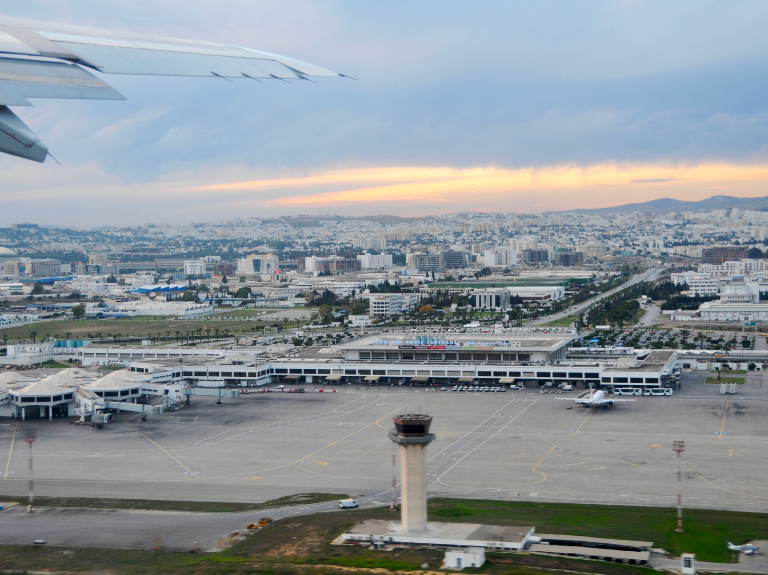
Flying remains the most efficient way to bridge the distance between these two North African neighbors. Most travelers depart from Tunis-Carthage International Airport to reach Algiers or Oran. This route saves days of overland travel and avoids the complexities of multiple regional checkpoints.
You can typically find daily flights operated by Tunisair and Air Algérie. The flight duration usually stays under ninety minutes which makes it a quick hop for those on a tight schedule.
If you are looking for more flexibility in your arrival city, you should check the schedules for flights into Constantine or Annaba. These eastern Algerian cities are closer to the Tunisian border and often serve as better entry points if you plan to explore the Roman ruins of the north.
We suggest booking your tickets at least three weeks in advance during peak summer months or major holidays. This ensures you secure a seat on the smaller regional aircraft often used for these routes.
Direct Flights and Airlines Between Tunisia and Algeria
The primary connection for most travelers is the route from Tunis to Algiers. This corridor is well-served by national carriers and offers the most consistent schedule throughout the year.
You should arrive at the airport at least three hours before departure to handle the international exit stamps and security protocols. While the flight itself is short, the administrative process at both ends requires a significant time buffer.
For those heading to the western coast of Algeria, direct flights to Oran are available but less frequent. These flights often operate on specific days of the week so you must align your itinerary with the airline calendar.
If a direct flight to Oran is not available on your preferred date, flying into Algiers and taking a domestic connection or the high-speed train is a reliable alternative.
Regional Airport Connections
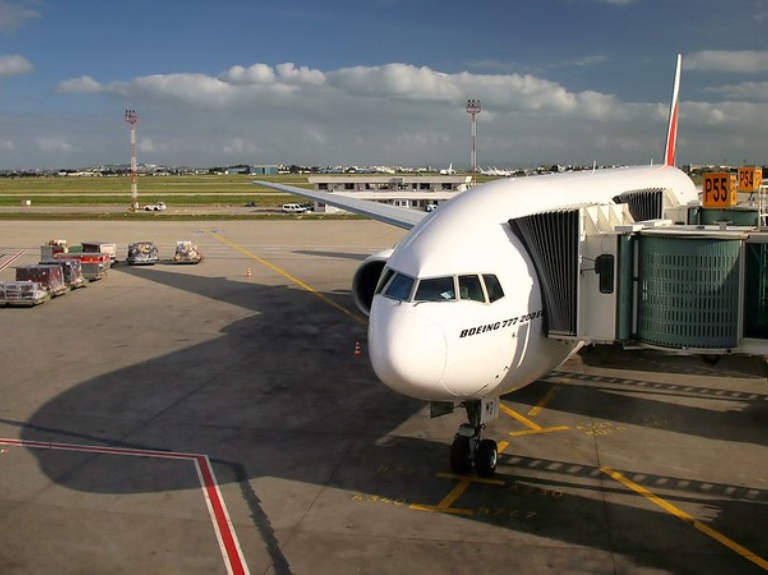
Beyond the capital cities, you can occasionally find flights connecting Tunis with Annaba or Constantine. These routes are perfect for travelers who want to dive straight into the history of eastern Algeria without transiting through the bustling capital. Annaba is particularly convenient as it sits very close to the border and serves as a major cultural hub.
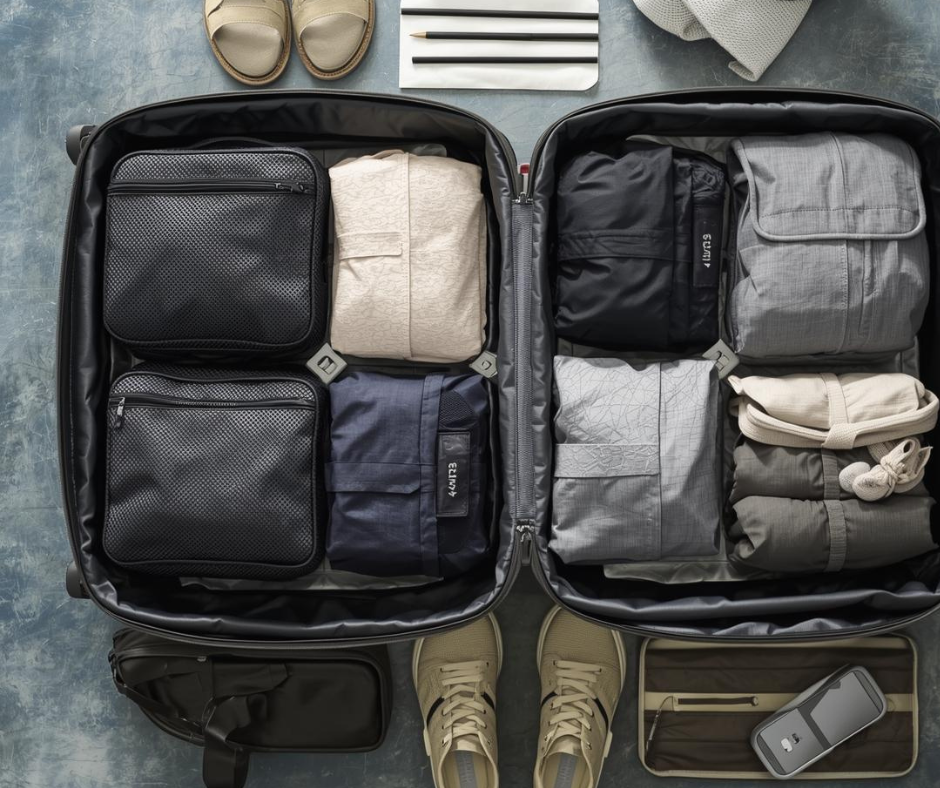
When you choose these regional flights, you should be mindful of baggage weight limits. Regional carriers sometimes enforce stricter rules than international long-haul airlines. Checking these details before you reach the check-in desk will prevent unexpected fees or the need to reprioritize your luggage contents at the last minute.
Read also: What to Pack and Wear in Algeria: A Traveler’s Guide to Packing Smart
Land Border Crossings and Road Travel
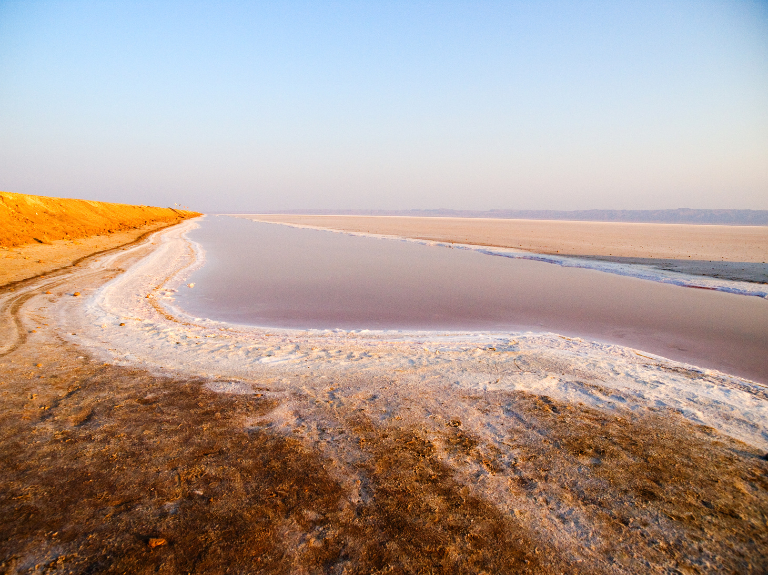
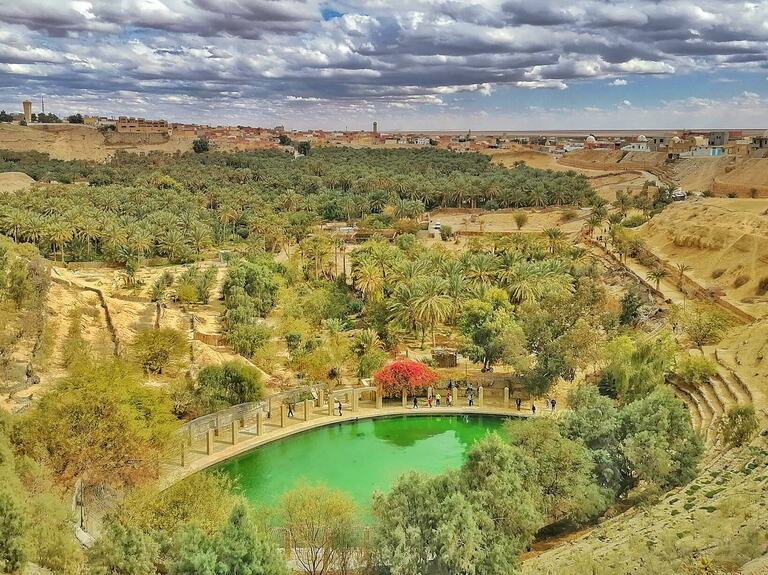
Crossing the land border offers a deeper look at the changing landscapes of the Maghreb. The most common route for travelers in the south begins in Tozeur or Nefta. This southern corridor takes you through the dramatic salt flats before reaching the Algerian frontier. It is a path favored by overlanders and those looking to experience the Sahara from both sides of the border.
You must ensure your vehicle paperwork is flawless if you intend to drive yourself across. Most Tunisian rental agencies do not allow their vehicles to cross international borders. This means you will likely need to take a taxi to the border, cross on foot, and arrange for Algerian transport on the other side. This process is common and local drivers are well-versed in the hand-off procedure at the neutral zone.
The Southern Route via Nefta
Nefta serves as the final Tunisian outpost before the vast Algerian desert begins. Travelers often spend a night in Nefta to enjoy the quiet oasis before making an early morning push for the border. Starting your journey at sunrise allows you to reach the Algerian side before the midday heat and the peak afternoon rush at customs.
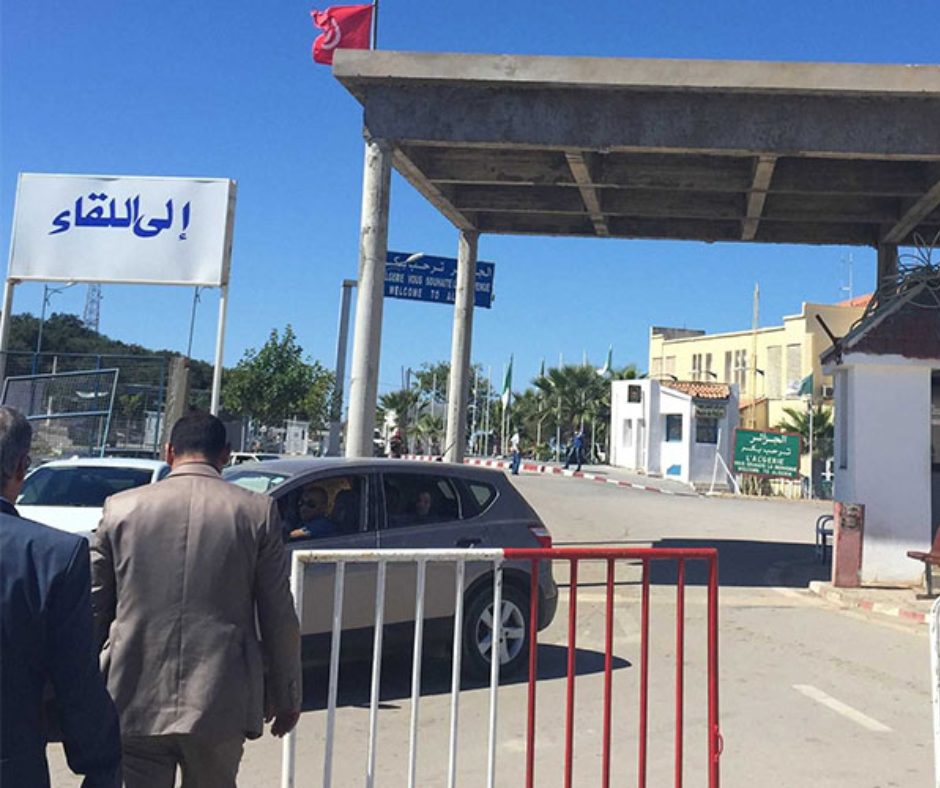
The road from Nefta to the border is well-maintained but you should remain alert for occasional sand drifts on the asphalt. Once you reach the Tunisian exit post, you will complete your departure forms and receive an exit stamp. From there, you proceed to the Algerian entry point where your visa and passport will be meticulously checked by border officials.
Northern Crossings and Coastal Routes
The northern border crossings near Tabarka or Jendouba offer a much greener scenery compared to the southern desert paths. These routes are ideal if you are traveling between Tunis and Annaba. The mountains of the Kroumirie region provide a beautiful backdrop as you wind your way toward the frontier. These crossings can be busier during the summer months when locals travel between countries for family visits.
You should prepare for a thorough inspection of your belongings at these northern posts. Customs officers may ask about electronic equipment or large amounts of currency. Keeping your bags organized and your documents in a dedicated folder will help the process move faster. Once you clear the border, the drive into Annaba takes you through lush hills that look more like southern Europe than the typical desert image of North Africa.
Scenic Train Journey From Tunis to Algeria
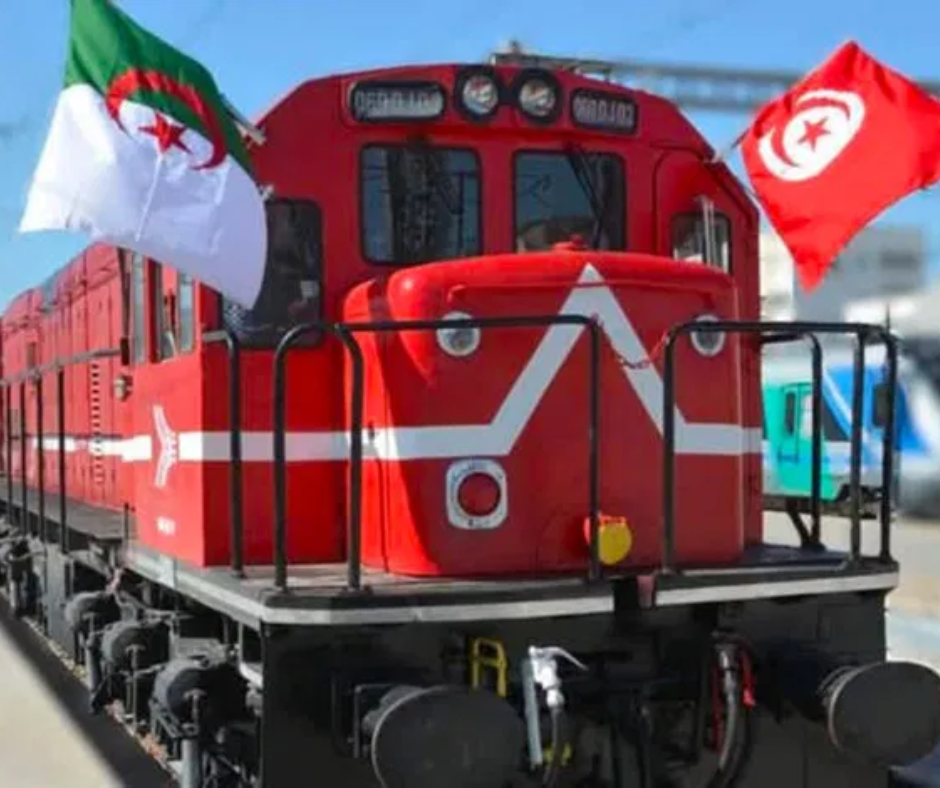
The train winds through the heart of the Tunisian northwest before crossing into the Algerian highlands. After leaving Tunis, the primary stops include the historic towns of Béja and Jendouba. These areas are known for their lush agricultural landscapes and rolling green hills which provide a beautiful contrast to the typical desert imagery of the region. The final Tunisian stop is Ghardimaou, where the first stage of border formalities takes place.
Once across the border, the train stops at Souk Ahras in Algeria before reaching its final destination in Annaba. Each of these stations serves as a gateway to the local culture and history of the region. You will notice the architecture and atmosphere shift as you move from the Tunisian plains into the more rugged Algerian terrain. The train itself is equipped with both first and second-class carriages, and we recommend first-class for the added comfort on this full-day journey.
Essential Documentation and Visa Requirements
Your Algerian visa is the most critical piece of your travel puzzle. Most Western travelers require a pre-approved visa issued by an Algerian consulate in their home country. This is not a visa-on-arrival destination so you must plan this step well before you leave for Tunisia. The application typically requires an invitation letter or a confirmed hotel booking for your entire stay.
In addition to your visa, your passport must have at least six months of validity remaining from your date of entry. We recommend carrying several physical photocopies of your passport and visa page. You will find that hotels and occasional checkpoints in Algeria prefer to take a paper copy rather than keep you waiting while they record your details manually.
Read also: Your Guide to Algeria: Visa, Safety, and Security
Visa Application Protocols
When applying for your Algerian visa, you should be specific about your entry and exit points. The consulate often asks for a detailed itinerary of the cities you plan to visit. While you do not need to follow this plan to the minute, having a structured outline demonstrates that you are a prepared traveler. Processing times can vary from one week to twenty days so you should submit your application at least a month before your trip.
If you are a citizen of a country that enjoys visa-free entry to Tunisia, remember that this privilege does not extend to Algeria. Each country has its own sovereign immigration laws despite their geographical proximity. Always verify the latest requirements on the official consulate website as rules can change based on bilateral agreements.
Travel Insurance and Health Records
Algeria requires proof of travel insurance for many visa applicants. This insurance must cover medical emergencies and repatriation for the duration of your stay. You should carry a printed version of your insurance certificate in English or French. Having this document ready will satisfy both the visa officers and the border guards who may ask for proof of coverage.
While no specific vaccinations are mandatory for entry, it is wise to be up to date on standard boosters. You should also keep a digital record of any prescription medications you are carrying. If you have a specific medical condition, a doctor's note translated into French can be incredibly helpful in case you need to access local healthcare services.
Cultural Landscapes of Northeast Algeria
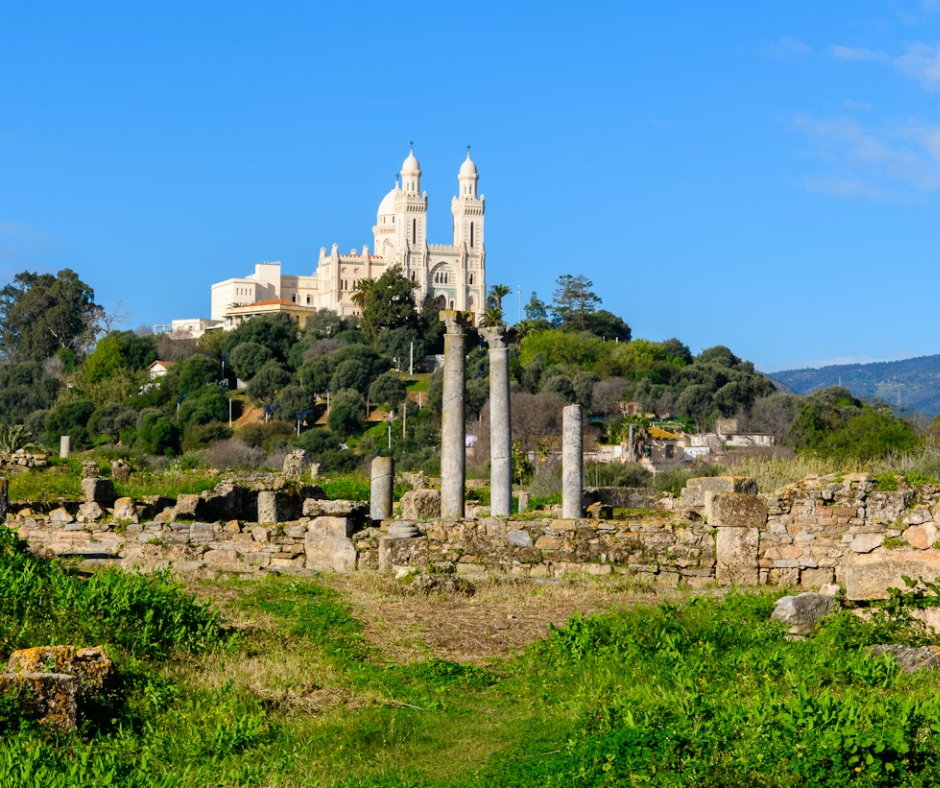
The region just across the Tunisian border is home to some of the most significant historical sites in Africa. Annaba is a coastal city that blends colonial architecture with ancient history. It is famous for the Basilica of St. Augustine which sits on a hill overlooking the Mediterranean. The city serves as an excellent introduction to Algerian hospitality and urban life.
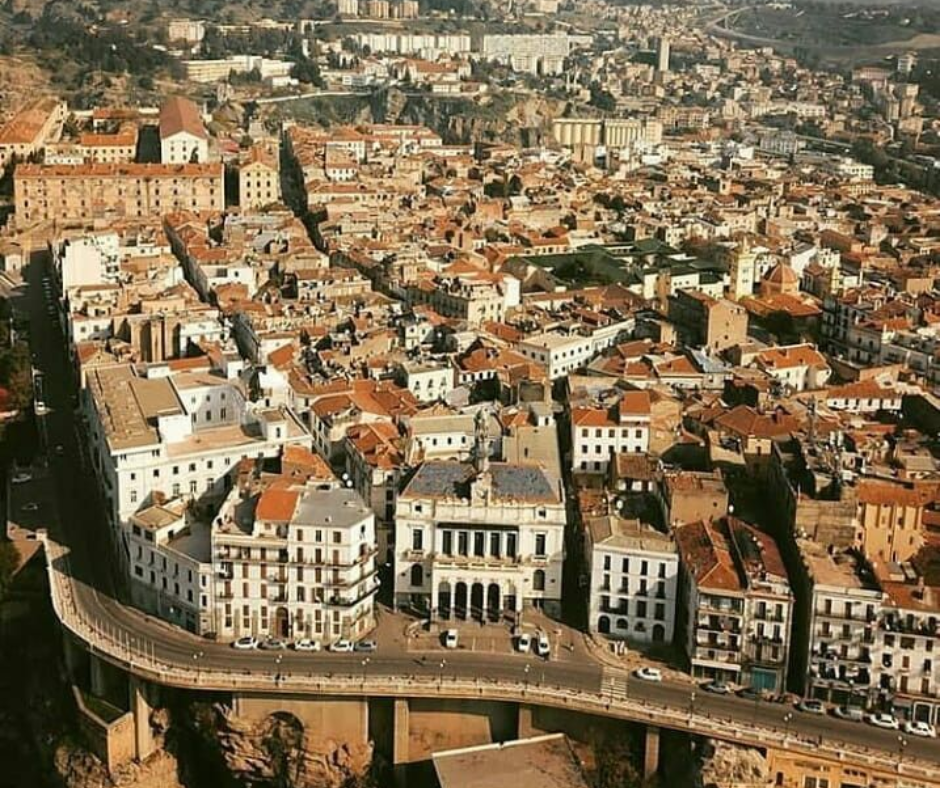
Further inland, the city of Constantine defies gravity with its massive bridges spanning deep limestone gorges. It is known as the City of Bridges and offers a unique urban layout that you will not find anywhere else in the world. Walking across the Sidi M'Cid bridge provides a perspective of the Rhummel River far below and the ancient Casbah clinging to the cliffs.
Read also: Must-See Attractions in Constantine, Algeria

The Roman Heritage of Hippo Regius
Located on the outskirts of Annaba, the ruins of Hippo Regius are a mandatory stop for history enthusiasts. This was once a major Roman city and the seat of Saint Augustine. You can wander through the ancient forum and admire the intricate mosaics that have survived for centuries. The site is usually quiet which allows you to explore the stone streets without the crowds found at more famous Mediterranean ruins.
The museum on-site houses a collection of statues and artifacts recovered from the excavations. It provides essential context for how the city functioned as a vital port in the Roman Empire. You should plan to spend at least three hours here to fully appreciate the scale of the ruins and the beauty of the surrounding olive groves.
Constantine and the Gorges
Constantine is a city of layers where Roman foundations support Ottoman houses and French boulevards. The best way to experience it is by foot, starting at the Place des Martyrs and heading toward the old city. The Casbah of Constantine is a labyrinth of narrow alleys where traditional craftsmen still work in small shops. You can find beautiful copperware and traditional embroidery as you navigate the winding paths.
The bridges are the true stars of the city. Each one represents a different era of engineering and offers a new viewpoint of the dramatic landscape. The Mellah Slimane footbridge is particularly thrilling as it vibrates slightly under your feet while you cross the chasm. These structures are not just for photos as they are vital arteries that connect the different neighborhoods of this vertical city.
Logistics: Currency and Connectivity
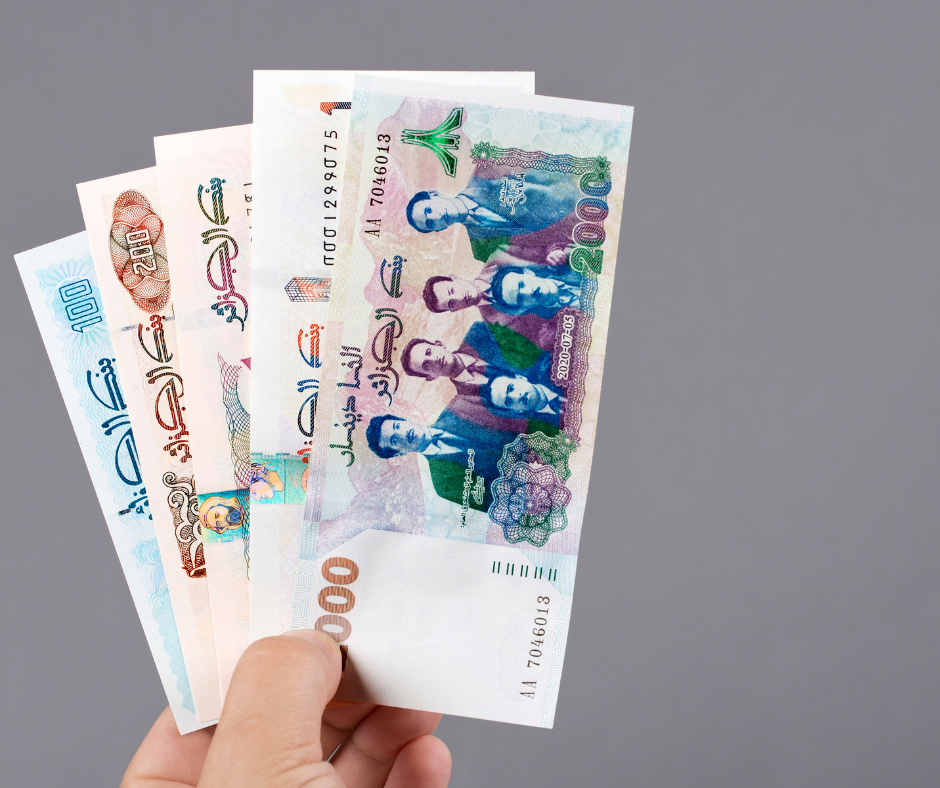
Managing your money in Algeria requires a different approach than in many other countries. The Algerian Dinar is the official currency and the economy is heavily cash-based. While ATMs are available in major cities like Algiers and Constantine, they may not always accept foreign cards or may have low withdrawal limits. You should bring enough cash in Euros or US Dollars to exchange upon arrival.
Connectivity is generally good in urban areas but can become spotty in the mountainous border regions. Purchasing a local SIM card is the most cost-effective way to stay online. Major providers include Mobilis, Djezzy, and Ooredoo. You can find their kiosks at the airport or in city centers where a small fee will get you a significant amount of data for navigation and communication.
Currency Exchange and Banking
You should exchange your money at official banks or authorized exchange bureaus to ensure you receive the correct rate. Keep your exchange receipts as you might need to show them when leaving the country if you are carrying a large amount of Dinar. It is also important to note that the Algerian Dinar is a non-convertible currency which means you cannot easily exchange it back into Euros or Dollars once you leave the country.
We recommend spending your remaining Dinars on local crafts or at the airport before you depart. Most high-end hotels and large restaurants in the capital will accept credit cards, but for everything else, you will need physical notes. Small denominations are particularly useful for tipping, taxi fares, and buying street food like mahjouba or fresh dates.
Mobile Data and Communication
To buy a SIM card, you will need to present your passport for registration. The process is quick and the staff will usually help you activate the data plan on your phone. If you are traveling through the Tunisian south into Algeria, you may lose signal as you approach the border. We suggest downloading offline maps of the border region and your destination city so you can navigate without a live connection.
The WildyNess team recommends using messaging apps for communication as international calls can be expensive. Most cafes and hotels in Algeria offer free Wi-Fi, though the speed can vary. Having your own data plan ensures you can use translation apps and look up local history while you are out exploring the ruins or markets.
Navigating Customs and Local Laws
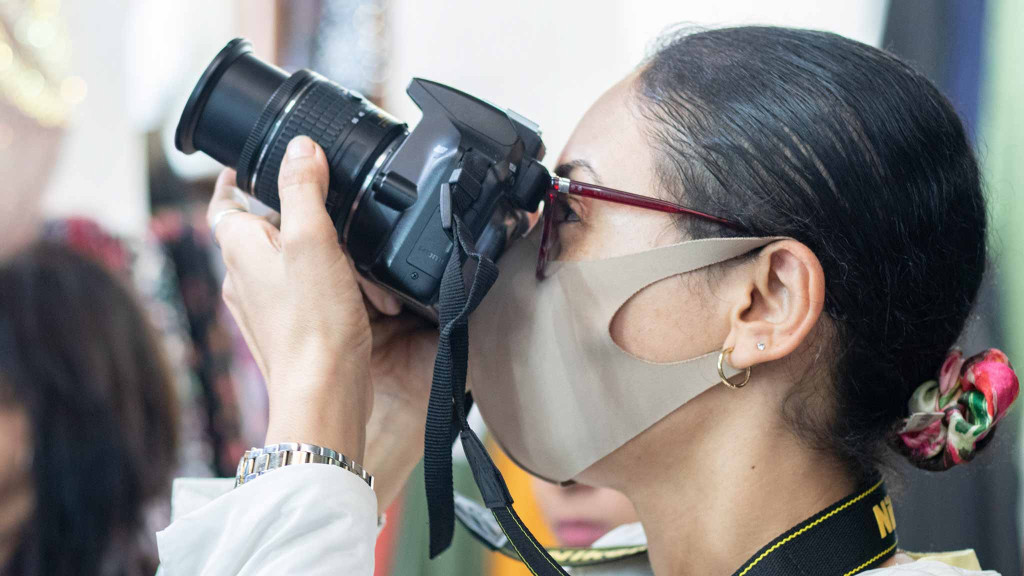
Every traveler should respect the local customs and regulations of both Tunisia and Algeria. When you are in the border zone, photography is strictly prohibited. This applies to the buildings, the personnel, and any security installations. Keeping your camera or phone in your bag during the crossing process will prevent any misunderstandings with the authorities.
Algeria is a conservative country and dressing modestly is a sign of respect for the local culture. This is especially true when visiting religious sites or rural villages. While the cities are more relaxed, having a scarf or a light jacket to cover your shoulders will make your interactions with locals more comfortable.
Common Border Protocols
When leaving Tunisia by land, you should be aware of the exit tax if it applies to your residency status. Most short-term tourists do not pay this, but it is always worth confirming at the departure desk. You must also declare any significant amounts of foreign currency you are carrying. This transparency helps avoid delays during the customs interview.
The Algerian side of the border involves a declaration of your electronic goods. If you are carrying professional camera gear or drones, you may need special permits. For the average traveler with a smartphone and a consumer camera, the process is straightforward. Answer all questions honestly and keep your tone polite to ensure a smooth transition into the country.
Language and Social Etiquette
Arabic is the official language, but French is widely spoken in administration, business, and daily life. Learning a few basic phrases in Darija, the local Arabic dialect, will go a long way in building rapport with the people you meet. Starting a conversation with a warm greeting shows that you value the local culture.
Tunisian and Algerian dialects are similar enough that speakers from both countries understand each other easily. However, you will notice subtle differences in vocabulary and accent as you move west. Using French for technical terms or directions is perfectly acceptable and often expected in urban centers. People are generally very helpful and will appreciate your effort to communicate in their language.
The Route to the Frontier
The train journey from Tunis toward the western border is one of the most scenic in the country. As you leave the coastal plains, the tracks climb into the hills of the interior. You will see ancient Roman bridges and colonial-era stations that look like they belong in a movie. The pace is leisurely which gives you plenty of time to organize your photos or write in your travel journal.
Once you reach the end of the Tunisian line, you can take a local taxi to the border crossing. On the Algerian side, the rail network is extensive and connects all the major northern cities. The trains in Algeria are generally modern and offer different classes of service. We suggest booking a first-class seat for longer journeys to enjoy extra legroom and air conditioning.
Cultural Encounters on the Tracks
Trains are a social hub in North Africa. You will likely find yourself sharing a compartment with local families or students who are often curious about your journey. These interactions are the highlight of any trip and provide insights into the local way of life that you cannot get from a guidebook. It is common for passengers to share snacks or offer advice on the best places to eat in your destination city.
We encourage you to embrace the slower rhythm of rail travel. It turns the transition between Tunisia and Algeria into a highlight of your trip rather than just a logistical necessity. By the time you arrive in Constantine or Algiers, you will feel more connected to the land and the people who live there.
Final Preparations for Your Journey
The best adventures are built on a foundation of good information and a flexible mindset. By following the advice in this guide, you are setting yourself up for a trip that is both exciting and manageable. We focus on these details so you can focus on the experience of discovering two of the most fascinating countries in the Mediterranean.
Whether you choose the speed of a flight or the immersion of a land crossing, the journey from Tunisia to Algeria is a rewarding experience. You will see how these two nations share a common history while maintaining their own distinct identities. It is a trip that will challenge your perspectives and leave you with memories that last a lifetime.
Packing Essentials for Both Countries
Your packing list should account for the varied climates you will encounter. Even in the summer, the desert nights can be surprisingly cool. We suggest packing light, breathable layers that can be added or removed as the temperature shifts. A good pair of walking shoes is essential for exploring the uneven stones of Roman sites and the hilly streets of Constantine.
Do not forget a universal power adapter and a portable power bank. While most modern hotels have standard outlets, a power bank ensures your phone stays charged during long border waits or train rides. You should also carry a small first-aid kit with basic supplies like bandages, antiseptic wipes, and rehydration salts. These small items can make a big difference in your comfort levels during the trip.
Final Key Takeaways for Your Journey
The trip from Tunisia to Algeria is a rewarding path for any traveler looking for authenticity and depth. By choosing the direct train or a quick flight, you can bridge the gap between these two fascinating nations with ease. Remember that preparation is the secret to a smooth crossing, especially regarding your Algerian visa and your cash reserves.
The WildyNess team is here to help you navigate these transitions and discover the best of North Africa. Whether you are exploring the markets of Tunis or the bridges of Constantine, we provide the expertise to make your journey unforgettable. Pick your dates, pack your bags, and get ready for a journey that connects the best of the Maghreb.
And remember traveller, if you ever need help planning your trip, we are here for you.
All you have to do is reach out to us.


