
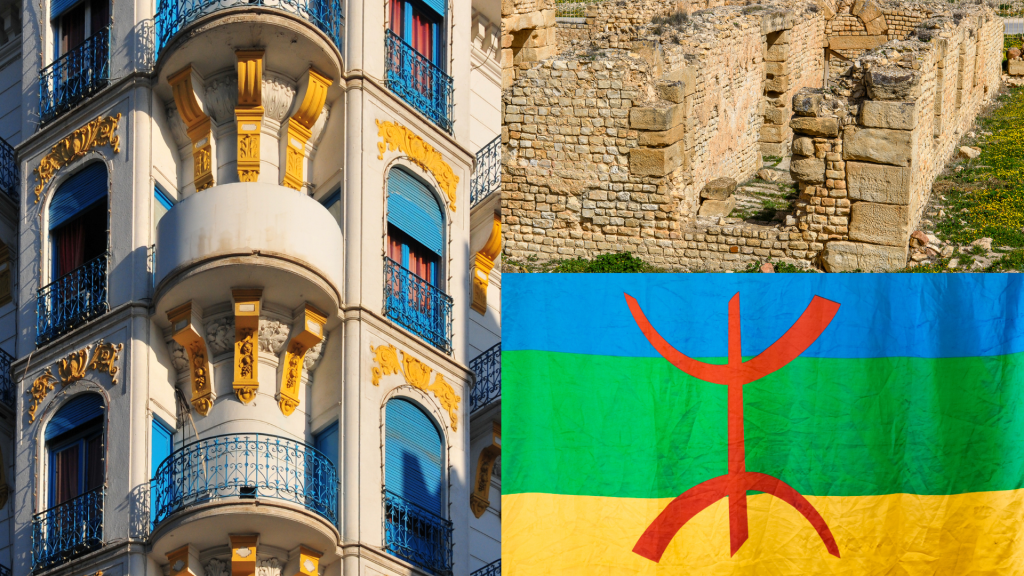

Forget the well worn tourist trails. If your soul craves an adventure that is vast, raw, and profoundly real, it’s time to set your sights on Algeria. This is a land of staggering contrasts, a place where the deep azure of the Mediterranean laps against shores littered with the ghosts of Roman cities, and where the Sahara Desert unfurls into a silent, soul stirring ocean of sand and stars.
Algeria isn’t a packaged holiday; it’s an unfiltered expedition into a country of epic history, deeply rooted culture, and landscapes that will fundamentally redefine your sense of wonder.
For the traveler who values authenticity over amenities and discovery over directives, your greatest adventure awaits.
The Story of Algeria: A Land Etched by Empires
To travel through Algeria is to walk through a living history book. This is a land whose story is etched into every stone and every landscape. Its narrative begins long before the Romans, with powerful Numidian kingdoms whose influence shaped North Africa.
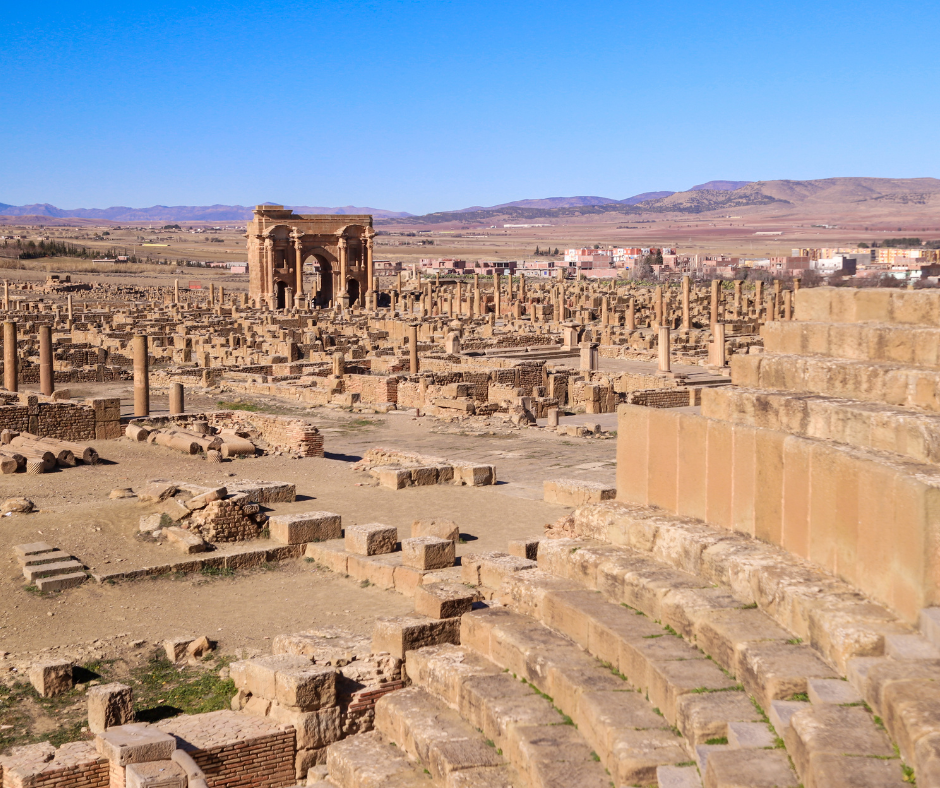
The subsequent arrival of Rome turned the region into a vital breadbasket for the empire, leaving behind astonishingly well preserved cities like Timgad and Djemila, monuments to its power and engineering prowess.
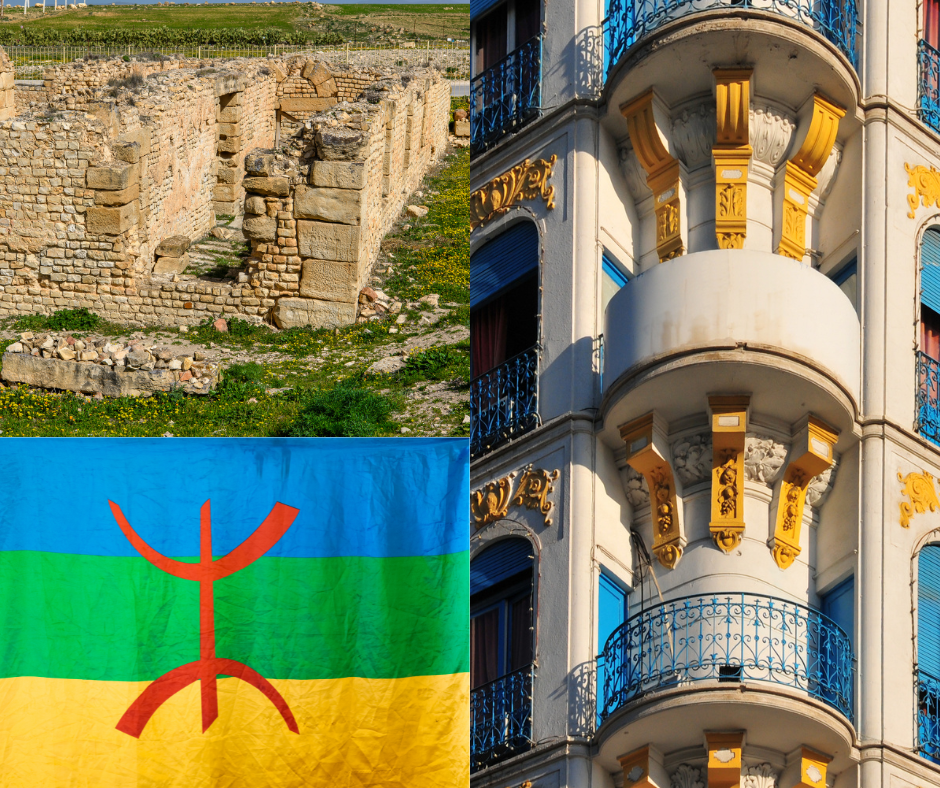
With the fall of Rome, a new chapter began as the rich cultures of the Arab and Berber peoples intertwined, creating the unique cultural fusion that forms the very soul of modern Algeria. This identity was later forged in the crucible of a long and complex period of French colonial rule, a struggle that cultivated an unyielding spirit of independence and culminated in a hard won liberation.
You can feel this palpable pride and defiance in the labyrinthine alleys of the Casbah of Algiers, a place that was not just a home but a revolutionary stronghold. Understanding this epic, layered history is the key to truly seeing and appreciating the Algeria of today.
The Practical Part: Nailing Your Arrival and Logistics
Getting to Algeria is straightforward, but it requires diligent planning. Most travelers will fly into Houari Boumediene Airport (ALG) in Algiers, the nation's primary gateway with excellent connections from Europe and the Middle East. Depending on your itinerary, the airports in Oran (ORN) and Constantine (CZL) are also viable entry points.
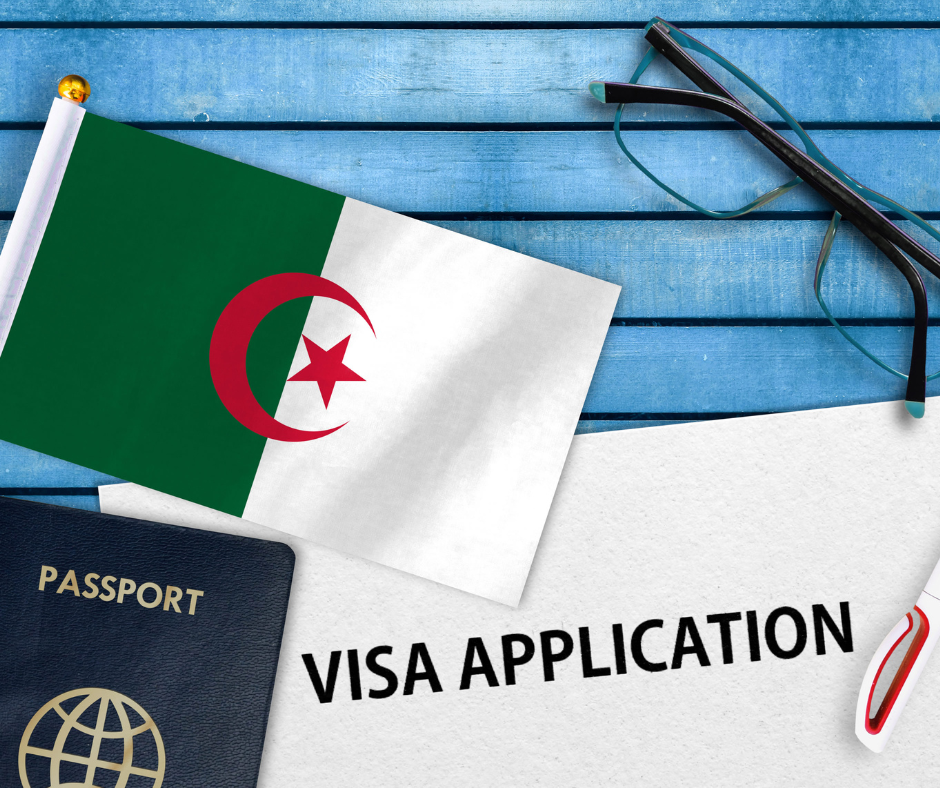
The most critical step is securing your visa. This is a non negotiable requirement for most nationalities and must be done well in advance. You will need to apply at an Algerian embassy or consulate in your country of residence. The application process is meticulous. Expect to provide a completed form according to the purpose of your visit, passport photos, proof of travel insurance, a detailed day by day itinerary, and, crucially, proof of confirmed accommodation for every single night of your trip or a letter of invitation from a host in Algeria.
This last point is non negotiable. The process can take several weeks and may require a face-to-face interview, so start early. Your passport must have at least six months of validity from your date of entry.
You should also keep in mind that a maximum stay is imposed on all visas and length of the stay varies based on each visa type.
For more detailed informations about algerian visas, we strongly advice you to read this guide to algeria.
Once you are in, domestic travel is an adventure in itself. For crossing the vast distances of the country, domestic flights with Air Algérie are the quickest option. The SNTF railway system provides a comfortable and scenic way to traverse the northern coast.
The most extensive network is covered by buses, which are economical and reach almost every town. For a faster intercity option, look for louages, or long distance shared taxis. In the cities, always agree on a taxi fare before you begin your journey, or better yet, use the ride hailing app Yassir, which functions like Uber and provides upfront pricing.
Discover Algeria: Beyond the Headlines
This is where the real magic begins. Algeria’s attractions are monumental, ranging from world class archaeological sites to some of the most dramatic natural landscapes on the planet.
-
Algiers:
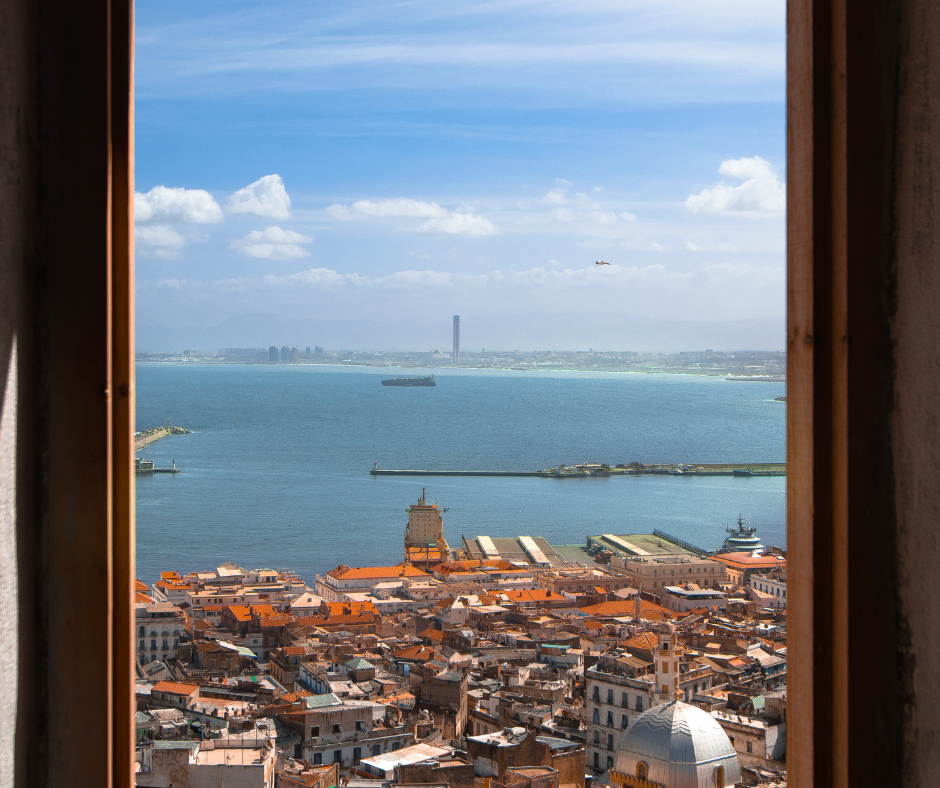
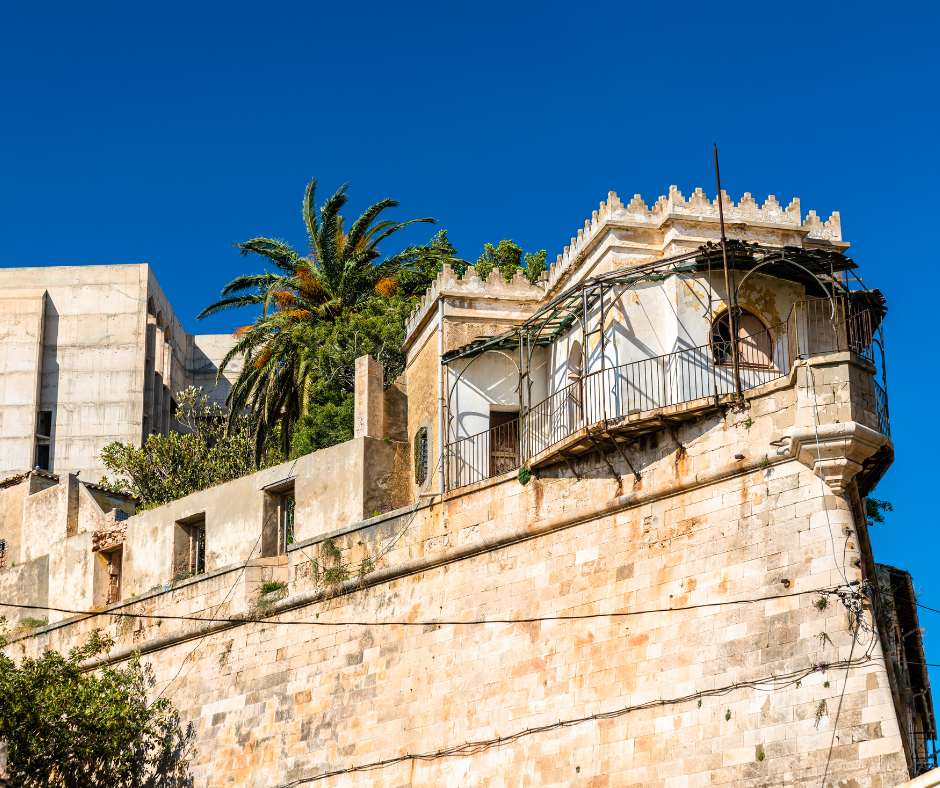
The capital is a captivating introduction to the nation's energy. Its most famous district is The Casbah, a UNESCO World Heritage site and a dazzling, bewildering maze of steep alleys. To truly unlock its secrets, hiring a local guide is essential. They will not only prevent you from getting lost but will also point out hidden architectural details, share stories of the revolution, and lead you to historic mosques like Djamaâ El-Djedid and the iconic Ketchaoua Mosque.
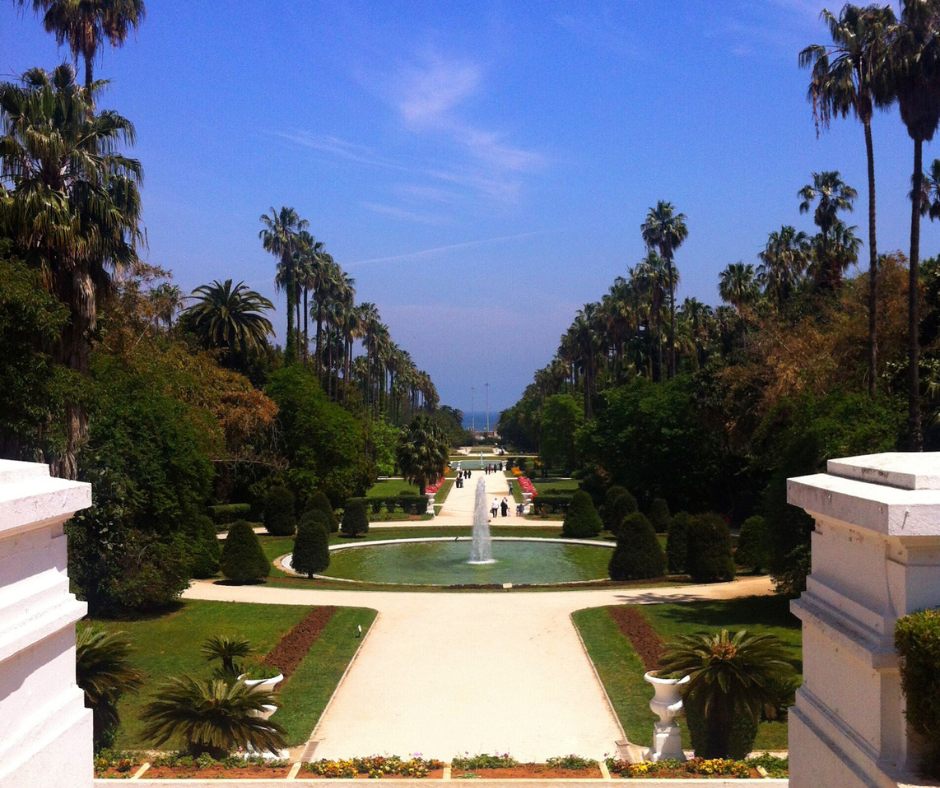
Beyond the Casbah, don’t miss the Jardin d'Essai du Hamma, a stunning 54-hectare botanical garden that offers a tranquil escape, and the towering Martyrs' Memorial (Maqam Echahid), which provides a stunning panoramic view of the entire city and its bay.
Also Read: Top attractions and activities in algiers - Oran:
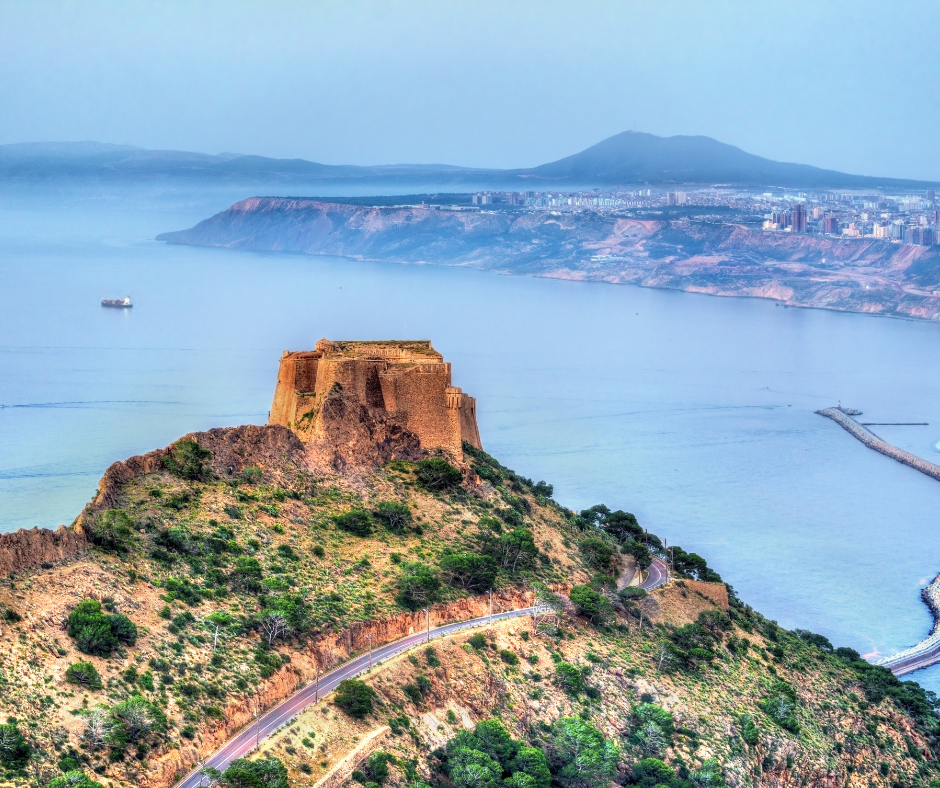
Known as El Bahia ("The Radiant"), Oran offers a completely different vibe from Algiers. Its deep Spanish and French influences are visible everywhere, from the grand colonial architecture to the imposing Santa Cruz Fort, perched high on a hill with its own chapel, offering the best panoramic views of the city and port.
Oran is also the heartland of Rai music, a soulful and rebellious genre that was born in the city's cafes. For a deep dive into its history, explore the Palace of the Bey and wander through the historic Sidi El Houari district, the city's oldest quarter.
Also Read: What to experience in Oran -
Constantine: The City of Bridges
Suspended dramatically over the deep Rhumel River gorge, Constantine is one of the most spectacular cityscapes in the world. Its identity is defined by its seven iconic bridges. The most breathtaking is the Sidi M'Cid Bridge, a suspension bridge built in 1912 that hangs 175 meters above the river.
Walking across it is an unforgettable experience. For a different perspective, take the city’s cable car. Explore the Palace of Ahmed Bey, a beautifully preserved example of Ottoman architecture, with its intricate tilework, courtyards, and painted ceilings that tell stories of the Bey's life and travels.
Also read: Must see attractions in Constantine
-
Djemila, Tipasa and Timgad:
Algeria is home to some of the finest Roman ruins on Earth. While both Djemila and Tipasa are UNESCO sites, they offer vastly different experiences.
Djemila, set in the mountains, is the more academic of the two. It is an impeccably preserved city plan, allowing you to walk from the forum to the temples to the Christian quarter and truly understand the structure of Roman urban life.
Tipasa, on the other hand, is pure romance. Its ruins are scattered along the Mediterranean coast, with waves crashing near its ancient basilica and amphitheater. It’s a place where history feels poetic and wild. At both sites, you can often hire excellent local guides at the entrance, which is highly recommended to bring the stones to life.
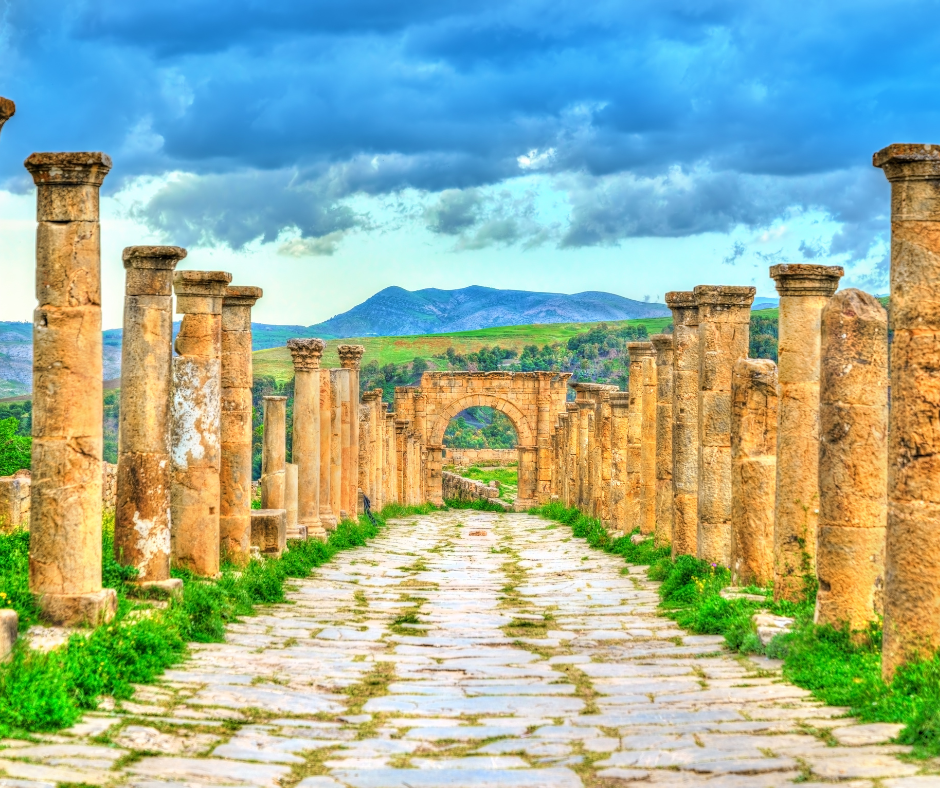
But for sheer scale and preservation, Timgad is arguably the most impressive. Nicknamed the "Pompeii of Africa," it's a breathtaking example of Roman grid-plan city design. You can walk its original stone streets, stand in the vast forum, and admire the magnificent Arch of Trajan.
-
Ghardaïa and the M'Zab Valley:
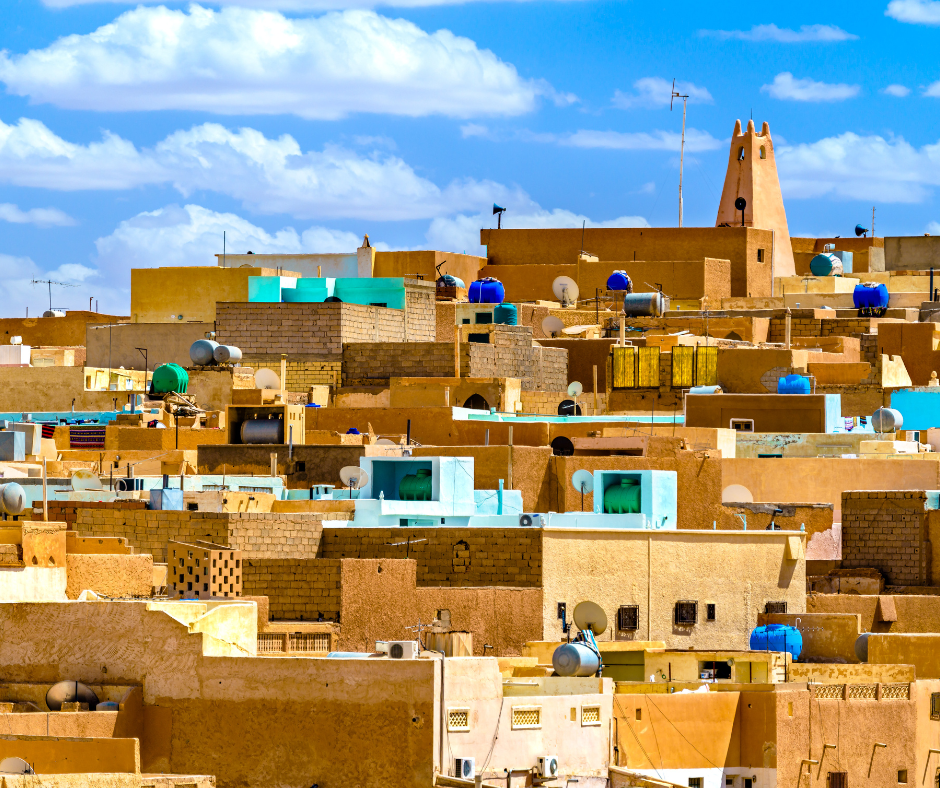
This is one of Algeria’s most unique and culturally rich destinations. The M'Zab Valley is a UNESCO World Heritage site, home to the Mozabite people, an Amazigh ethnic group who practice Ibadi Islam. They built five fortified cities (the Pentapolis) in the 10th century, the largest of which is Ghardaïa.
Their architecture is stunningly unique, designed for communal defense and adapted to the desert climate. The minaret of each mosque functions as a watchtower. Travel here comes with strict rules that must be respected: you must be accompanied by a licensed local guide at all times, a modest dress code is enforced (especially for women), and photography of people is strictly forbidden. This is not a restriction but an insight into a deeply traditional and private society, making a visit here a truly privileged experience.
Also Read: Top attractions and activities in Ghardaia
- Timimoun:
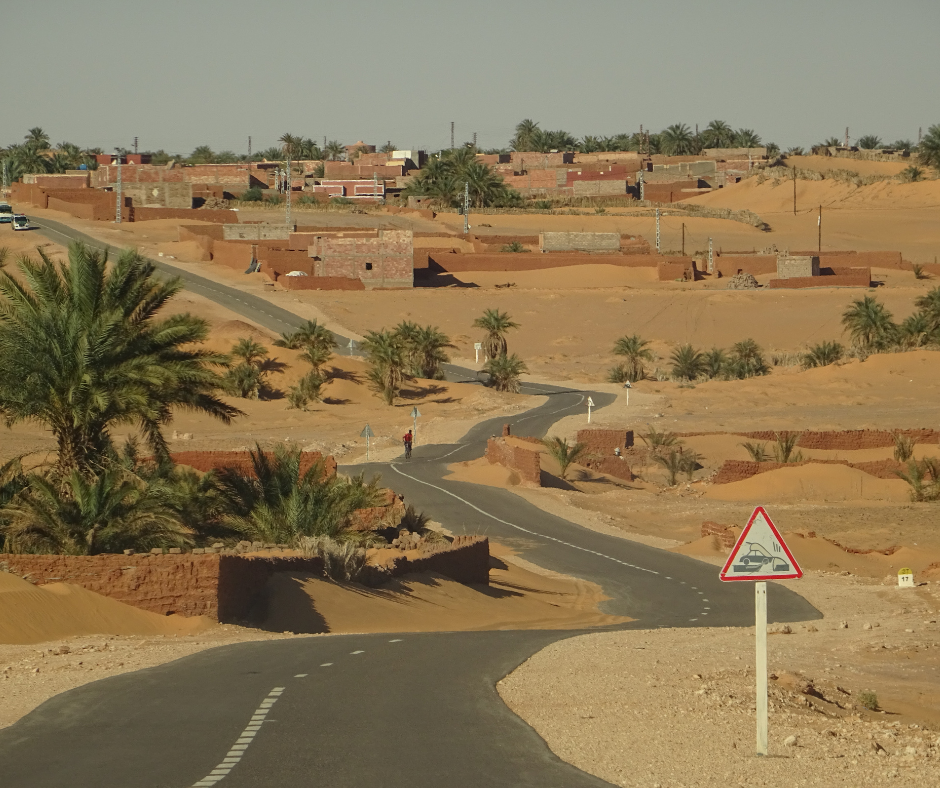
Deep in the Sahara lies Timimoun, an oasis town famous for its striking red ochre, Sudanese-style mud-brick architecture. This is a different desert experience from the vast sand ergs. The town is the heart of the Gourara region, characterized by a vast salt lake (sebkha) and a network of oases connected by ancient underground irrigation channels called foggaras.
Exploring these ingenious systems with a local guide offers a fascinating insight into how life has been sustained here for centuries. Timimoun is a place to slow down, experience a unique desert culture, and witness some of the most spectacular sunsets in the Sahara.
-
Tassili n'Ajjer:
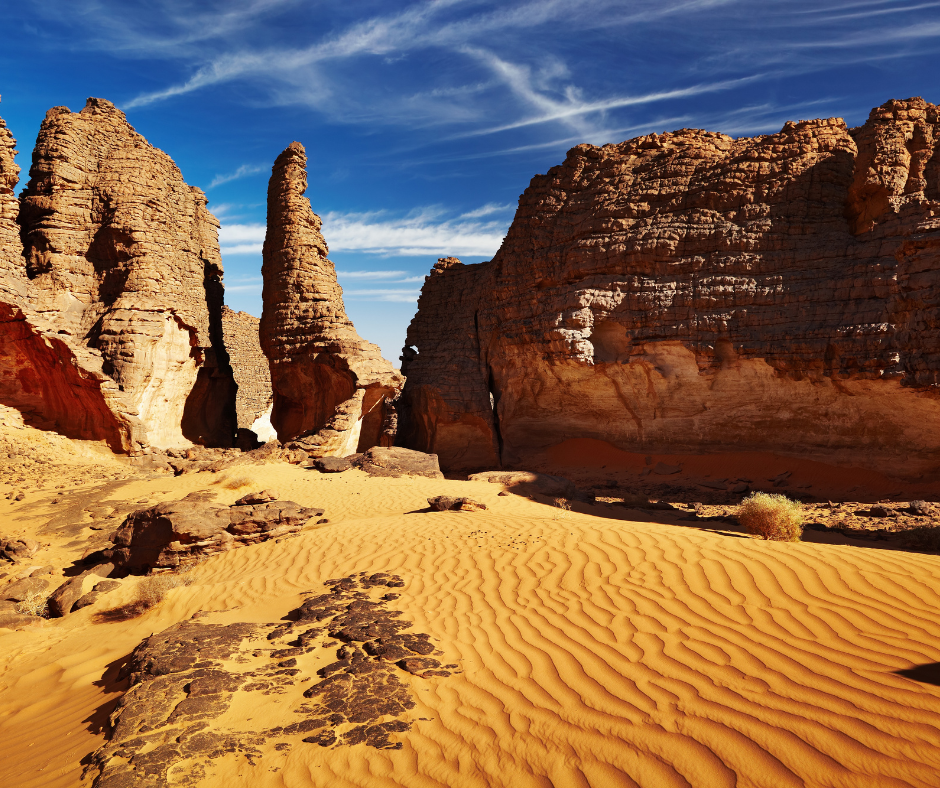
For the truly adventurous, Tassili n'Ajjer National Park is a life changing destination. A UNESCO site for both its natural and cultural significance, this vast plateau in the Sahara is a "forest of stone," with geological formations eroded into otherworldly shapes. But its true treasure is the more than 15,000 prehistoric rock paintings and engravings that date back as far as 12,000 years.
These stunning artworks depict a time when the Sahara was a vibrant savannah, teeming with wildlife like elephants, giraffes, and cattle. A trip here is a serious expedition. It is accessible only via a guided 4x4 tour with a licensed Tuareg guide, requires special permits, and involves rustic camping. It is a journey into the deep past of humanity itself.
-
The Sahara: Taghit and the Great Ergs
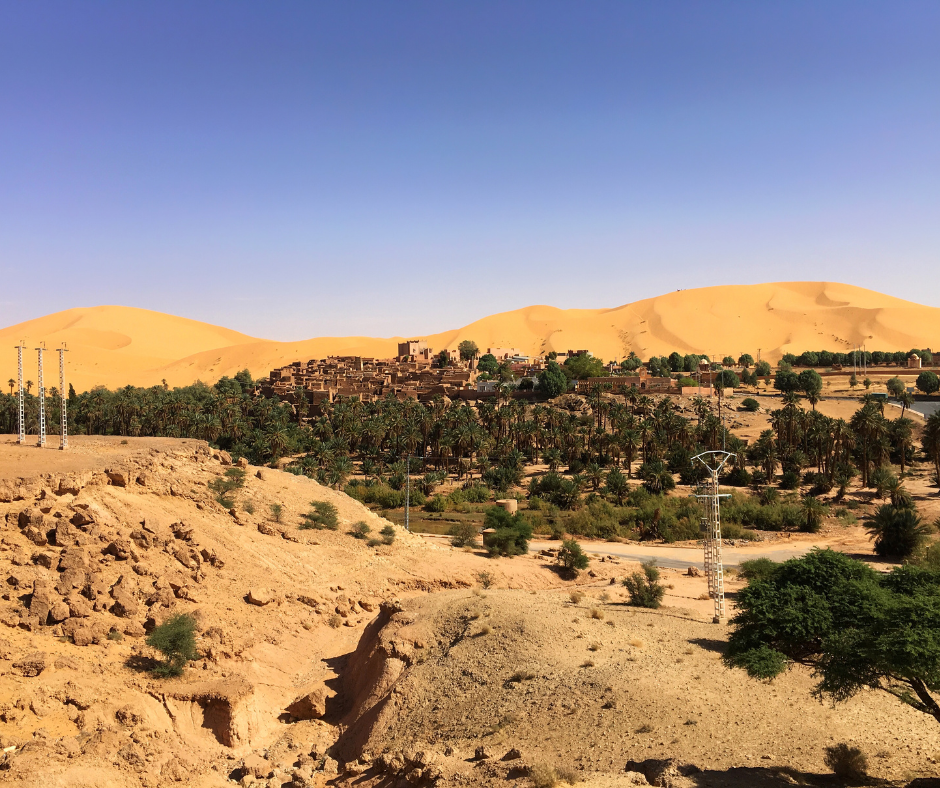
Beyond the specific sites, the Sahara itself is the main event. For a more accessible taste, the oasis town of Taghit, on the edge of the Grand Erg Occidental, is known as "the enchantress." Its beautiful ksar (fortified village) is set against a backdrop of massive, towering sand dunes.
It's a perfect base for a first camel trek or to simply watch the sunset paint the dunes in unbelievable colors. This is where you can experience the profound silence and immense scale of the desert, an experience that is both humbling and exhilarating.
- The Kabylie Region & Djurdjura Mountains: The Lush Berber Highlands
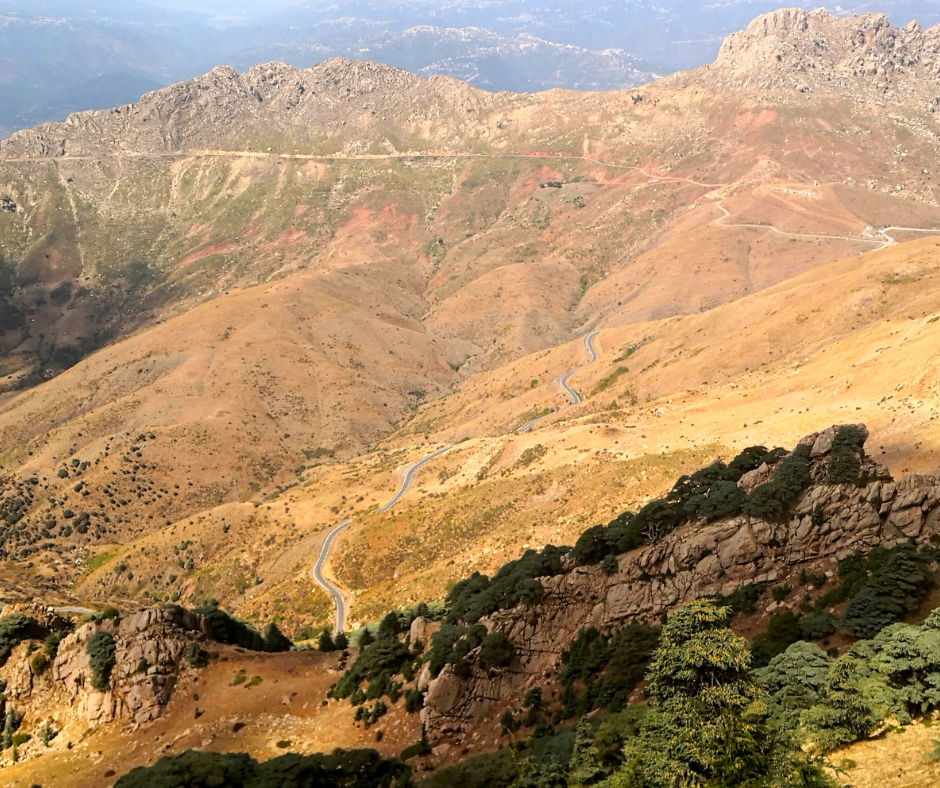
To see a completely different side of Algeria, head north into the Kabylie region, the heartland of the Amazigh (Berber) people. This area is dominated by the rugged and beautiful Djurdjura National Park, a landscape of towering peaks, dense cedar forests, and deep gorges.
It offers some of the country's best hiking, particularly around the mountain resort of Tikjda. This region is not just about nature; it's a stronghold of Berber culture, with its own language (Taqbaylit), traditions, and a fierce spirit of identity. Visiting the small mountain villages provides a unique cultural immersion, contrasting sharply with the Arab-influenced cities and the Saharan oases.


Where to Stay: From City Comfort to Desert Charm
Your accommodation choices in Algeria are part of the cultural immersion. In Algiers and Oran, you’ll find international hotel chains like Sofitel and Royal Hotel that offer reliable comfort. However, to truly connect with the country’s spirit, seek out the traditional guesthouses, or dars.
These are often beautifully restored homes in historic city centers, offering incredible hospitality and a direct line to local life. In desert towns and oases, family run inns and campsites provide a warm welcome. Remember, you will need confirmed bookings for your entire trip for your visa application, so plan and book everything in advance.
Savoring Algeria: A Taste of History and Hospitality
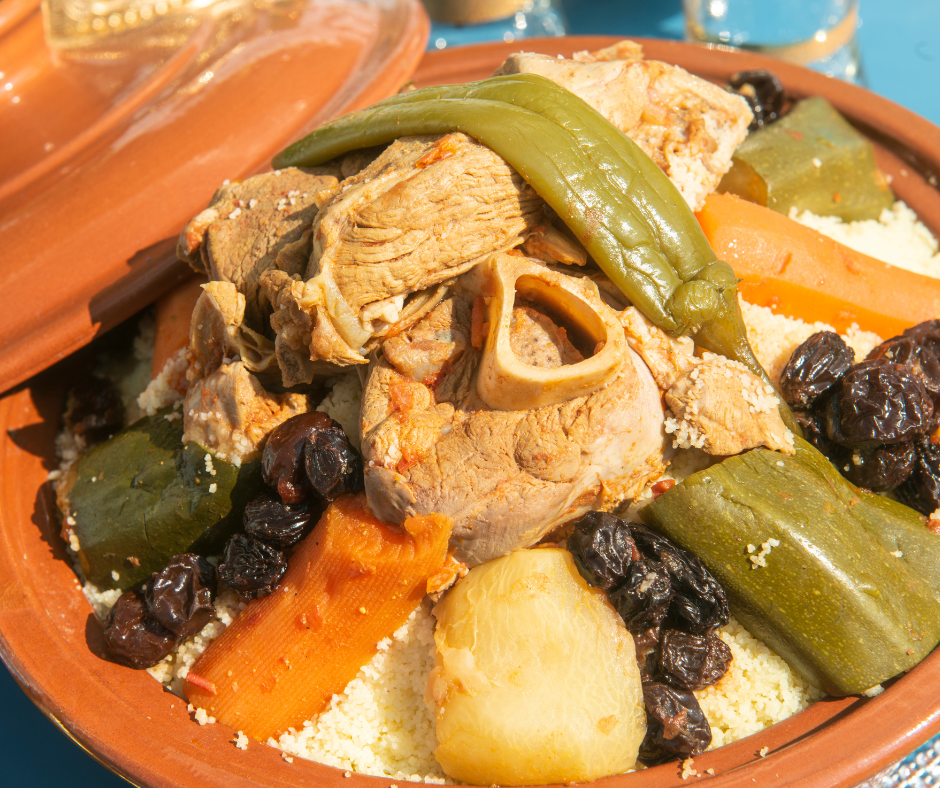
Algerian cuisine is a delicious reflection of its diverse history. The undisputed national dish is couscous, traditionally served on Fridays and for celebrations. It’s a labor of love, with perfectly steamed semolina grains served alongside a rich stew of lamb or chicken and seasonal vegetables. For a true feast, look for mechoui, a whole lamb slow roasted to perfection.
Don’t miss out on street food staples like Karentika, a savory chickpea flan served in a baguette, or a warm bowl of shorba soup. For a sweet treat, try makroud, a semolina and date pastry soaked in honey. Each bite is a taste of Algerian generosity.
Your Essential Algeria Travel Toolkit
A little preparation goes a long way. Keep these essentials in mind for a smooth journey.
-
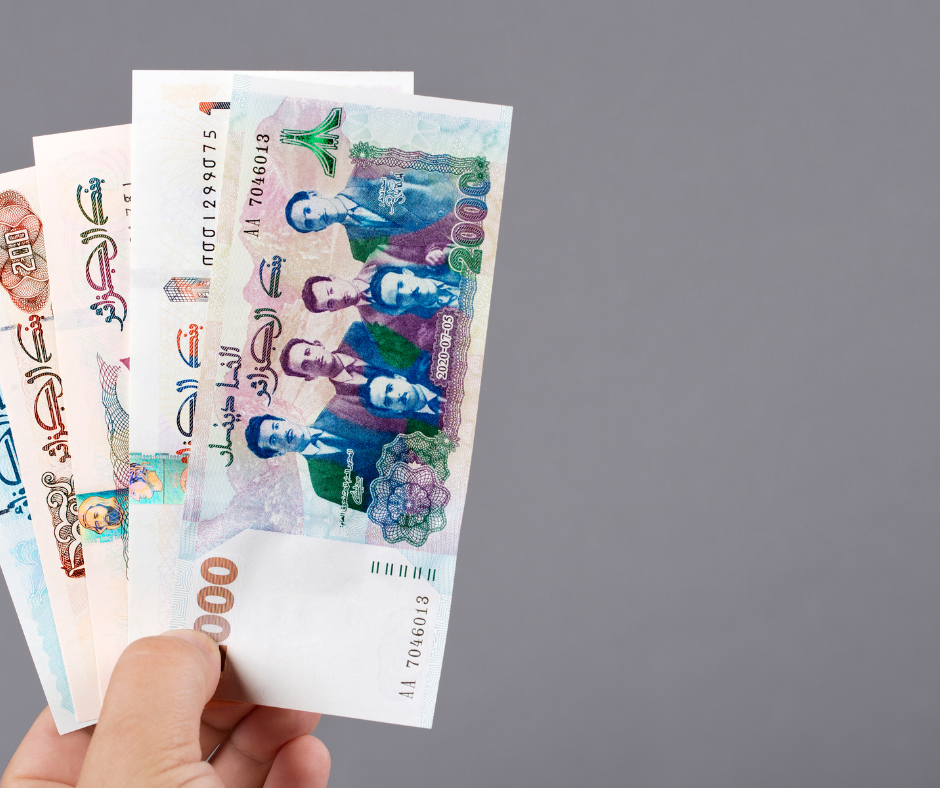
Understanding the Currency System: This is one of the most critical aspects of planning your trip. Algeria has an official bank exchange rate, and travelers will quickly become aware of a widely used unofficial "parallel market" (often called the 'black market'). This parallel market offers a significantly more favorable exchange rate for foreign currencies (Euros are preferred). These informal exchanges are a common part of the local economy and often happen via trusted local contacts.
However, it is extremely important for visitors to know that participating in this parallel market is illegal under Algerian law. While many people use it, engaging in unofficial currency exchange carries legal risks.
Therefore, to ensure a safe and legally compliant journey, the official recommendation is to exchange all currency through authorized channels. This includes banks and official exchange offices located at airports and in major cities. While the official bank rate is less favorable, using these channels is the only way to guarantee your transactions are secure and within the law. Be aware that ATMs dispense currency at the official rate, so plan to bring enough cash (Euros or USD) to exchange for your trip's needs. For tracking rates, the XE Currency app is invaluable.
Also Read: How much does it cost to visit Algeria?
-
Connectivity: Purchase a local SIM card from providers like Ooredoo (for quality) or Mobilis (for broad coverage) upon arrival for reliable data. WiFi can be spotty outside of major hotels. For navigation, Waze works best in cities, while Maps.me is excellent for its offline capabilities in remote areas.
-
Health and Safety: Consult a travel health professional about recommended vaccinations, which may include Hepatitis A & B, Typhoid, and Cholera. Always drink bottled water. While cities are generally safe, be aware of petty theft in crowded areas. For any travel into the deep south or Sahara, hiring a reputable, government licensed guide and agency is not just recommended, it is often mandatory for safety and for passing through security checkpoints. Check your government's travel advisories (like the FCDO) for the latest information on regions to avoid, particularly near the borders with Mali, Niger, and Libya.
-
Solo Female Travelers: Traveling alone as a woman in Algeria requires cultural adaptation. Modest dress (covering shoulders, arms, and legs) will help you blend in and avoid unwanted attention. Be prepared for some harassment or catcalling. No need to be alarmed by this. If you have been to egypt or india, you'll have no problem in Algeria. In certain cases, a firm, loud response can be effective if you feel threatened. Stick to well-lit areas after dark and consider using the back seat of taxis.
Also Read: Is Algeria safe to visit?
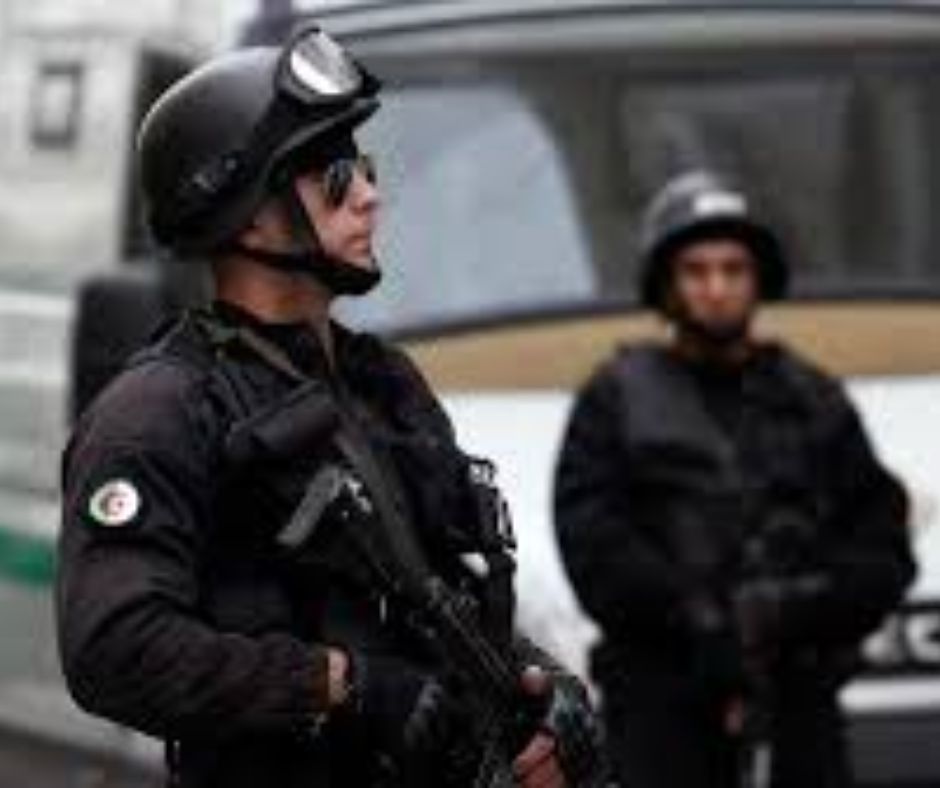
- Navigating by Road: Checkpoints and Conditions Are a Serious Factor Self-driving is possible in the northern regions but be prepared. Police and gendarmerie checkpoints are extremely common on all major roads. They are a normal part of security. Always have your passport, visa, and car rental documents easily accessible.
Be patient, polite, and answer any questions simply. Road quality varies drastically from excellent coastal motorways to poorly maintained rural roads. Avoid driving at night whenever possible due to poor lighting and unexpected hazards. For any travel into the Sahara, a licensed local driver and a 4x4 vehicle are not just recommended. They are essential and often mandatory.
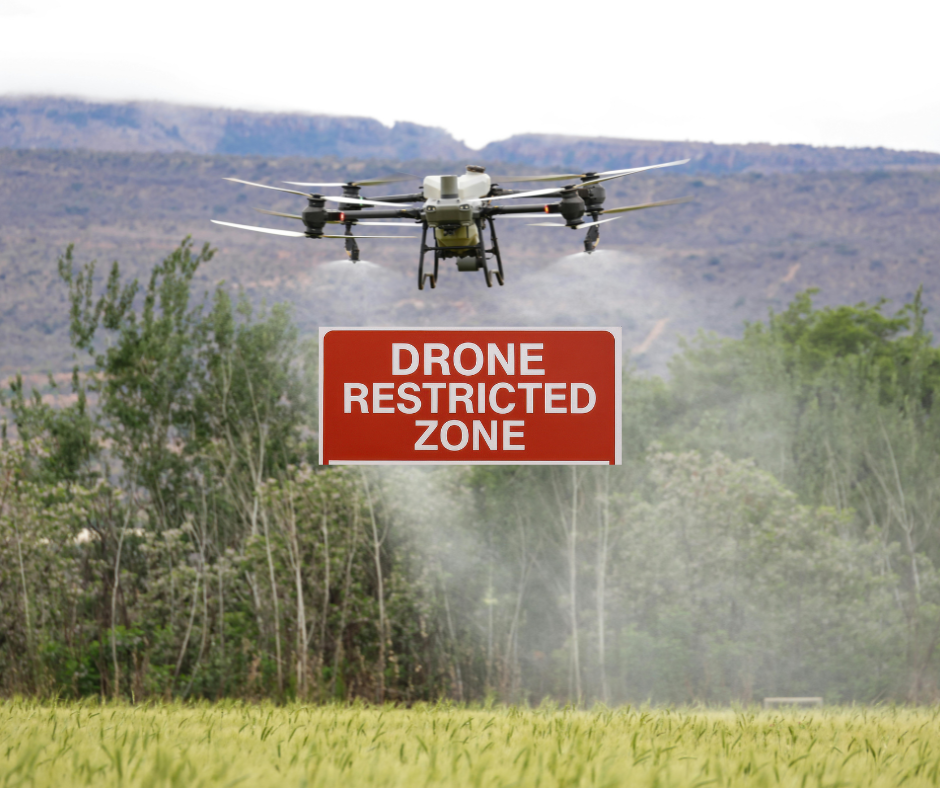
- Drones Are Strictly Forbidden: Don't Even Try This is a non-negotiable rule. Do not attempt to bring a drone into Algeria. They are considered a serious security risk by the authorities and will be confiscated at customs. Attempting to import a drone can lead to significant legal trouble, fines, and will be a terrible start to your trip. Leave it at home.
-
Local Customs and Laws: Algeria is a conservative Muslim country. Public displays of affection are frowned upon. Alcohol is not widely available but can be found in licensed international hotel bars. Never drink in public. Photography of government buildings, military sites, and bridges is forbidden. Always ask permission before taking pictures of people.
Also read: Top things to know before visiting Algeria
Algeria doesn't just offer a trip; it offers an expedition. It’s a country that challenges you, rewards you, and stays with you long after you’ve returned home. It’s a journey for the curious, for those who believe that the greatest travel memories are born far from the comfort zone. So pack your bags and get ready to discover the magnificent, unforgettable heart of North Africa.
Ready for Your Own Algerian Adventure?
Let us take the stress out of planning. We're a team of travel experts who specialize in crafting personalized itineraries that combine authentic local encounters with breathtaking landscapes, all with seamless logistics.
Let us handle the planning and coordination so you can simply enjoy a memorable trip.
Share with us your ideal trip, budget, and preferences. You'll receive a fully personalized travel plan, completely free of charge, after a short call to understand better your preferences.
Share Your Trip Idea With WildyNess
Curious what other travelers have to say? WildyNess reviews on Google


