


Stepping into a local restaurant or market to try a dish in Algeria without understanding the deep historical forces that shaped the regional culinary landscape can leave you feeling deeply overwhelmed by the variety of unfamiliar spices, grains, and stewing techniques.
That is why our team at WildyNess created this guide to systematically break down the ingredients, methods, and iconic recipes that define the authentic gastronomic identity of the nation.
The Cultural Foundations of traditional dishes in algeria
Historical Influences on the National Plate
The flavor profiles found across the country serve as a edible archive of the various civilizations that have moved through North Africa over the past several millennia.
Indigenous Amazigh agricultural traditions provide the baseline foundation of the cuisine, establishing the ancient reliance on hard durum wheat, olive oil, and slow-cooked earthen stews.
Subsequent periods of Mediterranean trade, Islamic expansions, Ottoman presence, and European interactions introduced new ingredients and techniques into local kitchens.
These diverse culinary currents integrated specific elements like Andalusian spice blending, Turkish pastry methods, and New World ingredients like tomatoes and peppers into the domestic culinary repertoire.
The Communal Philosophy of Slow Cooking
Traditional food preparation in this region prioritizes patience, hospitality, and large-scale communal sharing over individual fast-casual dining.
The preparation of core grain dishes and rich broths routinely requires several hours of meticulous steaming and simmering to achieve the ideal texture and flavor concentration.
Meals are conceptually designed to welcome unexpected guests, turning a simple family gathering into an open celebration of local hospitality.
Food is traditionally presented in large, central ceramic platters where diners scoop up shared grains, meat cuts, and cooked vegetables using sections of fresh flatbread rather than individual utensils.
Rituals of Festivity and Daily Hospitality
The daily consumption of food is deeply intertwined with religious calendars, seasonal harvests, and ancient practices of welcoming travelers.
During major cultural holidays, households dedicate days to preparing complex honeyed pastries, including griwech, a braided, fried dough pastry scented with orange blossom water and dusted with sesame seeds.
Even outside of formal celebrations, the simple act of welcoming an individual into a home or shop is marked by an unchanging hospitality ritual involving a freshly brewed pot of sweet mint tea.
This beverage is poured from an elevated height to create a delicate foam layer, serving as a universal gesture of friendship and respect across all regions.
Primary Categories of Traditional Algerian Main Courses
The structural core of the culinary landscape is dominated by hearty grains, slow-simmered vegetable sauces, tender meats, and highly specialized handmade pastas. Exploring these staple dishes reveals the incredible diversity of textures and regional variations that exist within the national borders.
Geographic Varieties of National Couscous
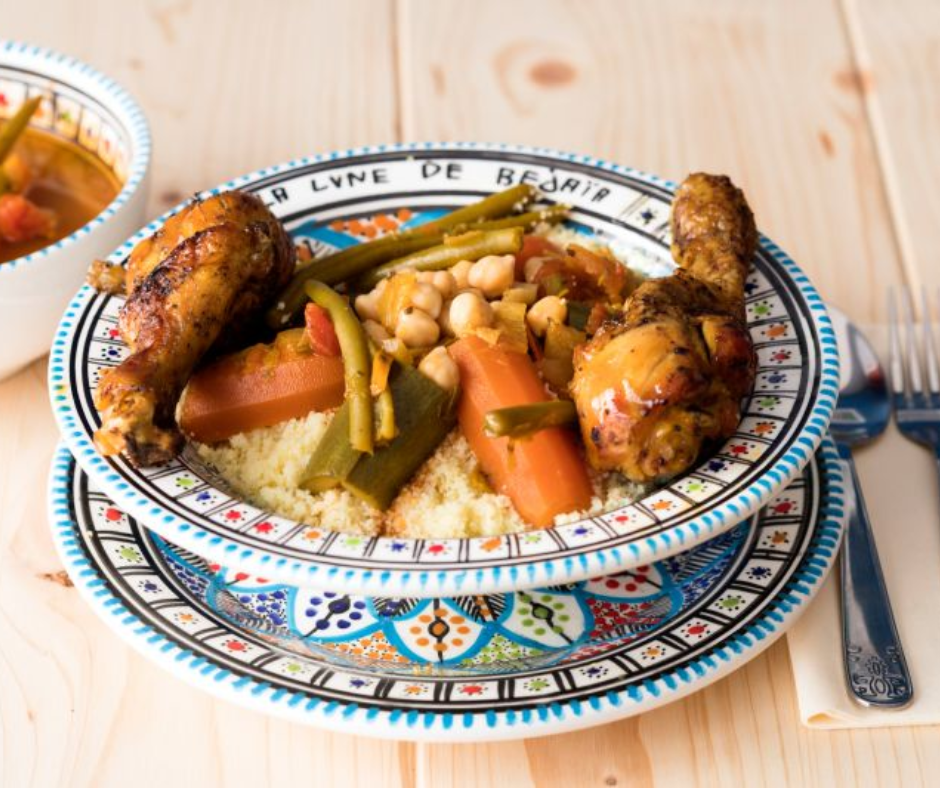
Couscous remains the undisputed national dish of the country, featuring fine semolina grains that are meticulously rolled by hand and steamed multiple times in an earthen pot known as a kesskess.
The preparation variations change dramatically based on local geography, reflecting the agricultural yields of each distinct zone.
In northern coastal cities, the grain is typically topped with a light, clear vegetable broth featuring zucchini, turnips, and tender cuts of lamb or chicken.
In contrast, inland and desert regions frequently serve a deep red, highly concentrated tomato broth enriched with spicy harissa, chickpeas, and hearty winter vegetables that suit the arid climate.
Read also: Where to Eat Couscous in Algeria | WildyNess Guide
Traditional Soups and Starter Broths
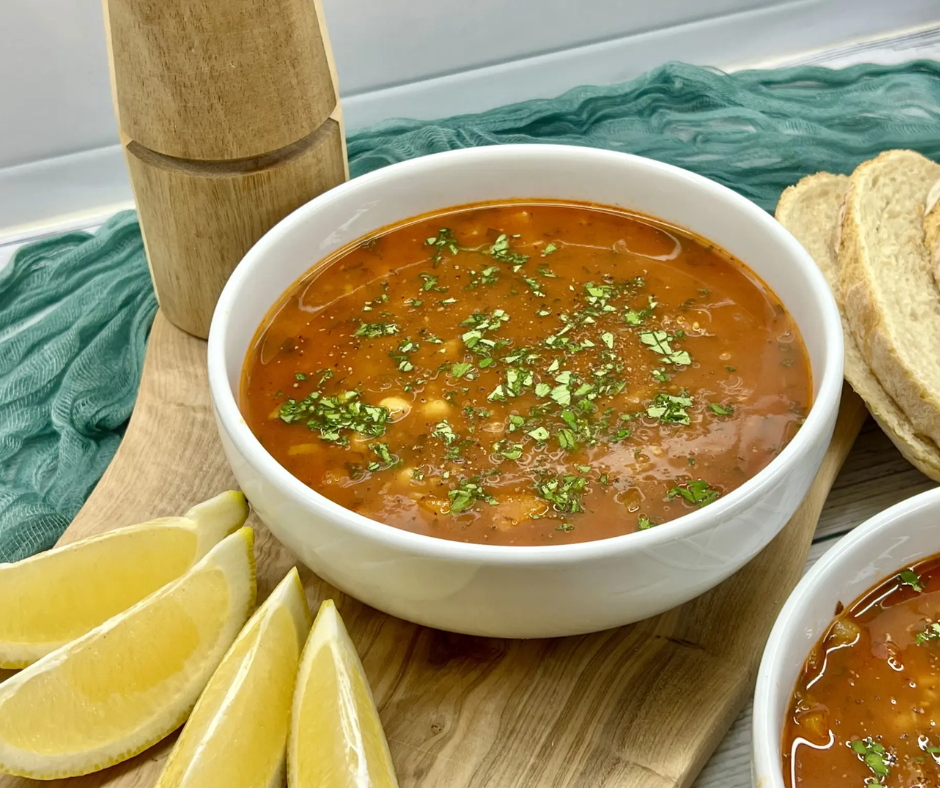
No traditional culinary exploration is complete without experiencing the rich, comforting qualities of local starter broths, most notably chorba frik.
This highly popular soup is constructed using frik, which is ancient green durum wheat that is harvested while young, parboiled, sun-dried, and gently roasted to impart a distinct smoky flavor profile.
The grain is simmered alongside crushed tomatoes, onions, garlic, coriander, fresh mint, and tender pieces of beef or lamb until the mixture achieves a thick consistency.
On cool coastal evenings or during ceremonial break-fast gatherings, this soup provides immediate nourishment and serves as an aromatic introduction to the main meal.
The Craftsmanship of Hand Cut Rechta Noodles
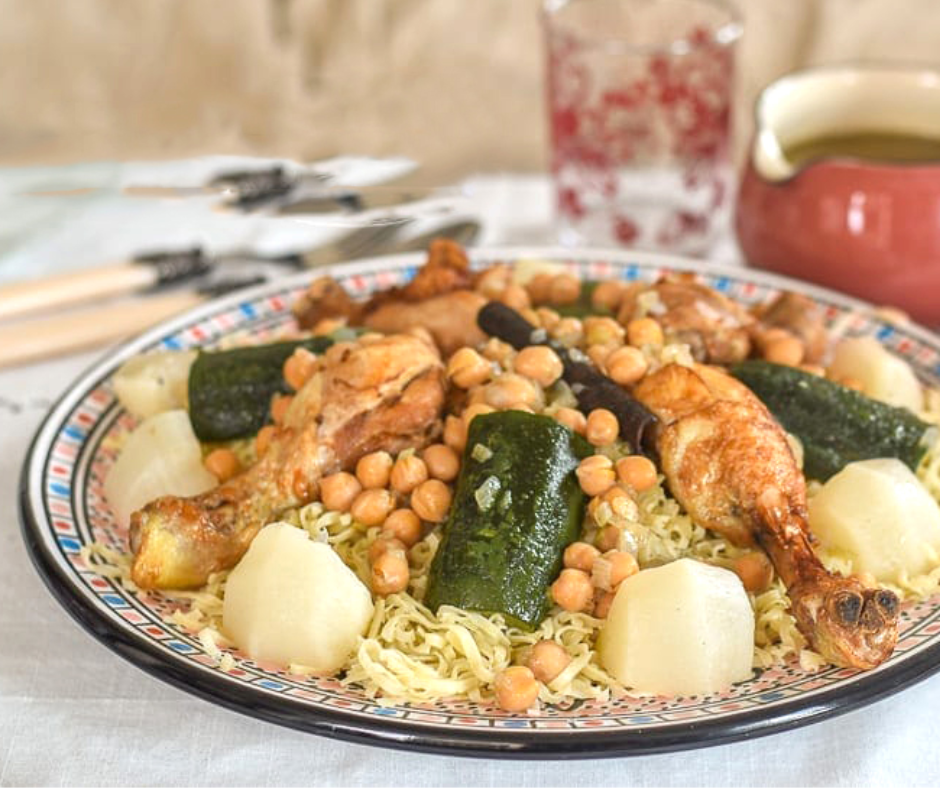
Rechta represents a pinnacle of local culinary craftsmanship, consisting of exceptionally fine, flat noodles made from a precise mixture of semolina flour, salt, and water.
The dough is rolled thin, sliced into delicate strands, and steamed carefully over a fragrant white broth containing chicken, white turnips, onions, chickpeas, and a subtle seasoning of cinnamon.
This dish is highly revered across the central regions of the country and is frequently prepared for special familial events, religious milestones, and weddings.
The delicate texture of the noodles absorbs the light, savory chicken broth, creating a unique contrast to the heavier tomato-based stews found elsewhere.
The Regional Varieties of Chakhchoukha Stew
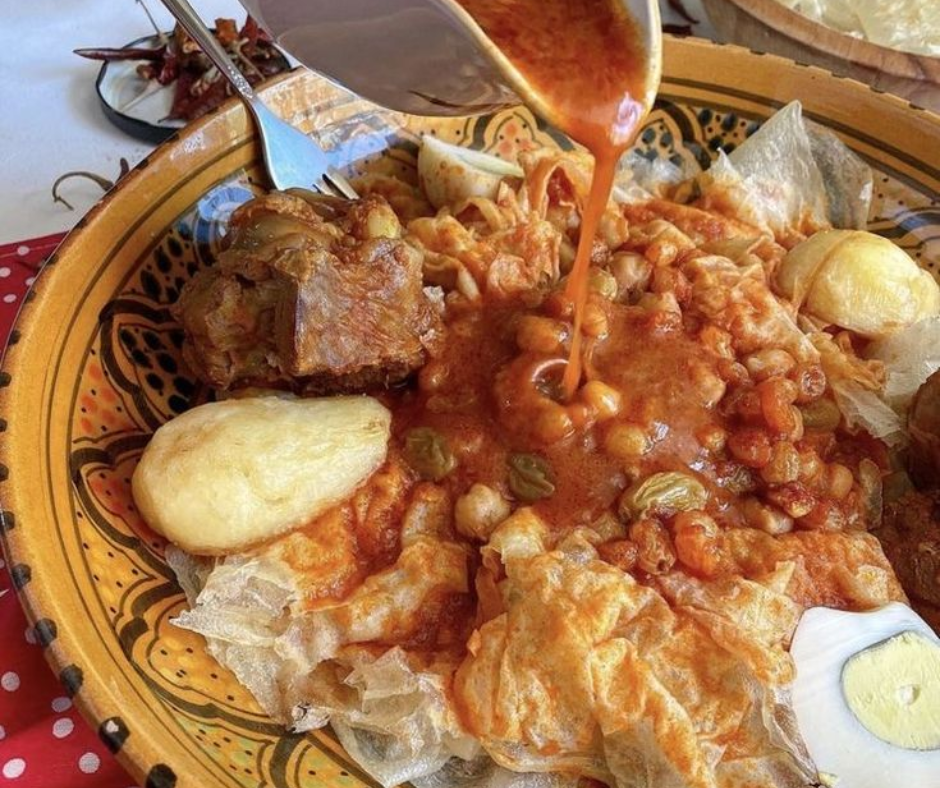
Chakhchoukha is a celebrated, robust dish that highlights the ingenious culinary practice of utilizing thin flatbreads as a structural element of a main course stew.
The base consists of rougag, which is paper-thin dough that is baked on a hot iron plate, shredded by hand into small pieces, and arranged in a deep serving bowl.
This bed of bread is then completely saturated with a fiery, dark red tomato sauce cooked with onions, garlic, hot peppers, chickpeas, and lamb.
The city of Constantine is particularly famous for its specific version of this dish, where the intense spice level and tender meat components demonstrate the deep culinary traditions of the eastern high plains.
Street Food Innovations and Regional Quick Service Staples
Beyond the formal dining rooms and celebratory family tables, urban centers feature a highly dynamic street food culture that provides immediate insight into everyday local life.
These quick-service options are affordable, packed with flavor, and deeply rooted in the historical resourcefulness of working-class neighborhoods.
The Crispy Geometry of the Algerian Bourek
When moving through the bustling streets of the historic Casbah in Algiers or along the coastal promenades, you will constantly encounter vendors preparing fresh bourek.
This highly accessible street food is crafted using dioul, which are translucent, circular sheets of pastry dough that are stuffed with a variety of savory fillings before being deep-fried to a deep golden crisp.
The traditional filling blend consists of seasoned minced beef, finely chopped onions, fresh parsley, mashed potatoes, and soft white cheese, often featuring a whole egg cracked inside right before the pastry is rolled and dropped into hot oil.
The resulting snack delivers an exceptional contrast between the brittle, crunchy exterior shell and the hot, savory interior filling.

Karentika and Portable Quick Service Snacks
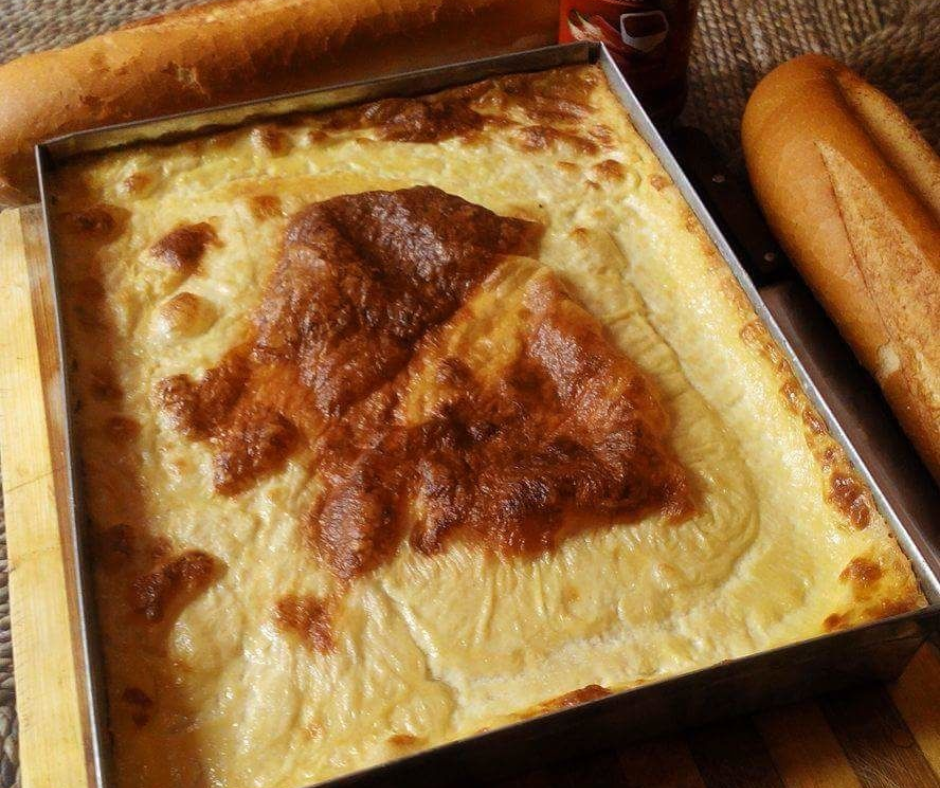
In the western coastal city of Oran, the local street food scene is completely dominated by an iconic, highly economical dish known as karentika.
This unique preparation is a dense, savory flan made from ground chickpea flour, water, oil, eggs, and a generous seasoning of cumin, which is baked in massive metal trays until a dark brown crust forms on top.
Slices of this piping hot chickpea flan are scooped directly into freshly baked baguettes, smeared with spicy harissa paste, and dusted with extra ground cumin.
It represents an incredibly filling, protein-rich snack that has sustained students, port workers, and travelers for generations due to its low cost and satisfying taste profile.
Practical Navigation and Etiquette for the Traveling Food Enthusiast
Approaching the local culinary scene with confidence requires an understanding of regional dining schedules, currency preferences, and menu terminology to ensure you receive the most authentic experience possible.
Adapting your daily routine to match the lifestyle of the community will unlock the absolute best flavors available.
Sourcing Authentic Meals in Local Markets and Restaurants
To avoid tourist-oriented food quality, you should actively seek out establishments where local families and market traders congregate during the primary midday dining window.
When sitting down at a traditional eatery, we recommend completely avoiding standard international menus and instead asking the kitchen staff directly for the house specialty of the day.
Exploring bustling central markets early in the morning allows you to sample fresh dates from the southern oases, regional olives cured with wild herbs, and freshly ground spices like cumin and coriander that elevate your understanding of the local pantry.
For a broader cultural contextual understanding of the country before you arrive, consider reviewing our comprehensive twenty facts about Algeria guide.
Read also: Algeria Food Tour: An Authentic Guide to Local Flavors & Street Food
Transactional Tips and Culinary Planning Insights
The vast majority of traditional street food vendors, small bakeries, and neighborhood restaurants operate exclusively on a cash basis, making it essential to maintain a supply of small-denomination local currency bills in your wallet.
Understanding the local terminology for basic bread types, such as the round semolina flatbread known as kesra, will make ordering significantly easier and more enjoyable.
If you want to plan an extensive culinary itinerary through ancient cities like Constantine or the coastal lanes of Oran, our team can help you build a personalized independent route that combines authentic food stops with seamless logistical support.
You can easily reach out to our travel coordinators by sending an email directly from this trip ideas page to start planning your next independent culinary expedition.


