


Most of what's worth seeing in Oran sits in a compact center: the old Spanish and Ottoman quarter of Sidi El Houari, the French-built squares around Place du 1er Novembre, and, a 15-minute drive up the mountain above the bay, the Santa Cruz fort. We'd give the city two full days, plus a third if you want the beaches west of town at Aïn El Turck or Les Andalouses.
Oran is Algeria's second-largest city and the main port of the west, about 415 km from Algiers. It is also where raï comes from, the music that made Cheb Khaled famous, and for many visitors that is reason enough to come.
Expect a working port city rather than a resort. English isn't widely spoken (French and Algerian Arabic get you further), and outside the large hotels you'll pay in cash.
This guide covers the twelve stops we'd put on a first visit, a two-day plan, what to eat, how to get there and around, and where to stay. Oran is one stop among many, and our main Algeria guide shows how it fits with the rest of the country.
Planning a first trip to Oran
- Getting in: Ahmed Ben Bella Airport is about 12 km south of the center; from Algiers, about 415 km east, Coradia trains take about 4.5 to 5 hours.
- Time to give it: two full days for the city, and a third if you want the beaches west of town.
- When to come: spring or autumn. July and August are hot, humid and busy on the coast.
- Tickets (2026): about 200 DZD for the national museums and about 110 DZD for Santa Cruz; mosques, churches and squares cost nothing.
- Moving around: walk the center, then use the single tram line (40 DZD a ride), a taxi or the Yassir app.
What to expect in Oran
Oranais call their city "el Bahia", roughly "the radiant one". Algiers, Constantine and Tlemcen tend to get the attention, but Oran sits right up there with them on our list of the best cities to visit in Algeria.
The city has two distinct sides. Down by the port is Sidi El Houari, the old quarter where the Spanish and then the Ottomans built their forts, mosques and walls. On the plateau above it is the French city, laid out from the 1830s onward with wide boulevards and apartment blocks.
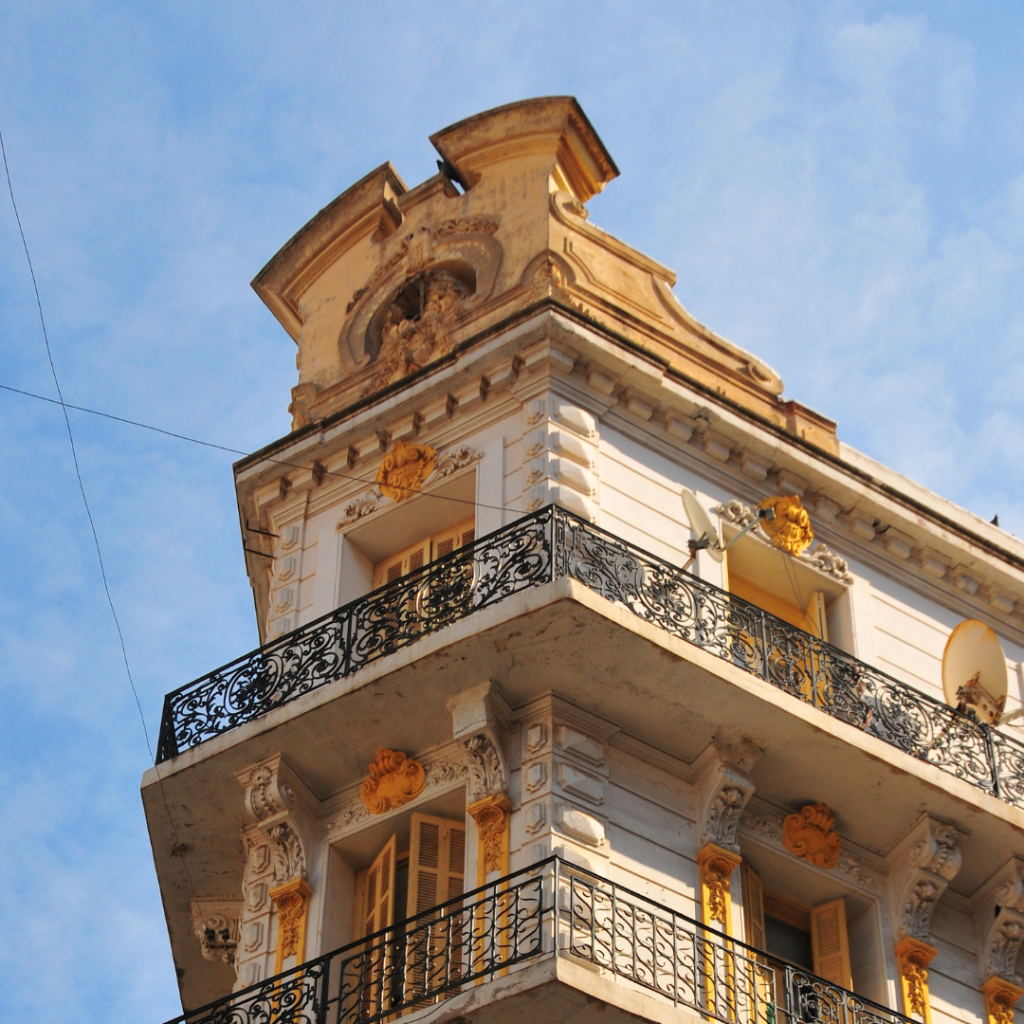
Place du 1er Novembre sits where the two meet, so it is the natural place to start a walk.
The population changed as much as the buildings. Under French rule Oran had a large European community, many of them of Spanish origin, and an old Jewish community. Most of both left at independence in 1962.
Oran's history in brief
Andalusian traders founded Oran in 902 or 903. Spain held it from 1509 to 1708 and again from 1732 to 1792, the Ottomans ruled in between and until 1831, and France ruled from 1831 to independence in 1962.
Spanish Oran was a garrison town, which is why its legacy is mostly forts. In July 1940 the British attacked the French fleet at Mers el-Kébir, just west of the city, and Allied troops landed around Oran in November 1942.
Oran's architecture: Spanish, Ottoman and French
The Spanish centuries left military buildings rather than streets: the Santa Cruz fort on Mount Murdjadjo, the Rozalcazar (later the Château Neuf) above the port, and stretches of the old walls. Place d'Armes, now Place du 1er Novembre, looks French because it is. Its town hall dates from 1886 and its theater from the early 1900s.

The Ottoman period is easiest to see in the Pasha Mosque (1796) in Sidi El Houari and in the Bey's Palace inside the Château Neuf. For a modern take, the Abdelhamid Ben Badis Mosque, opened in 2015 in the east of the city, uses the Andalusian-Maghrebi style on a very large scale.
The French period gave the center its iron-balconied apartment blocks and café terraces, especially around Boulevard de la Soummam and the Front de Mer.
Unique musical heritage
Oran and the towns around it, such as Sidi Bel Abbès, Aïn Témouchent and Saïda, are where raï was born, and in 2022 the genre went onto UNESCO's intangible heritage list as "Raï, popular folk song of Algeria".
Raï grew out of Bedouin and urban folk song in the early 20th century. The older singers, the cheikhs and cheikhas, sang in everyday Arabic about love, drink, poverty and hard times under colonial rule, which gave the genre a rough reputation for decades.
In the 1970s and 1980s, "pop raï" added synthesizers, drum machines and electric guitars, and young "chebs" such as Khaled and Mami took it to France and beyond. Many of their early cassettes came out on Oran's Disco Maghreb label (more on that below).
We've put together a playlist of raï to listen to before your trip. It's good preparation for the taxi radio, too.
Don't expect raï on every street corner. Most live music happens at weddings, in the cabarets along the coast road west of the city and at the national raï festival in August (see the tips at the end). The cabarets serve alcohol and run late, so they suit adults rather than families.
Dishes to try in Oran
Oran's food mixes Algerian staples with a Spanish streak left over from the centuries of Spanish rule. These are the dishes we'd look for.
Karantika
Karantika (also spelled garantita) is Oran's signature street food: a baked chickpea-flour flan, cut into squares, sprinkled with cumin and harissa and usually eaten in a piece of baguette. Many people say it came from the Spanish garrison, but nobody has proved it.
Maaqouda
Maaqouda are fritters of mashed potato bound with egg and flavored with garlic, parsley and sometimes cheese. Sandwich shops all over Algeria sell them, and they make a cheap lunch.
Berkoukes
Berkoukes is large-grain, hand-rolled couscous cooked in a soupy sauce with vegetables and meat. In Oran it is the family dish for Mawlid, the Prophet's birthday (25 August in 2026, expected around 14 or 15 August in 2027), so it's worth asking your host about it if you're in town then.

© Salim
Traditional Paella
Paella, the Spanish saffron rice dish, is still cooked by Oranian families, another leftover from the Spanish centuries.
Desserts
For dessert, look for mouna, a domed brioche flavored with orange blossom, anise and citrus zest. It began as the Easter bread of Oran's Spanish and pied-noir families.
Where to eat in Oran
Buy karantika from the sandwich shops and stalls in the center and around Medina Jdida. For fish, try the restaurants by the fishing port or on the coast road to Aïn El Turck, and pick the busy one. Berkoukes and paella are home cooking, so ask your host or guide. In a simple restaurant, budget 600 to 1,200 DZD for a plate (2026): EUR 4 to 8 if you pay by card at the official rate, EUR 2.20 to 4.40 if you changed cash informally.
Oran itinerary: best things to do
Oran is known for its beaches, but the city itself is worth two days at any time of year. We'd pick spring or autumn: July and August are hot and humid, and the coast fills up with Algerian families on their summer holidays.
The sights below run roughly from the center outward, and the map below shows the main areas.
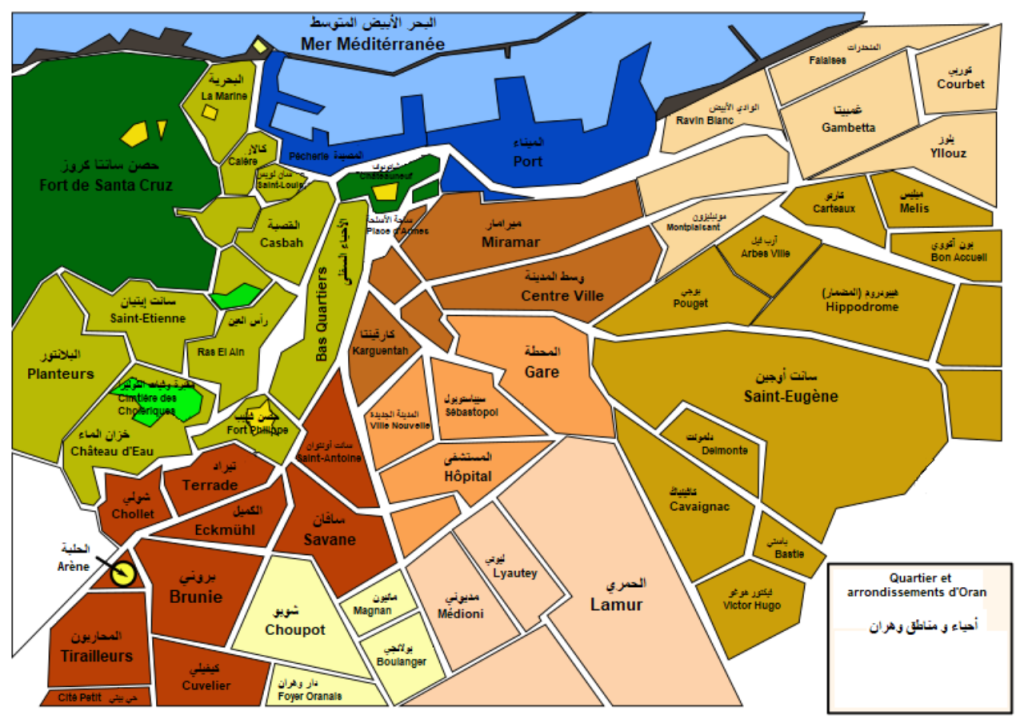
Use it to plan your days, and open this online map if you want more detail.
A local guide makes the biggest difference in Sidi El Houari, where the history isn't signposted and some lanes are in poor repair. WildyNess can arrange one for you.
Here are the twelve stops in one table. Most cost nothing, and the paid ones are cheap: 200 DZD works out at about EUR 1.30 on a card (official rate, about 150 DZD to the euro) or about EUR 0.75 in cash changed informally (about 275), autumn 2026.
| Stop | Entry (2026) | Time to allow | Best time |
|---|---|---|---|
| 1. Ahmed Zabana Museum | About 200 DZD (students 100) | 2 hours | Morning; check hours first |
| 2. Place du 1er Novembre | Free | 30 minutes | Start of a walking day |
| 3. Bey's Palace, Château Neuf | Courtyard usually open; interior closed for restoration in 2025 | 30 minutes | Morning, with Sidi El Houari |
| 4. Ben Badis Mosque | Free | 45 minutes | Outside prayer times, not Friday midday |
| 5. Sidi El Houari | Free | 2 to 3 hours | Morning, with a guide |
| 6. Ibn Badis promenade | Free (access sometimes restricted) | 30 minutes | Daytime |
| 7. Front de Mer | Free | 1 hour | Sunset and evening |
| 8. Great Synagogue (now a mosque) | Free | 20 minutes | Outside prayer times |
| 9. Santa Cruz fort and chapel | About 110 DZD; chapel free | 2 hours with the drive | Morning or late afternoon, down before dark |
| 10. Sacré-Coeur (library) | Free | 20 minutes | Library opening hours |
| 11. Beaches west of Oran | Free | Half a day to a day | June to September, weekday mornings |
| 12. Disco Maghreb | Free | 15 minutes | Any time (photo stop) |
1. Ahmed Zabana National Museum
Oran's main museum occupies the Palais des Beaux-Arts on Avenue Ahmed Zabana in the city center, a building that opened in 1935.

It was founded as the Demaëght Museum, after the French archaeologist Louis Demaëght, and renamed in 1986 after Ahmed Zabana, the first Algerian independence fighter to be guillotined by the French, in 1956.
It is a general museum, with sections on prehistory, Roman and Islamic archaeology, natural history and North African ethnography.
The fine-arts rooms hold 20th-century Algerian painters and French Orientalists, and there are mosaics, ancient sculpture and ceramics as well.
Entry is not free: recent listings give 200 DZD (100 DZD for students), in line with other national museums in 2026. Published opening hours for this museum disagree from source to source, so phone ahead or ask your guide, and allow about two hours.
2. Place du 1er Novembre
Start your tour at Place du 1er Novembre, the former Place d'Armes and the hub of the French-built city. Cafés and shops line the streets around it.
It was the parade ground of colonial Oran. Its present name refers to 1 November 1954, the day the War of Independence began.

Three landmarks frame it. The neoclassical town hall (1886) has two bronze lions by the sculptor Auguste Caïn at its entrance. In the middle stands an obelisk topped by a winged Victory, put up in 1898 as a French war memorial and now dedicated to Emir Abdelkader, who led the resistance against France. The theater, from the early 1900s, is now the Abdelkader Alloula regional theater.
3. The Bey's Palace and the Château Neuf
The Bey's Palace was built for the Ottoman beys (provincial governors, not emperors) after the Spanish left in 1792, inside the walls of the Spanish fortress known as the Château Neuf or Rozalcazar.
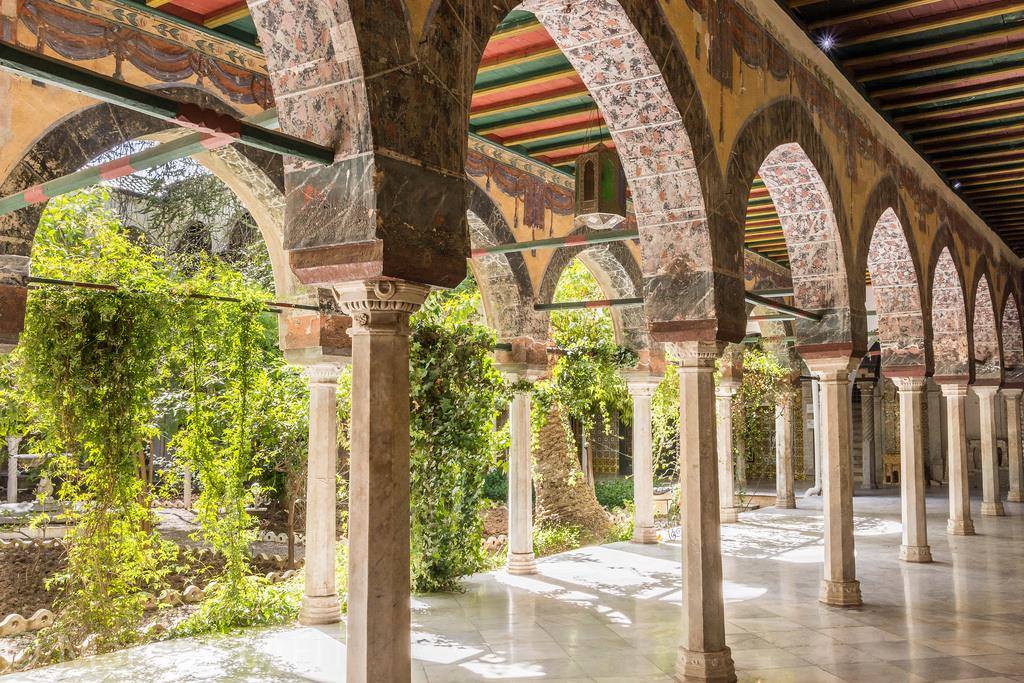
The catch: the palace has been under restoration, and visitors in 2025 found the interior closed. You can usually walk into the Château Neuf courtyard and see the outer walls and the famous corner balcony. Ask your guide whether the rooms have reopened before you plan a morning around it.
4. Abdelhamid Ben Badis Mosque
The Abdelhamid Ben Badis Mosque, in the east of the city, opened in April 2015 after 15 years of building work. It holds up to 25,000 worshippers and its minaret is about 104 m tall. No mosque in Oran or the rest of western Algeria is bigger, though it looks modest next to the Great Mosque of Algiers (Djamaa El Djazaïr).
There's no entry fee. Go outside prayer times (avoid Friday midday in particular) and ask at the entrance before you go in. Dress modestly: long sleeves and long trousers or skirt, and women should cover their hair.
You'll take your shoes off before the prayer hall, so wear a pair that slips on and off easily.
5. Sidi El Houari, the old town
Sidi El Houari is Oran's oldest quarter, named after the city's patron saint, Sidi Mohamed El Houari, whose shrine is here. It runs down the slope to the port below the Château Neuf.
The Pasha Mosque was built in 1796, after the Spanish left, and is named after Hassan Pasha, the Ottoman dey of Algiers at the time. It is the best piece of Ottoman architecture in the city. From there it's a short walk to the Ibn Badis promenade, the old Létang garden.

Look at the squares and gates as you walk: Spanish, Ottoman and French buildings sit side by side. Be ready for the state of the place, too. Many buildings are crumbling or propped up, and the quarter has been a protected area waiting for restoration since 2015.
The old Kasbah, the original walled core of the town, is part of the quarter, with steep lanes and stairways.
Shops and cafés here are simple neighborhood places, not tourist cafés, which is part of the appeal.
6. The Ibn Badis (Létang) promenade
The Ibn Badis promenade, still often called the Létang promenade, runs between the port and the Bey's Palace, along the old fortifications. It was laid out under the French general Létang in the 19th century (sources give 1836 or 1847) and covers about six hectares of gardens with century-old exotic trees.
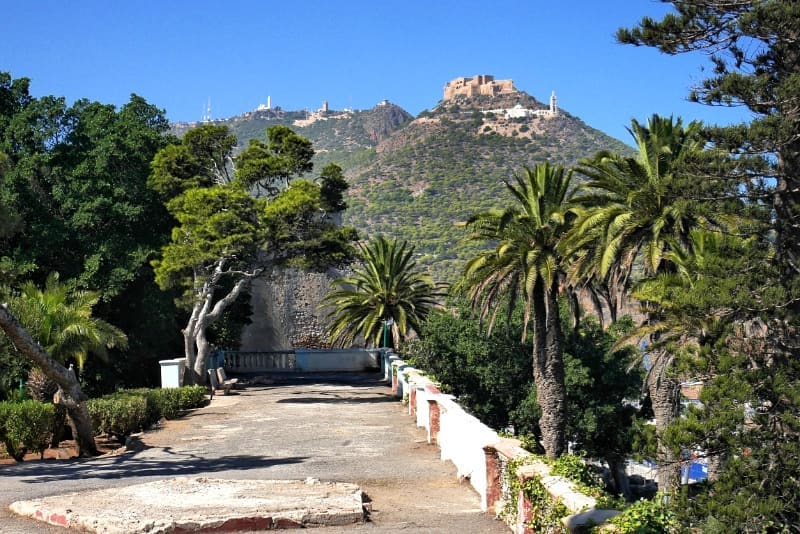
It lies just below Place d'Armes (Place du 1er Novembre), with an entrance on Rue Commandant Ferradj and another from Sidi El Houari. Access has been restricted at times while the city studies a rehabilitation plan, so check that it's open.
The Château Neuf and the Saint-Louis church in Sidi El Houari are both close by.
7. The Front de Mer at sunset
Locals just say the Front de Mer; on the map it is Boulevard de l'ALN, the city's seafront promenade. Its palm-lined boulevard runs for about 2 km, some 40 m above the port, from the Zabana roundabout to the walls of the Bey's Palace. From the railings you look down on the harbor and across to Mount Murdjadjo and Santa Cruz.
Come in the last hour of daylight and stay after dark, when families come out and the ice cream and café terraces fill up. On summer nights it stays busy until late, and it costs nothing.
8. The Great Synagogue of Oran, now a mosque
The Great Synagogue, on what is now Boulevard Maata Mohamed El Habib (formerly Boulevard Joffre), was the main place of worship of Oran's large Jewish community. Building began in 1880 and it was inaugurated in 1918. In its day it was one of the largest synagogues in North Africa.
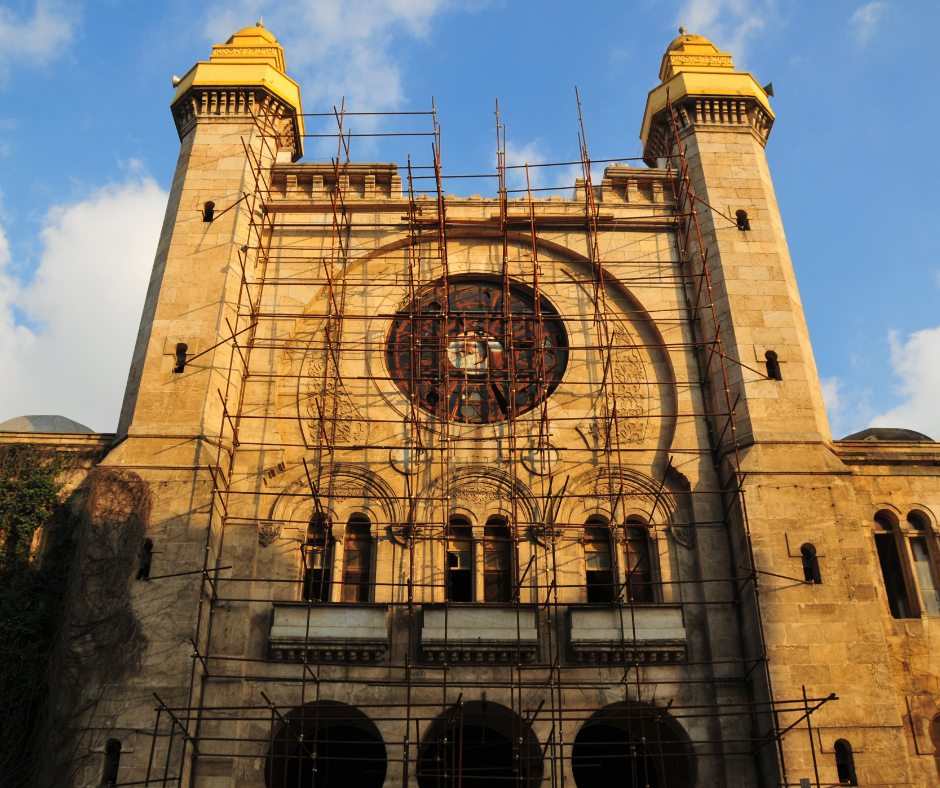
After most of the Jewish community left in 1962, the building became a mosque in the 1970s. It is now the Abdallah Ibn Salam Mosque, named after a Jewish companion of the Prophet who became Muslim, and its neo-Moorish facade is the main thing to see.
As at the Ben Badis mosque, there's no fee, but visit outside prayer times and ask before going in. Modest dress is expected for men and women.
9. The fort of Santa Cruz
The Santa Cruz fort sits near the top of Mount Murdjadjo, west of the center, and has the widest view in Oran: the port, the whole bay and the city spread out below.
The Spanish, who had held Oran since 1509, built it between 1577 and 1604 as part of the ring of forts protecting the town. Next to it is the Santa Cruz chapel, added in the 19th century, with a statue of the Virgin looking out over the city.

The road up is steep, narrow and winding, about 15 minutes by car from the center. Walking up from the foot of the mountain takes 30 to 45 minutes. Late-afternoon light is best for photos, but plan to be back down before dark.
The fort is open daily in the daytime, with longer hours in summer, and recent reports put the ticket at about 110 DZD (2026). The chapel is free. Published hours differ between sources, so check locally on the day.
10. Sacré-Coeur Cathedral, now a library
Albert Ballu drew the plans for the Sacré-Coeur Cathedral, a Romano-Byzantine church built between 1903 and 1913. It was one of the first churches in French territory built in reinforced concrete.
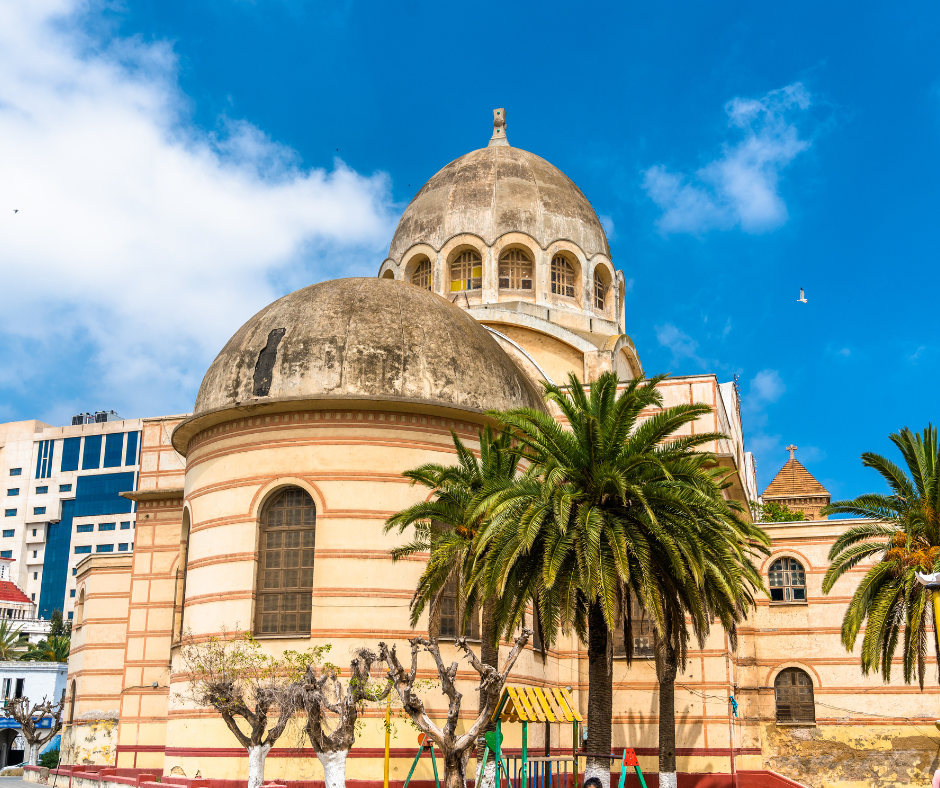
After independence it stopped being used as a cathedral, and since 1984 it has been a public library. It is in the city center, near Place du 1er Novembre.
Because it's a library, you visit during library opening hours, and entry is free. Another church worth seeing on the coast is the Basilica of Saint Augustine in Annaba, which overlooks the ruins of Hippo Regius.
11. The beaches west of Oran
The best beaches are not in the city itself but along the coast to the west, between 15 and 40 km away. The bathing season runs from June to September.
For families we'd pick Madagh, at Aïn El Kerma, about 40 km west of the center. It is a cove backed by forested hills, with fine sand and shallow water. If you like wilder beaches than this one, the coves and caves around Jijel on the eastern coast are worth the trip.

Les Andalouses, in El Ançor about 25 km west of Oran, is a long sandy bay with a resort complex and easy swimming.
The closest option is Aïn El Turck, about 15 km northwest of the center. Its bay runs some 8 km from Saint-Roch to Cap Falcon, with beaches such as Trouville and Cap Falcon and plenty of restaurants. On July and August weekends all of these beaches get very crowded, so go early or on a weekday.
Water sports are mostly a summer thing and fairly informal, so ask at your hotel or on the beach about rentals. If you are planning a longer trip along the sea, Oran is one of our five favorite Algerian coastal cities.
12. Disco Maghreb and Place du Maghreb
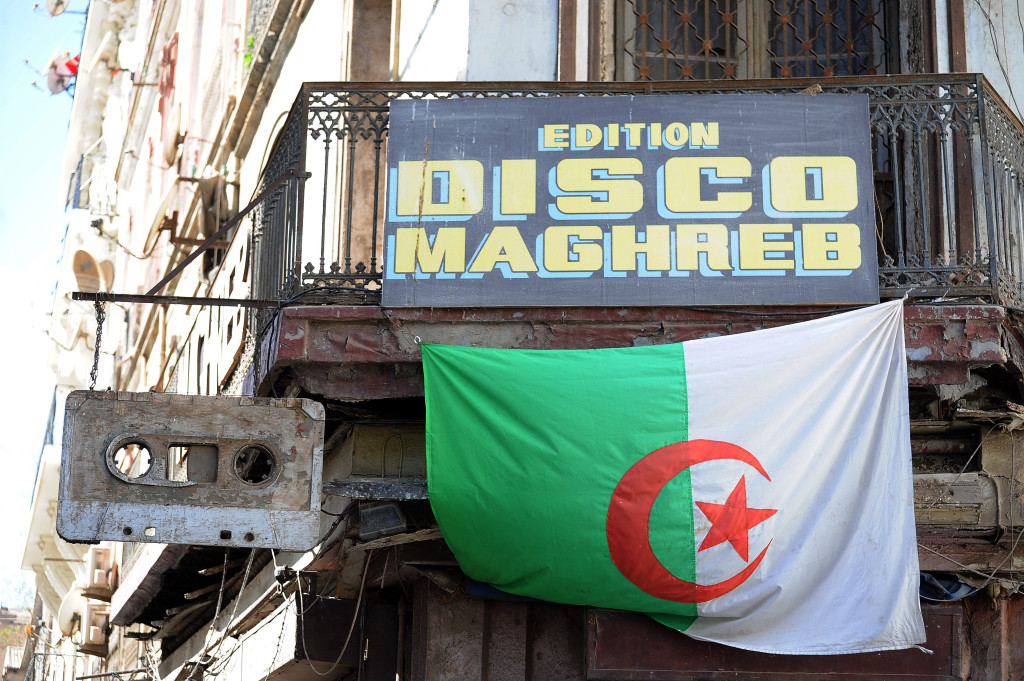
Place du Maghreb in the city center is where Boualem Benhaoua opened a cassette shop in the early 1980s. It became Disco Maghreb, the label behind many of the raï hits of that decade.

Disco Maghreb launched singers such as Cheb Khaled and Cheb Mami. The shop then sat closed for about 20 years, until DJ Snake shot the video for his 2022 track "Disco Maghreb" there. Since then, fans have come to take photos under the sign.
Treat it as a short photo stop rather than a museum: don't count on regular opening hours.
Oran in two days: a sample plan
Day 1, center and old town. Start at Place du 1er Novembre, then walk down into Sidi El Houari for the Pasha Mosque, the lanes of the old Kasbah and the Château Neuf courtyard. Finish the morning on the Ibn Badis promenade. After a karantika lunch, give the Ahmed Zabana Museum two hours, then see the Sacré-Coeur library, the facade of the old Great Synagogue and the Disco Maghreb sign. End on the Front de Mer at sunset.
Day 2, the heights and the markets. Take a taxi up to Santa Cruz in the morning, when the light over the bay is clear and the road is quiet; many people walk back down. Go on to the Ben Badis Mosque in the east of the city, outside prayer times. Spend the afternoon at La Bastille market and in Medina Jdida, and come back to the seafront cafés in the evening.
Day 3, optional. The beaches west of town in summer, or Tlemcen out of season.
How to get to Oran
Oran's Ahmed Ben Bella Airport (also called Es Sénia) is about 12 km south of Place du 1er Novembre by road, usually 20 to 30 minutes. It has flights from Algiers and from several European cities.
Taxis queue outside the terminal. Travelers reported paying about 1,500 to 2,000 DZD for a daytime run to the center in 2026, so fix the price before you load your bags. Yassir, the Algerian ride-hailing app, also works here; Uber doesn't operate in Algeria. If you'd rather skip the haggling after a flight, we can have a driver waiting for you at arrivals.
The cheapest option is the bus. Since August 2026 ETO, the city bus company, has run a direct line from the airport to Place du 1er Novembre, daily from 8 am to 10 pm, for 40 DZD. Shuttle buses also link the terminals with the Es Sénia tram terminus, 4.5 km away, and the tram takes you on into the center.
From Algiers, Oran is about 415 km by road. Trains run several times a day: the faster Coradia trains take about 4.5 to 5 hours, ordinary trains about 6. Timetables change often, especially around Ramadan and Eid, so check on the SNTF site before you travel. Air Algérie also flies between the two cities in about an hour.
Trains to Oran leave from Agha station in central Algiers, which is also on the airport train line, handy if you land in Algiers and head straight west. In summer you can arrive by sea, too: Algérie Ferries sails to Oran from Marseille and Alicante, and Baleària from Barcelona.
Getting around Oran
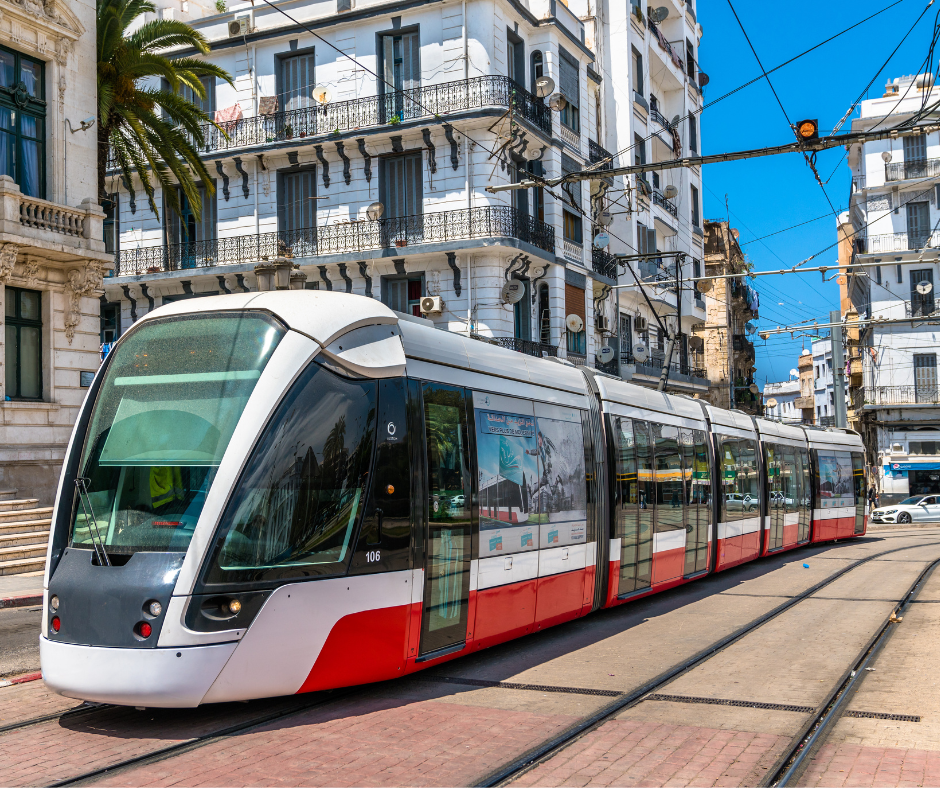
The center, from Place du 1er Novembre down to Sidi El Houari and along the Front de Mer, is best seen on foot. For longer hops there is one tram line, 18.7 km with 32 stops. It runs from Es Sénia in the south through the train station and Place du 1er Novembre, then east to Sidi Maârouf. A ride costs a flat 40 DZD (2026) whatever the distance, and you buy the ticket at the stop.
Agree taxi fares before you get in, or use Yassir, Heetch or TemTem, which show the price first; most drivers want cash. For Santa Cruz, ask the driver to wait or come back for you, or plan to walk down.
Where to stay in Oran
Where you stay in Oran depends on what you came for: the city or the sea.
For sightseeing, stay in the center around Boulevard de la Soummam, with shops and restaurants on your doorstep.

The Front de Mer, the seafront boulevard above the port, has hotels with sea views and is the city's favorite evening walk.
The larger beach resorts are at Les Andalouses, 25 km west, which suits you if a pool and a beach matter more than the city.
Canastel, on the eastern edge of the city, is quieter. If the beach is the point of the trip, Aïn El Turck has plenty of hotels and holiday flats, but you'll need a taxi to reach the center.
Staying near Sidi El Houari puts you a short walk from the old quarter, the promenade and the Château Neuf.
The cheapest beds are in the center's guesthouses and simple hotels, where 4,000 to 7,000 DZD a night (2026) gets you a basic room. Bring your passport, as you need it to check in anywhere.
Day trips from Oran
Tlemcen is the best day trip, though a night there is better. It's about 140 km southwest by road, roughly two hours each way. Go for the Great Mosque (founded in 1082), the Marinid minaret of Mansourah (about 38 m), the shrine of Sidi Boumediene and the view from the Lalla Setti plateau above the city.
Mostaganem, about 70 km along the coast to the east, makes a shorter outing.
Practical tips for your Oran trip
For music, aim for August. In 2025 the national raï festival was split between Sidi Bel Abbès (7 to 10 August) and Oran (18 to 21 August, at the open-air Hasni Chekroun theater). Dates were confirmed only days in advance, so watch Algerian news before you book.
Ramadan is expected to begin around 8 February 2027. For that month daytime Oran goes quiet, with most cafés and restaurants shut, and the streets fill up after sunset instead. Eating, drinking or smoking in public in daytime is not allowed.
Make time for the markets: La Bastille market in the center for fresh produce, and Medina Jdida, Oran's old popular quarter, for clothes and household goods.
Ask before photographing people, and don't photograph police, checkpoints, the port or military sites.

If you have more time, ask your guide or host about a home cooking lesson (karantika and berkoukes are good ones to learn) or a local craft workshop.
Bring euros in cash: outside the big hotels Oran runs on dinars, and a euro changed through a trusted contact of your guide or host gets about 275 DZD in autumn 2026, against about 150 at banks, ATMs and on cards (that informal market sits outside the exchange-control law but works in the open). If you declared more than EUR 1,000 on arrival, keep a bank exchange receipt for customs on the way out, and spend your last dinars before you fly, as they can't leave the country.
Time, beaches, Santa Cruz and the airport
Is Oran worth visiting? Yes, if a working Mediterranean city appeals more than a polished one. You get a Spanish fort above the bay, an Ottoman and Spanish old town, French boulevards and the music scene that gave the world raï, with far fewer visitors than Algiers and low prices.
Is a weekend long enough for Oran? Two full days get you round the center, Sidi El Houari, Santa Cruz and the Front de Mer without rushing; add a third for the beaches west of town in summer, or for Tlemcen, about two hours away by road. In one day you'll only see the highlights.
What is Oran famous for? Raï first, the music of western Algeria that Cheb Khaled took worldwide, and after that the Santa Cruz fort, the old town, the Front de Mer and karantika, the chickpea-flour flan sold as street food.
What is the best beach near Oran? For families, Madagh, a cove about 40 km west with fine sand and shallow water. Les Andalouses, about 25 km west, is a long sandy bay with a resort, and Aïn El Turck, about 15 km away, is the closest and the busiest. In July and August, go on a weekday.
How do you get from Oran airport to the city center? The cheapest way is the direct ETO bus to Place du 1er Novembre, 8 am to 10 pm, 40 DZD (2026). Taxi drivers ask about 1,500 to 2,000 DZD by day, so settle it before you set off, or book a Yassir; we can also have a driver waiting at arrivals.
Can you visit Santa Cruz fort without a car? Yes. A taxi or Yassir takes about 15 minutes up the mountain road; ask the driver to wait or come back. Fit walkers can climb from the foot of Mount Murdjadjo in 30 to 45 minutes. Be back down before dark.
Come to Oran for a working port city with its history in plain sight, not for a polished tourist scene. Give it two or three days and come in spring or autumn, or in August for the raï festival. With a week, pair it with Tlemcen, about two hours to the southwest.


