You know that feeling when you get home and realize you basically did the basic beach and a couple of photos version of a place. Jijel is exactly the kind of destination where that happens because travelers often miss the secluded coastal spots that make local explorers wonder why nobody else is talking about them.
That is why our team at WildyNess created this guide to ensure you can navigate every trail and cove with absolute certainty.
Exploring the Top Coastal Things to Do in Jijel
Unwinding on the Sands of El Aouana Beach
El Aouana Beach represents one of the most accessible and spacious stretches of sand along the coastline. This particular area is highly favored for its wide shoreline and gentle waves, making it an excellent option for travelers who want a reliable space to relax. The backdrop features a distinctive view of green mountain slopes meeting the water, which creates a sharp contrast to more urban coastlines.
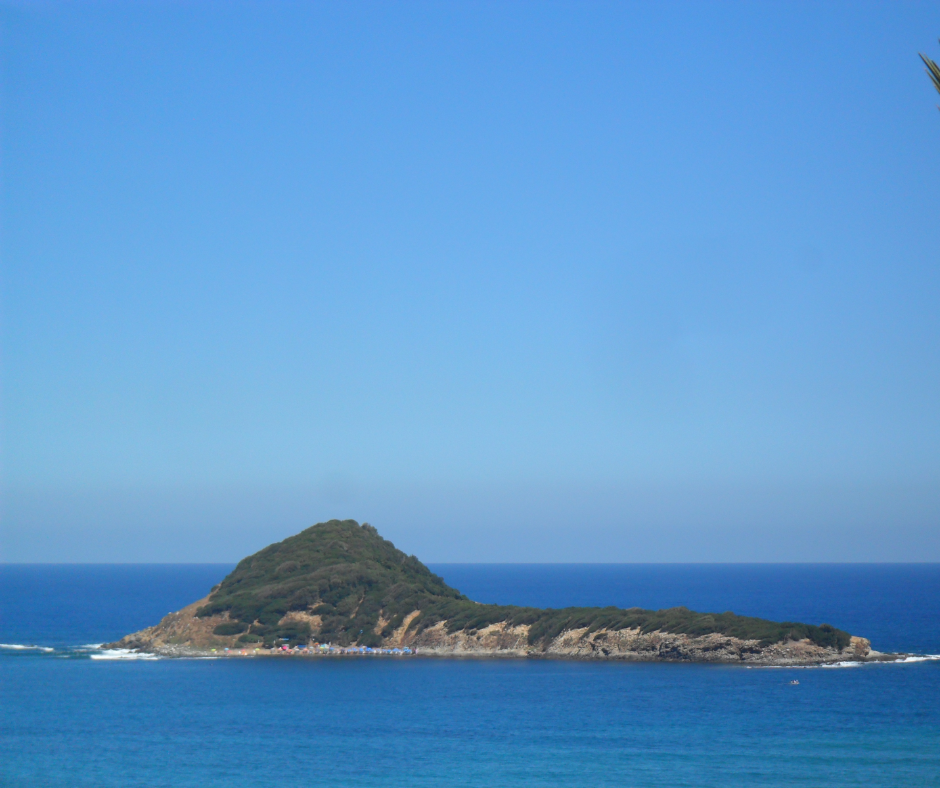
To make the most of your time here, you should aim to arrive before ten thirty in the morning. This early arrival allows you to secure parking and find a quiet spot before the midday heat and afternoon crowds pick up. We recommend bringing a wide-brimmed hat, reef-safe sunscreen, and a modest cover-up garment for when you leave the sand to walk toward nearby local shops.
Seeking Seclusion at Red Beach and Hidden Coves
Red Beach, locally referred to as La Plage Rouge, is situated within the Ziama Mansouriah district and is famous for its unique reddish sand. The shallow waters are filled with interesting rock formations, which makes it a popular spot for wading and photography. Because it is highly sought after during the peak summer months of July and August, arriving early is mandatory if you want to avoid traffic along the access points.
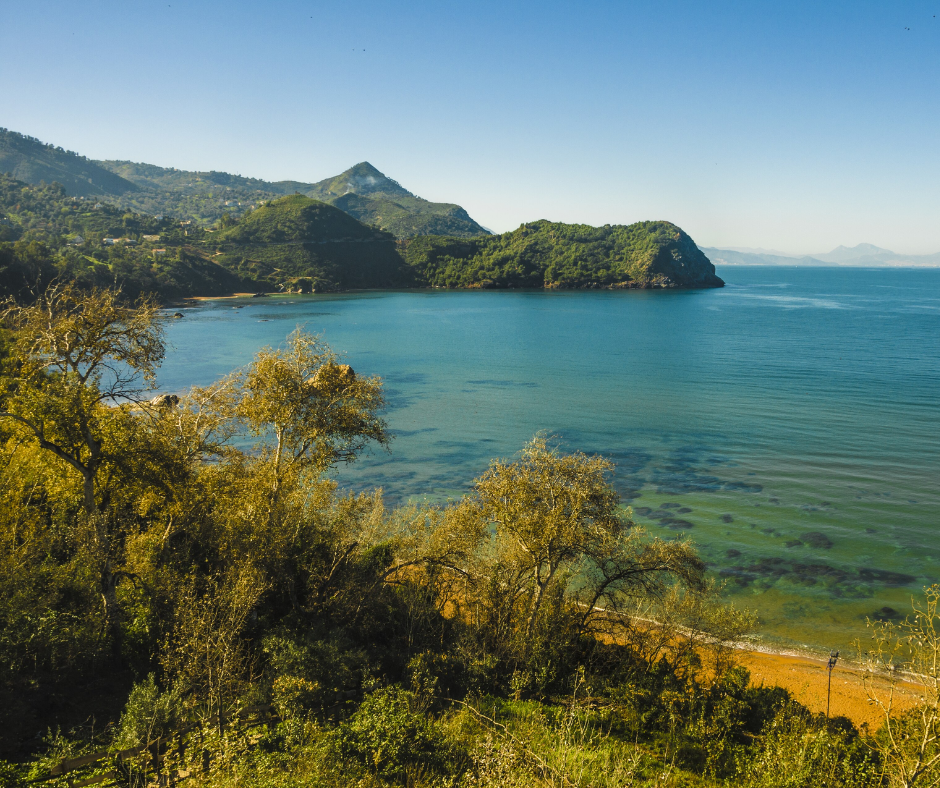
For those who prefer an off-the-grid environment, the smaller coves near Ziama Mansouriah offer an excellent alternative. Reaching these tiny pockets of sand requires a short but steep descent down rocky cliff paths, meaning you will need footwear with excellent traction. These locations lack formal facilities or lifeguards, so you must exercise caution when swimming and carry your own drinking water and snacks.
Discovering the Underground Wonders and Landmarks
Walking Through the Chambers of Grotte Merveilleuse
The Marvelous Caves, known locally as Les Grottes Merveilleuses, were originally discovered in 1917 during the construction of National Road Number 43. Inside, the limestone formations have developed over thousands of years into intricate stalactites and stalagmites that resemble columns and sculpted figures. The interior air maintains a constant temperature of eighteen degrees Celsius year round, providing a refreshing escape from the intense summer heat.
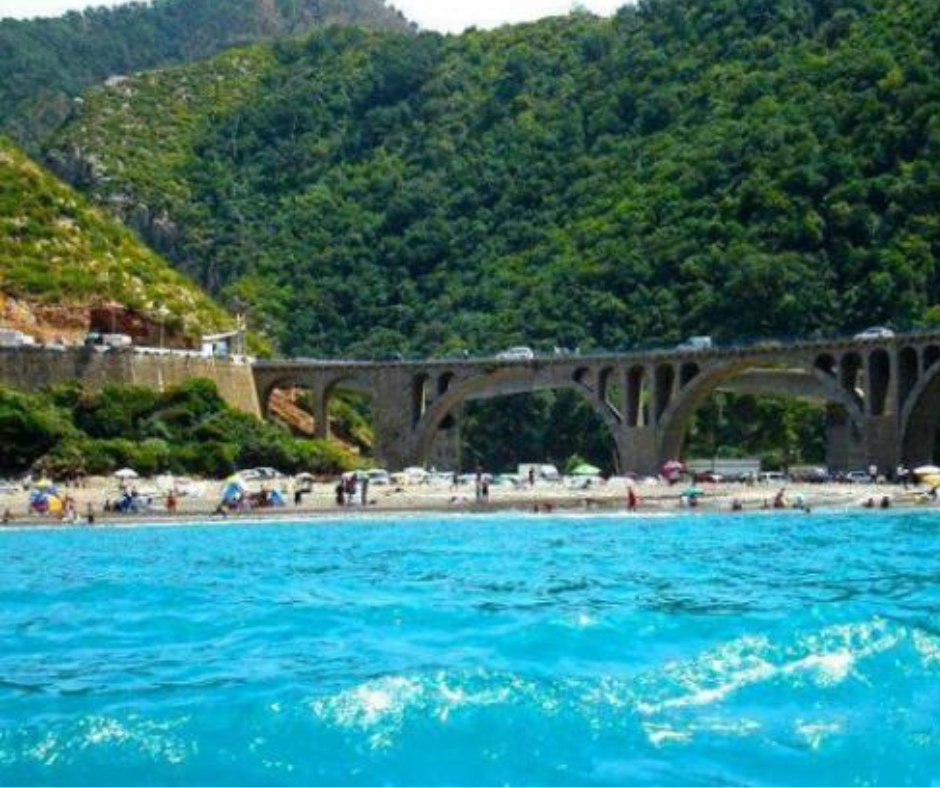
When planning your visit, we suggest going either right at opening or during the late afternoon to avoid tour buses. The cave paths can be exceptionally slick due to the high humidity, so you should wear closed-toe shoes with rubber soles rather than casual sandals. A light jacket or sweater is also useful to keep in your daypack to stay comfortable against the sudden temperature drop.
Viewing the Horizon from the Grand Phare
The historic Grand Phare, also known as the Ras Afia Lighthouse, stands as an enduring symbol of maritime heritage west of the city center. Built in 1867 by the French sculptor Charles Salva using local blue stone, this active beacon sits on a rocky point that juts five hundred meters into the Mediterranean Sea. It serves as an ideal geographic orientation point and offers panoramic views of the rugged coastline.
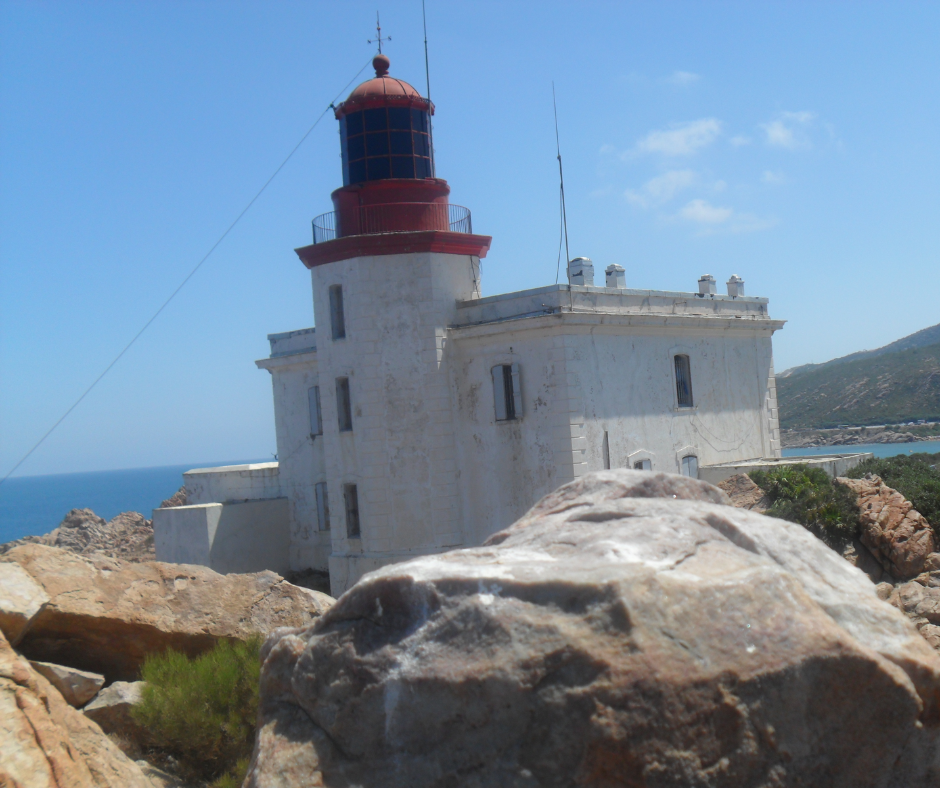
Visiting this site during the late afternoon provides an excellent vantage point for watching the sunset over the sea. While you cannot always enter the interior tower structure, the surrounding rocky shoreline is perfect for a coastal walk. Be mindful of your footing on the wet stones near the water, as the swells can change quickly along this exposed point.
Outdoor Adventures and Wildlife Encounters
Trekking the Trails of Taza National Park
Taza National Park is recognized as a UNESCO Biosphere Reserve and offers an expansive network of trails through dense forests of cork oak and Zeen oak trees. This protected ecosystem is perfect for travelers who want to trade the coastal humidity for cooler mountain air and shaded paths. The terrain varies from gentle slopes to steep, rocky inclines that reward hikers with clear views of the Gulf of Bejaia.
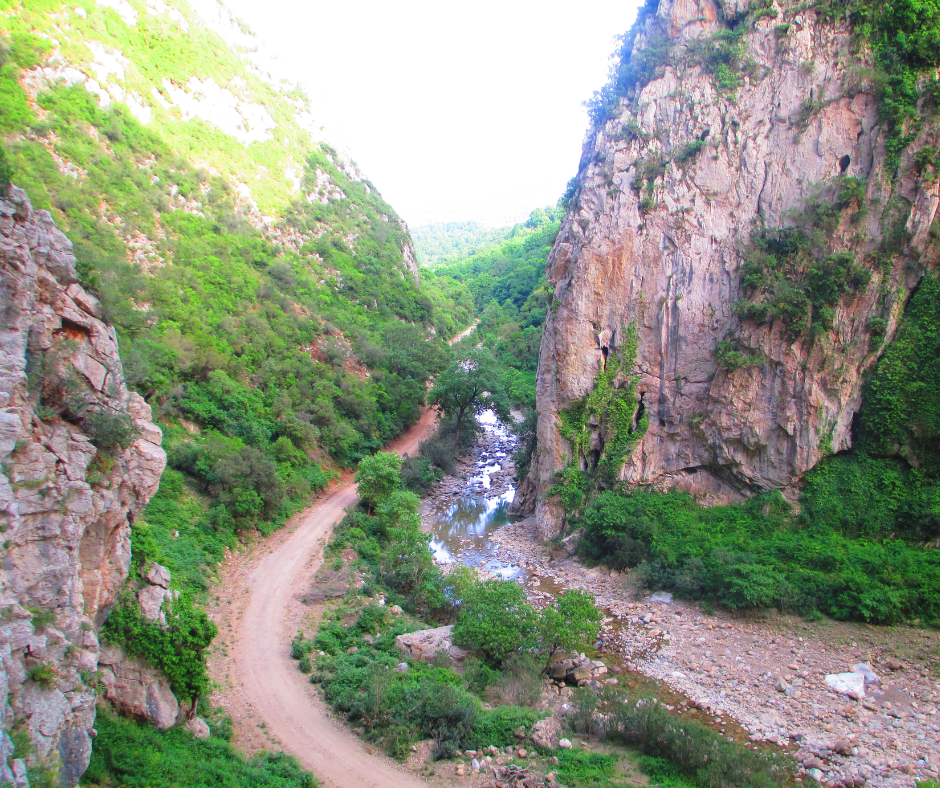
Preparation is key when exploring this mountain habitat. You should carry a minimum of two liters of water per person and download offline maps before setting out, as cellular service is highly unreliable under the thick forest canopy. We advise staying strictly on the marked paths and starting your trek in the early morning to avoid navigating the steep terrain if mountain fog rolls in later in the day.
Spotting Barbary Macaques and Marine Life
One of the most unique aspects of hiking through Taza National Park is the opportunity to see the endangered Barbary macaque. These monkeys are the only wild primates found in Africa north of the Sahara Desert, and they live freely within the oak canopies. When you encounter a troop, it is essential to maintain your distance, secure all food inside your backpack, and avoid making direct eye contact, which can be interpreted as a threat.

The wildlife experiences extend from the forests directly into the marine environment along the rocky coast. Pods of wild dolphins frequently appear near the surface during the early morning hours, often following local fishing boats returning to the harbors. For travelers interested in the underwater ecosystem, bringing a basic snorkel mask allows you to observe school of colorful Mediterranean fish and unique rock formations in the clear shallows of the secluded coves.
Immersive Cultural and Culinary Traditions
Navigating the Aisles of Jijel Central Market
To experience the authentic pulse of daily life, you should spend a morning exploring the busy aisles of the Jijel Central Market. This commercial hub is where local residents gather to buy seasonal fruits, regional spices, and everyday household goods. It is also an excellent place to find traditional handicrafts, including handwoven utility baskets, local pottery, and authentic Berber jewelry.
When interacting with the vendors, beginning your conversation with a polite Arabic greeting like Salam is a standard sign of respect. If you wish to take a photograph of a stall holder or their craft display, always ask for permission first. Bargaining is common but should always be approached with a friendly demeanor, focusing on the story of how the item was made rather than aggressive price cutting.
Savoring Fresh Seafood at the Historic Old Port
The historic Old Port is the culinary heart of the city for anyone looking to enjoy authentic maritime flavors. Here, the local dining experience is simple and centered completely around the freshness of the daily catch. Small, unpretentious restaurants line the waterfront, where you can watch fishing boats unload their cargo directly into the kitchens.
When ordering your meal, choosing the grilled fish of the day is always a reliable strategy. You should also look for regional specialties such as Hmiss, a traditional starter made of roasted peppers and tomatoes dressed in high quality local olive oil, or a hearty bowl of Chorba Frik during cooler months. Another festive local favorite you should try is the shrimp bourek, which features fresh coastal shrimp wrapped in thin pastry sheets and fried until crisp.
Finalizing Your Practical Travel Plan
Choosing the Right Season for Your Visit
Timing your journey correctly alters your experience entirely. The spring months from April to June offer mild temperatures and blooming green landscapes, making it the absolute best window for hikers who want to tackle the mountain trails without intense heat. Autumn, specifically September and October, brings calmer beaches and represents the peak season for fresh seafood as the summer crowds dissipate.
Summer is highly lively and perfect for swimming, though you must be prepared for high humidity and busy roads along the corniche. Winter brings peace and empty shores, which appeals to slow travelers, but you will need waterproof layers because rainfall increases significantly in this coastal region.
Respecting Regional Customs and Safety Norms
Understanding local etiquette ensures a smooth and respectful trip throughout the province. While beach attire is completely standard on the sand, dressing modestly is expected the moment you step into the city center or rural villages. Both men and women should ensure their shoulders and knees are covered when walking through markets and neighborhood streets.
Safety along the coastline requires personal responsibility, particularly at the wilder beaches where formal monitoring is absent. Always assess the strength of the waves before entering the water and avoid swimming alone in isolated areas. By moving with awareness and respecting the natural environment, you can enjoy everything this coastal province has to offer.
If you still have any other questions, don't hesitate to write to us through our formal channel, and we will respond to you quickly. Also, we can help you create the perfect itinerary for your trip. All you have to do is send an inquiry to info@wildyness.com, and we will plan together your personalized itinerary.


