
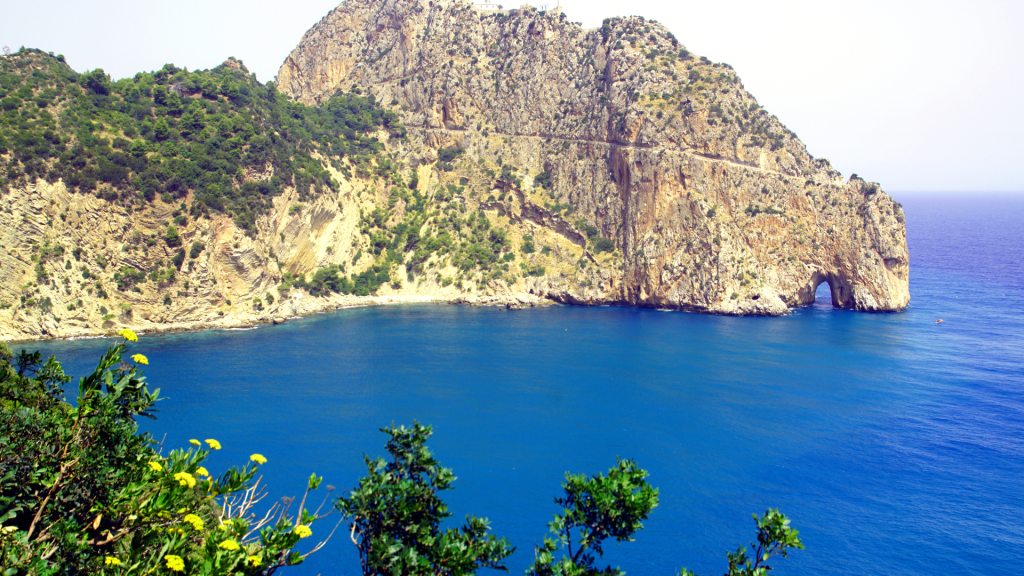

Béjaïa, on the Kabylie coast about 220 km east of Algiers at the mouth of the Soummam valley, puts a mountain national park, sea cliffs and an 11th-century walled town within half an hour of each other. Two full days cover the essentials: one for Gouraya National Park and Cap Carbon, one for the Casbah, the old gates and a long lunch by the port.
Getting here is straightforward: one direct SNTF train a day from Algiers (about 4 to 5 hours), flights into Soummam-Abane Ramdane airport, or summer ferries from Marseille and Sète. Below are the ten things we'd put first, from the hill walks to the old town and the food, with the practical side (cash, taxis, photos) at the end. The best months are April to June and September to October. In July and August the beaches and the Gouraya road are packed and the paths get hot by late morning.
The 10 best things to do in Béjaïa
| # | Thing to do | Time needed | Best time |
|---|---|---|---|
| 1 | Climb to the Yemma Gouraya fort and shrine | 2 to 3 hours return | Early morning |
| 2 | Walk to Monkey Peak (Pic des Singes) and its Barbary macaques | 1.5 to 2 hours | Morning |
| 3 | Cap Carbon and its lighthouse viewpoint | 3 to 4 hours on foot, or drive and walk the last stretch | Late afternoon |
| 4 | Swim at Les Aiguades cove | Half a day | After a morning walk; arrive early in July and August |
| 5 | The Casbah and the Ibn Khaldun mosque | 1 to 2 hours | Morning |
| 6 | The Hammadid gates: Bab el-Bahr and Bab el-Fouka | About an hour on foot | Any time; may be fenced off for restoration in 2026 |
| 7 | Fort Sidi Abdelkader on the port | Half an hour from outside | Late afternoon |
| 8 | The beaches at Boulimat, Saket or Tichy | Half a day | June and September |
| 9 | Kabyle couscous and grilled fish by the port | A long lunch | Midday |
| 10 | The central market for honey, dried figs and olive oil | About an hour | Morning |
Gouraya National Park: The Mountain Above the City
Gouraya National Park was created in 1984 and became a UNESCO biosphere reserve in 2004. It covers about 2,080 hectares of land on the Gouraya massif, the ridge that rises straight up behind the city, plus a marine zone of roughly 7,800 hectares offshore. Barbary macaques, listed as Endangered by the IUCN, live in its forest alongside golden jackals.
The park is compact. One long day covers the fort, Monkey Peak and Cap Carbon if you start early, or you can split it into two mornings and swim in the afternoons. Most walks start from the Gouraya road just above the town center.
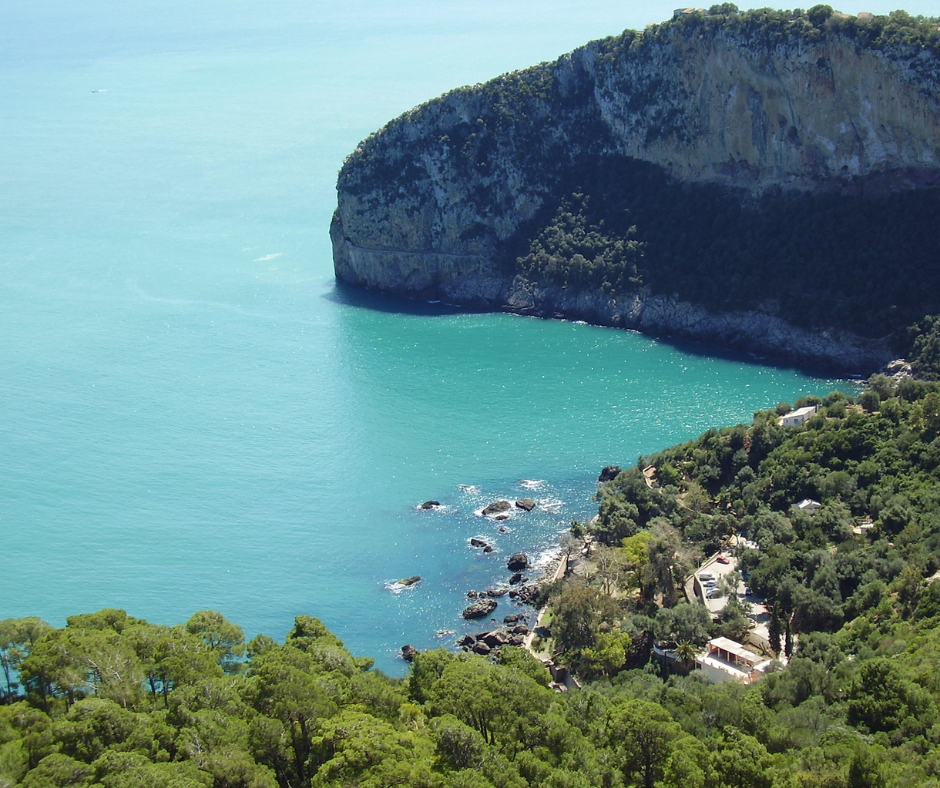
The summit is a place of pilgrimage as well as a viewpoint. Yemma Gouraya (also called Lalla Gouraya) is venerated as the patron saint of Béjaïa, and many of the people you pass on the path are local visitors heading up to her shrine.
This is a protected area, so stay on the marked paths. The park gets around 1.2 million visitors a year, mostly in summer, and bins and safety barriers are thin on the ground, so take your rubbish back down and keep away from the cliff edges. Carry at least 1.5 liters of water each and wear shoes with grip.
Read also: Algeria in Summer: Beaches, Heat & Travel Tips
Hiking to the Yemma Gouraya Fort
The walk up Yemma Gouraya (about 660 m) is the classic Béjaïa outing. Allow 2 to 3 hours there and back from the edge of town, for a climb of roughly 400 m, much of it on a paved zigzag path. At the top are a fort, first built by the Spanish in the 16th century and reworked by the French in the 19th, and the shrine of Lalla Gouraya.
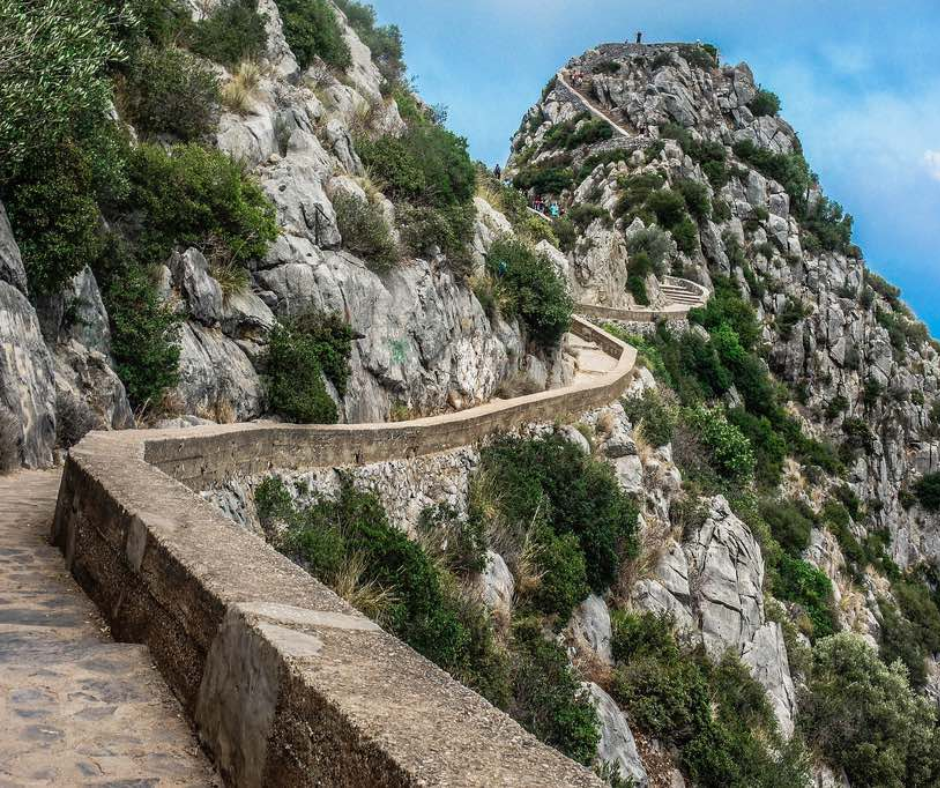
The path is steady but exposed, and hard work under the midday sun, so start early. From the top you look straight down on the port and the old town and out across the Gulf of Béjaïa. The fort has reopened after restoration, but hours vary and there's almost no signage (a single French plaque), so treat it as a viewpoint rather than a museum.
Barbary Macaques at Monkey Peak (Pic des Singes)
Pic des Singes, or Monkey Peak, is the easier walk: about 1.5 to 2 hours with around 250 m of climbing. The Barbary macaques along the way are used to people.
Don't feed them. It changes their diet, makes them pushy, and a bite or scratch means seeing a doctor the same day about rabies. Keep bags zipped and food out of sight.
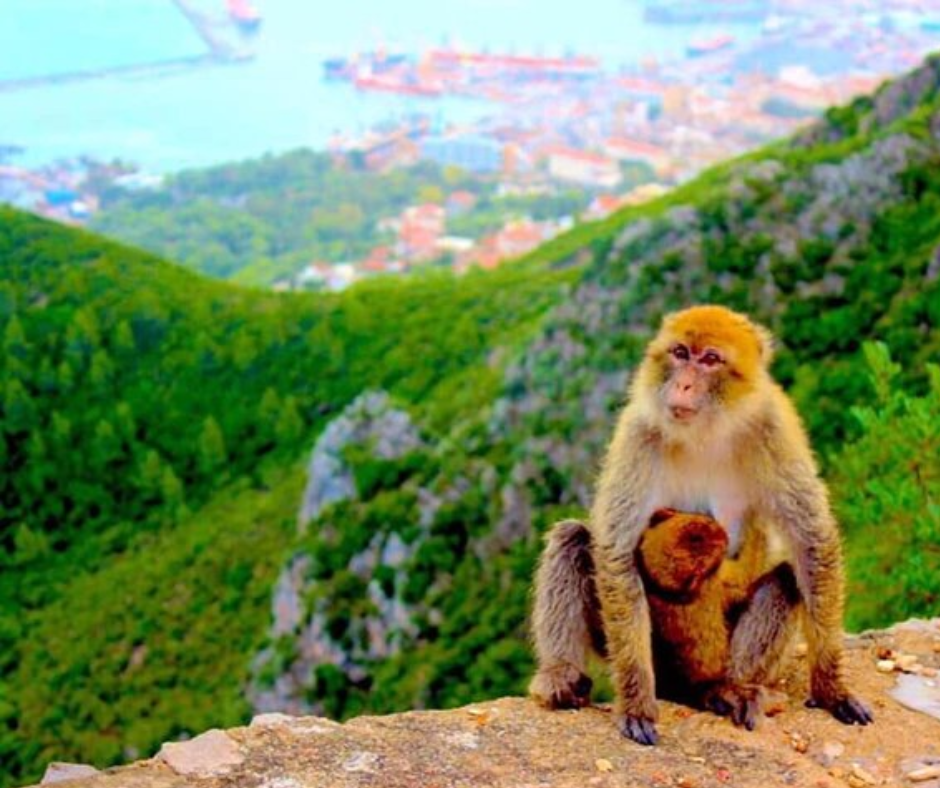
From the peak you look down on Cap Carbon and its lighthouse, the best overview of the cape you'll get. A 3 km ridge path links the Yemma Gouraya shrine and Monkey Peak, so fit walkers can do both in one morning.
The Béjaïa Coast: Cliffs, Coves and Beaches
Around the city the Gouraya massif drops straight into the sea in limestone cliffs, and the best-known landmark is the Cap Carbon lighthouse. It was built in 1906 and its light sits about 220 m above the water, which is why you'll hear it called one of the highest lighthouses in the world. That's a popular local claim rather than an official record.
The road out to the cape passes through a short rock tunnel, and from there a path follows the ridge, with views down to sea caves and small coves. Late afternoon gives the warmest light on the rocks.
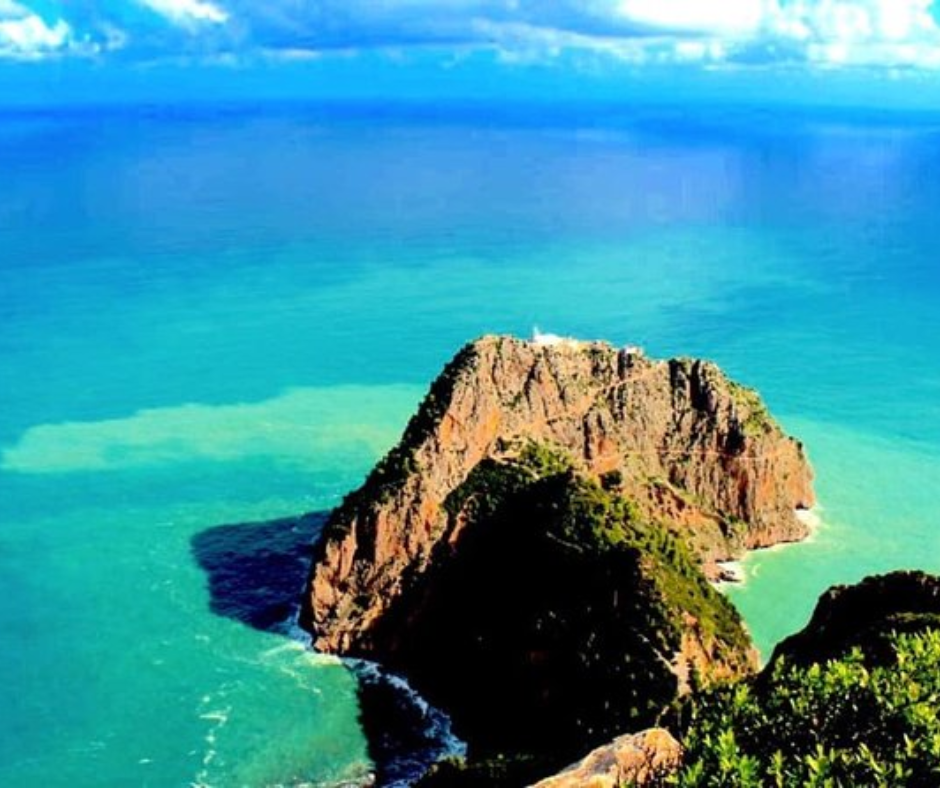
The beaches come in two kinds. Inside the park there are pebble and rock coves such as Les Aiguades. Outside it you get longer beaches: along the RN24 west of town at Tala Guilef, Boulimat and Saket, and the long sandy beach at Tichy to the east. If you dive, the Atlantide club at Boulimat takes both beginners and experienced divers.
The coves inside the park feel remote even though they're minutes from the port. The wind can get up quickly around the capes, though, so check the forecast before swimming off the rocks. This mix of mountains and sea is why Béjaïa sits among the best coastal cities in Algeria.
Walking Out to Cap Carbon and Its Lighthouse
Walking to Cap Carbon from town on the coastal approach takes 3 to 4 hours, with about 350 m of climbing. The shorter option is to drive to the parking area near the end of the road and walk the last few hundred meters. The cape is pierced by natural arches at its base, and locals also call it El Metqoub, "the pierced one".
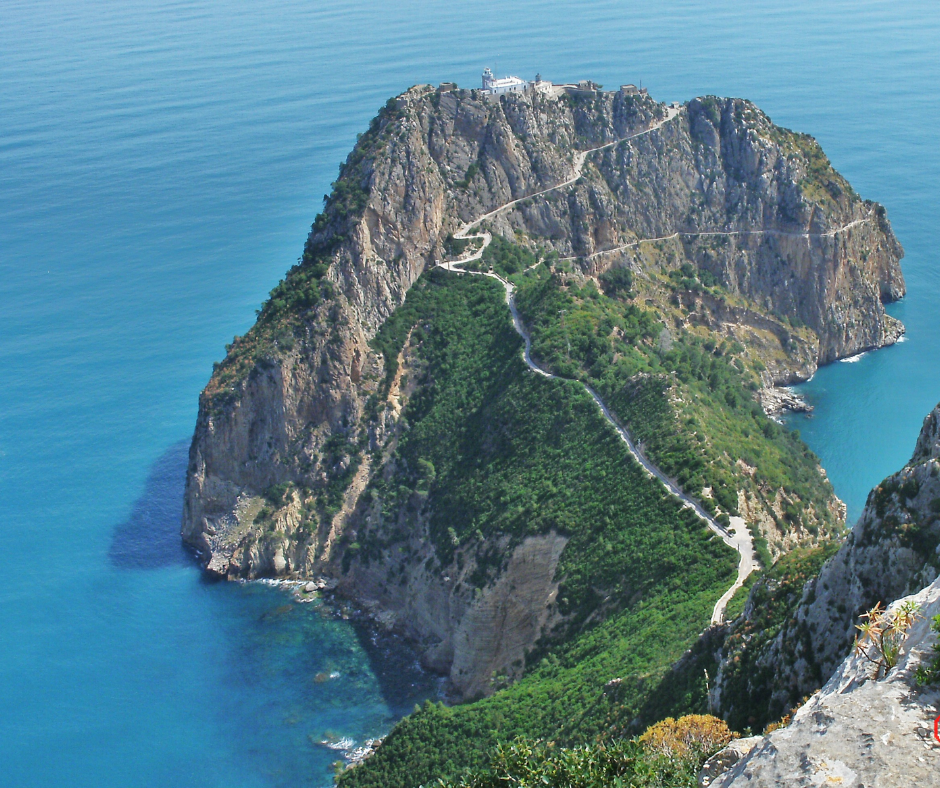
The lighthouse still works, but it isn't open to visitors and access to the buildings is controlled, so the path and the views are the reason to come. The cliffs drop more than 200 m to the water, so bring a wide lens.
Swimming at Les Aiguades Beach
Les Aiguades is a small pebble cove at the foot of the Gouraya massif, inside the park, and the obvious place for a swim after a morning walk. The water is clear, but the beach is small, so in July and August get there early.
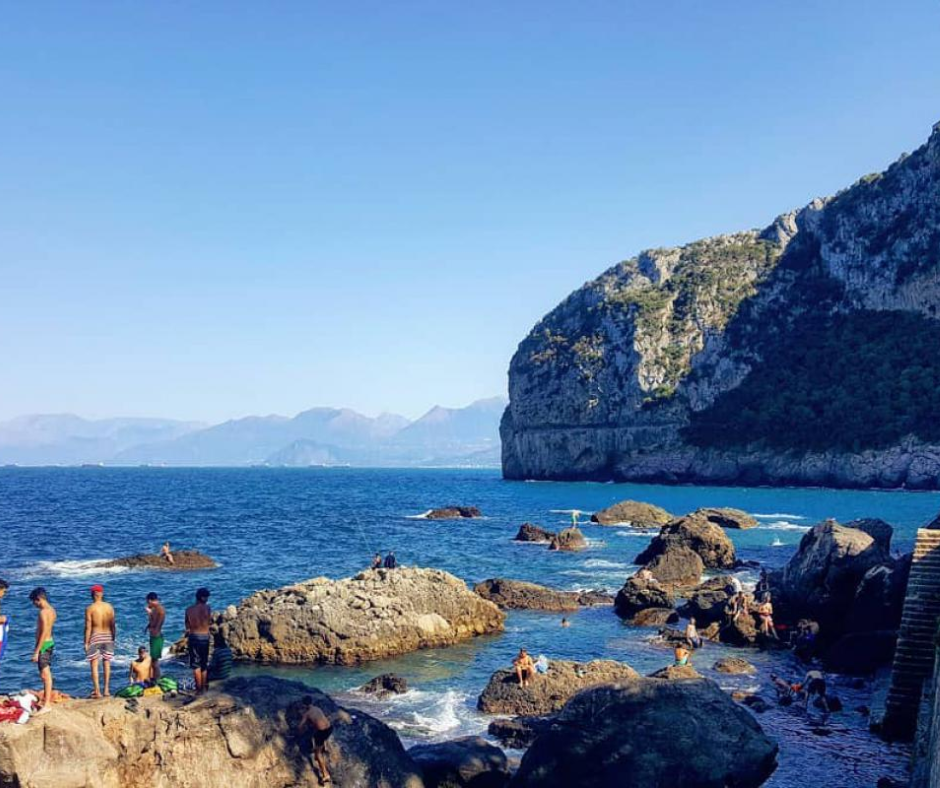
In season there are kiosks selling tea, cold drinks and snacks; out of season bring your own. Litter is a problem here in summer, so take yours with you. If you have time to continue east, Jijel has wilder coves, and the Grottes Merveilleuses caves at Ziama Mansouriah are on the way. Jijel is about two hours from Béjaïa on the coast road.
A short history of Béjaïa
Béjaïa started as Saldae, a port that became a Roman colony around 33 BC. In the 2nd century AD the Romans brought it drinking water from the springs of Toudja through an aqueduct and a tunnel. The engineer, Nonius Datus, is known from an inscription found at Lambèse, near Batna.
After a brief spell as the Vandal capital (429 to 439), the city's great period began in 1067, when the Hammadid ruler an-Nasir made it his capital. It became one of the main ports and centers of learning of the western Mediterranean.
Guglielmo Bonacci, a Pisan merchant and customs official, ran a trading post in Bugia, as Europeans called the city. His son Leonardo, later known as Fibonacci, learned the Hindu-Arabic numerals here, and his Liber Abaci of 1202 spread them across Europe.
The city also gave French a word. Béjaïa exported beeswax, and the candles made from it took the city's European name, which is why a candle in French is still une bougie. The historian Ibn Khaldun taught here in the 1360s. The Spanish held the city from 1510 to 1555, the Ottomans until 1833, and then the French.
Béjaïa Old Town and the Casbah
The old town climbs from the port to the walls the Hammadids built when Béjaïa was their capital. Start with the Casbah, the citadel the Almohads built around 1154.
The Casbah is a fortress, not a residential quarter: thick walls, storerooms, courtyards and the mosque where the historian Ibn Khaldun taught in the 1360s, which reopened in 2024 after being closed since 1853. The citadel itself reopened in 2019 after more than five years of restoration and is now the most visited historic site in the wilaya, with about 97,000 visitors in 2025. Craft exhibitions are often held inside. The lanes of the old town, climbing up from the port, are where people actually live.
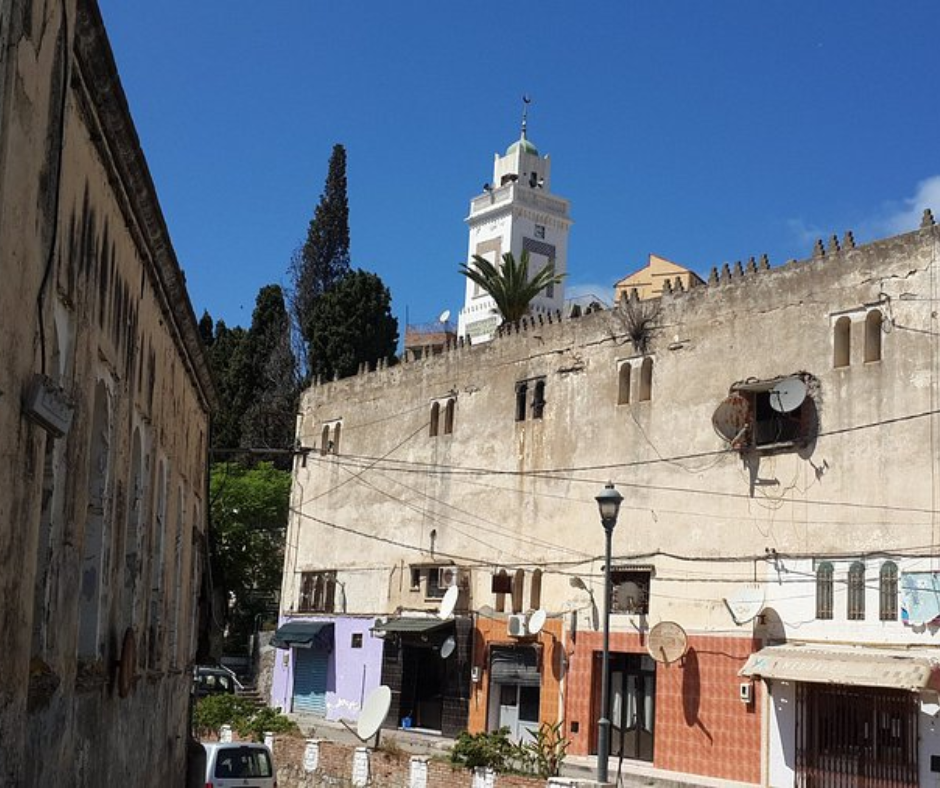
The Hammadid walls had several gates and two survive: Bab el-Bahr, the Sea Gate, and Bab el-Bounoud, better known as Bab el-Fouka ("the upper gate"). Both were under restoration in spring 2026, along with the Bordj Moussa fort, so they may be fenced off when you visit.
Bab el-Fouka sits on the landward, uphill side of the old town, and Bab el-Bahr is down by the port. The old town is steep and best done on foot, which also means you'll notice details a car would miss. It's this depth of history, as much as the coast, that puts Béjaïa on our list of the best cities to visit in Algeria.
Fort Sidi Abdelkader and Its Marabout
On the waterfront, on the rocky point where the main jetty of the port starts, stands Fort Sidi Abdelkader. The Spanish rebuilt it on Hammadid foundations, and the Ottoman commander Salah Raïs took it in 1555 after a five-day bombardment. It also holds the tomb of Sidi Abdelkader, a 17th-century holy man venerated as a protector of sailors.
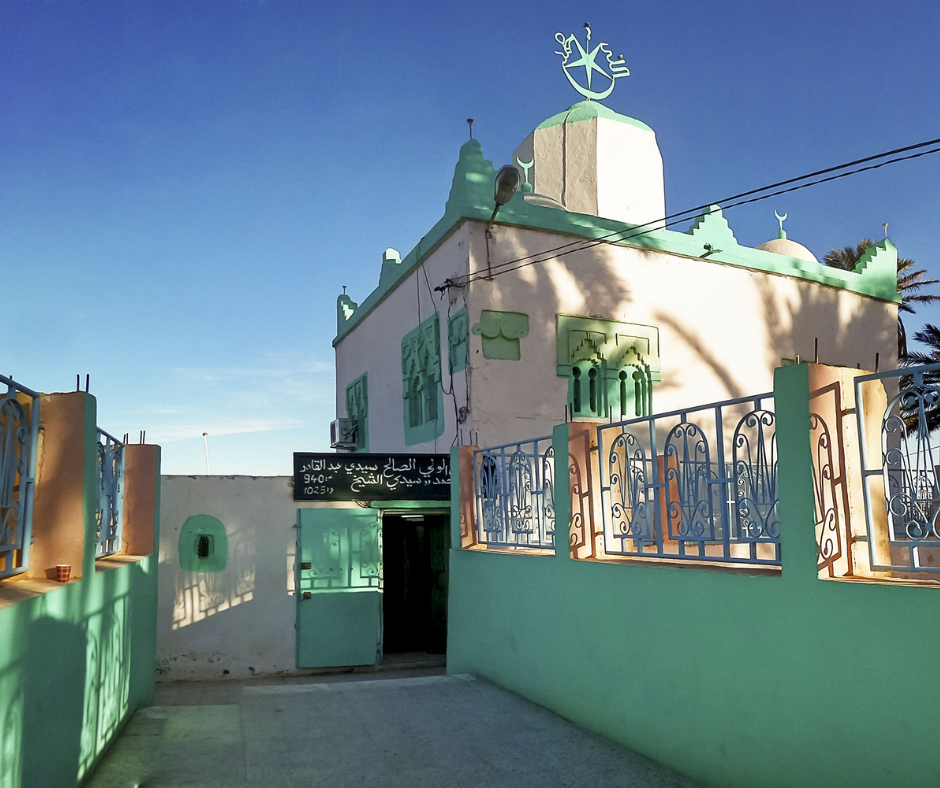
We couldn't confirm regular opening hours for the inside, so plan to see it from outside unless a local guide says otherwise. One local custom to know: wedding processions traditionally pass under the tunnel beneath the fort for the saint's blessing.
Bab el-Bahr, the Sea Gate
Bab el-Bahr, also called the Porte Sarrasine, was built by the Hammadids in the second half of the 11th century under the ruler An-Nasir. It was the city's entrance from the sea: boats passed under its large arch into the harbor.
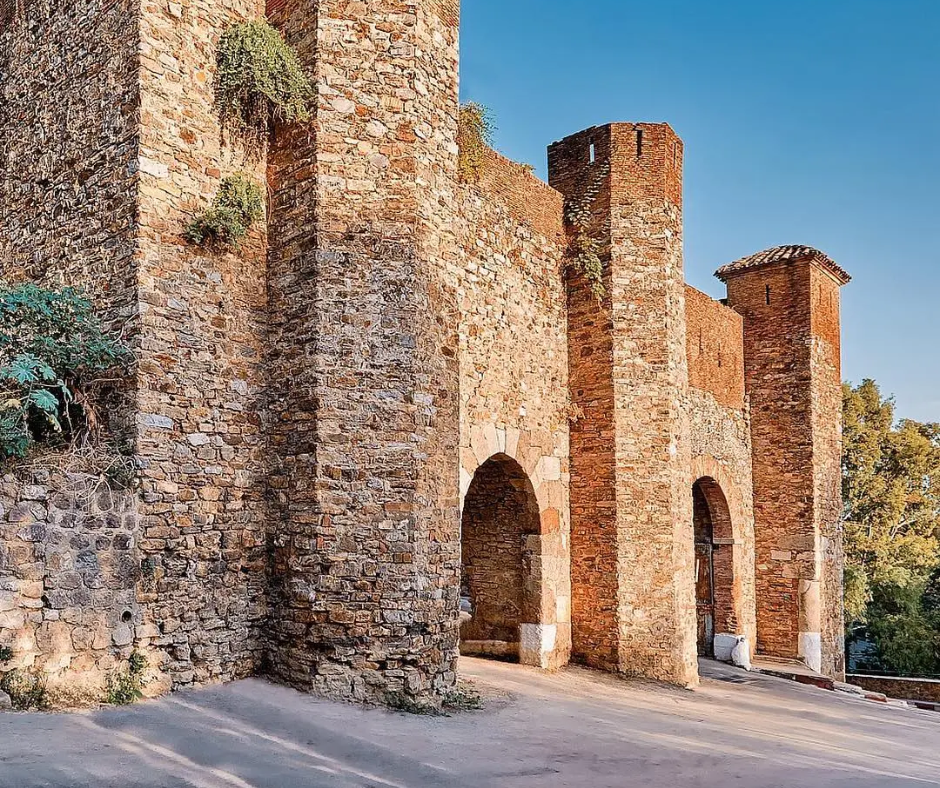
It is one of the oldest surviving city gates in the Maghreb, and French troops landed here when they took the city in 1833. Check whether the 2026 restoration work is finished before making a special trip; if it's fenced off, you can still see it from the street.
Bordj Moussa museum
Bordj Moussa is a fort the Spanish built in the 16th century, during their 45 years in the city. The Ottomans kept it as a fort, and the French used it as a prison. After renovation it opened as Béjaïa's museum on 1 November 1989.
A new restoration began in September 2025 with a schedule of about 15 months, so expect it to be closed through 2026 and see the walls from outside.
What to Eat in Béjaïa: Kabyle Food
Béjaïa cooking is Kabyle home cooking with plenty of fish. Olive oil goes into almost everything, much of it pressed in the Soummam valley from the local Chemlal olive. The dried figs of Beni Maouche, south of the city, have carried an official geographical indication label since 2016.
Start at a market to see what's in season: figs and honey in late summer and autumn, oranges and clementines from the Soummam plain in winter.
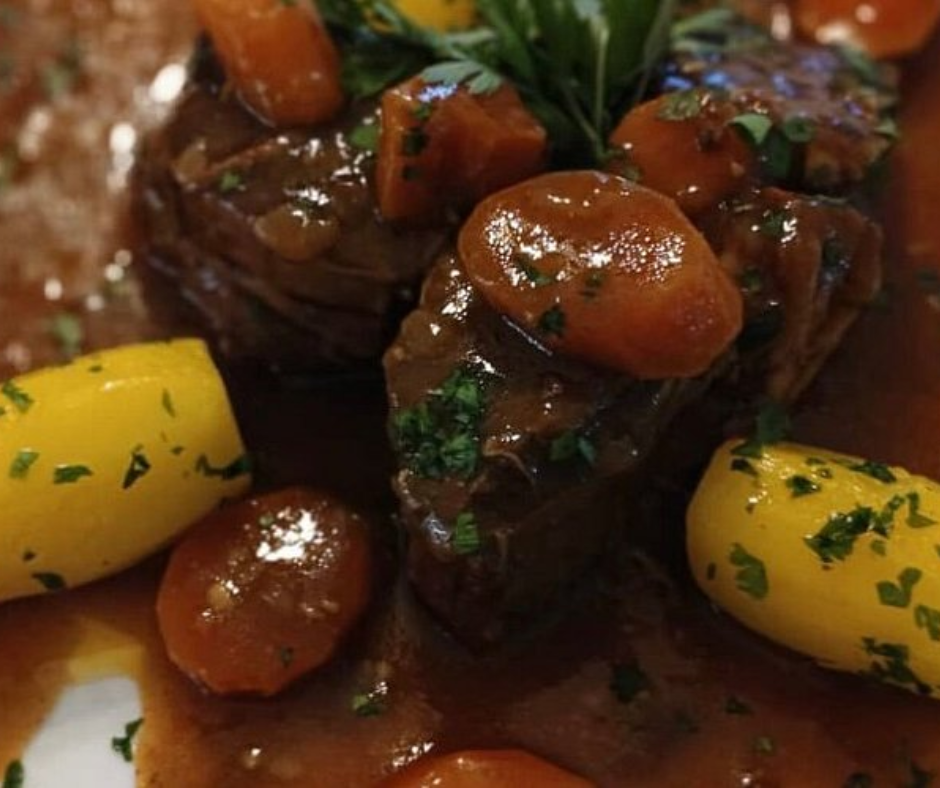
The everyday bread is aghrum, a Kabyle flatbread cooked on a clay griddle. It often comes with hmiss, the grilled pepper, tomato and garlic salad eaten across eastern Algeria, finished with plenty of olive oil.
For a proper meal, couscous is the centerpiece, usually with lamb or vegetables in a spiced broth. In winter, look for berkoukes, large hand-rolled grains cooked in a soupy sauce. Expect 600 to 1,200 DZD (2026) for a plate in a simple restaurant: about 2.20 to 4.40 euros if you changed cash informally at around 275 to the euro, or 4 to 8 euros at the official rate of about 150.
Kabyle Couscous and Grilled Fish
On the coast, fish turns up in couscous too. Couscous with sardines or other fresh fish is a tradition along this shore, especially toward Jijel.
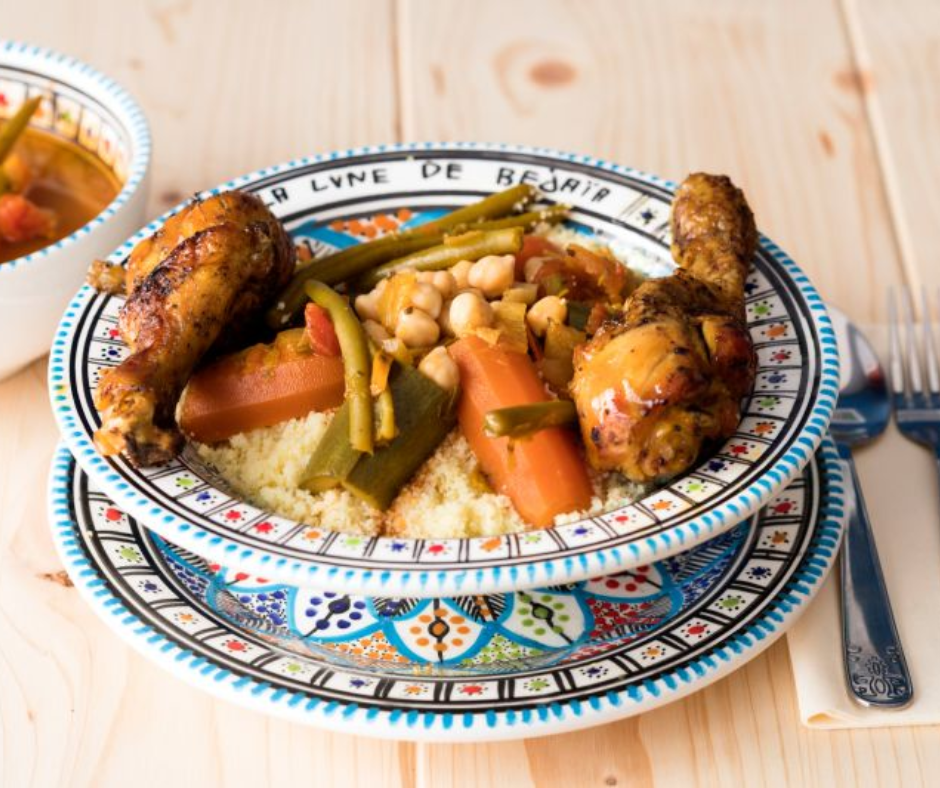
At home the grains are often still rolled by hand and steamed two or three times, which is what makes them light. In town, the simplest good meal is grilled fish near the port. Ask what came in that morning and check the price before ordering, since fish is often sold by weight.
Read also: Where to Eat Couscous in Algeria
Markets and Street Food
The central market is the place to buy local honey, dried figs and olive oil to take home, and to try olives from the stalls before you buy.
For a snack, look for mhadjeb, thin semolina crêpes stuffed with tomato and onion and folded into a square. They are sold hot from street stalls and cost little.
Day trips from Béjaïa
Toudja springs and its water museum
Toudja is a village about 30 km west of Béjaïa, among orange groves on the slopes of the Aghbalou massif. Its springs supplied Roman Saldae, and remains of the aqueduct survive near the village. A water museum opened at the springs in 2010.
The Kefrida waterfalls
The Kefrida falls are near Taskriout, about 50 km from Béjaïa toward Sétif, on the RN9. They drop about 50 m in total, and the most visited fall is close to the road. Go in spring, after the winter rains.
Weather and the best time to visit
Long-term averages for Béjaïa's Mediterranean climate:
| Months | Average high | Sea temperature | Rainy days per month | Crowds |
|---|---|---|---|---|
| January to February | 17 °C | About 15 °C | 8 to 11 | Quiet |
| March to April | 19 to 21 °C | 15 to 16 °C | 8 to 11 | Quiet |
| May to June | 23 to 27 °C | 18 to 21 °C | 2 to 6 | Moderate |
| July to August | 30 to 31 °C | 24 to 26 °C | 1 to 2 | Very busy; traffic on the Gouraya road |
| September to October | 26 to 28 °C | 22 to 25 °C | 6 to 8 | Moderate, then quiet |
| November to December | 18 to 21 °C | 17 to 20 °C | 10 | Quiet |
Where to stay in Béjaïa
- The town center, near the port and the old town. Best for walkers: the Casbah is on foot and the Gouraya trailheads a short taxi ride away.
- The seaside west and east of town. Boulimat and Saket on the RN24, or Tichy to the east, suit a beach stay. Book early for July and August.
- Guesthouses and host families in the hills. Quieter and cooler in summer, with home cooking; you need a car or driver.
Budget hotels and guesthouses across Algeria charge about 4,000 to 7,000 DZD a night (2026), so roughly 15 to 25 euros with cash changed informally (about 275 DZD to the euro) or 27 to 47 euros at the official rate (about 150). Many small places take cash only.
Getting Around Béjaïa and Local Etiquette
Béjaïa has an airport (Soummam-Abane Ramdane) and a ferry port with sailings from Marseille and Sète, mostly in summer. A direct SNTF train from Algiers runs once a day each way and takes about four to five hours.
In town, taxis are the usual way to reach the Gouraya trailheads and Cap Carbon. Drivers rarely run the meter on longer trips, so settle the price first. Yassir, the Algerian ride-hailing app, also works here.
City buses cover the main neighborhoods and are cheap, but they're crowded and don't keep to a timetable. They're fine for crossing town and not much use for the park.
Béjaïa is a relaxed port city, but the villages in the hills behind it are more conservative. Covering shoulders and knees works everywhere. Swimwear is fine on the beach; cover up again when you walk back into town.
In Ramadan (expected from around 8 February 2027), keep eating, drinking and smoking out of sight during the day; many cafés and restaurants stay closed until sunset, so plan meals around that.
Béjaïa itself has an easy, everyday feel: the port, the old town and Gouraya park fill with local families, and travelers we bring to Kabylie often tell us the region felt far more relaxed than they had expected. For walks deeper in the mountains, go with a local guide and tell your hotel your plans.
Cash, Cards and SIM Cards
Béjaïa runs on cash: a few larger hotels take foreign cards, but markets, taxis, cafés and most restaurants want dinars, and cards and ATMs pay the official rate of about 150 dinars to the euro (autumn 2026) against about 275 from informal changers. That informal market is technically against exchange-control law but used openly, so if you go that way, have your host or guide take you to someone they trust, and keep bank receipts for part of your money if you declared over EUR 1,000 on arrival.
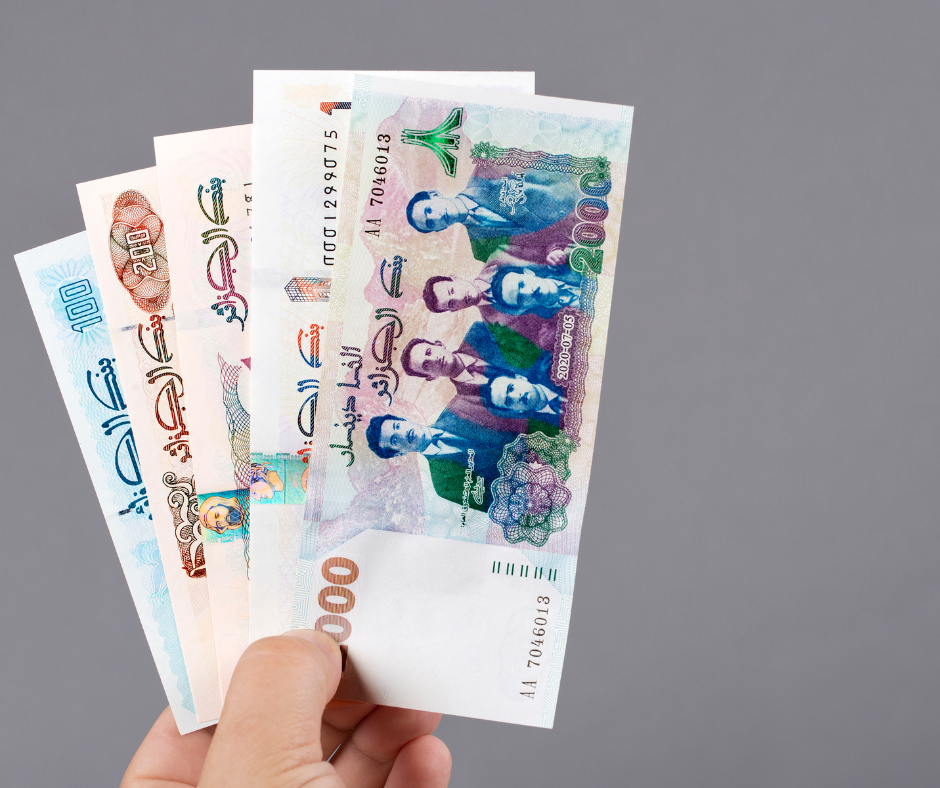
A local SIM (Mobilis, Djezzy or Ooredoo, registered with your passport) is worth having for maps and for keeping in touch with guides, especially if you head further into Kabylie. The Kabyle villages around Tizi Ouzou are a good place to start, and our Algeria travel guide has more on them.
Read also: Algeria Visa: Requirements and Visa on Arrival
Photography and Social Etiquette
People, women and families above all, should be asked before you photograph them. Don't photograph military sites, police or gendarmerie checkpoints, government buildings or the port, which handles oil and cargo. Leave the drone at home: without authorization it will most likely be confiscated at customs.
Most people speak Kabyle (Taqbaylit) at home, and Algerian Arabic is widely understood. A simple "salam" or "bonjour" works everywhere, and "azul", the Kabyle hello, usually goes down well. French is widely spoken in Béjaïa; English much less so.
Béjaïa practicalities (and the bougie story)
How do I get to Béjaïa from Algiers?
By the once-a-day direct SNTF train, which covers the roughly 220 km in about four to five hours, or by flying into Soummam-Abane Ramdane.
Why is a candle called a bougie?
In the Middle Ages Béjaïa, known in Europe as Bugia or Bougie, exported beeswax. Candles made from that wax were named after the port they came from, and the French word stuck. A candle is still une bougie in French today.
Is a weekend enough for Béjaïa?
Yes, for the essentials. Two full days cover the park and the old town as described above. A third lets you add Toudja, the Kefrida falls or the Grottes Merveilleuses on the Jijel road.
From here, many travelers carry on east along the coast to Annaba and the ruins of Hippo Regius. If you would like a guide for Gouraya, a night with a host family in a Kabyle village, or help linking Béjaïa with the rest of Kabylie, get in touch with our team.
Read also: Algeria Off the Beaten Path: Sahara, M'Zab and Quiet Cities
Is Algeria Worth Visiting? What to Know Before You Go (2026)


