
The prospect of navigating a vast, sun-scorched plateau in search of ancient secrets can feel overwhelming for even the most seasoned traveler.
That is why our team at WildyNess created this guide to help you master the logistics and cultural nuances of Algeria’s most iconic desert landscape.
Essential Logistics for Reaching the Tassili Plateau
Tassili N’Ajjer is far from a quick roadside stop because it is a journey unto itself flowing through Djanet. This oasis town serves as your primary gateway and practical launchpad for the park. You should plan to spend at least a day in Djanet to handle local permits and finalize your expedition team before heading into the high country.
Navigating Flights and Ground Transport
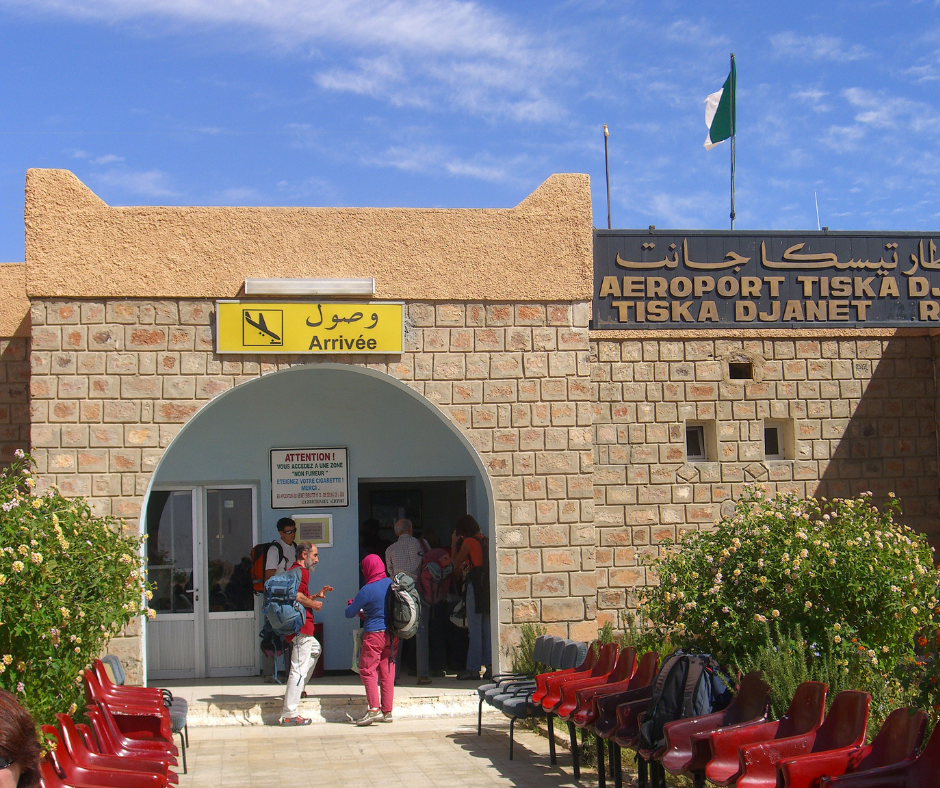
Your mission begins with reaching Djanet via air by landing at Djanet Airport. Most travelers arrive on internal flights from Algiers which often depart late at night or in the early hours of the morning. Once you are on the ground, the landscape changes from tarmac to sand and rock.
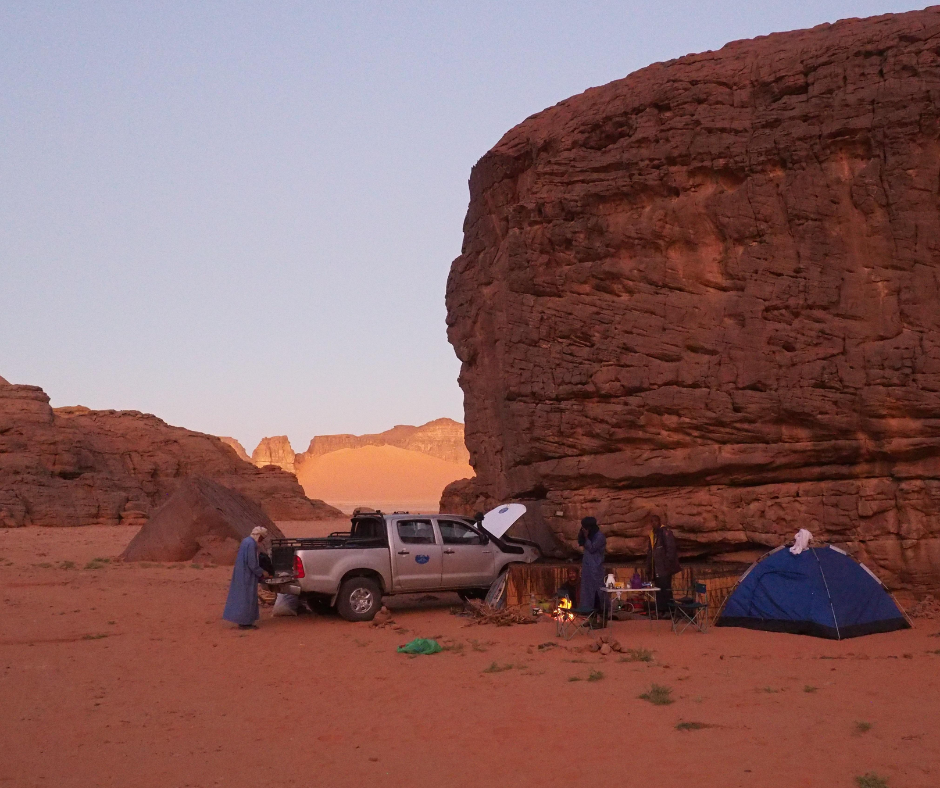
You will typically journey by 4x4 vehicle into the rugged terrains with local teams who manage the water and camping gear. Overland travelers must allow for significant buffer days because the Grand South respects no hurry and mechanical delays are a common reality of desert travel.
Read also: Explore Djanet: An Oasis Jewel in the Middle of Algeria
And Things to Do in Djanet: The Ultimate Guide to Algeria’s Red Sahara
Managing Cash and Connectivity
The deep south of Algeria remains a cash-driven economy where credit cards have little to no utility. You must secure enough Algerian Dinars in Algiers or Djanet to cover your entire trek and tips for the local crew.
Connectivity is equally scarce once you leave the oasis. Your phone will likely function only as a camera or a GPS device. We recommend informing family of your itinerary beforehand and carrying a satellite communication device if you require constant contact.

Understanding the Prehistoric Rock Art Phases
Tassili N’Ajjer is famous for containing one of the most important groupings of prehistoric cave art in the world. These works are not merely decorations but are records of a changing environment. You will see evidence of a time when the Sahara was a fertile savanna teeming with life and water.
The Hunter and Round Head Periods
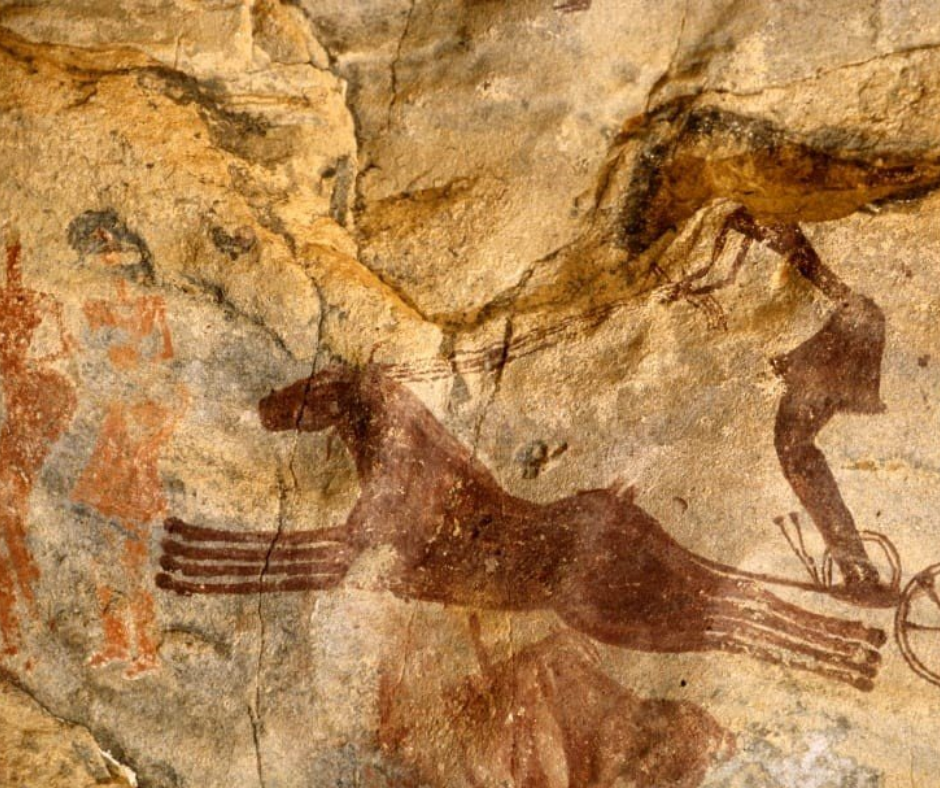
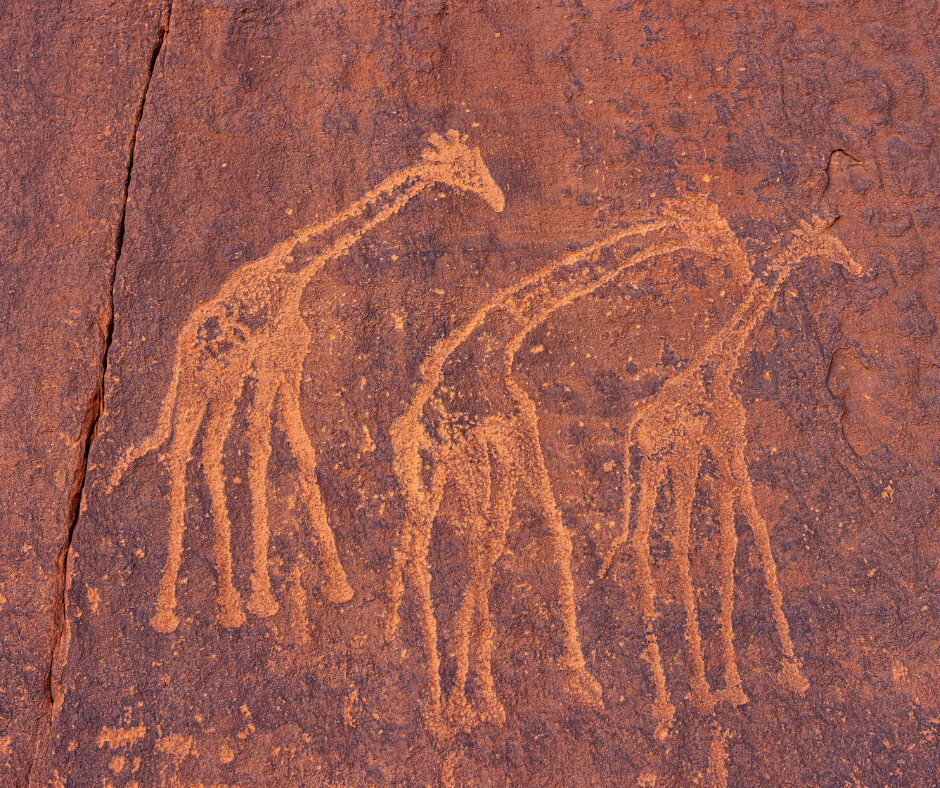
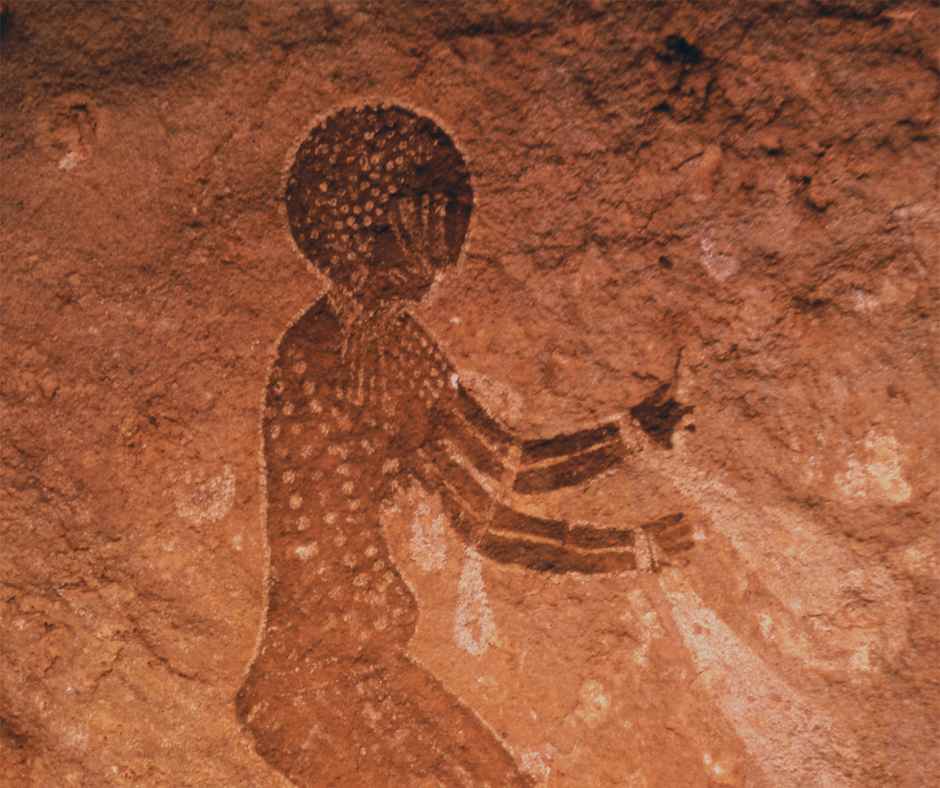
The earliest paintings belong to the Wild Fauna period which features large animals like elephants and giraffes that no longer inhabit the region. This was followed by the Round Head period which is characterized by mysterious and ethereal human figures.
These figures often appear in large-scale compositions that suggest complex spiritual or ritualistic beliefs. You will find some of the most famous examples of these styles in the Sefar and Jabbaren areas of the park.
The Bovidian and Horse Periods
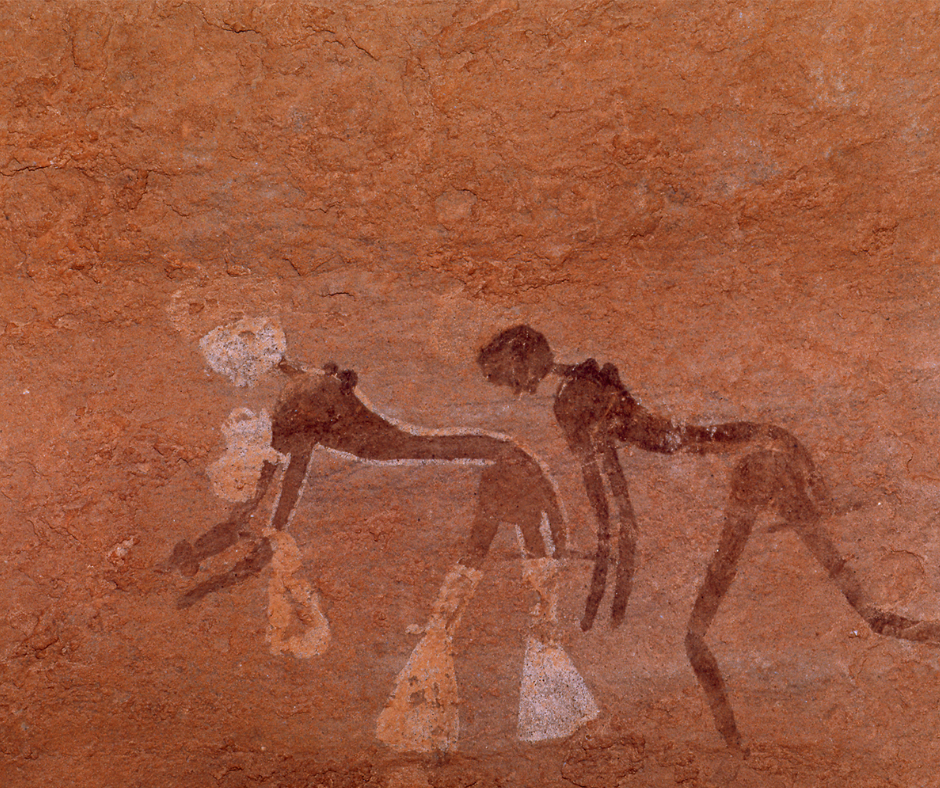
As the climate shifted, the art began to reflect the domestication of animals. The Bovidian period shows detailed scenes of cattle herding and daily camp life which provides a clear look at the social structures of ancient Saharan peoples.
Later sections of the rock walls depict horses and eventually camels as the region became increasingly arid. Each layer of paint tells a story of human adaptation to a drying landscape over thousands of years.
Exploring the Forest of Rocks and Geological Marvels
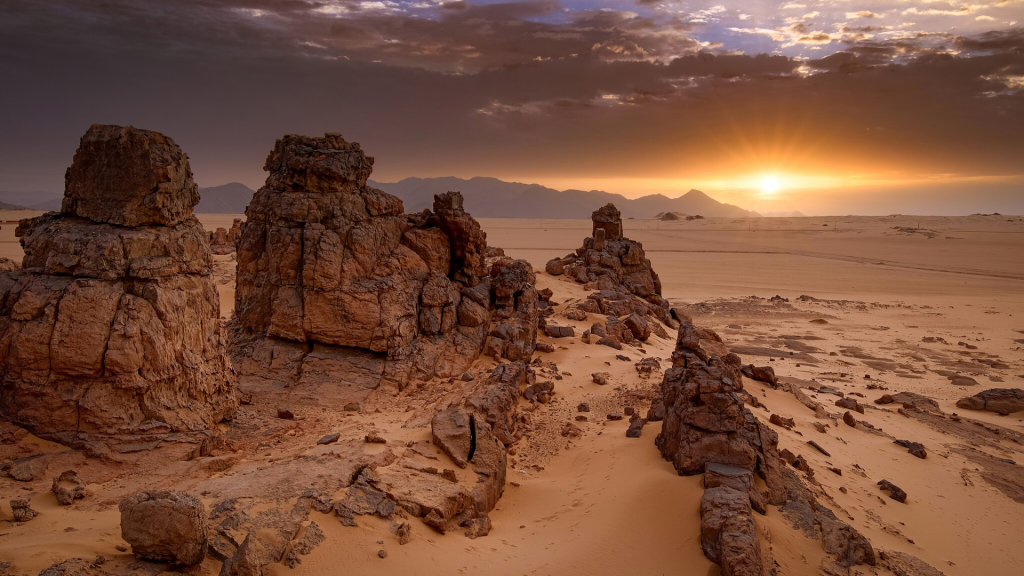
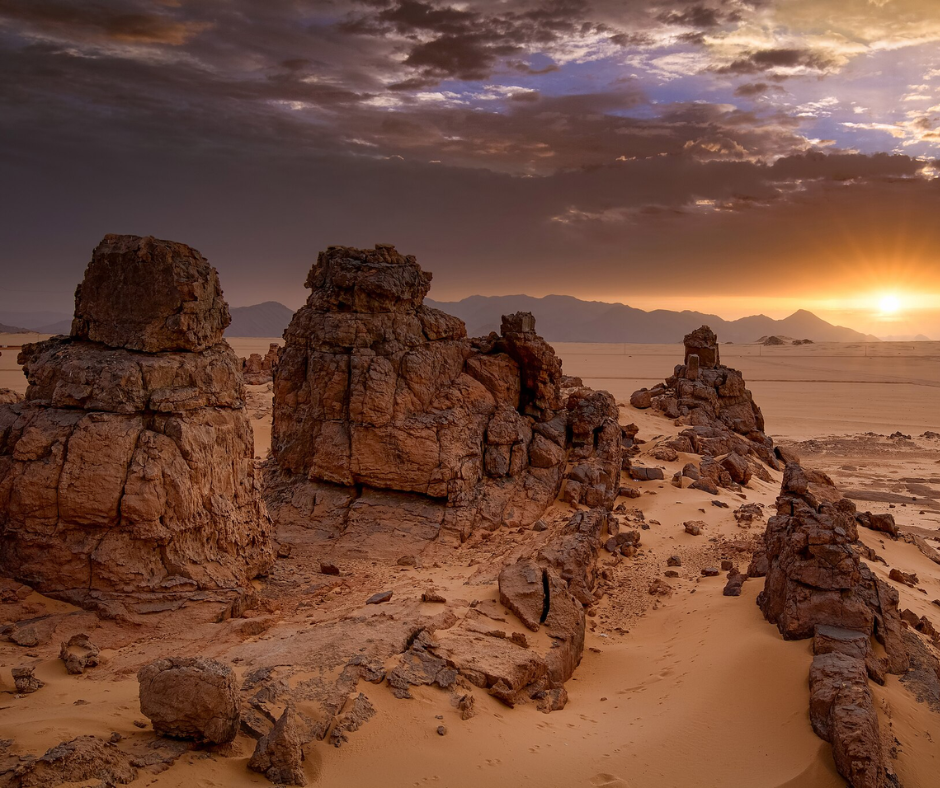
The "Forest of Rocks" is a labyrinth of eroded sandstone that feels like another planet. These formations were carved by ancient rivers and persistent winds over millions of years. Walking through these stone corridors provides a sense of scale that is difficult to find anywhere else on Earth.
Navigating the Sandstone Labyrinths
We recommend following the main wadi beds as they serve as your natural paths through the high plateau. As the rock formations close in, you should slow down to appreciate the textures of the stone.
The sandstone here is fragile and takes on shapes that resemble arches, towers, and humanoid figures. Your guide will help you find the most stable paths through these labyrinths to avoid loose scree and dangerous drops.
Finding the Best Panoramic Viewpoints
Our favorite method for seeing the park involves a rhythm of walking through the cooled channels and climbing to high ridges for views. These elevated spots allow you to see the "snake" of the wadi below and the layers of black rock stretching toward the horizon.
You should look for photo opportunities during the golden hour when the low sun highlights the intricate carvings in the stone. Downloading your route before you arrive is essential for safety even when you are traveling with a local expert.
Trekking and Camping on the High Plateau
Multi-day treks in Tassili N’Ajjer require a balance of physical endurance and smart preparation. You will be moving across uneven terrain at altitudes that can affect your pace. Proper gear is the difference between a successful expedition and a difficult ordeal.
Essential Packing for Desert Treks
Your trail gear should be simple but complete to ensure you stay comfortable. We suggest reliable boots with good ankle support and flexible trekking poles to save your knees on the rocky descents.
Your clothing should follow a layering system that starts with a moisture-wicking base and ends with a windproof jacket. A warm-rated sleeping bag is non-negotiable because temperatures on the plateau can drop significantly once the sun sets.
Daily Routines and Safety Protocols
Safety in the desert is built on hydration and strategic timing. You should aim for early starts to cover the most ground before the afternoon heat peaks. During the middle of the day, find shade under rock overhangs to rest and conserve energy.
The Unique Flora and Fauna of the Tassili
Despite the harsh conditions, Tassili N’Ajjer is home to specialized life forms that have adapted to the arid environment. The park acts as a refuge for species that have disappeared from other parts of the Sahara.
The Ancient Cypress of Saharan Mediteranea
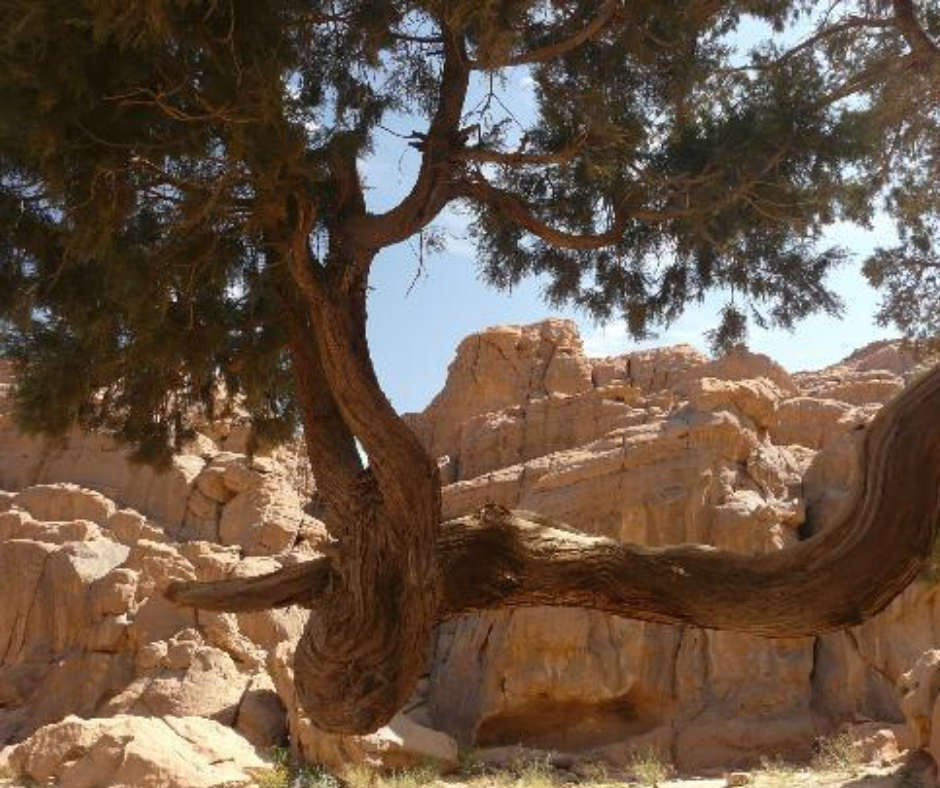
One of the most remarkable sights in the park is the Tarout, or the Saharan Cypress. These trees are thousands of years old and are considered living fossils from a wetter era. They grow in the wadis of the high plateau and are now critically endangered.
You must treat these ancient trees with the utmost care by avoiding any behavior that could damage their roots or bark. They are icons of survival that provide shade and habitat for smaller desert creatures.
Spotting Desert-Adapted Wildlife
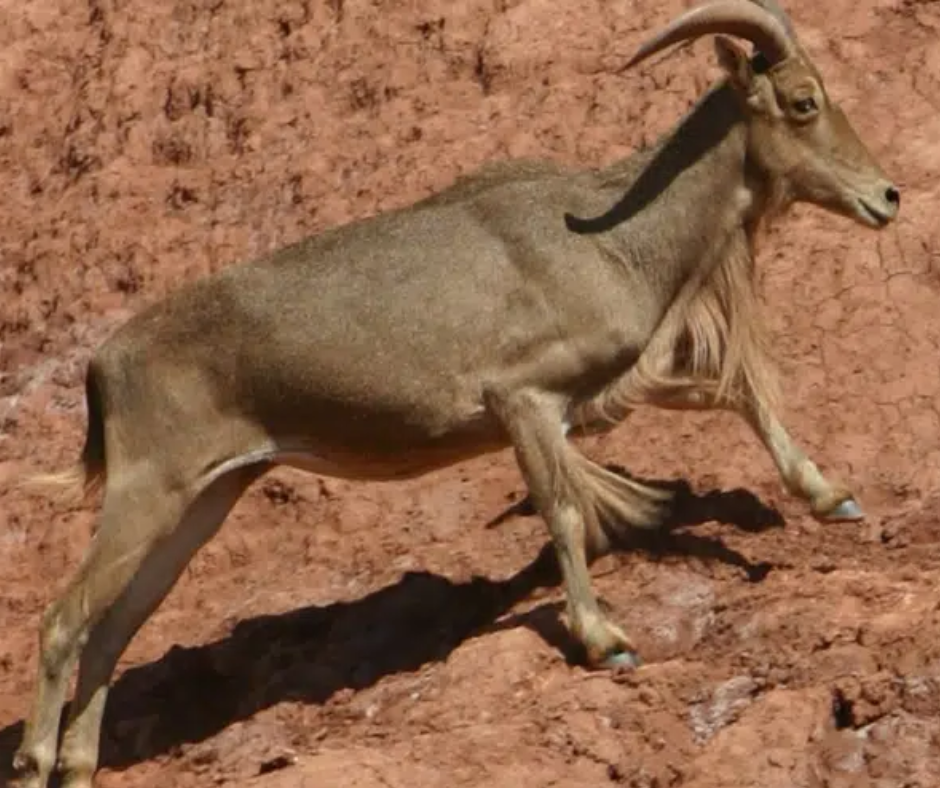
If you remain quiet during the dawn and dusk hours, you may spot elusive wildlife such as the Barbary sheep or the dorcas gazelle. The park is also a vital corridor for migratory birds traveling between Europe and Africa.
We suggest packing a pair of lightweight binoculars to observe these animals from a distance without disturbing their natural behavior. Keeping your camp clean and packing out all trash is essential for protecting these fragile animal populations.
Cultural Immersion with Tuareg Guides
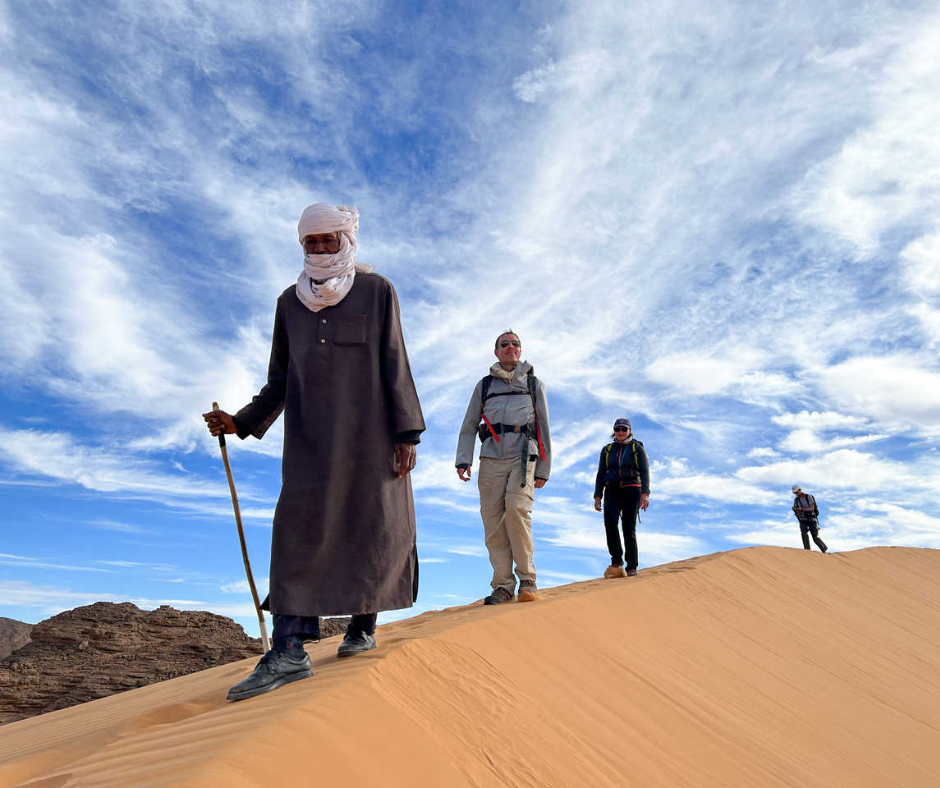
You cannot truly experience Tassili N’Ajjer without the guidance of the Tuareg people. Known as the "Blue People" of the Sahara, they have lived in this region for generations and possess an intimate knowledge of the land.
The Importance of Local Expertise
A Tuareg guide does more than show you the way since they interpret the landscape and history for you. They understand the subtle signs of the weather and the best places to find shelter or water.
Engaging a reputable local team ensures that your tourism dollars directly support the community that protects the park. You should take the time to learn about their customs and the challenges they face in a modernizing world.
The Ritual of Saharan Tea
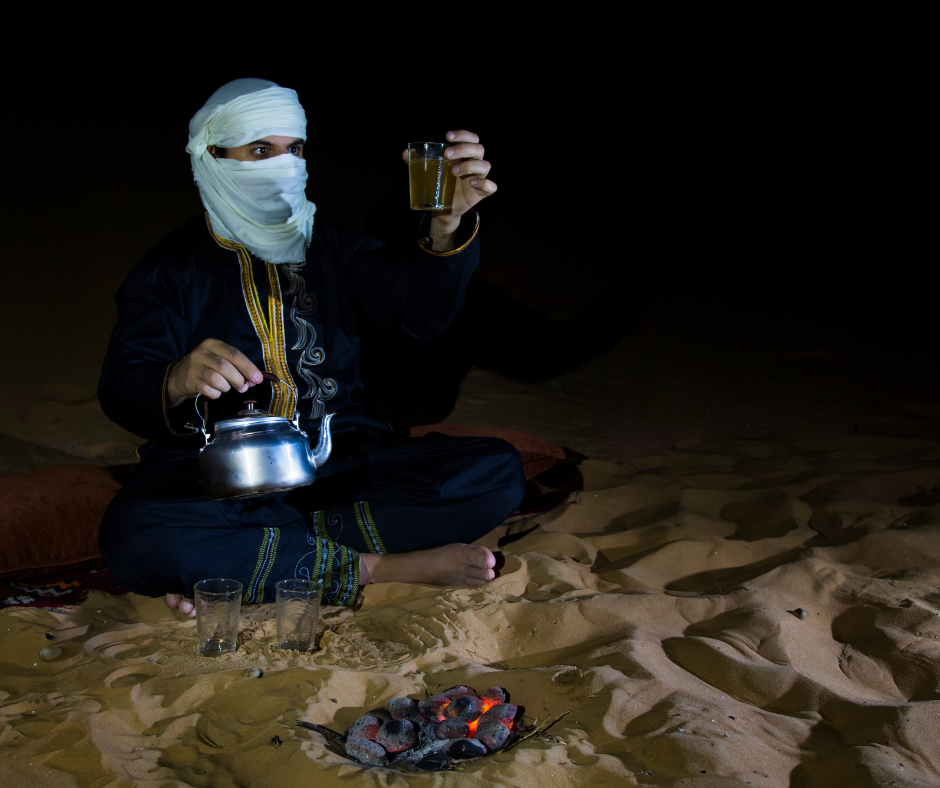
One of the most enduring traditions you will experience is the tea ceremony. This is a slow and deliberate process where tea is brewed three times over a small fire. Each glass has a different flavor profile ranging from bitter to sweet.
This ritual is a time for conversation and reflection after a long day of trekking. It represents the hospitality of the desert and is a highlight of the cultural exchange in the Algerian south.
Preservation and UNESCO Guidelines for Visitors
Tassili N’Ajjer is a UNESCO World Heritage site and its protection depends on the behavior of every visitor. The rock art and geological formations are irreplaceable and can be easily damaged by careless actions.
Protecting the Rock Art
The most important rule is to look without touching the paintings or engravings. The oils from human skin can cause the ancient pigments to deteriorate over time. You should never apply water or chalk to the art to make it show up better in photos as this causes permanent damage.
Stay on the established paths to avoid eroding the ground near the shelters. Your respect for these sites ensures that future generations can also witness these prehistoric masterpieces.
Sustainable Camping Practices
When you set up camp, you should follow low-impact principles to leave the desert exactly as you found it. This means using existing campsites and being extremely careful with fire.
All waste including food scraps and hygiene products must be packed out and disposed of in Djanet. By following these guidelines, you help maintain the wild character of the National Park.
Read also: Camping in Algerian Sahara: The Ultimate Guide to The Desert
To sum up, Tassili N'Ajjer offers a journey into ancient art and natural wonders that rewards travelers with a unique blend of adventure and cultural insight. If you have any further questions about planning your expedition, we are here to help you navigate every step of the process. All you have to do is email us.
For more tips, read Algerian Sahara Travel Guide: Routes, Visas & Safety Tips