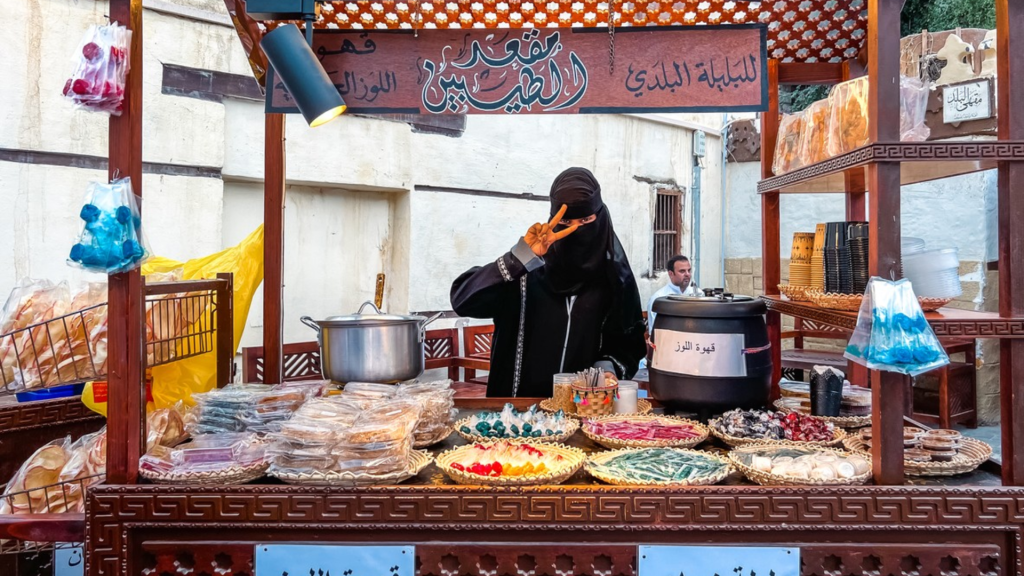

Landing in Riyadh and realizing the sheer scale of the city can make finding a simple, authentic meal feel like a daunting task.
That is why our team at WildyNess created this guide to help you navigate the busy street corners like a seasoned local.
The Absolute Classics of Riyadh Street Food
Your first priority should be finding a high-quality shawarma. In Riyadh, shawarma is more than a snack; it is a daily ritual. Look for shops in the Sulaimaniyah district where the meat is shaved thin and wrapped in fresh khubz bread. You should ask for the garlic sauce, known locally as toum, and specify if you want it spicy with a spread of shatta. Most locals prefer the classic chicken version, but the beef shawarma with tahini and parsley is an equally strong contender.
Another essential experience is the morning or evening ritual of tamees and ful. Tamees is a large, flat bread baked in a clay oven that comes in several varieties, including plain, sesame-topped, or stuffed with cheese.
We recommend pairing this with a bowl of ful medames, which consists of slow-cooked fava beans seasoned with olive oil, cumin, and lemon. This meal is incredibly filling and usually costs less than fifteen Saudi Riyals, making it one of the most budget-friendly options in the capital.
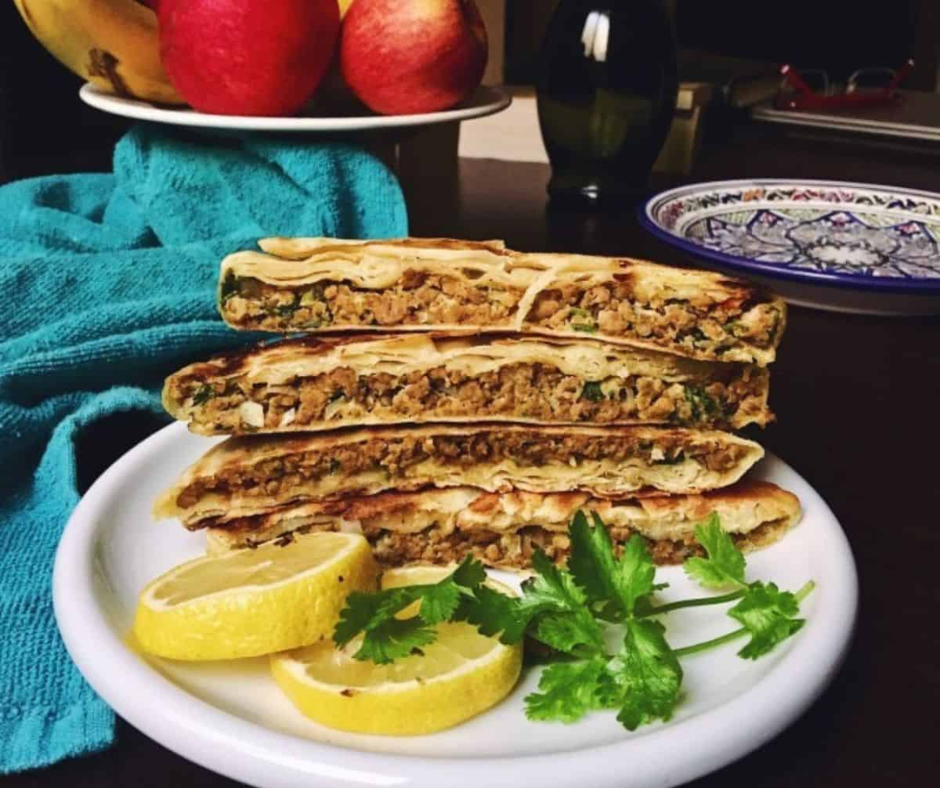
If you want something savory and textural, look for a vendor making mutabbaq. This dish consists of thin layers of dough folded over a mixture of minced meat, eggs, green onions, and parsley.
It is then pan-fried on a flat griddle until the exterior is crispy while the inside remains soft and savory. You will often see it served with a wedge of lemon and a few whole green chilies on the side to provide a sharp contrast to the rich filling.


Exploring the Traditional Flavors of Najd
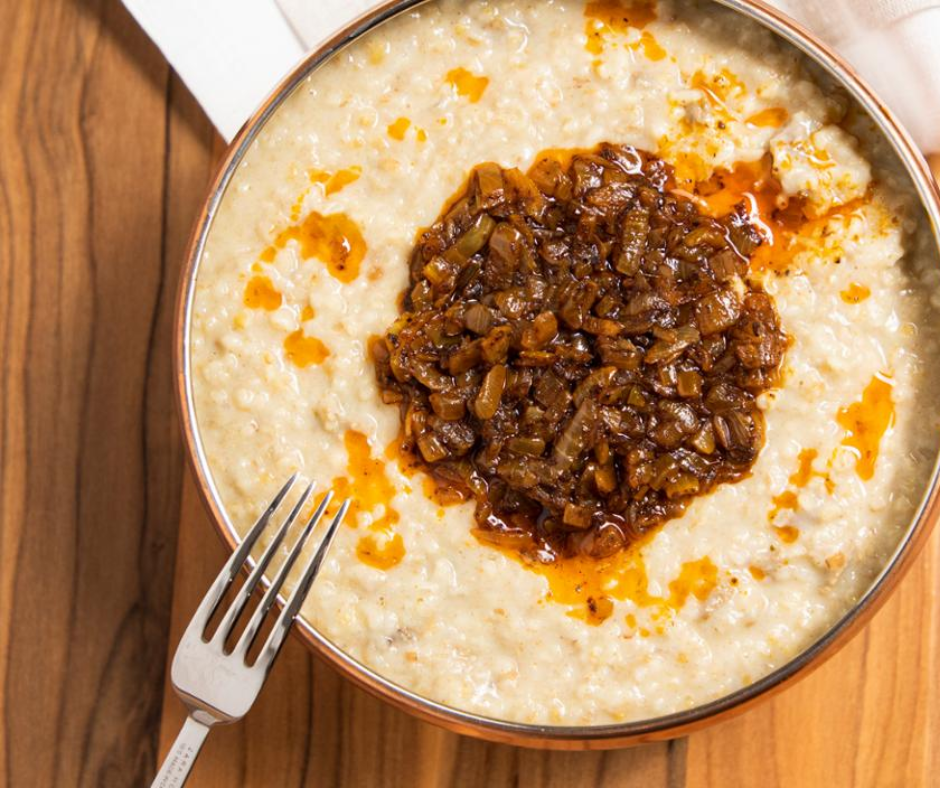
To understand Riyadh’s food culture, you must also try Jareesh. This is a beloved Saudi comfort food made from crushed wheat that is cooked slowly with yogurt and meat until it reaches a consistency similar to a thick porridge. It is typically topped with a generous spoonful of caramelized onions and clarified butter. While it is often a home-cooked meal, you can find authentic versions at local eateries near the historic Al-Batha market or in dedicated traditional restaurants.
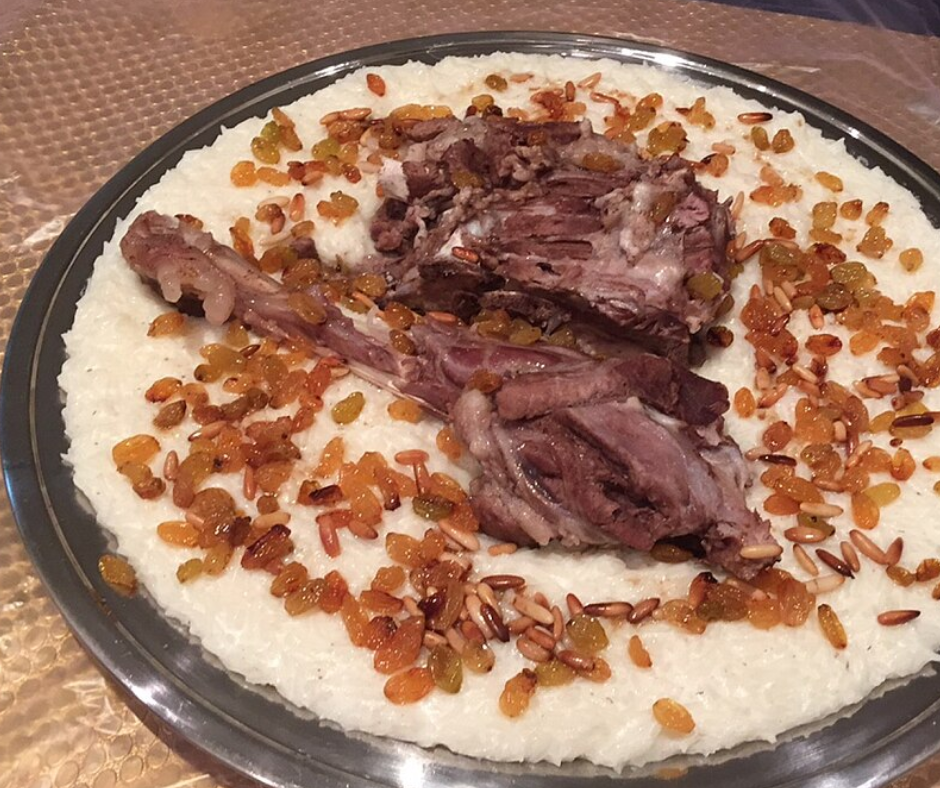
Saleeg is another dish that defines the regional palate. It is a creamy white rice dish cooked in broth and milk, usually served with roasted chicken and a spicy tomato garnish called dugus. The texture is smooth and velvety, offering a milder flavor profile that balances the heavy spices found in other Saudi dishes. We find that Saleeg is particularly satisfying during the cooler winter months when you want something warm and hearty.
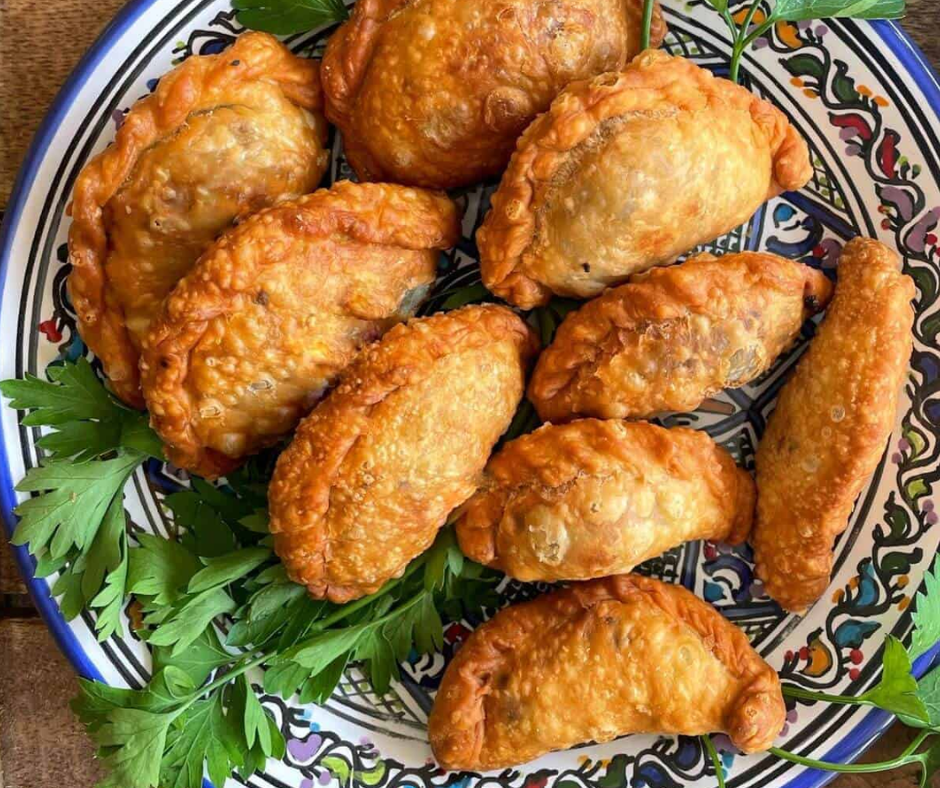
For a quick snack on the go, keep an eye out for sambousek. These are fried or baked triangles of dough filled with spiced meat, cheese, or vegetables. They are particularly popular during Ramadan, but you can find them year-round at most street stalls.
Pair them with a cup of karak tea, which is a strong black tea brewed with evaporated milk, sugar, and a heavy dose of cardamom.
Where to Find the Best Street Food Hubs
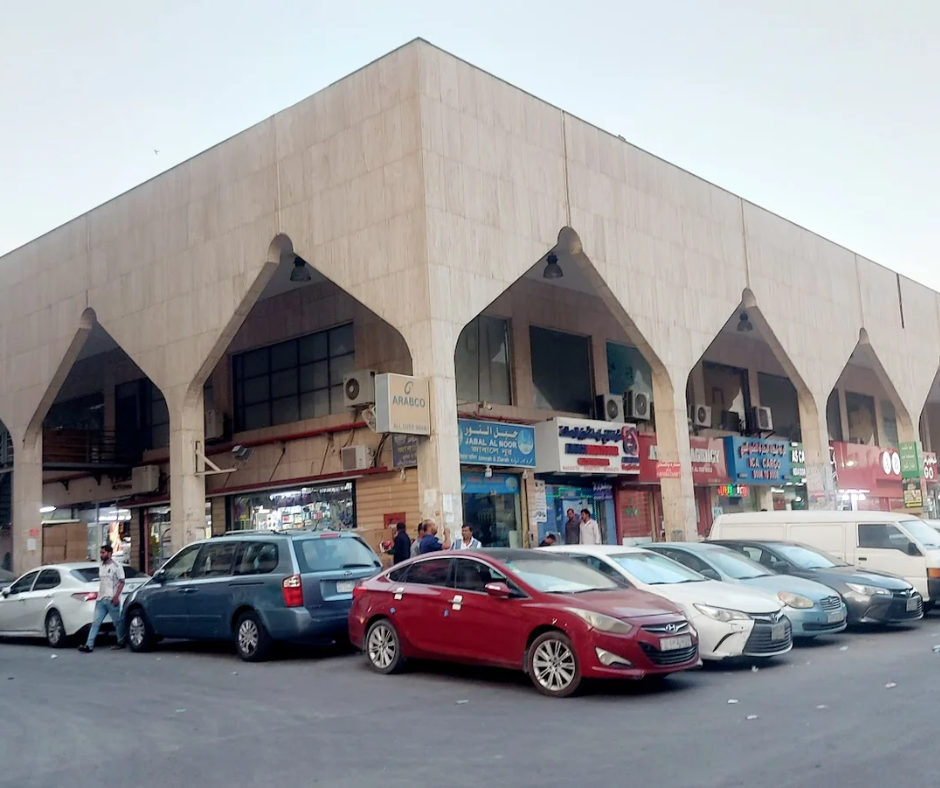
If you are looking for the most authentic and affordable experience, head straight to Al-Batha.
This is the historic heart of Riyadh and serves as a melting pot of cultures. The streets here are narrow and bustling, filled with the scents of grilled meats and fresh bread. You will find excellent South Asian and Middle Eastern street foods here that cater to the city’s diverse workforce. It is loud and busy, but the energy is unmatched anywhere else in the city.
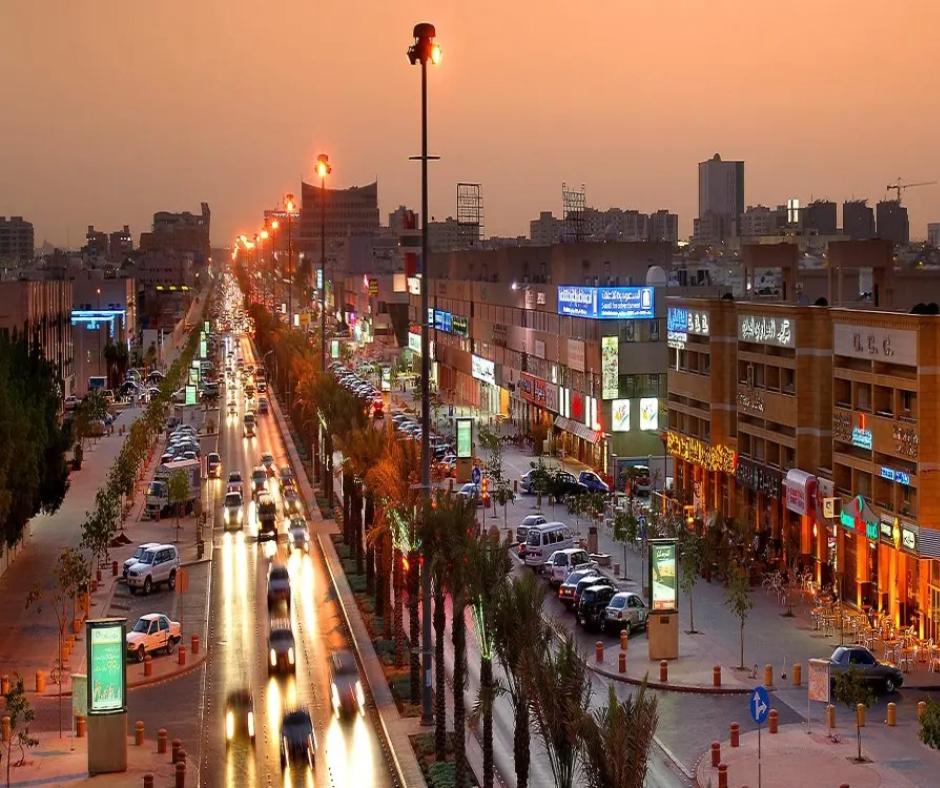
For those who prefer a more organized and modern environment, the Tahlia Street area offers a different vibe.
While it is known for its high-end cafes, the side streets are home to many trendy walk-up windows. You can find everything from elevated sliders to specialized dessert shops. This area is perfect if you want to combine a casual stroll with several small bites from different vendors.
If you are visiting the Al Masmak Fort or exploring the Souq Al-Zal, you are in the perfect position to find traditional snacks.
The area around the fort is excellent for finding dates, traditional sweets, and vendors selling hot cups of Saudi coffee. We recommend visiting this area in the late afternoon so you can see the fort in the daylight before the evening food vendors set up their stalls.

Modern Trends and the Food Truck Revolution
Riyadh has embraced the food truck culture with incredible enthusiasm. You will find dedicated parks like U Walk or the seasonal zones at The Boulevard where dozens of trucks gather. These spots are where young Saudi chefs experiment with fusion flavors. You might see camel meat sliders, date-flavored ice cream, or even traditional jareesh served in a portable cup.
The social aspect of these food truck parks is just as important as the food. These areas are designed for hanging out, with outdoor seating and music creating a lively atmosphere. If you visit during a weekend, expect large crowds and a festive mood. We suggest ordering several small items from different trucks to share so you can sample the widest variety of modern Saudi flavors.
One of the best things about the modern scene is the focus on presentation. Even street food is often served in creative packaging that reflects the city’s design-forward mindset. Keep your phone ready, as many of these dishes are as visually interesting as they are tasty. If you want a more structured way to explore these modern spots, we can help you integrate them into a custom plan when you contact us for a personalized itinerary.
Sweets and the Ritual of Saudi Hospitality
No culinary tour of Riyadh is complete without diving into the world of sweets. Luqaimat are the stars of the street food dessert scene. These are small, deep-fried dough balls that are crunchy on the outside and airy on the inside. They are typically drizzled with date syrup and sprinkled with sesame seeds. We recommend eating them while they are still hot to get the best contrast in texture.
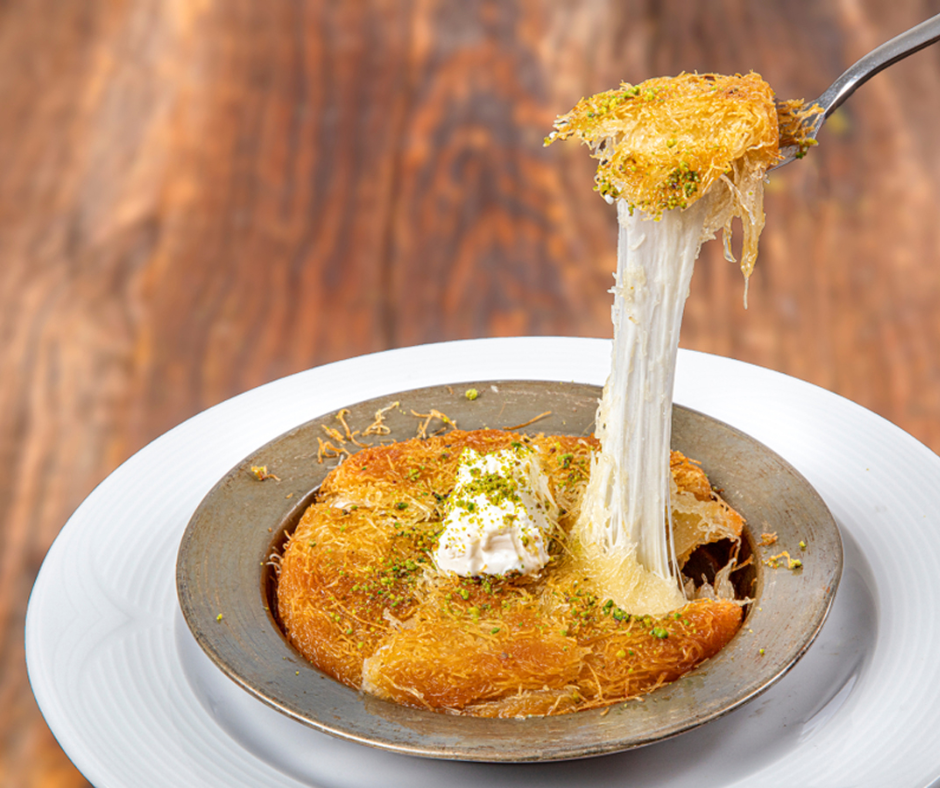
Kunafa is another heavy hitter that you will see in many specialized shops. It features a layer of cheese or cream encased in shredded phyllo dough and soaked in a sweet syrup. Many places in Riyadh now offer modern variations, including toppings like Nutella or Lotus biscuit spread, though the traditional version remains the local favorite.
You must also experience the ritual of Gahwa, or Saudi coffee. This is not your typical espresso; it is a light, spiced brew made with lightly roasted beans and plenty of cardamom and cloves. It is almost always served with fresh dates to balance the bitterness of the coffee.
You will find that hospitality is central to Saudi culture, and accepting a cup of coffee is a great way to engage with locals and show respect for their traditions.


Practical Tips for Your Riyadh Food Adventure
Timing is everything when it comes to eating in Riyadh. The city follows a late schedule, especially during the summer. Most street food vendors do not open until the late afternoon, and the real rush happens after ten in the evening. If you try to go out looking for street food at noon, you might find many of the best spots shuttered. Plan your day so that you can rest during the heat and start your food tour as the sun goes down.
Payments in Riyadh have become almost entirely digital. While carrying a bit of cash for very small stalls is a good idea, almost every vendor now accepts Mada cards, Apple Pay, or STC Pay. This makes it very easy to move from stall to stall without worrying about change. If you are using a foreign card, just ensure your bank knows you are traveling to avoid any issues with transactions.
If you feel overwhelmed by the options or find it difficult to navigate the city's sprawling layout, consider using delivery apps like HungerStation or Jahez. These apps are great for discovering what is popular in your specific neighborhood. You can see photos of the food and read reviews before you head out to find the physical stall. This is a pro move for finding those neighborhood gems that might not have a massive social media presence.
Safety and Etiquette for the Curious Traveler
Food safety in Riyadh is generally high, as the government maintains strict regulations on commercial kitchens. When eating at street stalls, use common sense by choosing places that have a high turnover of customers. If you see a long line of locals, it is a very good sign that the food is fresh and the quality is consistent. Always make sure your food is cooked to order and served piping hot.
When dining in more traditional areas, remember that the right hand is used for eating. This is particularly important if you are sharing a communal platter of kabsa or jareesh. It is also polite to accept food or coffee when it is offered, even if you only take a small amount. This gesture acknowledges the hospitality of your host or the vendor.
Finally, keep in mind that Riyadh is a conservative city, although it is changing rapidly. Dressing modestly while you are out exploring the street food markets shows respect for the local culture and will likely result in more positive interactions with vendors. A friendly attitude and a few words of Arabic, like shukran for thank you, will go a long way in making your culinary journey through Riyadh a memorable one.
Read Also:
3 days Riyadh Itinerary, Saudi Arabia 2026
Riyadh with Family: Best Things to Do & Top Tips for Your Trip
What to Wear in Riyadh: A Traveler’s Guide to Dressing Right