
The idea of exploring Saudi Arabia as a solo female traveler might feel daunting because myths often make the journey seem more challenging than rewarding. You might have heard you can’t move freely or that you’ll constantly face cultural friction.
Let’s be clear: Saudi is a welcoming country with clear norms, and once you know them, traveling smart becomes easy.
That is why our team at WildyNess created this guide to provide the real-world basics on what to wear, how to get around, and what to expect in public spaces. Ready?
Navigating Independence: Guardianship and Safety Laws in Saudi
The most common question we receive involves the "Mahram" or male guardian system. In today's Saudi Arabia, the law does not require female tourists to travel with a male relative or guardian. You can check into hotels, board domestic flights, and enter public spaces entirely on your own.
This shift is part of the broader Vision 2030 reforms that have significantly increased the autonomy of women within the Kingdom. When you arrive at the airport, you will go through immigration just like any other traveler. While you may see separate queues for men and women at certain government checkpoints or older facilities, your status as a solo traveler is respected and legal.
Safety in Saudi Arabia is statistically very high compared to many Western hubs. The country has a low rate of violent crime and petty theft, partly due to the strict legal system and a culture of hospitality. As a woman traveling alone, you will likely find that people are helpful rather than intrusive.
However, independence comes with the responsibility of following local public decency laws. It is important to remember that while the religious police no longer have the power to arrest people on the street, the "Public Decency Law" is still enforced by regular police. This covers behavior like loud music, public displays of affection, or wearing clothing that is considered immodest.
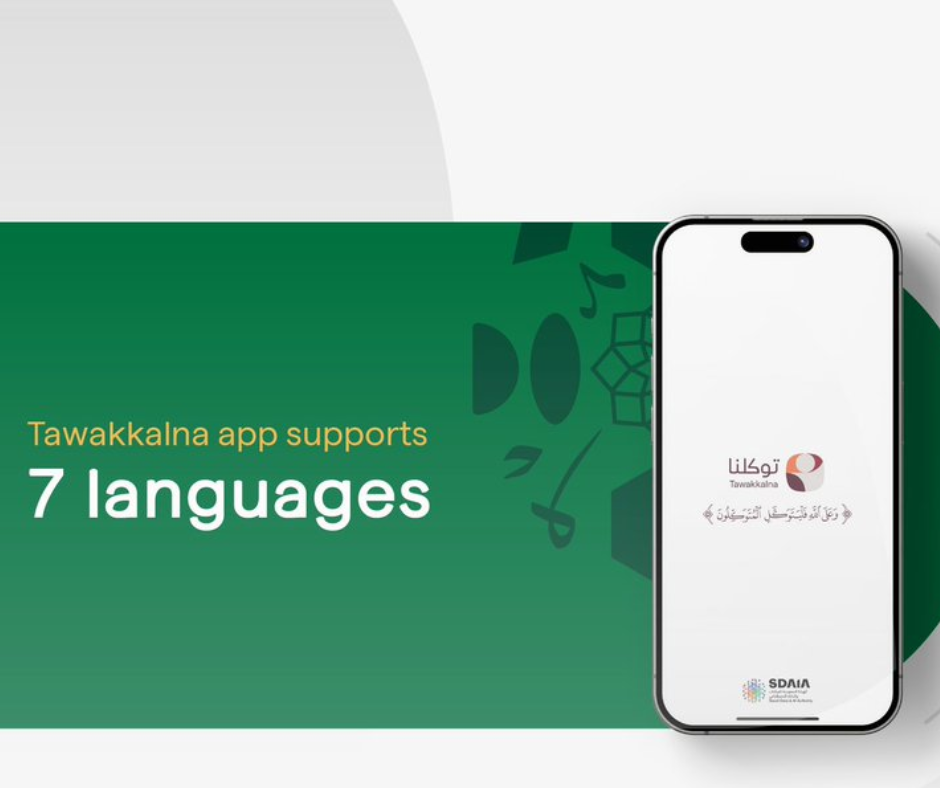
Digital safety is also a unique factor here. Most services in the country are tied to your phone number and identity. We recommend downloading the local apps early. While the Tawakkalna app was originally for health tracking, it has evolved into a central digital identity tool.
Having a working local SIM card is not just a convenience but a safety requirement for accessing ride-hailing services and maps. If you ever feel uncomfortable, the unified emergency number is 911. The operators in major cities often speak English and can assist with police, ambulance, or fire services.
Dress Code: Practical Modesty for the Modern Traveler
One of the biggest misconceptions is that every woman must wear a black abaya. This is no longer the case for tourists. While local women may still choose to wear the abaya and niqab for cultural or religious reasons, you are only required to dress modestly. This means keeping your shoulders and knees covered at all times in public. We suggest packing loose-fitting trousers, long skirts, and tunics that cover the hips. Lightweight fabrics like linen or cotton are essential for managing the desert heat while staying respectful of local norms.
You do not need to cover your hair in public streets or shopping malls. The only exception is when you are visiting a mosque, where a headscarf is mandatory. We always suggest keeping a light pashmina in your day bag. It serves multiple purposes, from providing extra coverage if you enter a more conservative neighborhood to protecting you from the intense air conditioning in malls and cinemas. On public beaches and at hotel pools, swimwear is acceptable, but you should put on a cover-up as soon as you leave the immediate water area.
Read also: What to Wear in Riyadh: A Traveler’s Guide to Dressing Right
In more cosmopolitan cities like Jeddah and Riyadh, you will see a wider variety of styles. However, if you are heading to more traditional regions like Al-Ahsa or the northern provinces, it is wise to lean toward more conservative choices. Dressing with local sensibilities in mind often leads to smoother interactions. When you show respect for the culture through your attire, you will find that locals are more open and welcoming in their daily interactions with you.

Getting Around: Reliable Transport and Ride-Hailing
Moving between cities and within neighborhoods is straightforward once you understand the infrastructure. For city travel, we strongly recommend using ride-hailing apps like Uber or Careem. These apps provide a digital trail of your journey, upfront pricing, and the ability to share your live location with friends or family. Careem specifically offers a "Women Captain" service in some cities, which allows you to be picked up by a female driver. This can be a great option if you are traveling late at night or simply prefer the comfort of a female-driven car.
Public transport is also an improving option. The Riyadh Metro is a state-of-the-art system that includes dedicated sections for women and families. This allows you to travel across the capital quickly and affordably. For longer distances, the Saudi Railway Railway (SAR) connects Riyadh to the northern regions, while the Haramain High-Speed Railway links Jeddah, Makkah, and Madinah. These trains are clean, fast, and very safe for solo women. We suggest booking your tickets in advance through the official apps to secure your seat and avoid queues at the stations.
Walking is feasible in specific historic districts like Al-Balad in Jeddah or the Diriyah area in Riyadh, but generally, Saudi cities are designed for cars. Distances are vast, and the heat can make walking long distances exhausting. Always pin your hotel location in both English and Arabic on your phone. If you take a traditional street taxi, ensure the meter is running or agree on a price before the car moves. However, for a solo traveler, the transparency of the apps usually makes them the superior choice.

Finding the Right Stay: Female-Friendly Accommodations
Choosing where to sleep is a vital part of your safety strategy. Most international hotel chains in Saudi Arabia are well-versed in hosting solo female travelers. When you book, look for properties in central, well-lit districts. In Riyadh, neighborhoods like Olaya or Al-Muhammadiyah are excellent because they are close to major attractions and have plenty of foot traffic. In Jeddah, staying near the Corniche or in the Al-Hamra district provides easy access to the waterfront and many cafes.
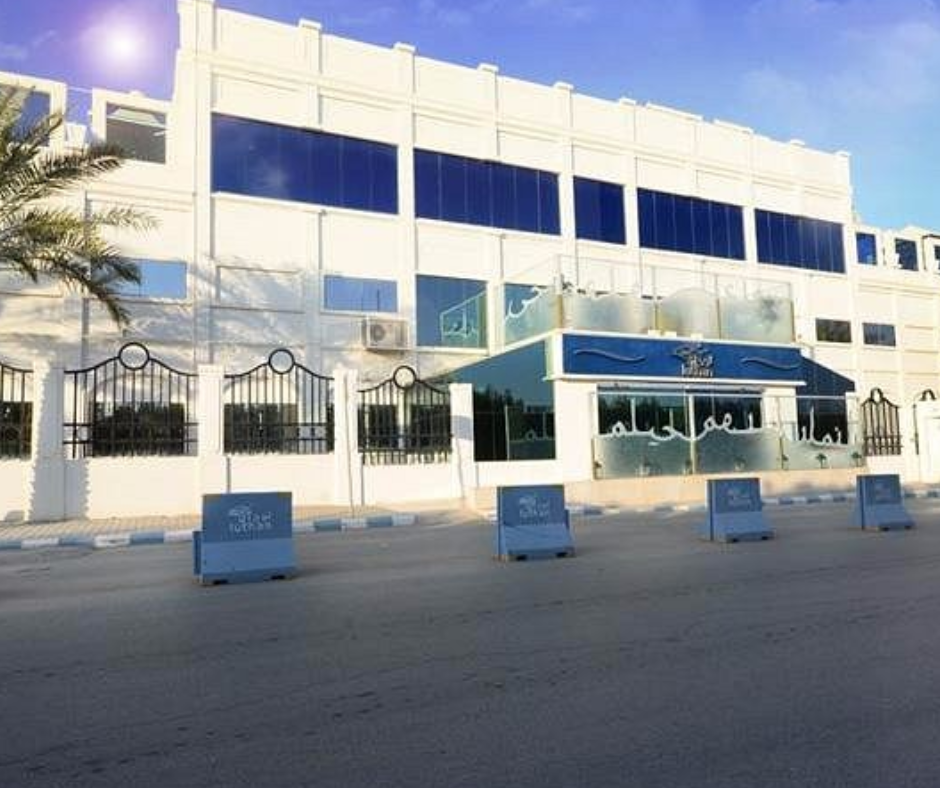
There are also specific women-only options if you want an extra layer of privacy. The Luthan Hotel and Spa in Riyadh was the first of its kind, offering a female-only environment including the staff. Many other luxury hotels offer female-only gym hours or spa facilities. When checking in, you will need your passport and a copy of your eVisa. It is now completely legal for women to share a room with a partner without proof of marriage, and it is equally standard for a woman to book and occupy a room alone.
We recommend avoiding budget accommodations in isolated industrial areas or on the very edges of the city. While they may save you money, the cost of transport and the lack of nearby amenities can make your trip more stressful. A hotel with a 24-hour reception and an on-site restaurant is a major plus. This allows you to have a meal safely if you arrive late or if you simply want a quiet night in after a long day of exploring.
Cultural Etiquette and Daily Social Life
Understanding the nuances of Saudi social life will make you feel more like an invited guest than a distant observer. The coffee culture here is central to daily life. You will find "Gahwa" or Saudi coffee being served everywhere, from hotel lobbies to private homes. It is usually served in small cups and accompanied by dates. When you have had enough, simply jiggle your cup from side to side to signal you are finished. Using your right hand for eating, drinking, and shaking hands is a non-negotiable part of local etiquette.
Gender dynamics are evolving, but a level of formality remains. In many restaurants, the historical "Family" and "Single" sections have been physically removed, but people still tend to self-segregate. Families and groups of women often sit together, while unaccompanied men sit elsewhere. As a solo woman, you are welcome in the family sections, which are generally quieter and more comfortable. It is best to avoid initiating physical contact like handshakes with men you do not know. A polite nod and a smile are the standard way to greet people.
Photography requires a bit of caution. While Saudi is incredibly photogenic, you should never take photos of people without their explicit permission. This is especially true for Saudi women. It is also strictly forbidden to photograph government buildings, military installations, or palaces. If you are unsure, it is always better to ask a local guide or security guard. During the five daily prayer times, many shops and smaller cafes will close for about 20 to 30 minutes. Large malls and hotels usually stay open, but it is a good time to plan a rest in your schedule.

A Targeted Itinerary: Jeddah, AlUla, and Riyadh
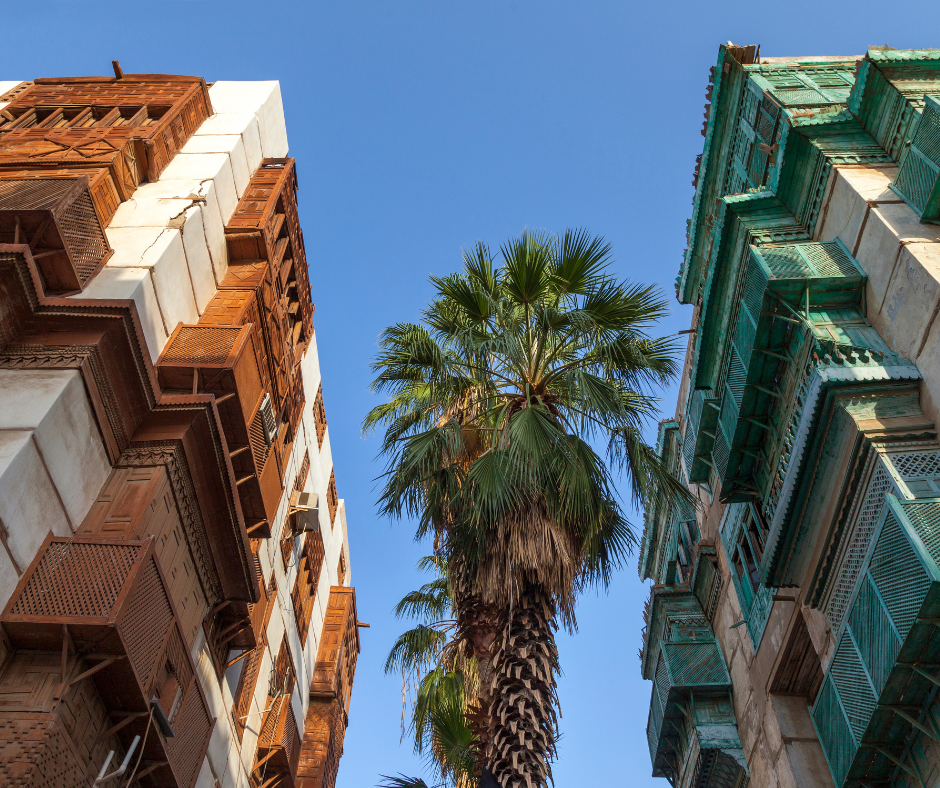
To make the most of your time, we suggest focusing on the "Golden Triangle" of Saudi tourism. Start your journey in Jeddah, the gateway to the Red Sea. Spend your first morning in Al-Balad, the historic heart of the city. The coral-stone houses with their intricate wooden "Rawashin" balconies are fascinating to explore. Because the lanes are narrow and can be confusing, you might want to join a small walking tour for your first hour to get your bearings.
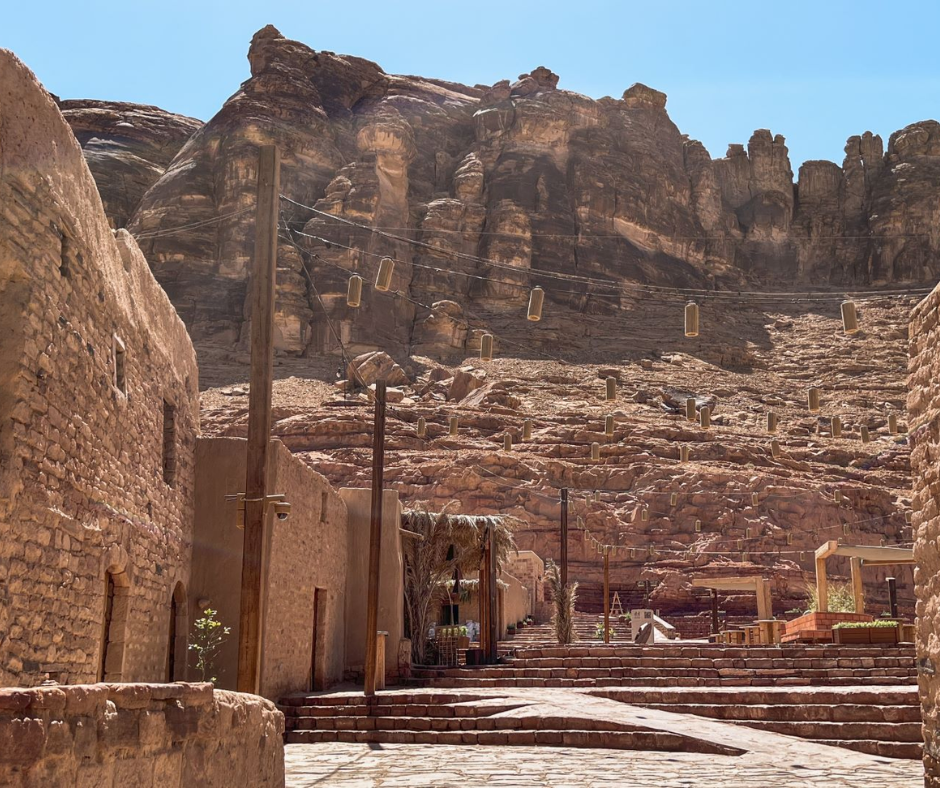
From Jeddah, take a domestic flight to AlUla. This is perhaps the most female-friendly destination in the country because it is built specifically for international tourism. You can base yourself in the AlUla Old Town or a desert camp in the Ashar Valley. A visit to Hegra is essential. You will board a dedicated tour bus that takes you to the various Nabataean tombs. The guides, many of whom are young Saudi women, are incredibly knowledgeable and eager to share their history. For sunset, head to Elephant Rock, where you can sit in sunken fire pits and enjoy the view in a relaxed, social atmosphere.
End your trip in Riyadh. The capital offers a sharp contrast between the historic Al Masmak Fortress and the ultra-modern Kingdom Centre. For a great view of the city, take the elevator to the Sky Bridge at the Kingdom Centre. If you have an extra day, book a guided tour to the Edge of the World. This massive cliff formation offers views of the ancient acacia-filled valleys below. We do not recommend trying to drive there yourself as the terrain is rough and requires a 4x4 and local knowledge of the tracks.
This might be what you're looking for: Tour in Jeddah, AlUla, Tabuk & Abha
Practical Logistics: Visas and Money
Getting into Saudi Arabia is now a digital process. Citizens from over 60 countries can apply for the eVisa online. The process is quick and usually takes less than 24 hours to be approved. The visa fee includes mandatory health insurance that covers you for emergencies within the Kingdom. Make sure your passport is valid for at least six months from your date of entry. When you arrive, you will have your fingerprints and a photo taken at the immigration desk.
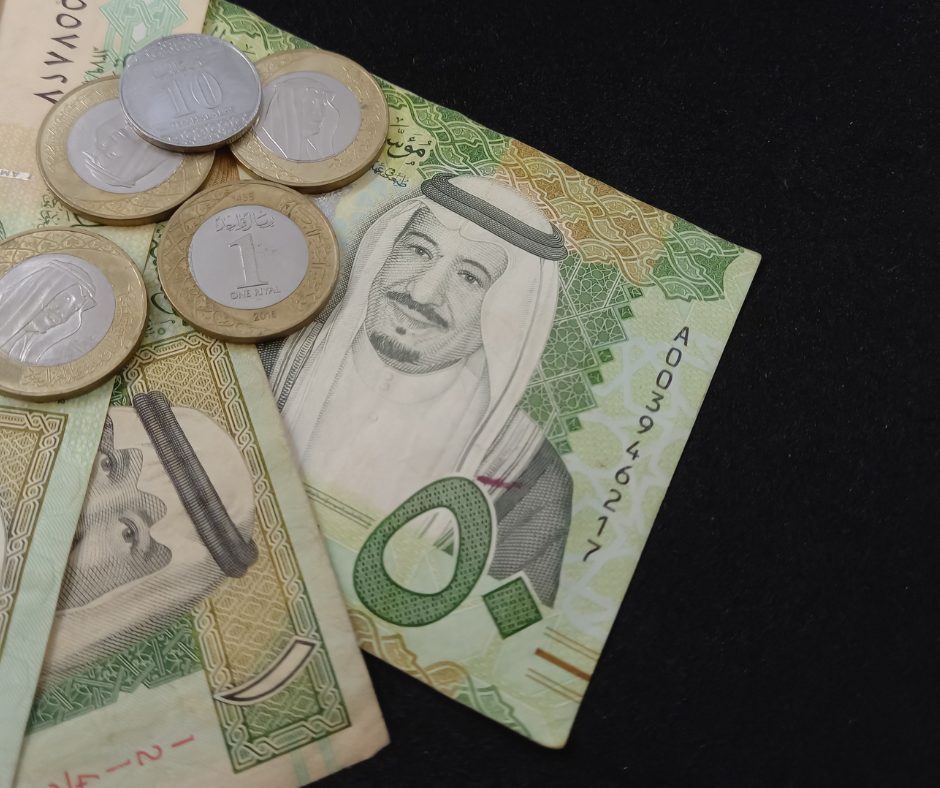
The local currency is the Saudi Riyal. While the country is moving toward being cashless, it is always a good idea to have some physical notes for smaller souks or traditional cafes. Most places, including taxis and small grocery stores, accept Mada, Visa, and Mastercard. You can also use Apple Pay almost everywhere. If you need to withdraw cash, ATMs are plentiful in all major cities. Tipping is not mandatory, but rounding up the bill or leaving a small amount for good service is appreciated.
Regarding the budget, Saudi can be as expensive or as affordable as you make it. High-end dining and luxury hotels in Riyadh can be pricey, but local eateries and mid-range hotels offer great value. If you are concerned about costs, we have a detailed guide on whether Saudi Arabia is expensive to visit that can help you plan your daily spending.
Final Thoughts for a Confident Trip
Traveling solo in Saudi Arabia is an act of discovery that will likely challenge your preconceptions. The key to a successful trip is a balance between thorough planning and an open mind. We suggest booking your first two nights of accommodation and your airport transfer in advance so you can land with total peace of mind. Familiarize yourself with the prayer times for the week of your visit so you can time your shopping and dining appropriately.
Pack your modest layers, download your essential apps, and keep your emergency numbers saved. You are entering a country that is changing faster than almost anywhere else on Earth, and being there as a solo woman gives you a unique perspective on that transformation. You will find a society that is deeply proud of its heritage and equally excited about its future.
If you have more questions about the logistics of your trip or want a more personalized plan, we can help you create a route that fits your interests. All you have to do is contact us or send an email to our team, and we will work with you to plan your journey through the Kingdom.
Read also:
Solo Travel in Saudi Arabia: The Ultimate Guide in 2026
Saudi Arabia Budget Travel Guide: Explore the Kingdom for Less