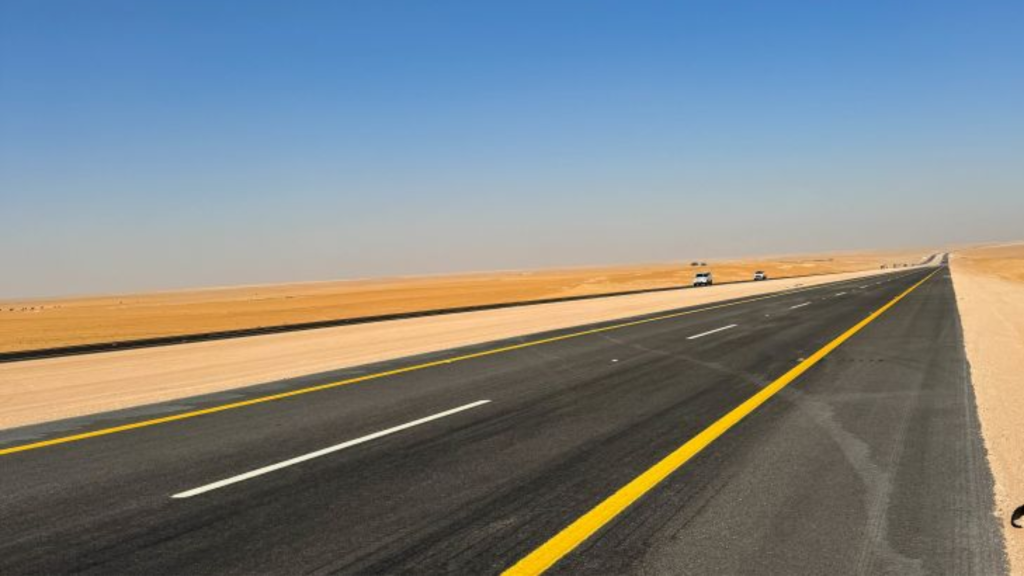

The transition from Riyadh’s high-tech skyline to the silent expanse of the Najd desert is one of the most stark and rewarding travel experiences in the Middle East. While the city offers world-class dining and luxury, the true spirit of the region lies in the ancient escarpments and red dunes that wait just beyond the beltway.
That is why our team at WildyNess created this guide to help you choose the right route, prepare your vehicle, and navigate the cultural nuances of the Saudi heartland. Let's get started.
Top Road Trip Destinations From Riyadh
The Edge of the World (Jebel Fihrayn) From Riyadh
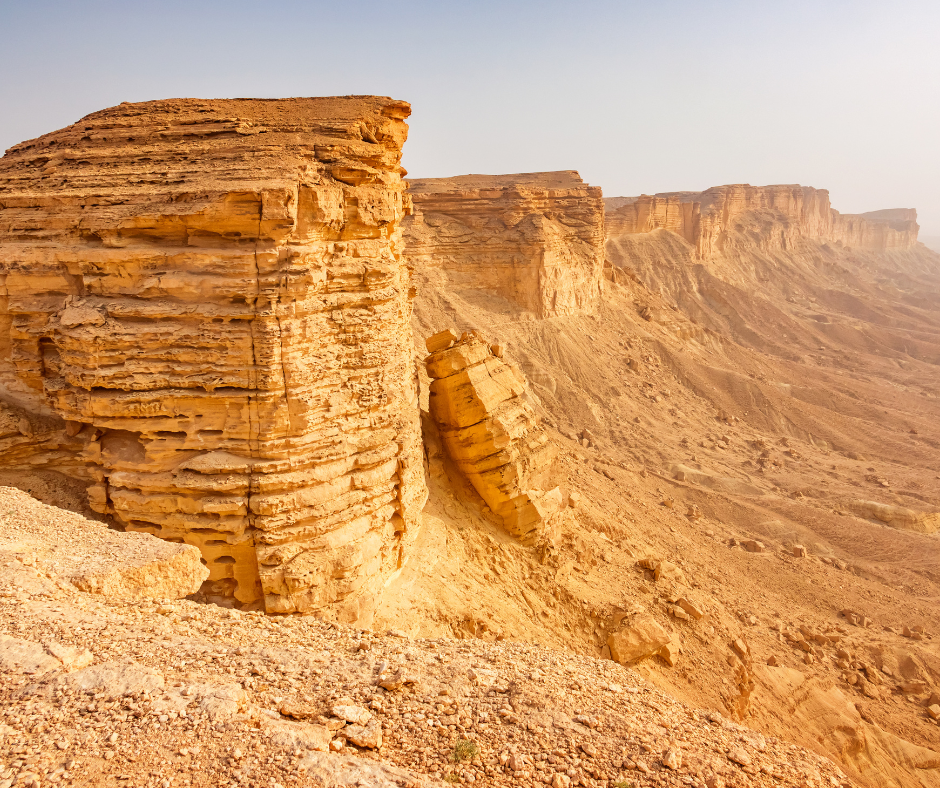
This is the most famous road trip from the capital and for good reason. Located roughly 90 kilometers northwest of Riyadh, Jebel Fihrayn is part of the massive Tuwaiq Escarpment that stretches for over 800 kilometers across the Kingdom. When you stand on the cliffs, you are looking out over a plain that was once the floor of an ancient ocean. You can still find fossils of sea creatures embedded in the rocks under your feet.
There are two main ways to reach the site. The most popular is the Acacia Valley route. This path is relatively well-marked but requires a 4x4 vehicle because the last 15 to 20 kilometers consist of rocky tracks and soft sand patches. You should aim to arrive at the main gate before 3:00 PM, as the rangers often stop letting vehicles in by 4:00 PM to ensure everyone is out by dark. The second route via Huraymila is more rugged and recommended only for experienced off-roaders who are comfortable navigating steep, rocky inclines.
The Red Sands and Thumamah Desert From Riyadh
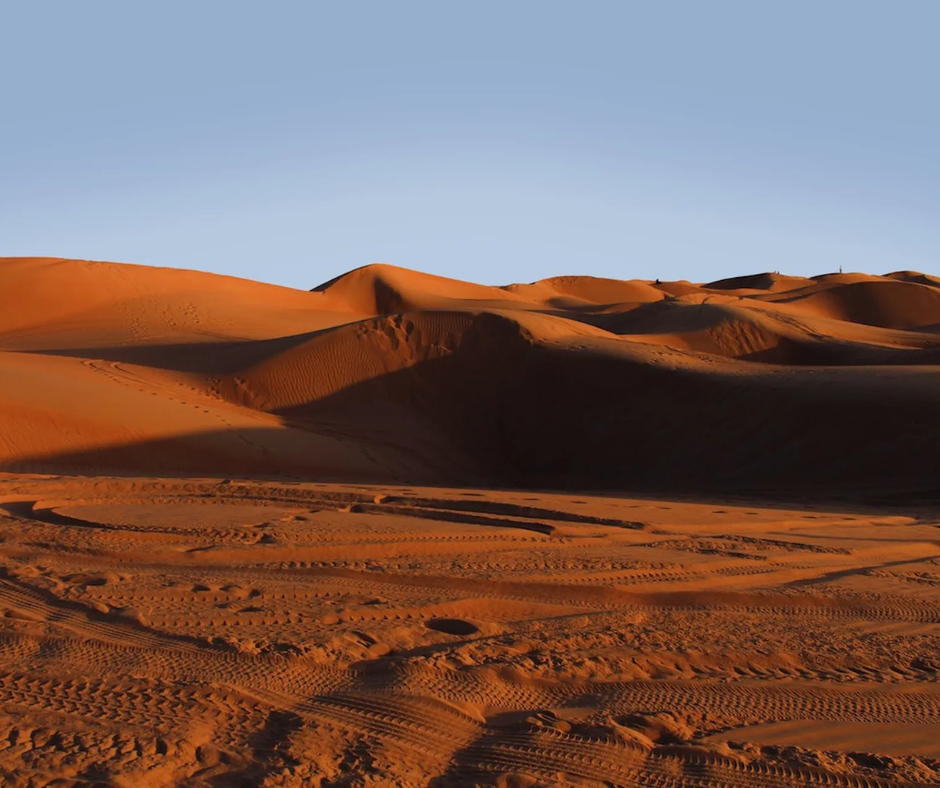
If your goal is to experience the iconic red dunes of the Arabian Peninsula without a long-distance commitment, the Red Sands area is your best bet. Located about 45 minutes southwest of Riyadh, these dunes are famous for their deep orange hue and high peaks. This is the place to go if you want to try sandboarding or rent a quad bike from one of the many local vendors lining the access roads.
For a more organized desert experience, the Thumamah Desert to the north offers a mix of public parks and private desert camps. While Red Sands is better for raw adventure, Thumamah is better for a traditional evening. Many families head here to set up a "majlis" in the sand, brew Saudi coffee, and stay well into the night. We recommend driving further into the dunes to escape the noise of the quad bikes; just ensure you have a 4x4 and know how to lower your tire pressure to 15 psi before leaving the harder tracks.
The Heritage Circuit: Ushaiger and Al-Qasab From Riyadh
For a road trip that focuses on history and architecture, head northwest for about 200 kilometers to Ushaiger Heritage Village. This is one of the oldest settlements in the region and provides a perfectly preserved look at Najdi mud-brick architecture. You can walk through the narrow, shaded alleys that were designed to keep the village cool during the height of summer. Many of the houses still feature the original carved wooden doors and triangular windows that are characteristic of the area.
On your way back to Riyadh, make a stop at the Al-Qasab salt flats. This area has been a center for salt production for centuries. You can see the large white crusts forming in the ponds and watch the traditional harvesting process. It is a surreal, bright white landscape that provides a sharp contrast to the surrounding golden desert. This entire circuit can be done in a single day, making it an excellent choice for a Saturday trip when you want to return to the city for dinner.
The Epic Journey to AlUla From Riyadh
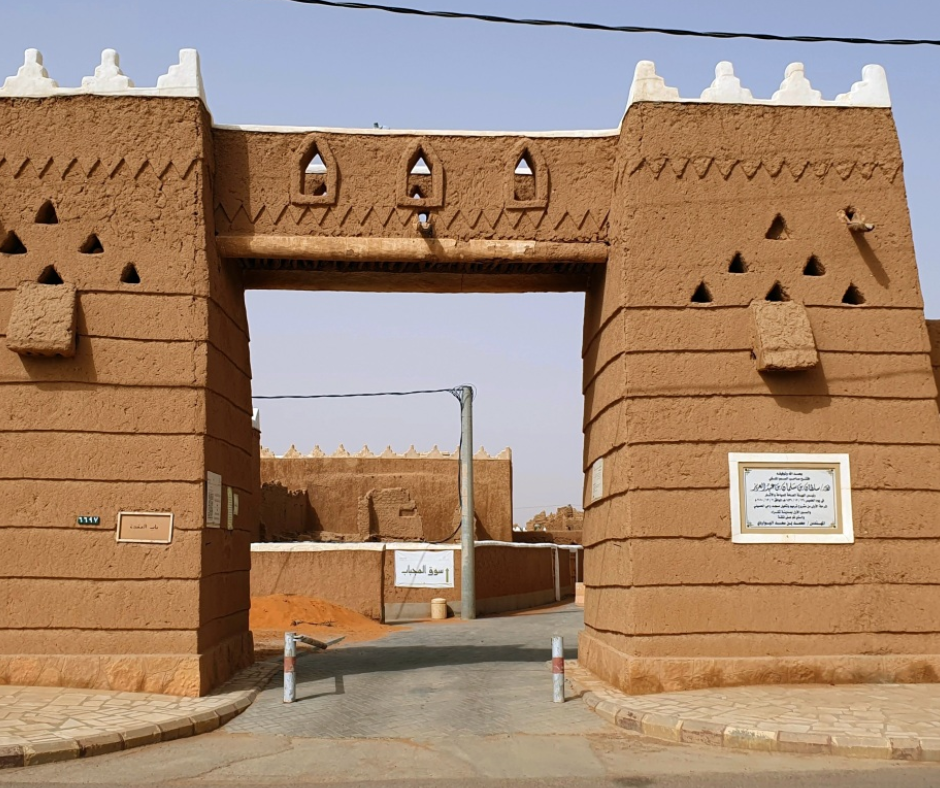
Driving from Riyadh to AlUla is a significant undertaking that covers approximately 1,000 kilometers. While many people choose to fly, the drive allows you to witness the landscape change from the flat plains of the Najd to the volcanic fields and sandstone mountains of the northwest. We suggest you take the "North Route" via the city of Hail. This breaks the drive into two manageable five-hour segments and gives you the chance to visit the Jubbah Rock Art, which features some of the finest Neolithic carvings in the world.
Once you reach AlUla, the road trip continues as you navigate between the Nabatean tombs of Hegra and the dramatic Elephant Rock. Having your own vehicle here is a major advantage, as it allows you to visit the sites at golden hour when the light hits the red sandstone. If you have an extra day, drive two hours further west to the Red Sea coast at Wajh or Umluj. The contrast between the deep desert of AlUla and the turquoise waters of the coast is the perfect way to conclude a cross-country Saudi adventure.
For more detailed informations about this day trip, we suggest reading "Riyadh to Al Ula Day Trip: The Ultimate 14-Hour Guide"
Al-Ahsa Oasis and the Eastern Province
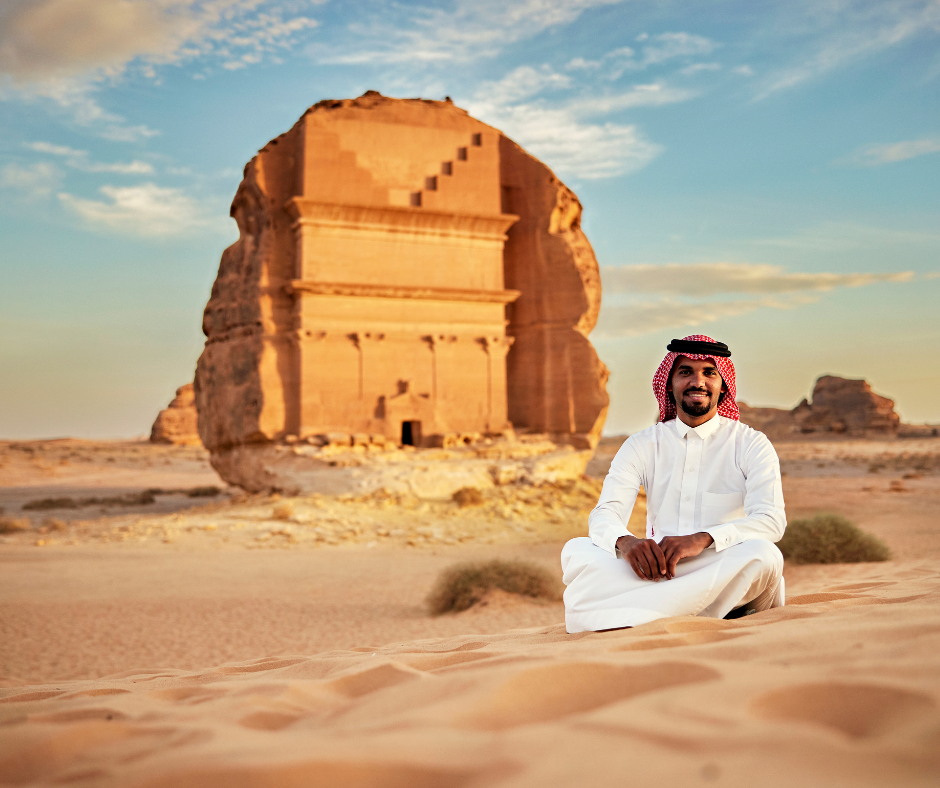
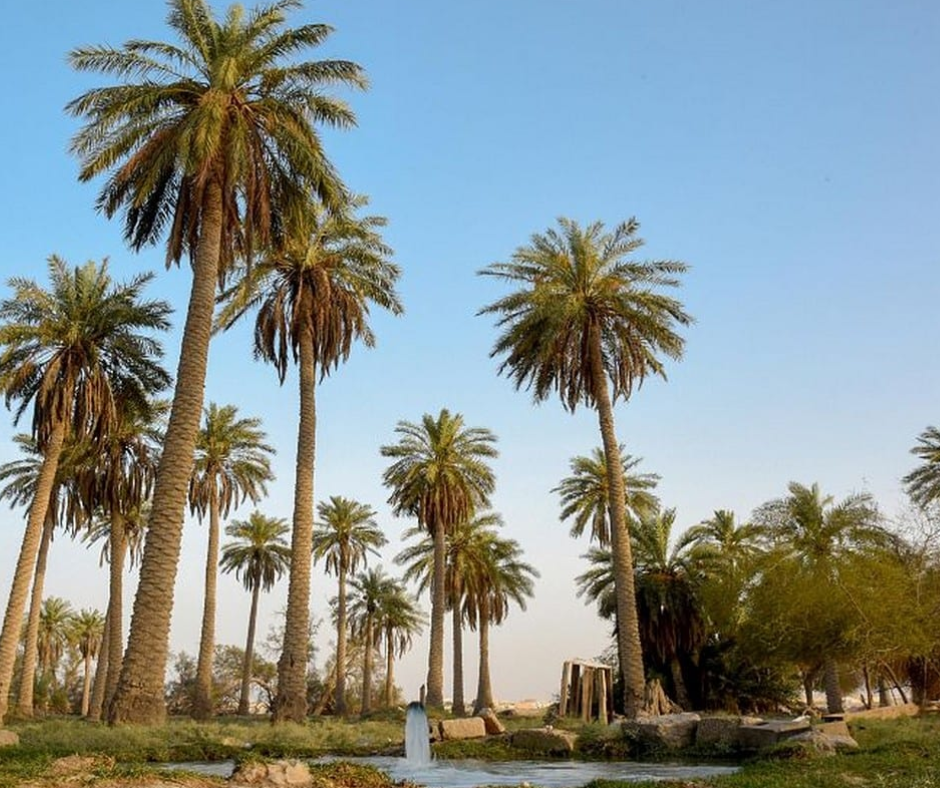
Heading east for about 330 kilometers brings you to the Al-Ahsa Oasis, which is the largest self-contained oasis in the world. This is a green island in a sea of sand, home to over 2.5 million date palms. The drive is a straight run on Highway 10, a modern four-lane road that is well-serviced with petrol stations and cafes.
The highlight of this trip is Jebel Qarah, a limestone mountain filled with natural caves that stay cool even in the heat of summer. The caves are well-lit and easy to navigate on foot. After exploring the mountain, visit the Qaisariya Souq in the city of Hofuf to buy local handicrafts and some of the best dates in the world. From Al-Ahsa, you are only an hour away from the coastal city of Al Khobar, making it easy to turn this into a full weekend loop that includes a visit to the Arabian Gulf.
Heet Cave (Ain Heet)
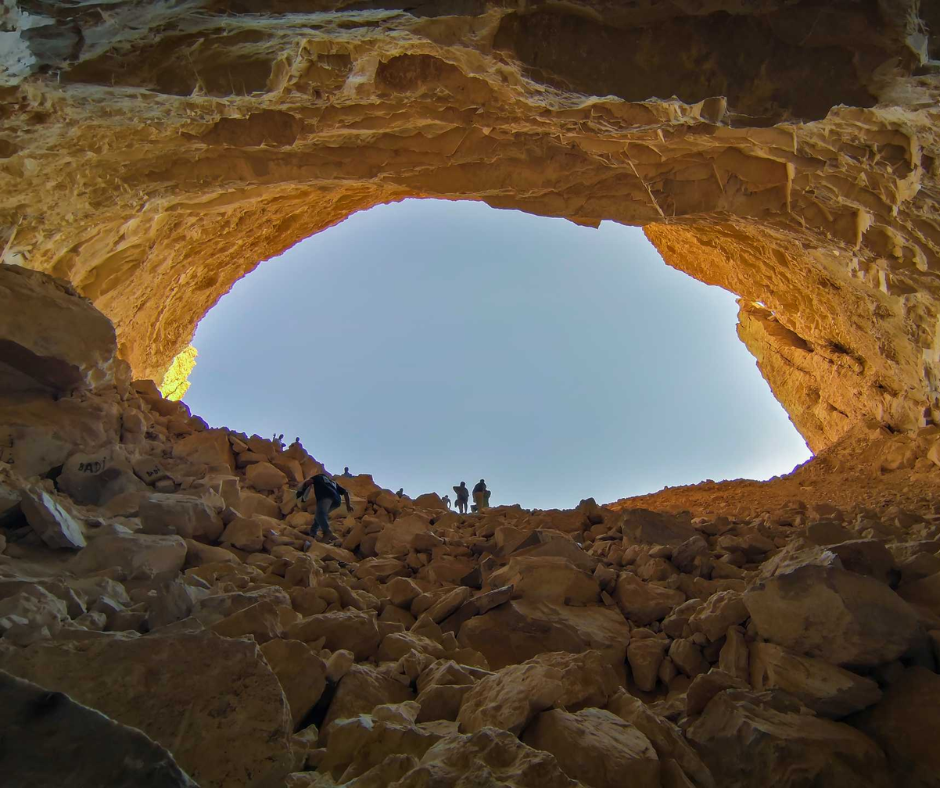
For a quick "micro-adventure" that is only 50 kilometers from Riyadh, Heet Cave is a unique geological site located off the road to Al-Kharj. It is an underground lake located inside a limestone sinkhole.
While the entrance requires a bit of a scramble down some loose rocks, the sight of the clear blue water at the bottom is a major surprise in such an arid environment. We advise visiting early on a weekday to avoid the crowds, and always wear sturdy hiking boots as the limestone can be quite slippery.
Preparing Your Vehicle for the Desert
A successful road trip in Saudi Arabia depends entirely on the condition of your vehicle. The heat and the abrasive sand can be hard on cars that are not properly maintained. Before you leave Riyadh, you should check your coolant levels and the age of your battery. Heat is the number one cause of battery failure in the Kingdom, and you do not want to be stranded at the Edge of the World with a car that will not start.
Tire management is your next priority. For long highway drives to AlUla or Dammam, your tires should be at the manufacturer’s recommended pressure to maximize fuel efficiency and prevent blowouts. However, if your itinerary includes the Edge of the World or the Red Sands, you will need to adjust. For rocky tracks, a slightly lower pressure of 25 to 28 psi can help absorb the bumps and prevent the sharp limestone from cutting the rubber. If you are entering soft sand, you must go lower, usually between 15 and 18 psi. This creates a larger footprint that allows the car to float on the sand rather than digging in.
We recommend carrying a small "recovery kit" in your trunk. This should include a heavy-duty tow strap, a shovel, and a portable air compressor so you can reinflate your tires before getting back on the highway. Most 4x4 rentals in Riyadh do not come with these items as standard, so you may need to purchase them or ask the rental company specifically for a desert-ready kit. Even if you do not plan on doing heavy off-roading, having a shovel can save you hours of work if you accidentally drift off the shoulder of a sandy road.

Safety and Survival Essentials
The Saudi desert is beautiful but it is also an unforgiving environment. One of the most important rules is to always carry significantly more water than you think you will need. We suggest a minimum of five liters per person for a day trip. This is not just for drinking; if your car overheats, you may need that water to top up the radiator to get back to civilization.
Navigation is another area where you should have a backup. While Google Maps and Waze work well in Riyadh, they can be unreliable in the deep desert where the "road" might just be a set of tire tracks in the sand. Download offline maps for the entire Riyadh province before you leave. We also suggest using a satellite-based app like Gaia GPS or OnX if you are heading to remote areas like the Edge of the World. These apps show topographic features and can help you find your way back if the wind blows sand over your tracks.
Finally, keep an eye on the weather forecast for wind speeds. A sandstorm can turn a clear day into a zero-visibility situation in minutes. If you see a dust cloud approaching, find a safe spot to park, turn off your engine to prevent sand from being sucked into the intake, and wait it out. Never try to drive through a heavy sandstorm, as the wind can be strong enough to sandblast the paint off your car and the lack of visibility makes a collision almost certain.
Cultural Etiquette on the Road
When you leave the capital, you are entering regions where life moves at a different pace and traditional values are highly held. One of the best parts of a road trip is the hospitality you will encounter, but it is important to understand the social rules. When stopping in small towns like Ushaiger or Al-Hofuf, both men and women should ensure their clothing is conservative. For men, this means avoiding shorts, and for women, loose-fitting clothing that covers the shoulders and knees is the standard.
Prayer times will dictate the opening hours of almost everything you need. Five times a day, shops, pharmacies, and many petrol stations will close for about 20 minutes. If you arrive at a station and the pumps are locked, simply pull to the side and wait. This is a normal part of life here and is usually the perfect time to check your maps or have a quick snack. Most large highway stations have a mosque attached, and you will see drivers stopping to pray before continuing their journey.
If you are lucky enough to be invited for coffee by a local family or a group of campers, there are a few things to remember. Always accept the coffee with your right hand. It is customary for the host to keep refilling your small cup until you give it a slight jiggle from side to side to signal that you have had enough. This "jiggle" is a universal sign in the Kingdom that you are satisfied. Being a respectful guest is the fastest way to turn a simple road trip into a deep cultural exchange.
Packing Checklist for Your Journey
To ensure you have everything needed for a smooth trip, use this list as your final check before pulling out of the driveway.
Navigation and Power
-
Mobile phone with offline maps downloaded.
-
Physical paper map of Saudi Arabia as a final backup.
-
Two USB charging cables and a high-capacity power bank.
-
A car phone mount that can withstand high heat.
Food and Hydration
-
Five liters of water per person.
-
A bag of high-energy snacks like dates, nuts, and granola bars.
-
A small cooler with ice for drinks and perishable food.
-
A thermos of tea or coffee to stay alert on long stretches.
Emergency and Tools
-
A working spare tire and a heavy-duty jack.
-
A basic first-aid kit with sun cream and rehydration salts.
-
A flashlight or headlamp with extra batteries.
-
A reflective safety triangle and a high-visibility vest.
Exploring the roads around Riyadh is the best way to understand the true scale and beauty of Saudi Arabia. Whether you are standing on the edge of a 300-meter cliff or walking through a thousand-year-old mud-brick village, the memories you make on these drives will stay with you long after you return to the city.
If you still have questions or want us to help planning your next trip, reach out to us.
For more inspiration on what to do in Riyadh, we recommend reading Riyadh with Family: Best Things to Do & Top Tips for Your Trip or 3 days Riyadh Itinerary