

Exploring Algeria is a rewarding experience, but arriving during the holy month of Ramadan brings a specific set of cultural shifts that might feel overwhelming at first. You might worry about finding a meal during the day or unintentionally breaking a local social norm while navigating the streets of Algiers or Constantine.
That is why our team at WildyNess created this guide to help you transition smoothly into the local rhythm so you can enjoy the unique hospitality and nighttime energy of the country.
Understanding the Rhythm of Ramadan 2026 in Algeria
Ramadan is the most significant month in the Algerian calendar, and for 2026, it is expected to begin around February 17 and conclude near March 19. This month is a period of fasting, prayer, and community focus, which means the entire country operates on a dual schedule. During the day, the pace is slow and quiet as people observe the fast from dawn until sunset. As soon as the sun goes down, the energy shifts completely, and the streets stay active until the early hours of the morning.
You will notice that many administrative offices and smaller shops open later in the morning, around 10:00 AM, and often close early in the afternoon to allow employees to return home for the breaking of the fast. This evening meal is called Iftar. Understanding this schedule is the first step to planning a successful trip. We recommend front-loading your sightseeing for the morning hours when energy levels are highest and staff are present. By 3:00 PM, you will notice a visible slowdown as the city prepares for the evening.
Essential Etiquette for Travelers During Fasting Hours
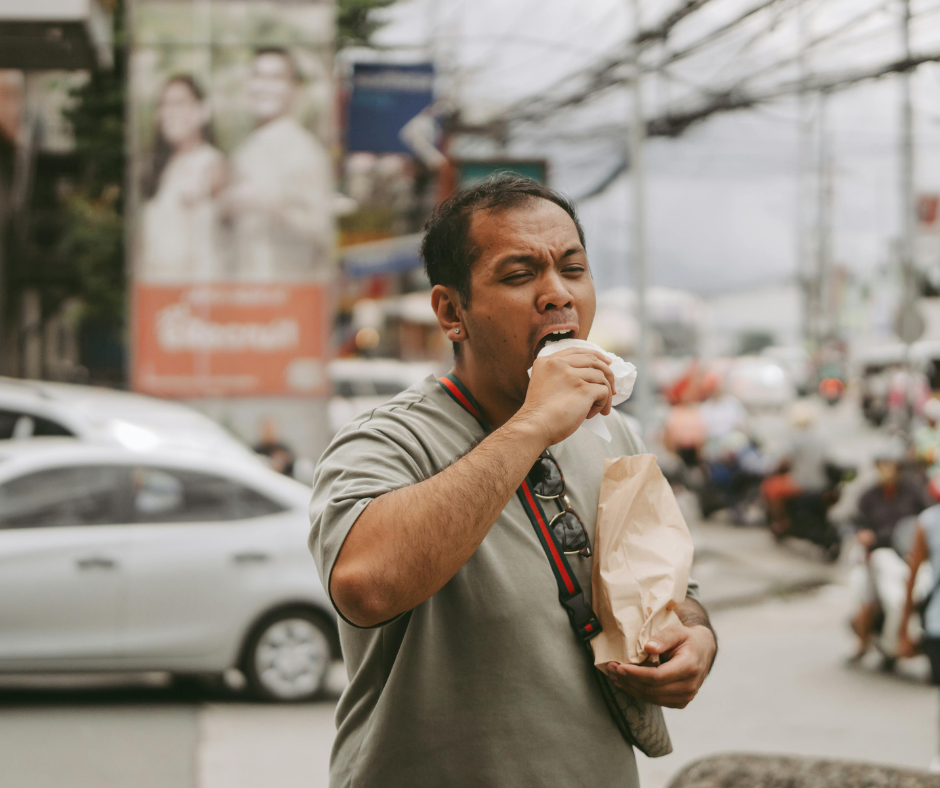
While you are not expected to fast as a visitor, showing respect for the local culture is vital for a positive experience. The most important rule is to avoid eating, drinking, or smoking in public spaces during daylight hours. This includes walking down the street with a water bottle or snacking in a park. Doing so is considered highly disrespectful to those around you who are abstaining. Instead, you should consume food and water inside your hotel room or in designated areas that are shielded from public view.
Modesty in dress is also more strictly observed during this holy month. We suggest that both men and women choose clothing that covers the shoulders and knees. For women, loose-fitting trousers or long skirts are ideal, and keeping a light scarf in your bag is helpful for visiting religious sites or simply feeling more comfortable in traditional neighborhoods. While Algeria is generally welcoming to tourists, following these small gestures of cultural awareness will open many doors and lead to much friendlier interactions with locals.
Read also:
Algeria Food Tour: An Authentic Guide to Local Flavors & Street Food
What to Pack and Wear in Algeria: A Traveler’s Guide to Packing Smart
How to Find Food and Drink During the Day
Finding a restaurant open for lunch can be a challenge in smaller towns, but major cities like Algiers, Oran, and Annaba offer more options. Most international hotel chains keep their dining rooms open for guests, though they may use screens to provide privacy from the street. You can also find "fast food" spots and bakeries that remain open for takeaway only. These shops often have their shutters halfway down, which signals they are open for business but not for sit-down dining.
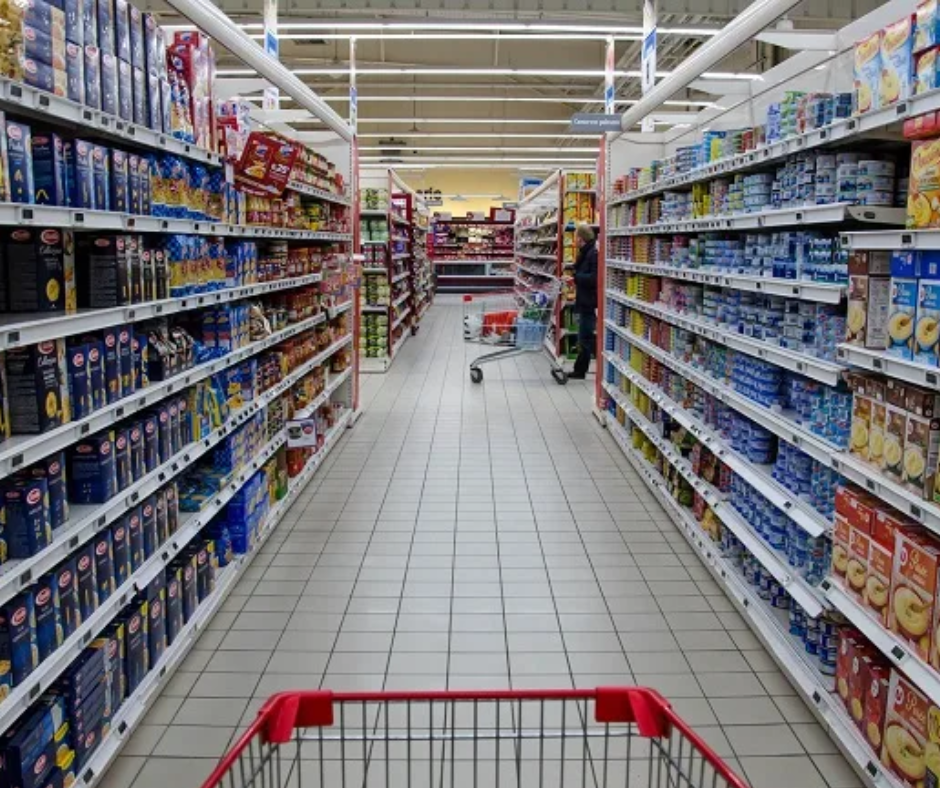
If you are staying in an apartment or a guesthouse, we recommend stocking up on supplies at local grocery stores or "supérettes" in the morning. Buying bread, fruit, and snacks a day in advance ensures you have what you need without having to hunt for an open shop during the quiet mid-afternoon period. It is also important to note that alcohol sales are almost entirely suspended across the country during Ramadan. Even many of the bars and restaurants that normally hold licenses will stop serving or close their doors entirely for the duration of the month.
Navigating Transport and the Pre-Iftar Rush
Transportation logistics require careful timing during Ramadan. The hour leading up to Iftar is often referred to as the "rush hour of madness" because everyone is trying to reach their family dinner table at the exact same time. Taxis become very difficult to find, and traffic in cities like Algiers can become exceptionally congested. We strongly advise that you reach your destination or return to your hotel at least ninety minutes before sunset to avoid being stranded.
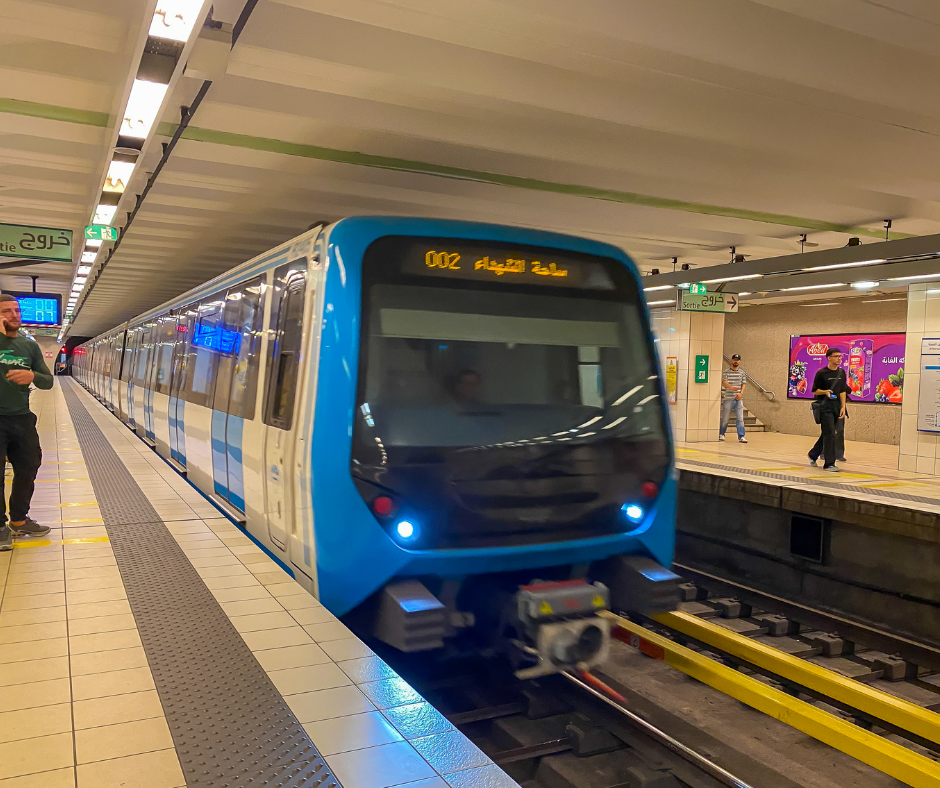
Public transport services like the Algiers Metro and tramways usually pause or reduce frequency exactly at sunset so the drivers can break their fast. Services resume about thirty to forty-five minutes later. If you are traveling between cities using the inter-wilaya taxis or "collectifs," try to start your journey as early as possible.
Most drivers want to be home by evening, so fewer vehicles will be departing after 2:00 PM. If you find yourself on the road when the call to prayer sounds, do not be surprised if your driver pulls over to share dates and water with you. This is a common and very welcoming practice.
Read also: Algeria Public Transport Guide: Master the Metro, Trains, & Sahara Flights
Experiencing the Vibrant Nightlife of the Casbah and Beyond
The true spirit of Ramadan in Algeria is found after the sun sets. Once the Iftar meal is finished, the streets undergo a total transformation. Families head out to visit relatives, children play in the squares, and the "Sahrate" or evening festivities begin. In Algiers, the Casbah comes alive with traditional music and tea houses that stay open until the pre-dawn meal. This is the best time to explore the historic quarters, as the atmosphere is communal and very safe.
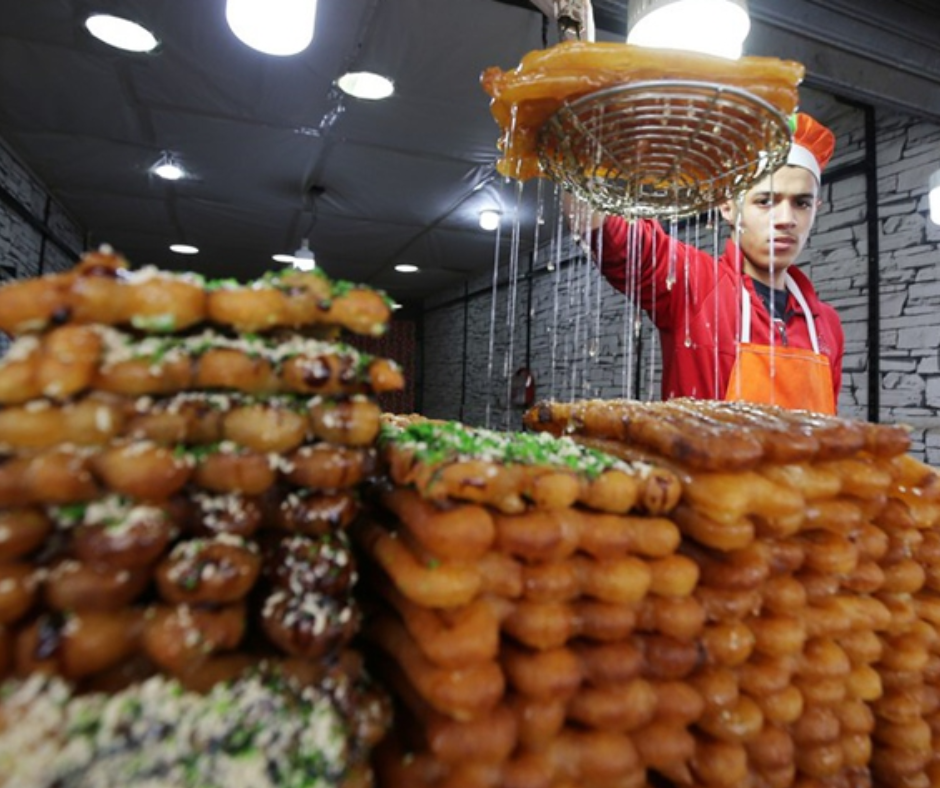
The nightlife centers around food and social connection. You will find vendors selling "Zlabia" and "Kalbelouz," which are traditional honey-soaked sweets that are staples of the month. Visiting a local café for a glass of mint tea and some sweets is the quintessential Algerian Ramadan experience. Many cultural centers and theaters also host special performances of "Chaabi" music during the nights. We recommend sleeping in a bit later during the day so you can stay up and enjoy the festivities that often peak between 10:00 PM and 2:00 AM.
Joining an Iftar and Local Hospitality
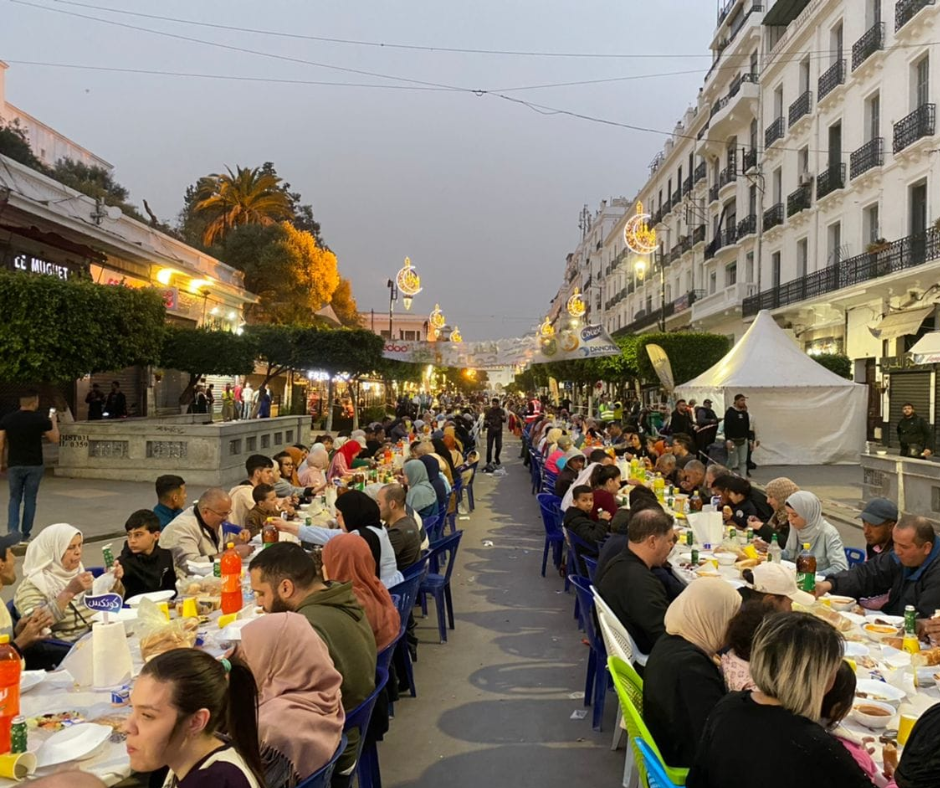
Algerians are famously hospitable, and it is quite common for travelers to be invited to an Iftar meal by someone they have just met. If you receive such an invitation, it is a wonderful opportunity to see the heart of Algerian culture. It is polite to bring a small gift, such as a box of high-quality dates or a selection of pastries from a local "pâtisserie." When you sit down to eat, the meal usually starts with "Chorba," a traditional soup, served with "Bourek," which are crispy stuffed pastry rolls.
If you are not invited to a private home, you can still experience the communal spirit at a "Maidat Al-Rahman." These are charity tables set up by mosques or local associations to feed the needy and travelers. While they are primarily for those in need, they often welcome anyone who finds themselves away from home at sunset. Observing or participating in these gatherings provides a deep insight into the emphasis on charity and community that defines the month.
Planning for the End of Ramadan and Eid al-Fitr
The final week of Ramadan is characterized by a shopping frenzy as families prepare for the festival of Eid al-Fitr. Markets become very crowded, and prices for certain goods may rise slightly. If you are planning to travel during the three days of Eid, which follow immediately after Ramadan, you must book your transport and accommodation well in advance. The entire country effectively shuts down for the first two days of Eid so people can celebrate with their families.
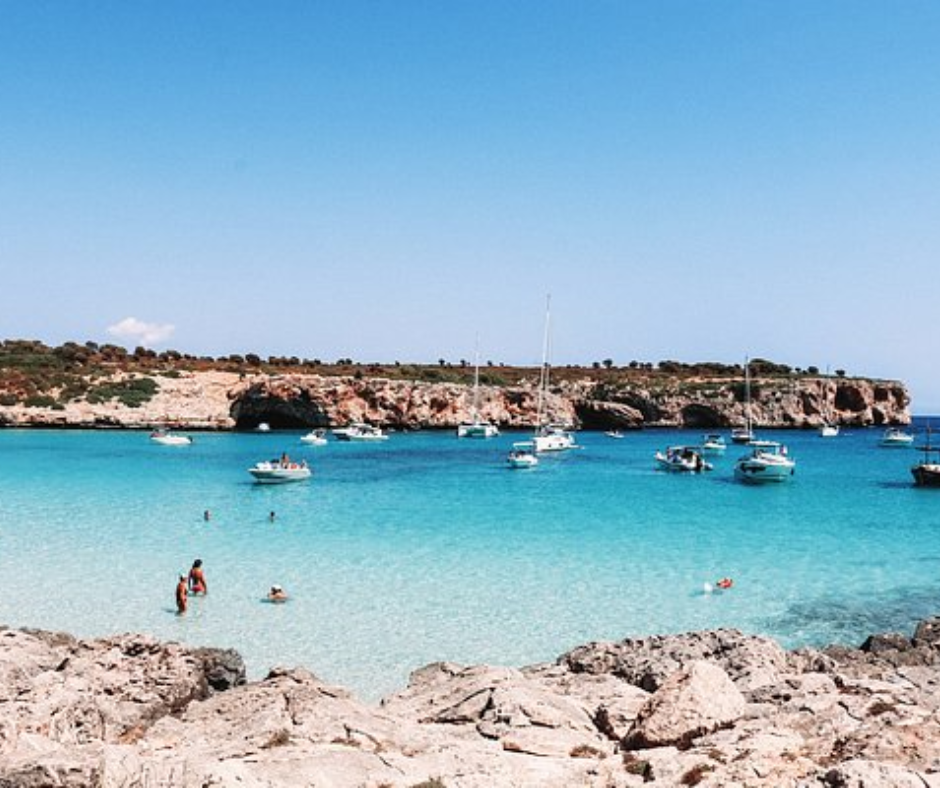
During the Eid holiday, public transport is extremely limited, and almost all shops and restaurants will be closed. This is a time for rest and family visits, so it is not the best period for active sightseeing. However, if you are in a city, you will see everyone dressed in their best new clothes and a general sense of joy in the air. We suggest planning a quiet couple of days at a coastal resort or a comfortable hotel during the Eid break to avoid the logistical challenges of traveling between cities.
Practical Packing and Health Tips for Travelers
Since Ramadan 2026 falls in late winter and early spring, the weather in northern Algeria will be mild but can be chilly at night. We recommend packing layers. A medium-weight jacket is necessary for the evenings, especially if you are staying out late to enjoy the festivities. For those heading to the Sahara regions like Ghardaïa or Djanet, the temperature difference between day and night is even more pronounced, so thermal layers are useful.
Staying hydrated is the biggest challenge for travelers who are trying to be discreet. We suggest carrying a large water bottle in your backpack and drinking in private spaces like restrooms or inside your vehicle. If you are hiking or doing physical activities, be mindful that help might be slower to arrive during the midday heat when people are resting. Always keep a small stash of high-energy snacks like nuts or dates in your bag, as you never know when you might face a delay during the pre-Iftar rush.
Exploring Algeria during this time requires a bit more planning, but the cultural rewards are immense. You get to see a side of the country that most tourists miss, characterized by deep spirituality and incredible nocturnal energy. By following the local lead and respecting the daylight fast, you will find that Algerians are even more eager to share their culture and stories with you.
Read also:


