
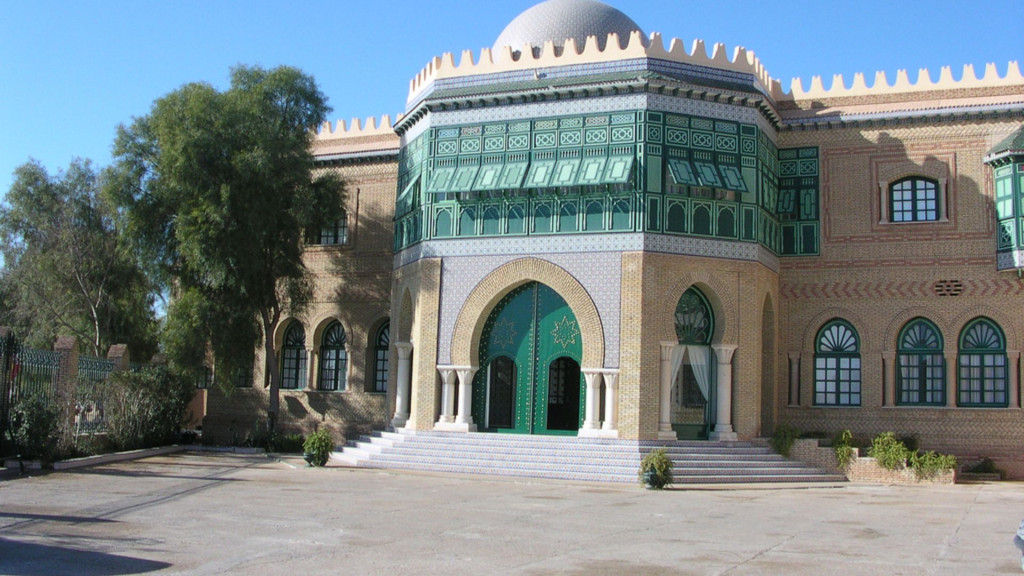

Tunisia, being one of the oldest civilizations in the world, has a very interesting geographical location. Not only is it the tip of the African continent, but also the passing point between Africa and Europe. This important and unique characteristic of our land made it wanted by everyone.
That’s why the history of Tunisia is very rich, since various civilizations lived there throughout the 3000 years. From Berbers, Amazigh, Phoenicians, Roman emperors, Ottomans, Arabs, to the French protectorate.
And each one of these different people has left something of theirs in Tunisia. Whether it be the way Tunisian people talk French and consider it the second language, or the various archaeological sites and historical monuments you can see throughout different lands of Tunisia.
If you have a thing for history and archaeology and want to see and feel how ancient civilizations used to live, Tunisia is the country for you. Plus, you can enjoy different other stuff like the Mediterranean seas, amazing landscapes, and traditional delicious food that almost every traveler likes very much...
Another very important reflection of Tunisia’s mixed history is the different national museums in the country. Our recommendation is to not miss the joy of visiting these magnificent places. I know I took so long in the intro. I love talking about this subject. But let’s dive into these national museums and what they offer to history buffs like you and me.
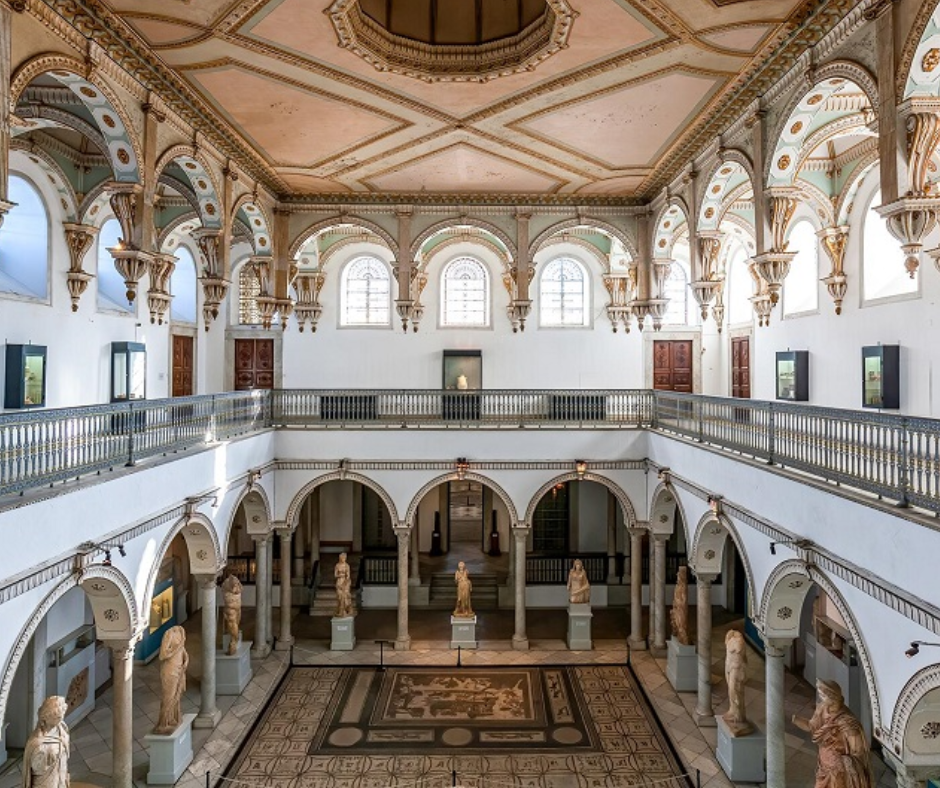
Bardo National Museum (Tunis)
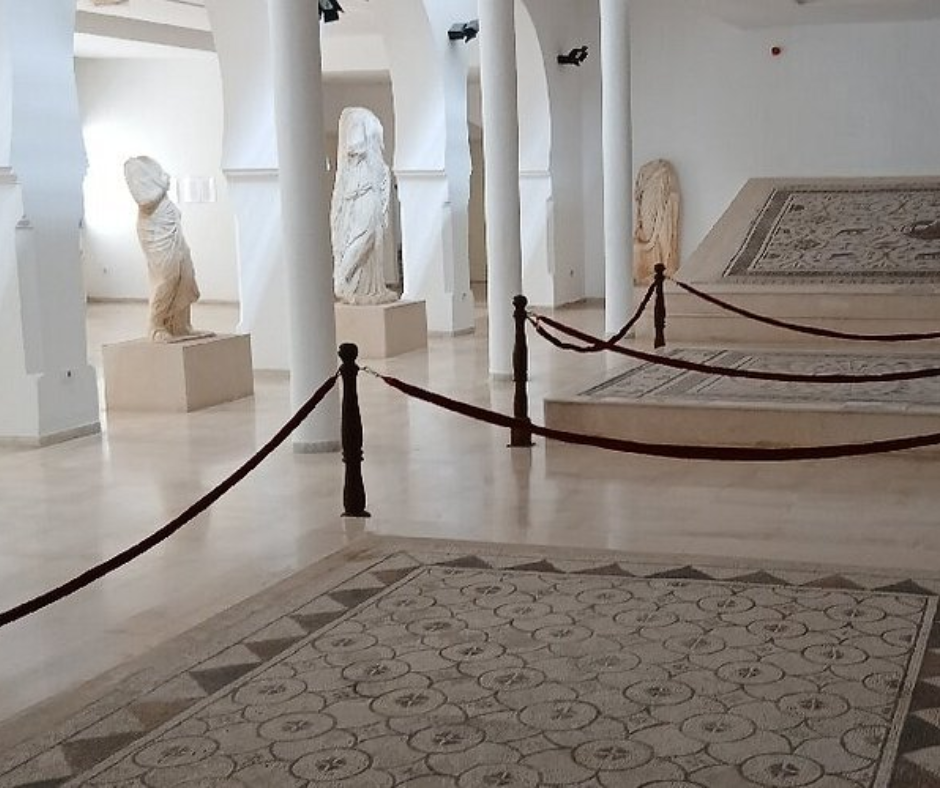
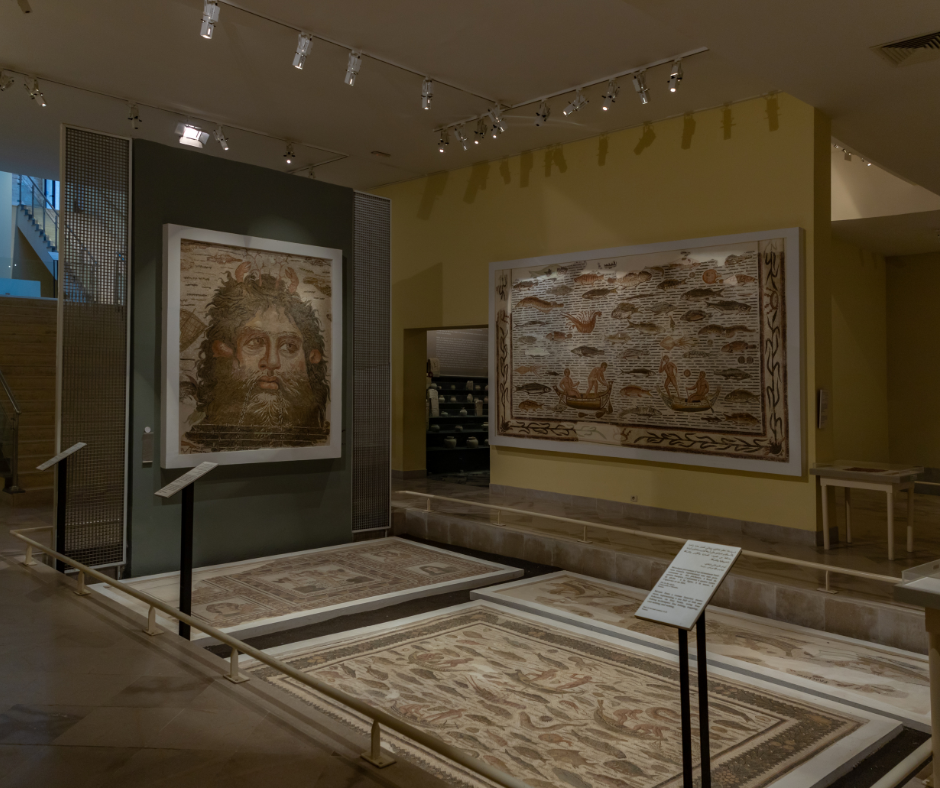
The Bardo Museum is one of Tunisia’s best museums and one of the most important in Africa. It houses the world’s richest collection of Roman mosaics, recovered from ancient sites like Dougga and El Djem. Each mosaic tells stories of mythology, daily life, and imperial grandeur. The Bardo also includes Punic, Christian, and Islamic artifacts, and this offers a panoramic view of Tunisia’s multi-layered history.
Carthage National Museum (Tunis)
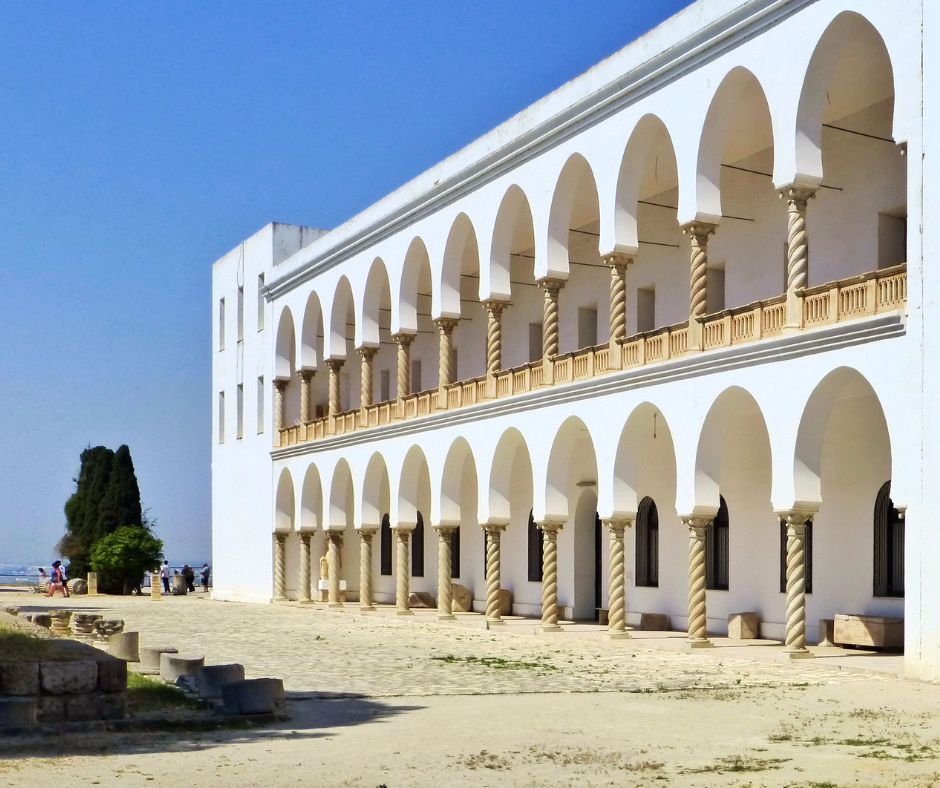
This museum is situated near the ruins of ancient Carthage. It holds items that document the rise and fall of one of the Mediterranean’s greatest powers: the Carthaginian Empire. Expect to see sarcophagi, ceramics, and tools from both the Punic and Roman periods. Unfortunately, this museum is closed at the moment. The good news is that the re-opening of its doors is scheduled for 2026.
What we recommend is exploring the Carthaginian Empire in this "Tunis in a Day" tour. An opportunity where a knowledgeable local guide will take you through the Medina of Tunis, Carthage ruins, and Sidi Bou Said (the white and blue city).
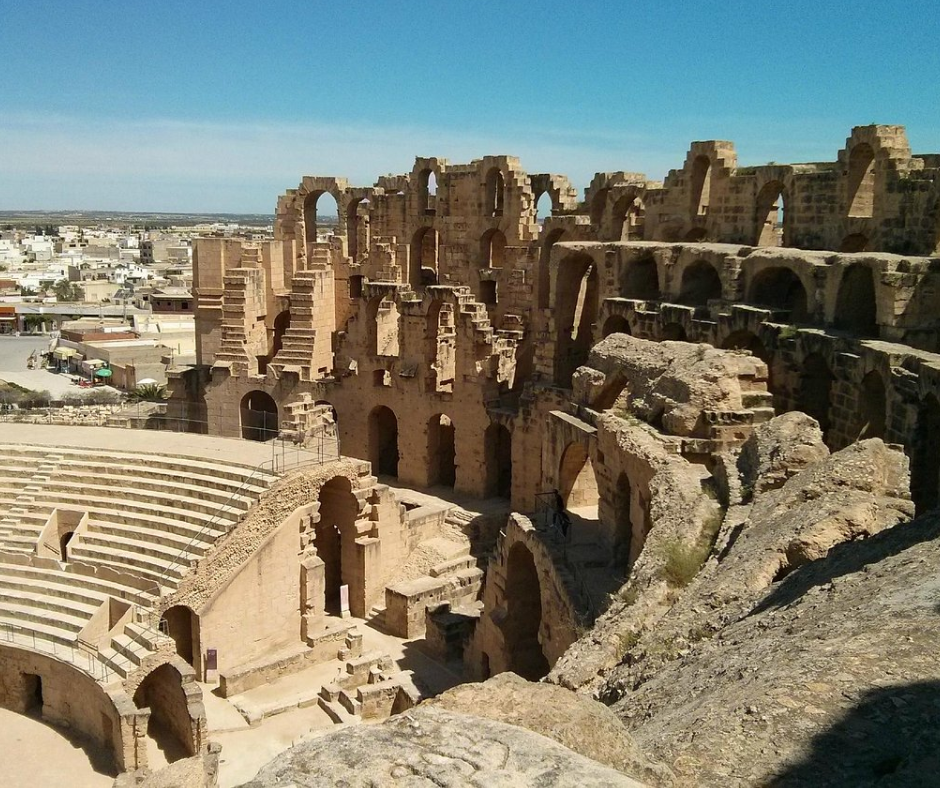
El Gem Archaeological Museum (Mahdia)
This museum is right next to the famed Roman amphitheater. It showcases well-preserved mosaics and domestic artifacts found in ancient Roman villas. It provides a glimpse into the daily lives of the Roman elite in Africa Proconsularis.
Raqqada Museum of Islamic Art (Kairouan)

Dedicated to Islamic heritage, this museum is located in Raqqada, the former royal city of the Aghlabids. It contains exquisite manuscripts, Qur’ans, ceramic tiles, and coins from Tunisia’s Islamic dynasties.
Chemtou Museum (Jendouba)
This one is located near the ancient Roman site of Bulla Regia in northwestern Tunisia. The Chemtou Museum is one of the most underrated yet fascinating archaeological museums in the country. It sits near the remains of Simittu, an ancient Numidian and later Roman city, most famous for its imperial marble quarries.
It’s about 20 km from Bulla Regia, so it’s perfect to combine both visits in a one-day cultural trip in the Jendouba governorate.

Mahdia Museum
Located in the coastal city of Mahdia, this museum offers a surprisingly rich dive into the region’s long and layered past. From Phoenician traders and Roman divers to Islamic artisans and local traditions. Though it’s relatively small compared to Tunisia’s larger institutions like the Bardo Museum.
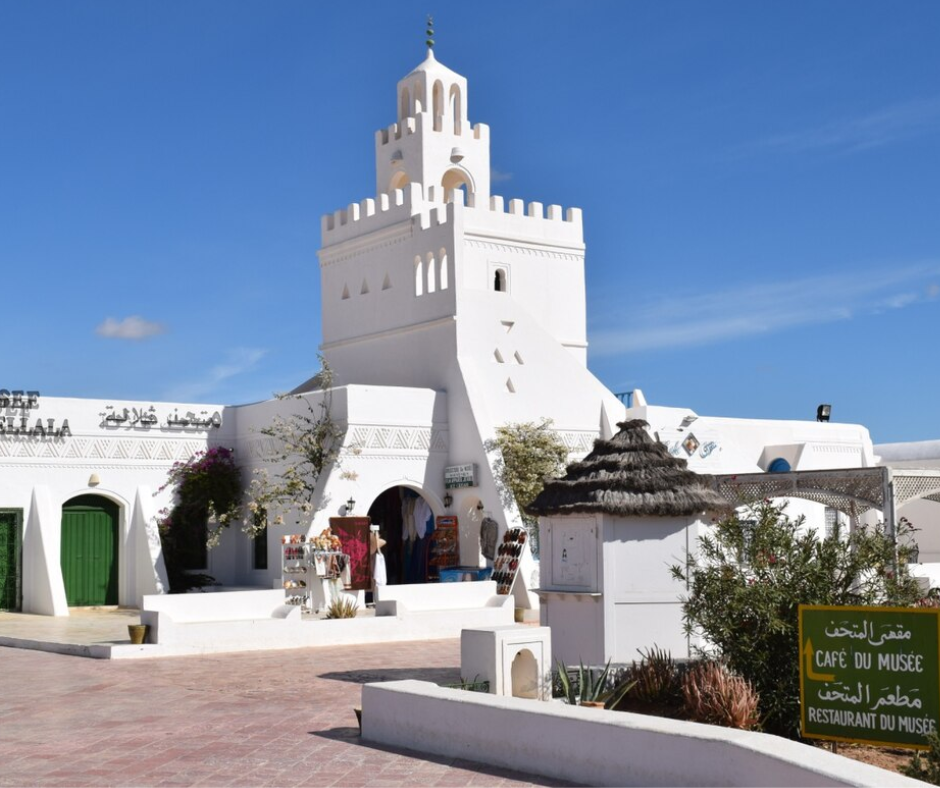
Guellala Museum (Djerba)
The Guellala Museum is perched on a hill overlooking the island of Djerba. It's a vibrant tribute to the island’s craftsmen, traditions, and multicultural roots. It’s known for its pottery-making, and the museum brings this to life with displays of ancient techniques, kilns, and artisan tools.
You’ll also find exhibits on traditional wedding customs, the coexistence of Jewish and Muslim communities, and the daily life on the island, including fishing, weaving, and olive pressing...
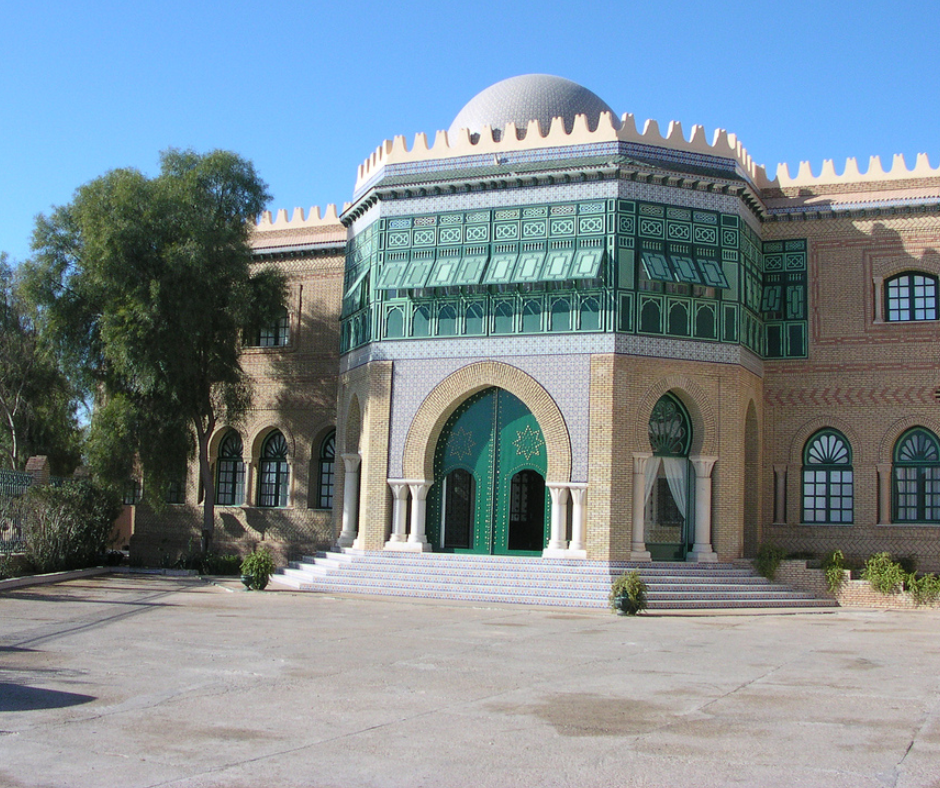
Dar Cheraït Museum (Tozeur)
Located near the palm-filled oasis town of Tozeur, Dar Cheraït is one of Tunisia’s most luxurious and theatrical ethnographic museums. Built in the style of an Arab-Andalusian palace, it combines real historical artifacts with lifelike scenes.
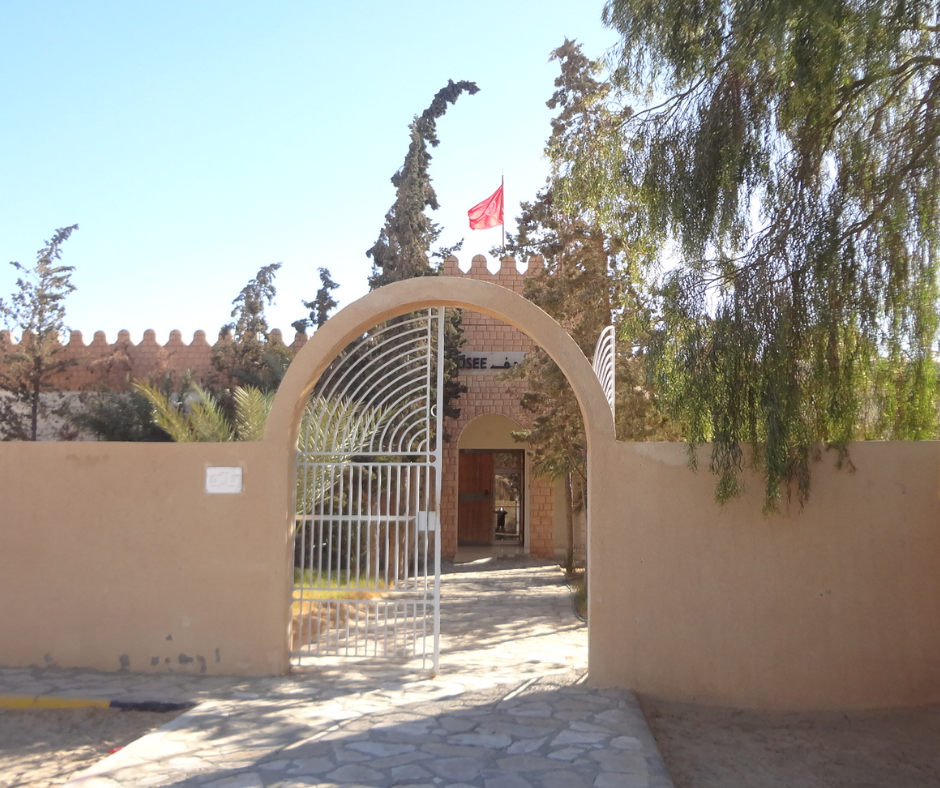
Sahara Museum (Douz)
Nicknamed the Gateway to the Desert, Douz is the ideal setting for a museum dedicated to nomadic and Amazigh desert cultures. The Sahara Museum offers insight into the lives of Bedouins, with exhibits covering traditional camel saddles and tools, desert survival techniques, and Amazigh jewelry and embroidery...
Berber Museum (Matmata)
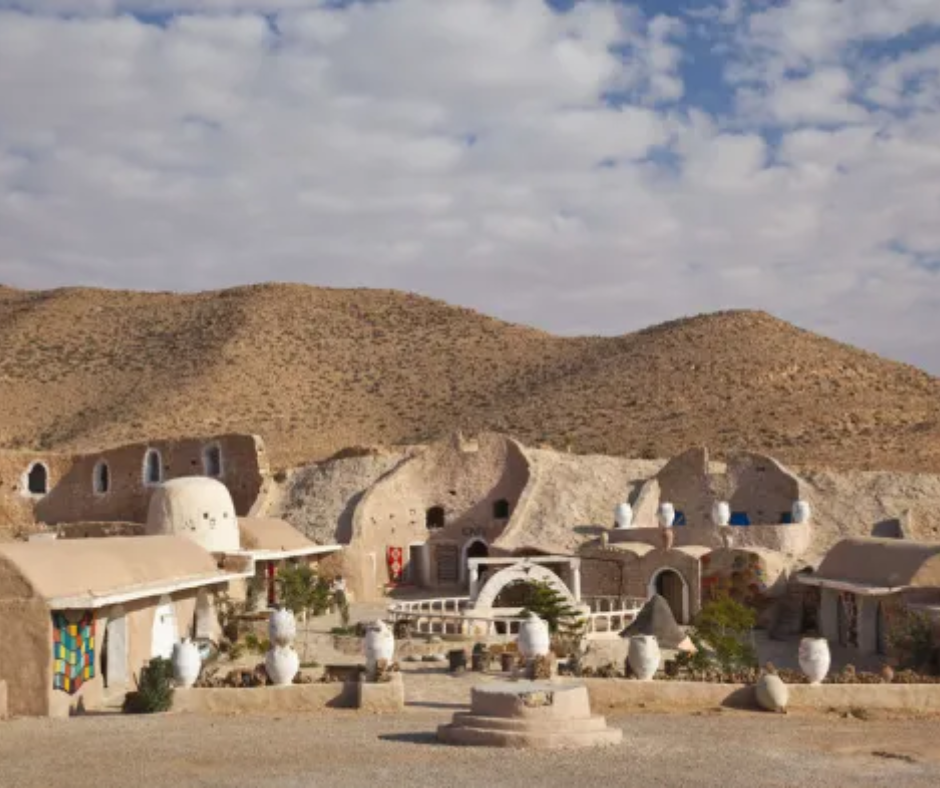
Matmata is famous for its troglodyte homes—underground dwellings dug into the earth to escape the harsh desert climate. The Berber Museum is often housed in one of these actual homes, offering an authentic glimpse into the architecture and lifestyle of mountain Berbers, tools, and cooking implements used in traditional homes…
Walking through these cool, cave-like spaces gives you a tactile sense of how people adapted ingeniously to the land.
Sousse Archaeological Museum
This one is also a special one. It rivals the Bardo with its remarkable collection of mosaics, particularly those illustrating marine life and Roman mythology.
We recommend visiting both and exploring their priceless historical significance. But if you have to choose, Bardo National Museum is the one you should go to.
Practical Information for Visitors
Opening Hours: Official hours may appear on Google as running late (e.g. until 5 PM), but in reality, the museum often closes closer to 4 PM. It's a good idea to arrive well before that.
Entry Fee: 8 TND for international visitors (less than 3 dollars).
Final Thoughts
Tunisia’s museums are really worth visiting since they give a glimpse into ancient civilizations and history dating back to 3000 years ago.
So if you felt like it’s going to be a boring thing to do, we strongly disagree and advise you to take the chance next time you'll be in Tunisia.
Don’t hesitate to reach out to us if we succeeded in convincing you to discover our magnificent country. We’ll be very happy to help in planning not only the museum visits but the whole itinerary.


