Finding yourself at the foot of the highest peak in the United Arab Emirates can feel both exhilarating and a bit daunting if you are unprepared.
That is why our team at WildyNess created this guide to ensure you navigate the limestone ridges of Jebel Jais with total confidence and safety.
Understanding the Jebel Jais Hiking Experience
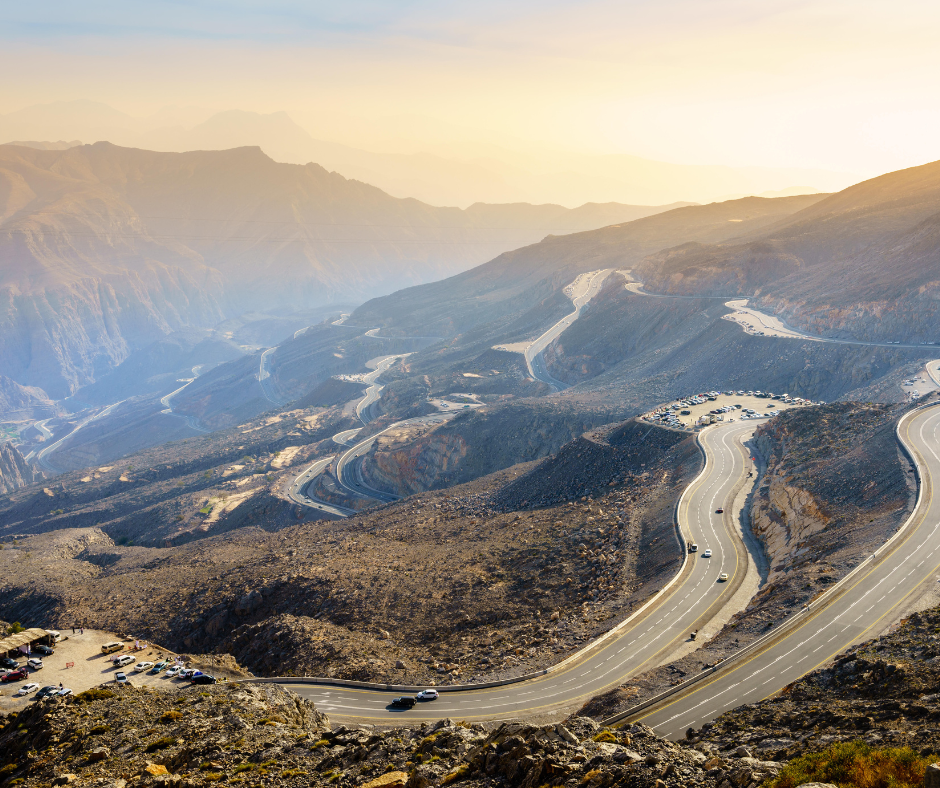
Jebel Jais serves as the crown jewel of the Hajar Mountain range in Ras Al Khaimah. Unlike the rolling dunes found elsewhere in the Emirates, this terrain consists of ancient seabed limestone, sharp ridges, and deep wadis.
When we talk about hiking here, we are talking about a true mountain environment where the air is thinner and the temperature is consistently ten degrees cooler than in Dubai or Ras Al Khaimah city. This elevation provides a welcome escape from the heat, but it also means you must account for faster weather shifts and stronger winds that can whip across the exposed faces.
The mountain is managed with a focus on adventure tourism, meaning the trails are well-marked compared to other wilder parts of the UAE. However, the rocky ground remains unforgiving. You will encounter loose scree, which consists of small, sliding stones that can make descents tricky if you do not have the right footwork.
Understanding this landscape is the first step to enjoying it. We recommend approaching the mountain with a sense of respect for its scale and the physical effort required to move through its vertical world.
Choosing The Right Trail for You
Ghaf Summit Trail
The Ghaf Summit Trail is the flagship hiking experience on the mountain. We consider this a moderately challenging route that rewards you with views extending all the way to the Arabian Gulf on a clear day.
The trail begins near the upper parking areas and winds upward through limestone crags and sparse vegetation. You will likely see the Ghaf trees that give the trail its name, which are hardy desert evergreens that manage to thrive in this rocky soil.
As you ascend the Ghaf Summit Trail, the path becomes increasingly exposed. This means there is very little shade, so your pacing becomes vital. We suggest maintaining a steady, conversational rhythm rather than sprinting up the inclines. The total distance is approximately four kilometers one way, but the elevation gain makes it feel significantly longer.
You should look for the white and yellow trail markers painted on rocks to stay on the correct path. Reaching the summit ridge provides a panoramic view of the "Grand Canyon of the UAE," a deep gorge that drops away into the valley floor below.
The Samar Trail
If you prefer a route that offers incredible scenery with a slightly lower physical demand than the summit climb, the Samar Trail is an excellent alternative. This path is located lower down the mountain and focuses more on the unique geology and flora of the region. It is a favorite for those who want to experience the silence of the mountains without the intense vertical gain of the Ghaf route. The terrain here is still rocky, so do not let the "lower" altitude fool you into wearing casual footwear.
The Samar Trail allows you to see traditional mountain life vestiges, including old stone dwellings and terraces once used by local tribes. We find this trail particularly beautiful during the late afternoon when the sun hits the limestone walls and turns the entire valley a deep shade of orange. It is a circular route, making it easier for logistics as you end exactly where you started.
This trail serves as a perfect introduction to UAE mountain hiking for those who have built up some stamina on flat ground but are new to technical rock.
Jais Via Ferrata
The Via Ferrata is a specialized climbing and hiking hybrid that requires a professional guide and safety harness. It involves moving along the cliff face using a system of permanently fixed steel cables, ladders, and zip lines.
This is the ultimate adrenaline experience on the mountain, allowing you to traverse vertical drops that would be impossible for a standard hiker. It requires a head for heights and a basic level of upper body strength, but it offers a unique perspective of the Hajar Mountains that you cannot get from any other trail.
Wadi Shah
Wadi Shah is a legendary route among UAE outdoor enthusiasts. This is not a groomed mountain trail but rather a rugged trek through a deep canyon system. It involves significant bouldering and navigating over large rocks that have been polished smooth by centuries of flash floods.
The route takes you through a dramatic landscape of sheer cliffs and hidden pools that may contain water after the winter rains. This is a long and physically exhausting trek that requires excellent navigation skills, as the "trail" is often just the natural floor of the wadi.
The Al Asbaq Trail
Similar to Al Teen, the Al Asbaq Trail offers a rugged and vertical challenge. It is characterized by its "staircase" nature, where the trail gains elevation rapidly through a series of switchbacks.
This is an excellent training ground for those planning major international mountain expeditions. The air at this altitude is thinner, and the wind can be significantly stronger, so you must time your hike to avoid the most turbulent parts of the day.
The Al Teen Trail
The Al Teen Trail is a newer addition to the professional trail network and is known for its steep gradients and technical sections. This route is designed for experienced hikers who are comfortable navigating narrow ridges and sharp turns.
It offers a more secluded experience compared to the Ghaf Summit, taking you into the quieter folds of the upper mountain. You should expect high cardiovascular demand and sections where the trail follows the very edge of the limestone cliffs.
The Farfar Trail
For hikers looking for a bit more distance without overwhelming steepness, the Farfar Trail offers a winding path through the wadi beds and lower ridges. This trail provides an excellent cross-section of the Hajar Mountain ecosystem. You will move through areas of sparse desert scrub and over ancient seasonal watercourses.
It is a great route for building the stamina required for the more advanced trails while still enjoying a manageable physical challenge.
The Sidir Trail
The Sidir Trail is another accessible option that meanders through the lower elevations of the mountain range. This route is characterized by its relatively stable footing compared to the higher scree slopes. It is named after the Sidir trees that dot the landscape, providing rare patches of shade in an otherwise exposed environment.
This trail is perfect for a relaxed pace where the goal is to observe the local birdlife and the intricate patterns of the limestone formations.
The Best Season for Hiking in Ras Al Khaimah
Timing is everything when planning a mountain excursion in the Middle East. While Jebel Jais is cooler than the coast, the summer months from May to September remain far too intense for safe hiking. During this period, the rock faces absorb heat and radiate it back at you, increasing the risk of heat exhaustion. That is why we recommend focusing your adventures between November and March. This window provides the crisp, clear air that hikers love and ensures your water intake goes toward hydration rather than just cooling your body down.
The shoulder months of October and April are also viable, though you should aim for very early starts to finish your hike before the midday sun reaches its peak. We often tell our travelers that a sunrise hike is the ultimate Jebel Jais experience. Starting in the pre-dawn light allows you to watch the shadows retreat across the Hajar range, which is a sight that no photograph can truly capture. Always check the local forecast for mountain mist or fog, as visibility can drop to nearly zero within minutes at these altitudes.
Essential Gear and Packing for the High Peaks
Your gear is your life support system when you are kilometers away from the nearest road. We cannot emphasize enough the importance of proper hiking boots with a thick, vibram-style sole. The limestone on Jebel Jais is sharp and can easily shred the thin rubber of standard gym shoes. Furthermore, the ankle support provided by a mid-height boot will save you from the common "roll" that happens on loose gravel. If you have trekking poles, bring them along because they significantly reduce the impact on your knees during the long descent back to the trailhead.
Water is your most critical resource. Even in the cool winter months, the dry mountain air pulls moisture from your body rapidly. We suggest carrying at least three liters of water for a half-day hike. It is also wise to include an electrolyte powder to replace the salts lost through sweat. Regarding clothing, the "onion principle" of layering is best. Start with a moisture-wicking base layer, add a light fleece for the chilly summit winds, and keep a windbreaker in your pack. The temperature at the top can be surprisingly cold even if it felt warm at the base.
Navigating Logistics and Transportation
Reaching Jebel Jais is a straightforward journey if you have a private vehicle. From Dubai, the drive takes about two hours via the E611 and then the E18 toward Ras Al Khaimah. The mountain road itself is a marvel of engineering with wide, sweeping turns and multiple lookout points. We recommend fueling your car before you begin the ascent because there are no petrol stations on the mountain itself. If you are staying in Ras Al Khaimah, the drive is a mere forty-five minutes, making it an easy day trip.
For those without a car, the Jebel Jais Flight Shuttle is a reliable option that runs from the city center and major hotels to the mountain welcome center. However, hikers should be aware that these shuttles follow a fixed schedule that might not align with the early morning start times required for the longer trails. If you are traveling in a group, hiring a private driver for the day often proves to be the most flexible choice. This allows you to stay as long as you like and perhaps even enjoy a post-hike meal without worrying about the drive back down the winding roads.
Safety Protocols for the Hajar Mountains
Safety on Jebel Jais starts with communication. Mobile signal is surprisingly good on much of the mountain, but there are "dead zones" in the deeper wadis and behind certain ridges. We always advise hikers to download offline maps on an app like AllTrails or Wikiloc before heading up. It is also a standard Wildyness practice to tell someone exactly which trail you are taking and when you expect to be back. The mountain is patrolled, but being proactive about your own safety is the hallmark of an expert hiker.
If you encounter local wildlife, such as the mountain goats that frequent the cliffs, keep a respectful distance. While they may seem accustomed to humans, they are wild animals and should not be fed. Additionally, be mindful of the weather if you see dark clouds gathering over the mountains toward the Omani border. Flash floods are a real risk in the wadis even if it is not raining directly on you. If you hear thunder or see heavy rain, move to higher ground immediately and stay away from the dry riverbeds.
Refueling and Dining at High Altitude
One of the unique perks of hiking Jebel Jais is the infrastructure available for your post-hike recovery. You do not have to settle for a squashed sandwich in the car. 1484 by Puro is the highest restaurant in the UAE and offers a full menu with views that rival the summit itself. We recommend booking a table in advance, especially on weekends, as it is a popular spot for both hikers and sightseers. There is something deeply satisfying about sitting on a terrace at nearly 1,500 meters while enjoying a hot coffee and a hearty meal after a morning of physical exertion.
If you prefer a more casual atmosphere, the Viewing Deck Park features several food trucks and stalls offering snacks and refreshments. This is a great place to stretch your legs and socialize with other hikers. The park also has clean restroom facilities and shaded seating areas where you can reorganize your gear before the drive home. We find that taking an hour to decompress at these facilities makes the transition from the wild mountain back to the city much more pleasant.
Final Thoughts About Hiking Jebel Jais
Jebel Jais isn’t complicated even though it does demand a smart plan.
You now know when to go for cooler temps, how to get there without stress, what to wear for grip and comfort, and how to choose your adventure level so the day feels fun.
We built this guide so you can arrive prepared with water in your bag, solid shoes on your feet, and layers for shifting mountain weather.
Now it’s your move. Pick a date, commit to the plan, and go earn that mountain day because Jebel Jais is waiting.