Yes. Most people who come see Algiers, Oran, Constantine and the Roman sites of the north, then the Sahara on an organized trip, and the reaction we hear most from our own travelers is surprise: the country felt far more relaxed and welcoming than what they had read online.
Day to day, the things to watch are ordinary ones: pickpockets in crowds, erratic driving, summer heat and wildfires. Trips into the deep south run through a licensed Algerian agency with local guides.

Our trips stick to routes we know well, with licensed local agencies and guides, and so far not one of them has had an incident. This guide goes region by region, then covers health, local laws, transport and money, with a short summary of the official travel advice near the end.
What traveling in Algeria feels like
Algeria has a visible police presence in the cities and gendarmerie checkpoints on the main roads. Checkpoints are routine: officers look at the car, sometimes ask for passports and wave you on. Expect to show your passport at checkpoints and at every hotel.
Algeria still gets few foreign tourists, so you will often have a Roman forum or a stretch of desert almost to yourself, and people are curious about visitors and quick to help with directions or offer a glass of tea. The real adjustments are practical (cash, French or Arabic, dress, paperwork), and they are all covered below.
Keeping your first trip to Algeria trouble-free
| If you're wondering about | What we tell our travelers |
|---|---|
| What actually goes wrong | Traffic first, then pickpockets in crowds, summer heat and wildfires |
| Algiers, Oran and Constantine | Use the habits you'd use in any big city, and see the Casbah of Algiers with a local guide |
| The desert | Go between October and April, with a licensed Algerian agency and local guides |
| Traveling as a woman on your own | Doable; dress modestly and expect stares and some comments |
| Numbers to save | Police 17 or 1548, gendarmerie 1055, ambulance 1021 or 16, fire 14 |
| Government advice | The UK FCDO warns about border areas, and the US State Department has Algeria at Level 2. Both are summarized near the end. |
Safety in Algeria region by region
Each region feels different, and so does the way you travel there. The short version:
- Northern cities (Algiers, Oran, Constantine, Annaba, Tlemcen, Béjaïa): normal big-city precautions against petty theft.
- Mountains of the north (Kabylie, the Aurès): cedar forests, Amazigh hill villages and the Djurdjura peaks. Sleep in the towns, and for walks take a local guide who knows the paths and the people in the villages.
- The Sahara (Djanet, Tamanrasset and the Hoggar, Timimoun, Taghit): rock art, volcanic peaks and big dunes, visited with an Algerian travel agency and local guides.
Here is the same picture with a little more detail, region by region.
| Region | Main everyday risk | How to get around | Guide needed? |
|---|---|---|---|
| Northern cities (Algiers, Oran, Constantine, Annaba, Tlemcen) | Pickpockets, taxi overcharging, traffic | Train, domestic flights, tram, metro, Yassir | Recommended for the Casbah of Algiers and old Constantine |
| Kabylie and the Aurès | Narrow mountain roads, summer wildfires, snow on passes in winter | Driver or own car on main roads, in daylight | Yes, for walks off the main roads |
| M'Zab Valley (Ghardaïa) | Heat from May to September; strict local rules on dress and photos | Domestic flight or long-distance bus from Algiers | Compulsory in Beni Isguen (hired at the gate) |
| Deep south (Djanet, Tamanrasset, Timimoun, Taghit) | Heat, dehydration, long distances, no phone signal | Organized trip with a licensed Algerian agency | Yes, it is part of every trip |

Algiers, Oran, Constantine and the other cities
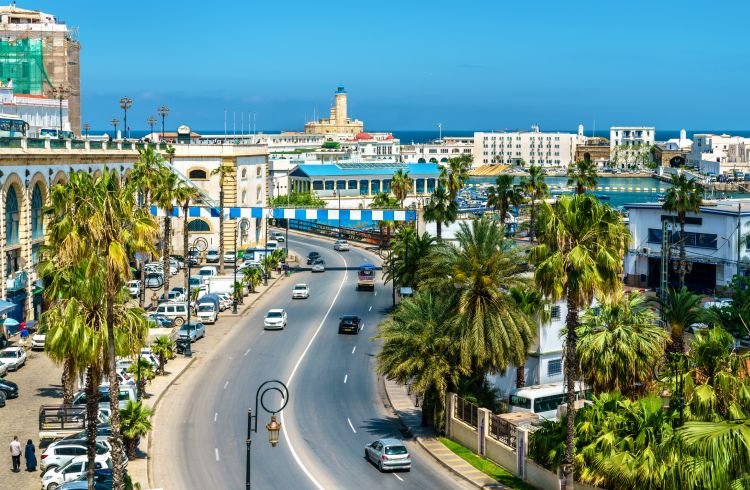
Most nights of a trip are spent in the northern cities, where the main thing to watch is pickpocketing and petty theft. Avoid unfamiliar suburbs after dark, and tour the Casbah of Algiers with a good local guide.
Pickpocketing is most likely in markets, on crowded buses and trams, and around the main sights. Taxi drivers with a conveniently broken meter and unofficial guides in the old districts are the other classics, and we list them all in our piece on Algeria travel scams.
Keep your phone and wallet in a front pocket or a zipped bag, leave expensive jewelry at the hotel, and don't count cash in the street. These are the same habits that work in any crowded city.
Is Algiers safe?
Algiers is the easiest place to start. Most visitors stay in the center around rue Didouche Mourad, or in the hillside districts of Hydra and El Biar, where many embassies and the larger hotels are.
Getting around is simple. The single metro line costs 50 DZD a ride and the tram has a 40 DZD flat fare (since May 2026), and Yassir covers the rest. From the airport there is a train (80 DZD) and the ETUSA bus 100 (50 DZD) into town.
See the Casbah by day with a local guide, which is also the FCDO’s advice, and tell your hotel your plans. The center stays busy in the evening, especially in summer and during Ramadan, when families are out late after iftar. After dark, take a Yassir rather than walking through quiet streets you don’t know.
Is Constantine safe?
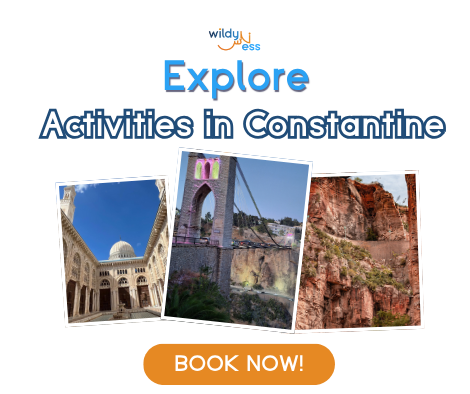
Constantine is calm and easy to see on foot by day. The old town sits on a rock plateau ringed by the Rhumel gorge, and two of its bridges are open to walkers: the Sidi M'Cid suspension bridge of 1912, its deck about 175 m over the river, and the Salah Bey viaduct, which opened in 2014.
The tram, running since 2013, and the cable car, back in service since April 2025, link the center with the newer districts. The lanes of the old medina are steep and confusing, so a local guide helps there, and the usual crowd habits apply in the souks. Pick a hotel in or near the center so you can walk back in the evening.
Kabylie, the Aurès and the northern mountains
Kabylie and the Aurès are the best walking country in northern Algeria: the limestone peaks of the Djurdjura above Tikjda, cedar forests with Barbary macaques, Kabyle hill villages, and in the Aurès the Ghoufi canyon and the Roman city of Timgad. Béjaïa and the Tikjda resort fill with Algerian holidaymakers in summer. Off the main roads, go with a local guide: the trails are poorly marked, and a guide knows the villages and the weather.
Planning a first trip to Algeria
A first trip usually links two or three northern cities, a Roman site or two and a few days in the Sahara. In the north you can get around by train, plane or with a driver; in the south a licensed agency handles the paperwork, the drivers and the guides. Bring patience for checkpoints.

If you drive yourself, stick to main roads and daylight hours. If you have not drawn up an itinerary yet, start with the regions in our travel guide for Algeria.
Solo female travelers
Traveling alone as a woman in Algeria is doable, but expect stares and some catcalling, especially in smaller towns and on public transport. Most of it is verbal.
If someone follows or touches you, make a scene: say loudly that you will call the police, and walk into the nearest shop or hotel. Your safety comes before manners.
If you have already traveled solo in Egypt or India, you will adjust quickly. Algeria is a conservative, mostly Muslim country, and the codes are stricter the further you get from Algiers and Oran.
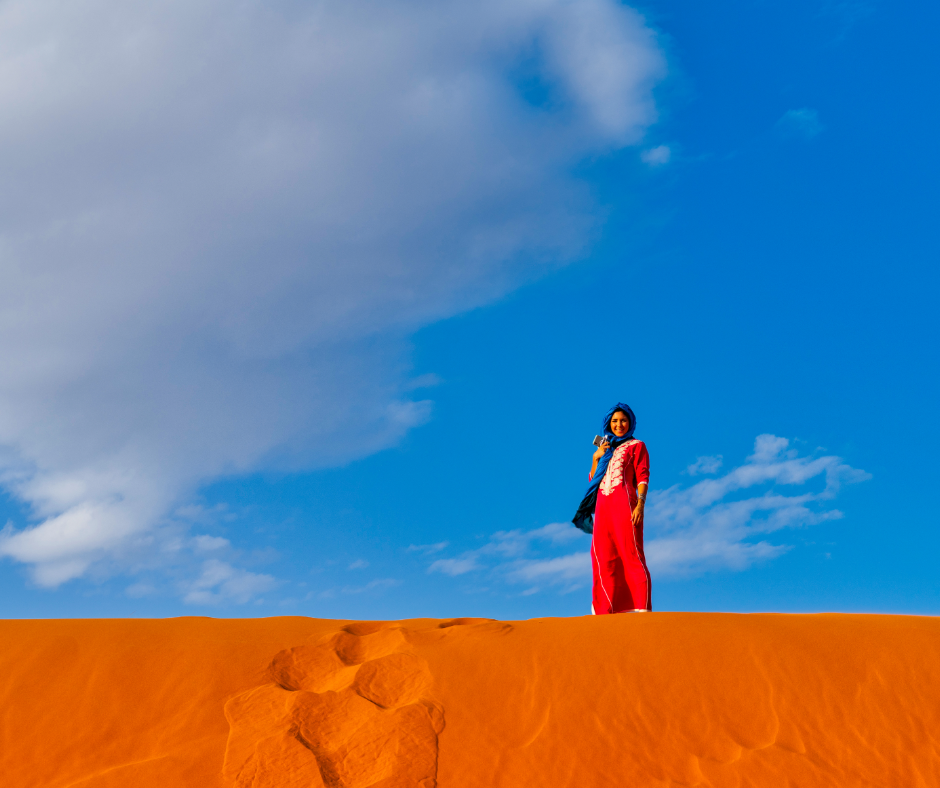
Dress is the main adjustment. Modest clothes are expected outside beach resorts, more strictly in the south and the M'Zab Valley. You will find outfit ideas for women and men, region by region, in our guide on what to wear in Algeria.

In practice that means covering shoulders and knees: loose trousers or a long skirt and a light scarf cover most situations. Leave flashy jewelry at home and don't carry large amounts of cash.
Avoid walking alone in unfamiliar areas, particularly after dark. Exploring with a group, a local friend or a guide is safer, and in the Casbah or the old town of Constantine a guide also saves you a lot of wrong turns.
Keep outdoor activities to daylight hours. For taxis, the FCDO suggests having your hotel call a reputable firm and not letting unknown passengers join; sit in the back. In an emergency, call the police on 17 or 1548. Plenty of travelers do solo travel in Algeria without any trouble, especially when transport and accommodation are sorted before they arrive.
Health: vaccines, water and hospitals
Most health problems on an Algerian trip are the ordinary ones: upset stomachs, heat and sun. A few vaccines are still worth sorting out before you go.

See a travel nurse or doctor at least eight weeks before departure, as the FCDO recommends, and check the Algeria pages of TravelHealthPro (UK) or the CDC (US).
Vaccinations
The CDC recommends hepatitis A and typhoid for most travelers, on top of routine vaccines; hepatitis B is often advised for longer stays. Rabies vaccination is worth considering if you will be around animals or far from a hospital: the CDC notes that rabid dogs are common in Algeria.
Cholera is not a routine concern. A cholera vaccine is only worth discussing if there is an active outbreak when you travel.
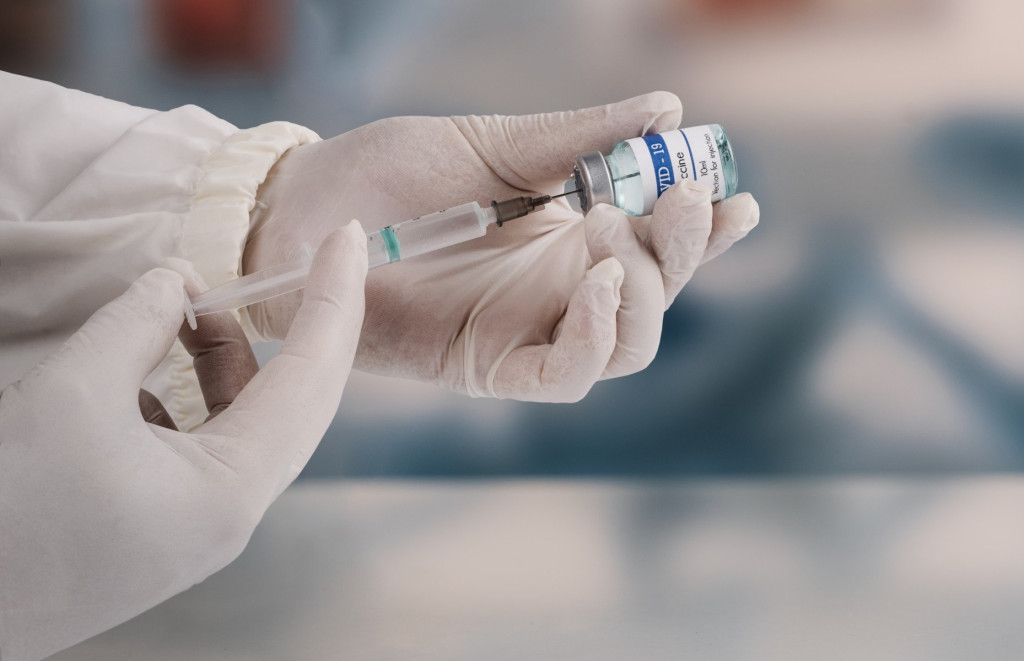
Polio is the one to check. As of October 2026, the CDC says poliovirus has been identified in Algeria in the past year and advises adults who were fully vaccinated as children to get a single lifetime booster.
Yellow fever does not occur in Algeria, but you need a vaccination certificate if you arrive from a country with a risk of yellow fever transmission. Malaria is not a risk either: the WHO certified Algeria malaria-free in May 2019.
You can find more information on the WHO website.
Food, water and insurance
Pack a small kit with rehydration salts, anti-diarrhea tablets, painkillers, band-aids and any prescription medicine in its original box.
Drink bottled water, which is cheap and sold everywhere. Tap water in the big northern cities is generally fine for brushing your teeth, but in the south it is heavily mineralized and can upset your stomach, so on desert trips let the crew handle the water for cooking and tea. With food, pick busy stalls where it's cooked in front of you. Mosquito repellent helps on summer evenings on the coast and in the oases.
Get travel insurance that covers medical treatment and evacuation; the FCDO specifically mentions repatriation. For an ambulance, call 1021 or 16.
Care is much better in the big northern cities than in rural areas and the south, where a serious case can mean a transfer north.
The FCDO notes that private clinics are usually better than government hospitals and that English is not widely spoken, so some French or Arabic, or a guide, helps.
Wildfires, floods and earthquakes
The FCDO lists three natural hazards: wildfires most summers, flash floods, and earthquakes in the north, including around Algiers.
Kabylie's forests are the most fire-prone. In July or August, check the fire news each morning and be ready to change plans.

Download offline maps before you leave the cities, and check the forecast before mountain or desert drives. Flash floods hit dry riverbeds hardest, so never camp in a wadi.
A power bank, a basic first-aid kit, a flashlight and spare water cover most situations.
Stay out of forests on high-fire-risk days, never light a fire outdoors in summer, and respect closed roads and areas. Follow your guide and the Protection civile, which handles fires and rescues on 14.
Save the emergency numbers listed further down in your phone before you set off.
Sahara Desert safety: agencies, escorts and heat
The Algerian Sahara is the reason many people come: the rock paintings and engravings of the Tassili n'Ajjer around Djanet, the volcanic peaks of the Hoggar and the sunrise from Assekrem near Tamanrasset, the red ksour and palm gardens of Timimoun, the dunes of Taghit. Local guides and cooks (Tuareg in the Tassili and the Hoggar) run the camps, and the evenings around the fire, with three rounds of tea, are part of the trip.
Foreigners heading into the deep south go with a licensed Algerian agency and local Tuareg guides (every one of our Sahara trips works that way), and the same agency files the visa-on-arrival request for Sahara tours. Some desert routes also get a police or gendarmerie escort; the authorities assign it, the agency organizes it, and nobody treats it as unusual. Independent overland travel is not realistic.
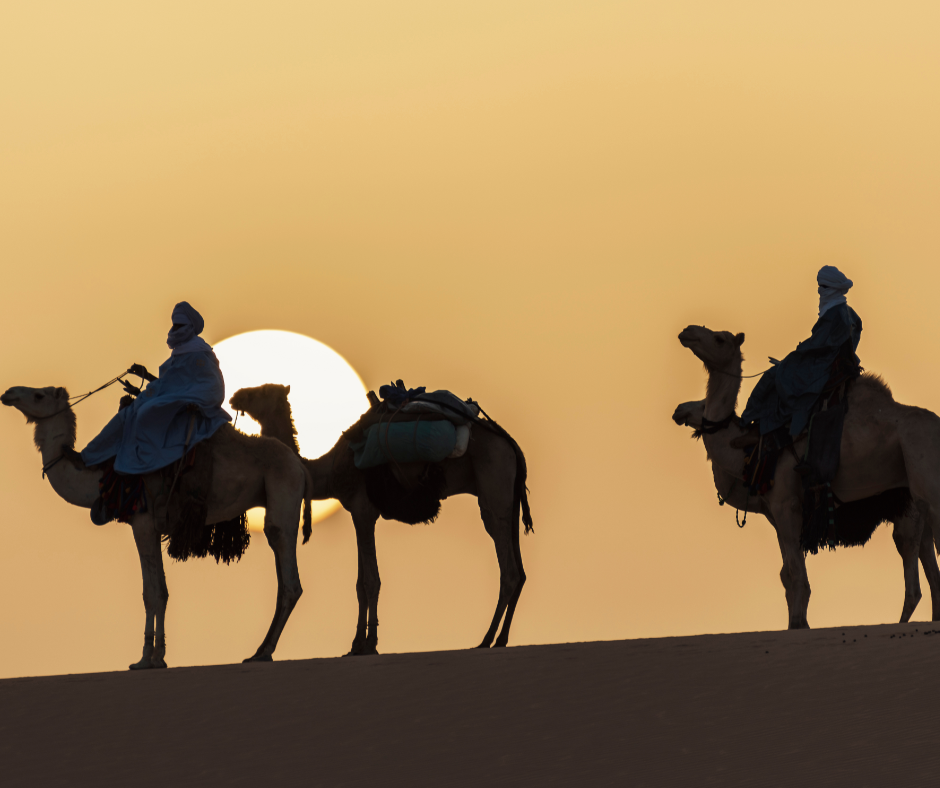
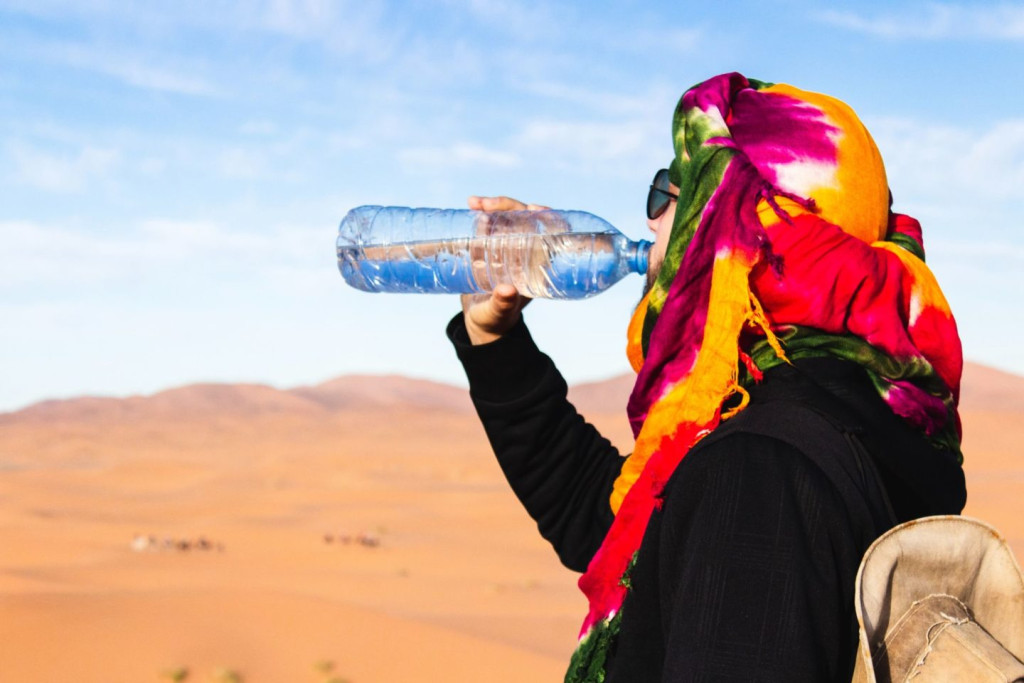
Pack for the desert properly. The agency should supply drinking water, but keep your own bottle full; dehydration comes on fast in dry heat.
Wear sunglasses, sunscreen, a hat and loose, light-colored long sleeves, and do the hardest walking early in the morning or late in the afternoon. The rest of the gear is on our Algeria packing list.
Make sure your insurance covers medical evacuation and search and rescue from remote areas.
Timing matters most. Desert trips mostly run from October to April; in summer much of the south is dangerously hot. Learn the signs of heatstroke and dehydration, and follow the guide's call on routes and sandstorms.
Phone coverage is patchy or absent in remote areas (FCDO), so give a family member or your hotel your itinerary and return date, and ask the agency whether its team carries a satellite phone.
Everyday precautions and emergency numbers
Most of these come from the FCDO's advice for Algeria; the rest are habits we ask of our own travelers.
- Check the latest FCDO or US advice, and any local instructions, the week you travel, not just when you book.
- Choose a hotel in a central area you can walk back to.
- Don't accept lifts from strangers. Use a taxi your hotel calls, or a ride-hailing app such as Yassir.
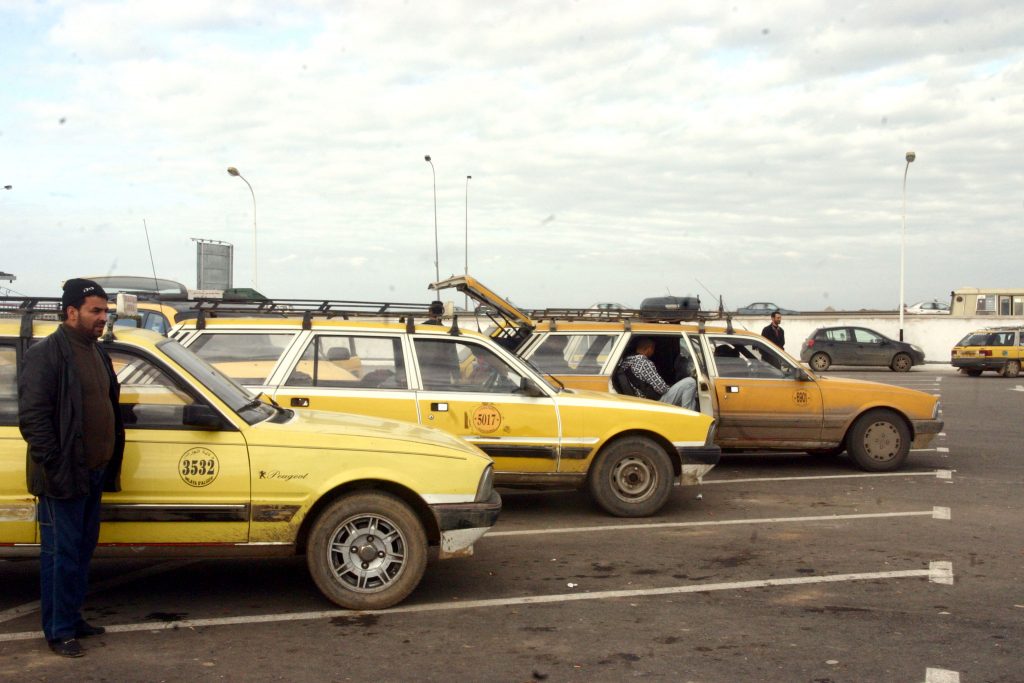
- For the Casbah, the Sahara and mountain walks, hire a local guide. Let your hotel or hosts know your plans, and keep your phone charged.
- Avoid unfamiliar areas after dark, especially suburbs and rural roads.
- Don't carry valuables or large sums of cash, and keep copies of your passport photo page and visa separate from the originals.
- At police or military checkpoints, slow down, follow instructions and have your ID ready.
- Keep away from political gatherings and demonstrations, which are subject to restrictions, and follow the local news.
- Emergency numbers, from landlines or mobiles (FCDO, plus the gendarmerie's own hotline):
- Fire and rescue (Protection civile): 14
- Police: 17 or 1548
- Gendarmerie nationale (rural areas and main roads): 1055
- Ambulance: 1021 or 16
Local laws and customs to respect
Islam shapes daily life in Algeria: the call to prayer five times a day, Friday as the main day of rest, modest dress, a strong habit of hospitality to guests. A few laws and customs that follow from it can catch visitors out.
Public behavior expectations
Keep affection in public to holding hands; anything more is frowned upon and can bring police attention. Rural areas and the south are more conservative than Algiers or Oran.
Alcohol is legal but low-key in a country where about 99% of people are Muslim. You can buy it at licensed shops and drink it in hotel bars and some restaurants, though most restaurants don't serve it.
Drinking in public, or being drunk in public, is illegal all year (FCDO), and it would cause real offense during Ramadan.
Drug laws are strict: the FCDO says penalties for using, possessing or trafficking drugs are severe and can include the death penalty for the most serious offenses.
Same-sex sexual acts are illegal under Article 338 of the Penal Code, punishable by up to two years in prison and a fine. LGBTQI+ travelers should be discreet in public.
You need your passport to check into every hotel and to board domestic flights, and you should carry it on long road journeys, where checkpoints may ask for ID. Keep photocopies of the photo page and your visa in a separate place in case the originals are lost or stolen. Still at the application stage? We walk through the paperwork in our guide to Algeria's visa and entry requirements, and UK passport holders have a dedicated guide to the Algeria visa for UK citizens.

Don't photograph police or military sites, checkpoints, ports, airports or government buildings, and ask before photographing people, especially women. Leave the drone at home: the FCDO says bringing one in without authorization is illegal, and customs routinely confiscates them.
Holy month of Ramadan
The next Ramadan, the month when Muslims fast from dawn to sunset, is expected to begin around 8 February 2027. During the day, don't eat, drink, smoke or chew gum in public, including in your car (FCDO).
Playing loud music, dancing or swearing in public is also frowned on during the month.
Your hotel, guide or local contacts can tell you what is open and when. If you are invited to an iftar, the evening meal that breaks the fast, say yes: it is the best way to see the month from the inside.
Opening hours change during Ramadan, and so do travel plans: offices close early, and the roads empty just before sunset as everyone heads home to eat.
Many cafés and restaurants close during the day, and bus and train schedules can change, so plan around it. It is also a beautiful time to be here, with long evenings after iftar and streets that come alive at night. Here is how visiting Algeria during Ramadan works in practice.
What you need to know before visiting Algeria
Transportation in Algeria
Algeria has domestic flights, trains, intercity buses, shared taxis, trams in several cities and one metro line in Algiers.
Buses and shared taxis are not always well maintained, and theft and harassment happen on crowded buses. Solo travelers are usually more comfortable on trains, flights or with an agency driver.
SNTF, the state railway, runs the trains. From Algiers, lines go west to Oran (about 4.5 to 5 hours on the express Coradia trains, often longer) and east to Constantine, Annaba and Béjaïa. The FCDO calls rail travel generally safe, with some petty crime on board.
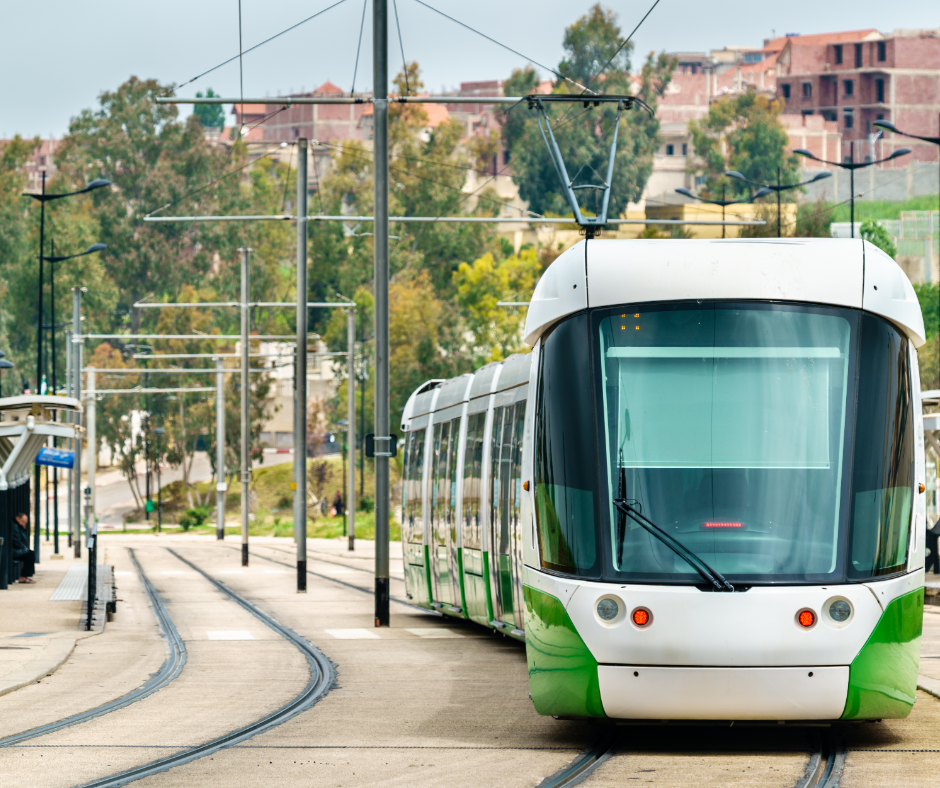
Transport thins out in the south, where distances are huge and flying is the practical option. In the north, shared intercity taxis (taxis interwilayas) leave from the bus stations when full, charge fixed fares and are faster than the bus.
In the big cities we recommend Yassir, the Algerian ride-hailing app (Uber does not operate in Algeria). You see the fare before you book and the trip is tracked, which beats haggling with street taxis. Most rides are paid in cash.
Google Maps and Waze work in the northern cities. Download offline maps for the south, where the FCDO notes that coverage is patchy and some online maps are inaccurate.
Driving in Algeria
The FCDO is blunt about the roads: Algeria "has a very high road traffic accident rate and driving can be erratic", with little lane discipline and confusion over right of way at roundabouts. We'd rank traffic above crime as the main everyday risk.
Main roads in the north are mostly paved and in reasonable shape, but mountain roads are narrow and twisting, and snow can close passes in Kabylie and the Aurès in winter.
In the south, sand drifts and blowing sand cut visibility, and desert tracks need a 4x4 and a driver who knows them. Foreign visitors in the deep south travel with an agency anyway.
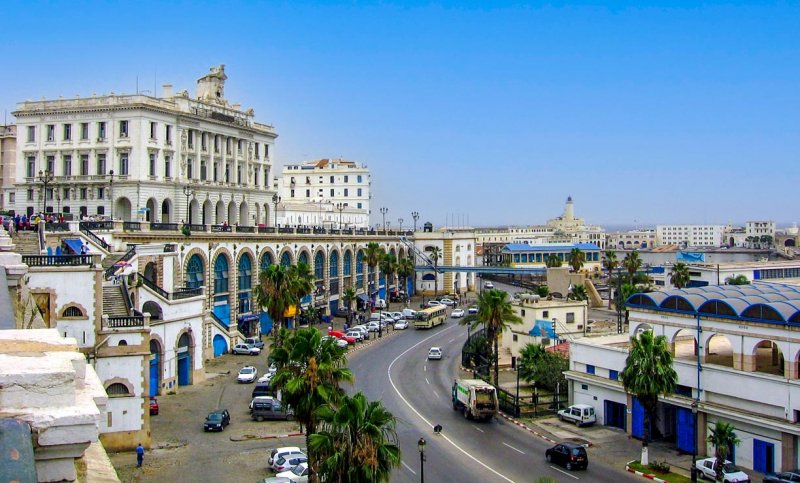
Expect heavy traffic in Algiers and the other big cities, large speed bumps, and potholes that appear quickly after heavy rain. Avoid minor roads at night outside towns: the FCDO warns that roads and vehicles may be unlit.
If you drive yourself, a UK photocard license is valid for three months after arrival, but carry an International Driving Permit too, as police may ask for one (FCDO).
At checkpoints, slow down, don’t cross barriers without permission and have your ID ready. Use guarded parking at night and don’t leave bags on show. Fuel stations can be far apart in remote areas, so fill up whenever you can.
Paying in Algeria: cash, cards and exchange rates
Cards only work in large international hotels, airline offices and a few upscale shops, at the official rate of about 150 DZD to the euro, as of autumn 2026, so you will mostly pay cash. The informal market gives about 275. Strictly speaking it is outside the exchange-control law, but it works in the open; have your guide or host point you to the changer they use rather than doing it on the street.
Declare foreign cash over EUR 1,000 on arrival (if you do, customs may want official exchange receipts when you leave), and spend your dinars before you fly, as non-residents can't take them out.

Language in Algeria
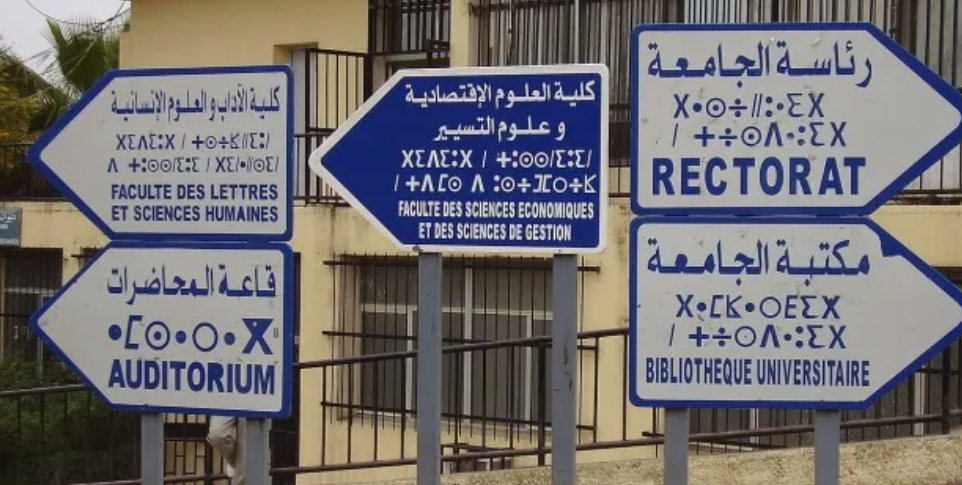
Road signs are mostly in Arabic and French, and in Kabylie you will often see Tamazight as well. In the street, the language you hear most is Algerian Arabic (Darja).
French is widely spoken in the cities, especially by older and educated Algerians, although it has no official status. English is spreading among young people but is still limited; the FCDO warns that it is not widely spoken. Tamazight, the Amazigh language, has also been a national language since 2002 and an official one since 2016, one of several facts about Algeria that surprise first-time visitors.
Internet in Algeria
A local SIM is the simplest way to stay reachable. Mobilis, Djezzy and Ooredoo each have a shop at Algiers airport, and registration needs your passport; 30 days with 10 GB or more runs to roughly 1,000 to 1,500 DZD (autumn 2026). Mobilis covers the south best, though deep in the desert there is no signal from anyone.
Traveling to Algeria from India
Indian passport holders need a visa before they fly, from the Embassy of Algeria in New Delhi (B-6 Anand Niketan). Along with the form, you'll need a passport with at least six months left on it and either a hotel booking or an invitation and itinerary from an Algerian travel agency. If your trip includes the Sahara, ask the agency whether the visa on arrival applies to your passport.
There are no direct flights from India. The usual routes connect through Doha on Qatar Airways or Istanbul on Turkish Airlines. Bring euros or US dollars in cash, because you won’t find anywhere to change rupees, and Indian cards only work where foreign cards do, at the official rate.
Vegetarians manage with a little care. Look for loubia (white bean stew), lentils, mhadjeb (semolina crepes stuffed with tomato and onion), karantika (a baked chickpea-flour flan), salads, bread and dates. Soups and stews are often made with meat stock, so ask. The Embassy of India in Algiers is in Hydra (26 rue Belkacem Amani, Paradou).
What the official travel advice says
The UK Foreign Office (FCDO) advises against all travel within 30 km of the borders with Libya, Niger, Mali and Mauritania, and within 30 km of the Tunisian border in Illizi and Ouargla provinces and the Chaambi mountains area; it advises against all but essential travel within 30 km of the rest of the Tunisian border.
The US State Department rates Algeria Level 2, "exercise increased caution" (reissued 25 August 2026), with Do Not Travel for Tamanrasset, Illizi, In Salah, In Guezzam, Bordj Badji Mokhtar, Tindouf, the Tébessa mountains and remote Sahara travel without an organized tour, and it advises avoiding rural areas within 250 km of the Libya, Niger, Mali and Mauritania borders and within 50 km of the Tunisian border.
Some travel insurance policies exclude areas under these advisories, so check that yours covers your whole route. That matters if you come overland from Tunisia, the only land border open to tourists: the road crossings and the Tunis to Annaba train pass through the 30 km band. Both pages change, so read them again the week you travel.
US passports, Algiers at night, roads and the Sahara
I have a US passport. Is that a problem?
No. The US State Department rates Algeria Level 2, "exercise increased caution" (reissued 25 August 2026), and the same precautions apply to you as to everyone else. The one extra step is paperwork: US citizens get their visa from an Algerian consulate in advance, and six to eight weeks is a sensible lead time.
Can I walk around Algiers after dark?
In the center, yes. It stays lively in the evening, especially in summer and during Ramadan, when families are out late; stick to the main streets around Didouche Mourad and the seafront, and get a Yassir or a taxi your hotel calls rather than crossing quiet areas you don't know.
So what is most likely to go wrong?
A road accident, by a long way. The FCDO describes a very high accident rate and erratic driving, so avoid driving outside towns at night and hire a driver who knows the route for long trips. Buckle up in the back too: since May 2026 rear seatbelts are compulsory where fitted.
Do I really need an agency for the desert?
Yes, and in practice it's the only way foreigners go. The agency handles the visa-on-arrival request, the 4x4s, the Tuareg guides and cooks, and any escort assigned on some routes. Heat and distance deserve more of your attention, so go between October and April with insurance that covers evacuation.
Our verdict on safety in Algeria
For a well-planned trip, yes. Most of our travelers leave surprised by how easygoing it felt: city habits in the north, a licensed agency and local guides in the south.
The rules that matter: travel in the south with a licensed agency, hire a guide for the mountains and the Casbah, follow the local laws on alcohol, dress and photography, and take the roads seriously. The practical side, from handling cash to getting between cities, is in our Algeria travel tips.

Algeria suits first-time visitors happy with a guided or semi-guided trip, and independent travelers comfortable with French or Arabic, cash and some bureaucracy. Still on the fence? Here is why Algeria is worth visiting, from its Roman ruins to the Sahara.
To start planning a route, go through our list of must-see landmarks.
If you would rather have it all arranged, we build custom itineraries across Algeria: the agency invitation and itinerary letter for your visa application (or the visa-on-arrival request for Sahara trips, through licensed partner agencies), a driver waiting at arrivals, local guides and hosts, and desert trips with guides, cooks and drivers.