You land in Riyadh and open your camera roll only to find that the sheer scale of the city feels a bit difficult to capture effectively. The landscape is packed with locations worth seeing, but finding the right angle and the perfect timing often feels like hunting for a needle in a vast desert. One minute you are surrounded by glass towers and modern highways, while the next you find yourself in a quiet mud-brick fort where the light changes every five minutes.
That is why our team at Wildyness created this guide for you to help you uncover where to capture the essence of Riyadh in every photo and ensure your social media reflects both modern allure and traditional charm.
The Modern Horizon of Saudi Arabia
The skyline of Riyadh offers a dramatic contrast between the golden desert sands and the sharp glass of 21st-century engineering.
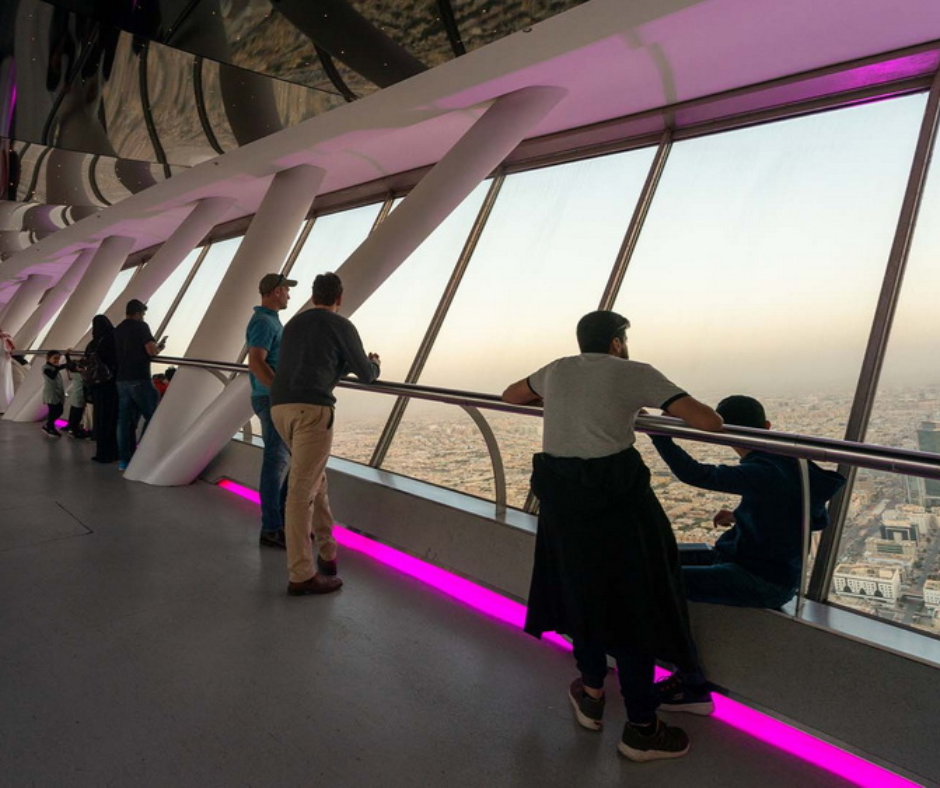
To capture this transition, you should start at the Kingdom Centre Sky Bridge which sits 300 meters above the ground. This location provides a panoramic view of the city grid and the distant horizon where the urban sprawl meets the wilderness. We recommend visiting during the last hour before sunset to catch the soft light hitting the glass facades before the city lights begin to twinkle.
Furthermore, you can improve your photography by placing your lens directly against the glass to eliminate reflections from the interior lights. Using a zoom lens at this height allows you to isolate specific architectural layers and create a sense of depth that a wide-angle lens might lose. It is also helpful to bring a small microfiber cloth because the viewing panels often collect fingerprints that can soften your focus if not cleaned.
Geometric Precision at the King Abdullah Financial District
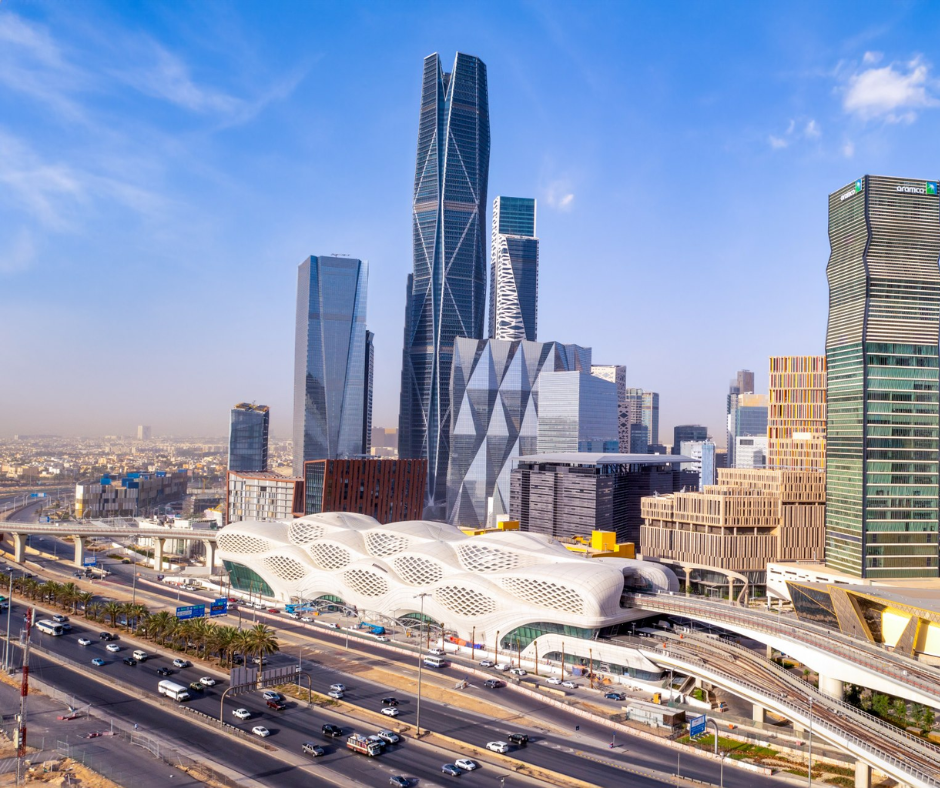
If your aesthetic leans toward sharp lines and repeating patterns, the King Abdullah Financial District is the premier location for your lens. This area serves as a playground for architectural photography because the buildings are designed with triangles, zigzags, and aggressive symmetry. We suggest walking along the pedestrian pathways and aiming your camera upward to stack the different building textures into a single frame.
To get the most out of this district, you should arrive about thirty minutes after sunset during the blue hour. This timing allows the internal building lights to glow against a deep indigo sky which creates a high-contrast look that is very popular on social media. You should focus on keeping your vertical lines straight by leveling your horizon or using a perspective correction tool during your editing process.
Luxury and Lighting at VIA Riyadh
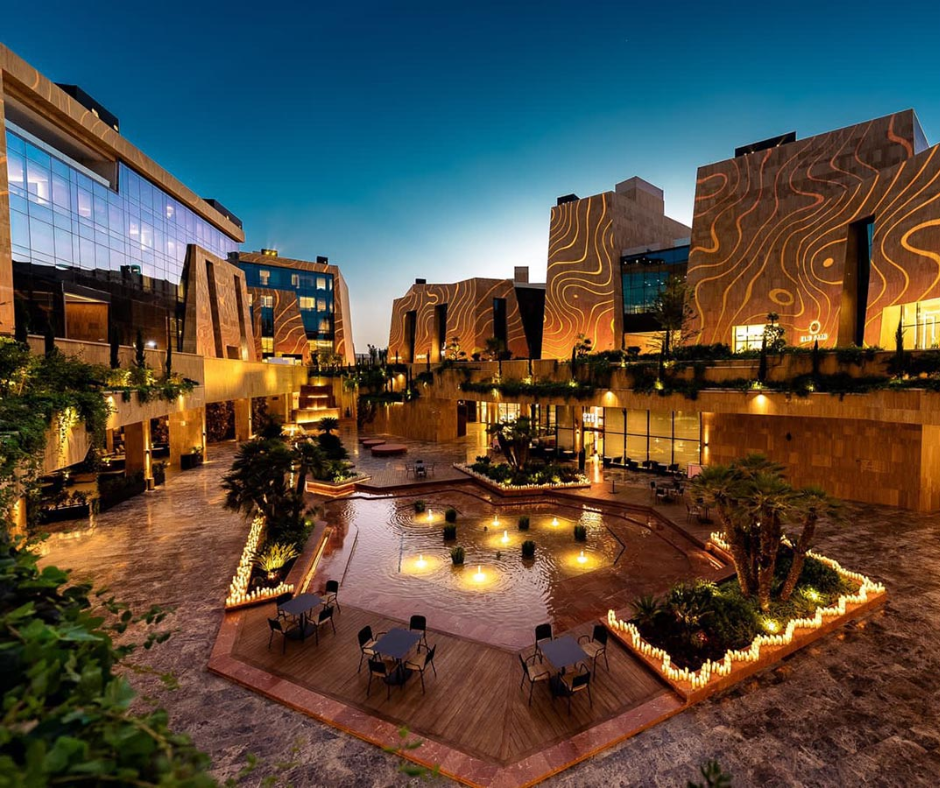
For those seeking a more polished and high-fashion atmosphere, VIA Riyadh offers an environment where the architecture does most of the styling work for you. The open-air passages and designer storefronts provide clean backdrops that work exceptionally well for portrait photography. You can use the soft ambient lighting from the luxury boutiques to create a flattering glow on your subjects without the need for external flashes.
When you plan your visit, it is wise to schedule a dining reservation to gain access to unique interior designs that are often restricted to patrons. You can capture the table settings and artistic plating before your meal arrives to add a lifestyle element to your Riyadh story. This location is best enjoyed on a weekday evening when the crowds are thinner and you have more space to frame your shots without interference.
Historical Depth and Traditional Najdi Style
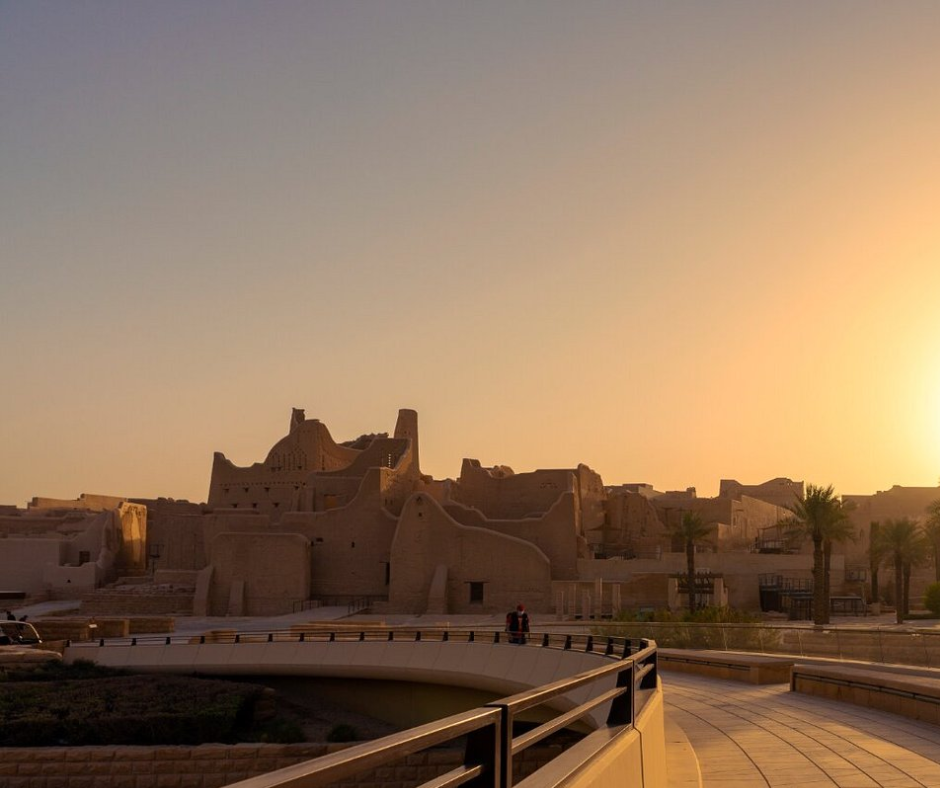
The cultural heart of the city lies in its mud-brick heritage and the earthy tones of the Najdi architectural style. At-Turaif in Diriyah is a UNESCO World Heritage site that provides a look into the 18th-century roots of the Saudi state. The textured walls and wooden doorways provide a tactile quality to photos that you cannot find in the modern districts. We recommend exploring the Salwa Palace first because its massive scale and historical importance make it the centerpiece of the district.
You should pay close attention to the geometric patterns carved into the wooden doors and the triangular ventilation holes in the walls. These small details provide excellent opportunities for macro photography or tight shots that emphasize craftsmanship. Arriving early in the morning is the best strategy for beating the heat and ensuring that you have the narrow alleys to yourself for clean, unobstructed compositions.
The Fortified Legacy of Al Masmak
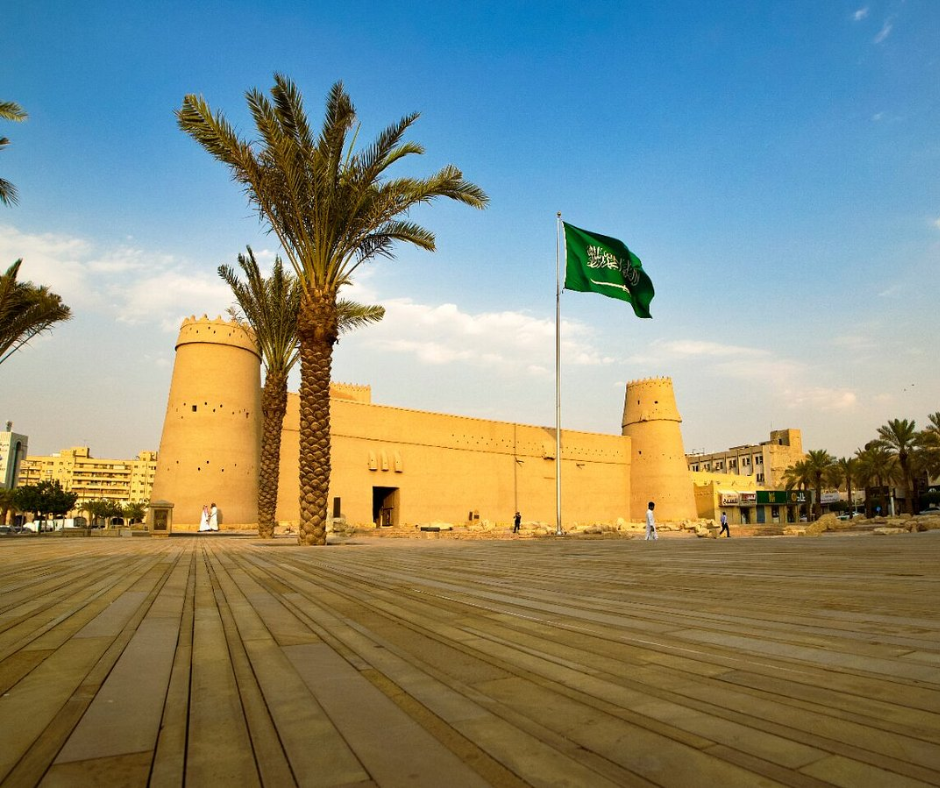
Another essential stop for historical imagery is the Al Masmak Fortress which was built in 1865 and remains a symbol of the city's resilience. The thick walls and watchtowers create a rugged backdrop that looks particularly impressive during the golden hour. You can use the shadows cast by the towers to create leading lines that draw the viewer's eye toward the main entrance.
While you are there, you should also explore the interior courtyard where the light filters through the traditional roofing. This creates a dappled light effect that is perfect for capturing the mood of old Riyadh.
Vibrant Commerce at Souq Al Zal
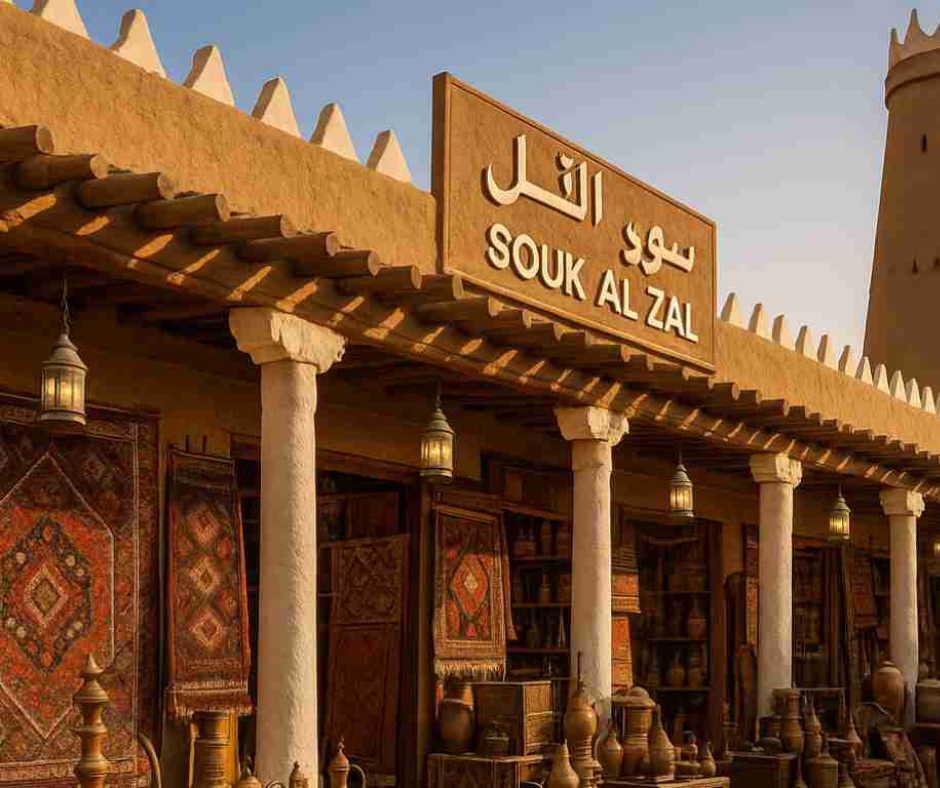
To add a human element to your photography, you must visit Souq Al Zal where traditional trade has been happening for decades. The market is a sensory experience filled with the smell of oud and the sight of colorful woven carpets stacked high. You can capture the motion of the market by using a slightly slower shutter speed to show the blurred movement of shoppers against the static, colorful shop displays.
Interacting with the vendors is the best way to get meaningful portraits, but you should always ask for permission first by using a simple greeting. Capturing the details of the merchandise such as the intricate patterns on daggers or the texture of raw incense adds variety to your collection. This location is best visited on a Friday afternoon when the auction takes place and the energy of the market reaches its peak.
Natural Wonders and Desert Landscapes
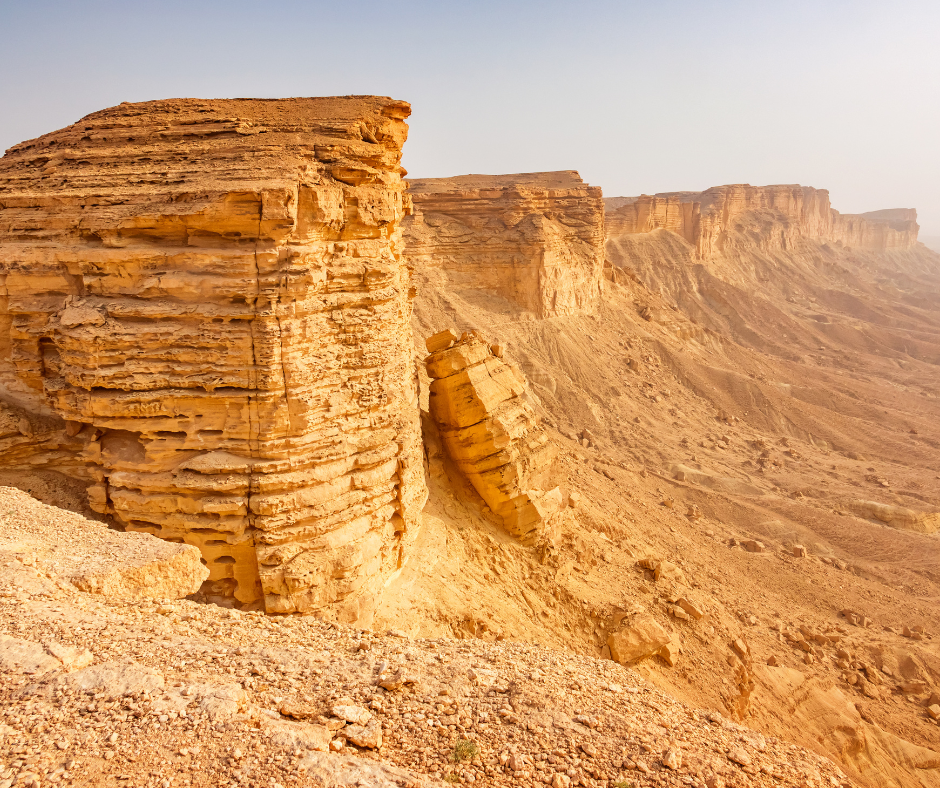
The Edge of the World, or Jebel Fihrayn, is the most dramatic natural location near Riyadh and requires a bit of planning to reach. Standing on the cliffs of the Tuwaik Mountain range offers a view of an endless horizon that is perfect for scale photography. You can place a person in the frame to show just how small humans are compared to the massive geological formations.
For the best results, you should use a wide-angle lens to capture the full curve of the escarpment and the vast valley below. If you stay for sunset, you will see the rocks turn a deep red and orange which provides some of the most spectacular lighting in the region. It is important to bring a tripod if you plan to stay past sunset because the light levels drop quickly and you will need longer exposures to maintain image quality.
Best way to experience the Edge of the World: Full-Day One in a Lifetime Adventure!
Geologic Textures and Silhouettes
The desert is not just about wide views but also about the small details found in the rock and sand. You can find interesting patterns in the sedimentary layers of the cliffs that make for excellent abstract photos. If the wind is blowing, you can also capture the movement of dust or sand across the plateau to add a sense of environment to your shots.
Safety is paramount at this location so you should always stay a respectful distance from the edge especially when looking through a camera viewfinder. You should also check your equipment for dust and sand after your shoot because the desert environment can be harsh on sensitive electronics. Bringing a protective bag and a cleaning kit will ensure that your gear remains functional for the rest of your trip.
Planning Your Desert Excursion
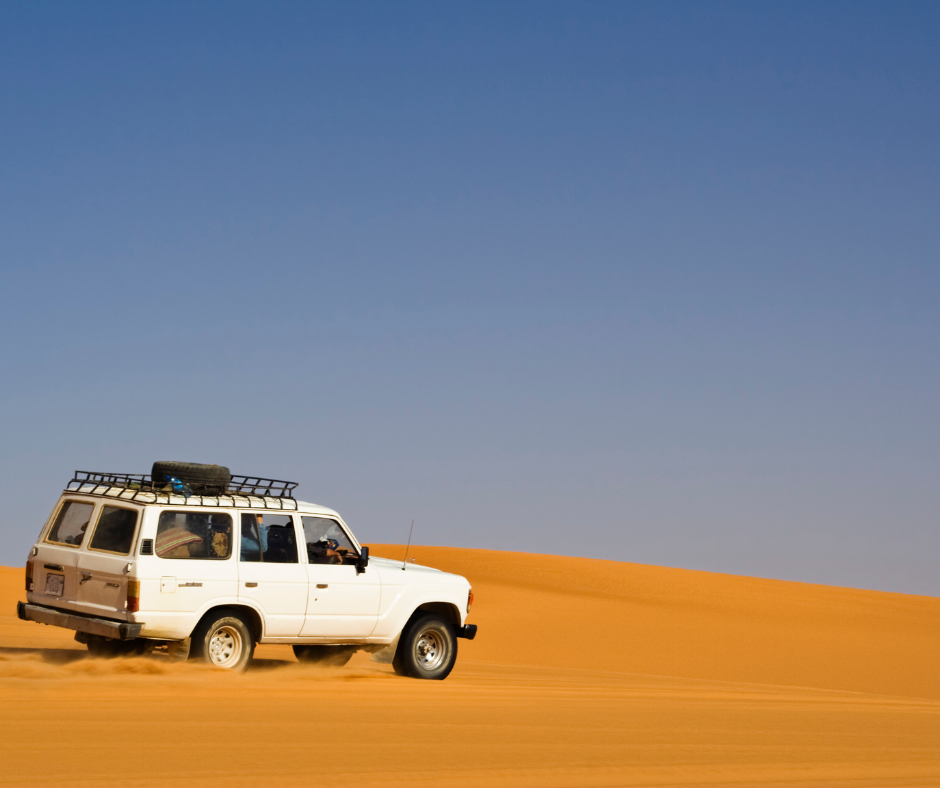
Reaching the Edge of the World requires a 4x4 vehicle and a good understanding of the local terrain because the tracks can be difficult to follow. We suggest leaving Riyadh early in the afternoon to allow enough time for the drive and to scout your photo locations before the sun starts to set. It is also helpful to pack plenty of water and snacks since there are no facilities once you leave the main highway.
If you are unfamiliar with desert driving, you might consider joining a guided group to ensure you reach the best viewpoints safely. This allows you to focus on your photography while someone else handles the logistics of the desert tracks. The experience of watching the sun disappear behind the Tuwaik cliffs is something that stays with you long after the photo is taken.
Riyadh Cafe Culture and Lifestyle
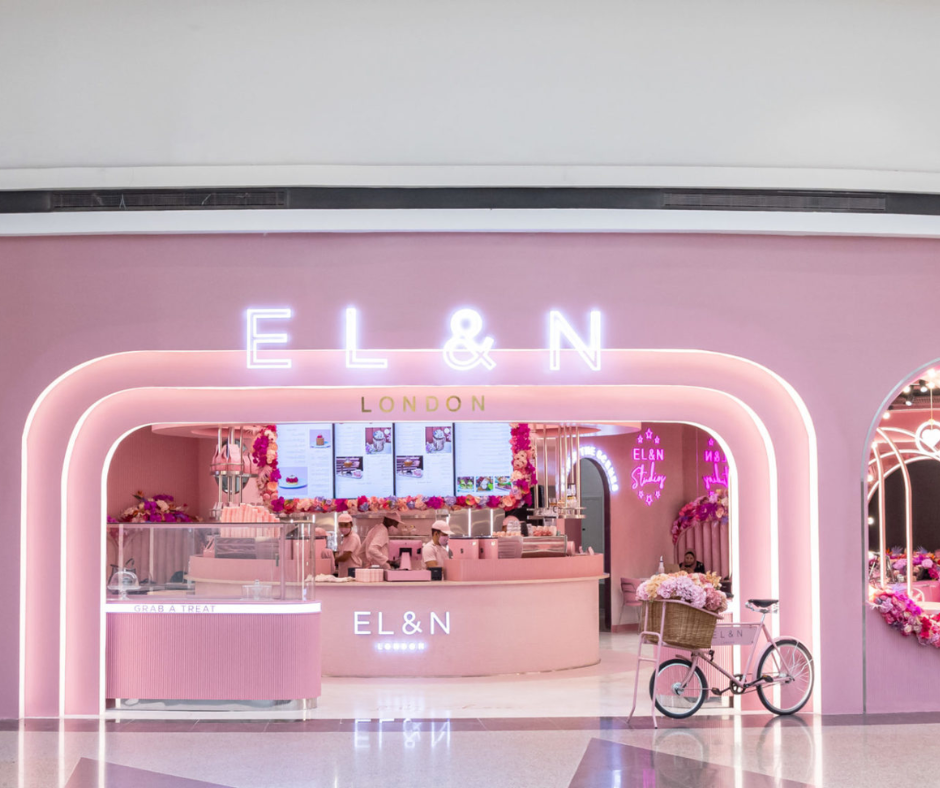
The cafe scene in Riyadh has evolved into a major part of the city's visual identity with many spots designed specifically for social media. Places like EL&N Riyadh and Bateel provide floral installations and artistic food presentations that are easy to photograph. You should look for seating near windows to take advantage of natural light which is always more flattering than overhead interior lighting.
When shooting in cafes, you should focus on the small details like the steam rising from a cup of Saudi coffee or the texture of a date-based dessert. Using a shallow depth of field will help your subject pop against the busy background of the shop. Weekday mornings are usually the quietest times to visit these locations if you want to take photos without many other people in the frame.
Floral Aesthetics and Interior Design
Many Riyadh cafes use vertical gardens and neon signs to create a specific mood that works well for lifestyle photography. You can use these elements as frames or backgrounds for your portraits to give them a modern urban feel. It is also a good idea to coordinate your outfit with the color palette of the cafe you plan to visit for a more cohesive look in your final images.
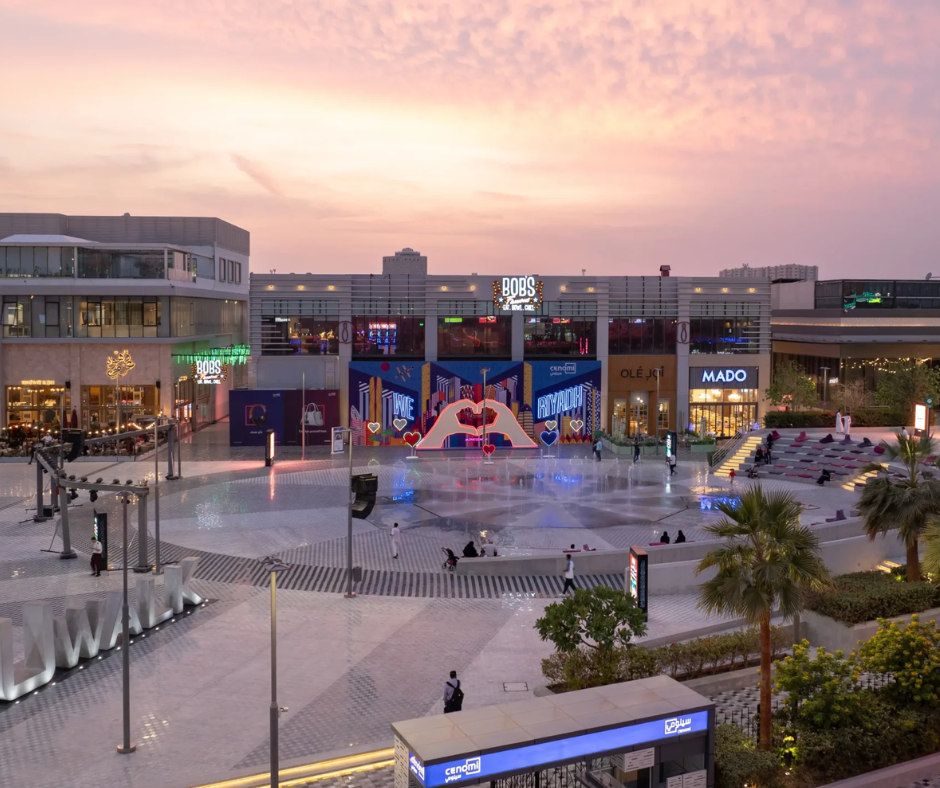
Some of the most popular spots are located in the U Walk or The Zone districts which are walkable areas filled with various dining options. These zones are great for a "photo walk" where you can hit multiple locations in a single afternoon. You should keep your camera settings flexible as you move between the bright outdoors and the more dimly lit interiors of the cafes.
The Art of the Flat Lay
Food photography in Riyadh is an art form and the local cuisine offers plenty of visual interest. You can create a beautiful flat lay photo by arranging your coffee, sweets, and perhaps a local guidebook on a marble table. Make sure to stand directly over the table and keep your phone or camera level to avoid distorting the shapes of the plates and cups.
Adding a human element like a hand reaching for a piece of chocolate can make the photo feel more authentic and less staged. You should also experiment with different angles such as a 45-degree side shot to show the height and layers of a cake or a stack of pancakes. These small adjustments can turn a simple food photo into a professional-looking shot for your feed.
Practical Logistics for the Riyadh Traveler
Navigating a city as large as Riyadh requires some basic understanding of local customs and transportation. Most people use ride-sharing apps to get around because the city is not very walkable outside of specific districts like KAFD or At-Turaif. You should factor in extra time for traffic especially during the late afternoon when most residents are heading out for the evening.
When it comes to dress code, visitors are expected to dress modestly in public spaces. For women, this generally means loose-fitting clothing that covers the shoulders and knees, though an abaya is no longer legally required for tourists. Men should avoid wearing shorts or sleeveless shirts in more traditional areas or government buildings. Dressing appropriately not only shows respect for the local culture but also ensures you feel comfortable in every environment you visit.
Read also: What to Wear in Riyadh: A Traveler’s Guide to Dressing Right
Photography Etiquette and Permission
While Saudi Arabia is very welcoming to tourists, you should always be mindful of privacy when taking photos in public. It is considered polite to ask for permission before including locals in your shots especially women and families. Most people will be happy to oblige if you ask with a smile and a simple explanation of why you find the scene beautiful.
Furthermore, you should avoid taking photos of government buildings, military installations, or palaces as this can lead to issues with local security. Stick to the well-known tourist sites and public areas where photography is clearly welcomed. If you are ever unsure, it is better to ask a nearby staff member or security guard before you start shooting.
Staying Connected and Powered Up
To keep your social media updated and your navigation working, you should pick up a local SIM card at the airport upon arrival. High-speed data is widely available and will make your trip much smoother. You should also carry a portable power bank because using GPS and taking hundreds of photos will drain your battery faster than usual.
Finally, we recommend downloading an Arabic translation app to help with basic communication in the markets. While many people in the service industry speak English, a few words of Arabic can go a long way in building rapport with locals. This extra effort often leads to better photo opportunities and a deeper understanding of the city's vibrant culture.
Read also:
Saudi Arabia Budget Travel Guide: Explore the Kingdom for Less
Riyadh with Family: Best Things to Do & Top Tips for Your Trip