


You are staring at your laptop screen surrounded by open browser tabs, suddenly overwhelmed by the confusing maze of cross continental flights from europe to Algeria, lengthy Mediterranean ferry routes, and complex port logistics that stand between you and Algeria.
That is why our team at WildyNess created this guide to help you prepare your beginning of the travel journey from europe to Algeria.
Planning Your Route to the Right Arrival Hub
Why Your Entry Point Matters
When you look at a map of Algeria, the sheer size of the country immediately dictates that your entry point must align closely with your planned itinerary.
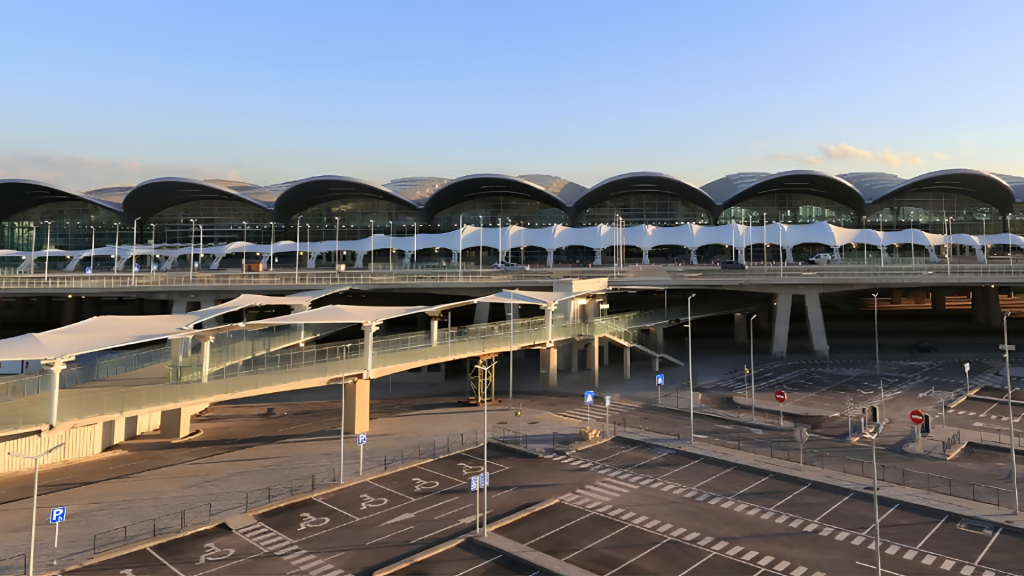
Landing at Houari Boumediene Airport in Algiers provides the best overall connectivity if your goal is a classic north to south journey toward the deep Sahara.
However, if your trip focuses heavily on the Mediterranean coastal forts or the western cultural centers, arriving at Ahmed Ben Bella Airport in Oran saves you an entire day of backtracking.
Travelers aiming for the eastern Roman ruins or the dramatic bridges of the interior should look for flights landing directly at Mohamed Boudiaf International Airport in Constantine.
Selecting the correct gateway prevents you from wasting valuable time on internal domestic travel before your adventure even begins.
Selecting Between Flights and Ferries
Deciding whether to take to the skies or cross the Mediterranean Sea depends entirely on your budget, your timeframe, and the type of luggage you plan to carry.
Flying is undeniably the most time efficient method, allowing you to depart a major European capital in the morning and sip mint tea in an Algiers cafe by early afternoon.
On the other hand, taking a ferry offers a distinct advantage if you are bringing your own vehicle, traveling with heavy outdoor equipment, or simply prefer the romance of slow travel.
The ferry journey requires a significantly larger time investment, often spanning twenty to twenty four hours, but it provides an entirely different cultural experience as you mingle with local families returning home.
You must weigh the speed of air travel against the logistical freedom of arriving by sea with your own personal transport.
Mapping Out Border Formalities in Advance
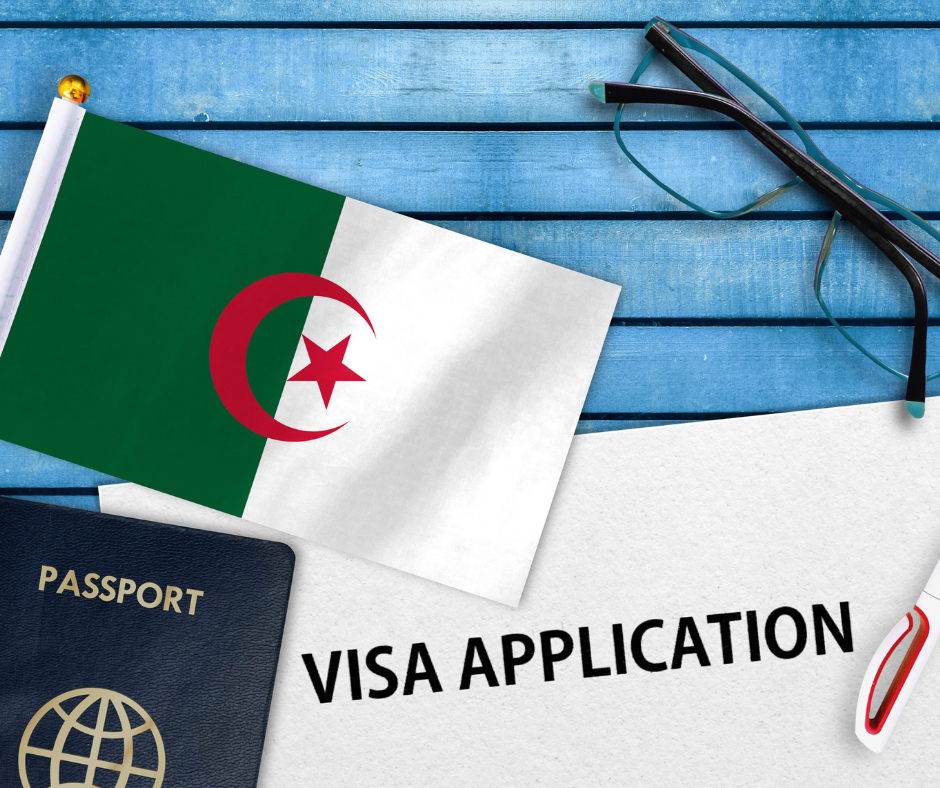
Regardless of whether you arrive by air or by sea, you must prepare for the administrative realities of crossing into North Africa. Algeria maintains strict visa requirements for the vast majority of European citizens, meaning you cannot simply arrive at the border and expect to be granted entry.
You must secure your official visa through the Algerian consulate in your home country well before booking your nonrefundable travel tickets.
Furthermore, you should organize all your supporting documents, including your hotel reservations, official tour invitations, and proof of onward travel, into a dedicated physical folder in your carry on bag.
Having this paperwork neatly arranged and immediately accessible prevents stressful delays when you finally face the immigration officers at your chosen port of entry.
Direct Flight Connections Between Europe and Algeria
Main Carrier Options and Popular Departure Cities
The airspace between Europe and Algeria is heavily serviced by a robust mix of national flag carriers and regional airlines. Air Algerie operates the most extensive network, offering daily direct flights from massive European transit hubs like Paris Charles de Gaulle, London Heathrow, Frankfurt, and Geneva.
Air France also maintains a heavy presence on the Algiers and Oran routes, providing excellent connection options for travelers flying in from North America or northern Europe through Paris.
If you are departing from the United Kingdom, British Airways and Air Algerie occasionally share routes, though the schedules tend to fluctuate based on the summer and winter travel seasons.
Securing a seat on a legacy carrier usually guarantees a generous baggage allowance and a complimentary meal service during the two to three hour flight across the Mediterranean.
Budget Airlines and Cost Saving Strategies
Travelers looking to maximize their adventure fund can take advantage of the numerous low cost carriers that have recently expanded into the North African market.
Transavia, Vueling, and ASL Airlines operate incredibly frequent and highly affordable routes connecting French and Spanish cities directly to Algerian airports.
You can often find excellent deals departing from secondary European hubs like Lyon, Marseille, Barcelona, and Alicante. To secure the absolute lowest fares, you should book your tickets at least two months in advance and utilize flight comparison platforms to identify the cheapest departure days during the midweek slump.
Remaining flexible with your travel dates allows you to bypass the massive price spikes that occur during major religious holidays and the peak summer vacation months.
Navigating Baggage Rules on European Carriers
The true cost of a budget airline ticket frequently reveals itself only when you reach the checkout page and begin adding your luggage.
Carriers like Transavia and Vueling strictly enforce cabin baggage dimensions and will heavily penalize you at the boarding gate if your backpack exceeds the stated limits.
If you plan to bring heavy hiking boots, desert camping gear, or multiple changes of clothing, purchasing a checked bag during your initial online booking is drastically cheaper than paying the exorbitant fee at the airport counter.
Legacy carriers like Air Algerie typically include one checked suitcase in their standard economy fares, which often makes their slightly higher ticket prices the more economical choice for heavily packed travelers.
Always read the fine print regarding weight restrictions and weigh your bags on a digital scale at home before heading to the departure terminal.

Traveling by Ferry Across the Mediterranean
Major Shipping Routes and Port Departures
For travelers who prefer the ocean breeze, several established maritime routes connect southern Europe directly to the Algerian coastline.
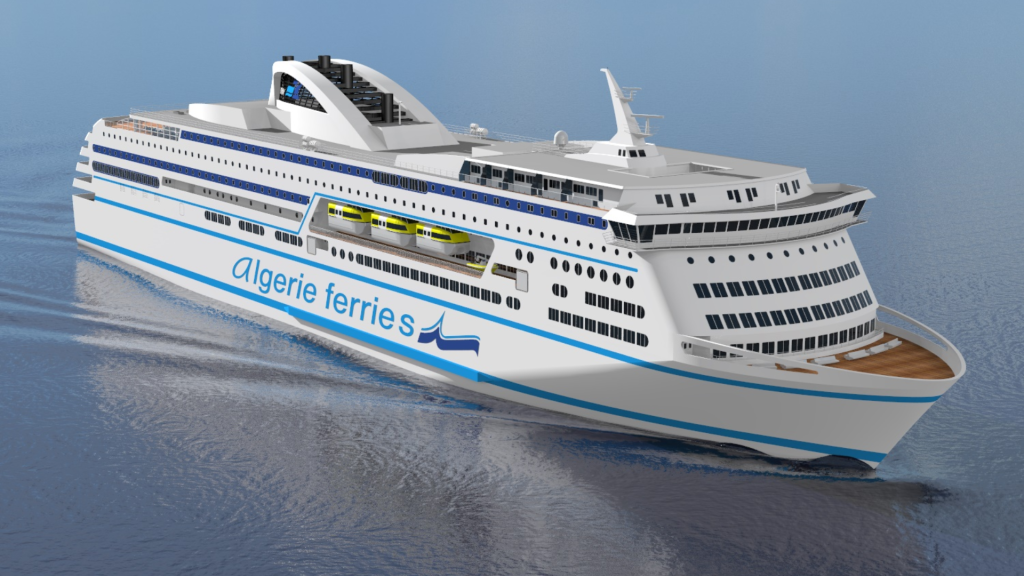
The most popular crossings originate in France, with Corsica Linea and Algerie Ferries operating massive passenger vessels from the port of Marseille directly into Algiers, Oran, and Bejaia.
If you are departing from Spain, companies like Balearia and Naviera Armas run highly efficient routes connecting Alicante, Almeria, and Valencia to the Algerian port cities of Oran, Ghazaouet, and Mostaganem.
The Spanish routes are generally shorter, often taking twelve to fifteen hours, while the journeys departing from southern France require a full overnight sailing of twenty to twenty four hours depending on the sea conditions.
Booking Cabins and Ensuring Onboard Comfort
Enduring a twenty hour ferry crossing requires careful planning to ensure you arrive in North Africa feeling rested rather than exhausted.
When booking your ticket, you will generally face the choice between a basic reserved reclining seat and a private sleeping cabin.
Reserving a private cabin is absolutely essential for overnight journeys, as it provides a locking door, a flat bed, and a private shower to refresh yourself before disembarking in the morning.
The public seating areas often become crowded and noisy, making it incredibly difficult to get any meaningful sleep during the voyage.
You should also pack a dedicated overnight bag containing your toiletries, motion sickness medication, and personal snacks, as the onboard cafeterias frequently feature high prices and limited menus during the long Mediterranean crossing.
Boarding with a Vehicle and Managing Port Logistics
One of the primary reasons European travelers choose the ferry is the ability to transport their own car, motorcycle, or camper van directly into Algeria.
If you plan to drive onto the ship, you must arrive at the departure port a minimum of four hours before the scheduled sailing time to navigate the complex vehicle queuing and initial customs checks.
Once you drive your vehicle onto the lower cargo decks, the crew will ask you to secure your parking brake and immediately vacate the area.
The car decks remain firmly locked for the entire duration of the voyage, meaning you cannot return to your vehicle to grab forgotten items once the ship sets sail. You must ensure you carry all your vital travel documents, medications, and electronics with you up to the passenger decks.

Arrival Logistics at Algerian Terminals
Passport Control and Landing Formalities
The moment you step off your plane or disembark from your ferry, you will be directed toward the Algerian border control checkpoints.
You must present your original passport, your approved Algerian visa, and a fully completed landing card that the airline or ferry crew typically distributes during the journey.
The immigration officers will verify your accommodation details and may ask a few basic questions regarding your planned itinerary and the duration of your stay.
The queues at passport control can sometimes move slowly, especially when multiple international flights land simultaneously or a massive ferry offloads hundreds of passengers at once.
Maintaining a polite demeanor and having all your paperwork neatly organized in your hand will help expedite your processing time at the counter.
Currency Declaration and Getting Initial Cash
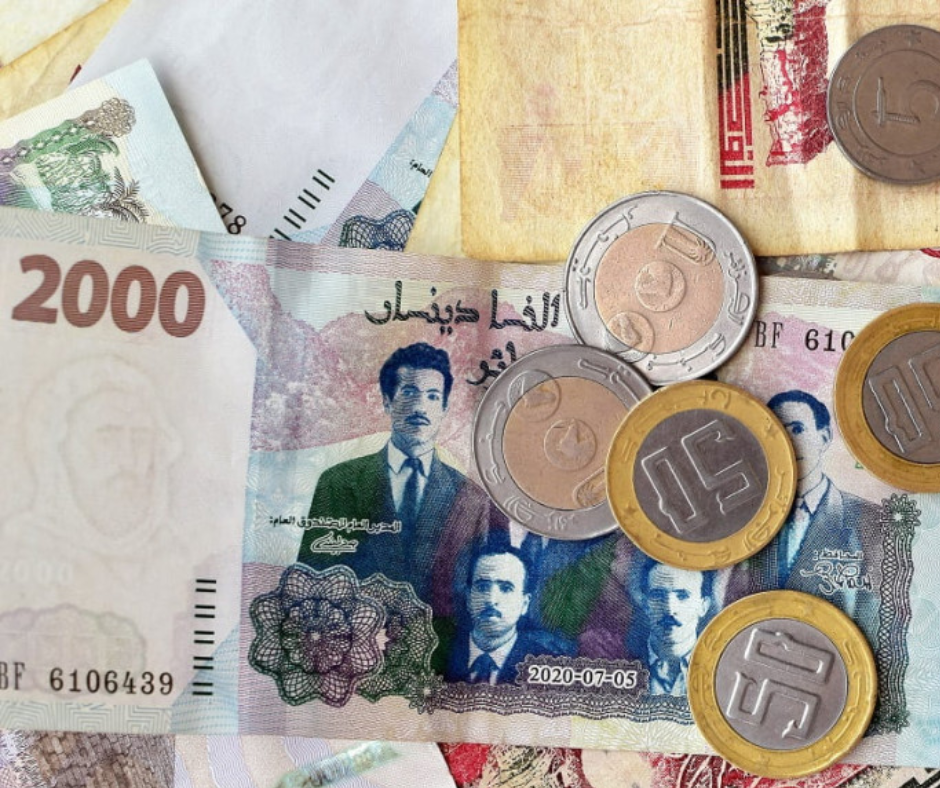
Algeria operates with a closed currency system, meaning you cannot legally obtain Algerian Dinars before you arrive in the country.
Upon passing through immigration, you must complete an official currency declaration form if you are bringing in foreign cash that exceeds the legal threshold, which generally hovers around one thousand Euros.
After clearing customs, you should locate the official bank exchange counters situated in the arrivals hall to convert a small portion of your Euros, US Dollars, or British Pounds into local currency.
You will need this initial stack of Dinars to pay for your airport transfer, purchase a local SIM card from the telecommunications kiosks, and handle any small tips for luggage porters.
Ensure the bank teller provides you with smaller denominations, as taxi drivers rarely carry enough change to break large bills.
Arranging Airport or Port Transfers
into the City Securing reliable transportation from the terminal into the city center is your final step before your adventure officially begins.
At Houari Boumediene Airport in Algiers, official yellow taxis queue continuously outside the arrivals hall, and you should firmly agree on the total fare before loading your bags into the trunk.
Fares to downtown Algiers typically range between one thousand and one thousand five hundred Dinars during daylight hours.


