
Living in Dubai often feels like a cycle of skyscrapers and air-conditioned malls, but a real escape into nature is much closer than the city skyline suggests.
That is why our team at WildyNess created this guide to help you swap the pavement for the rocky trails of the Mountains without the guesswork.
Nearest Adventure from Dubai: Wadi Shawka (1H Drive)
Wadi Shawka is one of our top recommendations if you want a diverse outdoor day without committing to a punishing mountain expedition. Located about an hour from Dubai, this area is ideal for those who want to mix a steady walk with scenic water features. The terrain here is forgiving, making it a favorite for families or those testing their fitness for the first time on UAE soil.
The trail network around the Shawka Dam offers flexibility. You can choose a simple 3 to 5 km loop that follows the flat wadi bed, or push further into the hills for a 10 km route with moderate elevation.
Most travelers come for the seasonal pools. These pockets of water tucked between the rocks are best visited after the winter rains. We suggest starting your hike at dawn to catch the light hitting the water and to enjoy the trails before the afternoon sun picks up.
Safety in the wadi is straightforward but essential. Always wear shoes with a reliable grip because the rocks near the water can be slick and sharp. While the main paths are well-traveled, we recommend downloading an offline map since mobile signals often drop once you move deeper into the valley.
If you are hiking with children, the "Shawka Park" area near the entrance offers a great base for a post-hike picnic.
Read also: Wadi Shawka: A Scenic Hiking Oasis in the UAE's Mountains


Exploring the Trails of Hatta Wadi Hub (1.5H Drive)
Hatta is the primary adventure basecamp for anyone living in Dubai. It is an exclave of the city, located about 90 minutes away, and offers a more developed trail system than most other mountain spots. The trails are color-coded by difficulty, similar to ski runs, which makes it easy to choose a route that fits your energy level.
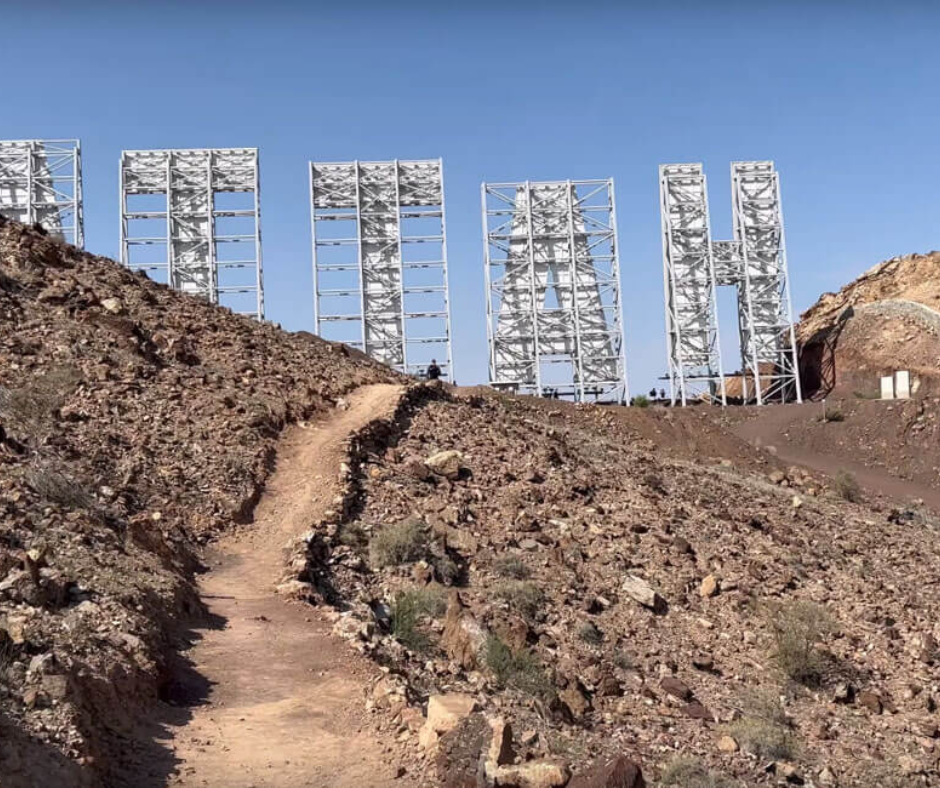
The Green trails are the most accessible, taking you on wide paths toward the famous Hatta signage overlooking the dam.
For a more serious workout, the Blue and Black trails offer steeper climbs and technical sections with loose gravel and rocks. These higher routes provide a full view of the Hajar Mountains and the turquoise waters of the Hatta Dam below.
Beyond the hiking, Hatta is a multi-activity hub. You can spend the morning on the trails and the afternoon kayaking on the dam or mountain biking on the 50 km of dedicated tracks.
If you do not want to drive, the Hatta Bus runs daily from Dubai for 25 dirhams, providing an affordable way to reach the mountains.
We recommend booking your activities in advance, especially on weekends, as the Hub can get busy with local travelers.
We also recommend reading Hidden Gems in UAE: The Ultimate Guide for Travelers in 2026 for more hidden gems.
Reaching the Roof of the UAE at Jebel Jais From Dubai (2H Drive)
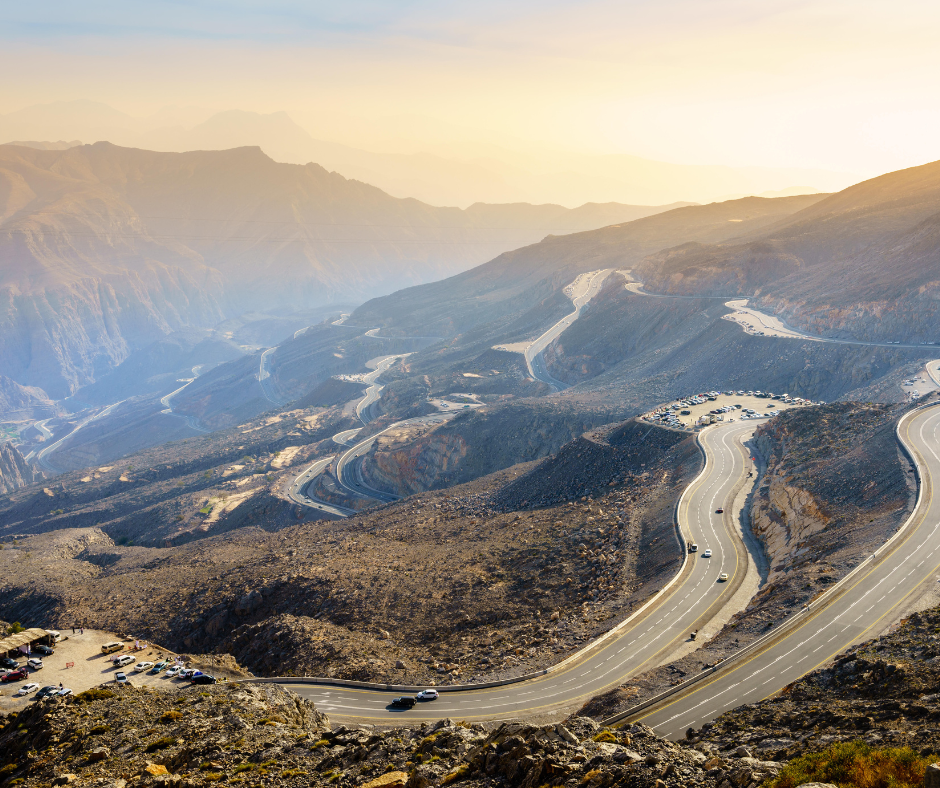
If you want a mountain day that feels like you have left the desert entirely, Jebel Jais in Ras Al Khaimah is the destination. As the highest peak in the UAE, it offers a cooler climate and a more rugged trekking experience. The air is thinner, the views are wider, and the terrain is significantly more challenging than the coastal walks.
For a manageable but rewarding experience, we suggest the Samar Trail. This 5 or 6 km loop is located in the lower section of the mountain and offers a steady climb with clear views of the traditional stone settlements. If you are an experienced hiker, the Ghaf Summit Trail takes you higher toward the observation deck, involving steep ascents and exposed ridgelines.
Preparation is key for Jebel Jais. Temperatures at the summit can be 10 degrees lower than in Dubai, so a light windbreaker or fleece is necessary even in the winter. We advise carrying at least 3 liters of water per person for any hike longer than two hours.
If you want a structured experience, the Bear Grylls Explorers Camp at the base offers guided treks that focus on survival skills and mountain safety.
Read also: Things to Do in Ras Al Khaimah: The Ultimate Guide
Fossil Rock and the Geology of Sharjah near Dubai (1H Drive)
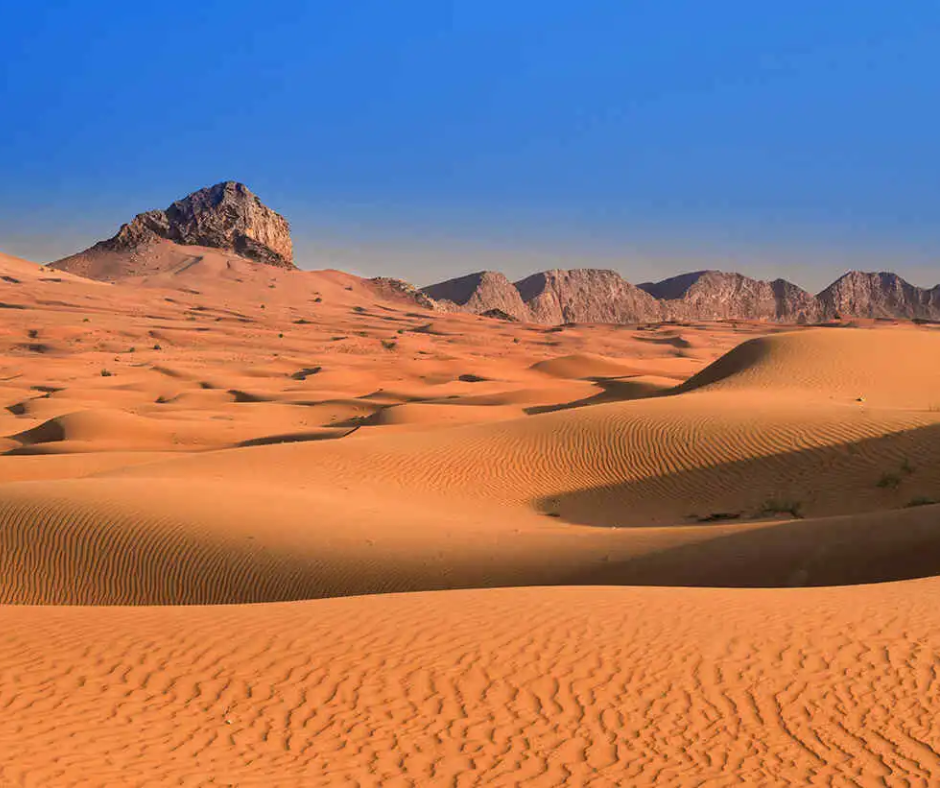
Fossil Rock, located in the Mleiha area of Sharjah, offers a different kind of hiking experience. This is not a lush valley or a high mountain peak, but a limestone outcrop that sits dramatically among the red sand dunes. It is a site of significant geological history where you can find ancient marine fossils embedded in the rock, proving this desert was once a seabed millions of years ago.
The hike is a 4 to 6 km loop that involves a mix of soft sand and sharp rock. Climbing the dunes is a physical test for your calves, but the view from the top is worth the effort. You get a 360-degree look at the desert plains and the neighboring Camel Rock. Because there is absolutely no shade on this trail, this is strictly a sunrise or late afternoon mission.
If you are self-driving, you do not need a 4x4 to reach the base of Fossil Rock, but you should park carefully near the village of Mleiha to avoid getting stuck in the soft sand. We encourage you to look at the fossils but never remove them. Keeping these ancient relics in place ensures that the site remains an educational resource for everyone.
Also Read: Things to Do in Sharjah: The 2026 Guide to the UAE’s Cultural Heart
Rainbow Valley: The Spectrum of Fujairah (1.5H Drive)
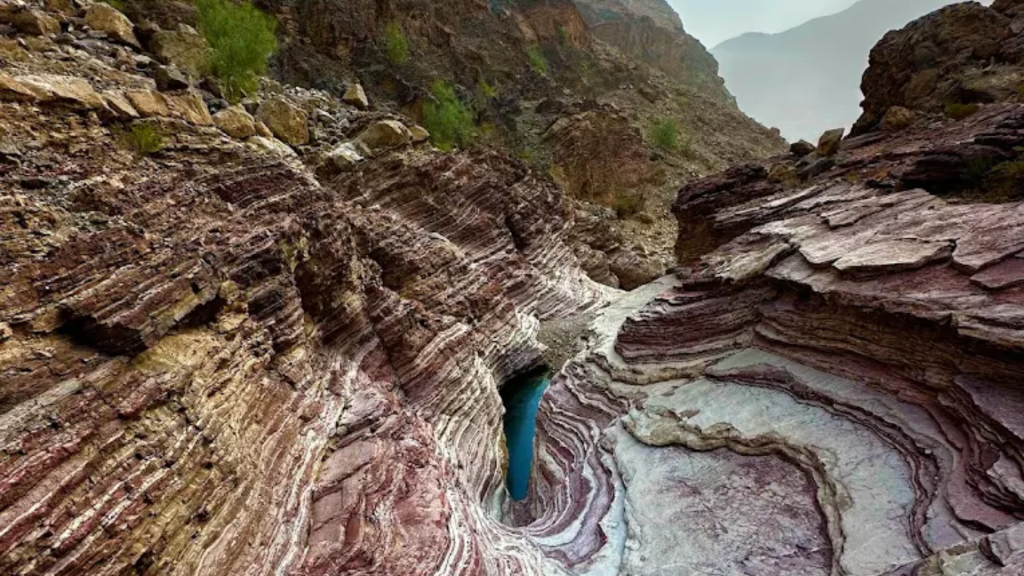
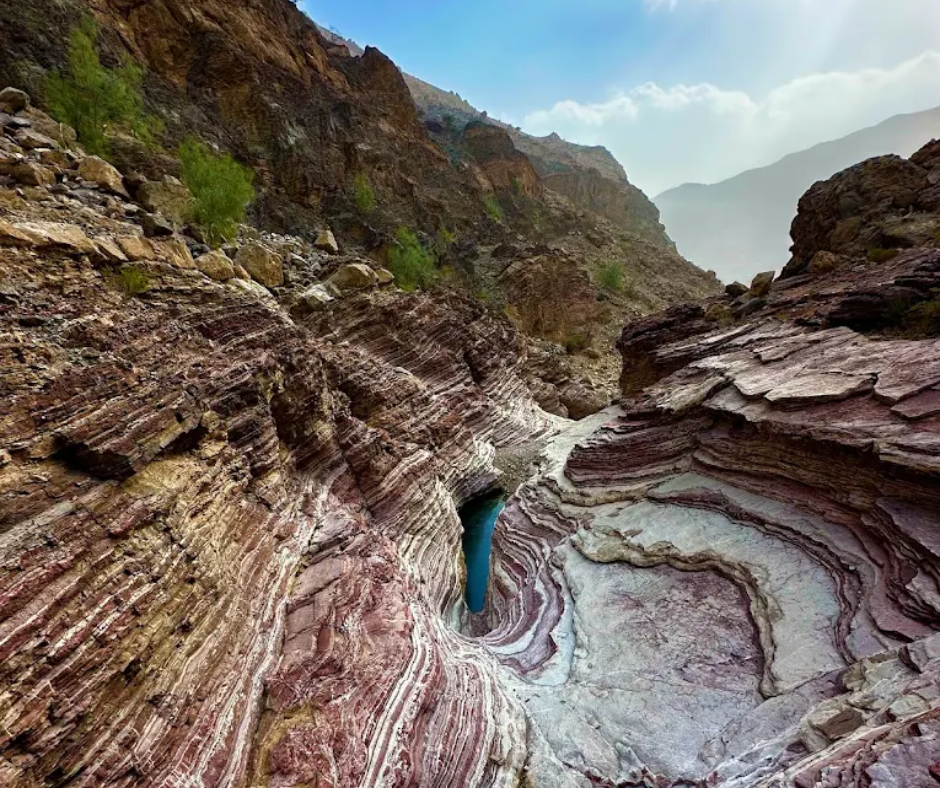
Rainbow Valley, also known as Wadi Ghub, is located in Fujairah and is famous for its distinct, multi-colored rock layers. The minerals in the rock create bands of purple, green, and red that are unlike anything else in the country. It is a roughly 90-minute drive from Dubai and offers a variety of routes for different skill levels.
The short 5 to 7 km route is perfect if you want to see the colorful rocks without a full day of trekking. The path is relatively flat and follows the wadi bed. However, the full 14 km loop is a serious undertaking for advanced hikers. It involves an elevation gain of 1,000 meters and takes you over boulders and steep donkey trails near the border.
When visiting Rainbow Valley, we recommend packing a pair of durable hiking boots with ankle support. The terrain in the upper valley is full of loose scree and large boulders that require careful foot placement. For more detail on these specific routes, you can look at our comprehensive guide on Rainbow Valley in Fujairah.
Read all about it in: Rainbow Valley Fujairah: A Complete Guide to Hiking in Wadi Ghub
Best Seasons for Hiking Near Dubai
Timing your hike is the most important safety decision you will make. The peak season for hiking in the UAE runs from November to February. During these months, the temperatures are mild, and the air is crisp, making long hours on the trail enjoyable. March and October are transitional months where you can still hike if you start at first light and finish by 10:00 AM.
We strongly advise against hiking between May and September. The heat in the mountains can be much more intense than in the city, and the risk of heatstroke is high. Even for experienced hikers, the combination of humidity and direct sun makes the terrain dangerous during the summer. If you need a nature fix in the warmer months, stick to the indoor activities or very short sunrise walks at Jebel Jais where the altitude offers a slight reprieve.
Essential Gear and Safety Rules
Safety on the trail is about more than just fitness; it is about preparation. Every hiker in the UAE should carry a minimum of 2 to 4 liters of water, regardless of how short the trail seems. Electrolyte powders are also a smart addition to help your body retain hydration in the dry air.
Footwear is your most important piece of equipment. The Hajar Mountains are made of sharp limestone and loose volcanic rock that can easily shred standard sneakers. A pair of dedicated hiking shoes or boots with a "Vibram" or similar high-grip sole will prevent slips and protect your feet from the heat of the ground. Always carry a headlamp, even if you plan to be back before dark, in case a detour takes longer than expected.
Navigation is another critical point. Many trails near Dubai are not signposted like those in Europe or North America. We use apps like Wikiloc or AllTrails to download GPS tracks for offline use. It is also a rule of our team to always tell someone where we are going and when we expect to return. In remote areas like Wadi Shawka or the back of Jebel Jais, you cannot rely on a phone signal to call for help.
Choosing the Right Transport
Getting to the trailheads requires a bit of planning. Most of the best spots are located about 90 to 120 minutes from the city center. Renting a car is the most flexible option for most hikers. While many trailheads like Hatta and Wadi Shawka are accessible by sedan, having a 4x4 gives you the freedom to explore deeper into the wadis where the roads are unpaved.
If you prefer a hands-off experience, several adventure companies in Dubai offer guided group hikes. These are excellent for solo travelers or those new to the region because they include transport, navigation, and often a community of fellow hikers. For those looking for a budget-friendly option, the bus to Hatta is a reliable choice that drops you right at the Wadi Hub.
Respecting the Environment
As the popularity of hiking near Dubai grows, so does our responsibility to protect these fragile landscapes. We follow a strict "Leave No Trace" policy on every trip. This means packing out every piece of trash, including fruit peels and nut shells, which do not decompose quickly in the arid desert environment.
We also ask you to respect the local culture. Many trails pass near small mountain villages or farms. Stay on the marked paths and avoid taking photos of private residences or local people without permission. By being a respectful guest in the mountains, you help ensure that these trails remain open and welcoming for the hiking community in the years to come.
Final Thoughts
Before you head out, make sure you have checked the weather forecast for any signs of rain, as wadis are prone to flash floods. Ensure your footwear is broken in and your water bottles are full. Whether you are seeking the fossils of Sharjah or the high peaks of Ras Al Khaimah, the mountains are ready for you.