The sheer scale of the Arabian desert can feel overwhelming when you are staring at a map trying to find a single trail.
That is why our team at WildyNess created this guide to help you navigate the rugged escarpments and hidden wadis of the Kingdom.
The Great Central Escarpments Near Riyadh
The heart of the country is defined by the Tuwaiq Plateau, a massive natural limestone wave that stretches for hundreds of kilometers. This region offers some of the most dramatic vertical drops in the Middle East and serves as the perfect introduction to desert trekking.
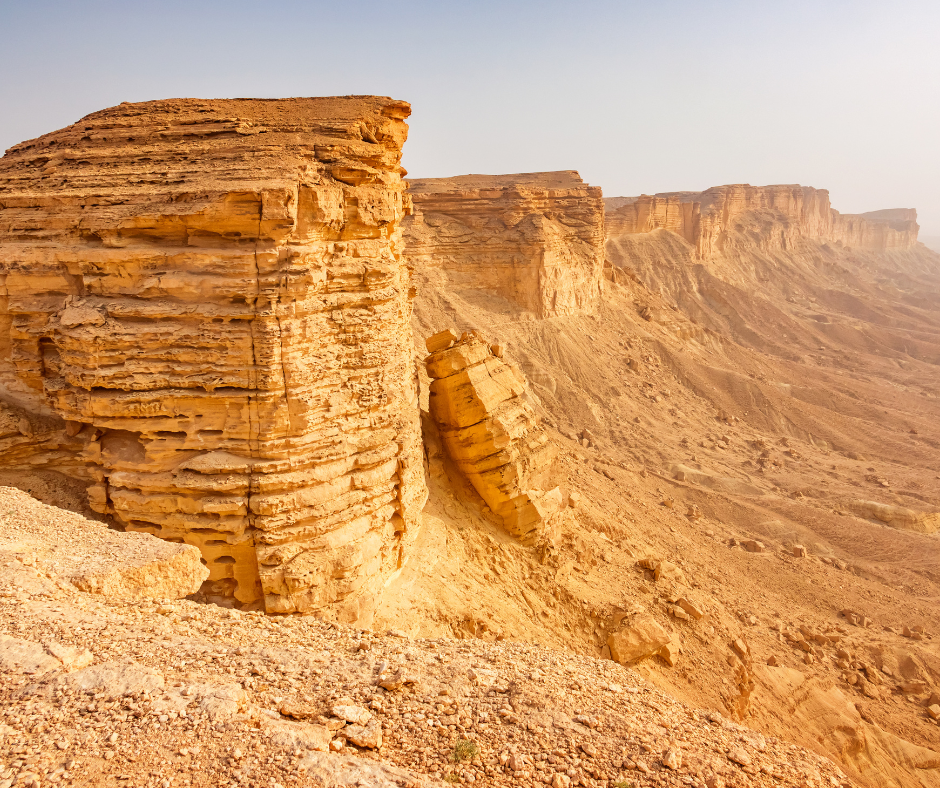
Hiking the Edge of the World at Jebel Fihrayn
Standing on the rim of Jebel Fihrayn offers a view that looks out over an ancient seabed where camel caravans once moved through the valley floor far below. The trail follows the cliff edge where the limestone has eroded into sharp, finger-like projections. You will find the terrain is rocky and uneven, requiring footwear with a stiff sole to protect your feet from the jagged stones.
To reach the trailhead, you must navigate a series of desert tracks starting from the town of Al Uyaynah. The drive requires a 4x4 vehicle because the sand can become soft and the gravel tracks are often corrugated. We recommend arriving at least two hours before sunset to allow time for the hike to the primary lookout point before the light begins to fade across the plateau.
Exploring the Hidden Trails of Wadi Hanifa
For those staying in the capital who want a shorter excursion, Wadi Hanifa provides a restored natural valley that winds through the city and out into the desert. This area has been transformed into a series of interconnected parks and trails that offer a mix of paved paths and raw desert tracks. It is an excellent spot for an introductory hike to test your gear before heading into more remote regions.
The southern reaches of the wadi offer more privacy and a closer look at traditional mud-brick architecture and palm groves. You can follow the water channels, known locally as falaj, which have sustained life in this arid region for generations. This hike is best enjoyed in the early morning when the local birdlife is most active and the city noise is at its lowest.
The Volcanic Landscapes of the North
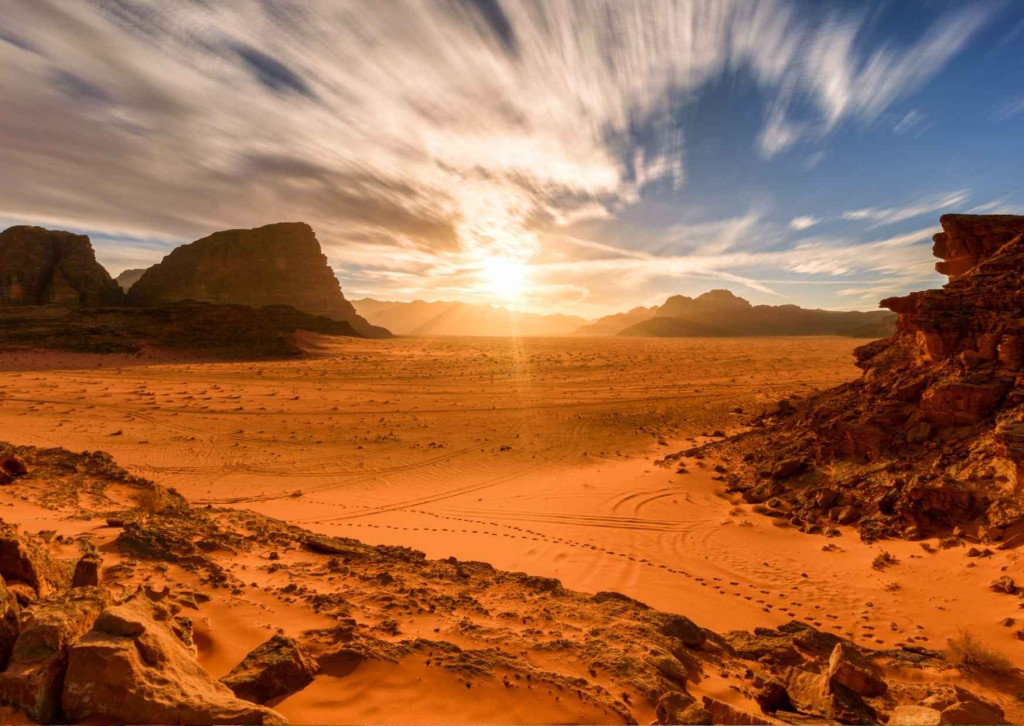
The northern provinces of Saudi Arabia reveal a different geological story marked by black basaltic rock and towering sandstone massifs. This area is home to some of the most unique terrain on the planet, including dormant volcanoes and ancient archaeological sites integrated into the rock.
Navigating the Craters of Harrat Khaybar
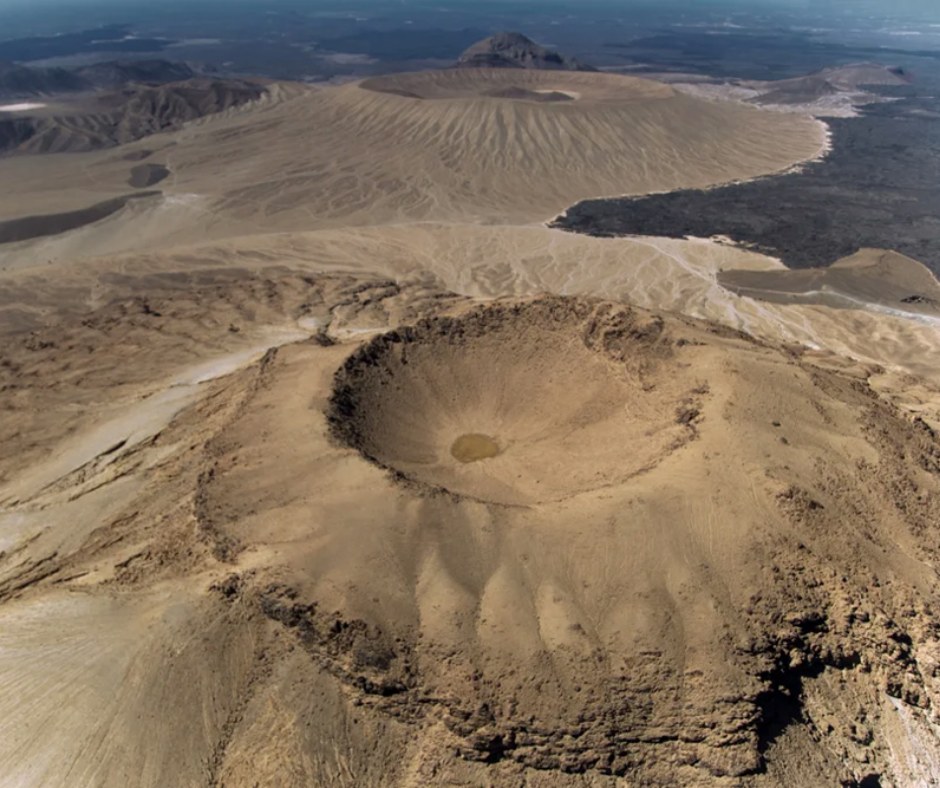
Harrat Khaybar is a massive volcanic field where the earth is covered in layers of black lava and white ash. Hiking here feels like walking on another planet because the contrast between the dark basalt and the pale volcanic cones is so sharp. You can hike to the rim of the White Volcano, which is a rare geological feature caused by the presence of silica-rich rocks.
The ground is extremely abrasive and can be unstable, so you must stay on established routes to avoid stepping into hidden lava tubes or cracks. It is essential to carry a GPS device or an offline map app because the repetitive nature of the volcanic mounds can make navigation difficult. This is a remote area where you will likely see no other hikers, making a local guide a valuable asset for safety and geological context.
Sandstone Canyons and Ancient History in AlUla
AlUla is the premier destination for those who want to combine physical activity with world-class heritage. The hiking trails here wind through narrow sandstone canyons that stay surprisingly cool even when the sun is high. You can explore the Elephant Rock area or take the guided Ridge Walk, which offers a panoramic view of the oasis and the surrounding desert peaks.
The trails often lead past rock inscriptions that date back thousands of years to the Dadanite and Lihyanite civilizations. You should always remain on the designated paths to protect these sensitive archaeological sites. If you are looking for a more organized adventure, you can check our One Week Saudi Arabia Itinerary to see how to fit these hikes into a broader exploration of the Kingdom.
Read also: Riyadh to Al Ula Day Trip: The Ultimate 14-Hour Guide
Explore: Edge of the World: Full-Day One in a Lifetime Adventure

The Lush Highlands of the Southwest
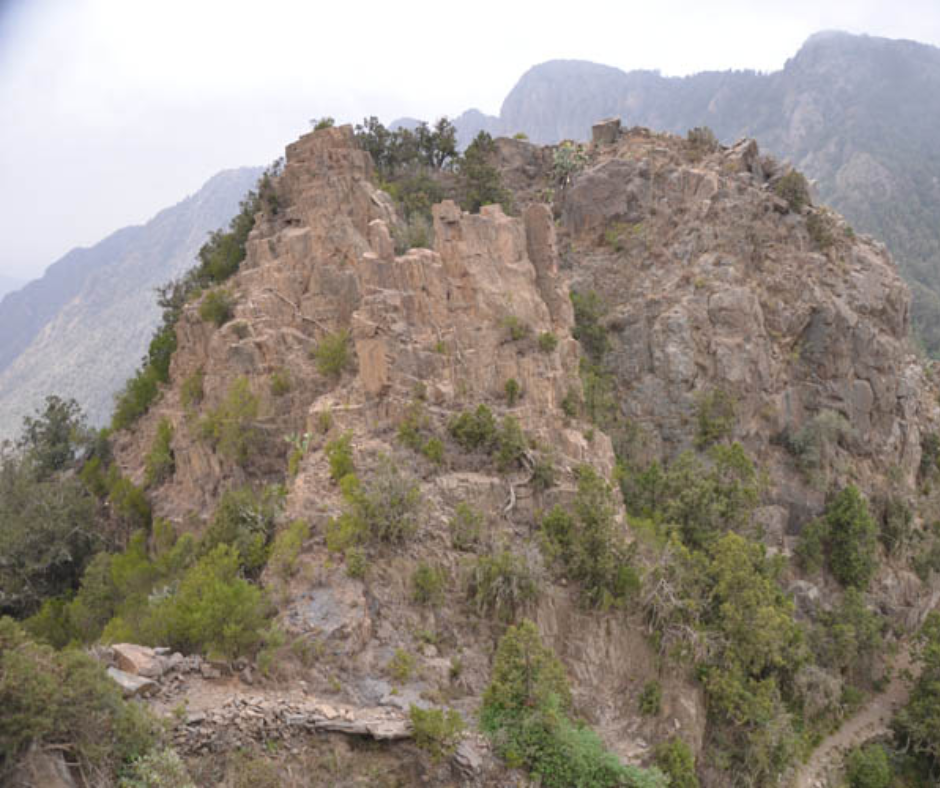
The Asir region in the southwest defies the stereotype of Saudi Arabia as a flat desert. Here, the mountains rise to over 3000 meters, and the landscape is characterized by green terraces, juniper forests, and frequent afternoon mists.
Summiting Jabal Sawda and the High Ridges
Jabal Sawda is the highest point in the country and offers a network of trails that move through dense juniper woodlands. The air at this altitude is significantly cooler and thinner, which means you should pace yourself to avoid altitude sickness. The trails are often shrouded in clouds, providing a misty atmosphere that feels more like the Scottish Highlands than the Arabian Peninsula.
You can follow the ridge lines to find viewpoints that overlook the Tihama coastal plain thousands of meters below. These paths are well-marked but can be steep and slippery after the frequent mountain rains. We recommend packing a waterproof shell and extra layers because the temperature can drop rapidly as the sun sets or as the fog rolls in.
The Cultural Trails of the Flower Villages
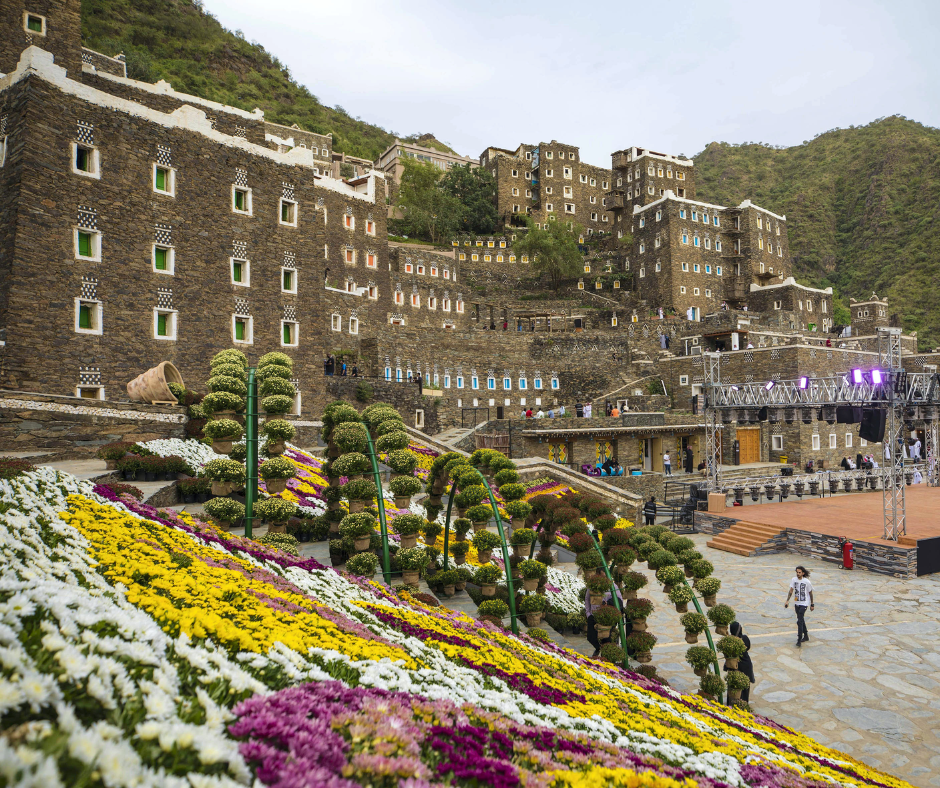
The villages of Asir are famous for their stone architecture and the traditional culture of the Flower Men. Hiking between these villages allows you to see the intricate masonry and the terraced farms where coffee and fruit are grown. The trails often follow old donkey paths that have been used for centuries to transport goods between the mountain peaks and the valley markets.
When walking through these communities, it is important to dress modestly and greet the locals with a friendly smile. Many families are happy to share stories about their heritage or offer a cup of traditional Arabic coffee. This experience provides a deep connection to the land that goes beyond simple physical exercise.
Coastal Treks and Desert Valleys of the West
The western side of the country offers a mix of Red Sea coastal walks and deep desert valleys that contain year-round water sources. This variety makes it a favorite for hikers who enjoy diverse ecosystems.
The Oasis Walk of Wadi Al Disah
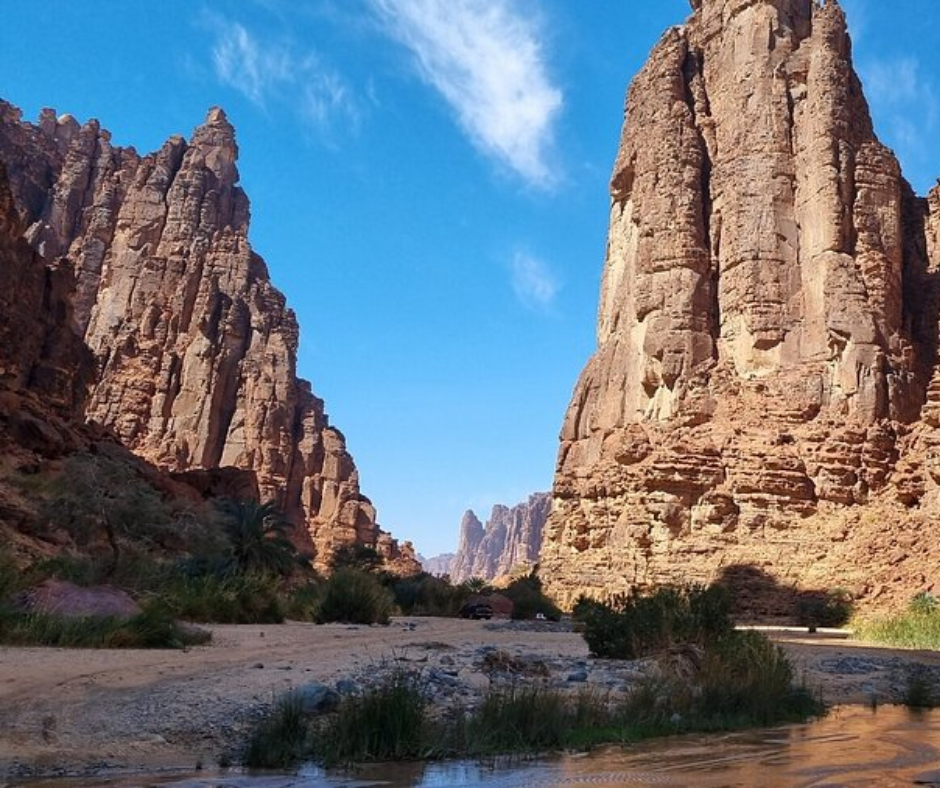
Wadi Al Disah is a massive canyon located in the Tabuk province that features towering sandstone pillars and a lush valley floor. A stream runs through the center of the canyon, supporting tall grasses and palm trees that create a green corridor in the desert. The hike is relatively flat but involves navigating soft sand and occasional water crossings.
You will find that the scale of the canyon walls is humbling, with some peaks rising hundreds of meters straight up from the valley floor. It is best to park your vehicle at the entrance and explore the inner reaches on foot to fully appreciate the silence and the natural beauty of the springs. This area is perfect for a full-day excursion where you can find shade under the palms for a midday rest.
The Red Sea Waterfront and Historic Al Balad
In Jeddah, the hiking experience is more urban but no less significant. The Corniche offers kilometers of continuous paths along the Red Sea where you can enjoy the salt air and the coastal breeze. This is a great way to maintain your fitness while transitioning between more remote mountain or desert treks.
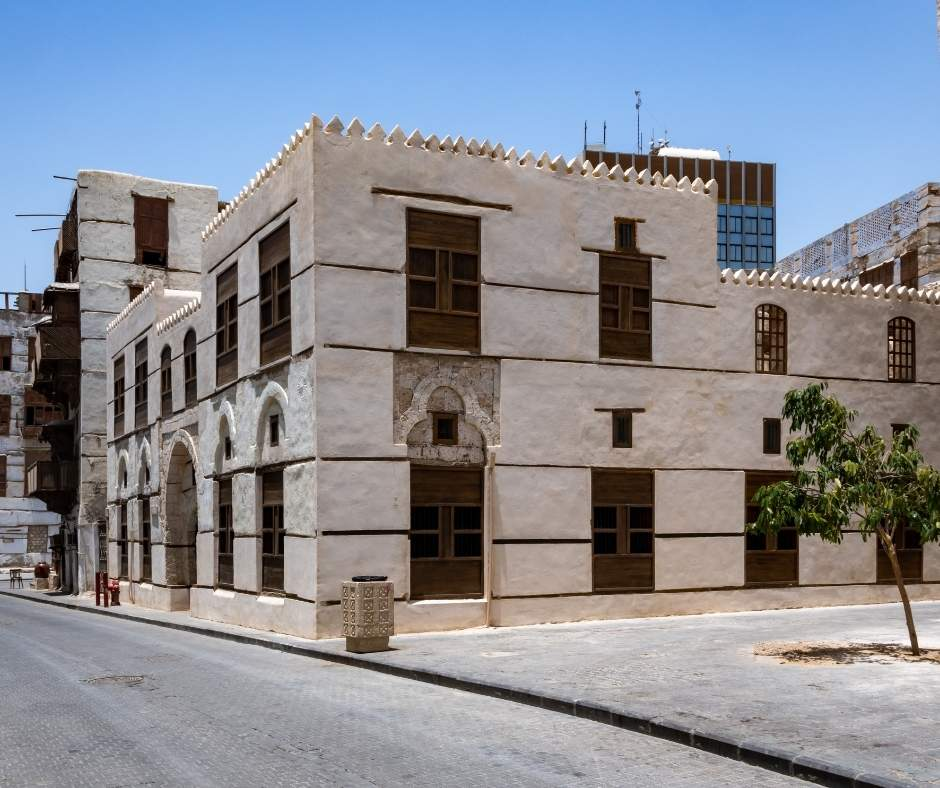
From the waterfront, you can walk into the historic district of Al Balad to explore the narrow alleys and coral-stone houses. This area requires a different kind of endurance as you navigate the maze of streets and markets. If you are planning to spend time in this vibrant city, our Jeddah Itinerary provides a structured way to see the best sites on foot.
Essential Logistics and Trail Safety
Hiking in Saudi Arabia requires a level of preparation that is different from trekking in Europe or North America. The environment is unforgiving, and the distances between points of interest can be vast.
Water Management and Heat Protection
The most critical factor for any Saudi hike is your water supply. We recommend carrying at least four liters per person for a full-day hike, even if the weather feels mild. Dehydration can happen quickly in the dry desert air, often before you feel thirsty. You should also use electrolyte powders to replace the salts lost through sweat.
Protection from the sun is equally important. Even in the winter, the UV index remains high. You should wear long-sleeved, breathable clothing and a wide-brimmed hat to keep your skin covered. Applying high-SPF sunscreen to your face and hands is a mandatory step before you even leave your vehicle.

Navigation and Emergency Communication
Many trails in the Kingdom are not signposted in the traditional sense. You must rely on digital tools and local knowledge to stay on course. We advise downloading satellite imagery and offline maps before you head out, as cell service is non-existent in many of the deeper canyons and volcanic fields.
Always inform someone of your planned route and your expected return time. If you are heading into very remote areas like Harrat Khaybar or the deep reaches of the Rub' al Khali, traveling in a two-vehicle convoy is the safest practice. This ensures that you have a backup in case of a mechanical failure or if a vehicle gets stuck in the sand.
Preparing Your Gear for the Arabian Terrain
The right equipment can make the difference between a successful summit and a painful retreat. The desert terrain is particularly hard on gear, so quality is key.
Choosing the Right Footwear
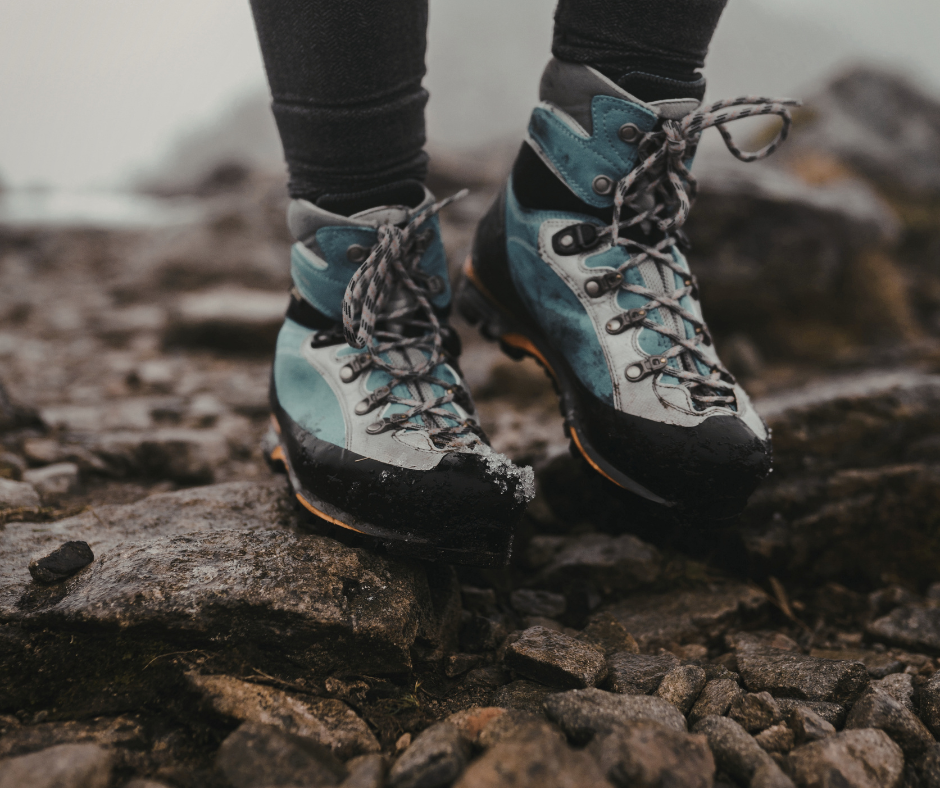
The ground in Saudi Arabia is predominantly sharp limestone, abrasive basalt, or soft sand. You need a hiking boot with a high-quality rubber sole, such as Vibram, to provide grip on the smooth rock surfaces found in AlUla and Wadi Al Disah. A mid-cut boot is often better than a low-cut shoe because it prevents sand and small pebbles from entering while providing ankle support on uneven ground.
Ensure your boots are well broken-in before you arrive. The heat will cause your feet to swell slightly, so having a bit of extra room in the toe box is a smart move. Pair your boots with moisture-wicking wool socks to prevent blisters and keep your feet dry throughout the day.
Packing Your Daypack Essentials
Your pack should be lightweight but sturdy enough to carry your water and safety gear. In addition to your water and snacks, you should always carry a basic first-aid kit that includes blister pads, antiseptic wipes, and bandages. A small headlamp is also essential in case your hike takes longer than planned and you find yourself on the trail after dark.
We also suggest carrying a lightweight power bank to keep your phone and GPS device charged. In the desert, batteries can drain faster due to the heat and the constant search for a signal. A simple signal mirror or a whistle can also be useful for emergency signaling in areas where electronic communication fails.
Respecting the Land and Local Communities
As tourism grows in Saudi Arabia, it is our responsibility to ensure that we leave the trails in better condition than we found them. This involves both environmental protection and cultural sensitivity.
The Principles of Leave No Trace
The desert ecosystem is surprisingly fragile. Tracks left by vehicles or heavy foot traffic can remain visible for years, and trash does not decompose in the arid climate. You must pack out everything you pack in, including organic waste like fruit peels which can attract wildlife to the trails.
Avoid disturbing the local flora and fauna. Many of the plants you see have adapted over millennia to survive in harsh conditions, and their root systems are easily damaged. Similarly, if you encounter wildlife such as the Arabian oryx or mountain gazelles, keep a respectful distance and do not attempt to feed them.
Engaging with Local Guides and Culture
Hiring a local guide is one of the best ways to enhance your hiking experience. These experts can show you hidden features that are not on any map and provide historical context that enriches the journey. It also ensures that your travel budget directly benefits the local communities that maintain these trails.
When you are in rural areas, remember that you are a representative of the international hiking community. Modest dress and a respectful attitude go a long way in building positive relationships. By following these simple guidelines, you help ensure that these magnificent trails remain open and welcoming for the explorers who will follow in your footsteps.
Read also: Wadis in KSA: A Complete Guide to Saudi Arabia's Most Beautiful Valleys