

The perfect travel balance for a family in Algeria requires finding a journey that satisfies your adult curiosity while keeping your children highly engaged, well-fed, and safe from unexpected mid-afternoon meltdowns.
That is why our team at WildyNess created this guide to map out a clear, balanced, and deeply educational ten-day loop.
Strategic Logistics for the Ultimate Ten Day Route
Balancing Regional Distance and Internal Flights
Algeria stands as the largest country on the African continent, which means that moving between major ancient destinations requires careful structural planning. Driving long routes across mountain ranges or deep into valleys takes precious hours away from your sightseeing schedule and can easily exhaust young children.
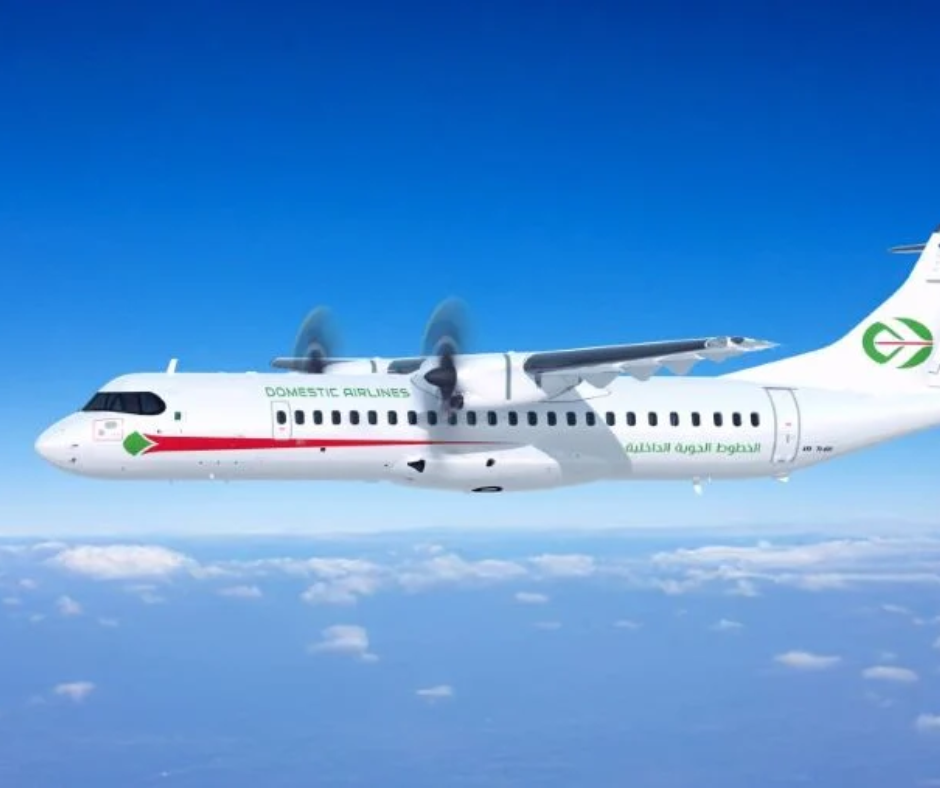
To maximize your comfort, you can leverage domestic flights from the capital city to the eastern cities or southern oases. Booking these flights well in advance ensures that you protect your family energy and maintain a highly efficient pacing throughout your entire vacation.
Smart Seasonal Preparation and Essential Packing Elements
The climate variations across North Africa mean that you might experience crisp mountain air, warm coastal humidity, and dry desert winds all within a single ten-day window.
We suggest packing high-quality breathable layers, wide-brimmed hats, reliable sun protection, and lightweight scarves to shield your face from dust or sand. Preparing these specific items beforehand ensures your family remains perfectly comfortable during open-air archaeological explorations.
You can find comprehensive gear recommendations by checking out our complete archive on traveling through Algeria in the Wildyness knowledge base.
Read also: What to Pack and Wear in Algeria: A Traveler’s Guide to Packing Smart
Exploring Algiers through History and Outdoor Breaks
Navigating the Medieval Corridors of the Casbah
Your initial three days focus on the capital city, where you can establish an engaging pattern of structured learning followed by active physical play. Your exploration begins in the Casbah, a UNESCO-listed historic old city consisting of a dense network of ancient doorways, steep staircases, and narrow alleys.
Because this neighborhood relies entirely on foot traffic and features highly uneven terrain, it is crucial to wear sturdy closed-toe shoes and leave strollers at your accommodation. You can transform the walk into an interactive mission for your children by prompting them to spot historical features such as traditional carved wooden arches or unique brass door knockers.
Panoramic Coastal Views at the Basilica of Notre Dame d'Afrique
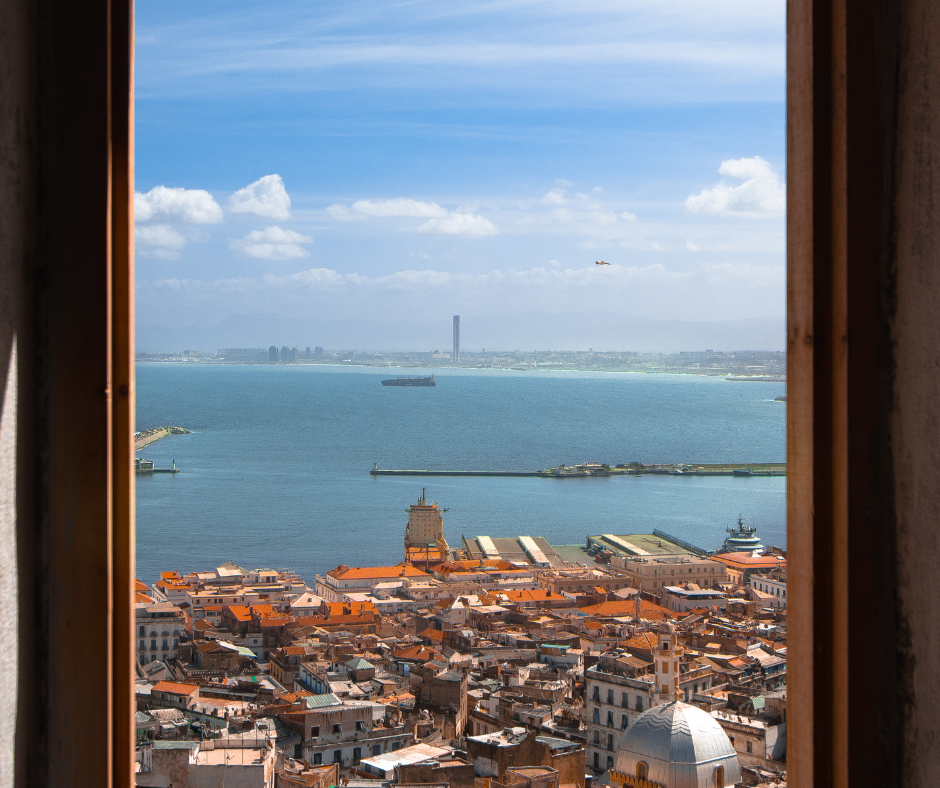
After spending a morning inside the dense medieval corridors, you can head uphill to experience the wide open spaces surrounding the Church of Notre Dame d'Afrique.
This prominent hilltop basilica provides an exceptional vantage point looking out over the entire expanse of the bay. Families can easily access the church grounds by taking a scenic cable car ride from the neighborhood of Bologhine for approximately 50 Algerian Dinars per passenger. This affordable transport method turns a basic logistical transit into a thrilling aerial activity that keeps children thoroughly entertained.

Combining Ancient Artifacts and Shaded Botanical Paths
On your second day in the capital, you can pair a structured indoor museum visit with a relaxed afternoon inside an expansive park space. Start your morning at the Bardo National Museum of Prehistory and Ethnography, which is housed inside a spectacular old mansion filled with early pottery, historic tools, and clear contextual displays.
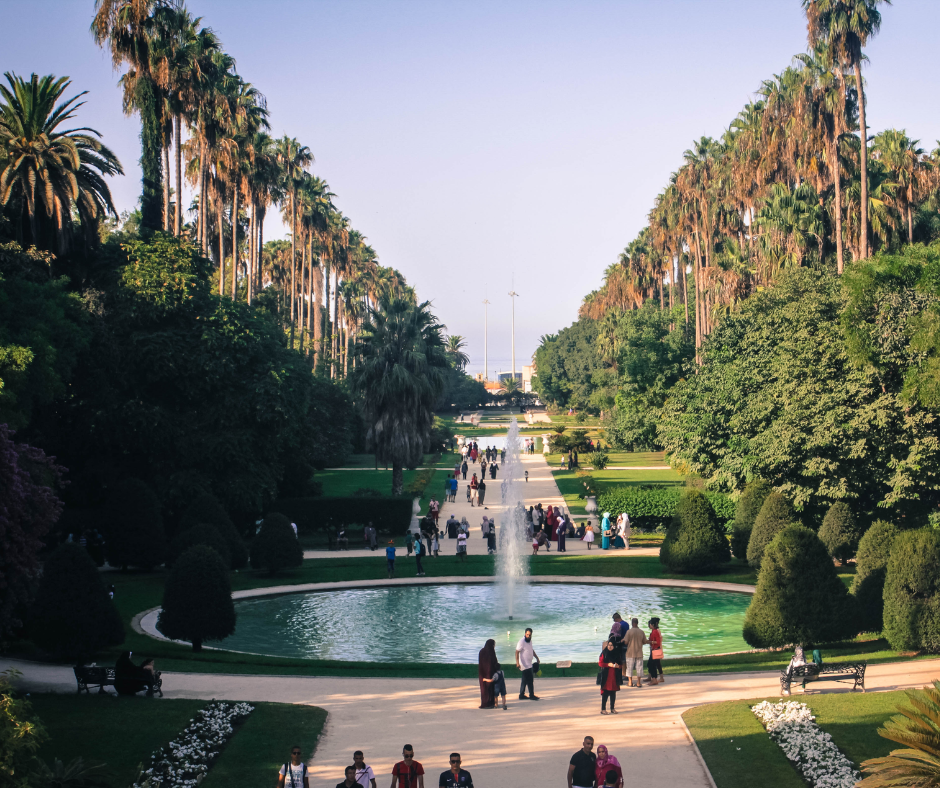
Adult admission costs around 500 Algerian Dinars, and the property is easily accessible via the local tram line. Afterward, you can cross the street into the Botanical Garden Hamma to let your children run freely along wide paths lined with massive palm trees and calm water fountains.
Discovering the Thrills and Bridges of Constantine
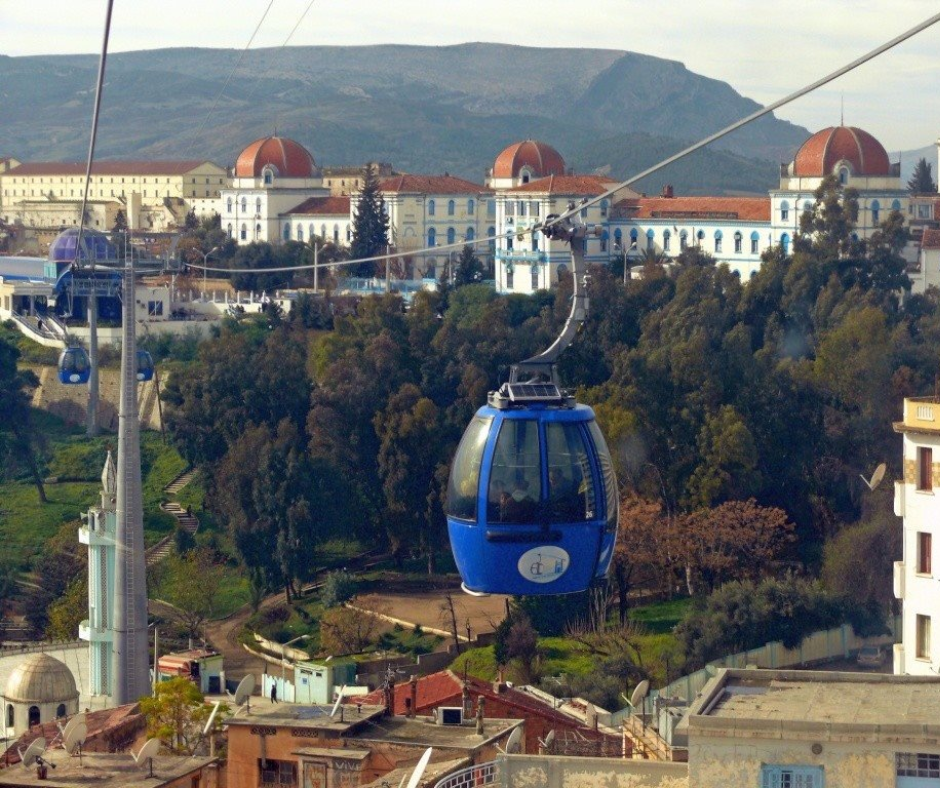
Aerial Transits and Geography Lessons via Cable Car
Days four and five bring your family to Constantine, famously known as the city of bridges due to the massive limestone gorge that divides the urban landscape. The absolute best way to introduce your children to this unique topography is by riding the municipal cable car system early in the morning. Gliding smoothly over the deep chasm offers an immediate perspective on how the historic town was constructed directly onto steep cliffs.
We recommend making this transit before ten in the morning to secure clear viewing windows before the midday sun generates a natural haze over the valley.
Walking Across the Historic Sidi M'Cid Suspension Bridge
Your next major destination is the iconic Sidi M'Cid Bridge, a historic suspension structure built in the year 1912 that hangs 175 meters above the riverbed. Walking across this bridge gives you a slight, thrilling sway underfoot, which creates a memorable highlight for older children and teenagers.
To enjoy this historic site without the distraction of heavy commuter crowds, aim to visit during a weekday morning or later in the afternoon near sunset. Establish a clear meeting spot on the opposite side of the gorge so that your family moves as a synchronized team while taking photos.

Immersive Roman History at Tipasa and Djemila
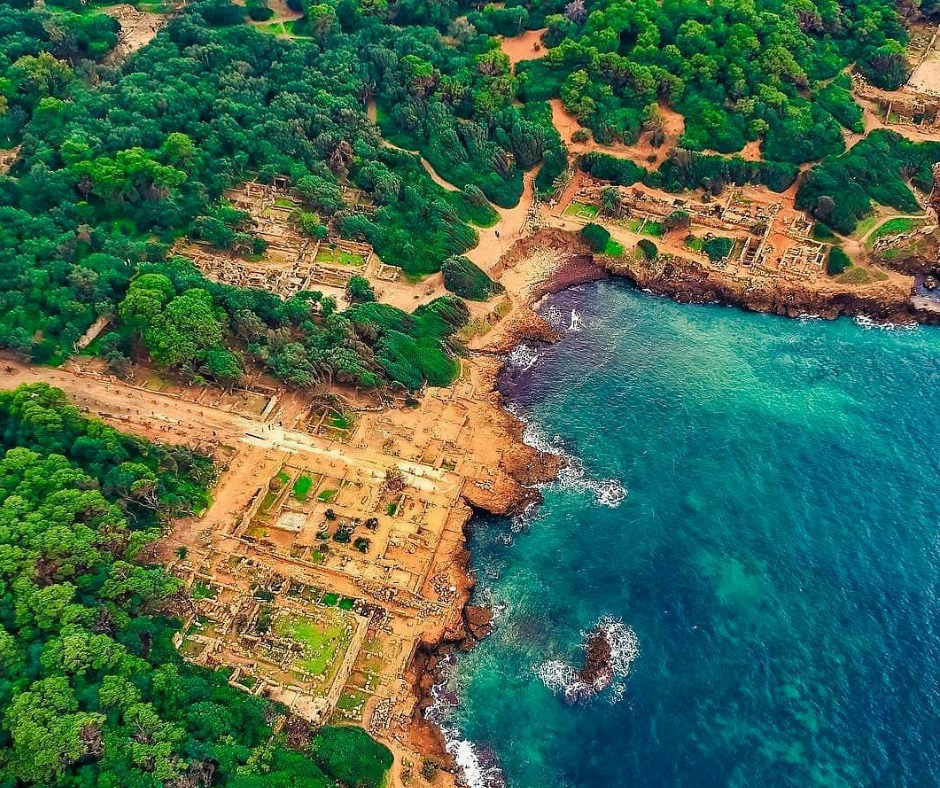
Coastal Ruins and Maritime Trade at Tipasa
Days six and seven present an incredible opportunity to explore how ancient empires interacted with the Mediterranean coastline and the northern mountains. At the entry to the Archaeological Park in Tipasa, you can wander through the remnants of Phoenician, Roman, and Byzantine basilicas located directly beside the sea. Arriving early allows you to trace ancient stone mosaics and amphitheaters before the coastal sun becomes intense.
After spending two hours examining the architectural ruins, you can enjoy a fresh seafood lunch at a nearby coastal cafe while discussing how trade ships once docked at these exact coordinates.
Mountain Topography and Urban Planning at Djemila
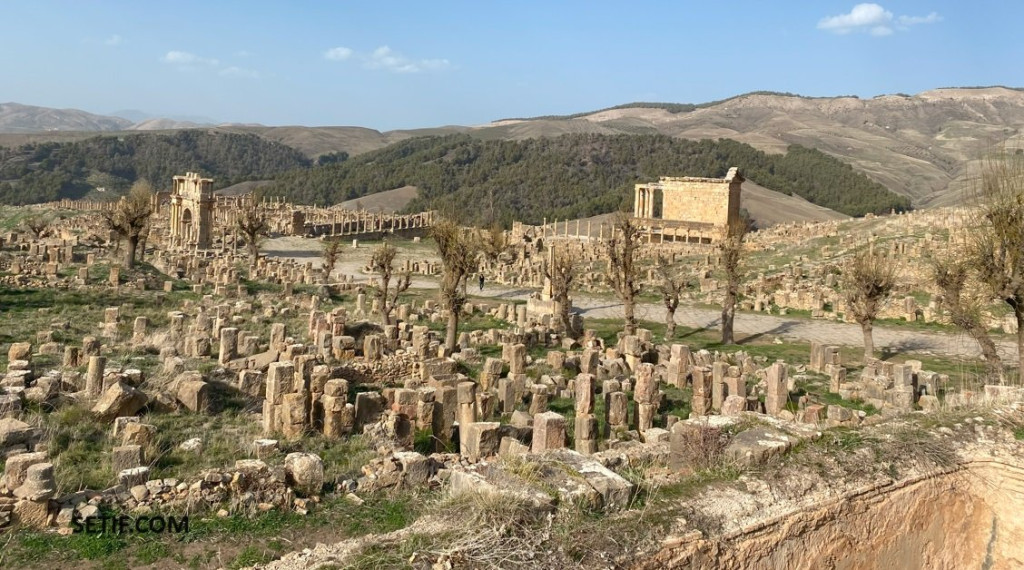
On the seventh day, you will travel inland to the high-altitude Roman Ruins of Djemila, which stands as a masterclass in adapting classic imperial architecture to rugged mountain slopes. Because this mountainous site is highly exposed to the elements, morning temperatures can be quite cool before shifting rapidly into warm afternoon sunshine.
Hiring a qualified local guide at the entrance gate is highly recommended because it turns the standing stone columns, triumphal arches, and ancient forums into vivid stories. You can keep your children interested by asking them to locate the ancient public market stalls and compare them to modern shopping centers.
Enhancing Regional Context at the Cirta Museum
Interactive Antiquity Hunts for Young Explorers
Day nine focuses on organizing the historical timelines your family has observed by visiting the collection inside the Cirta Museum in Constantine. The curated galleries display a vast array of Numidian relics, classical bronzes, and intricate mosaics that help children bridge the gap between different historic eras.
You can create an educational scavenger hunt by asking your kids to identify specific animals depicted in the ancient artwork or guess the functions of various prehistoric tools. The museum operates from Sunday through Thursday, and the modest entry fee of 200 Algerian Dinars makes it a smart addition to your itinerary.
Analyzing Masterpieces and the Beauty of Djemila
While exploring the interior rooms, make sure to guide your family toward the headline exhibits, which include the bronze sculpture representing the victory of Constantine and the classical marble bust known as the Beauty of Djemila. These highly detailed pieces serve as excellent conversation starters to discuss how local artistry evolved over hundreds of years.
Encouraging your children to look closely at the facial expressions and clothing styles carved into the stone helps build genuine historical empathy. This air-conditioned environment also serves as a perfect midday break from the outdoor heat before you prepare for your journey further south.
Exploring Traditions within the Ghardaia Market
Observing Daily Life and Local Craftsmen
Your final day takes you into the M'Zab Valley to explore the ancient stone-lined trading spaces within the Ghardaia Market. This historic marketplace functions as a vital community hub where artisans, spice merchants, and traditional carpet weavers interact daily with local residents. We recommend walking one complete loop through the square without purchasing anything so that you can observe the natural rhythm of the market.
Watching the coppersmiths shape traditional vessels and the weavers manage their large wooden looms provides a window into centuries-old North African craftsmanship.

Mastering the Art of Friendly Market Haggling
When you are ready to purchase souvenirs such as authentic silver jewelry, traditional leather pouches, or high-quality local dates, it is important to follow respectful cultural norms. Always begin your interaction with a warm greeting and a genuine smile before asking about the price of an item.
Haggling is viewed as an interactive social custom, so you can comfortably counter with a polite lower offer and move upward in small increments. Remember to carry small cash denominations since local market vendors do not accept international credit cards, and always settle on the exact price before the merchant wraps your items.
Expert Financial and Practical Transit Tips
Managing Daily Cash and Currency Exchanges
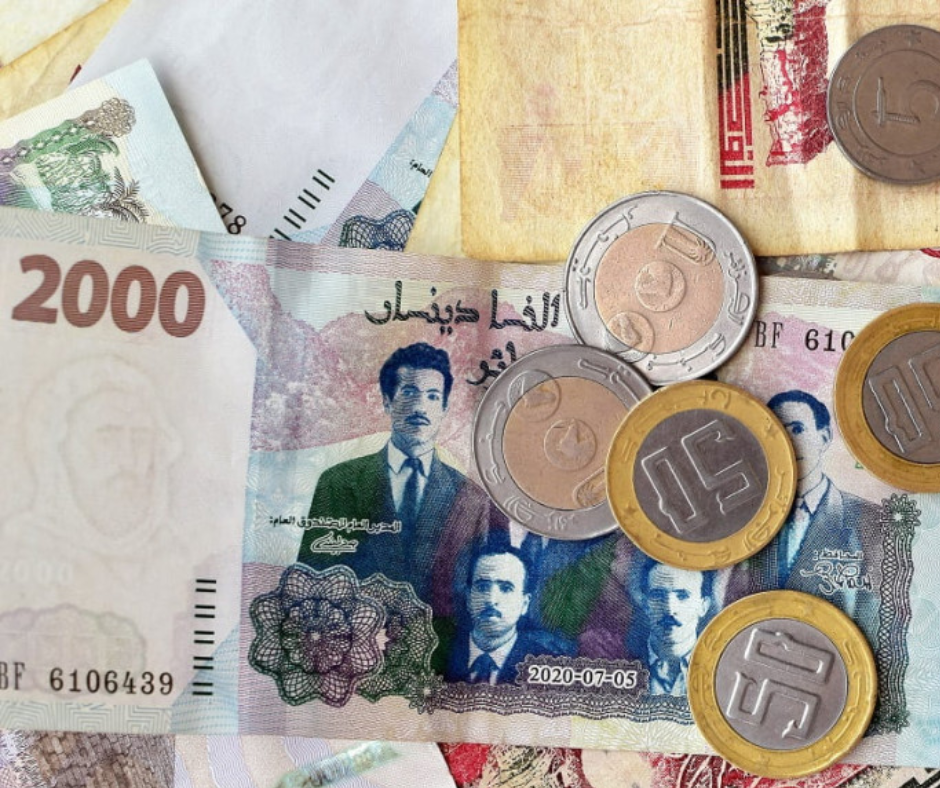
To maintain a stress-free adventure, you must adapt to the practical financial realities of modern travel within North Africa. The local economy operates primarily on cash transactions once you travel outside of major luxury hotels in the primary cities.
We recommend bringing a secure supply of foreign currency and utilizing dedicated daily envelopes to manage your spending money without displaying large amounts of cash in public spaces. Keeping a secondary payment card safely tucked away in your luggage provides an extra layer of structural security for unexpected family emergencies.
Securing Reliable Local Transportation Methods
Navigating between distinct regional highlights requires a flexible approach to local transit schedules and transport options. When utilizing city taxis, it is essential to agree on the final fare with the driver before placing your bags in the vehicle, as meters are rarely utilized.
For longer journeys between Algiers, Constantine, and the southern valleys, booking your domestic flights early ensures reliable seating for your entire party.
Allowing extra buffer time on your scheduled transition days helps accommodate any regional transportation adjustments so that your holiday continues to run smoothly.


