
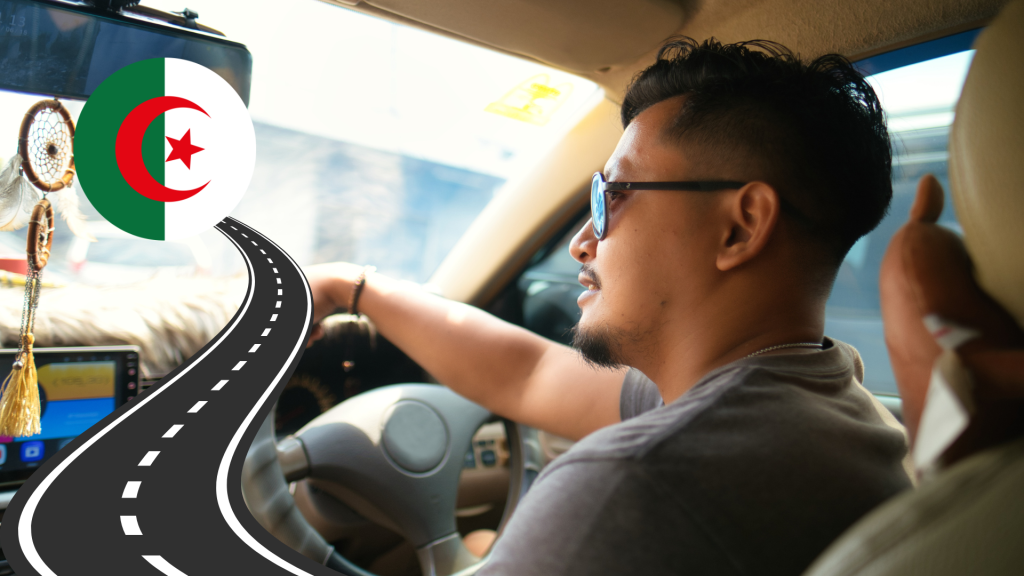

The thought of navigating the sprawling landscapes of North Africa often brings a mix of excitement and genuine anxiety about the unknown.
That is why our team at WildyNess created this guide to ensure you feel as comfortable behind the wheel in Algiers as you do in your own neighborhood.
Mandatory Documents and Legal Requirements
Before you even look at a rental car, you must ensure your paperwork is in perfect order to avoid issues at the frequent checkpoints. You are required to carry your original passport with a valid Algerian visa at all times while driving. Along with your national license, you must also possess an International Driving Permit which acts as a recognized translation for local authorities and insurance providers.
To obtain your International Driving Permit, you should apply through your national automobile association well before your departure date. This document is usually valid for one year and is a strict requirement for most rental agencies across the country. We also recommend keeping two physical photocopies of every document in your glove box and a digital scan on your phone.
Read all about necessary documents in Algeria in: Your Guide to Algeria: Visa, Safety, and Security
Insurance and Vehicle Registration
Every vehicle on Algerian roads must be covered by at least third-party liability insurance that is specifically valid within the country. If you are renting a car, the agency will provide the vehicle registration known as the carte grise and the proof of insurance. It is your responsibility to verify these documents are present and current before you leave the rental lot.
For those planning to cross borders or bring their own vehicle, the process involves additional customs declarations and the purchase of local insurance at the entry point. Always ensure you have a clear rental contract that specifies whether you are permitted to take the car into desert regions. Many standard city rentals have clauses that void your insurance the moment you leave paved surfaces.
Renting Your Vehicle: Making the Right Choice
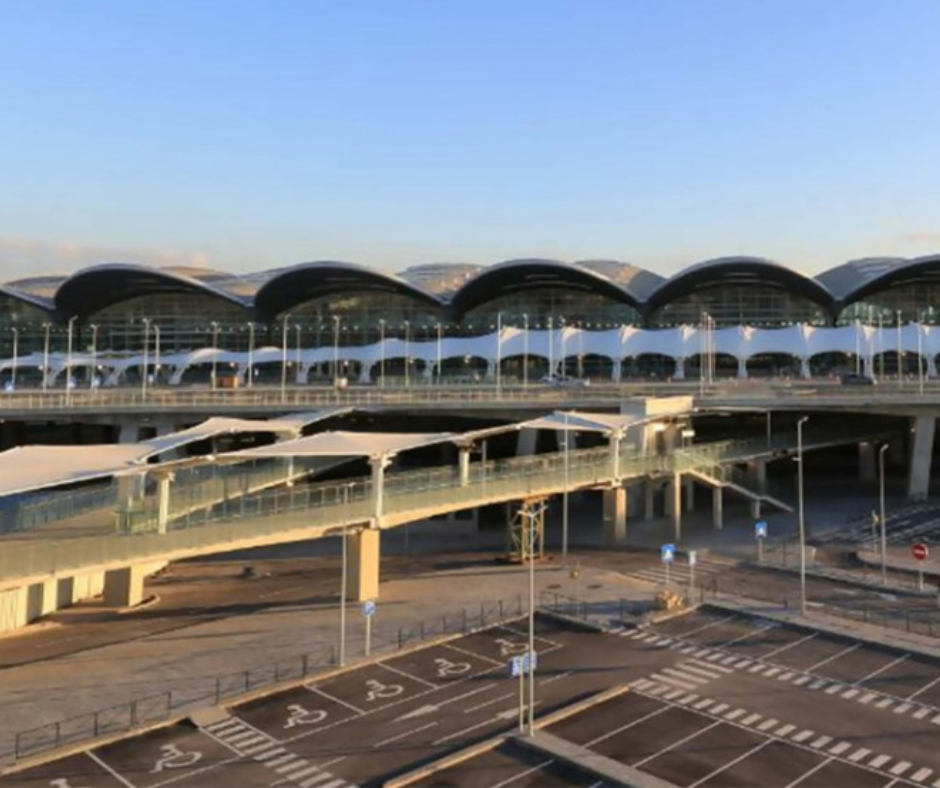
Choosing where to pick up your car can significantly impact both your budget and your stress levels during the first few hours of your trip. Most international travelers will arrive at Houari Boumediene Airport where a variety of local and international agencies operate around the clock. This option provides the most convenience for those who want to bypass city traffic and head directly to other regions.
Renting from the airport typically costs more due to premium location fees and higher demand for modern fleets. You can expect to pay between 4,000 and 6,500 DZD per day for a standard economy car in 2026. This price usually includes basic insurance, but we suggest upgrading to a comprehensive package if you plan on driving through the more rugged parts of the northern mountains.
City Center Rentals and Urban Logistics
If you plan to spend your first few days exploring the historic Casbah or the downtown Algiers waterfront, we suggest waiting to rent your car. The city is highly walkable and has a robust network of taxis and ridesharing apps like Yassir that make urban navigation much easier. Picking up a car from a city center agency after your urban tour can save you three days of rental fees and parking headaches.
City rentals are often slightly cheaper than airport options and allow for more flexible negotiation on long-term hires. For reference, a ride from the airport to the center of Algiers costs roughly 1,500 DZD and takes about thirty minutes depending on the time of day. This small transfer cost is often offset by the lower daily rate of a city-based rental agency.
Read also: Guide to Algiers: Top Attractions and Activities
Selecting the Correct Vehicle Type
The terrain you intend to cover should dictate the model of car you choose for your Algerian adventure. A standard sedan or compact car is perfectly sufficient for the coastal roads and the main East-West Highway. These vehicles are fuel-efficient and easier to park in the narrow streets of cities like Oran or Constantine.
However, if your itinerary includes the Hoggar Mountains or deep desert oases, a high-clearance 4x4 vehicle is a non-negotiable safety requirement. These larger vehicles provide the necessary traction for sandy patches and the durability to handle unpaved rural tracks. Be aware that 4x4 rentals are significantly more expensive and often require booking several weeks in advance due to limited local supply.

Mastering the Rules of the Algerian Road
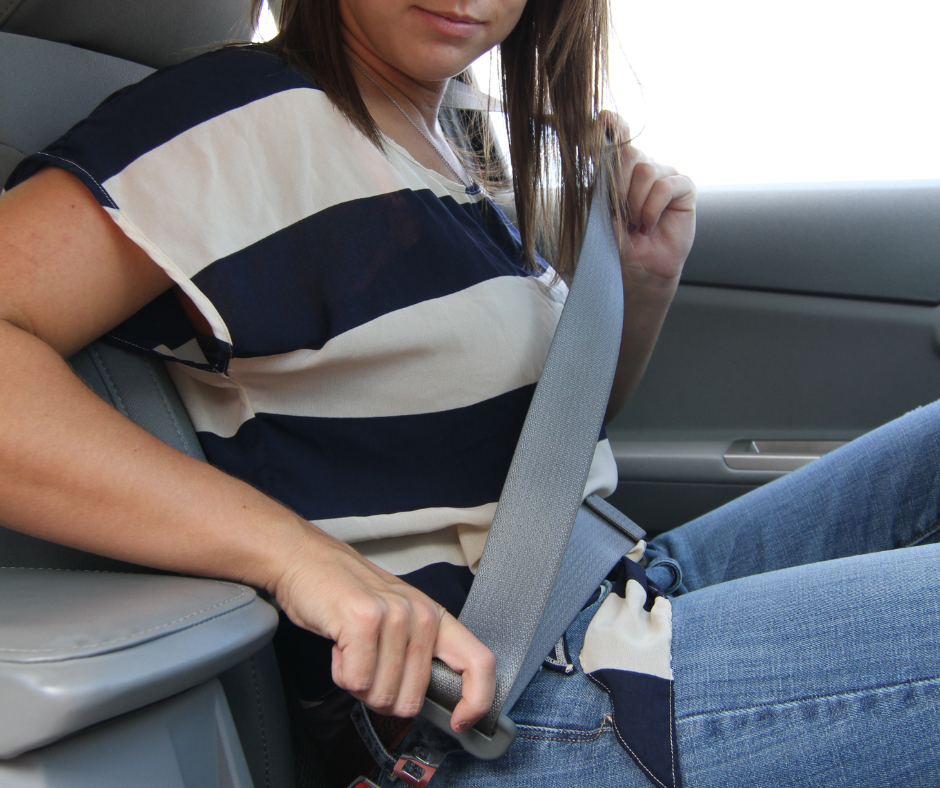
Traffic laws in Algeria are straightforward but the enforcement can be quite strict especially regarding speed and safety equipment. All passengers must wear seatbelts at all times and children under the age of ten are required to sit in the rear of the vehicle. It is illegal to use a handheld mobile phone while driving so we recommend having a hands-free setup ready before you start your engine.
Algeria maintains a near-zero tolerance policy for alcohol with a legal blood alcohol limit of 0.02 percent. Because this is a culturally conservative country, it is best to avoid alcohol entirely if you plan to be behind the wheel. The penalties for driving under the influence are severe and can include immediate detention and heavy fines.
Speed Limits and Enforcement
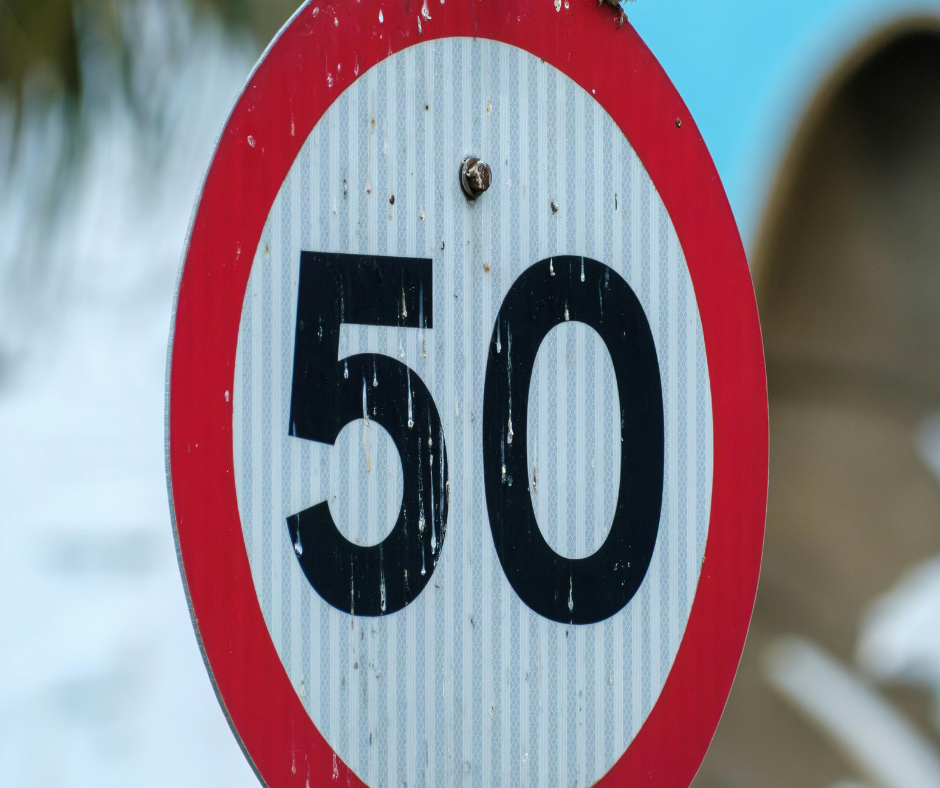
Speed limits are clearly defined across the country though they can change abruptly when approaching small villages or schools. In urban areas the limit is 50 km/h while rural national roads allow for speeds between 80 and 100 km/h. On the major motorways like the East-West Highway the maximum speed is 120 km/h under dry conditions.
When it rains the motorway speed limit is officially reduced to 110 km/h to account for the increased risk of hydroplaning. While you may not see many fixed speed cameras you will frequently encounter mobile radar traps operated by the police or the gendarmerie. It is always safer to stick to the posted limits as the fines are processed through a formal ticket system that can be time-consuming to resolve.
Navigating Roundabouts and Urban Traffic
Urban driving in Algeria requires a high degree of confidence and a proactive approach to lane positioning. Roundabouts are very common in every city and the rule is generally that the vehicle already inside the circle has the right of way. However, you should always be prepared for other drivers to merge aggressively and you must use your indicators clearly to signal your exit.
Lane discipline can feel loose in the heart of Algiers where cars often straddle lines to navigate around double-parked vehicles. We recommend staying in the middle lane whenever possible to avoid the constant stopping of buses and taxis on the right. If you feel overwhelmed by the pace of city traffic it is perfectly acceptable to slow down and wait for a clear gap before making a turn.
Handling Police and Military Checkpoints
Checkpoints are a standard part of life on the road in Algeria and they are primarily there to ensure the safety of all travelers. You will find them at the entrances to most major cities and at various intervals along national highways. Approach these stops slowly and dim your headlights if it is dark to show the officers that you are prepared to stop.
Always keep your passport and driving documents within easy reach so you do not have to go searching through your luggage. Most interactions are brief and involve a simple check of your identity and your destination. A polite greeting in French or Arabic will go a long way in making the process smooth and professional.

Procedures for a Smooth Passage
When you reach the front of the queue you should roll down your window and remove your sunglasses so the officer can see you clearly. If you are asked where you are going it helps to have the name of your hotel or your next destination ready in your mind. Officers may occasionally ask to see your rental agreement or your insurance papers so keep those organized in the glove compartment.
It is important to remember that photographing or filming security personnel and checkpoints is strictly prohibited by law. Keep your camera and phone away during these interactions to avoid any misunderstandings or delays. Most stops last less than two minutes and once the officer signals you to proceed you can continue on your way with a simple thank you.
Remote and Desert Checkpoint Protocols
In the southern regions of the country the checkpoints may be more thorough because of the remote nature of the terrain. The gendarmerie might ask for your planned route to ensure that you are not heading into areas that require special permits or a local guide. They are often looking out for your safety by ensuring your vehicle is equipped for the conditions ahead.
If you are traveling in a group or a convoy each driver should be ready to present their own set of documents. In some instances the officers may record your passport details in a logbook to track the movement of tourists through the desert. This is a routine safety measure and you should cooperate fully to ensure a fast and friendly passage through the region.
Essential Strategies for Desert Driving
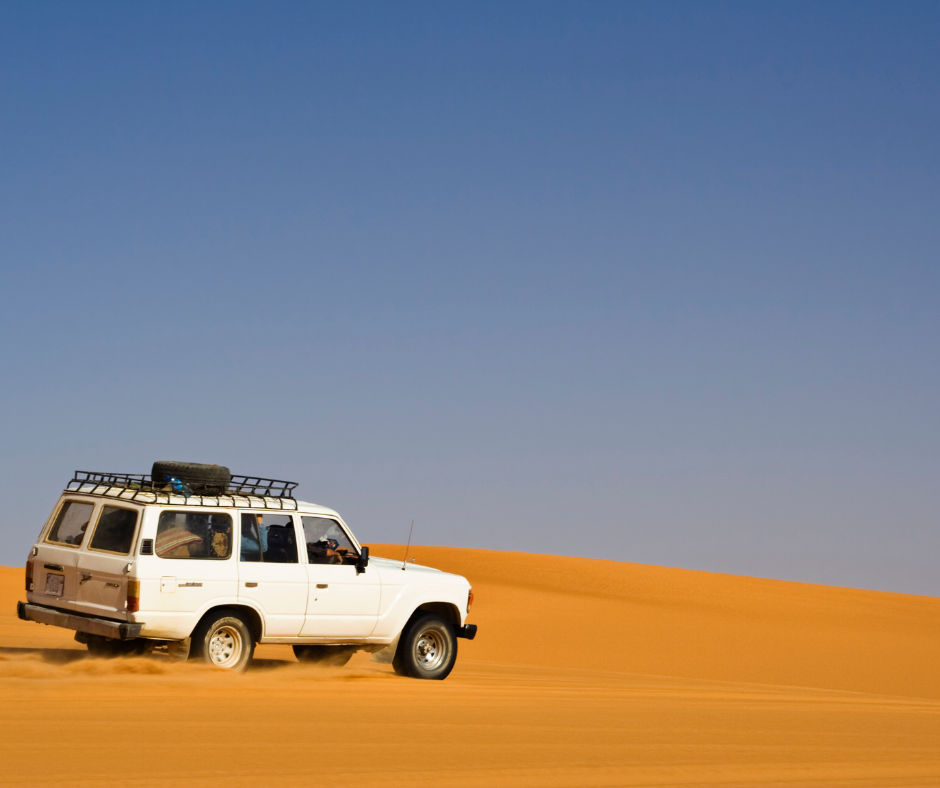
Traversing the Sahara is the highlight of any Algerian road trip but it requires a level of preparation that goes far beyond a standard drive. The primary rule for the desert is that you should never travel alone in a single vehicle. We recommend a minimum of two or three 4x4s so that if one car gets stuck or has a mechanical failure the others can provide a recovery or a ride out.
Before you enter sandy sections you should lower your tire pressure to increase the surface area of the rubber on the sand. This provides much better traction and prevents the vehicle from digging into the soft dunes. You must carry a high-quality air compressor so that you can reinflate your tires once you return to the hard-packed gravel or paved roads.
Recovery Gear and Technical Essentials
Your desert vehicle must be equipped with a specific set of recovery tools that are designed for sand and heat. This includes a set of traction boards or sand plates which can be placed under the tires if you lose momentum. A long-handle shovel is also vital for clearing sand from the undercarriage if the vehicle bottoms out on a dune crest.
You should also carry a heavy-duty tow strap and a set of shackles that are rated for the weight of your vehicle. A kinetic recovery rope is often better than a standard strap because it uses the momentum of the towing car to gently pull the stuck vehicle free. Ensure that every person in your group knows exactly where the recovery points are located on their specific car to avoid damaging the frame during a pull.

Survival Kits and Communication
In the vastness of the Sahara your vehicle is your primary life support system so you must carry enough supplies to last several days in case of a breakdown. We recommend at least ten liters of water per person per day along with a supply of high-energy non-perishable food. Even in the heat of the day you should have warm clothing and blankets stored because desert temperatures can drop rapidly after sunset.
Since mobile phone coverage is non-existent in the deep desert we strongly suggest carrying a satellite communicator like a Garmin InReach. This allows you to send text messages and GPS coordinates to emergency services or your local contacts if you need assistance. Always inform your hotel or a local guide of your intended route and your expected arrival time before you lose signal.
Practical Advice for Fuel and Road Maintenance
Fuel availability is generally excellent in the northern half of the country but it becomes more sporadic as you move south. You should never pass a gas station without topping up your tank if you are traveling between major towns. In 2026 the price of fuel remains highly subsidized making it very affordable for international travelers compared to European or American prices.
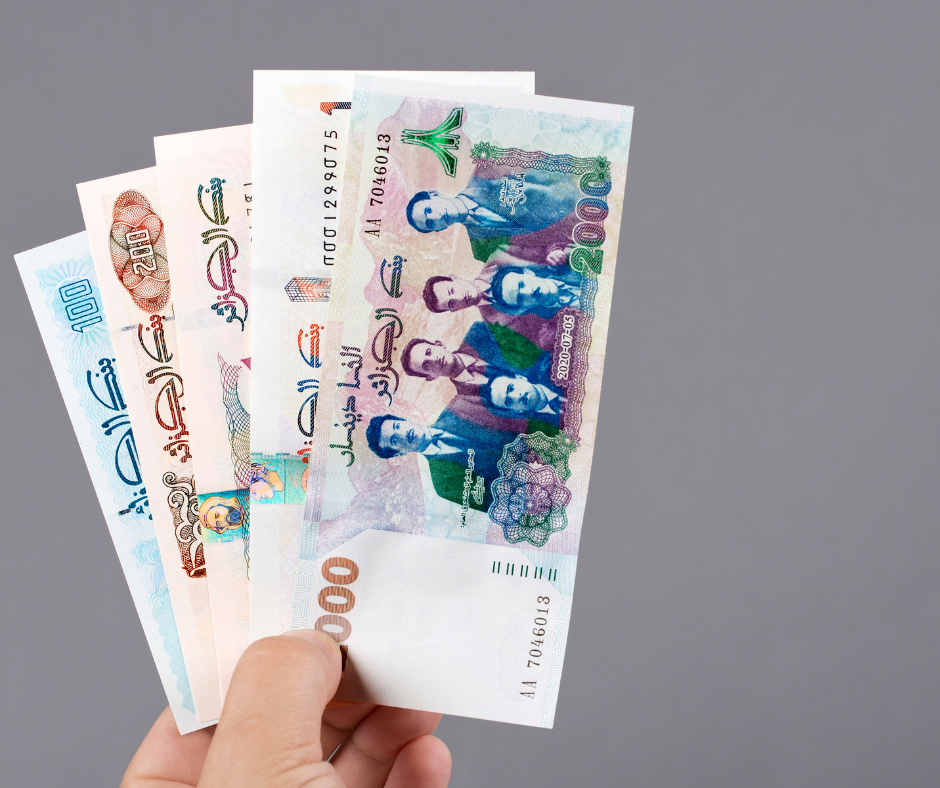
Most gas stations in rural areas only accept cash in Algerian Dinars so you should always keep a reserve of small bills for fuel stops. It is also a good idea to check your oil levels and coolant frequently especially during the hot summer months. The dust and heat can put extra strain on your engine and a few minutes of daily maintenance can prevent a major breakdown on the highway.
Understanding Toll Roads and Cash Logistics
The East-West Highway is the main artery of the country and it is now transitioning into a fully tolled system. While many sections are still free you should be prepared to pay small amounts at the new toll plazas that are appearing near major exits. These tolls are relatively inexpensive but they require cash so keep your coins and small notes easily accessible.
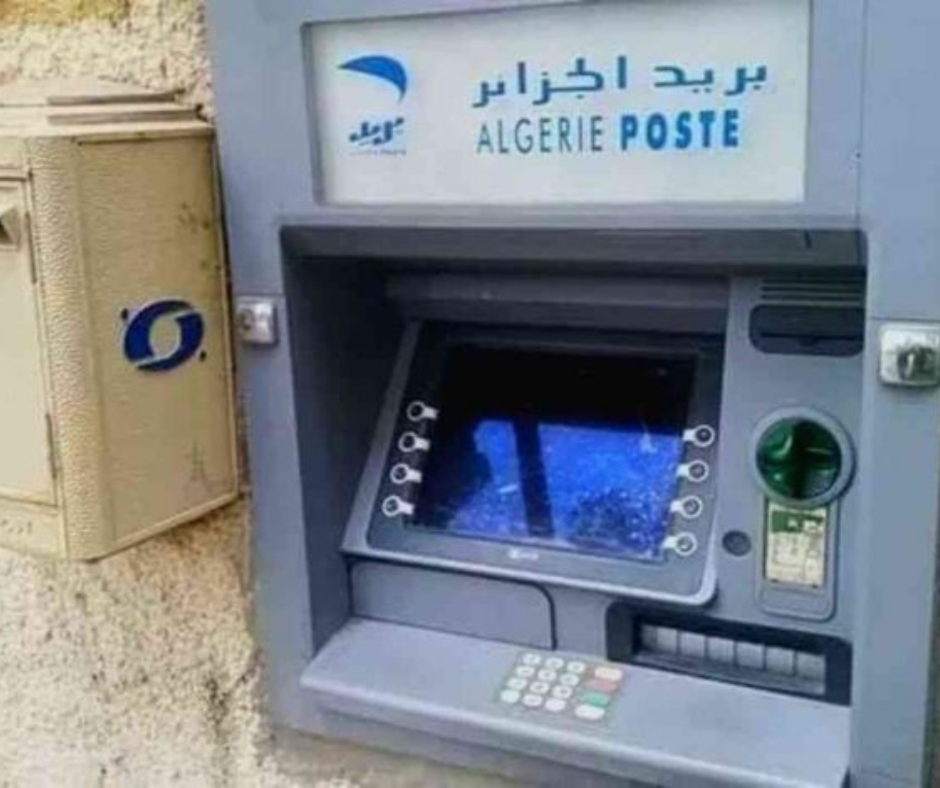
ATMs are widely available in cities like Algiers and Oran but they become extremely rare once you enter the smaller villages or the desert regions. You should withdraw enough cash to cover several days of fuel and food before you leave the northern coast. It is also helpful to notify your bank of your travel plans to ensure your card is not blocked during a transaction in a foreign city.
Road Surface Hazards and Maintenance
While the main highways are in excellent condition you must stay alert for sudden changes in the road surface on secondary routes. Potholes can appear quickly after the winter rains and sand drifts are a common hazard on roads leading into the Sahara. If you see a patch of sand on the road you should slow down and keep your steering wheel straight to avoid skidding.
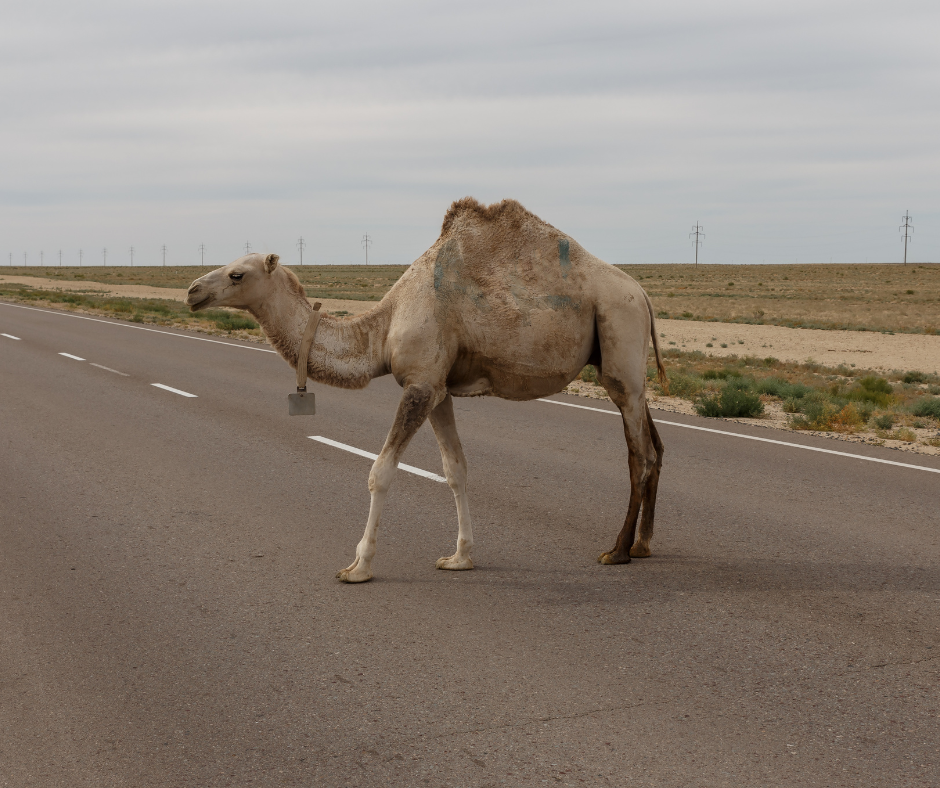
Livestock such as sheep and camels are frequently found on or near rural roads particularly in the Hauts Plateaux region. These animals can be unpredictable and may wander into the path of your vehicle without warning. We recommend maintaining a moderate speed in rural areas so that you have plenty of time to react if an animal decides to cross the road.
The Importance of Avoiding Night Driving
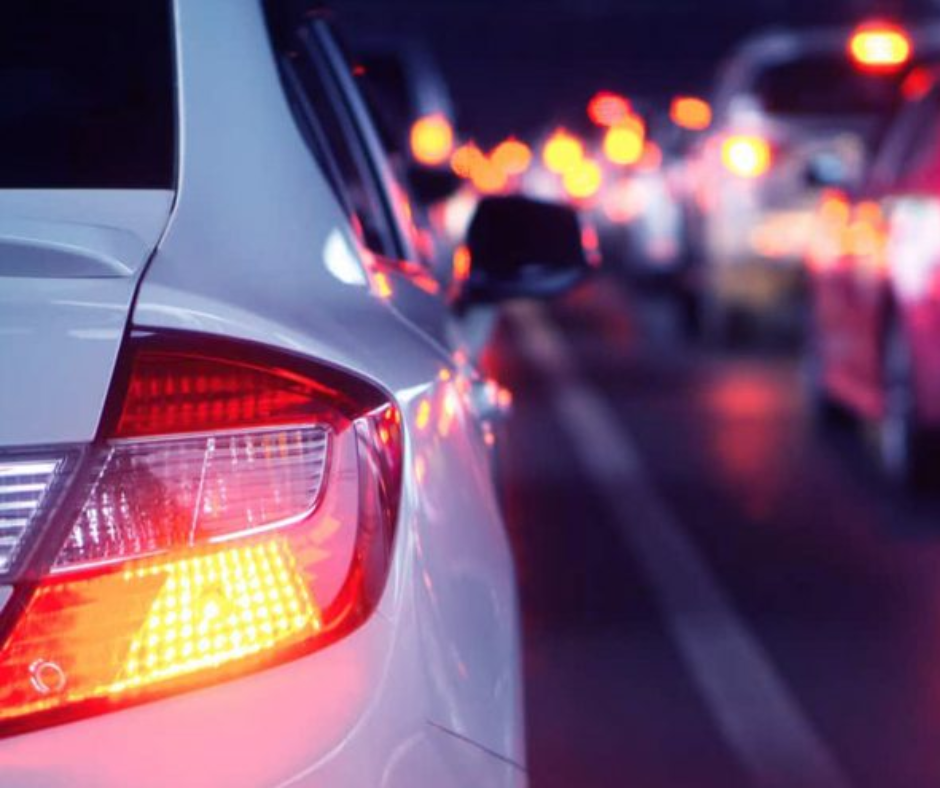
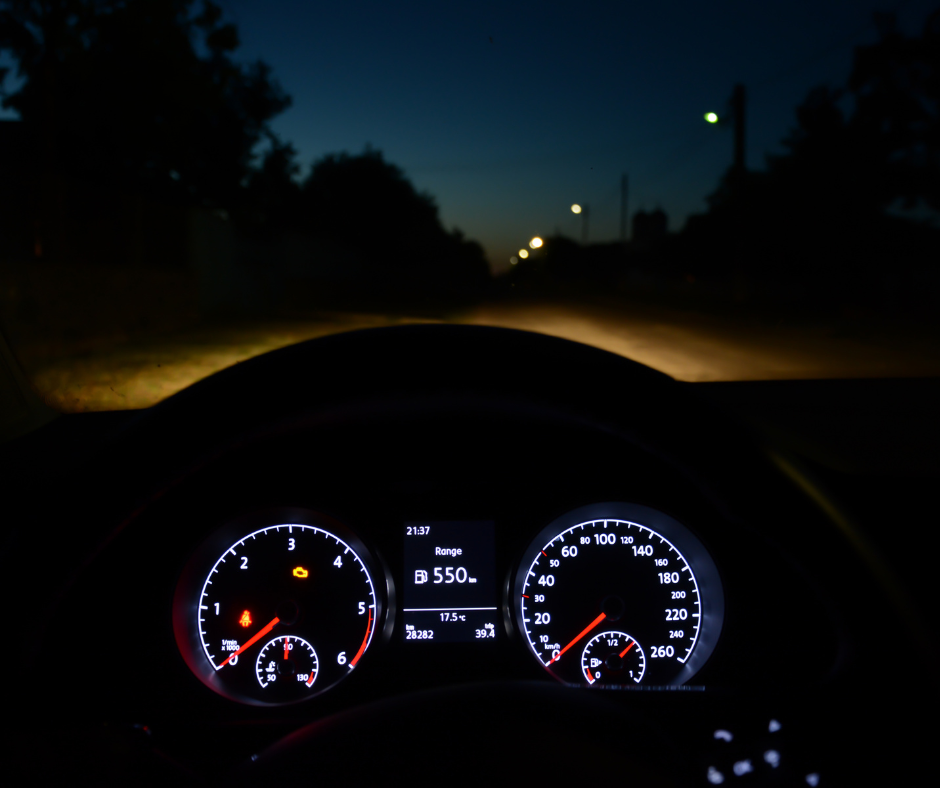
One of the most critical safety rules we emphasize at Wildyness is to avoid driving between cities after the sun goes down. The lack of street lighting on many national roads makes it very difficult to spot hazards like unlit vehicles or animals. The high-beam glare from oncoming trucks can also be disorienting and leads to significant eye fatigue during long stretches.
Night driving also increases the risk of encountering illegal road blocks or opportunistic crime in isolated areas. While the overall security situation in Algeria has improved significantly it is still best to be in a secure hotel or a well-lit city center before dark. Most road accidents in the country happen during the twilight hours when visibility is at its lowest.
Planning Your Daylight Itinerary
To make the most of your trip you should plan your drives so that you arrive at your destination at least one hour before sunset. This gives you a safety buffer in case you encounter roadwork or a lengthy checkpoint that slows your progress. If you find yourself running late it is often better to stop at the nearest major town and find a hotel rather than pushing through the night.
Daylight driving also allows you to enjoy the incredible diversity of the Algerian landscape which is half the fun of a road trip. From the green forests of the Djurdjura Mountains to the red sands of the Tassili n'Ajjer you will want to see every kilometer of this country. Scheduling your drives for the morning and early afternoon also means you will be off the road during the peak heat of the day.

Navigating During Ramadan and Holidays
If your trip coincides with the holy month of Ramadan you should be aware that the roads can become very busy and erratic in the hour leading up to sunset. Drivers are often rushing to get home for the Iftar meal and their focus may not be entirely on the road. We recommend avoiding any driving during the late afternoon during this period to ensure your safety.
Public holidays and long weekends can also lead to heavy congestion on the roads leading out of Algiers toward the coastal resorts. Plan your travel for mid-week if possible to avoid the weekend rush and to ensure you can find available accommodation. Being aware of the local calendar allows you to move through the country with much less stress and more predictability.
To sum up, this guide provides the foundation you need to navigate the Algerian road network with total confidence and safety. If you still have any other questions about your upcoming trip please do not hesitate to contact us and we will respond to you quickly.
Also we can help you create the perfect itinerary for your trip and all you have to do is email us so we can plan your personalized journey together.
Read also:
What to Pack for Algeria: The Complete Travel Packing List
Algeria Solo Travel 2026: A Complete Safety & Logistics Guide


