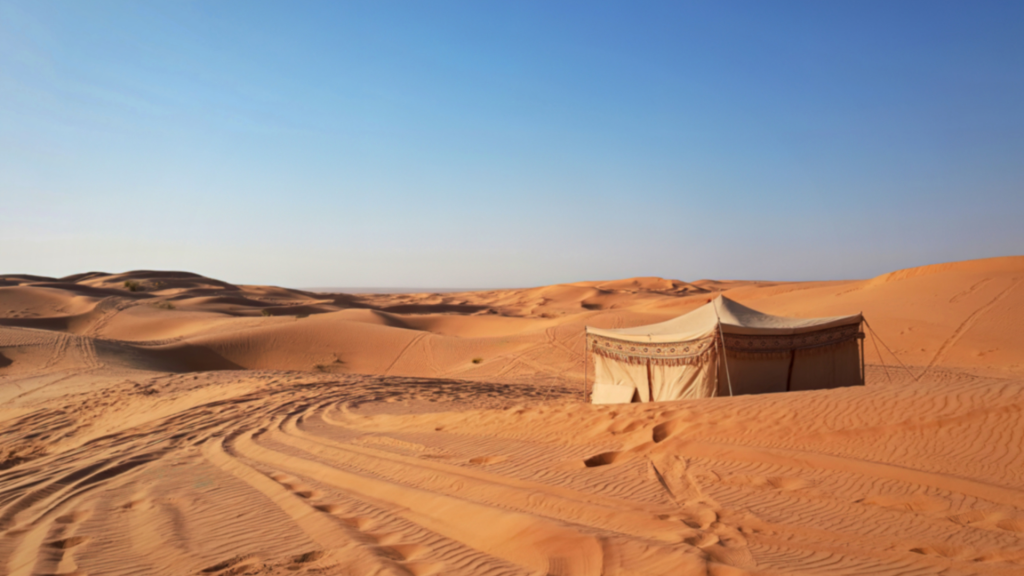

Planning a night under the stars in a landscape that covers nearly the entire country can feel overwhelming when you are trying to coordinate gear, safety, and navigation in a foreign environment.
That is why our team at WildyNess created this guide to help you navigate the logistics and find the best spots for your Saudi Arabian adventure.
Top Destinations for Desert Camping in Saudi Arabia
Saudi Arabia offers a variety of desert environments that range from dramatic escarpments to the largest continuous sand sea in the world. Choosing the right location depends on your experience level and how far you are willing to drive from major urban centers.
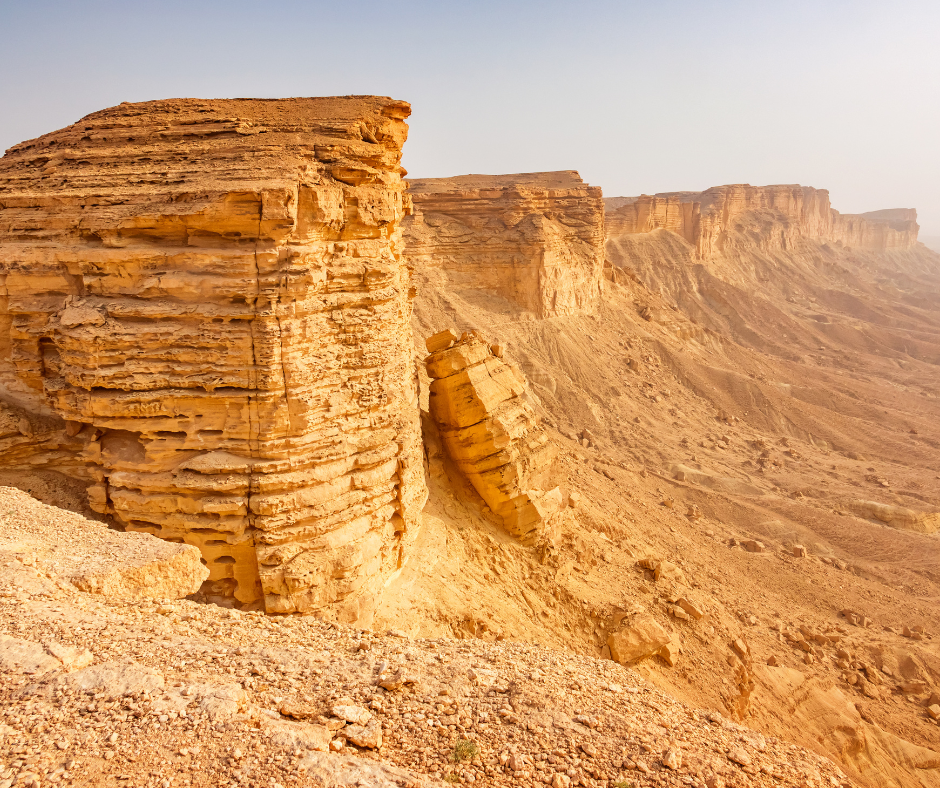
The Edge of the World Jebel Fihrayn
Located about 90 kilometers from Riyadh, the Edge of the World is perhaps the most famous camping destination in the Kingdom. It is part of the much longer Tuwaik Escarpment and offers a sheer drop-off that provides a view over the ancient caravan routes below.
This spot is popular for a reason, but it requires a high-clearance 4x4 vehicle to reach the best campsites. Most campers choose to set up their tents a few kilometers back from the cliff edge to avoid the high winds that often pick up after sunset.
The Mystical Landscapes of AlUla
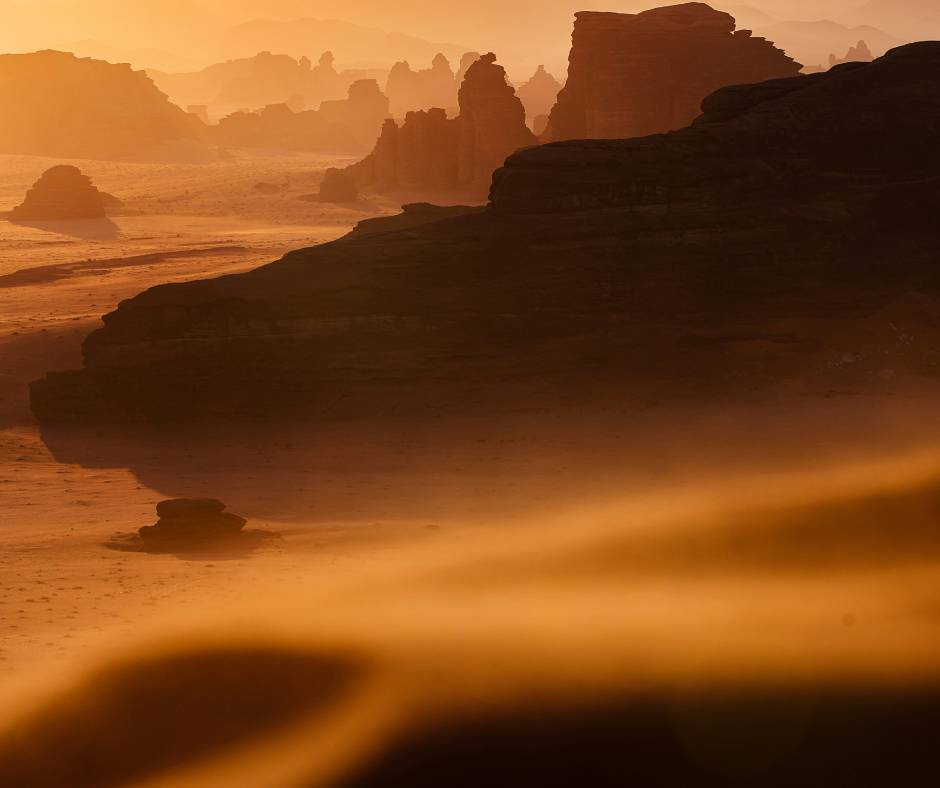
If you want to combine history with your camping trip, AlUla is the premier choice. The area is home to the Hegra archaeological site and unique rock formations like Elephant Rock. While you cannot camp inside the heritage sites, the surrounding valley offers red sand dunes and sandstone canyons that provide excellent natural shelter.
There are many designated areas where you can set up a private camp, but AlUla also hosts several high-end glamping resorts if you prefer a more structured experience with existing amenities.
The Vastness of the Empty Quarter Rub al Khali
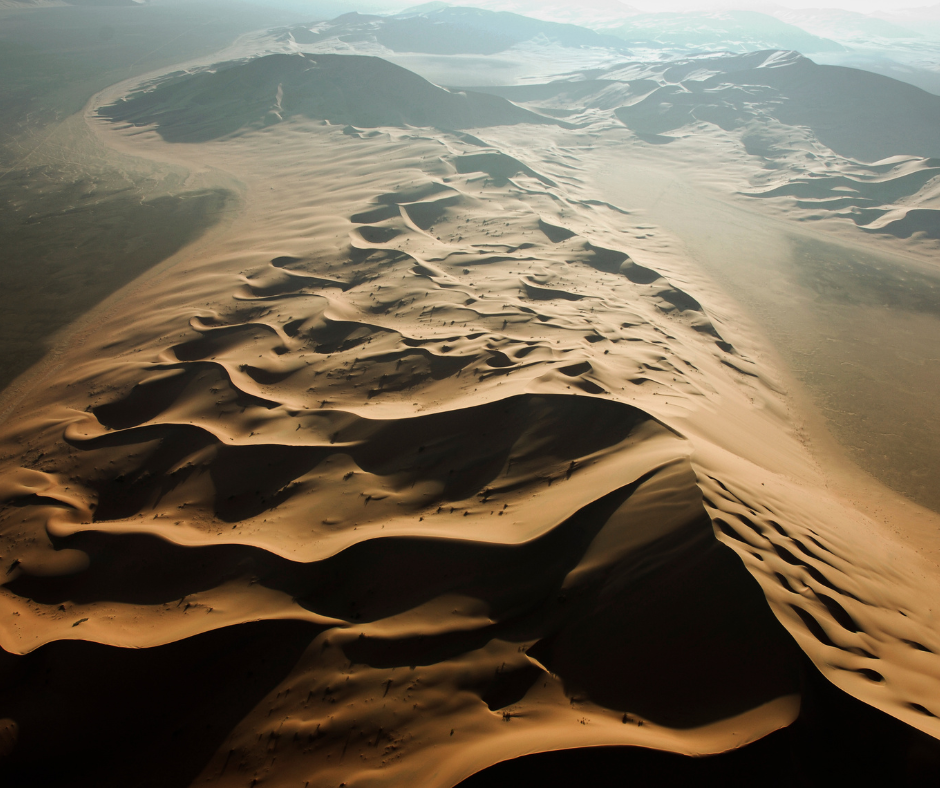
For those seeking total isolation, the Rub al Khali is the ultimate frontier. It is the largest contiguous sand desert on Earth and covers the southern third of the Arabian Peninsula. Camping here is a serious undertaking that should only be attempted by experienced desert travelers or those with a professional guide.
The dunes here can reach heights of over 250 meters, and the sense of silence is unlike anywhere else. You will need to be fully self-sufficient with extra fuel and water because there is no infrastructure once you leave the main highway.
The Red Sands of the Nafud Desert
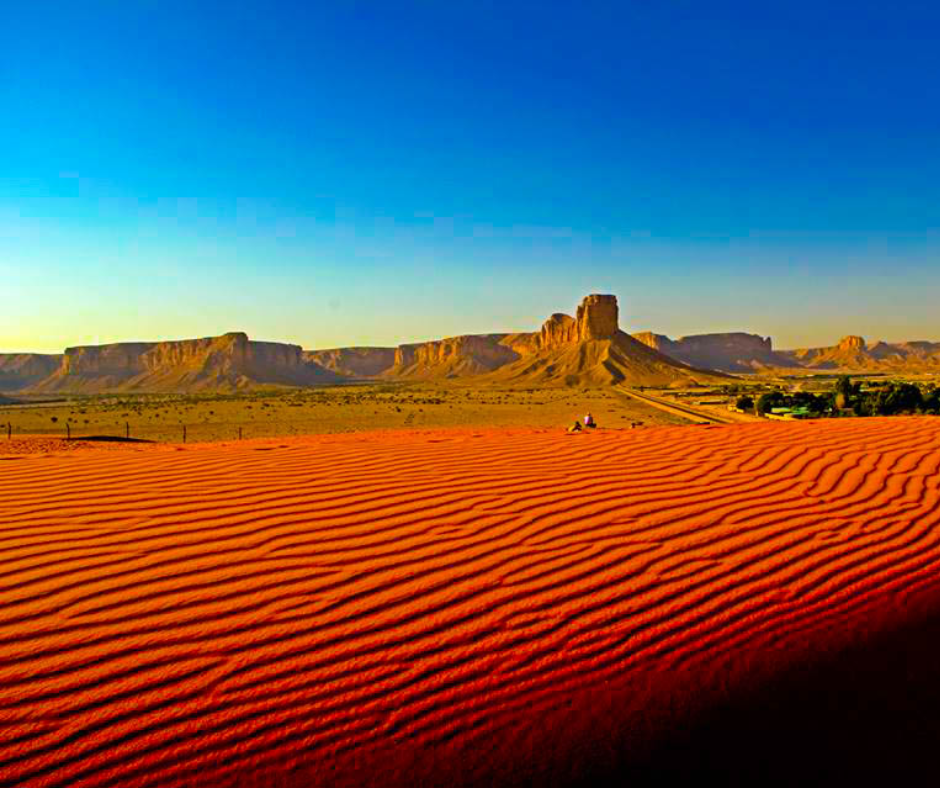
The Great Nafud in the northern part of the country is famous for its sudden high winds and deep red sand. It provides a classic desert aesthetic with rolling dunes that seem to go on forever.
This region is particularly popular with local campers who enjoy dune bashing and traditional campfires. It is more accessible than the Empty Quarter but still offers a remote feeling that makes you feel miles away from civilization.
Determining the Best Time for Your Adventure
Timing is everything when it comes to the Saudi desert because the environment is extreme. You should plan your trip between November and March to ensure the weather is comfortable enough for outdoor activities.
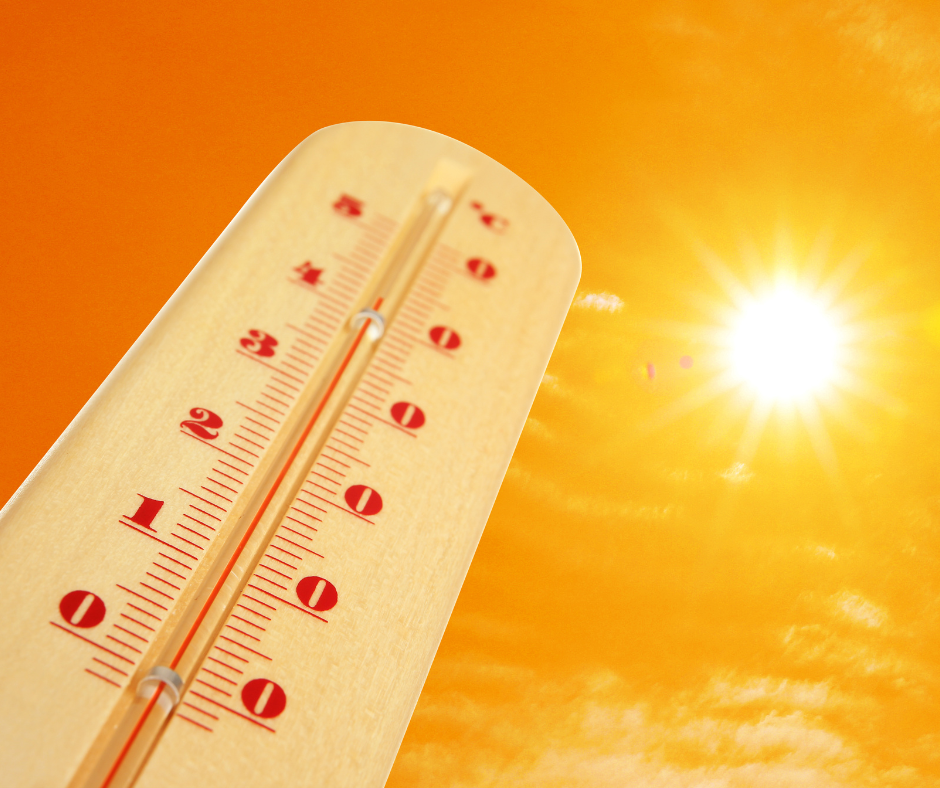
During the winter months, daytime temperatures usually hover between 18 and 25 degrees Celsius. This range is ideal for hiking or exploring the dunes without the risk of heat exhaustion. However, you must be prepared for the dramatic drop in temperature once the sun goes down. In the open desert, nighttime temperatures can easily fall to zero or even lower in the northern regions.
The shoulder months of October and April are also possible, but you will likely face much hotter afternoons. You should avoid the summer months from June to September entirely. Temperatures frequently exceed 45 degrees Celsius, making it dangerous to be in the desert without permanent shelter and heavy air conditioning. Additionally, spring can bring the Shamal winds, which are strong sandstorms that can reduce visibility to near zero and make camping impossible.
Navigating Permits and Regulations
Understanding the legal requirements for camping will save you from potential fines or being asked to move by local authorities. While much of the Saudi desert is open for public use, there are specific rules you need to follow.
Most open desert land is available for wild camping without a permit for short stays. However, if you plan to camp in a designated National Park or a Royal Reserve, you must check the latest regulations on the Spirit of Saudi platform or the Ministry of Environment website. These areas often require a digital permit that you can obtain online.
If you are a foreign traveler, always keep your passport and visa digital copies on your phone, but have physical copies in your glove box as well. It is common to encounter security checkpoints on the roads leading into remote areas, and the officers will want to see your documentation. If you are camping near a border region or an industrial site, you might be asked to move, so it is always good to have a backup location in mind.
Choosing Between Self-Camping and Luxury Glamping
Saudi Arabia has embraced both ends of the camping spectrum, allowing you to choose the level of immersion and comfort that suits your style.
Self-camping offers the highest level of freedom. You carry everything you need, from your tent to your cooking fuel, and you can choose your own view. This is the best way to experience the true silence of the desert. You will need to rent a fully equipped 4x4, which often includes a roof-top tent or high-quality ground gear. This option requires more work but provides a more authentic connection to the landscape.
If you are not ready to manage the logistics of a private expedition, glamping is a growing trend in Saudi Arabia. In places like AlUla and the outskirts of Riyadh, you can find permanent camps that offer comfortable beds, en-suite bathrooms, and gourmet meals. These sites allow you to enjoy the desert environment without the stress of navigation or equipment management. It is a great way to ease into the experience if you are traveling with family or have limited time.
Essential Safety and 4x4 Driving Tips
The desert is a beautiful environment that can become dangerous quickly if you are not prepared for the terrain. Driving on sand is a skill that takes practice, and your vehicle choice is the most important factor.
Preparing Your Vehicle
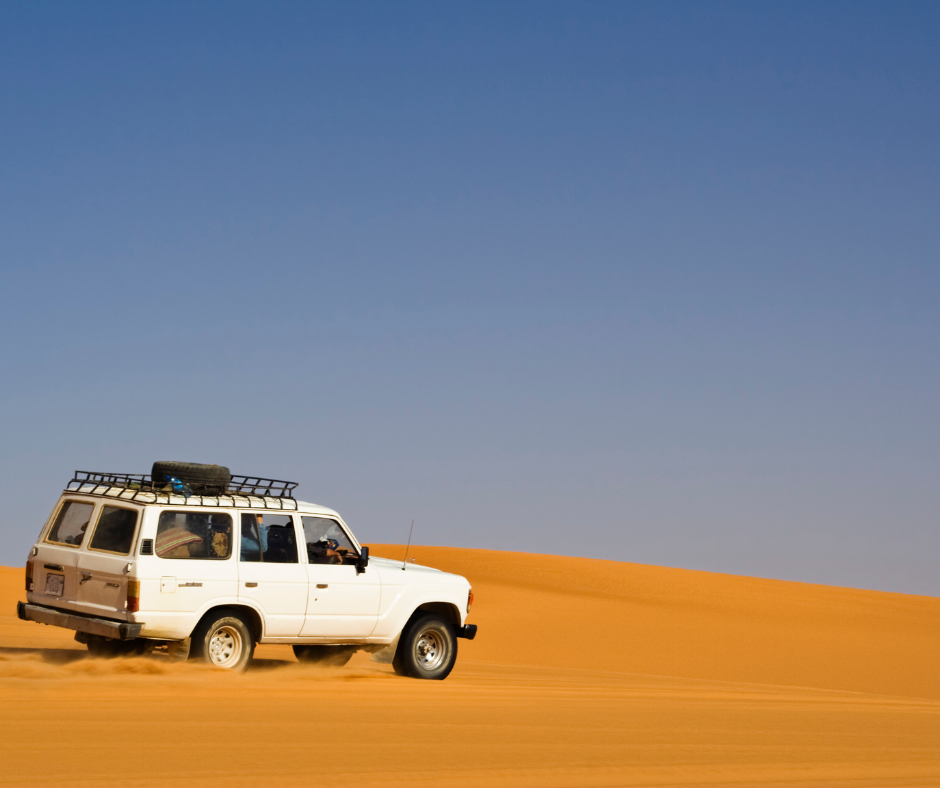
You should never enter the deep desert without a four-wheel-drive vehicle that has high ground clearance. Before you leave the pavement, you must lower your tire pressure. Reducing the pressure to about 15 or 18 PSI increases the surface area of the tire, which helps you float on top of the sand rather than digging in. You will also need a portable air compressor to reinflate your tires once you return to the asphalt.
Driving Techniques
When driving on dunes, momentum is your best friend. You should maintain a steady speed and avoid sudden braking, which can cause your tires to sink. If you feel the vehicle starting to struggle, it is often better to stop and reassess rather than spinning your wheels and digging a deeper hole.
Always drive with another vehicle whenever possible. If one car gets stuck, the other can provide a pull or go for help.
Navigation and Communication
You should not rely solely on your phone for navigation because cell service disappears quickly in the desert. Use a dedicated GPS device or download offline maps before you depart. It is also wise to carry a satellite communication device if you are heading into remote areas like the Empty Quarter. Always let someone know your expected return time and your specific planned coordinates.
Gear and Supplies for the High Desert
Packing for the desert requires a balance of protecting yourself from the sun during the day and the cold during the night. Your gear should be durable and sand-resistant.
Water and Food Logistics
The most critical supply is water. You should plan for a minimum of five liters per person per day for drinking, with extra for cooking and cleaning. It is better to bring twice as much as you think you will need. For food, focus on items that are easy to prepare and do not require excessive washing. Traditional Saudi camping often involves cooking on a Saj, which is a domed metal griddle. It is efficient and works well over a small portable gas stove or a wood fire.
Sleeping and Shelter
A high-quality tent with a full rainfly is essential for blocking the wind and keeping sand out of your sleeping space. Because the ground loses heat rapidly at night, you need an insulated sleeping pad to separate your body from the cold sand. A sleeping bag rated for freezing temperatures is highly recommended for any trip between December and February.
Clothing Layers
You should wear loose, long-sleeved clothing during the day to protect your skin from the sun. Once the sun sets, you will need to transition to heavy layers. A high-quality wool base layer combined with a down jacket is usually enough to keep you comfortable during the coldest part of the night. Do not forget a warm hat and gloves, as you will feel the temperature drop significantly as soon as the wind picks up.
Respecting the Environment and Local Culture
The Saudi desert is a fragile ecosystem, and the Bedouin culture has a deep respect for the land that you should emulate during your stay.
Always follow the Leave No Trace principles. This means packing out all of your trash, including food scraps that do not decompose easily in the arid environment. If you build a campfire, use a fire pit or a metal tray to avoid leaving charred scars on the sand. You should also be mindful of local wildlife, such as the Arabian oryx or sand gazelles, and keep a respectful distance.
If you encounter locals during your trip, you will likely experience the famous Saudi hospitality. It is common for local campers or Bedouins to invite you for coffee or tea. Accepting these invitations is a great way to learn about the culture, but you should always be polite and respectful of local customs. For example, it is traditional to accept food or drink with your right hand.
Final Thoughts for Your Saudi Journey
A successful desert camping trip in Saudi Arabia is the result of careful planning and a respect for the natural environment. By choosing the right season and ensuring your vehicle is properly equipped, you can enjoy one of the most unique landscapes on the planet with confidence.
Whether you are looking for the dramatic cliffs of the Edge of the World or the endless dunes of the Empty Quarter, the Kingdom offers a variety of experiences that cater to every level of adventure. Focus on your safety, respect the local regulations, and take the time to appreciate the silence that only a desert night can provide.
If you have more questions about the logistics of your trip or need help selecting the right vehicle for your adventure, you can reach out to us at any time. Our team is here to help you plan a safe and memorable journey through the sands of Saudi Arabia.
Also read: Everything You Need to Know About Camping in Saudi Arabia
This experience here might be what you're looking for: Red Sands Desert Adventure in Saudi Arabia