Planning a trip to a city world-famous for gold-plated lattes and five-star skyscrapers often feels like a guaranteed way to drain your savings account in a single weekend.
That is why our team at WildyNess created this guide to help you navigate the financial realities of visiting the Emirates while keeping your budget firmly intact.

Defining Your Daily Budget Tiers for Dubai
The actual cost of your stay depends heavily on your personal comfort requirements and your interest in high-ticket attractions. Most travelers find that they fall into one of three distinct categories which dictate their daily spending habits from the moment they land. By identifying your category early you can set realistic expectations for your total trip investment.
The Budget Conscious Explorer
A traveler focused on economy can manage a stay in Dubai for approximately 180 AED to 330 AED per day. This budget requires staying in hostels or budget guesthouses located in older parts of the city like Deira or Bur Dubai.
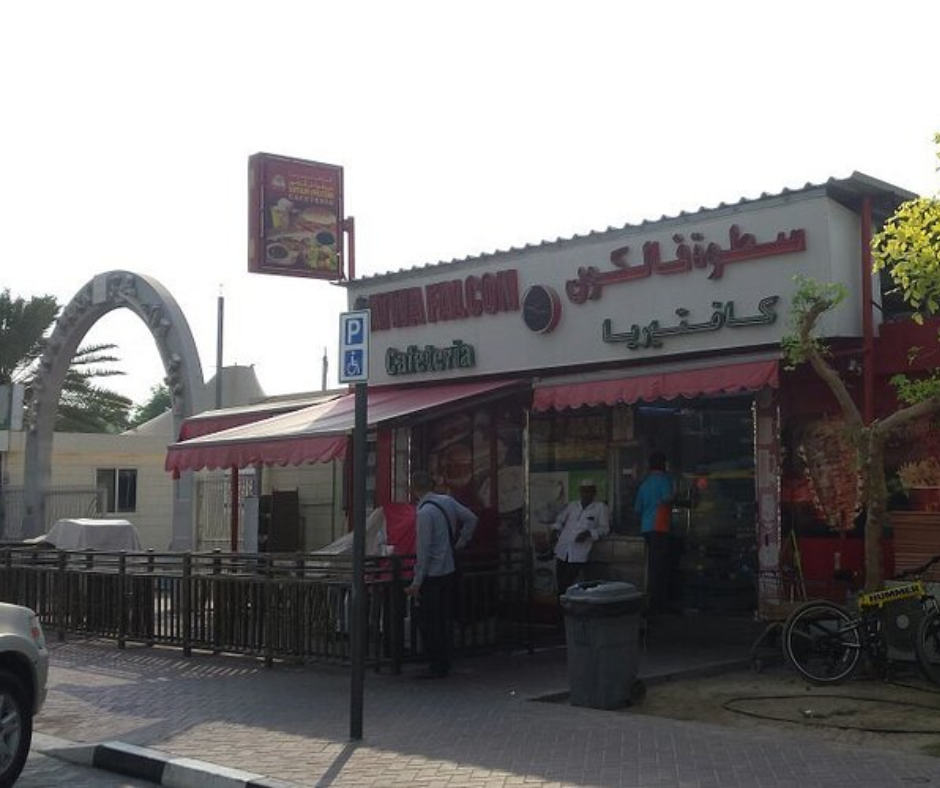
Your primary expenses will cover public transportation via the Metro and meals at local cafeterias where a filling wrap or curry costs very little. This tier allows you to enjoy the public beaches and free spectacles while keeping your wallet happy.

The Mid Range Comfort Traveler
If you prefer private hotel rooms and a mix of casual and sit-down dining you should plan to spend between 450 AED and 800 AED each day. This middle ground allows for stays in modern three or four-star hotels in areas like Al Barsha or Jumeirah Lake Towers.
You will have enough flexibility to pay for one major attraction every couple of days such as a visit to the Museum of the Future or a desert safari. This approach balances the convenience of taxis with the efficiency of the rail system.
The High End Luxury Seeker
For those who want to experience the full opulence of the city the budget starts at 1,300 AED per day and can scale upward indefinitely. This level of spending covers stays at iconic resorts on the Palm Jumeirah or within the Downtown district.
Your days will likely involve private tours, fine dining at celebrity-chef restaurants, and high-end shopping excursions. While this is the version of Dubai often seen on social media it represents only one facet of the city's diverse tourism landscape.

Strategic Accommodation Choices for Every Budget
Where you choose to sleep will be your largest single expense during your time in the United Arab Emirates. While the skyline is dominated by luxury brands there are several strategic neighborhoods that offer excellent value without forcing you to compromise on safety or cleanliness. The key is to look for areas that provide direct access to the Red Line of the Dubai Metro.
Value Driven Districts
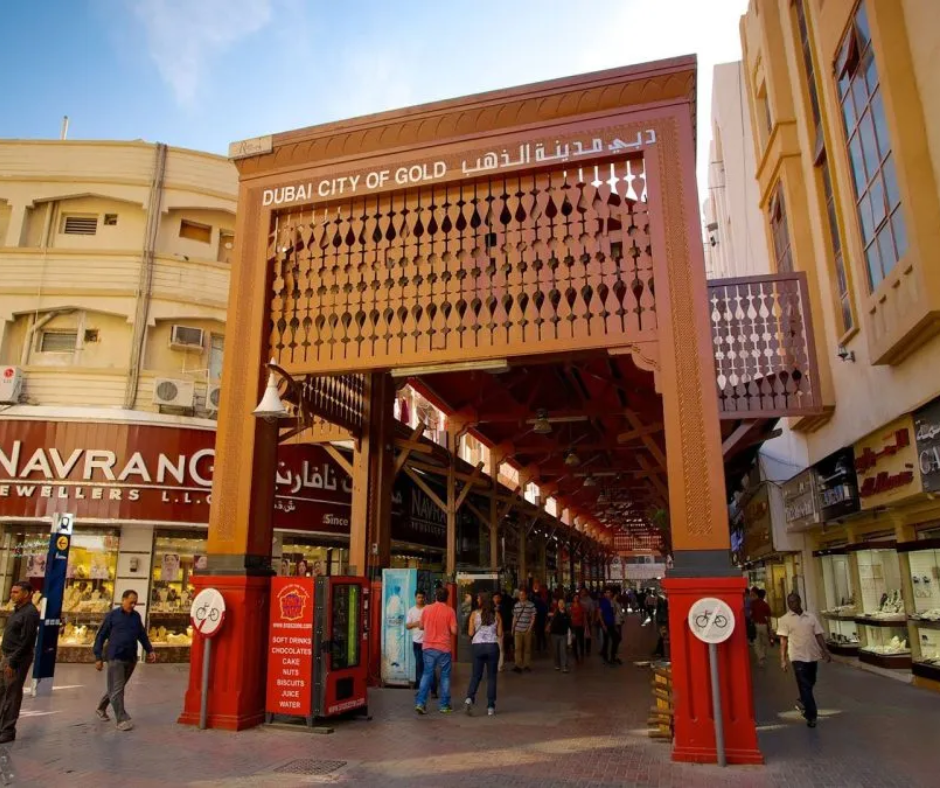
Deira and Bur Dubai are the historic hearts of the city and remain the best places for affordable lodging. These areas are packed with traditional markets and offer a look at the city's merchant history.
If you prefer a more modern atmosphere Al Barsha is an excellent alternative because it sits right next to the Mall of the Emirates and provides easy transit links to both the Marina and Downtown. Staying here often costs half the price of a room just a few miles away on the beachfront.
Booking Strategies and Timing
The price of a hotel room in Dubai fluctuates wildly depending on the time of year and the day of the week. Visiting during the summer months between June and August offers the lowest rates though you must be prepared for extreme heat. Booking your stay at least three months in advance can also secure early bird discounts. Additionally many business-oriented hotels in the Financial Center offer significantly lower rates during the weekends when corporate travelers have headed home.
Navigating the City Using Efficient Transportation
Getting around the city does not have to be expensive if you understand the local infrastructure. The city has invested heavily in a world-class public transit network that connects almost every major landmark. Learning the nuances of the system will save you a significant amount of money compared to relying solely on private ride-sharing services.
The Power of the Nol Card
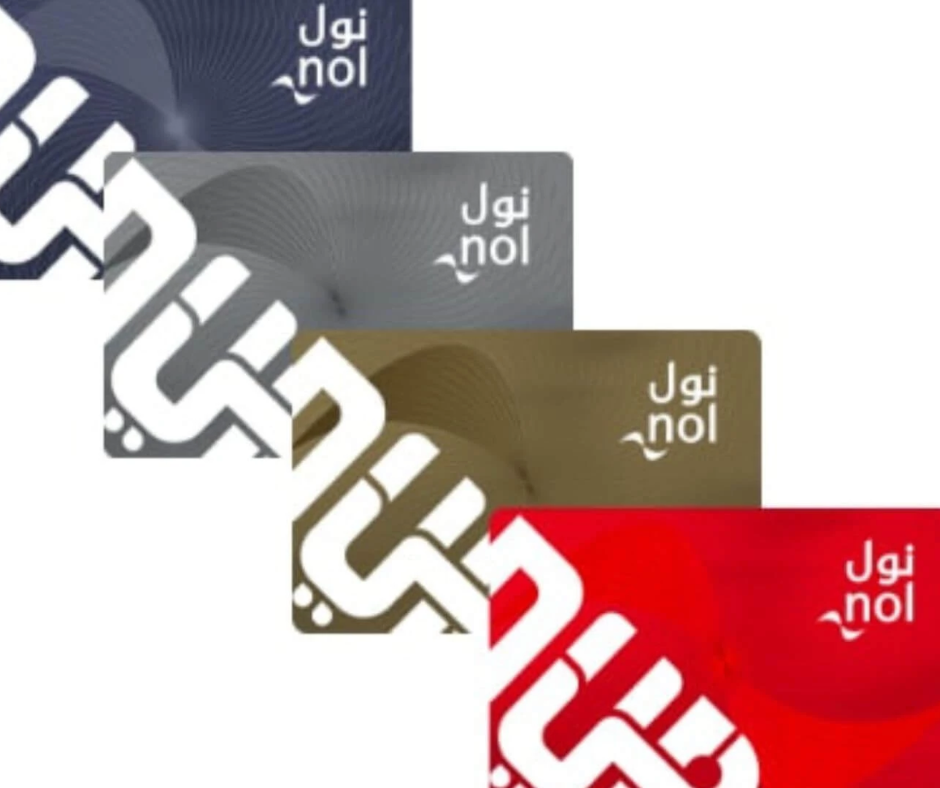
The Nol card serves as your essential tool for all public transit including the Metro, trams, and public buses. You can purchase a Silver Nol card at any station for a small fee which then allows you to tap in and out of various zones.
The Metro system is divided into zones and your fare is calculated based on how many zones you cross during your journey. Using the Metro to travel from the airport to the city center is not only cheaper than a taxi but often faster during peak traffic hours.
Water Taxis and Alternative Mobility
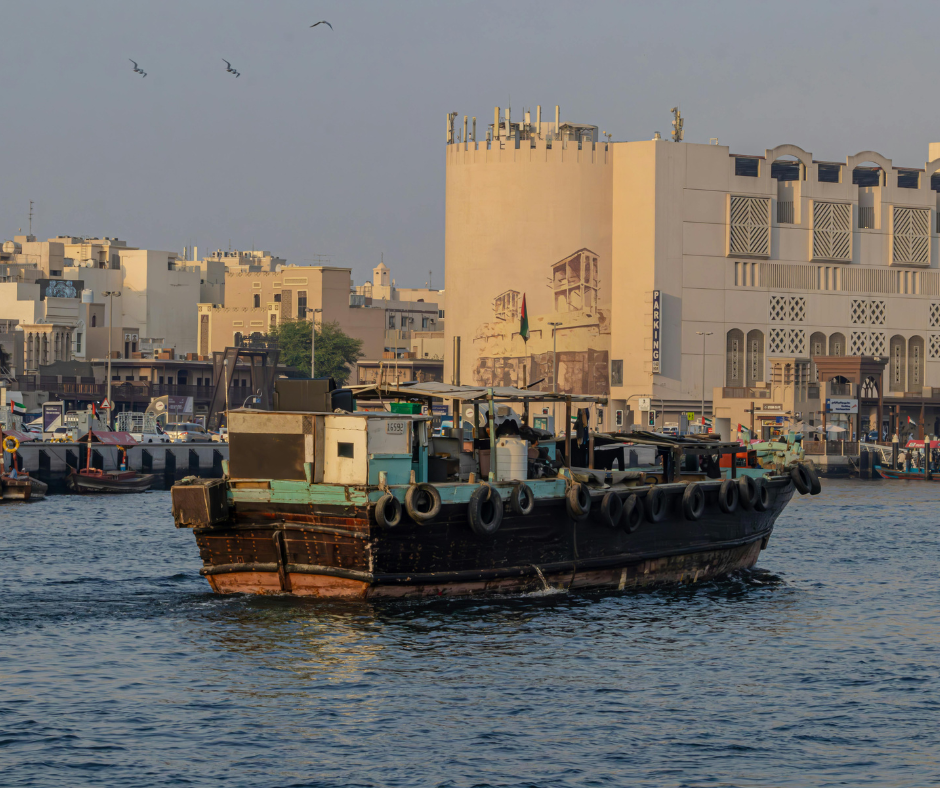
For a truly affordable and traditional experience you must take an abra across Dubai Creek. These small wooden boats cost only 1 AED per trip and connect the souks of Deira with the historic district of Bur Dubai.
It is perhaps the best value activity in the entire city and provides a unique perspective of the old skyline. For longer distances across the water the Dubai Ferry offers a more comfortable and scenic route that acts as an affordable alternative to private yacht charters.
Savoring the Flavors of Dubai on a Budget
Dubai is a melting pot of cultures which means the food scene is incredibly diverse. While you can easily find gold-leaf burgers and expensive tasting menus the most authentic flavors are often found in the smaller neighborhood eateries. You can eat extremely well by following the local crowds to the many cafeterias and bakeries scattered throughout the city.
Street Food Districts
The neighborhoods of Satwa and Karama are legendary for their high-quality and low-cost dining options. Here you can find traditional Emirati snacks alongside Pakistani curries and Filipino specialties.
A massive plate of grilled chicken or a fresh shawarma will usually cost less than 20 AED. These areas come alive in the evenings when residents gather to eat outdoors making it a great way to experience the local social fabric.
Supermarket Savvy and Food Courts
Another way to manage your food costs is to utilize the high-quality supermarkets like Carrefour or Spinneys. These stores often have large sections dedicated to prepared meals including salads, roasted meats, and fresh bread.
If you are visiting a mall for shopping the food courts provide a wide range of international cuisines at standardized prices. This allows everyone in your group to choose what they want without the added cost of table service or high-end decor.
Maximizing Entertainment and Sightseeing Value
You do not need to spend a fortune to see the most famous landmarks in the city. Many of the most iconic experiences are available for free or for a very nominal fee if you know when and where to go. Balancing these free activities with a few carefully chosen paid experiences is the best way to manage your overall cost of travel in Dubai.
Free Cultural Experiences
When you do decide to pay for an attraction it helps to book your tickets online in advance to avoid long lines and potential price hikes at the door. If you want to see the city from above the Dubai Frame is a much more affordable option at 50 AED compared to the 199 AED Burj Khalifa observation deck.
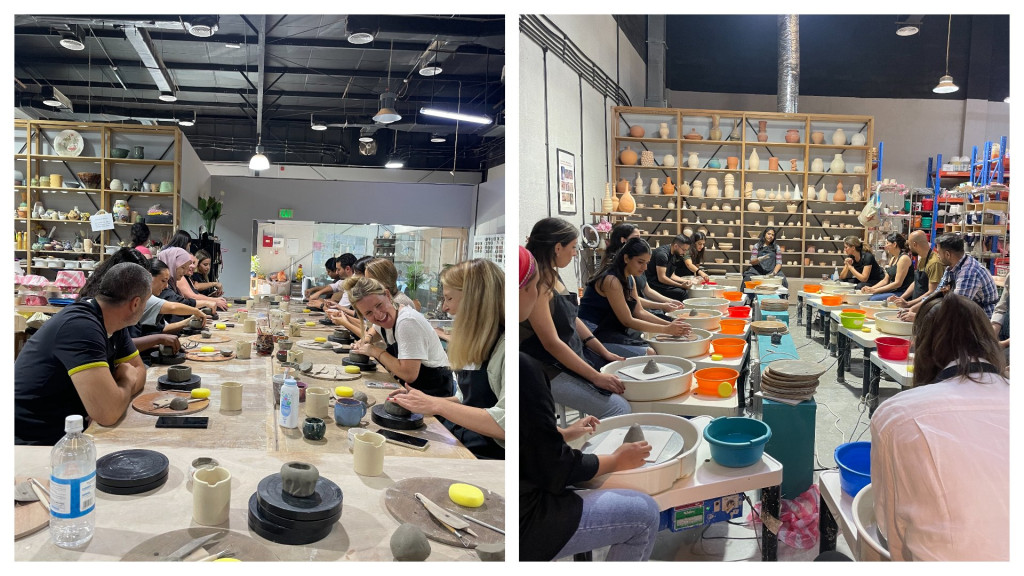
For a deep dive into local traditions you might consider joining our Dubai Pottery and Emirati Coffee Morning to learn about the heritage of the region in an intimate setting. This type of experience provides cultural value that goes beyond a simple photo opportunity and allows for a more personal connection with the local community.
Practical Logistics and Essential Entry Costs
Before you start booking your flights you should account for the mandatory costs associated with entering the country. These administrative fees are non-negotiable and vary based on your nationality and the length of your stay. Ensuring you have the correct documentation will prevent expensive last-minute issues at the airport.
Understanding Visa Requirements
Many nationalities receive a free visa on arrival for 30 or 90 days but others must apply and pay in advance. A standard 30-day tourist visa typically costs between 250 AED and 400 AED depending on the processing agency.
If you plan to stay longer a 60-day visa will increase that cost to roughly 500 AED to 700 AED. Always verify your specific requirements on the official UAE government portal before you finalize your travel dates.
Smart Shopping and Souvenirs
If you plan to bring home a piece of the city you should set a specific budget for shopping. The souks are the best place to find unique items like spices which cost about 10 AED per bag or textiles which range from 30 AED to 100 AED.
You must be prepared to negotiate politely by offering about half of the initial asking price and working your way to a middle ground that feels fair. For more modern items the various shopping festivals held throughout the year offer significant discounts of 25 percent or more on electronics and fashion.
Final Preparations for Your Dubai Journey
Managing your expenses in this desert metropolis is all about preparation and making conscious choices about where to splurge and where to save. By choosing the right neighborhood and utilizing the extensive public transport network you can see everything the city has to offer without overspending.
Timing Your Visit for Maximum Savings
The shoulder seasons of April and October are often the best times to visit because the weather is manageable and the prices are not at their winter peak.
During these months you can often find deals on flights and attractions as the city prepares for the transition between the hot and cool seasons. Keeping your itinerary flexible will allow you to take advantage of any last-minute offers or local events that might arise during your stay.
Embracing the Local Lifestyle
Ultimately the best way to keep your costs down is to live like a local resident rather than a high-spending tourist. Drink the local water if it is filtered and eat at the small shops where the city's workforce dines.
This approach not only saves you money but also provides a much more authentic and rewarding travel experience. Dubai is a city of many layers and the most interesting ones are often the most affordable to explore.