
Planning a trip to a city world-famous for its skyscrapers often feels like a guaranteed way to drain your savings, especially when you are trying to balance sightseeing with a practical budget.
That is why our team at WildyNess created this guide to show you how to navigate the local scene and unlock high-value experiences without overspending.
Maximizing Value in the Historic Quarters
Navigating the Streets of Al Fahidi
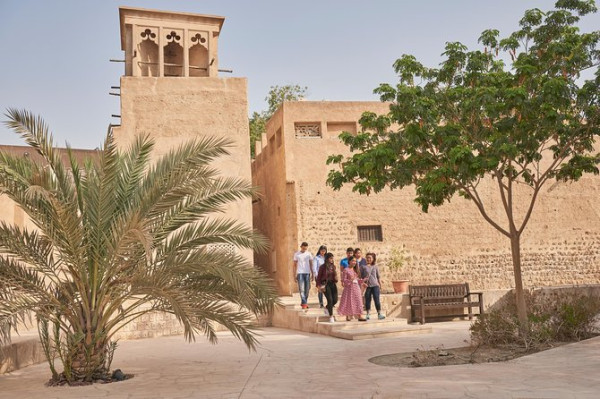
Old Dubai offers an immediate window into the history of the region before the arrival of modern towers.
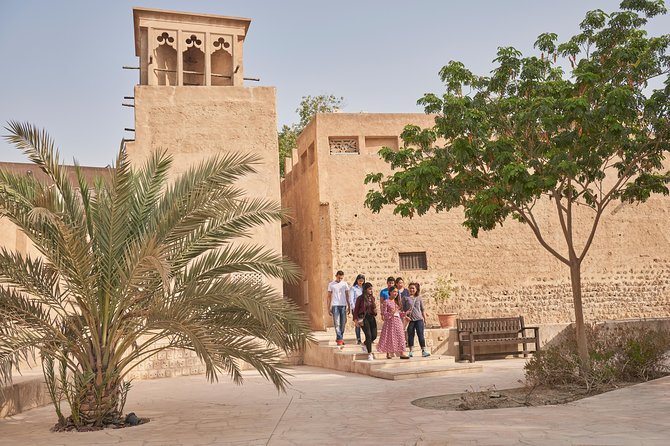
Moving early in the day allows you to beat the peak afternoon heat while exploring narrow lanes, traditional courtyards, and classic architectural wind towers made of gypsum and coral stone stone. This area requires no entry ticket, making it an excellent starting point for an affordable day out.
Exploring the Traditional Creek Crossings
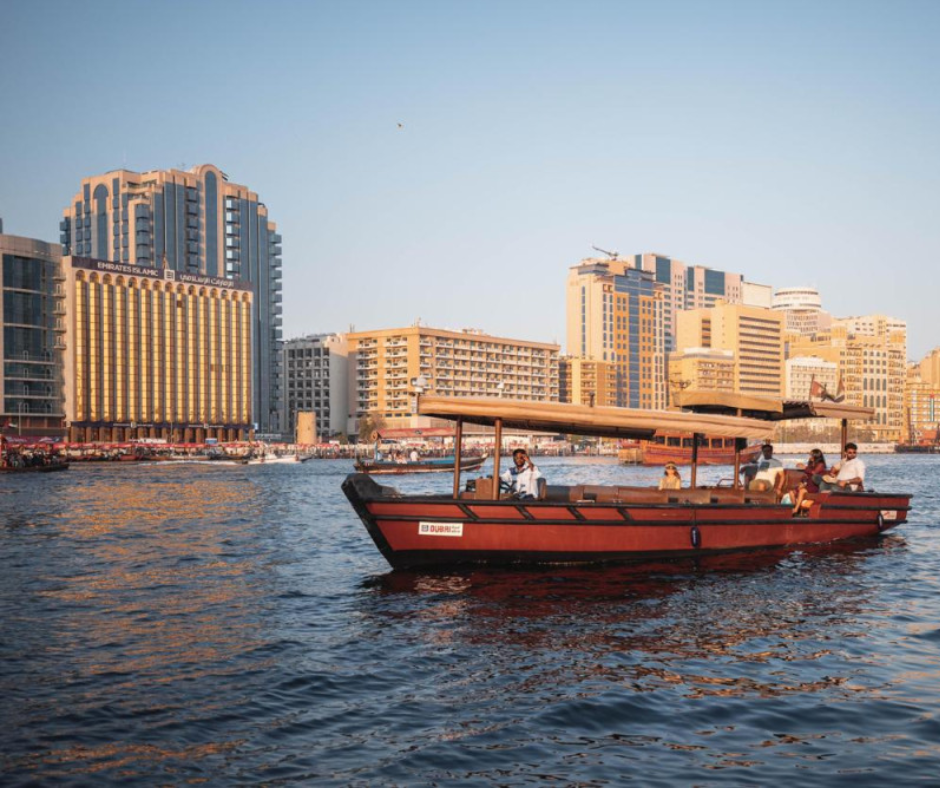
To understand how early merchant communities operated, you must cross the water using the historic transport systems. Walking down to the edge of Dubai Creek leads you directly to the abra stations.
Boarding one of these traditional motorized wooden boats costs exactly one dirham per passenger for a single crossing.
Wandering the Spice and Gold Markets
Once you step off the boat on the Deira side of the creek, you enter the traditional market quarters. The Spice Souk features open displays of dried limes, rose petals, frankincense, and regional herbs where you can learn about traditional ingredients directly from vendors.
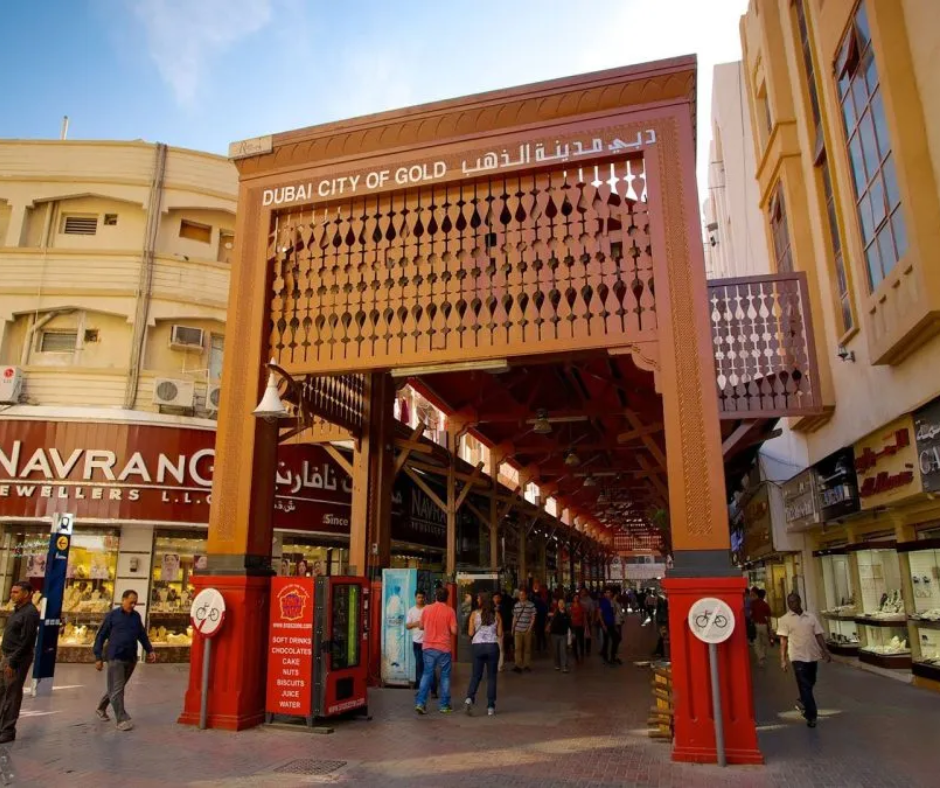
Just a short walk further brings you to the covered lanes of the Gold Souk, which serves as an open-air showcase of jewelry design. Exploring these markets is entirely free, and you can practice local bargaining customs if you decide to purchase small souvenirs.
Low Cost Waterfront and Entertainment Spectacles
Finding the Best Views of the Burj Lake Show
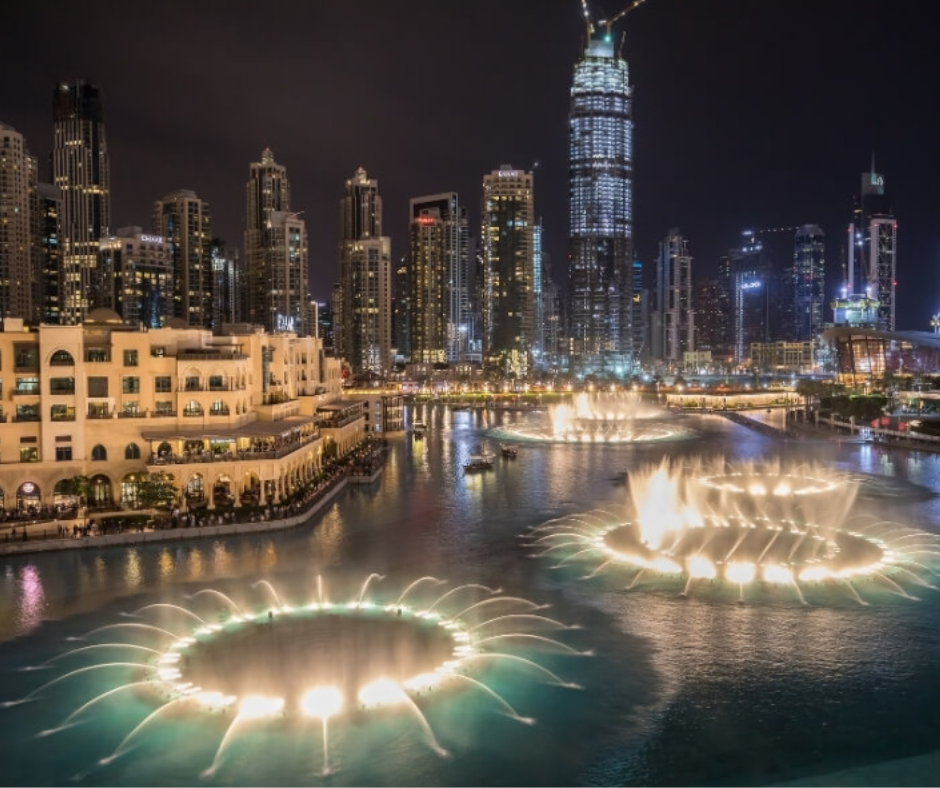
The evening water displays outside the Dubai Mall are completely free to watch, meaning your primary goal is to secure a strategic viewpoint without booking an expensive restaurant table.
We recommend walking further along the waterfront path toward the bridge leading to Souk Al Bahar or heading toward the residential walkways. These areas offer the same acoustic clarity and wide viewing angles with much more breathing room.
Timing Your Visit to Avoid Crowds
Managing your schedule is the easiest way to improve your experience at the waterfront shows. The performances run every thirty minutes throughout the evening, but the early slots before peak dinner hours are generally less congested.
Arriving approximately twenty minutes before a scheduled performance gives you ample time to choose a clear spot along the railing. Choosing a weekday evening instead of the weekend also reduces the transit times into the Downtown district.
Smart Logistics for Downtown Access
Taking a private taxi into the center of the city during the evening can quickly become expensive due to traffic delays on major highways. You can bypass this expense entirely by using the public rail network to reach the Downtown area.
Exiting at the Burj Khalifa or Dubai Mall station puts you directly onto the air-conditioned pedestrian walkway that leads straight into the entertainment zone. This approach keeps your transport costs predictable and saves your travel funds for other cultural activities.
Affordable Outdoor Recreations and Public Beaches
Spending a Day at Kite Beach
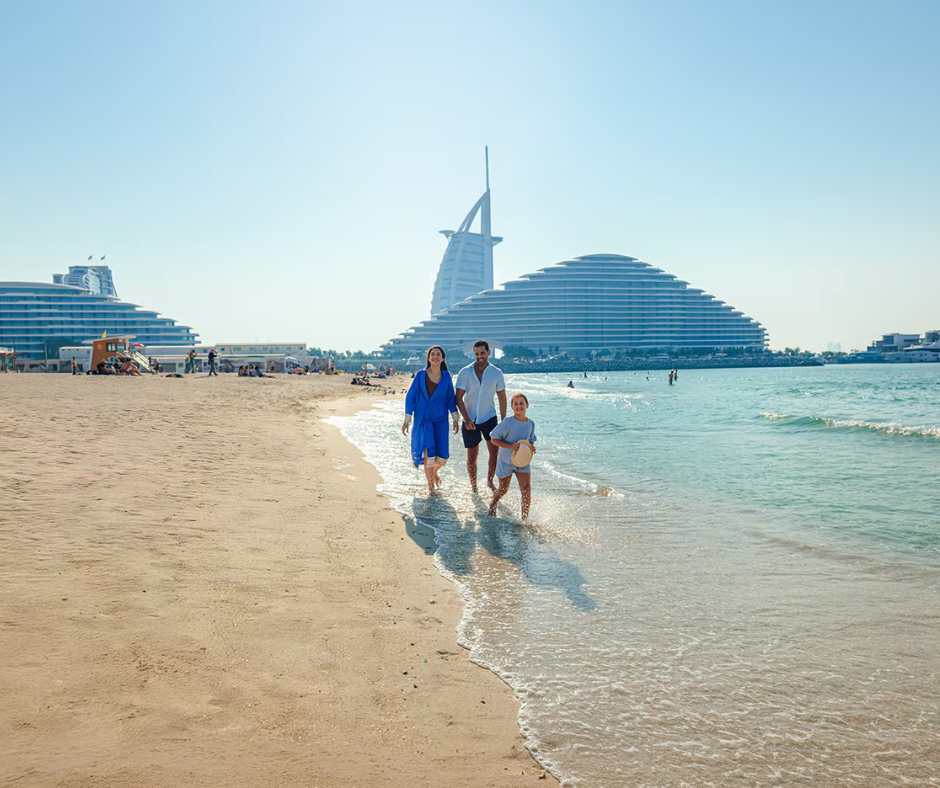
Public coastal spaces in the city provide excellent facilities without the premium price tag of private beach resorts. Kite Beach is highly recommended for an active day by the ocean because it features wide sandy shores, public changing areas, and a long running path.
You can enjoy a clear view of the Burj Al Arab from the sand while relaxing. Arriving in the early morning hours ensures calmer water conditions and makes it simpler to find a spot before midday crowds arrive.
Locating the Quiet Shores of Al Sufouh
If you prefer a peaceful environment focused on reading and swimming, you should plan a trip to Al Sufouh Beach, which locals frequently refer to as Secret Beach. This coastal stretch remains largely undeveloped, meaning there are no loud commercial outlets or rowdy beach clubs.
Because amenities and shops are limited in the immediate vicinity, you will need to pack your own water supply, towels, and snacks to remain comfortable throughout the day.
Utilizing Managed Parks and Green Spaces
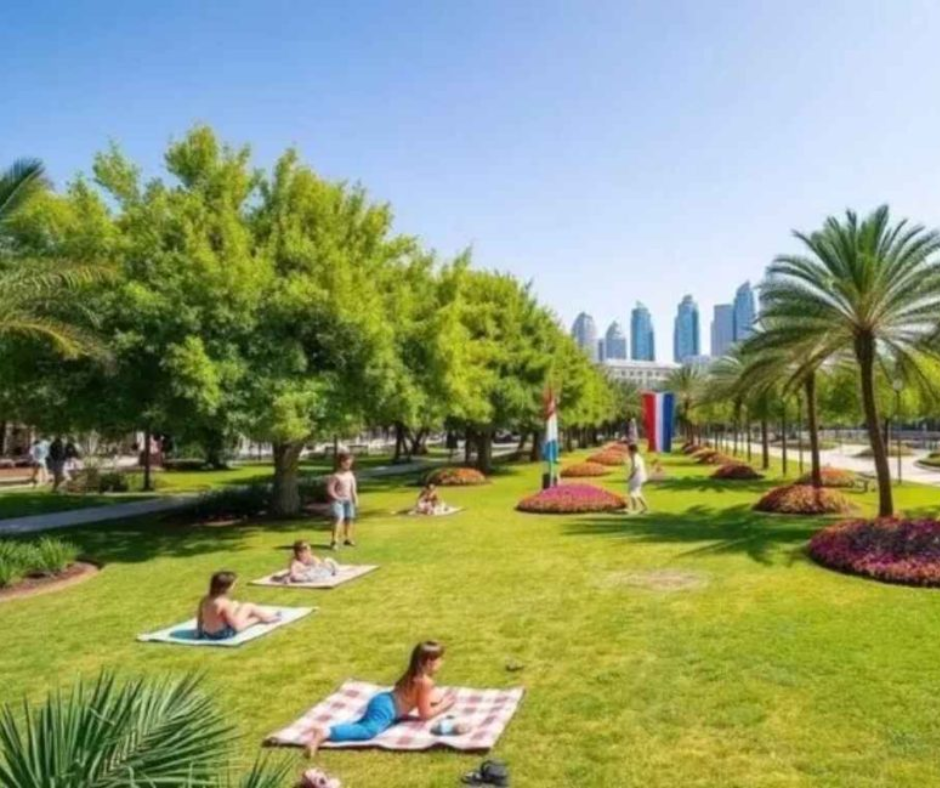
Managed public parks offer massive green lawns and extensive shade tree canopies for a nominal entrance fee. Al Mamzar Beach Park requires a small ticket payment but grants you access to multiple clean beach coves, barbecue areas, and manicured lawns.
Further inland, places like Zabeel Park offer walking tracks and open spaces that are ideal for a budget afternoon picnic. Carrying small cash or ensuring your transit card is loaded will grant you quick entry through the turnstiles.
Economic Desert Excursions and Preparation
Selecting Shared Tour Packages
Experiencing the desert environment does not require booking a private luxury safari vehicle. You can opt for a shared half-day desert excursion, which divides the vehicle costs among a small group of fellow travelers.
Booking these excursions on weekdays often drops the price significantly compared to weekend schedules. Choosing a morning safari package rather than an evening dinner show is another smart alternative that provides excellent dune viewing at a fraction of the cost.
Planning a Self Guided Outing to Al Qudra
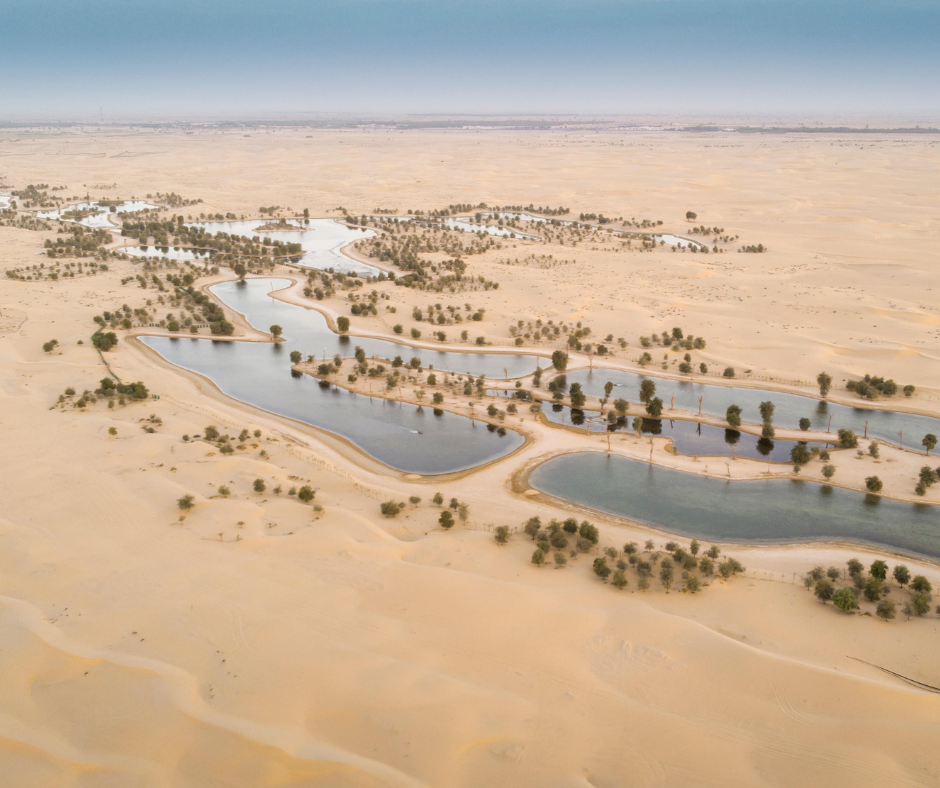
For independent travelers who prefer to move at their own pace, a trip out to the Al Qudra Lakes region offers a budget-friendly alternative. The area is accessible using a standard sedan car if you remain strictly on the paved access roads and marked tracks. This destination is ideal for watching the sunset over the dunes and photographing local bird species near the water.
You must avoid driving deep into loose sand banks without a proper four-wheel-drive vehicle, as recovery services are incredibly expensive.
Packing the Essential Desert Gear
To avoid paying premium prices for emergency supplies at remote desert rest stops, you should pack your gear efficiently before leaving your accommodation. We recommend carrying a minimum of two to four liters of drinking water per person, along with simple snacks, high-factor sunscreen, sunglasses, and a wide hat.
Bringing a portable power bank ensures your navigation devices stay charged, while closed-toe shoes protect your feet from hot sand and rocky terrain.
Panoramic Viewpoints on a Budget
Viewing the Skyline via the Dubai Frame
Capturing views of the urban landscape from an observation deck is a classic travel goal that can easily become expensive. The Dubai Frame serves as one of the best value viewpoints in the city because its ticket pricing is much lower than the higher observation skyscrapers.
Standing at the top of this architectural structure allows you to see the older low-rise neighborhoods of Deira on one side and the modern towers of Downtown on the other, giving you two distinct perspectives for a single ticket.
Visiting the Sky Views Observatory
If you want to view the tallest structures in the world from a elevated position, the Sky Views Observatory offers a practical solution. Located on top of the Address Sky View towers, this deck positions you eye-level with the central skyscraper cluster.
The standard admission ticket includes access to the main viewing areas and the transparent glass floor walk. You can skip the premium ride add-ons to keep your entry cost low while still getting panoramic photographs.
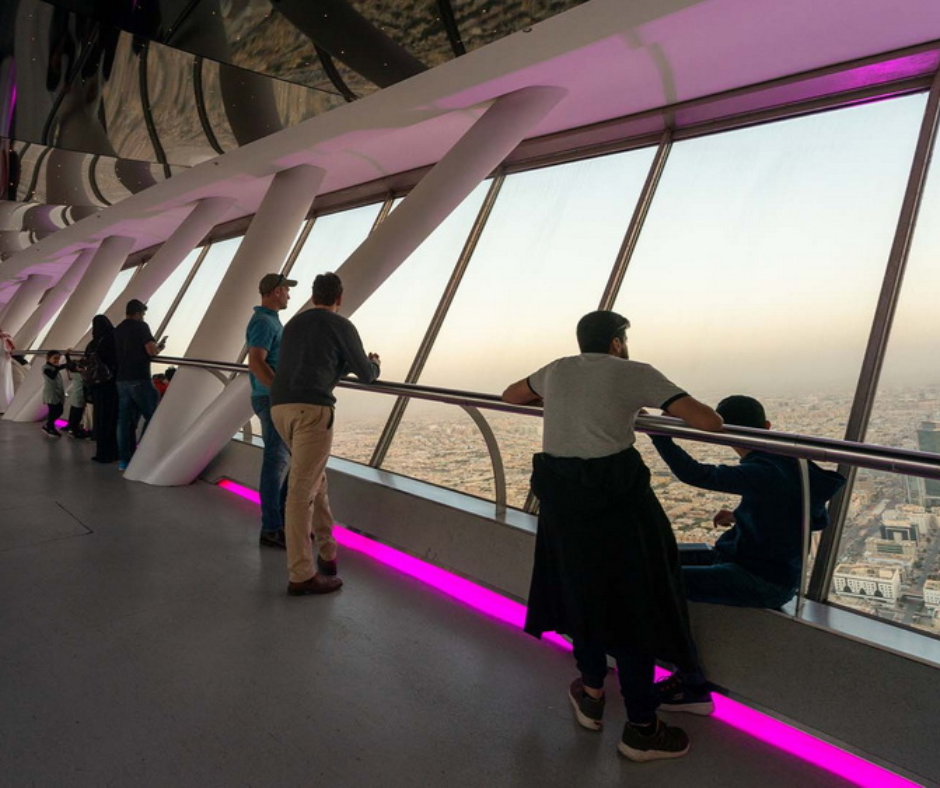
Merging Paid Decks with Free Viewpoints
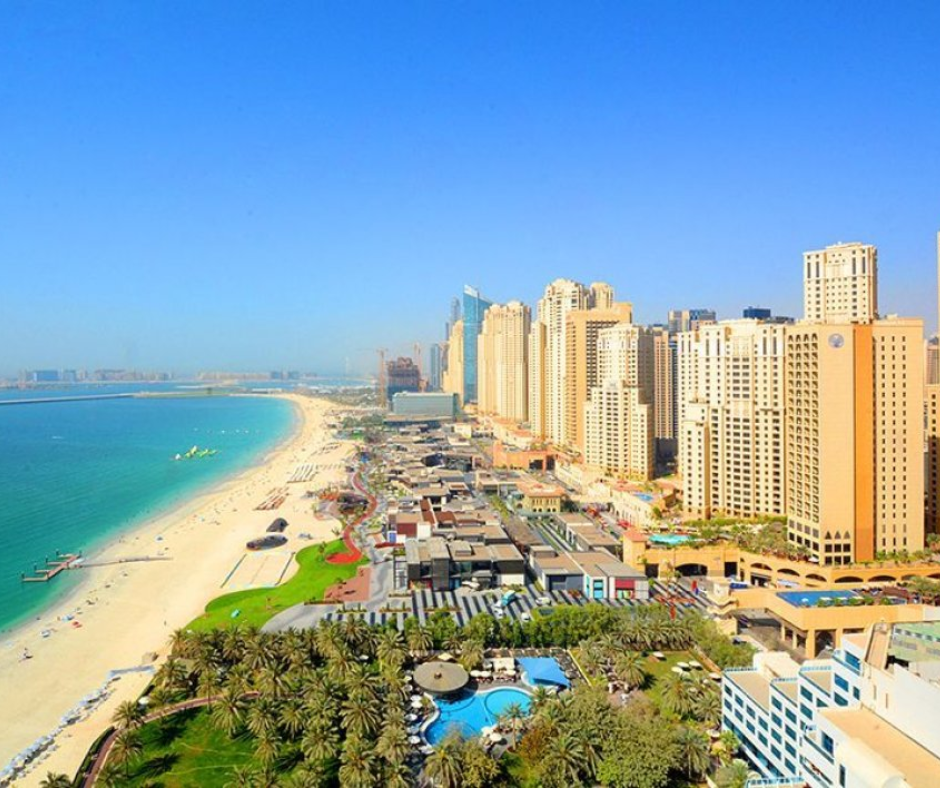
A balanced sightseeing plan combines one selected paid observation deck with multiple free viewpoints across the city. For example, you can visit the View at The Palm to understand the scale of coastal engineering projects, and then spend your remaining evenings enjoying free viewing areas.
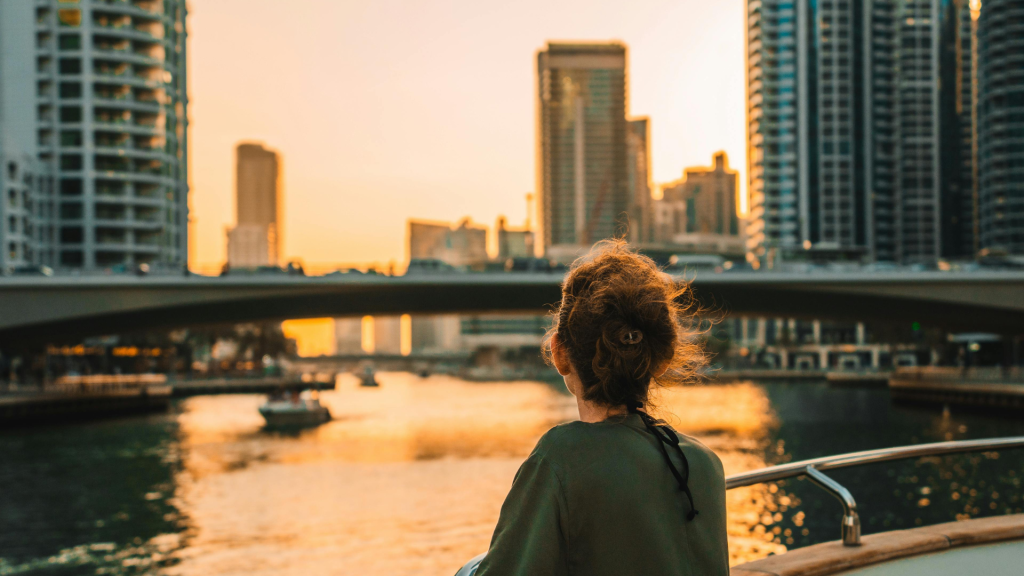
Walking along the Jumeirah Beach Residence beachfront promenade costs nothing and provides sweeping views of the marina skyline against the sea during the golden hour before sunset.
Wallet Friendly Dining Strategies
Finding Street Food in Old Dubai
Eating exceptionally well does not require visiting high-end restaurants or luxury hotel buffets. The older neighborhoods of Deira and Bur Dubai are packed with small eateries, traditional bakeries, and cafeteria counters that serve large portions at local prices.
You can easily find classic shawarma wraps, fresh falafel tucked into warm khubz bread, and baked manakish topped with cheese or zaatar. Pairing these items with a hot cup of sweet karak chai creates a filling meal for pocket change.
Ordering Large Plates for Shared Meals
When dining at local neighborhood restaurants, changing how you order can cut your food bill in half. Many traditional Levantine, Indian, and Iranian establishments serve massive portions that are designed for sharing.
You can order a single large plate of mixed grilled meats or a fragrant rice dish like Machboos, and supplement it with sides of hummus, moutabal, and fresh flatbread. This communal style of dining keeps the cost per person low while allowing you to taste a wider variety of local flavors.
Participating in Cultural Food Exchanges
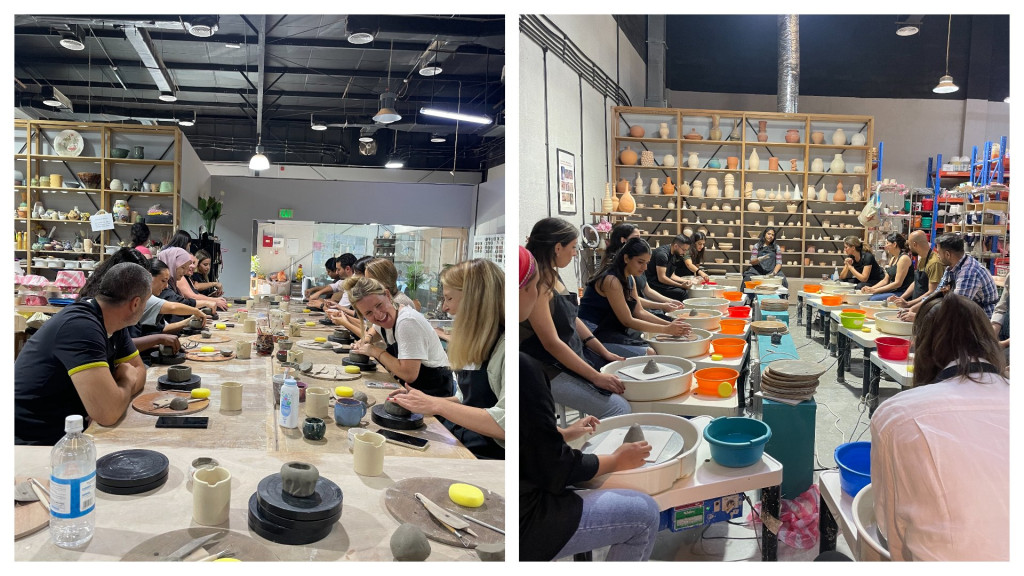
If you want to blend budget-conscious dining with a deep dive into local heritage, look for immersive workshops that include traditional elements.
For a creative approach that introduces you to authentic hospitality, you can participate in our Dubai Pottery & Emirati Coffee Morning experience on WildyNess.
Navigating the City Using Public Transportation
Utilizing the Nol Card System
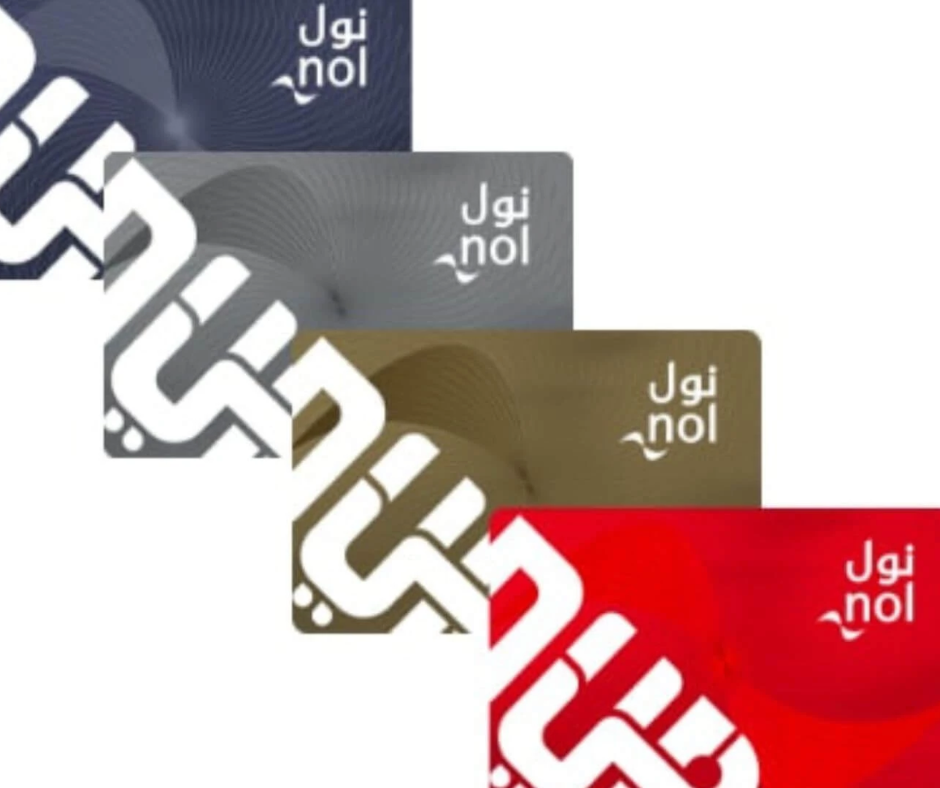
The public transportation network is clean, efficient, and fully air-conditioned, making it the most practical tool for budget exploration. To use the network, you must purchase a smart transit card known as a Nol card at any metro or bus station entrance. You simply tap the card at the gates when entering and exiting the transport platforms.
The urban system is divided into geographical zones, and your fare is automatically calculated based on the distance you travel across metro trains, trams, and public buses.
Mapping Out the Rail Lines
The rail system is divided into simple lines that connect major points of interest across the long layout of the city. You can ride the Red Line to reach major central destinations, including the financial districts, the major shopping malls, and the marina waterfront.
When you reach the marina zone, you can transfer seamlessly to the Dubai Tram to navigate between the coastal residential blocks and the beach walkways without relying on private vehicles.
Smart Commuting Advice for Travelers
Navigating the city like a local requires observing a few simple transit habits to ensure a smooth journey. You should try to avoid the peak commuter rush hours in the early mornings and late evenings when trains are heavily packed with office workers.
Standing to the right on escalators keeps the pedestrian traffic flowing smoothly, and carrying a light sweater or jacket is smart because the air conditioning inside the stations can feel chilly compared to the outdoor desert temperatures.
Cultural Immersion and Heritage Walks
Strolling the Al Seef Waterfront
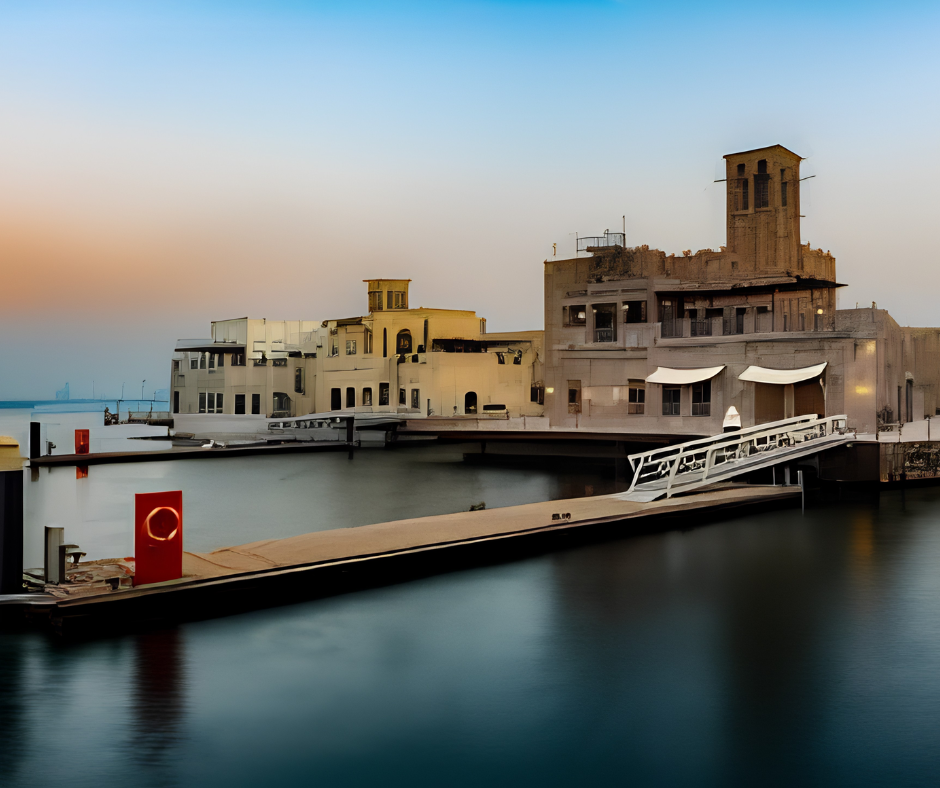
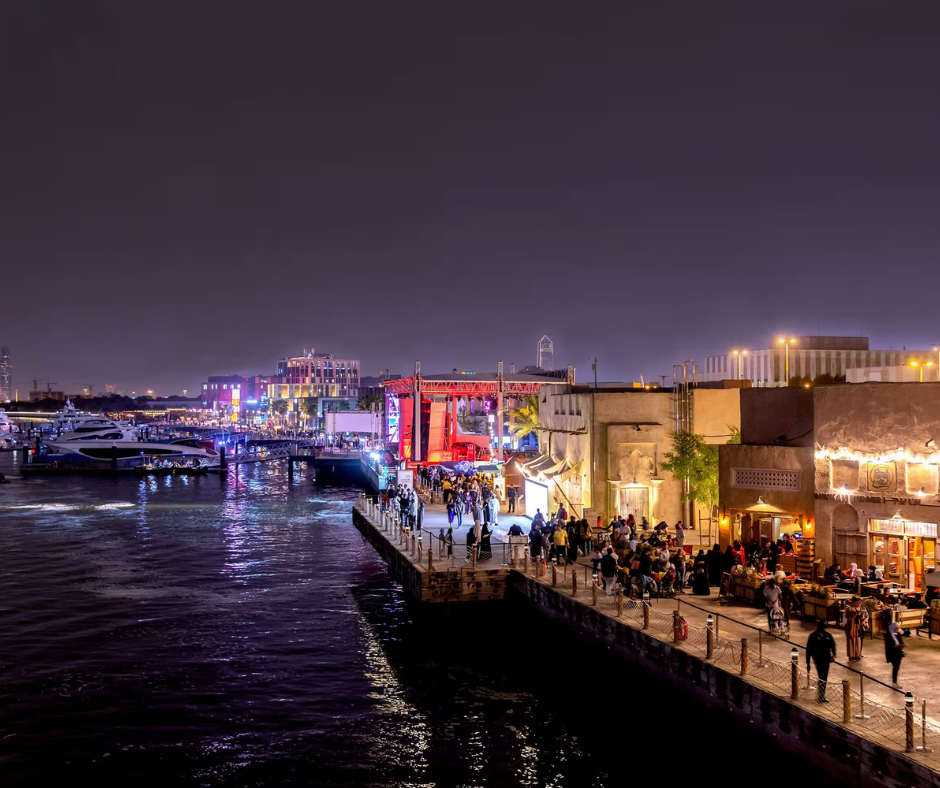
Combining modern design with historical architecture, the Al Seef district offers a scenic walking route along the edge of the creek. One side of the development features contemporary architecture, while the other side replicates traditional mud-brick buildings and rustic wind towers.
Walking through this district is entirely free, allowing you to photograph the contrasts of the city at your own pace without the pressure of a tour group.
Visiting Independent Specialized Museums
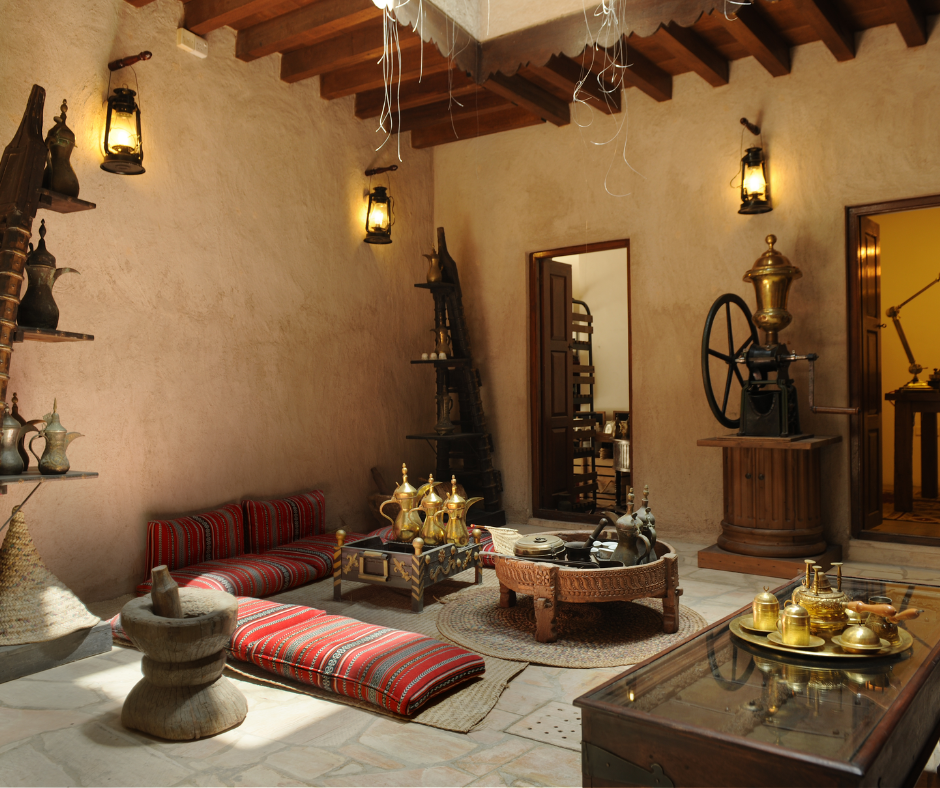
Within the historic quarters, several small independent museums open their doors to visitors for free or for a small voluntary donation. You can step into the Coin Museum to examine historical currencies from different eras of regional trade, or visit the Coffee Museum to see antique brewing tools and learn about the origins of coffee culture in the Middle East.
These quiet spaces provide valuable educational insights away from the main commercial paths.
Building Connections Beyond the Highlights
True travel value comes from the memories you form when interacting with the people who call a destination home. Balancing your itinerary between free self-guided walks and community-focused experiences ensures a well-rounded trip.
Choosing activities that emphasize cultural exchange allows you to discover the authentic layers of the city while keeping your travel budget balanced, proving that you do not need luxury access to experience the real soul of Dubai.
For more informations about Dubai in details, read:
Car Rental in Dubai: The Ultimate Guide
Cost of Travel in Dubai: A Complete 2026 Budget Guide
The Ultimate Old Dubai Walking Tour: A Guide to the City's Soul
For Itinerary inspiration in Dubai, we suggest reading:
The Soul of Dubai: A Two Day Explorer's Guide
The Ultimate 3-day Dubai Itinerary Guide
If you're into cafés and photography, read:
Most Instagrammable Cafes in Dubai: A Photography Guide for 2026
Tipping in Dubai: How Much to Tip and Who to Tip in the UAE
Where to Watch the Sunset in Dubai: A WildyNess Travel Guide
For more things to do in Dubai, we recommend reading:
Dubai's Pottery Pulse: A Creative Oasis in the City of Gold
Sandboarding Dubai: A Beginner's Guide
Yoga Retreat Dubai: A Guide to Desert & Beach Wellness Stays
Dubai Travel Guide: Authentic Things to Do & Practical Tips
Explore Dubai Hidden Gems: History, Art, and Local Eats