Planning a trip into the rolling dunes of the Emirates often brings up a mix of excitement and logistics-induced stress.
That is why our team at WildyNess created this guide to ensure your night under the stars is as seamless as possible.
Top Destinations for Camping in the UAE
The choice of location defines your entire experience, moving from high-altitude mountain air to the deep silence of the world’s largest sand desert.
Liwa desert
For those seeking the ultimate escape, the Liwa Desert in the Empty Quarter stands as the gold standard.
This region is famous for massive dunes like Moreeb Dune, where the sand turns a deep orange as the sun sets. Camping here requires a serious 4x4 vehicle and a high level of self-sufficiency because you will be far from any convenience stores or petrol stations.
Jebel Jais in RAK
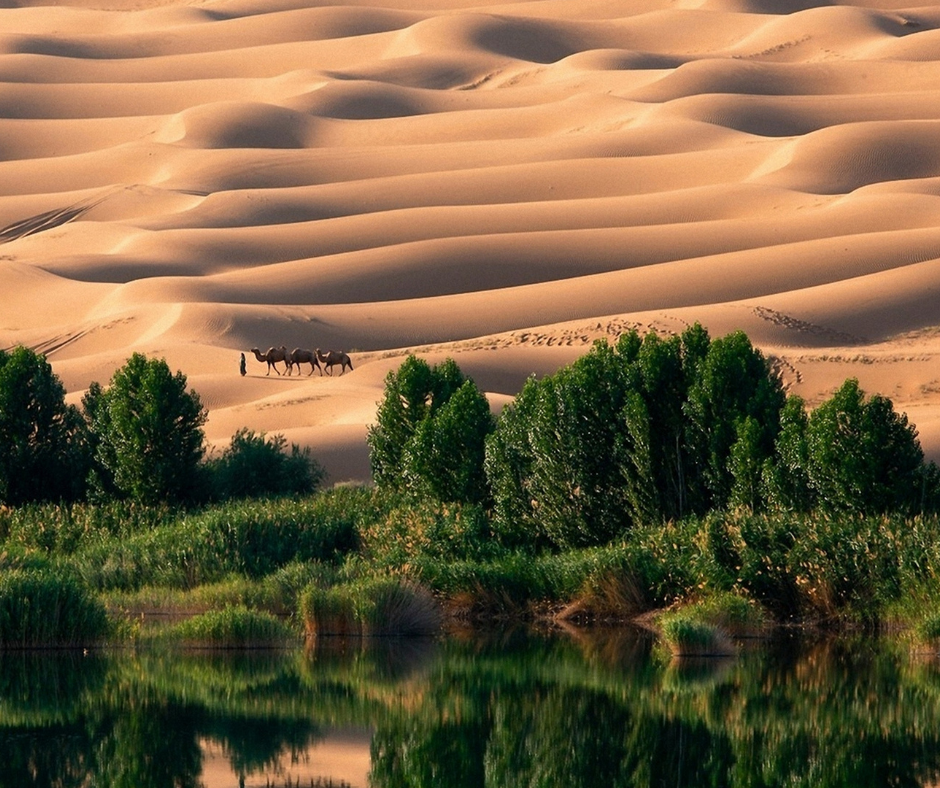
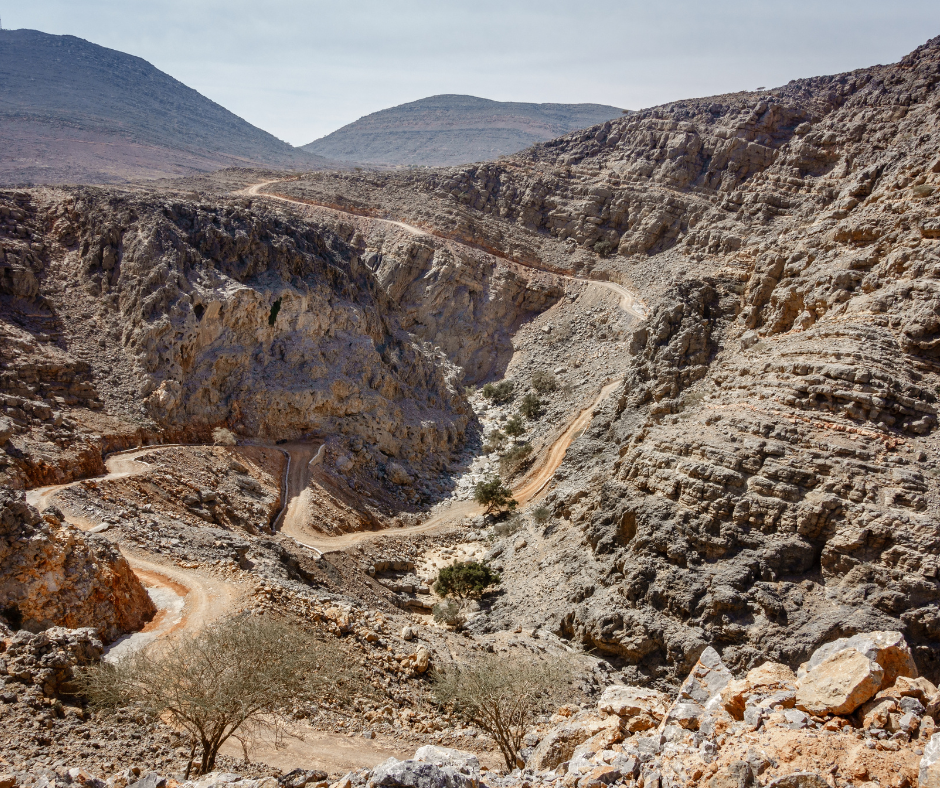
If you prefer cooler temperatures and a more solid ground for pitching your tent, Jebel Jais in Ras Al Khaimah is the best option.
As the highest peak in the UAE, the mountain offers dedicated camping spots with paved access and spectacular views over the Hajar Mountains. It is often ten degrees cooler here than at sea level, so a heavy jacket is essential even when the coast feels warm.
For things to do in RAK, we recommend reading Things to Do in Ras Al Khaimah: The Ultimate Guide
Al Qudra Lakes in Dubai
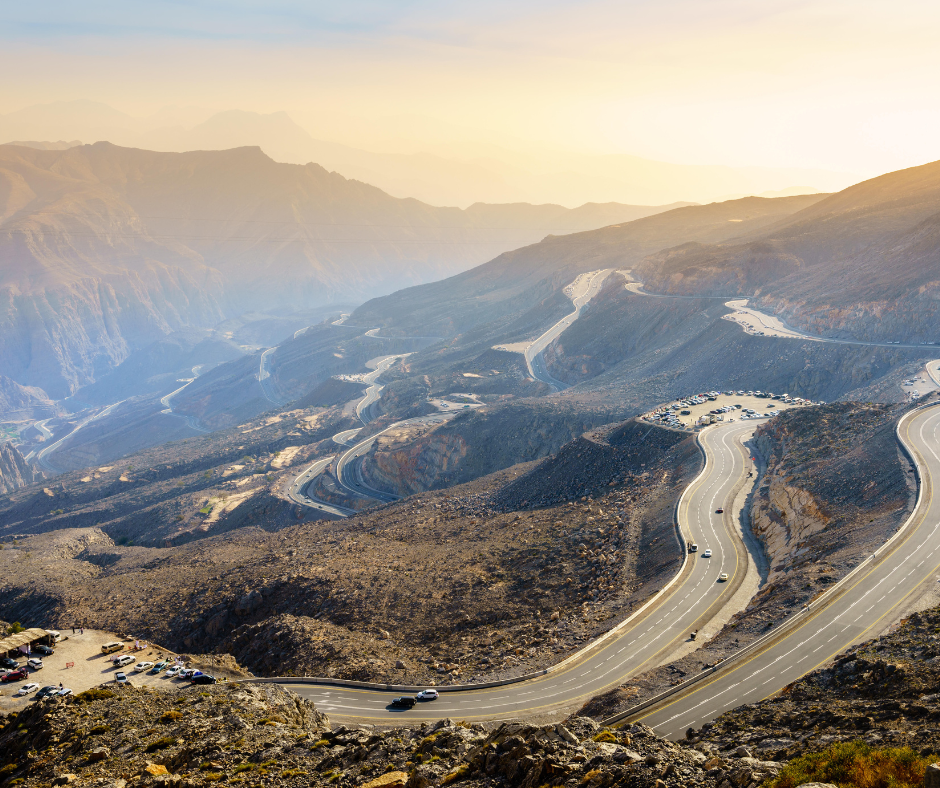
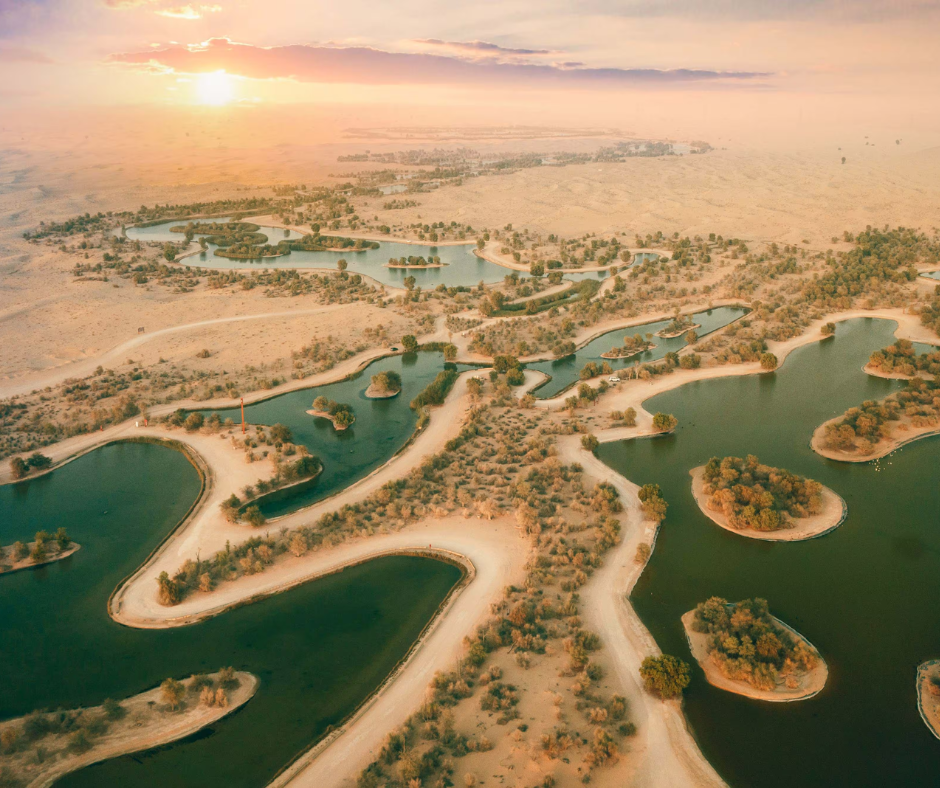
For a balance of desert vibes and easy access, Al Qudra Lakes in Dubai provides a beginner-friendly introduction to the outdoors.
The terrain is flat and the proximity to the city means you can head out for a quick overnight stay without hours of driving. It is a popular spot for families, featuring cycling tracks and plenty of birdlife around the man-made lakes.
Beaches of Umm Al Quwain or the mangroves of Ajman
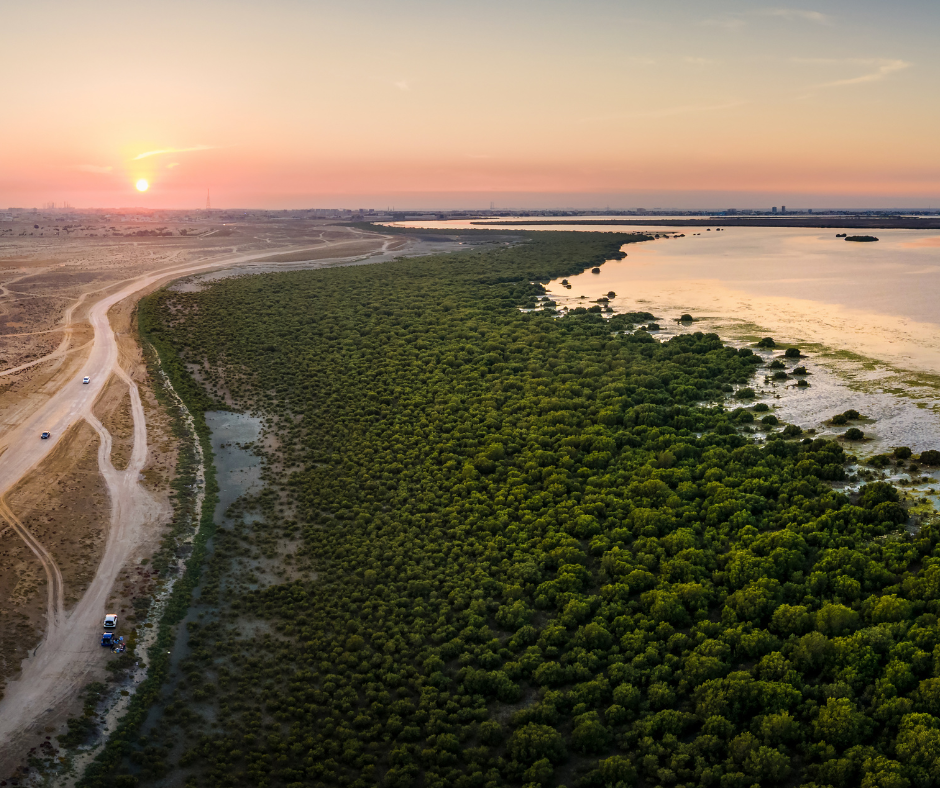
Coastal lovers should head to the beaches of Umm Al Quwain or the mangroves of Ajman.
These spots offer the unique experience of waking up to the sound of waves while still being able to enjoy a campfire on the sand. Just remember to check the tide charts before you pitch your tent to avoid a midnight flood.
Read all about umm al quwain in: Things to Do in Umm Al Quwain: The Ultimate Guide in 2026
Best Time of Year for Your Desert Trip
Timing is the most critical factor for safety and comfort in the UAE. The primary camping season runs from late October through March when the daytime temperatures stay between 25 and 30 degrees Celsius. During these months, the humidity drops and the nights become crisp and refreshing. November and February are particularly prized for their clear skies and mild winds.
Attempting to camp between May and September is generally discouraged for anyone without professional-grade cooling equipment. The heat in the deep desert can exceed 50 degrees during the day, and even the nights remain stiflingly hot. If you must go during the shoulder months of April or October, stick to the higher elevations of the Hajar Mountains where the altitude provides a necessary break from the heat.
Wind conditions also play a major role in your timing. Before heading out, check the local weather forecasts for sandstorm warnings. A moderate breeze is pleasant, but high winds can turn a camping trip into a gritty struggle to keep sand out of your food and your tent zippers.
Essential Gear and Packing Logic
Success in the desert depends on your ability to manage the transition from hot days to cold nights. We recommend a layering system for your clothing. Start with light, breathable cotton or linen for the daytime to protect your skin from UV rays. As soon as the sun dips below the horizon, the temperature drops rapidly, making a fleece mid-layer and a windproof outer shell necessary.
Your sleep system should include a tent with high-quality ventilation and a flysheet that can be fully secured against the wind. Since the sand can be difficult for standard tent pegs, consider bringing sand stakes or heavy bags that you can fill with sand to anchor your corners. A thick sleeping mat is also vital, not just for padding, but to insulate your body from the cold ground.
Lighting is another area where many first-timers struggle. A headlamp is far superior to a handheld flashlight because it leaves your hands free for cooking or setting up gear. Bring extra batteries and a portable power bank for your phone, keeping in mind that cold nights can drain battery life faster than usual.
Water and Nutrition Strategy
Hydration in the desert is a science, not a suggestion. You should plan for a minimum of four to five liters of water per person per day for drinking, with extra for cooking and cleaning. It is a good practice to carry at least 20 percent more water than you think you need as a safety margin. Electrolyte powders or tablets are helpful to replace the salts lost through perspiration, even if you do not feel like you are sweating heavily in the dry air.
For food, prioritize items that are easy to prepare and do not require excessive water. Pre-marinated meats, hearty vegetables like peppers and onions, and simple grains work well. If you are using a cool box, freeze bottles of water to use as ice packs. This keeps your food cold for the first 24 hours and provides cold drinking water as the ice melts.
Always use a raised fire pit or a dedicated BBQ grill rather than lighting a fire directly on the sand. This protects the desert floor and prevents the dangerous buried embers that can burn unsuspecting walkers the next morning. You can buy bags of firewood and charcoal at most major UAE supermarkets or petrol stations on your way out of the city.
Vehicle Preparation and Off-Road Safety
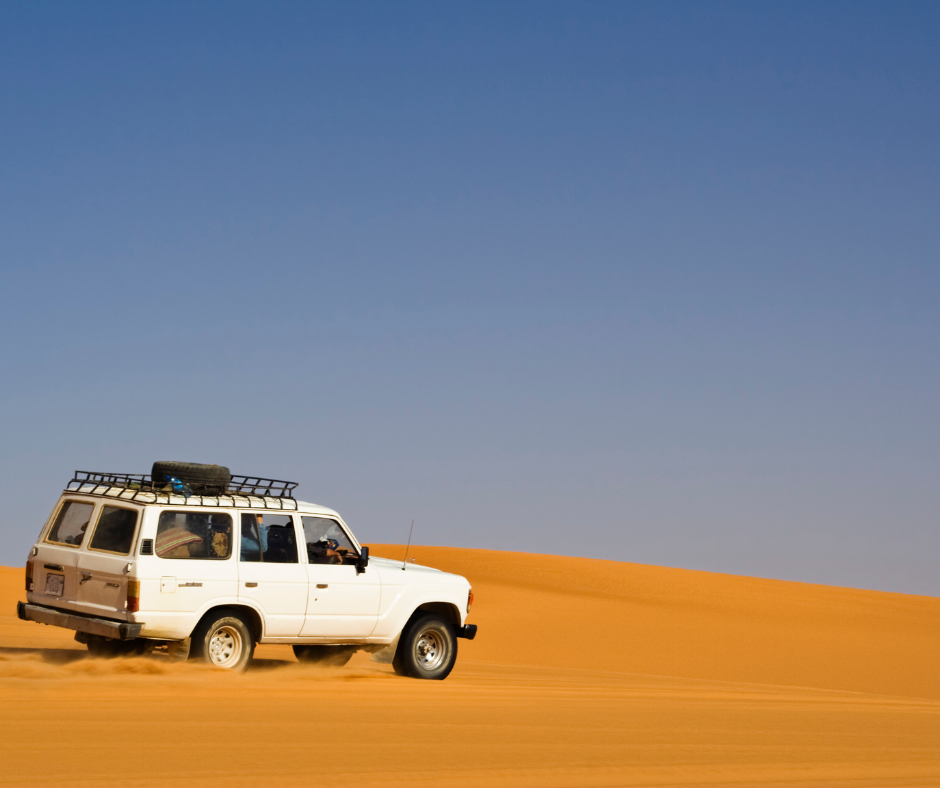
Most of the best camping spots in the UAE require leaving the paved road, which means your vehicle must be ready for the challenge. A 4x4 with high ground clearance is mandatory for places like Liwa or the deeper parts of Fossil Rock. Before you touch the sand, you must deflate your tires to between 15 and 18 PSI. This increases the surface area of the tire, allowing you to float over the sand rather than digging in.
Never venture deep into the dunes with a single vehicle. Traveling in a convoy of at least two or three cars ensures that if one person gets stuck, there is another vehicle to pull them out. Your recovery kit should include a kinetic snatch strap, a set of sand ladders or recovery boards, a shovel, and a reliable pressure gauge to reinflate your tires once you return to the asphalt.
If you are new to desert driving, stick to the edges of the dunes where the sand is firmer or follow established tracks. If you feel the car starting to bog down, stop immediately. Spinning your tires will only bury the vehicle deeper. Dig out the sand from around the tires and use your recovery boards to create a firm path forward.
Navigating UAE Camping Rules and Regulations
Regulations for camping can vary significantly between the different emirates. In Dubai, camping in most open desert areas is permitted, but specific locations like Al Qudra have stricter rules about where you can park and set up. In Sharjah, the Environment and Protected Areas Authority manages many desert zones, and some may require specific permits or have seasonal closures to protect local wildlife.
The most important rule across the entire UAE is the protection of the Ghaf tree. This is the national tree of the Emirates and is a protected species. It is strictly forbidden to cut branches for firewood or to damage these trees in any way. When choosing a campsite, keep a respectful distance from these trees to avoid disturbing their root systems.
Respect for local culture and privacy is also essential. Avoid camping too close to private farms or camel pens. If you encounter local farmers or herders, a polite greeting goes a long way. Be mindful of noise levels, especially if you are near other campers or local settlements. The desert carries sound over long distances, and most people visit the dunes to enjoy the silence.

Wildlife and Environmental Responsibility
The UAE desert is a living ecosystem home to Arabian oryx, gazelles, desert foxes, and various reptiles. Most of these animals are shy and will avoid your campsite, but you must be careful with your food storage. Keep all food in sealed containers and inside your vehicle at night to avoid attracting scavengers like foxes or feral cats.
Before you put on your shoes in the morning, always give them a good shake. Scorpions and spiders occasionally seek shelter in dark, cool spots like boots or bags left outside. While most desert insects are harmless, it is better to be cautious. Use a groundsheet for your tent and keep the mesh door zipped at all times to prevent unwanted visitors.
Our team at WildyNess follows a strict Leave No Trace policy. This means everything you bring into the desert must come back out with you. Sand does not break down litter; it simply buries it. Bring heavy-duty trash bags and pick up any litter you find left by previous visitors. Leaving the desert cleaner than you found it is the mark of a true explorer.
Enhancing the Experience with Desert Activities
Once your camp is set up, the desert offers a variety of ways to engage with the environment. Stargazing is perhaps the most rewarding activity. Far from the light pollution of Dubai or Abu Dhabi, the Milky Way becomes visible to the naked eye. If you have a set of binoculars, you can spend hours scanning the craters of the moon or distant star clusters.
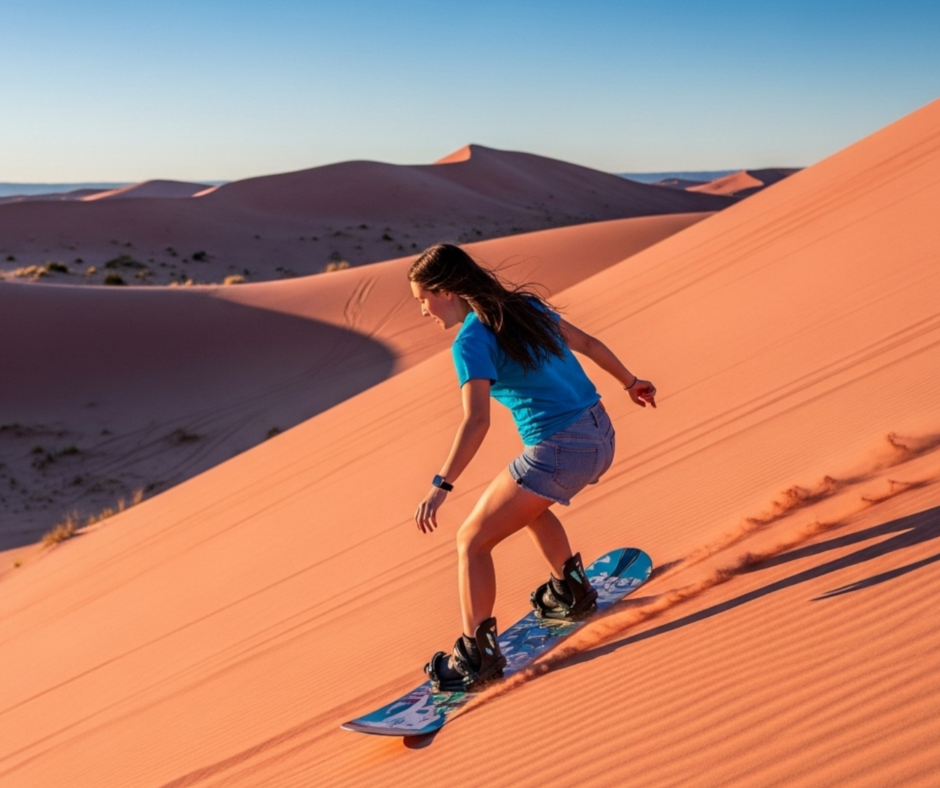
For those with a bit more energy, sandboarding is an excellent way to enjoy the dunes. You can use a dedicated sandboard or even an old snowboard to glide down the slopes. It is a physical workout, as you will have to hike back up the dune after every run, but the views from the top are worth the effort.
Photography in the desert is all about the golden hour. The thirty minutes before sunrise and after sunset provide a soft, directional light that brings out the texture of the ripples in the sand. This is the best time to capture the vastness of the landscape or the silhouette of your camp against the changing colors of the sky.
Read all about sandboarding in: Sandboarding Dubai: A Beginner's Guide
Final Preparations and Logistics
Before you leave the city, do a final gear check. Ensure your spare tire is fully inflated and that your jack is in working order. Download offline maps of the area because GPS signals can be spotty in deep canyons or remote dune fields. It is also wise to share your exact GPS coordinates with a friend or family member who is staying back in the city, along with an estimated time of return.
Stop at a large supermarket like Carrefour or Spinneys to stock up on fresh supplies and ice. Most of these stores also carry basic camping gear if you realize you have forgotten a chair or a lantern. Once you reach the edge of the desert, take a moment to observe the wind and the terrain before committing to a route.
By following these practical steps and respecting the local environment, you can enjoy a safe and memorable adventure in the UAE. The desert is a place of immense beauty and peace for those who arrive prepared and treat the land with the respect it deserves.
Feel ree to Reach out to us via our form page.