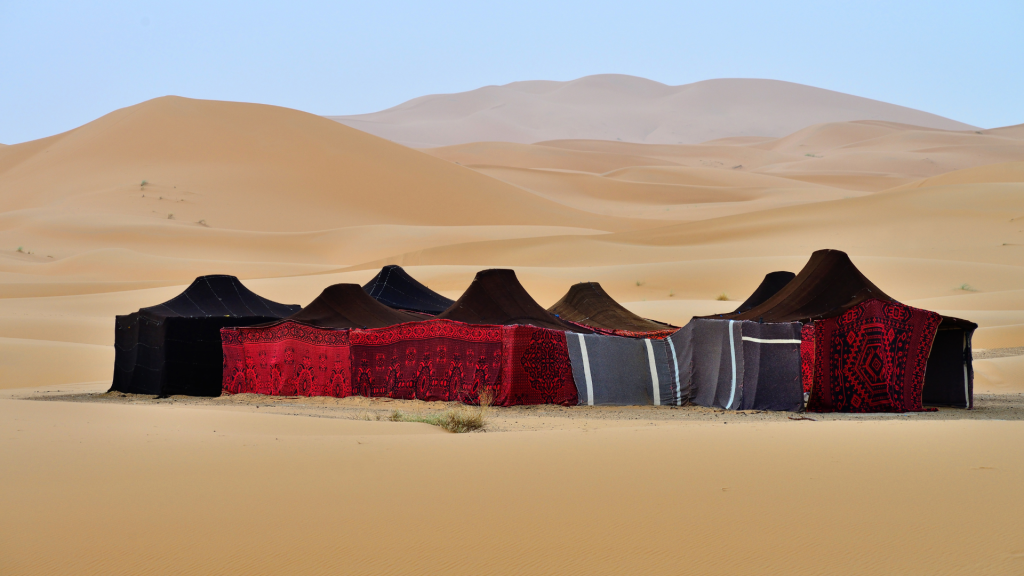

Pitching a tent under the vast Saudi sky is a transformative experience, yet the ancient silence of the dunes can be as intimidating as it is beautiful. The challenge lies in turning that overwhelming desert expanse into a safe, welcoming home for the night.
To help you find your footing, the WildyNess team has built this guide to camping in the Kingdom. We provide the local expertise you need to navigate the sands with confidence, transforming those initial nerves into a deep respect for the Arabian wilderness.
Where to Pitch Your Tent for Camping in the Saudi Arabian Desert
Saudi Arabia is almost entirely desert, but each region offers a different landscape for your overnight stay. Choosing the right spot depends on your experience level and the type of vehicle you have.
Camping in AlUla Region
The AlUla region is the most accessible starting point for those who want a mix of history and nature. You can camp among the sandstone rock formations near Hegra, which was the first UNESCO World Heritage Site in the country.
The area provides a balance of remote feelings with the safety of being near a town for supplies. You will find that the rock structures provide natural windbreaks, making it an ideal spot for first-time desert campers.
More experiences in AlUla by WildyNess can be found in here.

Camping in Jabal al-Lawz (Tabuk)
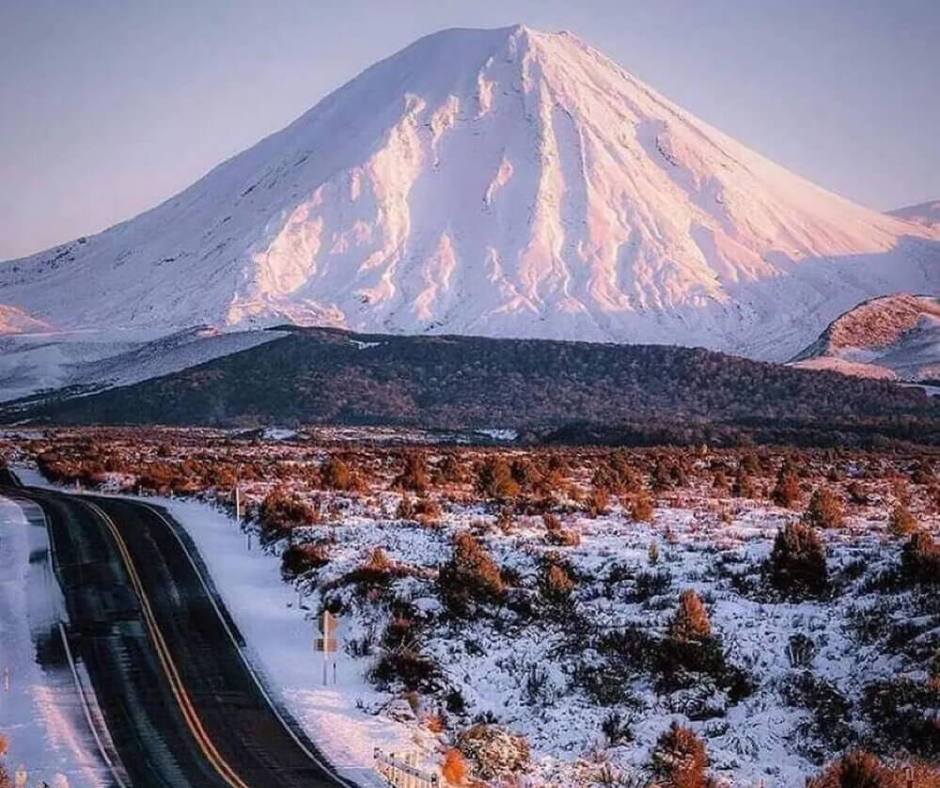
If you are looking for a mountainous environment, Jabal al-Lawz in the Tabuk region is essential for your itinerary. This is the highest peak in the area and is famous for winter camping where you might encounter actual snow. The scenery consists of rugged mountain peaks near the Jordanian border and several significant archaeological sites.
You must be prepared for freezing temperatures and carry high-quality thermal sleeping gear when visiting during the winter months.
Camping in Wadi Al Disah (Tabuk)
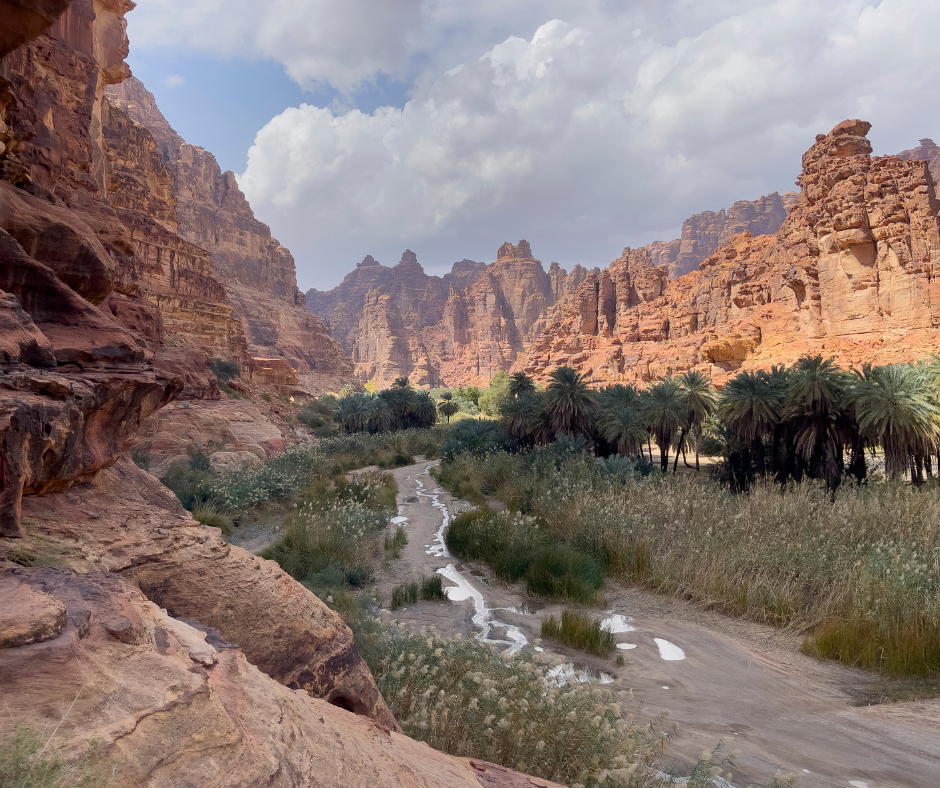
Wadi Al Disah offers a unique desert experience because it is a massive canyon filled with palm trees and freshwater streams. The red sandstone cliffs provide a vertical backdrop that is different from the rolling dunes found elsewhere.
We suggest camping near the mouth of the valley where the ground is firmer. This spot is ideal for those who want to hike through greenery while still being surrounded by the vast Arabian desert.
Camping in AlNaylat Camp (Hail)
For those who prefer a more structured experience, AlNaylat Camp is located within the King Salman Royal Reserve. This site provides furnished tents and cabins amidst a rugged, rocky landscape.
It is an excellent choice if you want to experience the silence of the desert without the logistical burden of carrying all your own equipment. The camp serves as a gateway to the ancient rock art and volcanic fields of the Hail region.
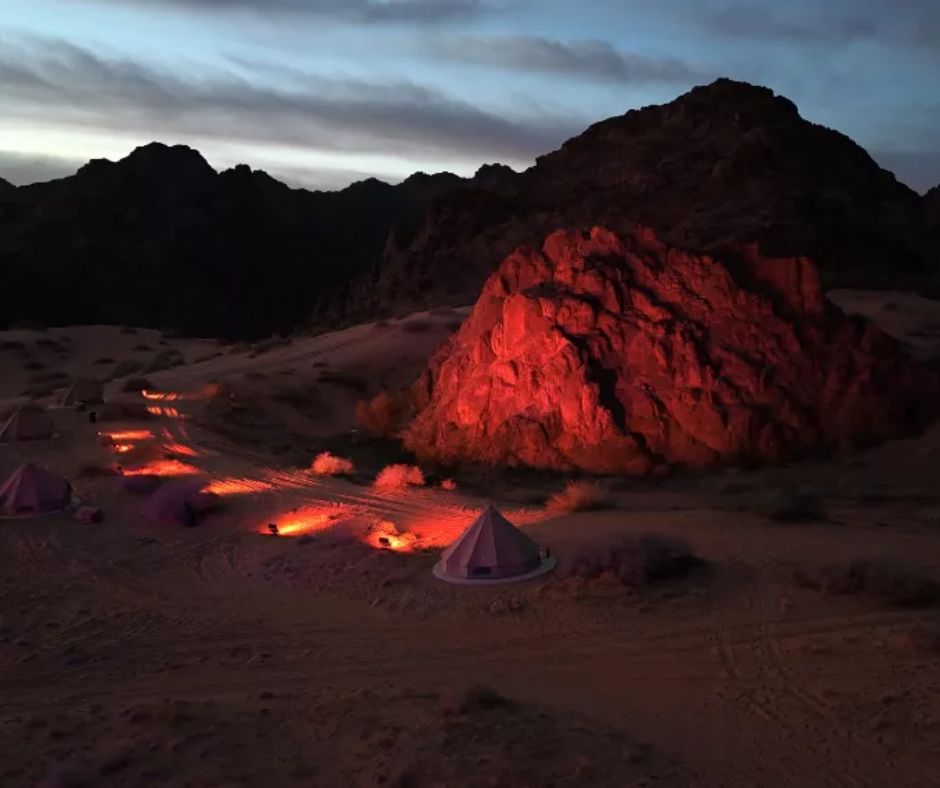
Camping in The Edge of the World
If you are looking for a more dramatic vista, Jebel Fihrayn, known as the Edge of the World, is located about ninety kilometers from Riyadh. This spot sits along the Tuwaiq Escarpment and offers a sheer drop-off into the plains below.
Camping here requires a four-wheel-drive vehicle because the final tracks are unpaved and rocky. We recommend setting up your camp at least fifty meters back from the cliff edge to stay safe from high winds and unstable ground.
We recommend Edge of the World: Full-Day One in a LifetimeAdventure as a day trip idea to explore the region the way its meant to be.
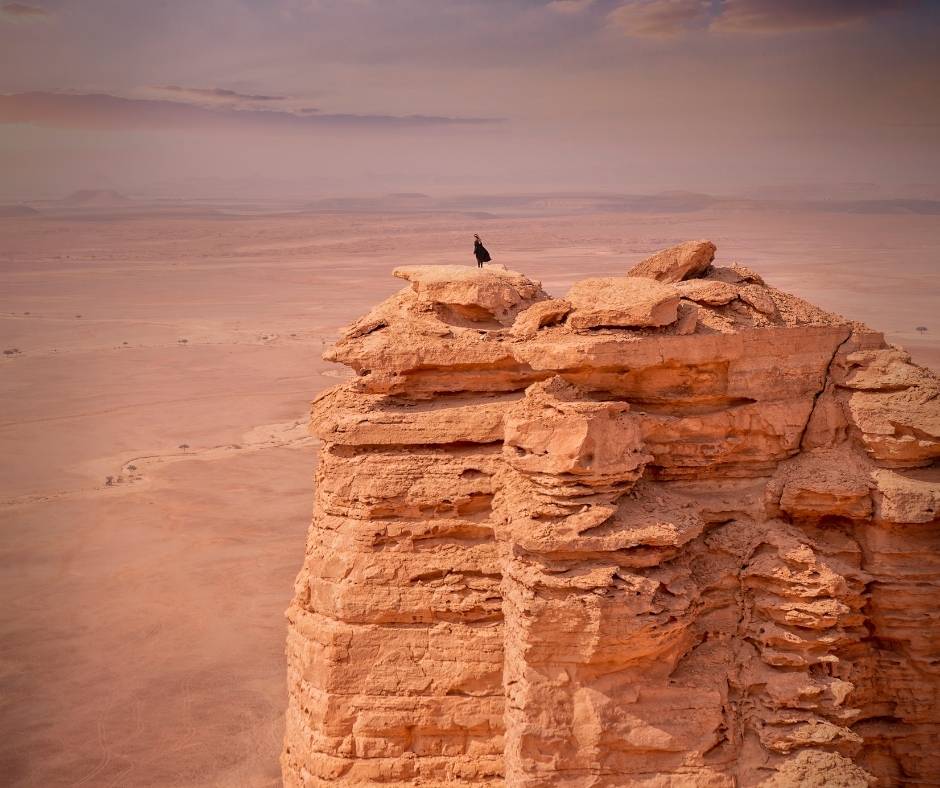
Camping in Al Kharrarah National Park (Near Riyadh)
Located a short drive from the capital, Al Kharrarah National Park features deep dunes and temporary lakes that form after winter rains. This park is a hub for adventure seekers who enjoy hiking and wildlife spotting.
The dunes here are significant in size, providing a great training ground for those learning to drive in soft sand. We suggest visiting after a rainstorm to see the desert plants in full bloom around the seasonal oases.
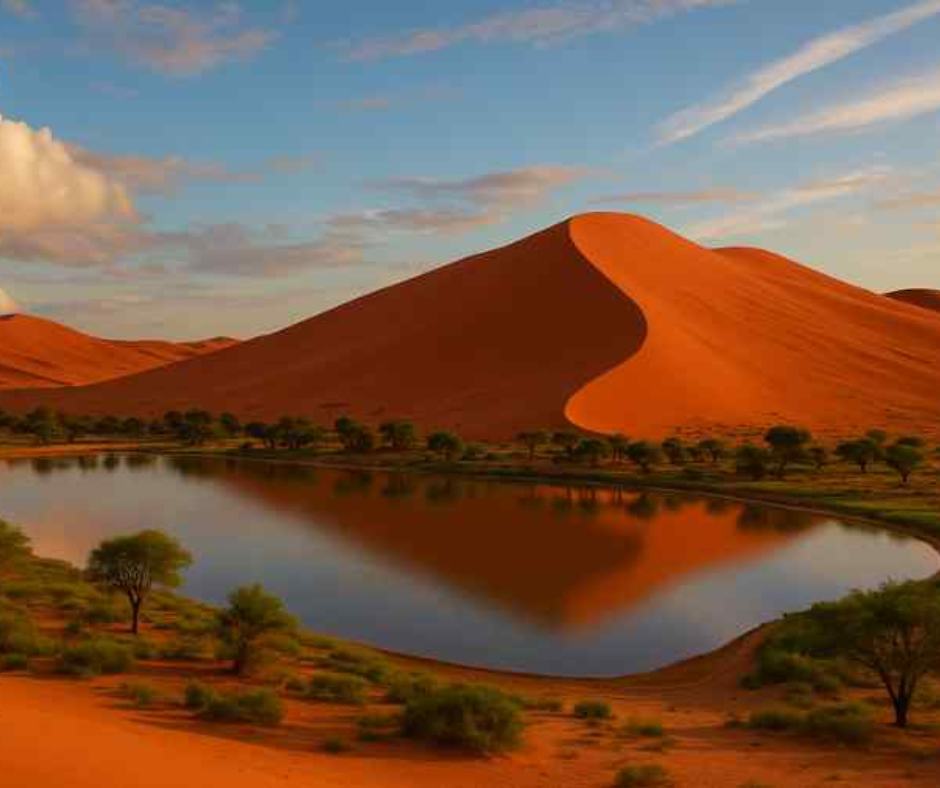
Camping in Thumamah Desert
For those who want sand dunes rather than rocky plains, the Thumamah Desert is a popular choice near the capital. It is frequented by locals for "dune bashing" and casual camping.
While it is less secluded, it offers a great introduction to sleeping on the sand without being hours away from help.
Camping in Moon Valley (Harrat Kishb)
Moon Valley provides a landscape shaped by ancient volcanic activity. The ground is covered in black basalt rock and unique geological formations that have been eroded by the wind.
This is one of the premier spots for stargazing in the Kingdom due to the lack of light pollution and the dark volcanic terrain. We recommend using a high-quality inflatable mattress here because the rocky ground is unforgiving for traditional foam pads.
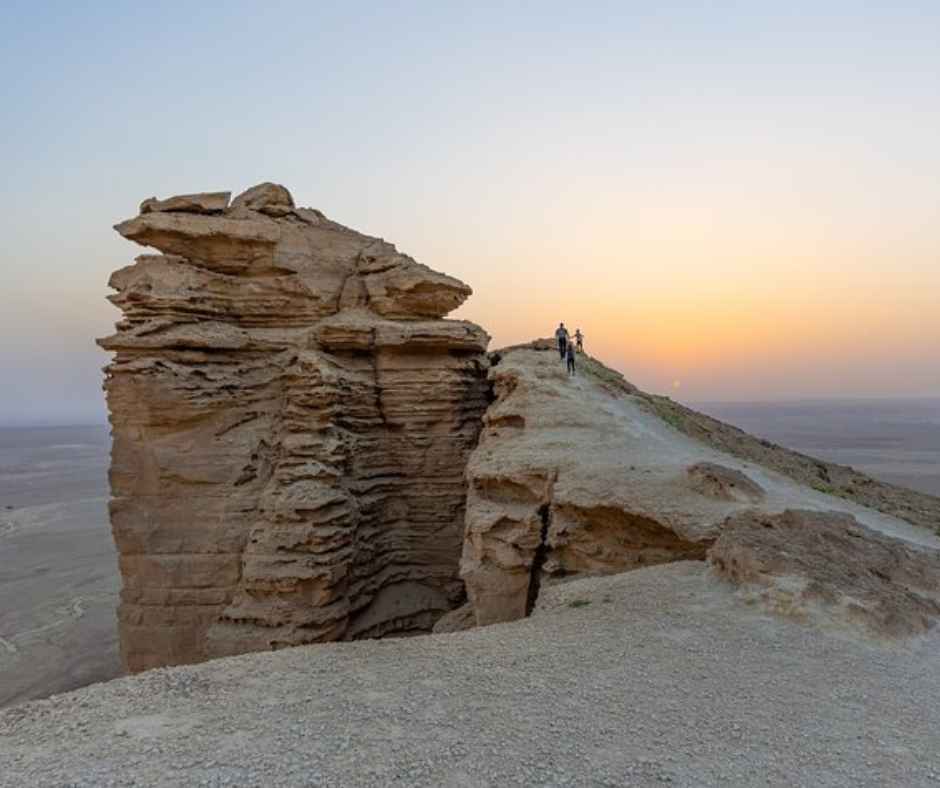
Camping in Al Asfar Lake (Al Ahsa)
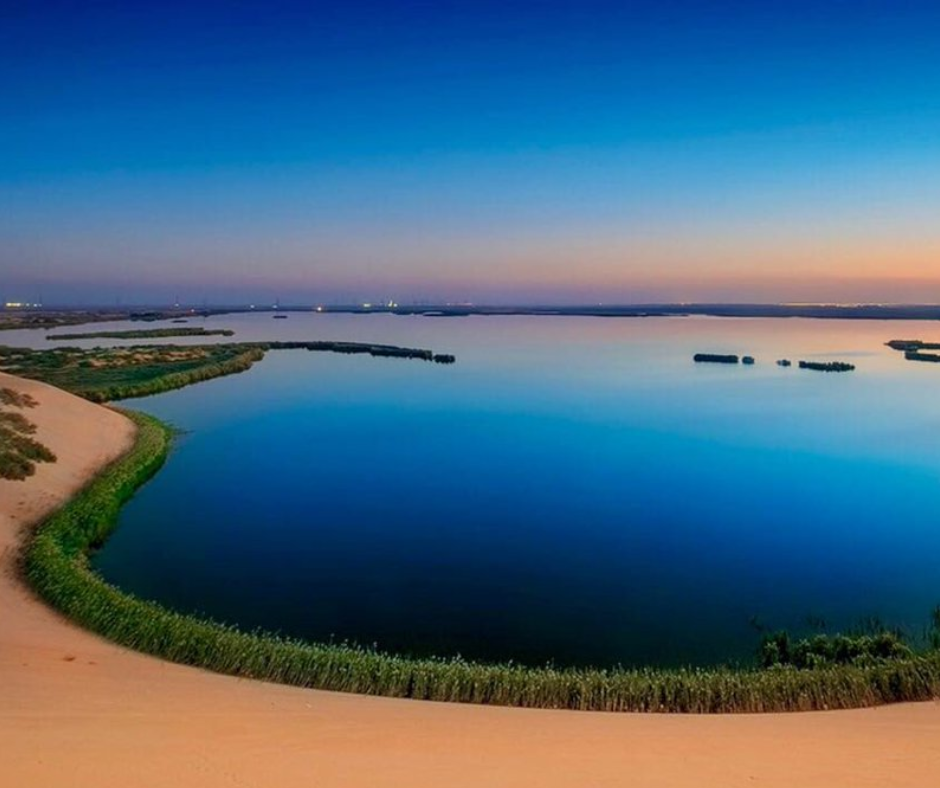
Al Asfar Lake, also known as the Yellow Lake, is situated in the Eastern Province within the Al-Ahsa Oasis. It is a large body of water surrounded by greenery and high sand dunes.
Reaching the lake requires a capable 4x4 and advanced sand driving skills. The combination of water and dunes creates an excellent environment for photography, especially during the hours surrounding sunset.
Camping in Wadi Lajab (Jazan)
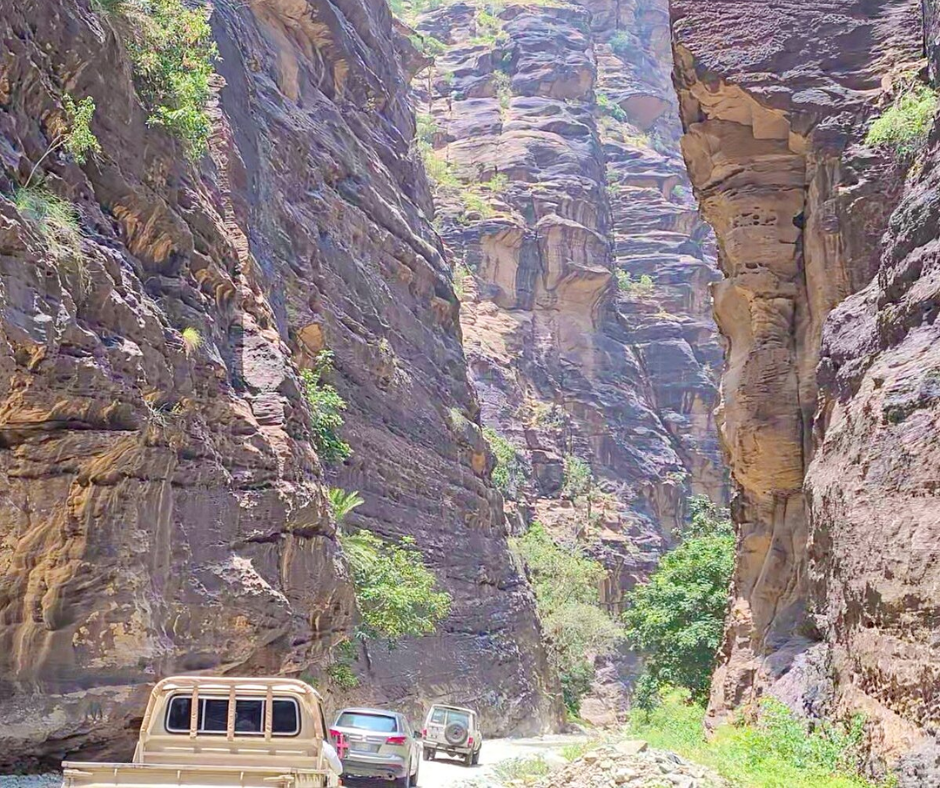
In the southern region of Jazan, Wadi Lajab is a narrow canyon with year-round freshwater streams. This location is for travelers who enjoy challenging hiking and stream crossings.
The walls of the canyon are incredibly steep, creating a cool and humid environment even when the surrounding desert is hot. You must be cautious of the weather forecast when camping here, as narrow canyons are the most dangerous places to be during a flash flood.
Camping in The Rub' al Khali, or the Empty Quarter
If you prefer total isolation, the Rub' al Khali, or the Empty Quarter, is the ultimate destination.
This is the largest contiguous sand desert in the world. It is not for beginners and requires a multi-car convoy, satellite communication, and significant fuel planning.

Essential Gear for Camping in the Saudi Climate
Preparing for a night in the desert is about managing extreme temperature swings. You will likely face intense heat during the day and a sharp drop in temperature as soon as the sun disappears. We suggest packing light-colored, long-sleeved clothing made of natural fibers like linen or cotton to protect your skin from the sun. Once evening hits, you will need a medium-weight jacket or a thermal layer.
Your tent needs to be specific to desert conditions. Standard plastic pegs often pull right out of soft sand. We recommend using specialized sand stakes, which are longer and often have a curved or "V" shape to grip the loose ground. If the wind picks up, you can also bury bags filled with sand and tie your guy lines to them to keep the tent secure.
Hydration is your most important safety factor. The dry air pulls moisture from your body before you even notice you are sweating. We advise carrying at least six liters of water per person per day for drinking, plus extra for cooking and cleaning. It is a good idea to keep your water in two separate containers. This way, if one leaks or is damaged, you still have a backup supply.
Sleeping gear should include an insulated pad. Even if the sand feels warm at sunset, the ground will pull heat from your body throughout the night. A sleeping bag rated for ten degrees Celsius is usually sufficient for most winter nights in the desert, though high-altitude areas like Tabuk can drop below freezing.
Desert Driving and Navigation
Driving in the Saudi desert is a skill that takes practice. If you are planning to leave the paved roads, a four-wheel-drive vehicle is mandatory. Before you transition from the asphalt to the sand, you must lower your tire pressure. This increases the surface area of the tire, allowing it to "float" on top of the sand rather than digging in and getting stuck. Most local petrol stations near desert entrances have air compressors so you can reinflate your tires before heading back onto the highway.
Navigation requires more than just a phone. While apps like Google Maps work well in cities, they often lack the detail of desert tracks and can be unreliable when you lose cell service. We recommend using a dedicated GPS device or an offline mapping app like Gaia GPS or Maps.me. Always share your planned coordinates and expected return time with someone back in the city before you head out.
If you do get stuck in the sand, do not keep spinning your wheels as this will only bury the vehicle deeper. Use a shovel to clear the sand from under the chassis and around the tires. Placing recovery boards or even your floor mats under the tires can provide the traction needed to get moving again. Always travel with a second vehicle if you are heading into deep dune fields.

Embracing Local Traditions and Etiquette While Camping in SA
Interacting with the people you meet in the desert is often the highlight of the trip. Bedouin culture is built on a foundation of hospitality that has existed for centuries. If you come across a local camp, it is common to be invited for tea or coffee.
When you are offered Saudi coffee, or Gahwa, it is polite to accept at least one cup. Hold the small cup with your right hand. If you have had enough, gently jiggle the cup from side to side when you hand it back to the host. This is the traditional signal that you are finished. Taking small bites of the dates served with the coffee is also expected.
Privacy is highly valued in Saudi culture. When you are choosing a camping spot, make sure you are not too close to a local family or a private farm. If you want to take a photo of someone you meet, always ask for permission first. A simple smile and a gesture toward your camera are usually understood, even if you do not speak Arabic. Keeping your voice at a moderate volume and dressing modestly shows respect for the local environment and its residents.
Eco-conscious Camping and Safety in Saudi Arabia
The desert ecosystem is more fragile than it looks. A single vehicle driving over desert shrubs can destroy plants that took years to grow. We always stick to existing tracks whenever possible to minimize our footprint on the landscape.
Waste management is a critical part of the WildyNess approach. You must pack out everything you bring in, including organic waste like fruit peels or eggshells. In the dry desert air, these items do not decompose quickly and can attract pests to camping areas. We suggest using a heavy-duty trash bag that can be sealed tightly and tied to the outside of your vehicle if needed.
When it comes to campfires, use a raised fire pit or a fire blanket if you can. If you build a fire on the ground, use an existing fire ring. Only use wood that you have brought with you, as collecting deadwood from the desert floor removes vital habitats for insects and lizards. Before you go to sleep or leave the site, ensure the fire is completely extinguished by soaking the ashes with water and stirring them until they are cool.
Wildlife in Saudi Arabia is generally shy, but you should be aware of your surroundings. Scorpions and spiders are active at night, so we recommend keeping your tent zipped shut at all times. Always shake out your boots before putting them on in the morning. If you see camels on the road or near your camp, give them plenty of space. They are large animals and can be unpredictable if they feel cornered.
Timing Your Camping Trip in Saudi Arabia
The window for comfortable camping in Saudi Arabia is relatively short. The best months are from November through March. During this time, the daytime temperatures are pleasant, usually ranging from twenty to twenty-five degrees Celsius. This allows you to hike and explore during the day without the risk of heatstroke.
Between April and October, the heat can be dangerous. Midday temperatures often exceed forty-five degrees Celsius, making it impossible to remain outdoors comfortably. If you must travel during the shoulder season, we recommend staying in a fixed camp with cooling facilities rather than wild camping.
Rain is rare but can be a major hazard. If the forecast calls for rain, avoid camping in "wadis," which are dry riverbeds. Flash floods can occur even if it is not raining in your immediate location, as water travels quickly from distant mountains. Always choose high ground for your campsite to stay safe.
Final Preparations for the Road
Exploring the Saudi desert is a rewarding experience that stays with you long after the sand has been washed off your gear. We believe that the best journeys happen when you are prepared enough to let the unexpected moments happen naturally.
Keep your kit organized and your fuel tank full. Pack an extra pair of socks for the evening and a light scarf to protect your face if the wind picks up. Taking ten minutes to sit in silence and watch the stars in a place with zero light pollution is something we highly recommend. It puts the scale of the Arabian Peninsula into perspective.
If you have more questions about specific routes or gear, we can help you create the perfect plan. You can contact our team directly, and we will work with you to build an itinerary that fits your goals.
For experiences, pre-maid itineraries and articles in one place, checkout Unforgettable Experiences in the Kingdom of Saudi Arabia.