Camel trekking Saudi Arabia is an experience that many travelers dream of, yet the logistical reality of managing extreme temperature swings and physical discomfort in the saddle can feel overwhelming.
That is why our team at WildyNess created this guide to transform your curiosity into a well prepared adventure across the kingdom’s majestic deserts. Let’s get moving.
Selecting the Best Regions for Your Saudi Camel Adventure
Saudi Arabia is a country of massive scale where approximately 65% of the terrain consists of various types of desert. Choosing the right region is the first step in ensuring your trek matches your expectations for scenery and difficulty. Each area offers a different geological character, from the towering orange dunes of the south to the sandstone labyrinths of the north.
The Historic Canyons of AlUla
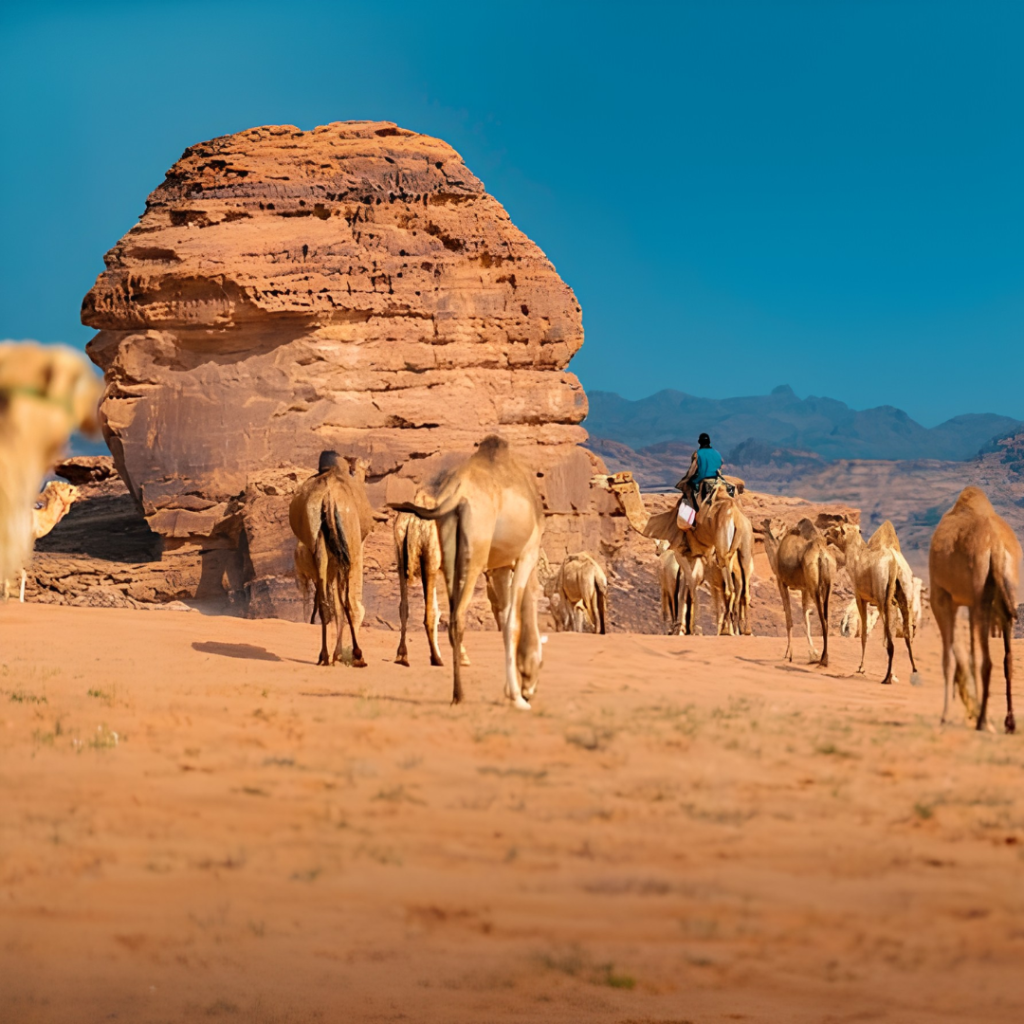
AlUla is widely considered the premier destination for a camel trek that combines natural beauty with deep historical significance. When you ride through this region, you are traversing the same ancient incense routes that traders used thousands of years ago.
The terrain here is unique because of the massive sandstone formations that rise abruptly from the desert floor, providing dramatic backdrops for every mile of your journey.
A typical trek in AlUla might lead you past the tombs of Hegra or the soaring cliffs of Elephant Rock. The sand here is relatively firm, which makes it an excellent choice for first time riders who are still getting used to the gait of a camel.
Many travelers choose to pair a morning ride with a visit to the Oasis Heritage Trail, where you can walk through lush palm groves that offer a cooling contrast to the open desert.
The Infinite Sands of the Empty Quarter
The Rub' al Khali, or Empty Quarter, is the largest continuous sand desert in the world and offers the most traditional trekking experience available.
This region is for the adventurer who wants to see nothing but rolling dunes as far as the eye can reach. The silence in the deep desert is absolute, and the lack of light pollution ensures that your evenings at camp are spent under a canopy of stars.
Because of the scale and remoteness of the Empty Quarter, treks here are typically longer and require a higher level of self reliance. You will move through vast dune corridors and climb ridgelines that afford views of an endless golden sea.
This is where you truly earn your views, moving at a slow and steady pace that forces you to disconnect from the modern world and adopt the rhythm of the desert.
Desert Escapes Near the Capital City
For those who are based in Riyadh and have limited time, the Thumamah desert provides a convenient entry point into the world of camel riding.
It is located just a short drive from the capital and offers rolling red sands that are perfect for sunset excursions. While it is more accessible and developed than the deep wilderness, it still provides a genuine sense of the Arabian desert’s scale and beauty.
Another spectacular option near the capital is the area surrounding the Edge of the World. While the cliffs themselves are the main draw, the plains at the base of the escarpment are ideal for camel treks.
You can ride along the base of the Tuwaiq mountains, looking up at the massive limestone walls that define the central plateau of the country. This region offers a rugged, rocky beauty that differs significantly from the soft dunes found in the south.
Mastering the Mechanics of the Camel Ride
We believe that understanding the physical reality of riding a camel will help you stay comfortable and confident throughout your trek.
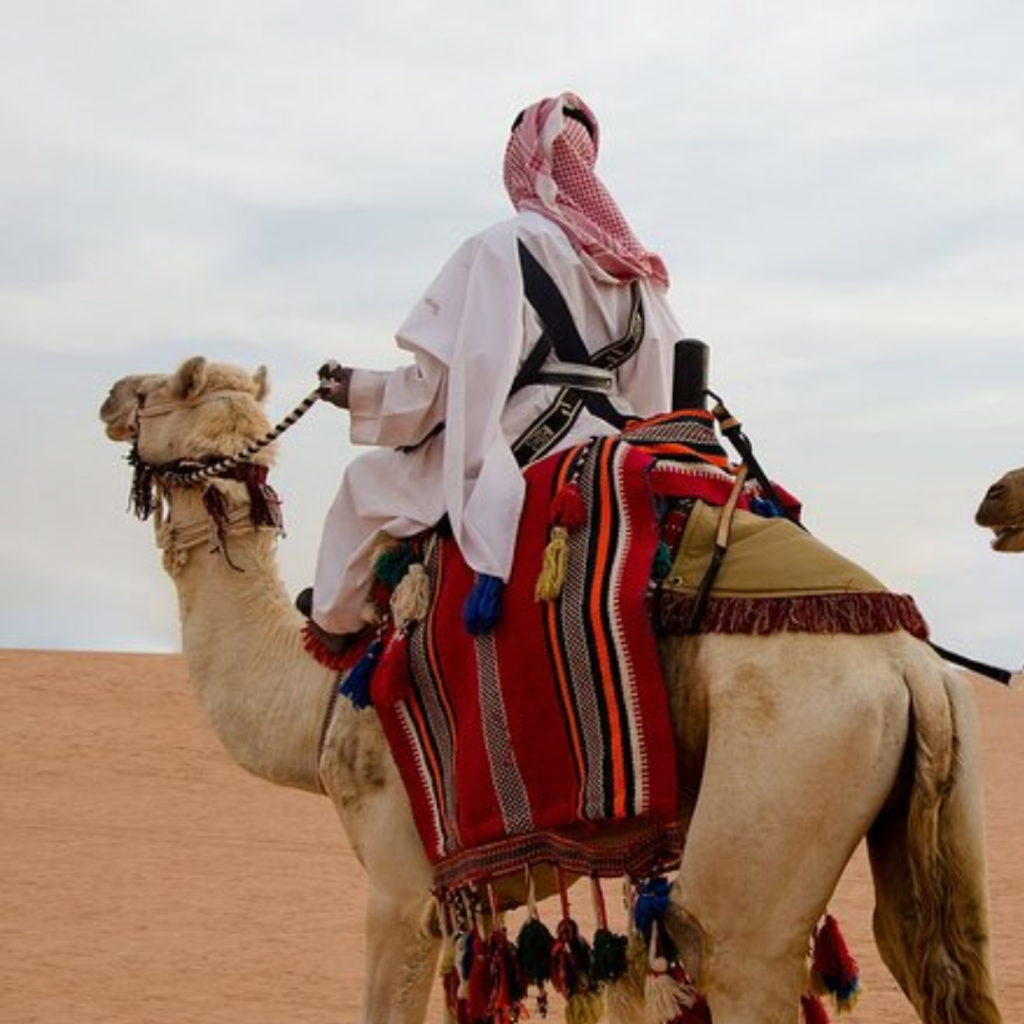
Unlike riding a horse, riding a camel involves a rolling, swaying motion that requires you to relax your lower back and move with the animal. Once you find the rhythm, the experience becomes a meditative way to observe the landscape passing by at a slow pace.
The Art of Mounting and Dismounting
The most critical moments of any camel trek occur when the animal is rising from the ground or kneeling to let you off. Camels rise with their back legs first, which will tilt you forward quite suddenly.
To stay secure, you must lean back as the back legs lift and then shift your weight slightly forward as the front legs straighten. You should always keep a firm grip on the saddle handle during this transition to maintain your balance.
When it is time to dismount, the camel will drop its front legs first, causing a sharp forward lurch. You must lean back as far as possible to keep your weight centered over the saddle.
Once the camel is fully kneeling, you can swing your leg over the side and step down. Your guide will be there to hold the lead rope and ensure the animal remains calm throughout the entire process.
Understanding Dromedary Behavior and Communication
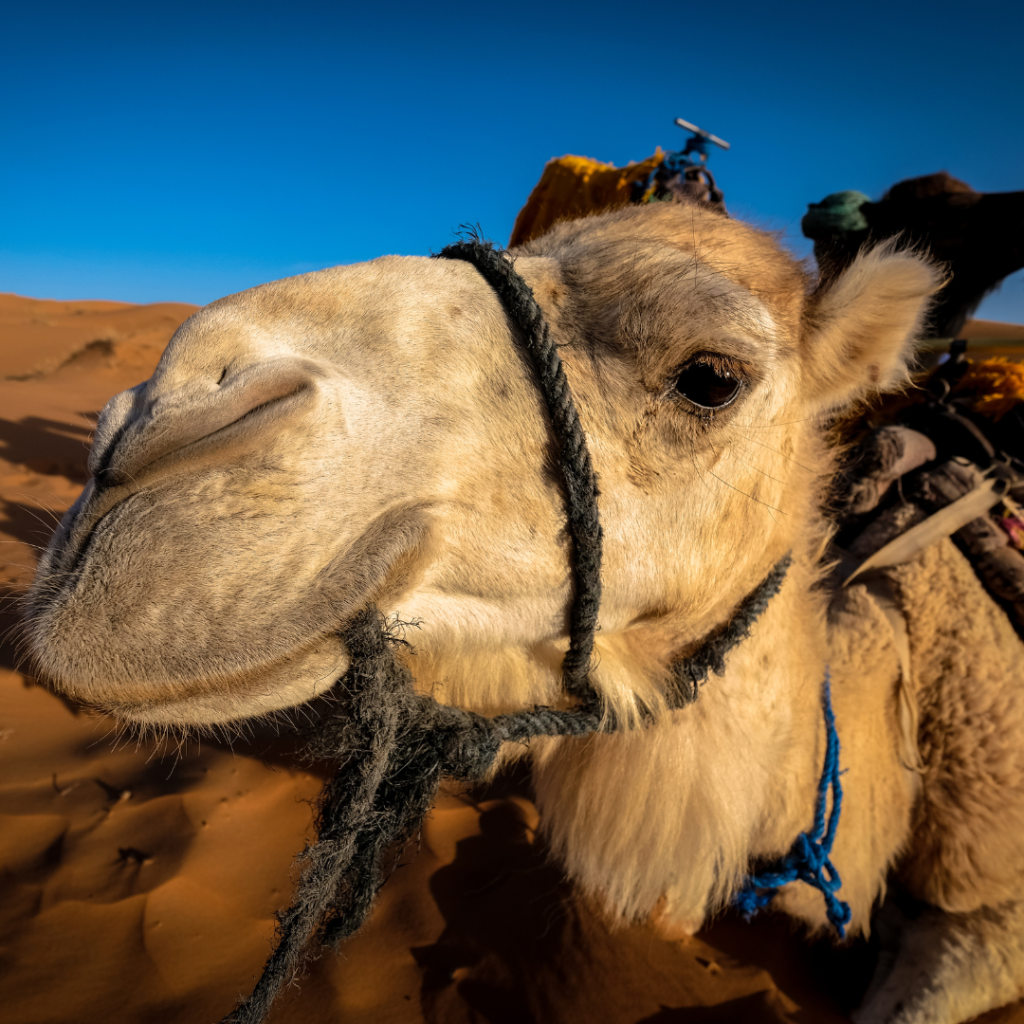
In Saudi Arabia, you will be riding dromedaries, which are identified by their single hump rather than the two-humped variety found in Central Asia.
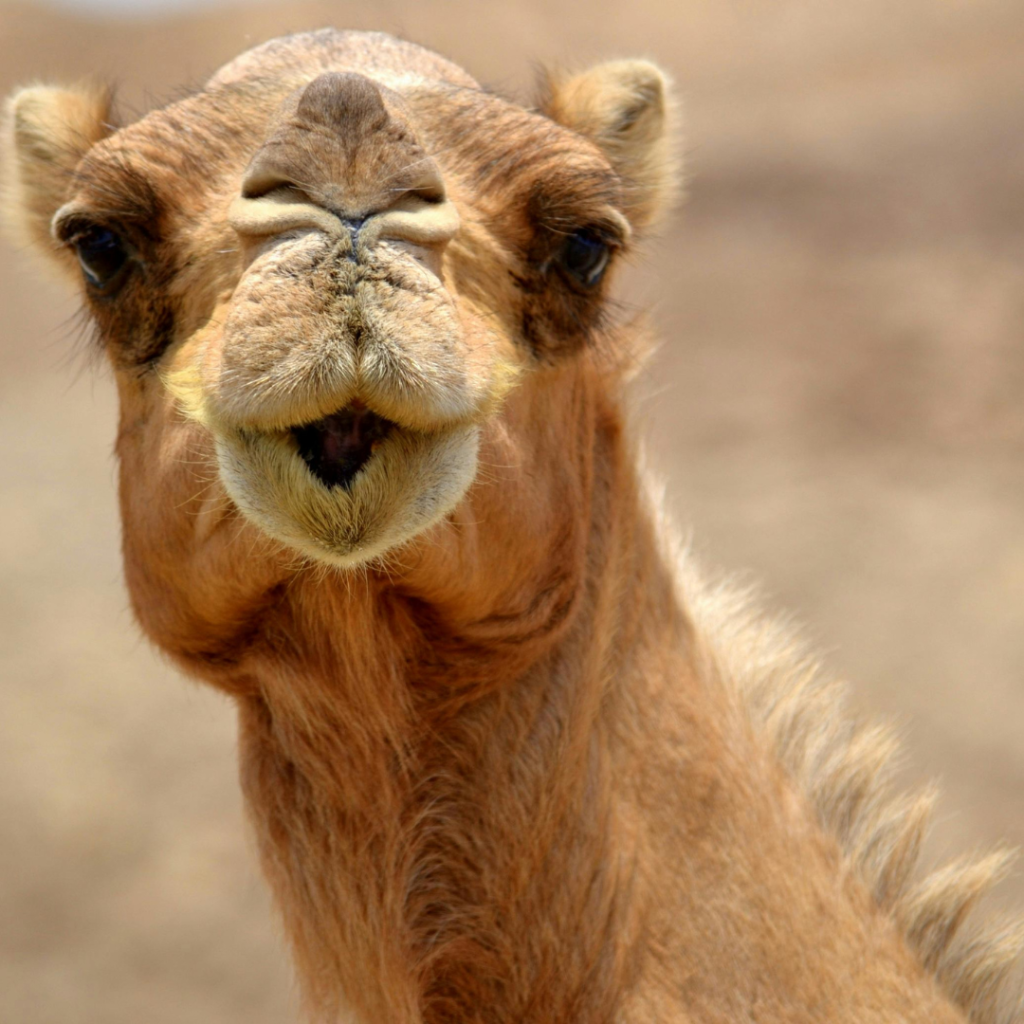
These animals are strong, intelligent, and occasionally vocal, often making grumbling or snorting sounds to communicate with the herd or their handler. Most of these sounds are entirely normal and simply indicate that the camel is settling into its work for the day.
You should avoid standing directly in front of or behind a camel, as they prefer to be approached from the side. We suggest offering a gentle neck rub if your guide indicates the animal is friendly, but always wait for the handler’s cue before making physical contact.
If your camel stops to check its footing or adjust its pace, stay seated and keep your weight centered while the guide handles the correction.
Essential Gear and Practical Preparation
The desert environment is unforgiving, and your choice of clothing and gear will determine how much you enjoy the ride. The goal is to protect your skin from the intense sun while allowing your body to breathe in the dry heat. We have found that a few key items can make the difference between a painful afternoon and a comfortable journey across the dunes.
Choosing the Right Fabrics and Layers
You should wear long sleeves and long pants even when the temperature is high because this provides the best protection against sunburn and the abrasive wind.
Choose breathable, lightweight fabrics like cotton or linen in light colors such as beige, white, or khaki to reflect the sun's rays. You should avoid wearing shorts or short sleeves, as the sun can damage your skin surprisingly fast in the open sand.
Desert mornings and evenings can be quite chilly, so you must pack layers that you can easily add or remove. A lightweight fleece or a windbreaker is essential for early starts, and a warm mid layer will keep you comfortable at camp after the sun goes down.
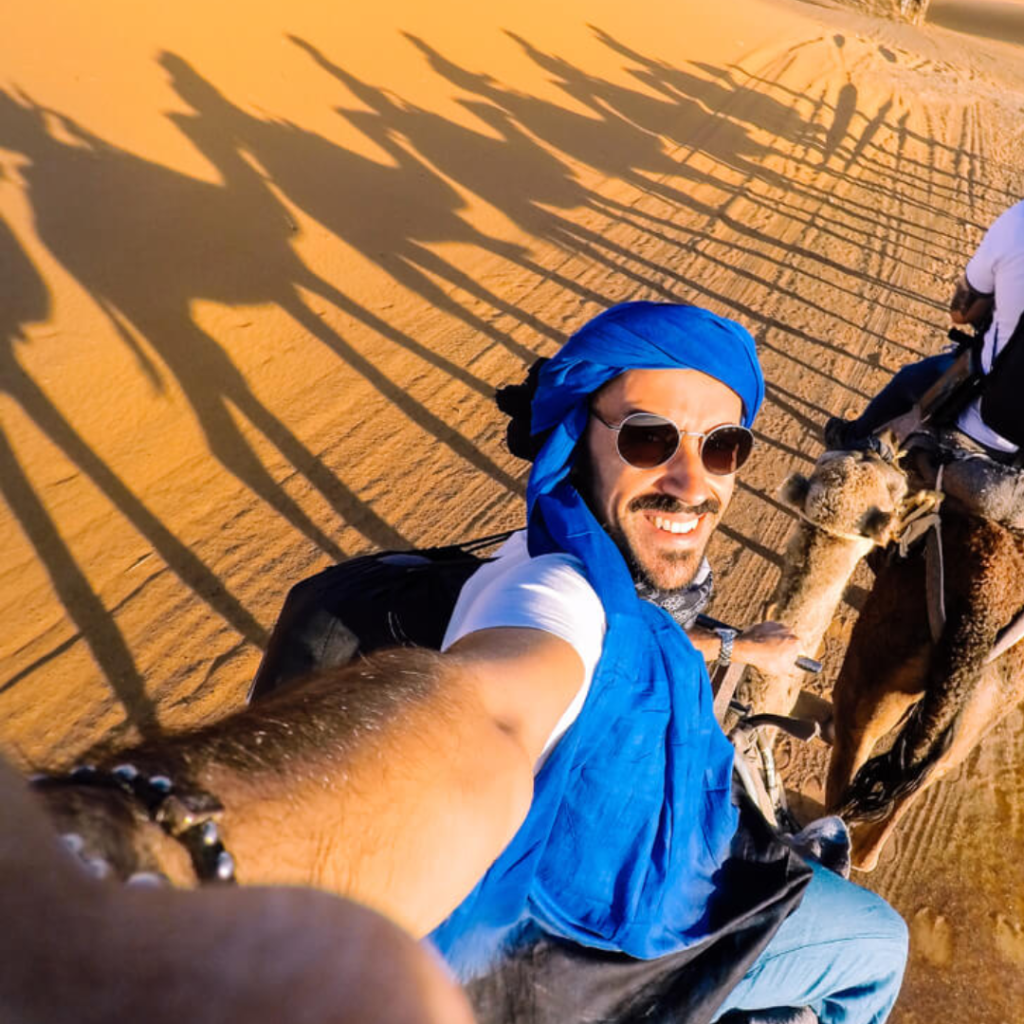
A light scarf or a traditional shemagh is also an excellent tool for protecting your neck and face from dust and wind.
Selecting Footwear and Technical Equipment
Closed toe shoes are a requirement for camel trekking to protect your feet from the heat of the sand and any rocky terrain you might encounter during breaks.
We recommend a sturdy pair of trekking shoes or lightweight boots with moisture wicking socks to prevent blisters. You should avoid wearing sandals while riding, as they offer no protection against the friction of the saddle or the elements.
High SPF sunscreen, UV protected sunglasses, and a wide brimmed hat are non negotiable items for your packing list. You will also want to carry a hydration pack with a capacity of at least two to three liters so you can sip water frequently without having to stop the caravan.
Adding electrolytes to your water is a smart way to maintain your energy levels during longer treks in the heat.
Choosing Between Different Trek Durations
We recommend that you choose a trek duration that matches your fitness level and your previous experience with outdoor activities.
Saudi Arabia offers everything from quick photo opportunities to multi week expeditions that cross the heart of the peninsula. Determining what you want to get out of the experience will help you pick the right operator and itinerary.
Short Sunset Rides for Quick Immersion
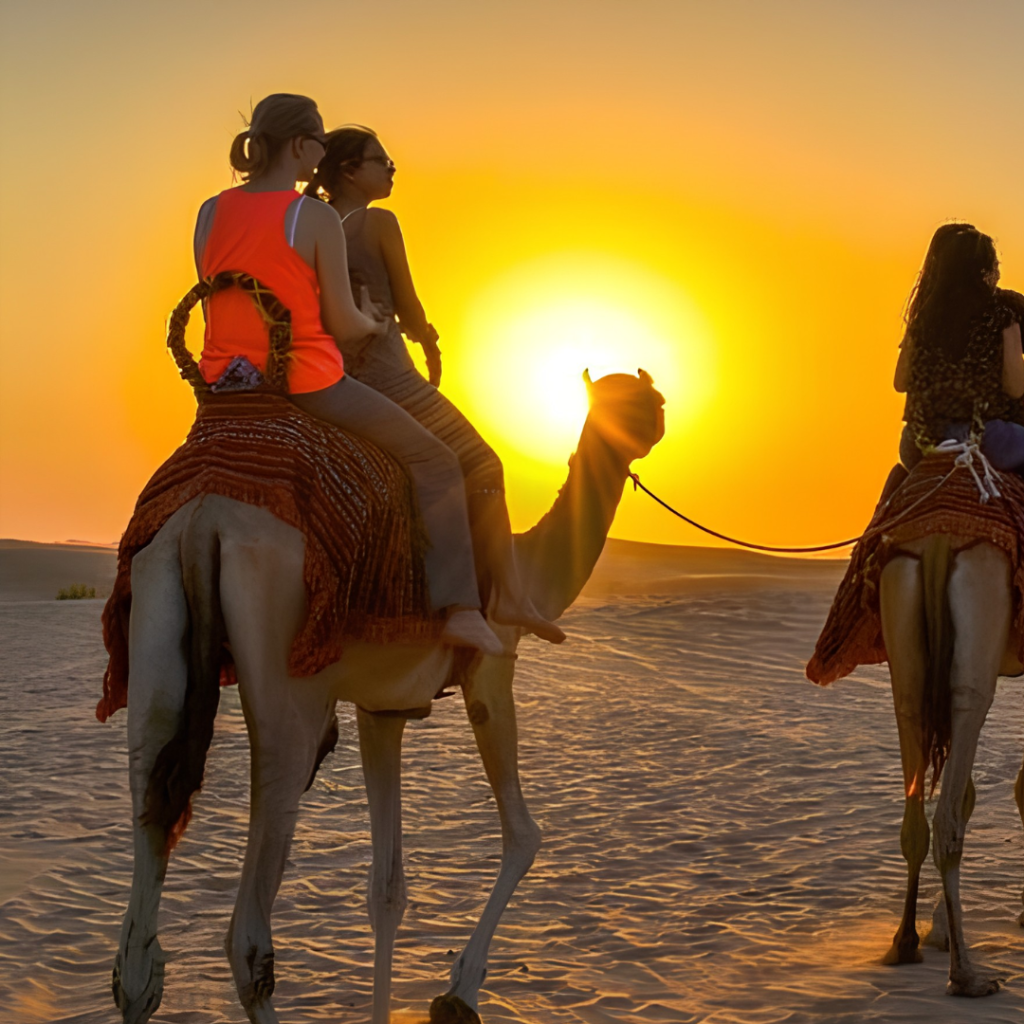
If you are short on time or traveling with children, a sunset camel ride is an ideal way to experience the desert. These rides typically last between thirty and forty-five minutes and take place during the golden hour when the light is most beautiful.
This is a low commitment option that allows you to enjoy the dunes and take photos without having to worry about the logistics of desert camping.
Most sunset rides are located near major hubs like Riyadh or AlUla and are often paired with a traditional dinner at a nearby camp. This is a great choice if you want to get a taste of the desert but still want to return to a hotel for a hot shower at the end of the day.
It is also a smart way to test your comfort level with riding before committing to a longer trek in the future.
Multi Day Treks for Full Cultural Immersion
For the traveler who wants a truly authentic adventure, a multi day trek is the best way to earn the desert. These journeys require you to spend several hours in the saddle each day and sleep in traditional Bedouin style camps.
Over the course of a few days, you will begin to understand the nomad rhythm and the steady pace required to survive in an arid landscape.
Multi day treks allow you to venture much further into the wilderness where you can see untouched landscapes and enjoy a level of silence that is rare in the modern world.
You will participate in camp routines such as gathering wood and preparing tea over the coals. If you are building a wider itinerary with drives between regions, keep our
Safety and Ethics in the Saudi Desert
Safety in the desert involves a combination of personal preparation and choosing the right professional support. The environment is beautiful but can be dangerous if you are not properly equipped or if you ignore the advice of your guides.
We believe that a successful trek is one where both the traveler and the environment are treated with respect.
Choosing Reliable Operators and Local Guides
We suggest looking for operators who prioritize the welfare of their animals and the safety of their guests. Smaller group tours are often better because they allow for more individual attention and a slower pace that can be adjusted to your needs.
You should look for detailed itineraries that clearly explain what is included and what you are expected to bring.
A good guide will not only lead the caravan but will also teach you about the desert ecosystem and how to move through it safely. They will monitor your hydration levels and keep a close eye on the camels for any signs of fatigue.
Booking with local experts also ensures that your tourism dollars are supporting the communities that have lived in these regions for centuries.
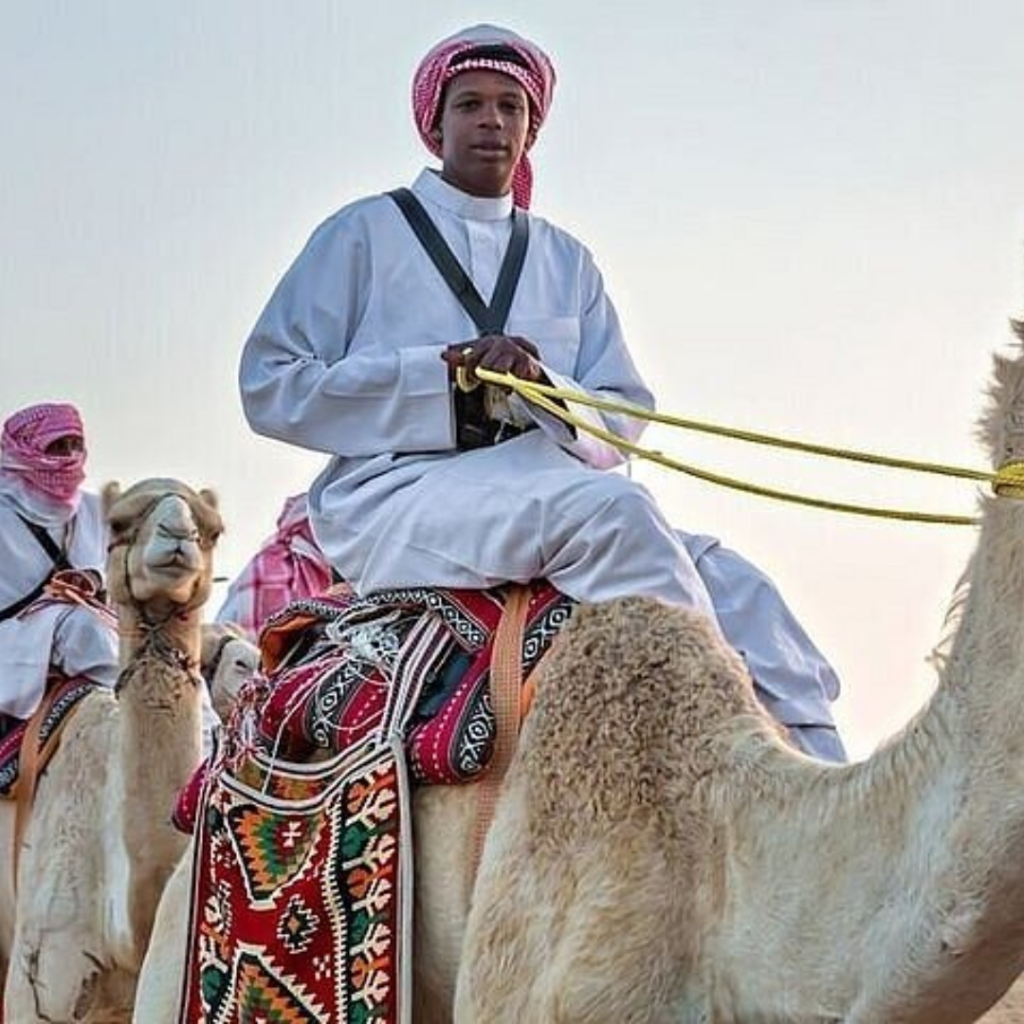
Practicing Responsible Desert Tourism
The desert ecosystem is fragile and takes a long time to recover from human impact. We recommend that you follow an eco responsible mindset by carrying a small bag for your own waste and avoiding the use of fires in areas where wood is scarce. You should stay on established trails whenever possible to avoid disturbing the soil and any small plants that may be growing.
Respecting local etiquette is also part of being a responsible traveler in Saudi Arabia. This includes dressing modestly and asking for permission before taking photos of local people or their property. By being a mindful guest, you ensure that the hospitality of the desert remains open for future travelers and that you leave the environment exactly as you found it.
Camel trekking Saudi Arabia is your ticket to a unique adventure that combines culture, nature, and personal discovery. If you have any other questions, please do not hesitate to contact us and we will respond to you quickly. Our team can also help you create the perfect itinerary for your trip if you email us at info@wildyness.com to start planning together.