
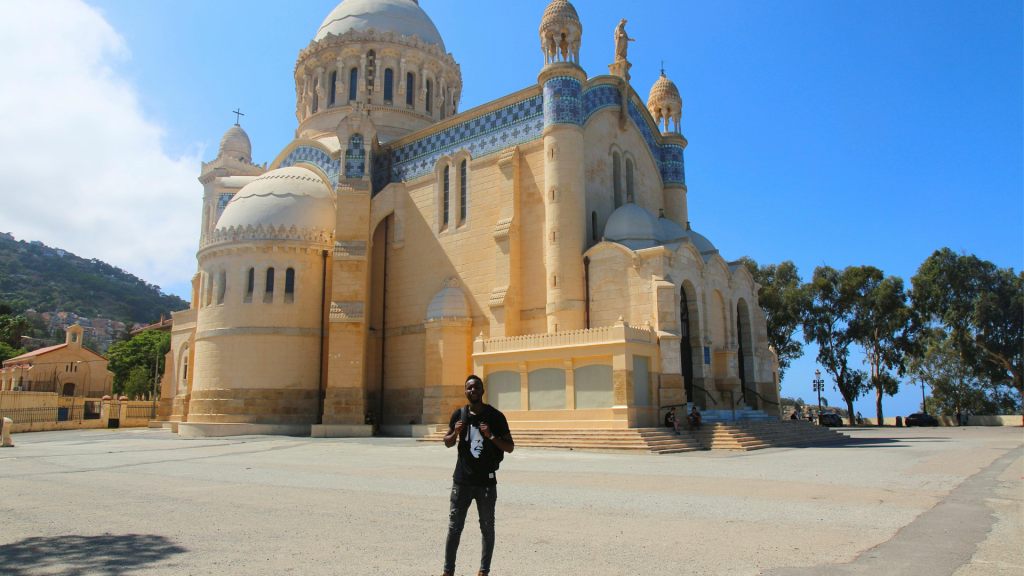

Navigating the largest country in Africa alone can feel like a massive undertaking given the limited tourism infrastructure and complex visa rules.
That is why our team at WildyNess created this guide to simplify your logistics and give you the confidence to explore this Mediterranean powerhouse on your own terms.
Algeria As a Solo Travel Destination
Algeria offers a scale of travel that is rare in the modern world. You can spend your morning walking through the French-colonial boulevards of Algiers, your afternoon exploring Roman ruins that rival those in Italy, and your evening under the silence of a Saharan sky. Because the country does not cater to mass tourism, solo travelers often find a level of hospitality that feels remarkably sincere. However, the lack of a traditional tourist trail means you need to arrive with a solid plan and a clear understanding of local norms.
We recommend focusing your first solo trip on the northern coastal strip and one specific region of the Sahara. Trying to see the entire country in ten days is a recipe for exhaustion. Instead, give yourself time to sit in the cafes of Oran or wander the cliffside bridges of Constantine. This guide breaks down the essential steps to making that happen safely and efficiently.
Navigating Visa and Entry Requirements in Algeria
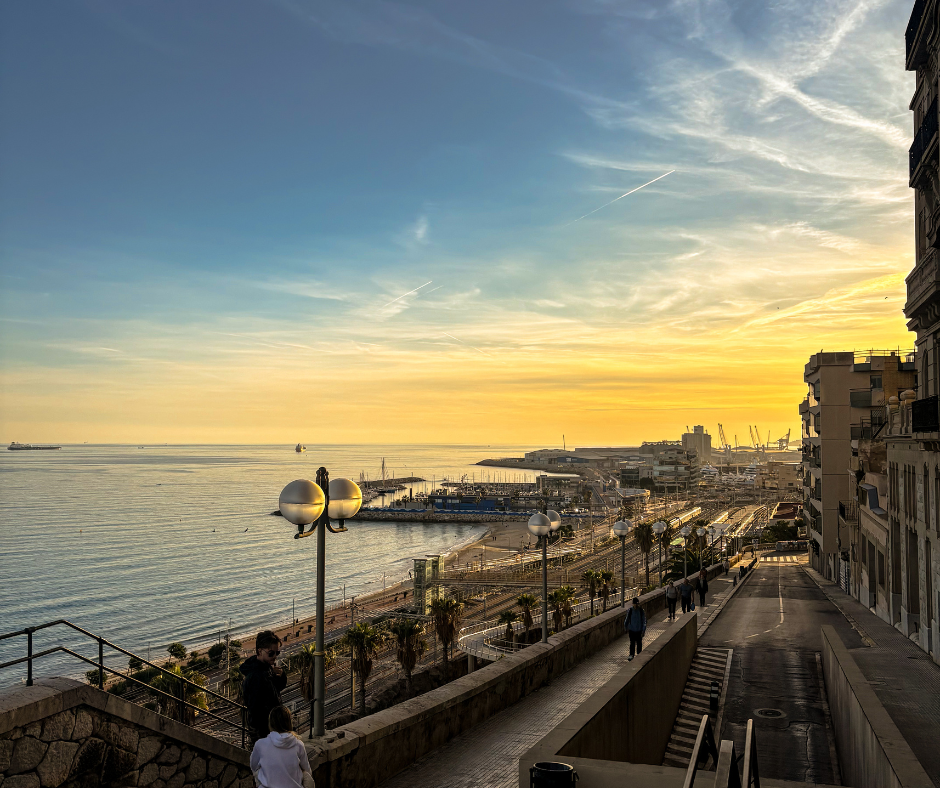
Securing an Algerian visa is the first hurdle for any solo traveler. Most nationalities require a visa in advance, and the process is famously bureaucratic. You should start this process at least six months before your intended departure date. The embassy will typically require a passport valid for six months, a completed application, and a formal invitation.
This invitation can be a hotel reservation or a certificate of accommodation from a host, but for solo travelers, it is often easier to obtain an invitation letter through a local tour agency. Even if you plan to wander independently, having a local agency "sponsor" your visa provides a safety net that the Algerian authorities prefer. Ensure you have physical printouts of all your documents, including your travel insurance and return flight details, as digital copies are not always accepted at border control.
Once you land at Houari Boumedienne Airport in Algiers, the process is straightforward but can be slow. Immigration officers will ask about your itinerary and where you are staying. Having the name and address of your first hotel ready in French or Arabic will speed up your entry. It is also common for police to check in with foreign travelers as they move between provinces. This is a standard safety measure rather than an interrogation, so remain patient and polite.
Read also: Your Guide to Algeria: Visa, Safety, and Security

Managing Money and the Parallel Exchange Market
Money in Algeria works differently than in Europe or North America. While official banks and airport exchanges exist, they offer a rate that is significantly lower than the informal market. Most travelers bring cash in Euros or US Dollars and exchange it on the street or in specific shops. In Algiers, the Square Port Saïd is the famous hub for this, though we recommend asking your hotel manager to help you find a reliable local contact for exchange.
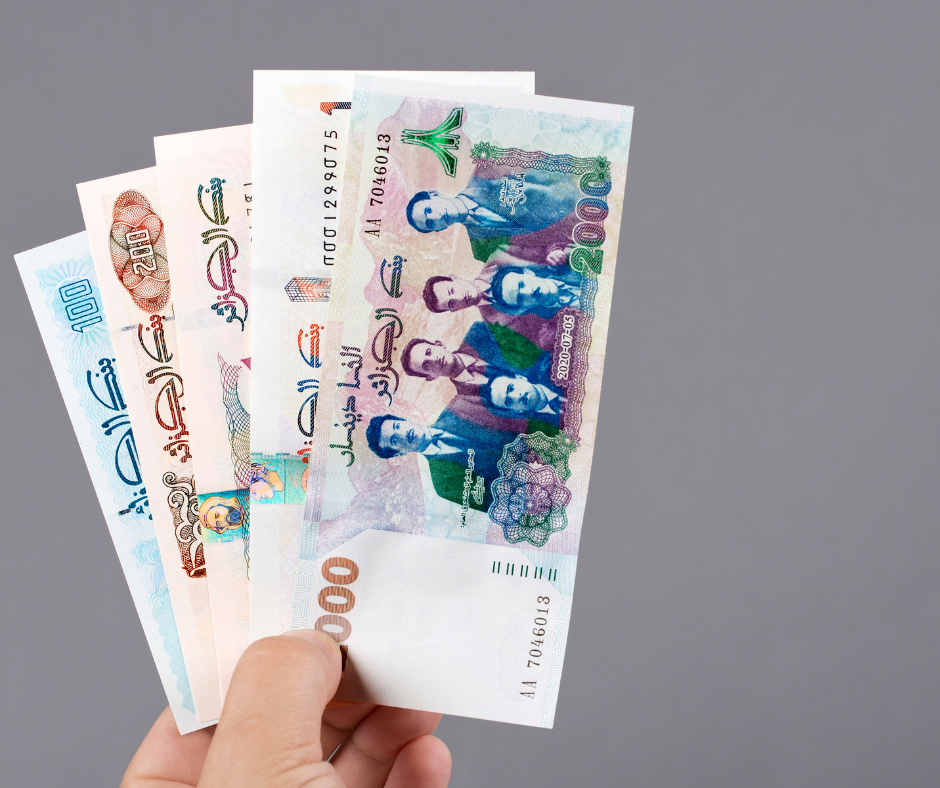
Credit and debit cards are rarely useful outside of high-end international hotels in Algiers or Oran. You will need to carry enough cash to cover your entire trip. We suggest splitting your cash into different bags and using the hotel safe for the bulk of your funds. Carrying a mix of large and small denominations of Algerian Dinars is essential for daily life. Small bills are necessary for the legendary street food, short taxi rides, and tips for local guides who show you the way through the winding Casbah.
When budgeting, remember that Algeria is relatively affordable once you have your Dinars. A hearty meal of couscous or a plate of mahjouba (savory stuffed crepes) will cost only a few dollars. The biggest expenses for a solo traveler are usually domestic flights and private drivers if you choose to head deep into the desert.
Transportation Options for Solo Travelers
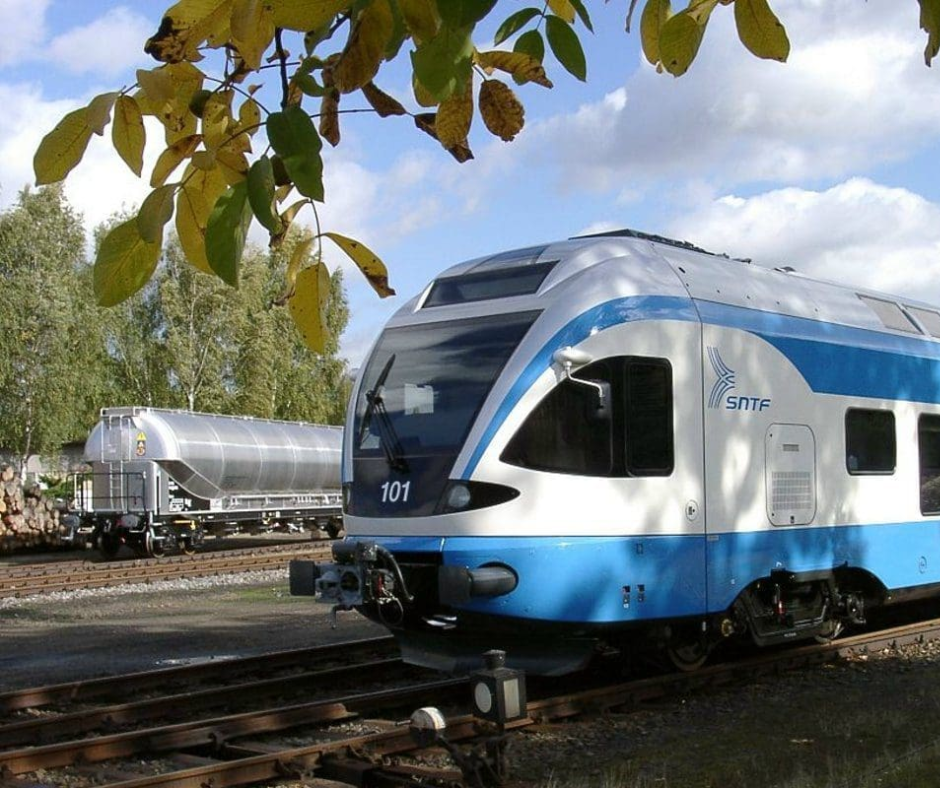
Getting around Algeria requires a mix of methods depending on the distance. For travel between northern cities like Algiers, Oran, and Constantine, the SNTF train network is reliable and comfortable. The trains offer a great opportunity to see the changing landscape of the Tell Atlas mountains without the stress of driving. We recommend booking a first-class seat for a small extra fee to ensure a more relaxed environment.
Inside the cities, the Yassir app is your best friend. It functions similarly to Uber and allows you to book rides with transparent pricing. This eliminates the need to haggle with taxi drivers, which can be draining when traveling solo. If you do use a regular street taxi, always agree on the price before the car starts moving. In Algiers, the metro and tramway are modern, clean, and very efficient for moving between the center and the suburbs.
For long-distance travel to the Sahara, domestic flights with Air Algérie are the only practical choice. The distances are too vast for bus travel to be comfortable for most solo travelers. For example, the flight from Algiers to Tamanrasset takes about two and a half hours, while the drive would take over twenty hours through desert terrain. Book your domestic flights well in advance, especially during the peak winter season when locals also head south.
Crafting Your Solo Itinerary
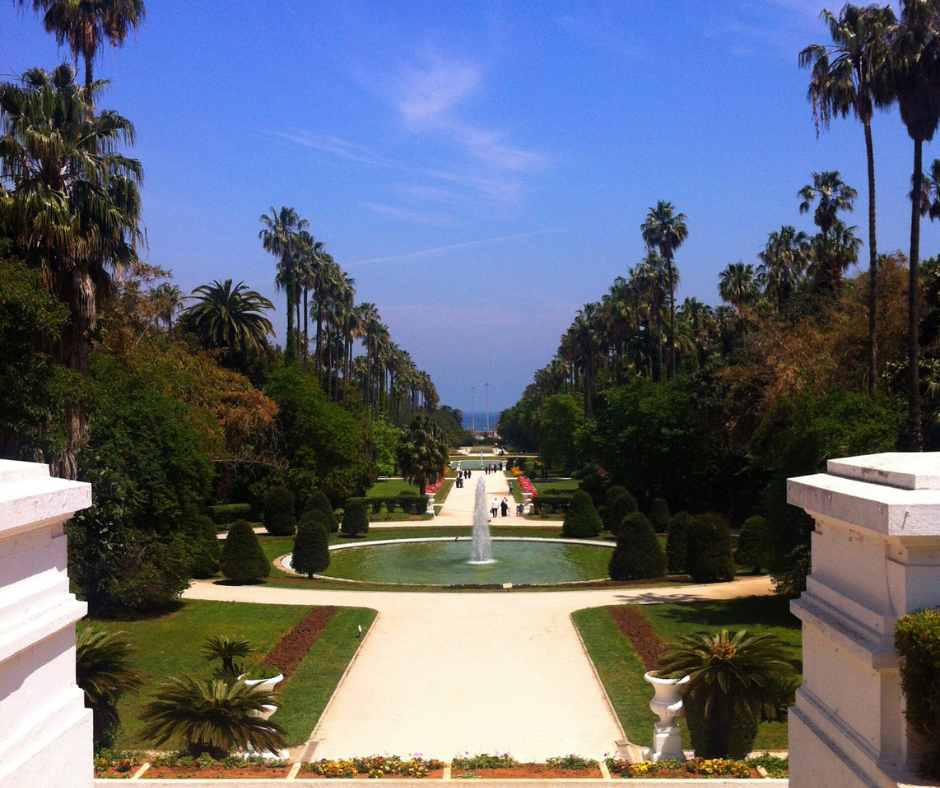
A balanced solo trip starts in Algiers. Spend at least three days here to explore the UNESCO-listed Casbah and the Jardin d'Essai du Hamma. The Casbah is a labyrinth of Ottoman-era architecture and narrow alleys. While you can walk it alone, hiring a local guide for one afternoon will provide historical context that you would otherwise miss.
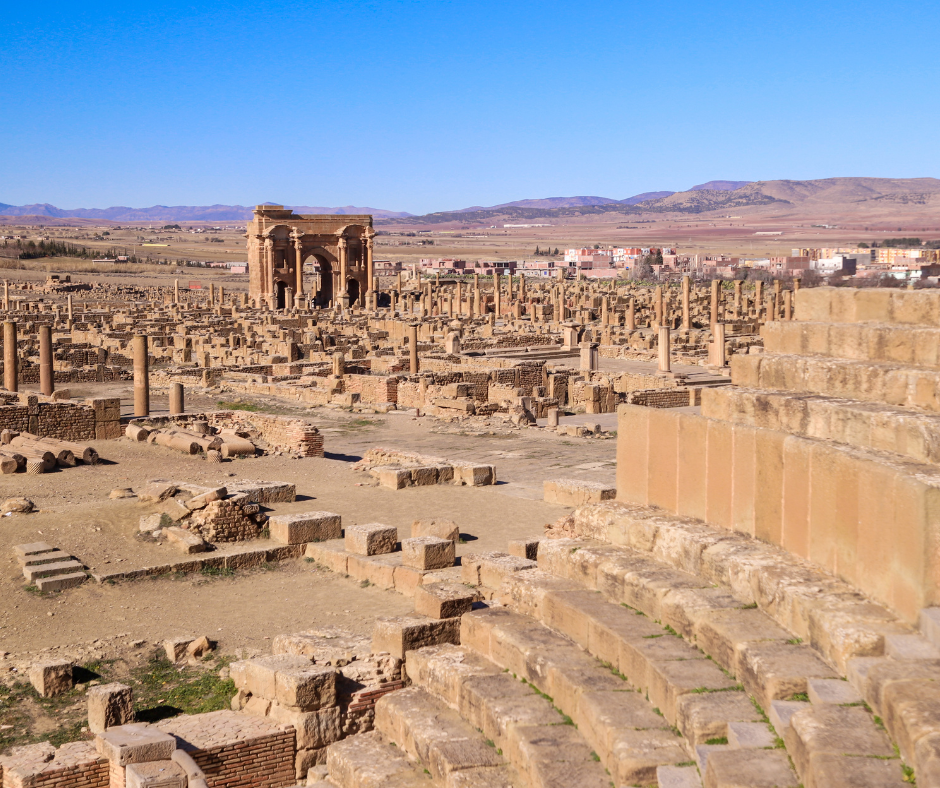
From the capital, head east to Constantine. Known as the City of Bridges, it is perched on a plateau divided by a deep ravine. It is one of the most visually striking cities in the Mediterranean. Solo travelers will find it easy to navigate on foot, crossing the various suspension bridges that link the different quarters. Nearby, you can take a day trip to Timgad or Djemila to see some of the best-preserved Roman ruins in the world. These sites are often nearly empty, allowing you to explore the ancient theaters and temples in total solitude.
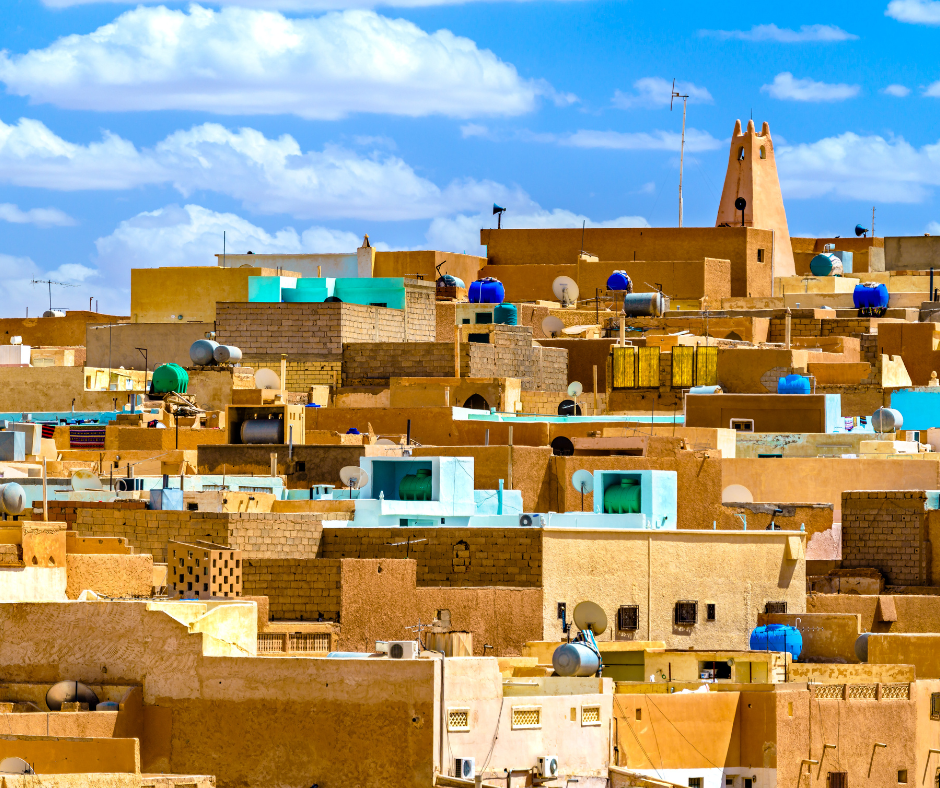
The final leg of your journey should be the Sahara. We recommend the M'Zab Valley, centered around the city of Ghardaïa. This region is a heptapolis of five walled cities with a unique culture and architecture. Because the M'Zab is a religiously conservative area, you must visit the old kshars with a local guide. This is not just a rule but a way to support the local economy and gain access to areas that are otherwise closed to outsiders. The silence and geometric beauty of the M'Zab are the perfect end to a solo Algerian adventure.
For personnalized itinerary planning, reach out to your local experts and we will be happy helping you plan perfect trip to Algeria.
Solo Dining and Culinary Insights
Eating alone in Algeria is a great way to observe local life. The cafe culture is predominantly male, but women-only sections or family rooms exist in many restaurants. Start your day with a "direct" (espresso with a drop of milk) and a croissant or a piece of "mille-feuille," a nod to the country's French influence.
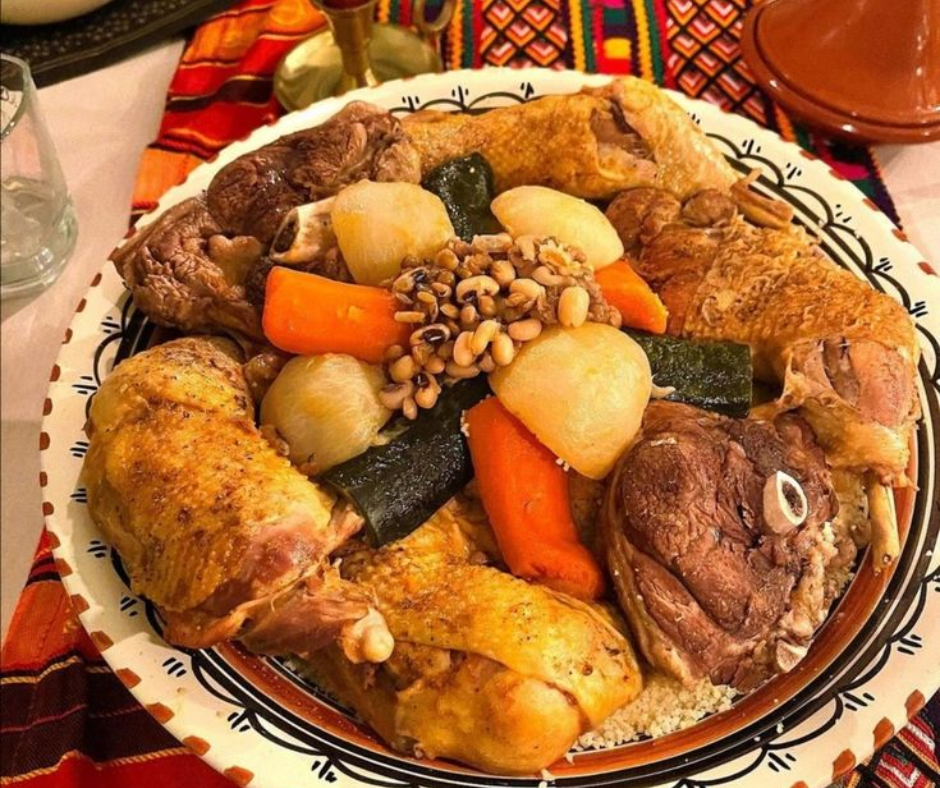
For lunch, look for "garantita," a chickpea flour flan that is a staple street food in Algiers. It is cheap, filling, and best eaten hot with a smear of harissa. Dinner is often a more communal affair involving couscous topped with lamb and seasonal vegetables. If you are invited to a local home for a meal, which is common given Algerian hospitality, remember to remove your shoes at the door and always accept the mint tea offered at the end of the meal.
Water safety is important for solo travelers to avoid any interruptions to their trip. While tap water is generally fine for brushing teeth in major cities, we recommend drinking bottled or filtered water. This is especially true as you head south into the desert regions where the mineral content of the water changes significantly.
Essential Safety and Cultural Etiquette
Safety in Algeria is largely a matter of following local customs and staying aware of your surroundings. The major cities are generally safe, but like any large urban area, petty theft can occur in crowded markets. We advise wearing a crossbody bag and keeping your phone out of sight while walking in busy areas. If you are a solo female traveler, you may receive unwanted attention or stares, but this is usually out of curiosity rather than malice.
Dressing modestly is the most effective way to blend in and show respect. For both men and women, clothing should cover the shoulders and knees. Women do not need to cover their hair unless entering a mosque, but carrying a light scarf is practical for sun protection and sudden changes in weather. In the more conservative southern regions, such as the M'Zab Valley, adhering to these dress codes is even more important to ensure you are welcomed by the local community.
Read also: What to Pack and Wear in Algeria: A Traveler’s Guide to Packing Smart
Learning a few phrases in Algerian Darija or French will change your entire experience. A simple "Salam" (Hello) or "Sahit" (Thank you) goes a long way. Many younger Algerians speak some English, but French remains the primary language of administration and tourism. If you find yourself in a confusing situation, look for a "pâtisserie" or a pharmacy; the staff there almost always speak fluent French and are usually happy to help a traveler find their way.
Read also: Is Algeria Safe for Tourists?
Final Thoughts for Your Algerian Journey
Traveling solo in Algeria is not about ticking off a list of famous landmarks. It is about the conversations over tea, the challenge of navigating a city without signs, and the reward of finding yourself in a place that feels truly authentic. By preparing your visa early, respecting the local dress code, and moving slowly through the regions, you will find that Algeria is one of the most rewarding destinations in North Africa.
The country requires patience and a sense of humor. Things might not always run on time, and the bureaucracy can be frustrating, but the warmth of the people you meet along the way more than makes up for the logistical hurdles. You are now ready to experience the vast beauty of Algeria with the knowledge and tools to stay safe and engaged.
This might be helpful to you: Planning a Trip to Algeria? Top Things to Know


