

Exploring a new country with a camera can feel like a high-stakes balancing act between technical precision and cultural respect.
That is why our team at WildyNess created this guide to help you navigate the unique light, diverse landscapes, and social nuances of an Algeria photography tour. Let’s get your gear ready for the journey of a lifetime.
Planning Your Algeria Photography Tour Itinerary
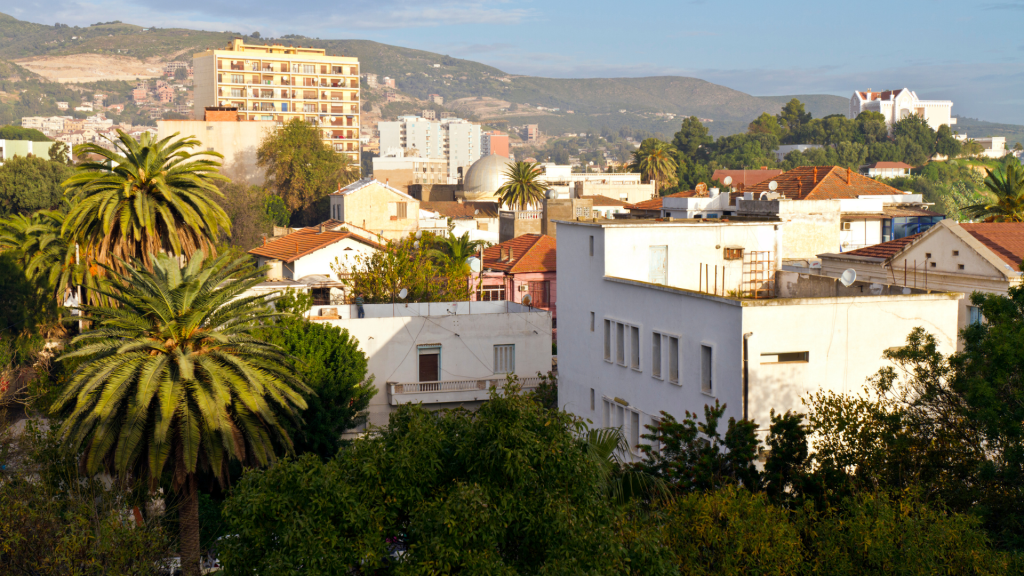
An Algeria photography tour requires a strategic approach to geography because the country is the largest in Africa. We recommend splitting your focus between the northern architectural hubs and the southern desert expanses to capture the full spectrum of the nation.
Most photographers start in Algiers to document the white-washed Mediterranean aesthetic before flying south to Djanet for the deep Sahara experience.
Selecting the Right Regions for Visual Variety
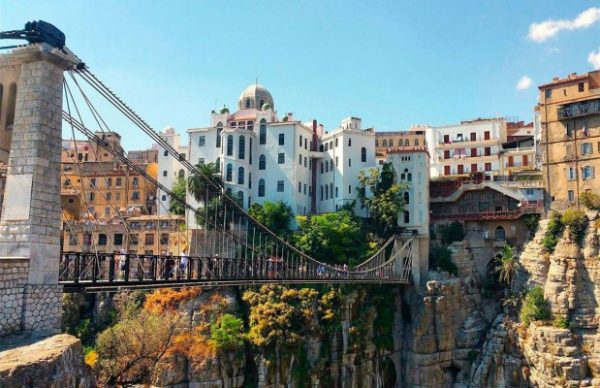
The north offers a mix of Roman history and Ottoman architecture that provides a sharp contrast to the organic shapes of the desert. In Constantine, you can focus on the physics-defying bridges and deep limestone canyons that slice through the city center.
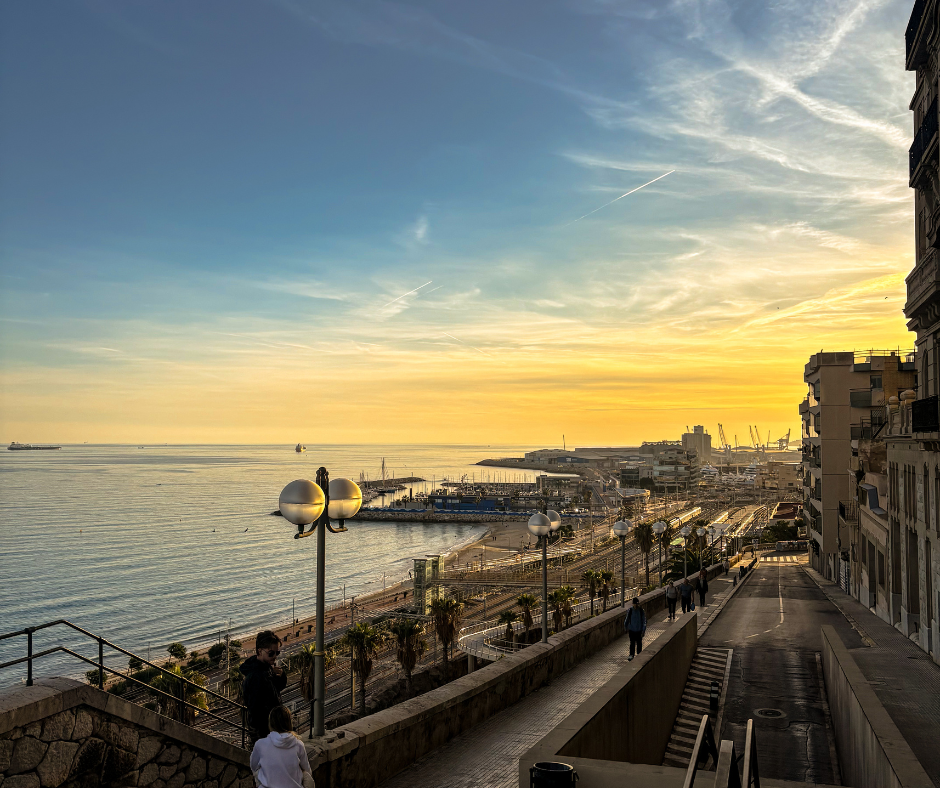
Moving toward the coast, the ruins of Tipaza provide a blue Mediterranean backdrop against ancient stone, which is perfect for wide-angle landscape shots.
Read also: Must-See Attractions in Constantine, Algeria
Timing Your Visit for Optimal Light
Weather determines your shooting schedule more than any other factor in North Africa. We suggest visiting between October and April to avoid the extreme heat that can exceed 45°C during the summer months. Winter months provide the clearest skies and most manageable temperatures, though you must prepare for the sun to set much earlier.
This timing allows for longer sessions during the golden hour without the risk of heat exhaustion or equipment overheating.
Mastering Sahara Desert Landscapes in Tassili n’Ajjer
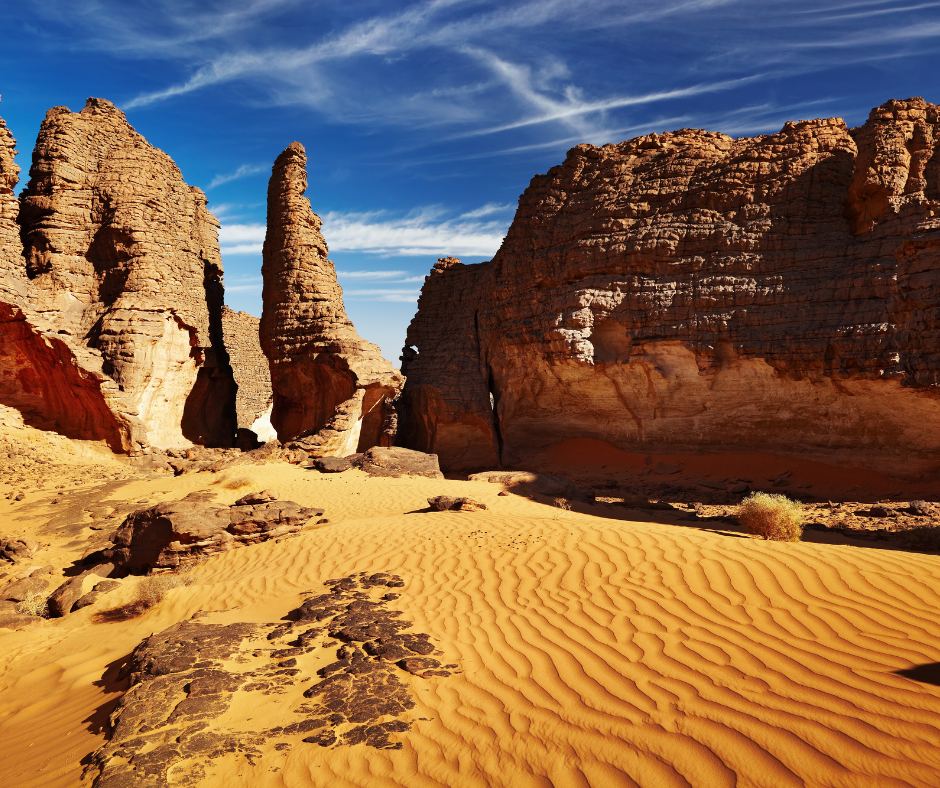
The Sahara is the crown jewel of any Algeria photography tour, especially the Tassili n’Ajjer National Park near Djanet. This area is famous for its "forests of rock" and towering orange dunes that change color as the sun moves across the sky.
You will find that the scale here is difficult to convey, so look for elements like a lone acacia tree or a camel caravan to provide a sense of perspective.
Read also: Camping in Algerian Sahara: The Ultimate Guide to The Desert
Sunrise and Sunset Tactics on the Dunes
Arriving at your location at least forty minutes before the sun crests the horizon is essential for capturing the pre-dawn glow. This period offers soft, shadowless light that emphasizes the textures of the sand ripples. As the sun rises, the shadows become long and sharp, defining the ridges of the dunes.
During sunset, the sky often transitions through a palette of deep purples and fiery oranges, providing a perfect silhouette for the jagged rock formations of the Tadrart Rouge.
Explore: A 6-Day Escape into the Tadrart Rouge

Night Sky and Milky Way Composition
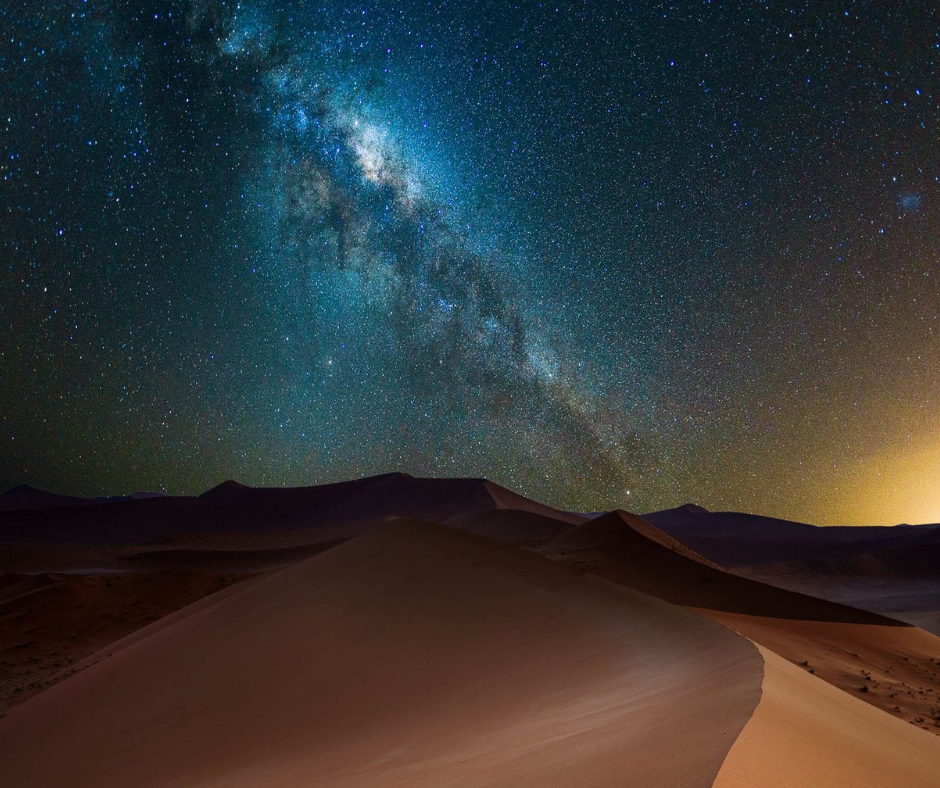
The lack of light pollution in the deep desert makes Djanet one of the best places on earth for astrophotography. We recommend using a wide-angle lens with a fast aperture to capture the Milky Way as it arcs over the sandstone arches.
You should plan your tour during the new moon phase to ensure the stars are as bright as possible against the dark sky. A sturdy tripod is non-negotiable here because the desert floor can be soft, so pressing the tripod legs firmly into the sand is a necessary step for sharp long exposures.
Technical Gear Protection for Arid Environments
Sand and dust are the primary enemies of professional camera equipment during an Algeria photography tour. The fine silt of the Sahara can find its way into the smallest crevices of your camera body and lens barrels. We advise a proactive approach to maintenance to ensure your gear survives the trip without permanent damage.
Shielding Equipment from Fine Silt
Using a weather-sealed camera body provides an initial layer of defense, but it is not a complete solution. You should keep your camera inside a dedicated dust bag or a simple dry bag whenever you are not actively shooting.
Many professionals use a clear UV filter on every lens to protect the front element from being etched by wind-blown sand. If a sandstorm begins to develop, the best course of action is to stop shooting immediately and secure all equipment in a sealed container.
Safe Field Maintenance Practices
Changing lenses in the desert is a move that should be avoided whenever possible. We suggest using two camera bodies with different focal lengths to minimize the need to expose your sensor to the air. If you must swap lenses, find a sheltered area or use a large jacket to create a windbreak.
After every day of shooting, use a manual air blower to remove dust from the exterior of your gear before wiping it down with a clean microfiber cloth.
Documenting the Architectural Heritage of Algiers and Constantine
The urban environments of Algeria offer a completely different set of challenges and rewards compared to the desert. In Algiers, the Casbah is a labyrinth of steep alleys and historic homes that requires a keen eye for geometry.
Constantine is defined by its dramatic elevation changes and the massive stone bridges that connect its different quarters.
Navigating the Algiers Casbah
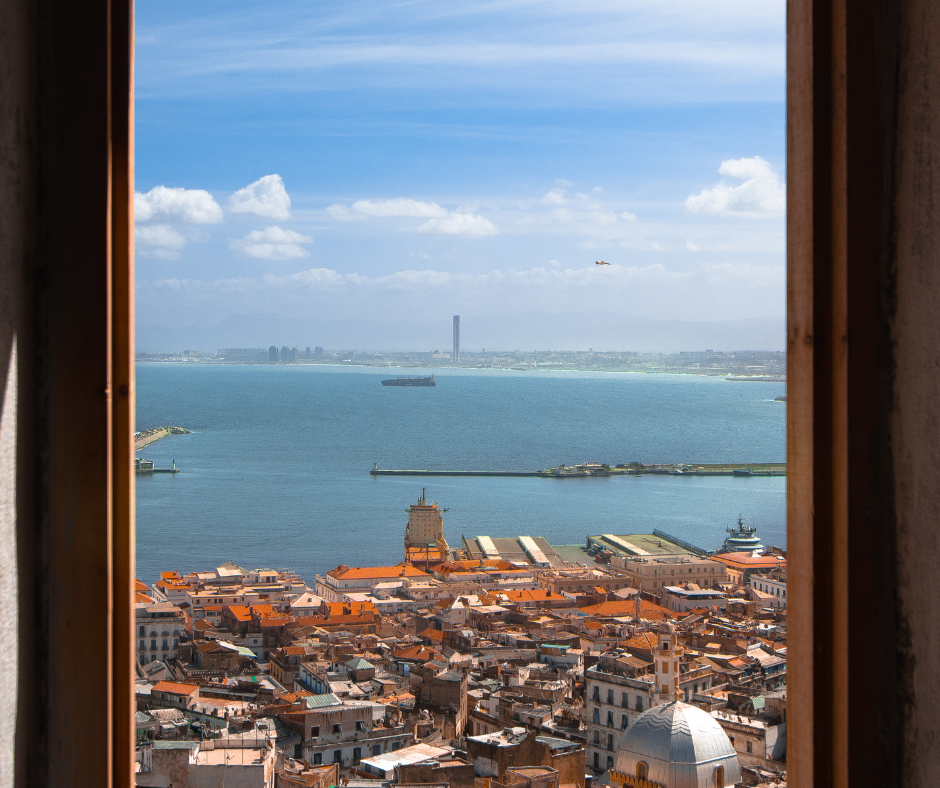
The narrow streets of the Casbah often suffer from high-contrast lighting where the sun hits the tops of buildings while the street level remains in deep shadow. We recommend shooting during the blue hour or on slightly overcast days to even out the exposure.
Look for details such as carved wooden doors and intricate tile work to tell a story of the city's Ottoman past. It is often helpful to hire a local guide who can lead you to rooftops for a bird's-eye view of the Mediterranean coastline.
Explore: 7 Immersive Days in Northern Algeria
Capturing the Bridges of Constantine
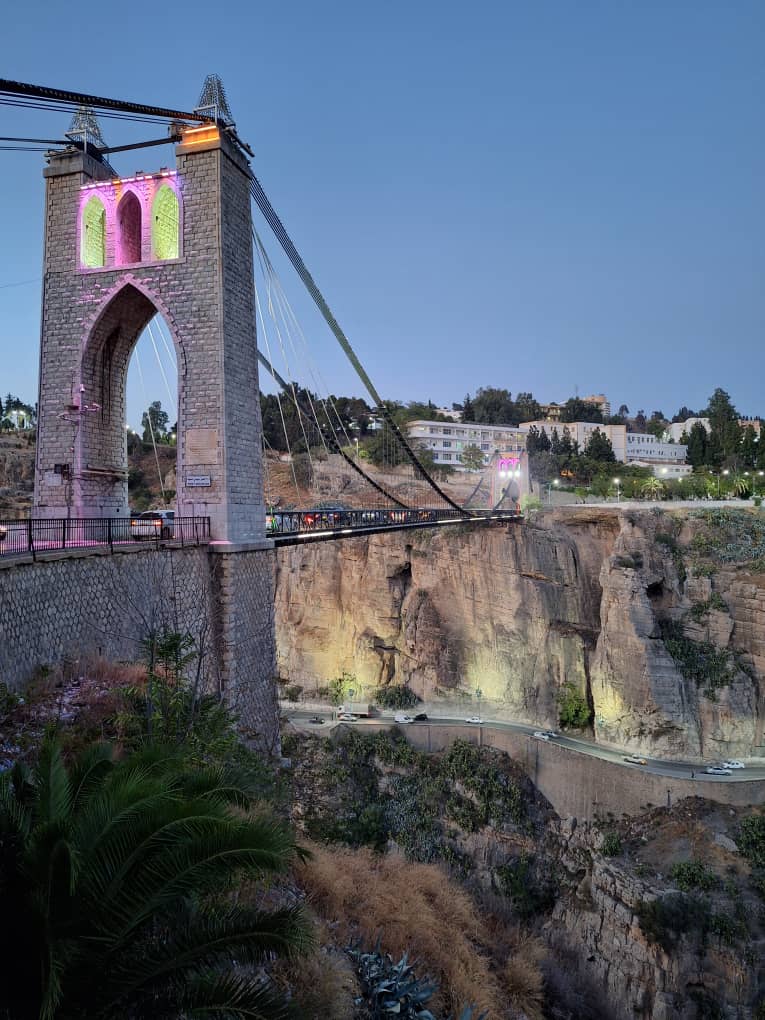
Constantine is known as the City of Bridges, and each structure offers a unique photographic angle. The Sidi M’Cid bridge is the most iconic, stretching across a deep gorge that drops hundreds of meters to the riverbed below.
For the best results, hike to the Monument aux Morts at sunrise to see the city and its bridges bathed in soft light. You can use a telephoto lens to compress the layers of the city, showing how the houses seem to grow directly out of the cliffside.
Ethical Approaches to Street and People Photography
Respecting local customs is the most important part of a successful Algeria photography tour. While Algerians are known for their hospitality, the culture is conservative, and privacy is highly valued. Understanding when to press the shutter and when to keep the lens cap on will lead to a more authentic and enjoyable experience.
Seeking Permission and Building Rapport
You should always ask for permission before taking a portrait of an individual. A simple smile and a gesture toward your camera are often enough to communicate your intent. If the person declines, you must respect their choice immediately and move on without frustration.
You will find that taking the time to have a short conversation or share a tea can often lead to more natural and relaxed portraits later on.
Navigating Sensitive and Restricted Areas
Photography is strictly prohibited near military installations, police checkpoints, and government buildings. This rule is enforced seriously in Algeria, and ignoring it can lead to your memory cards being confiscated or your tour being interrupted.
When you are in the Casbah or local markets, be mindful of people’s personal space and avoid photographing women or children without explicit consent from their families. Focusing on details like market scales, traditional crafts, or architectural textures is a great way to capture the atmosphere without invading privacy.
Expanding the Narrative with Ancient Roman Ruins
Algeria is home to some of the best-preserved Roman ruins in the world, which provide an excellent opportunity for architectural photography. Locations like Timgad and Djemila are sprawling sites that allow you to practice your composition with grand colonnades and intricate floor mosaics.
Compositional Tips for Timgad
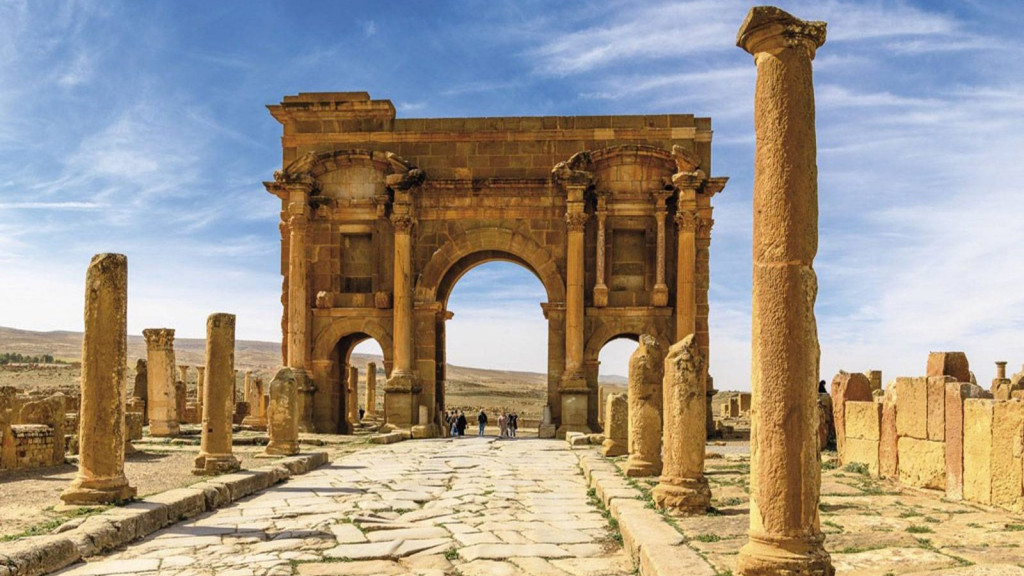
Timgad is famous for its grid layout and the massive Trajan’s Arch that stands at the entrance of the city. We suggest using the ancient ruts in the stone roads as leading lines to draw the viewer’s eye toward the arch.
Since these sites are often wide open with little shade, the light can become very flat in the middle of the day. Plan to visit during the first two hours of the morning to capture the long shadows of the standing columns.
Read also: Visiting Timgad: Essential Day Trip Tips for the Pompeii of Africa
Highlighting Detail at Djemila
Djemila is nestled in a mountainous region, which adds a dramatic green backdrop to the honey-colored stones of the ruins. The site is known for its incredible collection of mosaics, many of which are housed in a local museum.
When photographing these, ensure your camera is perfectly parallel to the floor to avoid perspective distortion. Use a polarizing filter to manage any reflections if the mosaics are behind glass or have been dampened to show their colors.
Explore: Discovering Algeria’s Ancient Wonders: The Roman Heritage Tour

Logistics and Local Expertise
Navigating the internal flight schedules and desert permits required for a photography tour can be complex for independent travelers.
We handle the technical details so you can focus on your compositions and light settings. Our local guides understand the needs of photographers and can help facilitate interactions with locals or find the best vantage points that are off the standard tourist path.
Sustainable and Respectful Travel
We believe that photography should be a bridge between cultures rather than a barrier. Our tours emphasize low-impact travel and ensure that the communities we visit benefit directly from our presence.
By following our ethical guidelines and traveling with a local perspective, you contribute to the preservation of the very beauty you are documenting.
Essential Packing List for an Algeria Photography Tour
Your packing list should prioritize versatility and protection. Because temperatures can fluctuate between 40°C during the day and 0°C at night in the desert, your clothing needs to be highly adaptable.
Clothing and Personal Comfort
We recommend wearing light, breathable linen or cotton clothing that covers your arms and legs to protect against both the sun and the sand. A large cotton scarf, known locally as a cheche, is the most useful accessory you can bring for your Algeria photography tour.
It can protect your neck from the sun, act as a dust mask during wind, and provide a cushion for your gear. Do not forget to pack high-quality sunscreen, polarized sunglasses, and a wide-brimmed hat to manage the intense glare of the North African sun.
Read also: What to Pack and Wear in Algeria: A Traveler’s Guide to Packing Smart
Power and Storage Solutions
The desert offers very few opportunities to charge your equipment, so you should bring enough batteries to last at least three days of heavy shooting. A portable power station or a high-capacity power bank is a smart addition to your kit if you plan on camping in the Sahara.
Additionally, you should bring more memory cards than you think you will need because the sheer scale of Algeria often leads to taking thousands of images. We suggest using a dual-slot camera system to back up your photos instantly as you shoot.
Final Thoughts on Capturing the Algerian Spirit
An Algeria photography tour is a journey into one of the most visually rewarding countries in the Mediterranean region. By balancing your technical skills with a deep respect for the local culture and environment, you will return with a portfolio that truly reflects the soul of the nation.
The key to success is patience because the best light often comes to those who are willing to wait in the silence of the dunes or the corners of a quiet medina.
Embracing the Unexpected
No matter how much you plan, the most memorable photos often happen during the moments you did not expect. A sudden change in the weather might create a dramatic sky, or a chance meeting in a tea shop might lead to a beautiful human story.
We encourage you to keep your camera ready but also to take moments to put the lens down and experience the landscape with your own eyes.
Continued Support for Your Journey
We are here to ensure your photography adventure is as smooth and productive as possible. Whether you need advice on a specific lens for the desert or help navigating the visa process, our team is ready to assist. If you have any other questions, please do not hesitate to contact us, and we will respond to you quickly.
We can also help you create the perfect itinerary for your trip. All you have to do is email us, and we will plan your personalized itinerary together.


