
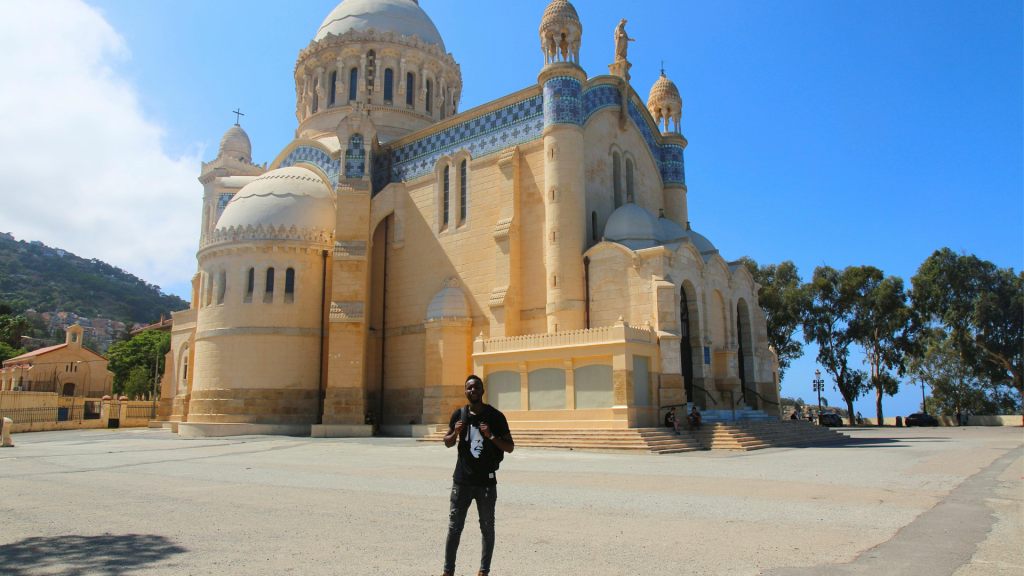

Navigating a country as vast as Algeria often feels like trying to solve a complex puzzle where the pieces are separated by hundreds of miles of desert and mountain ranges.
That is why our team at WildyNess created this guide to help you navigate the largest country in Africa without getting lost in the logistics or missing the quiet corners that define the authentic Algerian spirit.
Strategic Planning for the Algerian Wilderness
Traveling across Algeria requires a different mindset than navigating Europe or smaller North African neighbors. The sheer scale of the landscape means that a trip from the northern coast to the southern desert involves crossing multiple climate zones and vast stretches of uninhabited terrain.
Logistics and Entry Requirements
Securing your entry is the first step in any successful expedition to this part of the world. You should start your visa process at least a month in advance because it requires a formal application and often an invitation or proof of accommodation.
Ensure your passport remains valid for at least six months beyond your planned stay and keep both digital and physical copies of your documents. Because distances are so significant, we recommend using domestic flights for transit between the north and south. A drive from Algiers to the M’Zab Valley takes roughly eight hours while a flight takes less than ninety minutes.
Cultural Etiquette and Local Customs
Respecting local traditions ensures a smoother journey through the more conservative inland regions. Modesty in dress is appreciated outside of the main neighborhoods in Algiers and Oran. It is best to wear clothing that covers your shoulders and knees to show respect for local norms.
Public displays of affection are generally discouraged and alcohol consumption should be reserved for private venues or licensed hotels.
Also, learning a few basic phrases in Algerian Arabic or French will go a long way in establishing a friendly connection with the people you meet.
We suggest reading What to Pack and Wear in Algeria: A Traveler’s Guide to Packing Smart, before packing so you get all the necessary informations about what to bring with you.

Tassili n'Ajjer and the Stone Forests of Djanet
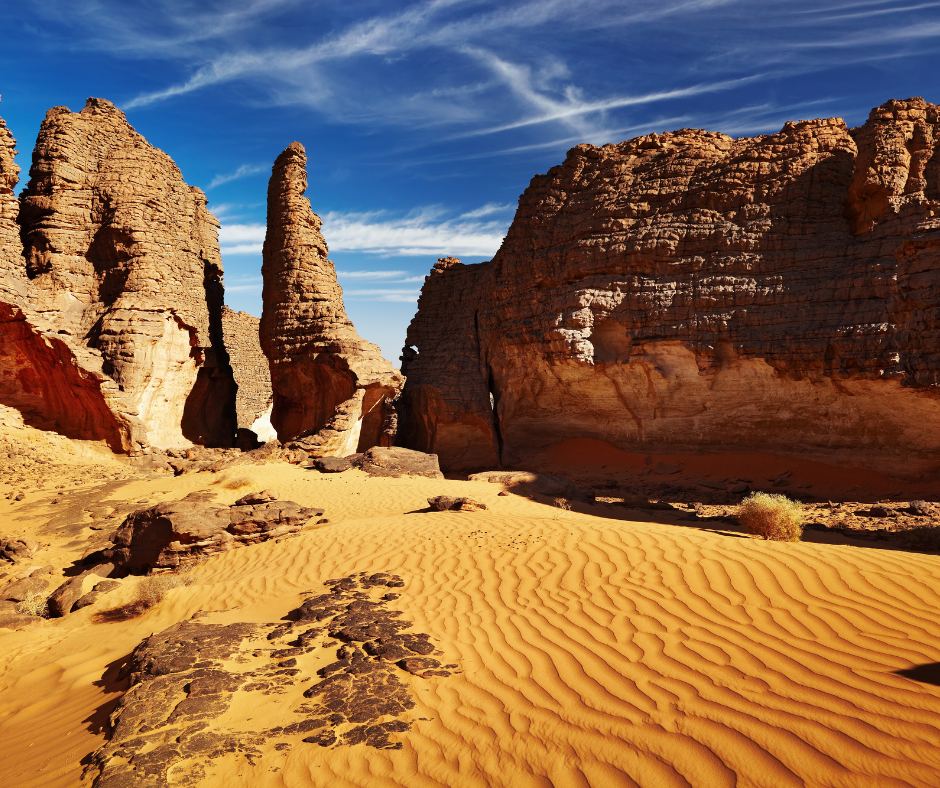
Tassili n'Ajjer is a massive sandstone plateau in the southeast that looks like a city made of rock. The wind and sand have carved the stone into towers and arches that seem to change shape as the sun moves across the sky.
Navigating the Rock Forest
Exploring this UNESCO World Heritage site requires a 4x4 vehicle and a local Tuareg guide who knows the labyrinth of stone corridors. These guides are essential for safety because the terrain is vast and landmarks can look identical to the untrained eye.
You will spend your days hiking through narrow canyons and your nights camping under a sky that is completely free of light pollution. The experience is physical and raw so you should prepare for long walks on uneven ground.
Ancient Rock Art and History
The plateau is home to one of the most important collections of prehistoric cave art in the world. Thousands of engravings and paintings depict a time when the Sahara was a green savannah filled with elephants, giraffes, and hippos.
Seeing these images in their original context provides a profound perspective on how the climate has changed over millennia. Your guide can help you locate the most significant panels which are often tucked away in shaded alcoves that protected the pigments from the sun for thousands of years.
Read also: Things to Do in Djanet: The Ultimate Guide to Algeria’s Red Sahara

The Volcanic Peaks of the Hoggar Mountains
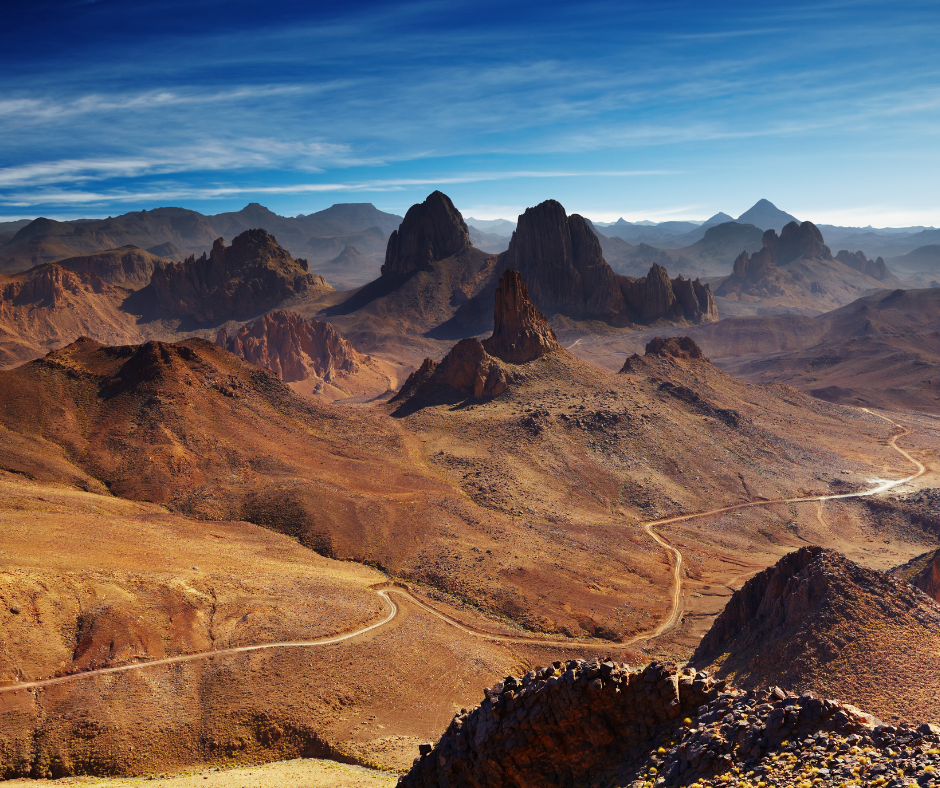
Deep in the south near the city of Tamanrasset lies the Hoggar massif. This is a landscape of dark volcanic rock and jagged peaks that offers some of the most dramatic scenery in the entire Sahara.
Reaching the Assekrem Plateau
The journey to the Assekrem plateau is a highlight for many travelers seeking a true off-the-beaten-path experience. The road is rugged and requires a sturdy vehicle to handle the steep inclines and rocky paths. Most visitors aim to reach the hermitage of Charles de Foucauld in time for either sunrise or sunset.
At nearly 2800 meters in elevation, the viewpoint offers a 360-degree panorama of the volcanic plugs known as the "End of the World."
Life in the High Desert
The environment in the Hoggar is harsher and more vertical than the sandy dunes of the west. Water is a precious resource here and you will see how the local communities have adapted to life in a stone desert.
When packing for this region you must include serious thermal layers because the temperature can drop below freezing as soon as the sun goes down. Sturdy boots with good ankle support are a requirement for navigating the lava fields and scree slopes safely.
Read also: Algeria Hiking Tours: The Ultimate Guide to Sahara & Atlas Treks
The Red Oasis and the Gourara Region
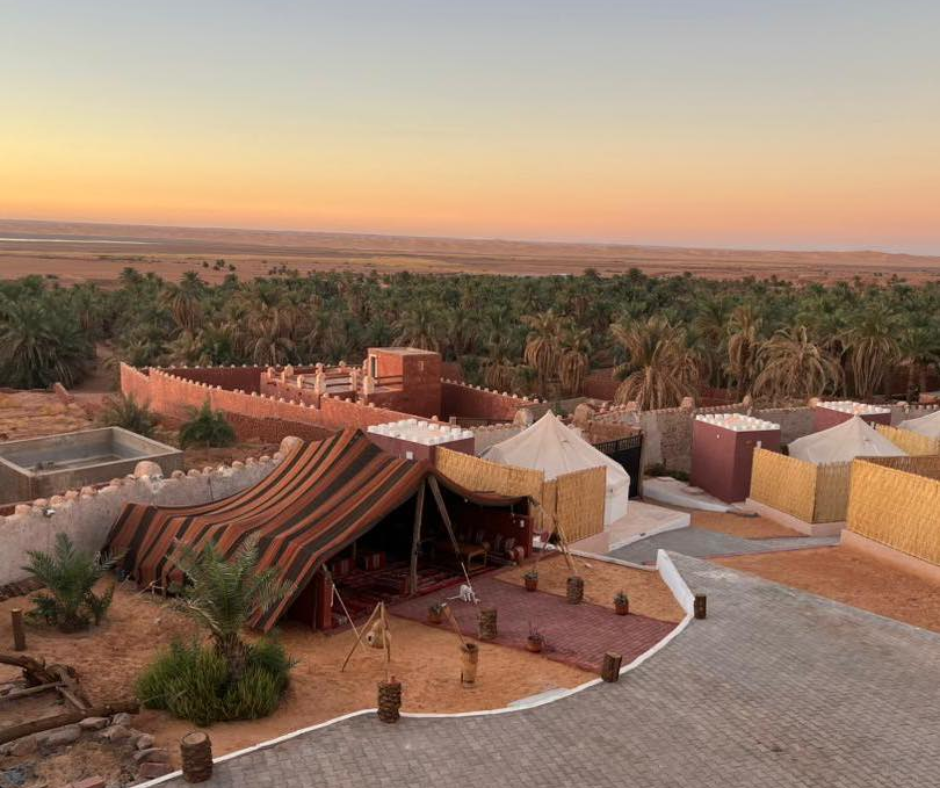
Timimoun is often called the Red Oasis because of the distinct ochre-colored mud-brick architecture that dominates the town. It serves as the gateway to the Gourara region which is famous for its unique irrigation systems and ancient fortified villages.
The Architecture of the Ksar
The old town or ksar of Timimoun is a masterclass in desert urban planning. The walls are built thick to keep the interior spaces cool during the blistering afternoon heat. Walking through the narrow covered lanes feels like stepping back in time as the mud walls muffle the sounds of the outside world.
The crenelated rooftops and decorative geometric patterns are characteristic of the Sudanese architectural style that influenced this part of the Sahara.
The Foggara Irrigation System
The survival of Timimoun depends on an ingenious ancient water management system called the foggara. These are long underground tunnels that use gravity to bring water from distant aquifers to the palm groves.
You can walk along the palm gardens to see the "water clocks" and distribution points where the flow is divided among the families of the oasis. Understanding this system highlights the incredible resilience and engineering skills of the people who have lived in these arid conditions for centuries.
The Sacred Cities of the M'Zab Valley
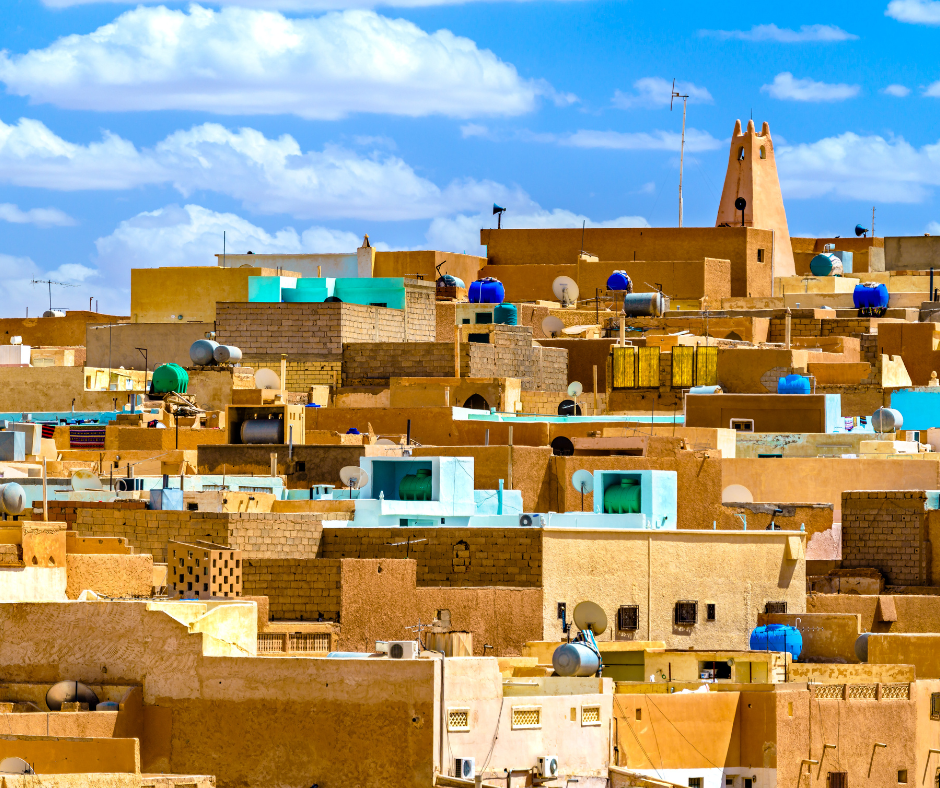
The M'Zab Valley is a pentapolis consisting of five distinct hilltop cities that have remained largely unchanged for a thousand years. Ghardaïa is the most famous but the smaller city of Beni Isguen offers a more intimate look at the Mozabite way of life.
The Strict Traditions of Beni Isguen
Beni Isguen is considered the most traditional of the five cities and maintains strict rules for visitors. You must enter with a local guide and follow specific protocols regarding photography and behavior. It is important to remember that this is a living religious community and not a museum.
Smoking is prohibited within the city walls and visitors are expected to dress very modestly. These rules have helped the community preserve its unique Ibadi Muslim identity and social structure in a rapidly changing world.
The Evening Auction at the Market
Every afternoon the main square of Beni Isguen hosts a traditional auction where locals bring goods to be sold. This is not a tourist performance but a genuine community event where everything from antique furniture to handmade carpets changes hands.
The auctioneer moves through the crowd with items for sale and buyers signal their bids with subtle gestures. It is a fascinating display of local commerce and social interaction that provides a window into the daily life of the valley.
Read also: Navigating Algeria 2026: The Wildyness Guide to Group Travel Success
Roman History in the Clouds at Djémila
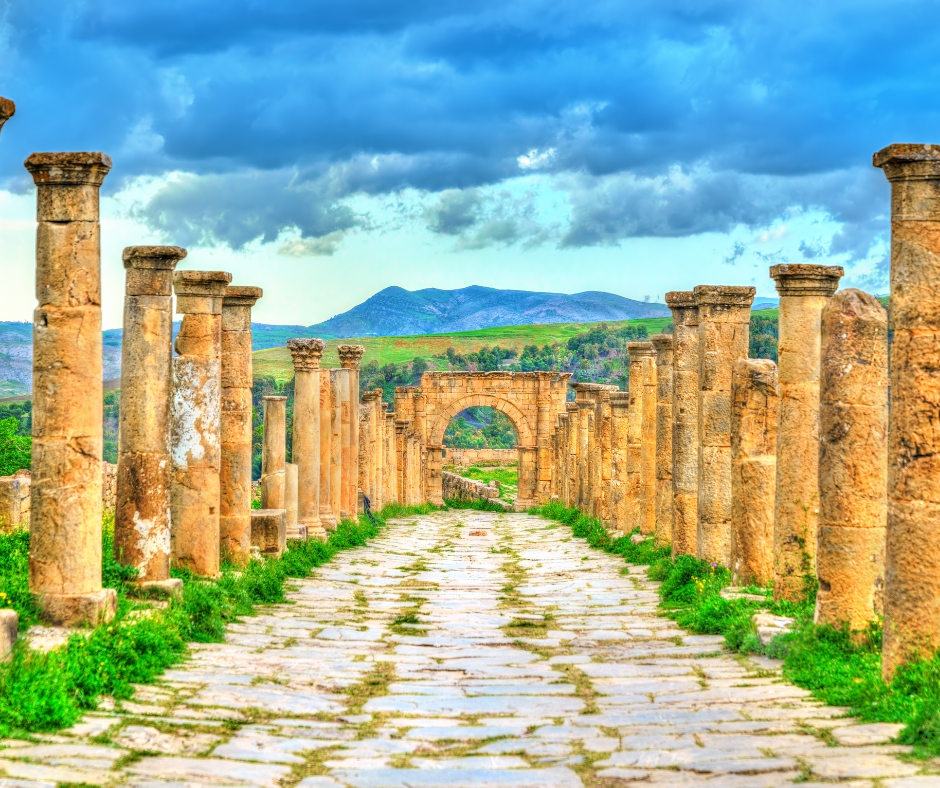
While Timgad is more famous, the ruins of Djémila offer a more atmospheric experience because of their location in the northern mountains. The site was built on a narrow triangular plateau between two rivers which forced the Roman engineers to adapt their traditional grid layout to the sloping terrain.
The Forum and the Grand Theater
Walking through the forum of Djémila allows you to see how the Romans integrated civic life with the natural landscape. The arches and temples are remarkably well-preserved and the lack of large crowds makes it easy to imagine the city as it functioned nearly two thousand years ago.
The theater is carved directly into the hillside and offers views of the surrounding green peaks that are quite different from the desert landscapes of the south.
The Museum of Mosaics
Before leaving the site you should spend time in the museum located at the entrance. It houses one of the most impressive collections of Roman mosaics in North Africa with massive panels covering the walls from floor to ceiling. The level of detail in the depictions of hunting scenes and mythological stories is extraordinary.
These artworks were salvaged from the villas of the city and provide a colorful contrast to the grey stone of the ruins outside.
Read also: Discovering Algeria’s Ancient Wonders: The Roman Heritage Tour
Coastal Escapes in Gouraya National Park
For those who want to see the greener side of Algeria the Gouraya National Park near Béjaïa offers coastal cliffs and forested trails. This area provides a refreshing break from the arid interior with its Mediterranean climate and sea views.
Hiking the Cap Carbon Trails
The trails leading to Cap Carbon are some of the most rewarding in the country. You will hike through pine forests and Mediterranean scrub while looking down at the turquoise waters of the Mediterranean Sea. The lighthouse at the cape is one of the highest in the world and serves as a great landmark for your trek.
Make sure to carry plenty of water and wear sunscreen as the coastal sun can be deceptive even when there is a cool breeze.
Meeting the Barbary Macaques
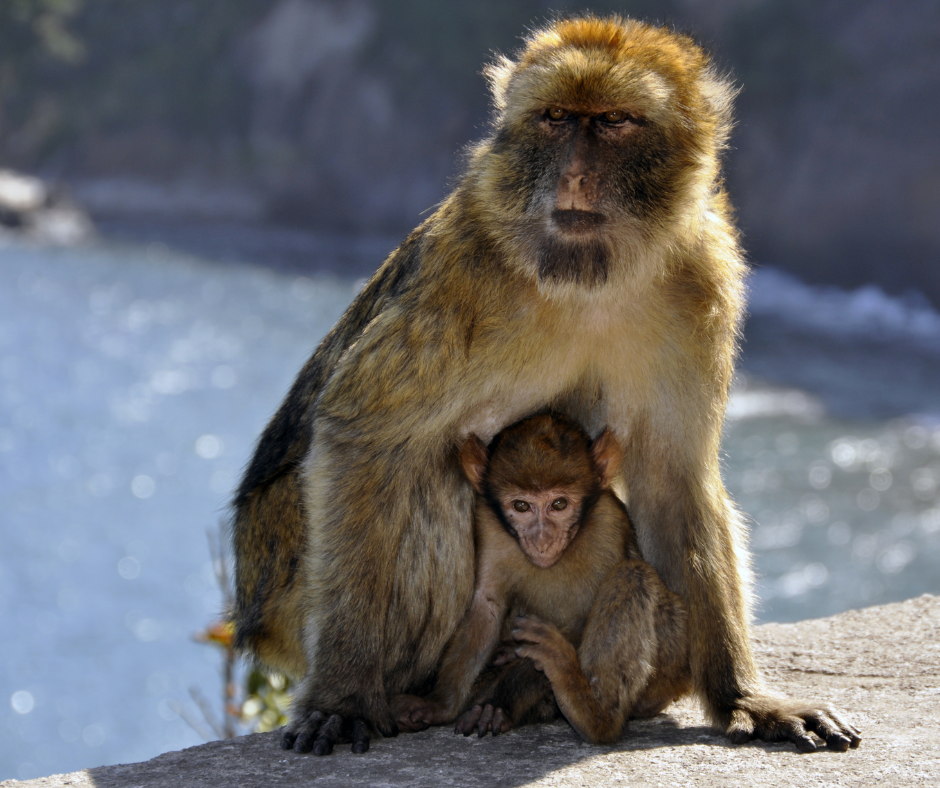
The park is one of the few places where you can see Barbary macaques in their natural habitat. These primates are often found in the trees near the viewpoints or along the quieter sections of the trails. While they may seem friendly it is vital that you do not feed them or get too close.
Observing them from a distance allows you to see their social interactions without disrupting their natural behavior. Travelers choose Wildyness for its ability to craft journeys that combine these authentic local encounters with professional logistical support.
Read also: Djurdjura Mountain Hiking Guide: Trails, Tips & Everything You Need to Know
Essential Gear and Practical Tips
Finalizing your plans for an off-the-beaten-path journey requires attention to the small details that make a big difference in the field. Algeria is a cash-heavy society and you will find that credit cards are rarely accepted once you leave the major luxury hotels in Algiers.
Managing Your Resources
You should always carry more Algerian Dinars than you think you will need for your daily expenses. While ATMs exist in larger towns they can be unreliable or run out of cash during holidays. Additionally you must be mindful of your water consumption and sun protection.
A high-quality wide-brimmed hat and a lightweight scarf are essential tools for managing the intense Saharan sun. Layering your clothing is the best strategy for dealing with the massive temperature swings between day and night.
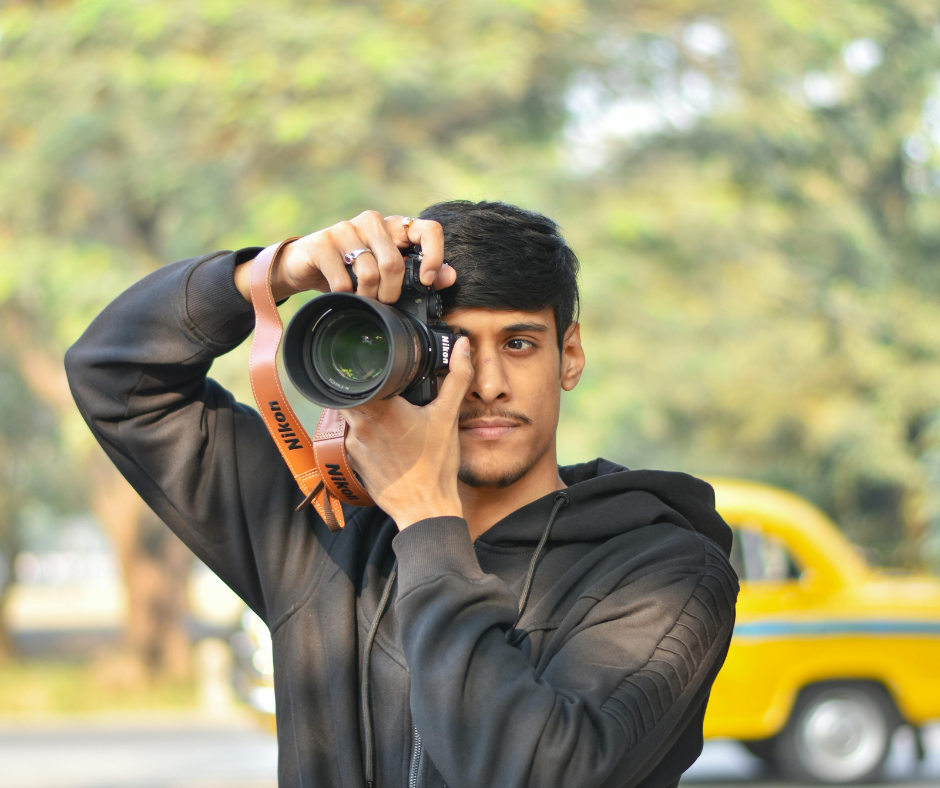
Documenting the Experience
Algeria is a country that rewards those who take the time to observe the small details. Instead of rushing from one landmark to another we suggest setting aside time to sit in a local cafe or enjoy a traditional tea service in the dunes.
These moments of stillness are often where the most meaningful cultural exchanges happen. Whether you are sketching the architecture of a ksar or writing in a journal the act of purposeful observation will deepen your connection to the landscape.
Final Thoughts about Algeria Off-the-beaten Path
To sum up this guide has provided you with the foundational knowledge needed to explore the remote corners of Algeria with confidence. The country is ready for those who are willing to trade convenience for genuine adventure and deep cultural immersion.
And remember traveller, if you need any help planning your Algeria trip, the WildyNess Team is here for you.
All you have to do is reach out to us.
Read also:
Planning a Trip to Algeria? Top Things to Know
Algeria Food Tour: An Authentic Guide to Local Flavors & Street Food


