
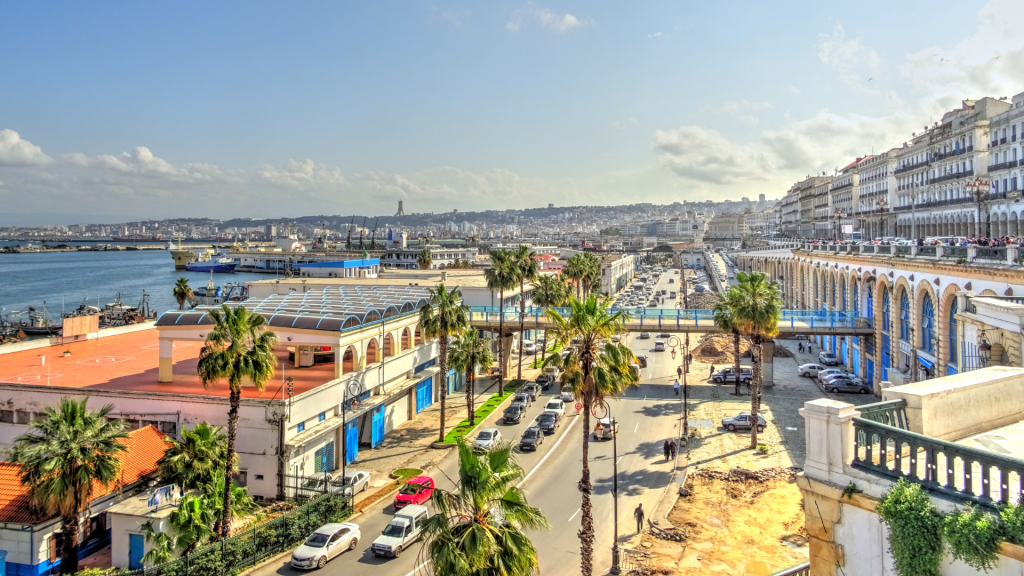

Planning a trip across the north of Algeria can feel overwhelming when you're trying to juggle transport schedules, currency exchange, and changing regional weather, all within a limited holiday timeframe.
That's why our team at WildyNess created this Algeria north itinerary guide, to help you build a simple, stress-free Algeria itinerary that connects the historic coastal cities with the dramatic mountain ranges further inland.
Designing a Northern Algeria Itinerary
Transit Logistics Between Regional Hubs
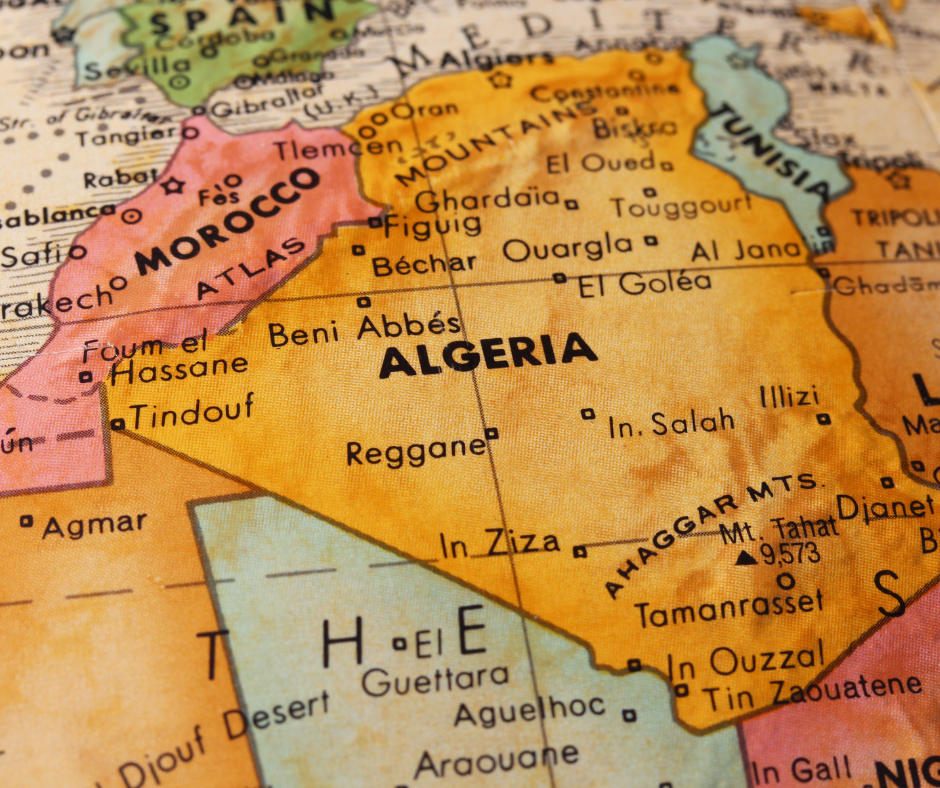
Executing a successful algeria north itinerary requires an accurate understanding of the distances separating the primary urban clusters. The northern territory is divided into three distinct travel zones, consisting of the central capital region around Algiers, the western coastal corridor anchored by Oran and Tlemcen, and the eastern highland circuit containing Constantine and the primary Roman archaeological sites.
Moving between these sectors can be achieved by utilizing the national rail network, known as the SNTF, which provides highly reliable daytime service between Algiers and Oran.
For longer journeys to the far east or south, utilizing domestic flights via Air Algérie saves significant travel time, while regional shared intercity taxis, known as louages, offer a high-frequency alternative for short-distance point-to-point transit.
Read also: Algeria Public Transport Guide
Financial Preparation and Local Connectivity
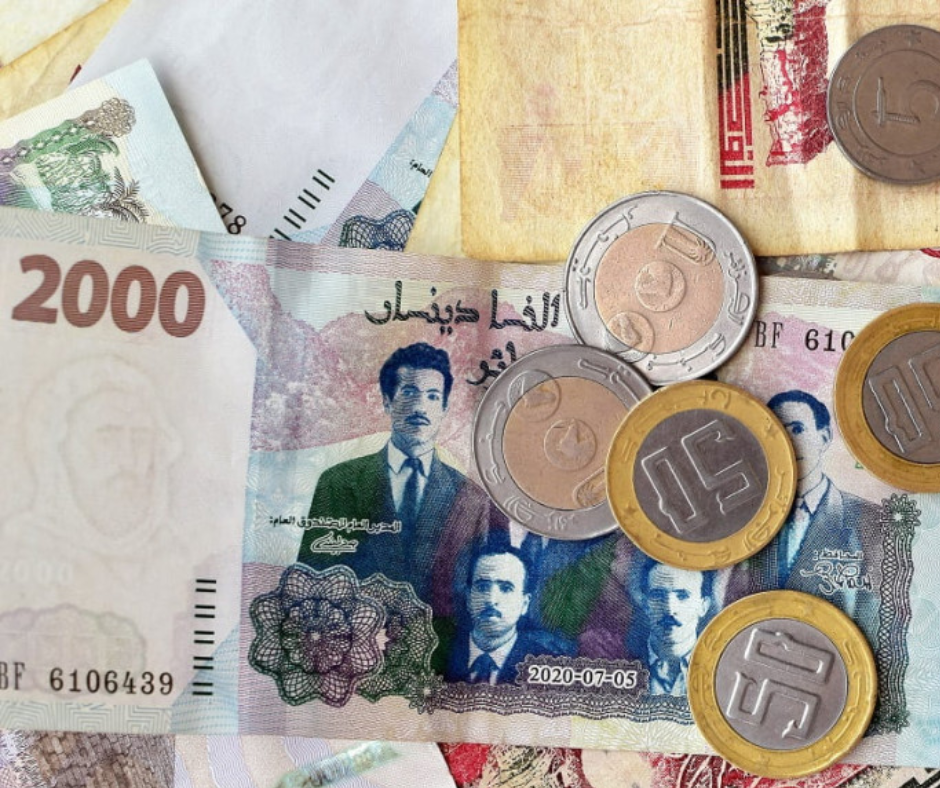
The domestic economy relies heavily on physical cash transactions, making thorough financial planning essential before you leave the capital city.
International credit cards are rarely accepted outside of luxury international hotel chains, and automated teller machines frequently run out of cash during regional weekends and national holidays.
You must maintain a steady supply of Algerian Dinar notes by exchanging currency at official bank counters or authorized exchange points upon arrival.
To manage local transit bookings and independent navigation smoothly, you should secure a local mobile SIM card from providers like Mobilis or Djezzy at the airport, which ensures constant access to maps, translation tools, and emergency contact lines.
Seasonal Climate Planning and Dress Codes
The northern edge of the country experiences a classic Mediterranean climate, making the transitional shoulder seasons of spring and autumn the absolute optimal windows for extensive foot travel.
The months from March to May and September to November deliver mild daytime temperatures that are ideal for navigating steep hillside ruins and historic urban quarters without the intense thermal strain of the summer months.
When packing your wardrobe, you must prioritize modest clothing choices that cover your shoulders and knees to align with local cultural norms.
This consideration is particularly important when entering active religious structures, historic neighborhoods, and rural mountain communities where traditional customs remain a central pillar of daily life.
Read also: What to Pack and Wear in Algeria
Algiers and the Historic Casbah
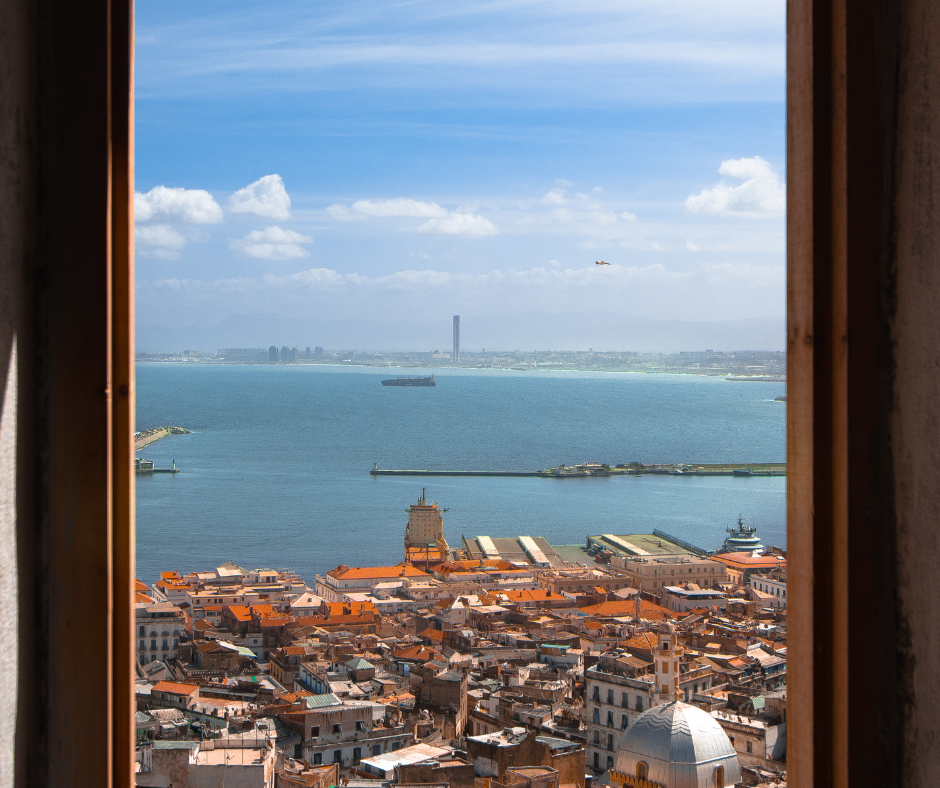
The capital city serves as the natural starting point for your northern expedition, displaying a striking architectural contrast between sweeping nineteenth-century French colonial boulevards and ancient defensive masonry.
Dedicating your first few days to this coastal hub establishes a strong historical baseline for the rest of your route.
Navigating the UNESCO Listed Medina
The Casbah of Algiers is a magnificent, hillside labyrinth of whitewashed homes, hidden mosques, and artisanal workshops that dates back to the sixteenth century.
Navigating this historic quarter requires a steady physical effort as you climb a continuous network of steep stone steps and narrow, winding corridors that open up to sudden views of the Mediterranean bay.
Because the layout is deliberately complex and lacks clear street signage, employing a licensed local guide is the most effective way to discover the hidden architectural details, such as traditional inner courtyards and ancient freshwater fountains.
Entering this neighborhood around nine in the morning ensures you experience the lanes before the high midday heat and afternoon market crowds arrive.
Read also: Guide to Algiers: Top Attractions and Activities
Cultural Museums and National Monuments
Directly outside the boundaries of the old medina, the capital hosts several major cultural institutions that provide essential historical context for your journey.
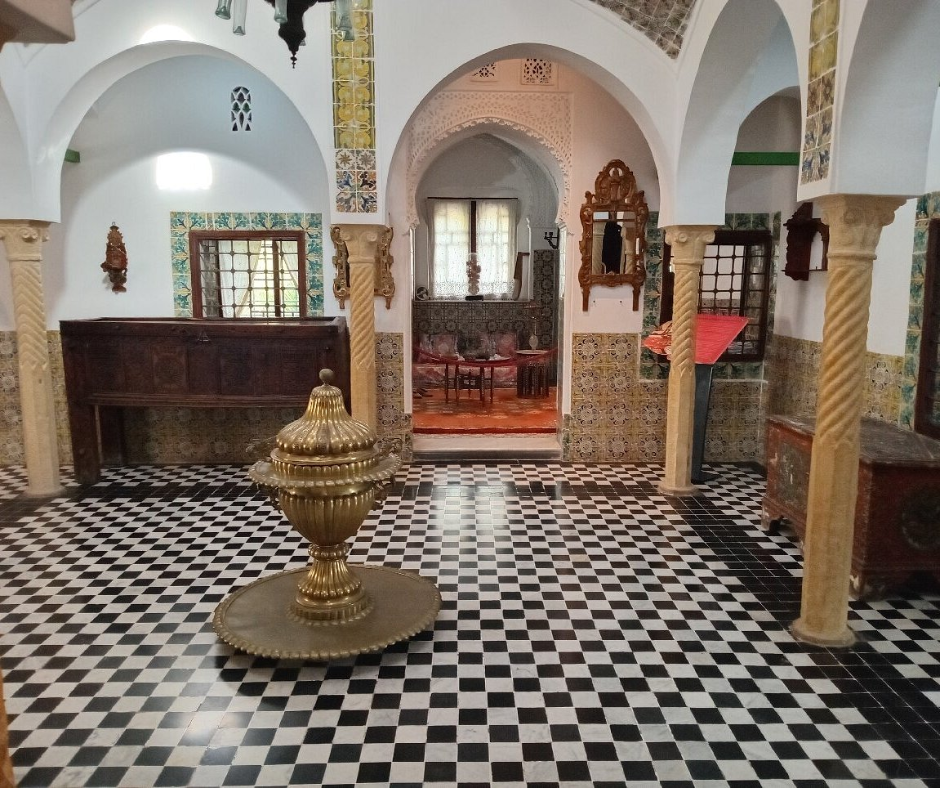
The Bardo National Museum is housed within a beautifully restored Ottoman villa and contains an exceptional collection of prehistoric artifacts, traditional textiles, and ethnographic displays.
To understand the modern identity of the state, you must visit the iconic Martyrs Memorial, a soaring concrete monument that honors the individuals who fought during the war of independence.
This landmark sits on an elevated ridge overlooking the southern districts of the city and is easily accessible by utilizing the public cable car system, which offers a fast and scenic transit link above the urban traffic.
The Western Loop: Tipaza, Oran, and Tlemcen
Moving westward from the capital allows you to trace the coastline along a highly scenic route where Roman maritime history merges with deep Spanish and Andalusian architectural traditions.
This sector highlights the diverse cultural layers that have shaped the western provinces.
The Ruins of Tipaza
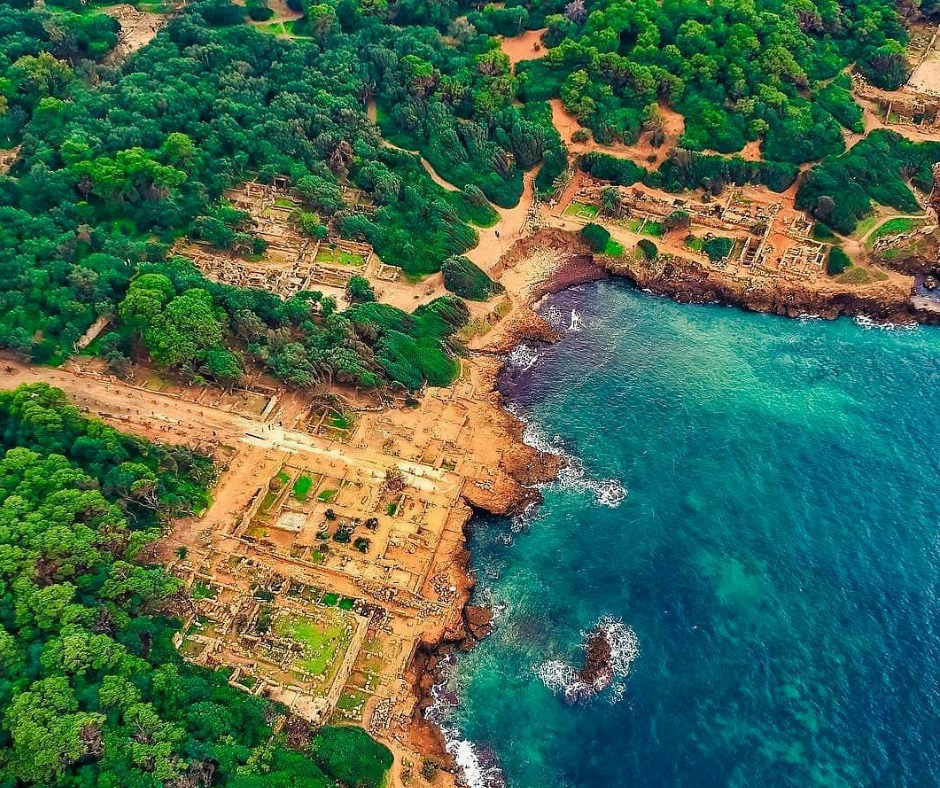
Located approximately seventy kilometers west of Algiers, the ancient city of Tipaza offers a unique archaeological experience where Roman ruins sit directly on the edge of the Mediterranean Sea.
Walking through this UNESCO World Heritage site reveals the remnants of a thriving trading port, including an ancient amphitheater, a massive judicial basilica, and an extensive seaside necropolis.
The site is uniquely integrated into a natural pine forest, providing pockets of shade as you move between carved stone sarcophagi and exposed mosaic floors.
Visiting this coastal park during the late afternoon allows you to photograph the ancient stone columns against the deep blue backdrop of the sea as the sun sets over the water.
Read also: Best Things to Do in Tipaza Algeria: A Local Guide
The Spanish Military Architecture of Oran
Oran is the second-largest city in the country, boasting a distinctive urban identity shaped by centuries of Spanish maritime rule and French colonial planning.
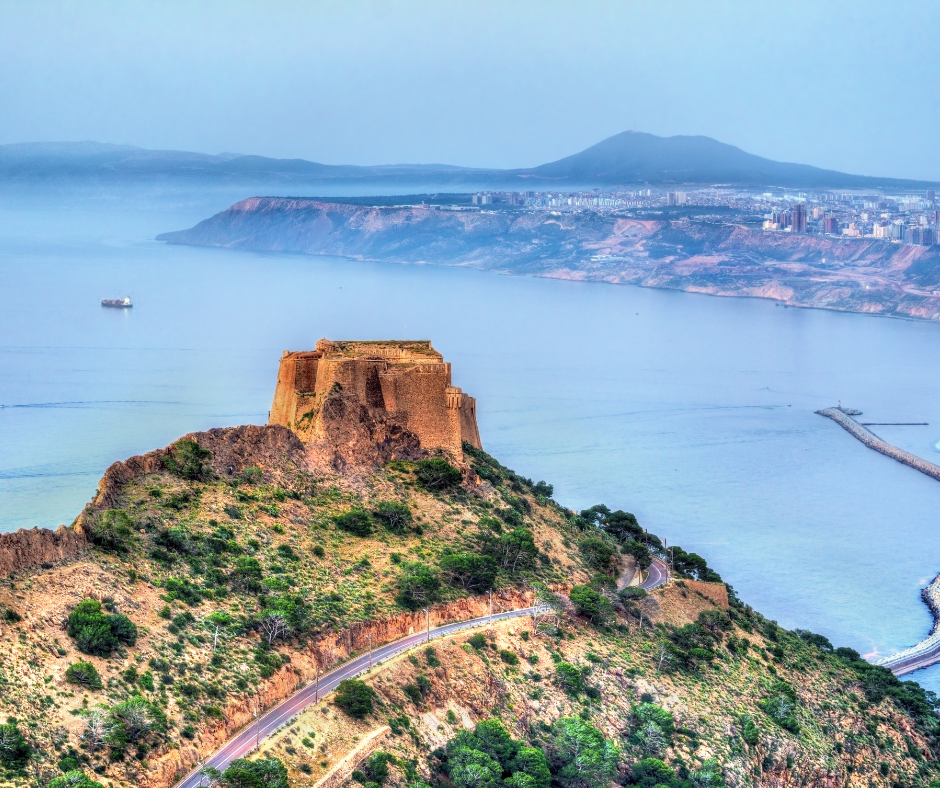
The defensive crown of the city is the Fort of Santa Cruz, a massive stone fortress constructed by the Spanish military in the sixteenth century on the peak of Mount Murdjadjo.
Climbing to this elevated stronghold gives you an unobstructed panoramic view of the deep-water commercial port, the historic marine quarters, and the sprawling modern city below.
Back down in the city center, the traditional architecture is characterized by grand public squares, opera houses, and wide avenues that showcase the historical wealth of this major western seaport.
Read also: What to Experience in Oran, Algeria (Map Included)
The Andalusian Heritage and Palaces of Tlemcen
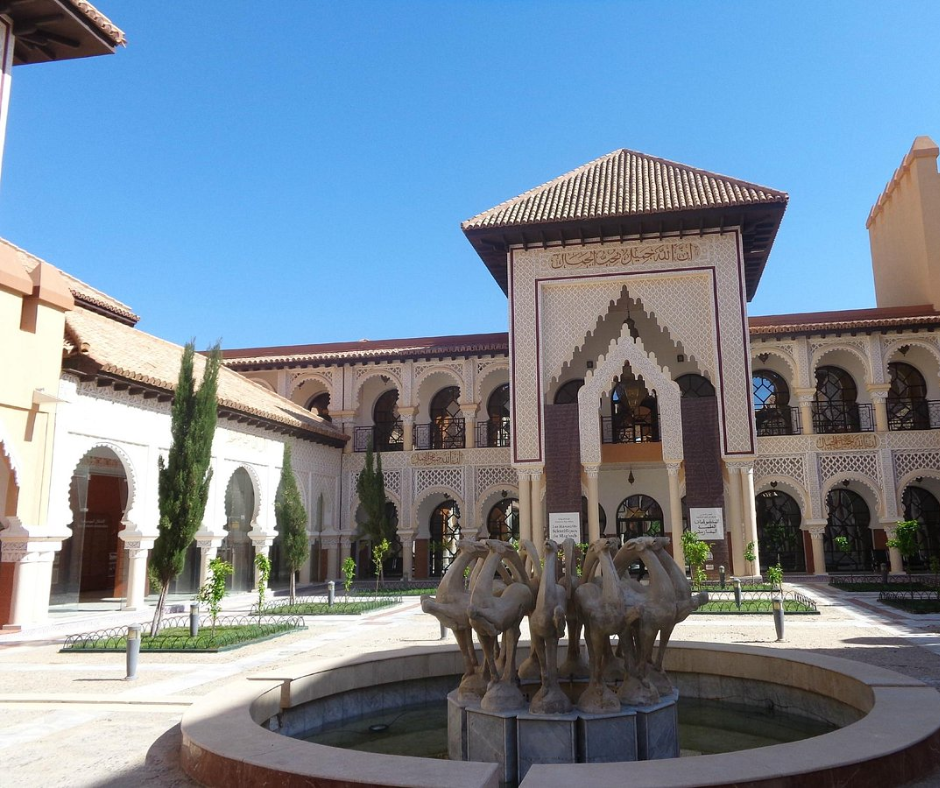
Situated further inland near the western mountain ridges, Tlemcen functions as the primary center for Andalusian culture, art, and intellectual history in North Africa.
The city is famous for the Grand Mosque of Tlemcen, a spectacular masterclass in Almoravid design that features intricate plaster carvings, geometric tilework, and a highly complex pierced dome.
You can also explore the historic El Mechouar Palace, a heavily fortified royal compound that has undergone meticulous restoration to showcase the courtly lifestyle of the Zianid dynasty.
The surrounding neighborhoods are filled with traditional weaving shops where local master craftsmen continue to produce high-quality silk textiles and traditional bridal costumes using centuries-old techniques.
Read also: Best Things to Do in Tlemcen Algeria: A Local Guide
The Eastern Circuit: Djémila, Timgad, and Constantine
The eastern highlands of the country contain some of the most visually dramatic landscapes and best-preserved Roman urban centers found anywhere on the globe.
This region demands several days of exploration to fully appreciate its engineering marvels and historical depth.
Mountain Top Preservation at the Ruins of Djémila
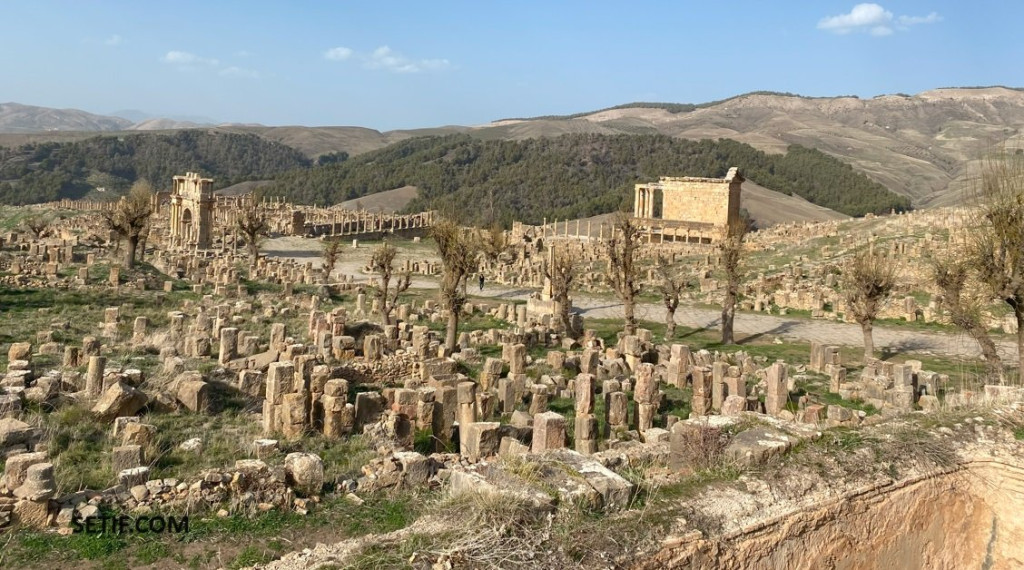
Djémila, known historically as Cuicul, is a stunning Roman settlement built directly into the rolling green ridges of the northern mountain ranges.
Unlike typical Roman cities that rely on flat, rigid grid structures, the architects of Cuicul adapted their designs to conform to the steep, irregular slopes of a narrow mountain spur.
Walking along the preserved stone streets allows you to admire a beautifully integrated forum, a triumphal arch dedicated to Caracalla, and a massive open-air theater carved directly into the hillside.
The on-site museum is a critical stop, housing walls of soaring, multi-story mosaics that were salvaged directly from the floors of ancient luxury villas.
Ancient Timgad
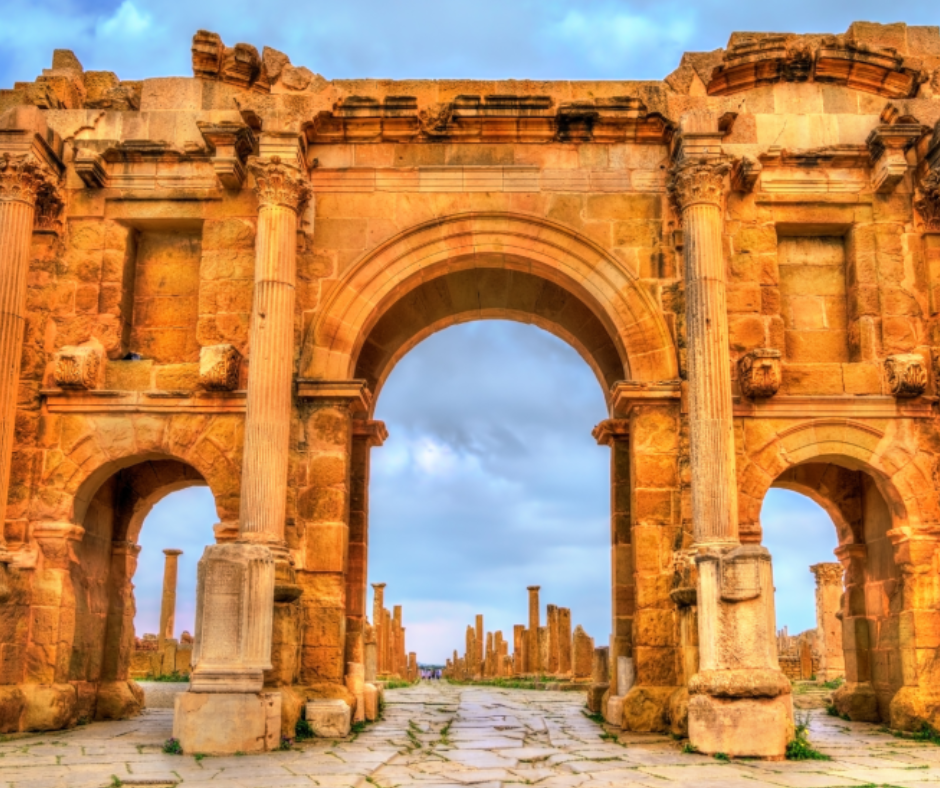
Founded by Emperor Trajan in the year one hundred AD as a military colony for retired Roman veterans, Timgad stands as the definitive global blueprint for classical Roman urban planning.
The site displays a perfectly symmetrical grid layout where the central cardo and decumanus streets intersect cleanly at a massive public forum.
Walking through this desert border outpost allows you to inspect the ruts carved into the stone paving by ancient chariot wheels and view the pristine layout of public baths, markets, and a preserved library.
Because the site is completely exposed to the elements and offers minimal physical shade, it is essential to explore early in the morning with a substantial supply of drinking water.
Read also: Visiting Timgad: Essential Day Trip Tips for the Pompeii of Africa
The Canyons and Bridges of Historic Constantine
Constantine is a natural fortress built on a massive limestone plateau that is severed from the surrounding landscape by the deep, vertical walls of the Rhumel Gorge.
The city is globally famous for its historic suspension bridges, which connect the high-density residential quarters directly across the canyon floor.
Walking across the Sidi M Cid Bridge, which hangs nearly one hundred and seventy-five meters above the riverbed, provides a breathtaking perspective on the geological forces that have protected this mountain city for centuries.
The compact old medina is situated right on the edge of the cliffs, featuring a dense network of covered markets where you can sample traditional local dishes before heading to the nearby Monument aux Morts for a wide view of the city landscape.
Read also: Must-See Attractions in Constantine, Algeria (2026)
If you would like our team of travel experts to help you construct a highly personalized independent route that links these northern treasures with seamless logistics, you can easily contact us via email to map out your next custom itinerary together.


