


Feeling overwhelmed by the sheer scale of the world’s largest hot desert is a common hurdle for many travelers planning their first trip to the south of Algeria. You might worry about the logistics of remote travel or how to respectfully engage with a culture as ancient and private as the Tuareg people.
That is why our team at WildyNess created this guide to help you navigate the complexities of the Algerian Sahara and find a truly authentic nomadic experience.
The Heart of the Nomadic Experience: Living Among the Tuareg
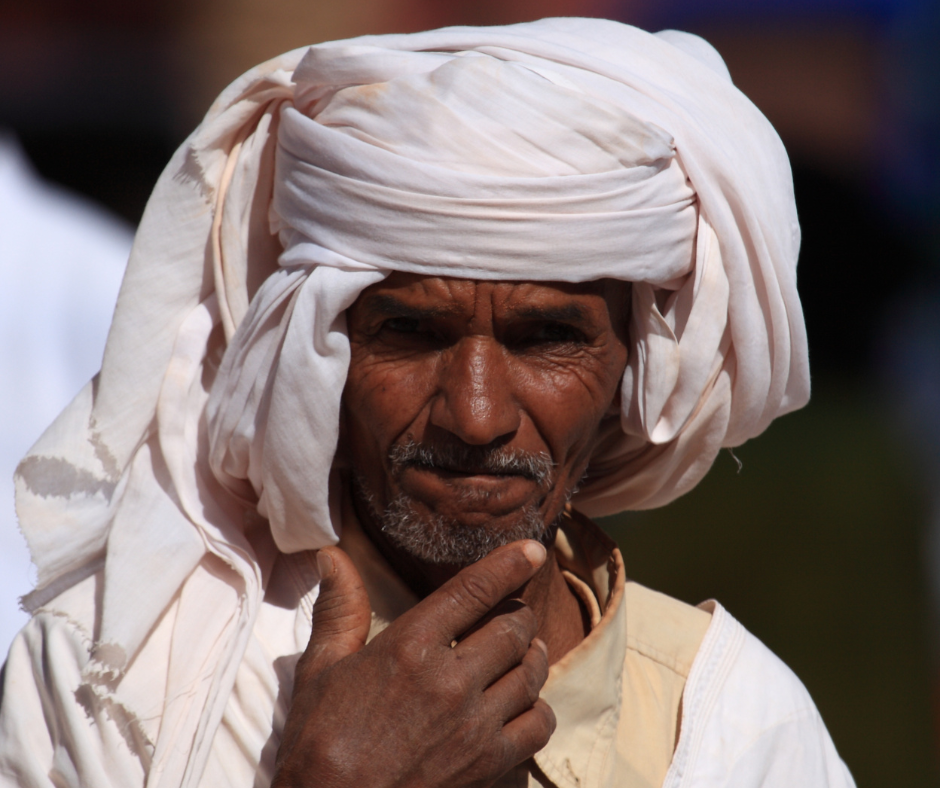
The nomadic experience in Algeria centers on the Tuareg people, often referred to as the Blue People of the Sahara due to the indigo dye in their traditional veils. We believe that understanding their way of life is the most important part of your journey.
You will find that life in the desert moves at a different pace, dictated by the position of the sun and the needs of the livestock. When you join a nomadic caravan, you are not just a tourist but a guest in a moving home. This involves learning the art of the slow conversation and the importance of shared silence during the heat of the day.
The Sacred Ritual of the Three Teas
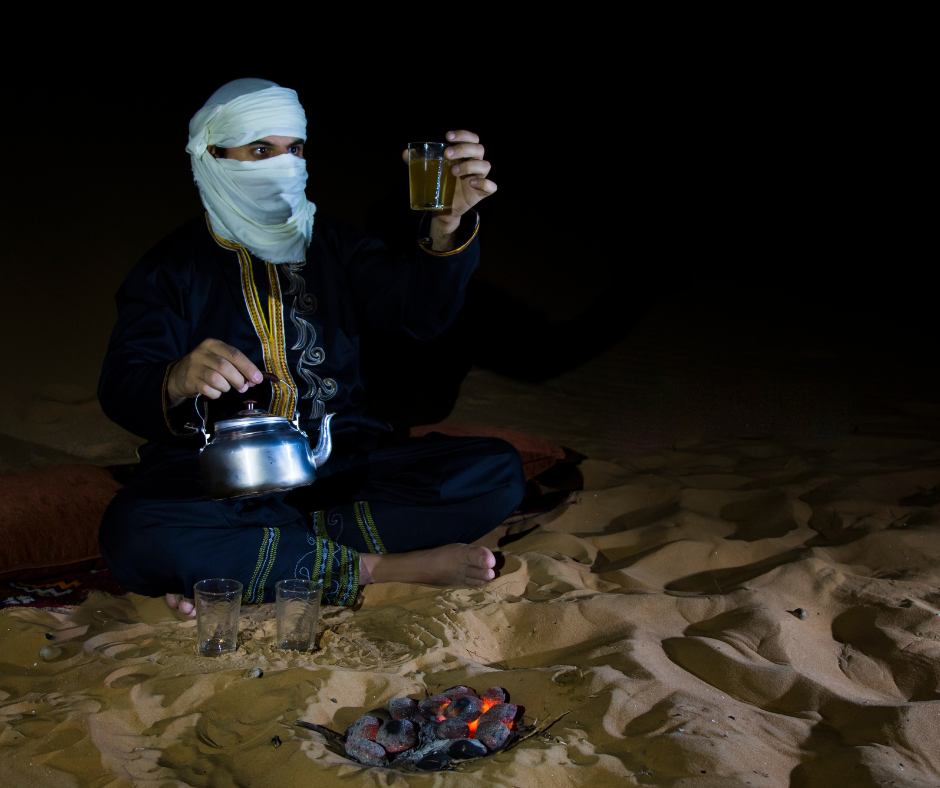
We recommend starting your cultural journey with the traditional tea ceremony. This is a pillar of Saharan hospitality that you will encounter daily. Your hosts will prepare three rounds of green tea, and each glass has a specific meaning.
The first glass is usually strong and bitter, representing the hardships of life. The second glass is sweeter, symbolizing love, while the third is light and fragrant like the "breath of death."
You should accept all three glasses to show respect for the effort and the charcoal used to brew them. This is the perfect time to ask your guide about the history of the region or the meaning of the Tifinagh script you might see carved into rocks.
Culinary Traditions of the Deep Desert
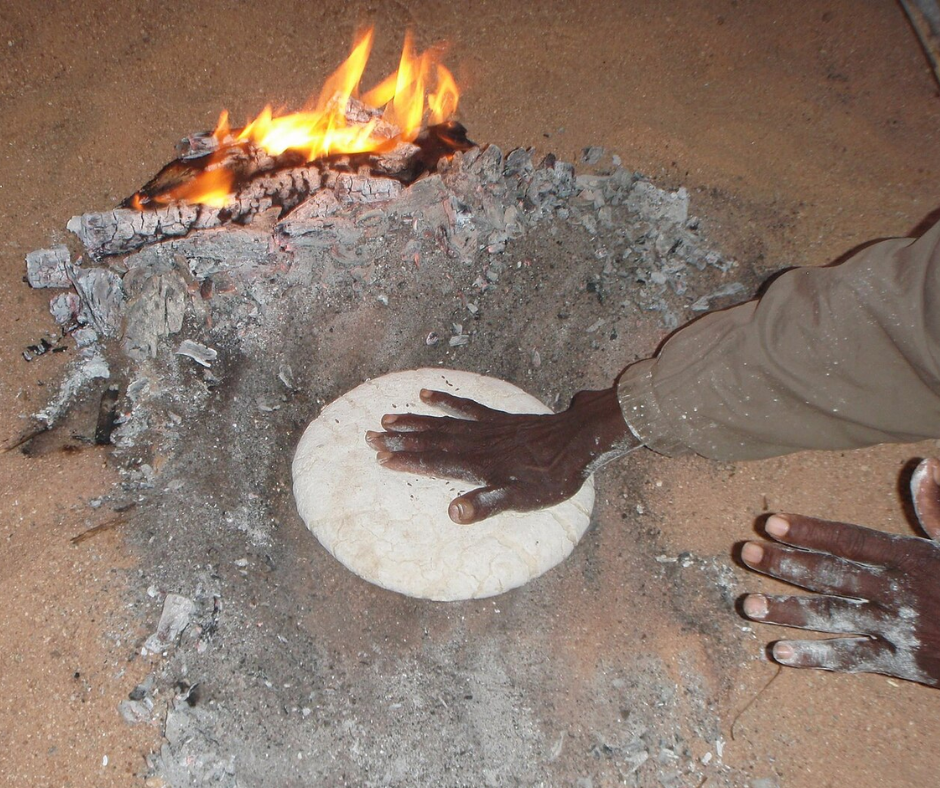
Eating in the desert is another profound part of the nomad experience. You will likely witness the preparation of taguella, which is a thick, hearty bread baked directly in the hot sand and embers. Once the bread is baked, your hosts will clean it of sand and break it into pieces to be mixed with a vegetable or meat stew.
We suggest you eat with your right hand as is local custom. Shared meals around a small fire are where the best stories are told and where you will truly feel the connection between the people and their environment.
Choosing Your Gateway: Djanet vs. Tamanrasset
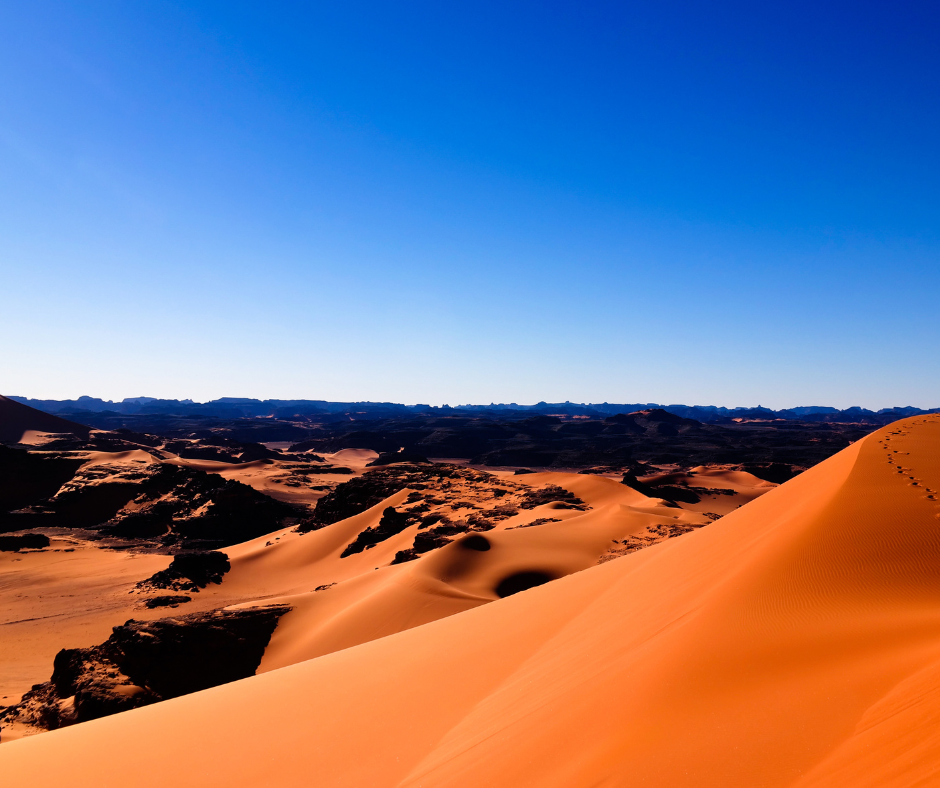
When you look at the map of southern Algeria, two main hubs will stand out: Djanet and Tamanrasset. Choosing between them depends on what kind of nomadic landscape you want to explore.
We suggest Djanet if you are interested in the Tassili n'Ajjer plateau. This area is a UNESCO World Heritage site known for its prehistoric rock art and the "forest of rocks," which are towering sandstone pillars that look like a petrified city.
Djanet: Exploring the Tassili n'Ajjer
The Tassili n'Ajjer offers a unique nomadic experience because the terrain is so varied. You can spend days walking through narrow canyons and suddenly emerge into a vast sea of dunes. The rock paintings here provide a window into a time when the Sahara was a green savannah teeming with life.
Your nomad guides will help you spot the depictions of elephants, giraffes, and cattle that date back thousands of years. This region is best explored on foot with a support team of donkeys or camels to carry your gear through the narrow rock passes.
More informations about Djanet in Explore Djanet: An Oasis Jewel in the Middle of Algeria
Tamanrasset: Rugged Adventures in the Hoggar Mountains
If you are looking for a more rugged and mountainous experience, Tamanrasset is your gateway to the Hoggar Mountains. This region is famous for the Atakor plateau and the Assekrem peak.
We recommend making the trip to Assekrem to visit the hermitage of Charles de Foucauld. The landscape here is volcanic and stark, featuring jagged peaks and deep basalt canyons. The nomadic communities in the Hoggar often live in "zeribas," which are traditional huts made of reeds and grass.
This region requires a bit more physical stamina due to the higher altitude and steeper terrain, but the views of the sunrise over the volcanic needles are incomparable.

A Day in the Life of a Desert Caravan
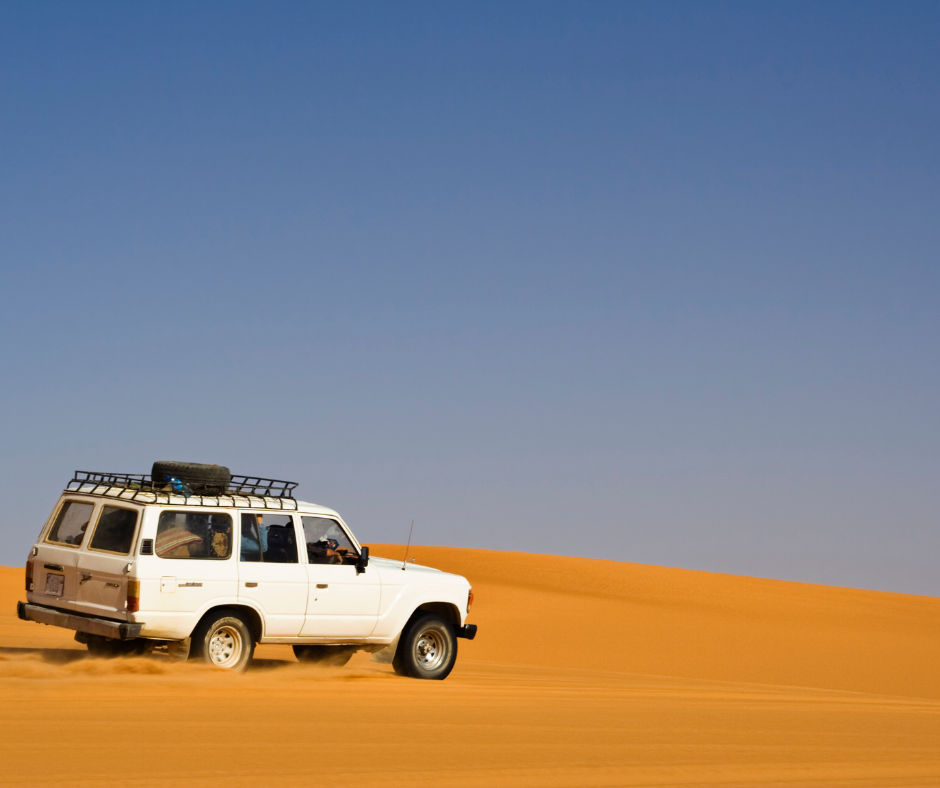
Your daily routine during a nomad trek will follow a predictable and grounding rhythm. You will usually wake up just before sunrise when the air is still crisp and the sand is cool. After a light breakfast and the first round of tea, you will help the team pack the 4x4 vehicles or load the camels.
We suggest walking for the first few hours of the morning while the temperature is mild. By midday, when the sun is at its strongest, the caravan will find a shaded spot under an acacia tree or a rock overhang for a long lunch and a siesta. This break is essential for conserving energy and staying hydrated.
The Magic of the Golden Hour
In the late afternoon, you will continue your journey as the shadows lengthen and the colors of the sand shift from pale yellow to deep orange. This is the best time for photography because the light is soft and the textures of the dunes are more pronounced.
You will reach your campsite for the evening, known as a bivouac, before dusk. Setting up camp is a communal effort. While your guides start the fire and begin cooking dinner, you can find a quiet spot on a nearby dune to watch the sunset.

Sleeping Under the Stars: The Bivouac Experience
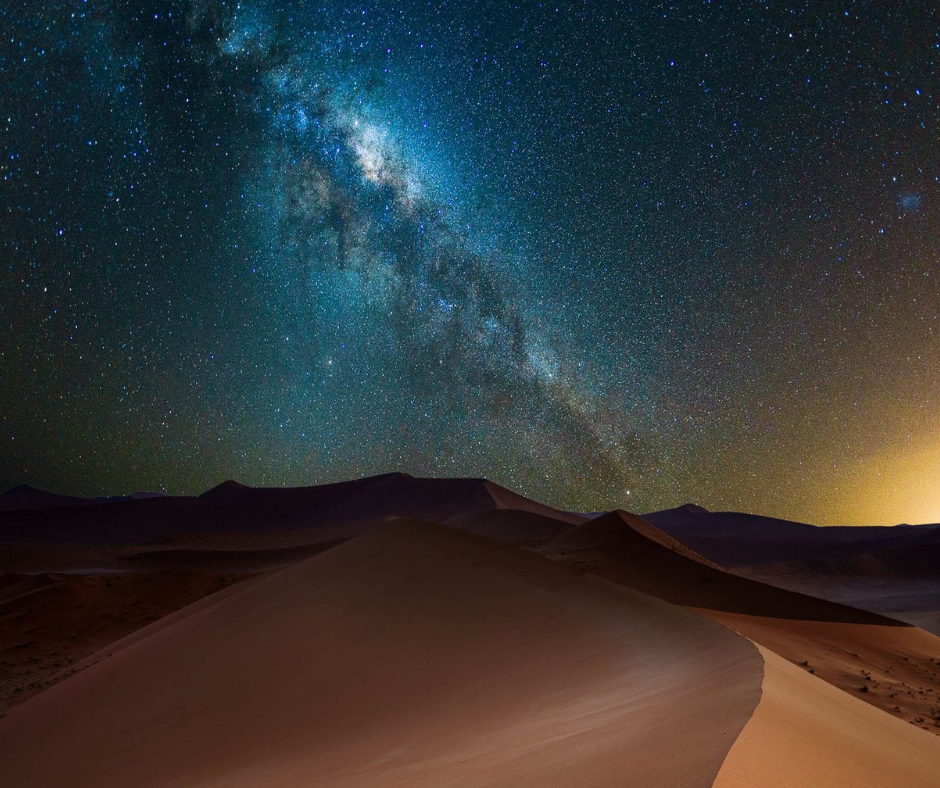
Sleeping under the stars is perhaps the most memorable part of the Algeria nomad experience. While your guides will provide tents, we encourage you to try sleeping in the open air at least once. The lack of light pollution in the Sahara means the night sky is incredibly clear, and you can see the Milky Way with startling clarity.
We suggest bringing a high-quality sleeping bag rated for near-freezing temperatures, as desert nights can be surprisingly cold even after a hot day. Using a cheche, which is the traditional long cotton scarf, can help keep your head warm and protect your face from any wind-blown sand during the night.
Transport Logistics: Camels or 4x4 Vehicles?
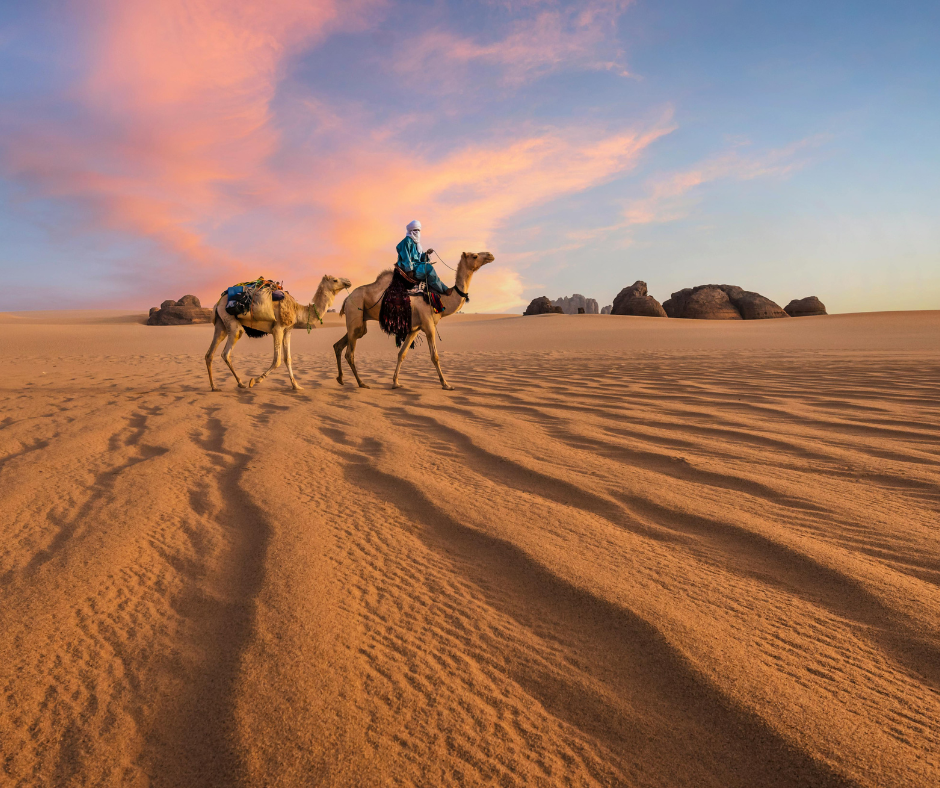
Deciding whether to travel by camel or 4x4 is a choice between speed and immersion. Camel trekking allows you to hear the sounds of the desert and move at a pace that matches the natural environment. You will notice small details like the tracks of desert beetles or the different varieties of hardy shrubs. However, camels can only cover about 20 to 25 kilometers a day.
If you want to see the deep interior of the Sahara or reach distant rock art sites, a 4x4 expedition is more practical. These vehicles can carry more water and supplies, allowing you to venture further from the permanent wells. We often suggest a hybrid approach where you use a vehicle for the long distances but include a few days of camel trekking for a deeper connection to the land.
Practical Preparation for the Sahara Climate
Packing for the Sahara requires a balance of sun protection and warmth. During the day, you should wear loose, long-sleeved clothing made of natural fibers like linen or cotton. These materials allow air to circulate while protecting your skin from UV rays.
A wide-brimmed hat and polarized sunglasses are essential to prevent heat stroke and eye strain. For your feet, we recommend sturdy, broken-in hiking boots that cover the ankle to keep sand out. Once you reach camp, a pair of lightweight sandals will give your feet a much-needed break.
Layering for Extreme Temperature Shifts
When the sun goes down, you will need to layer up quickly. A fleece jacket, a windproof outer shell, and thermal base layers are necessary for the winter months from November to March.
We also recommend packing a power bank for your electronics, as you will not have access to electricity for several days at a time. A headlamp with a red-light mode is useful for navigating the camp at night without disturbing others or ruining your night vision. Do not forget basic toiletries like biodegradable wet wipes and high-SPF lip balm, as the dry air can quickly parch your skin.
Navigating Visas and Local Regulations
Navigating the logistics of an Algerian trip has become easier recently. For years, the visa process was a significant barrier for many. However, the Algerian government now allows travelers who book through recognized local agencies to receive a visa-on-arrival if they are visiting the southern provinces.
This policy is designed to encourage tourism in the Sahara. You will still need to provide your passport details to your agency in advance so they can process the necessary permits. We recommend carrying several printed copies of your authorization papers and your insurance documents, as digital versions may not be accessible in areas without mobile signal.
Read also: Your Guide to Algeria: Visa, Safety, and Security
Why a Local Guide is Non-Negotiable
Safety in the Sahara is a matter of preparation and local knowledge. This is why we insist that you never attempt to explore the desert without a professional local guide. The terrain can be deceptive, and sandstorms can erase tracks in minutes.
A Tuareg guide knows how to read the landscape, find water sources, and manage the logistics of desert travel. They also act as your cultural bridge, ensuring that your presence in nomadic areas is welcomed and understood. We believe that the relationship you build with your guide is often the highlight of the entire trip.
Timing Your Visit to the Southern Desert
The best time to plan your Algeria nomad experience is between October and April. During these months, the daytime temperatures are comfortable for hiking and exploring, usually ranging from 20 to 25 degrees Celsius. If you visit in the middle of winter, be prepared for nighttime temperatures that can drop to zero or even lower in the high mountains of the Hoggar.
We suggest avoiding the summer months from June to August entirely. The heat during this time can be dangerous, often exceeding 45 degrees Celsius, and most nomadic families move their camps to higher elevations or more sheltered areas that are difficult for travelers to reach.
Final Thoughts for an Unforgettable Journey
To make the most of your journey, we suggest you embrace the concept of "desert time." This means being flexible with your schedule and letting go of the need to see everything in a single day. The desert rewards those who are patient and observant. You might spend an extra hour at an ancient rock art site because the light is hitting it just right, or you might stop to talk to a group of nomads you meet at a well. These unplanned moments are where the real magic of the Sahara happens.
Our team at WildyNess is dedicated to creating journeys that respect the environment and the local cultures of North Africa. When you choose a nomad experience with us, you are supporting local economies and helping to preserve the traditional way of life of the Tuareg people. We ensure that our partners follow sustainable practices, such as "leave no trace" camping and fair wages for all staff. This commitment to responsible travel means your adventure has a positive impact on the places you visit.
If you have more questions about the logistics of visiting Djanet or Tamanrasset, we are here to help. Our expertise in the region allows us to tailor an itinerary that matches your physical ability and your specific interests. Whether you want to focus on photography, history, or simply the peace of the desert, we can make it happen. You can contact us here to start planning your personalized Sahara expedition.
For more in-depth informations about visas, transportation, safety, places in Algeria and more, check out this full guide about Backpacking Through Algeria: The Ultimate Travel Guide
For pre-maid itineraries that include carefully picked experiences, check out our itineraries page.


