

We know planning a trip to this North African gem can be tricky with so much information out there. But it doesn’t have to be this overwhelming. That’s why we crafted this guide to simplify everything for you!
Whether you're an adventurer, history buff, or cultural enthusiast, this journey promises an unforgettable experience.
This 7 to 10 day itinerary will guide you through iconic destinations. You will explore what this largest African country has to offer. From bustling cities and ancient Roman ruins of Timgad to the serene Sahara Desert.
Day 1: Arrival in Algiers:
Welcome to Algiers! As you arrive at Houari Boumediene Airport, you’ll immediately sense the unique fusion of tradition and modernity. That truly defines the capital city of Algeria.
-
Kick off at the Casbah of Algiers:
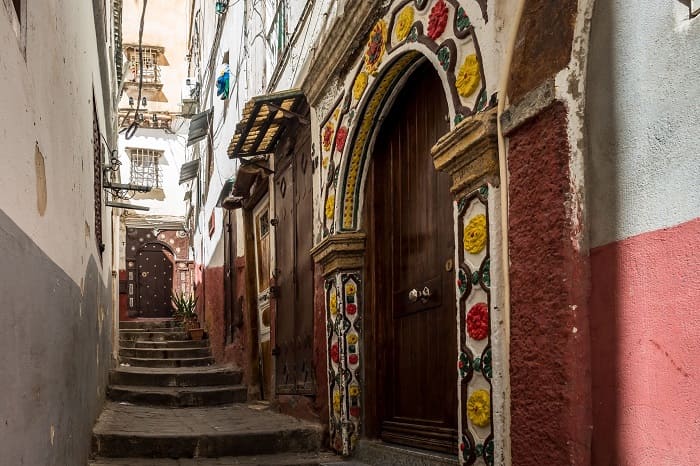
Begin your day with a visit to the historic Casbah of Algiers, a UNESCO World Heritage site and a must-see for history enthusiasts. Entrance to the Casbah is free, making it an ideal budget-friendly activity.

You can reach it by taking a local taxi from central Algiers. The taxi typically costs around 200-300 DZD as of 2024 ($1.50-2.20 USD). Or by using public buses like lines 2, 4, or 8 from central Algiers, for a small fare of 30 DZD as of 2024 ($0.22 USD).
Once inside, explore its narrow alleyways, filled with centuries-old Ottoman architecture. You can buy unique souvenirs at the traditional markets, and artisan shops.
-
Explore Notre Dame d’Afrique
In the afternoon, make your way to Notre Dame d’Afrique. The stunning basilica located on the hills above the city. It offers panoramic views of the Bay of Algiers.
Entrance is free, though a small donation is appreciated. You can get there by taxi from the Casbah, costing around 300-400 DZD ($2.20-2.90 USD).
For a more scenic route, take the cable car from Bologhine, costing about 50 DZD ($0.40 USD) each way.

After visiting the basilica, take a leisurely walk along the Corniche. Enjoy the Mediterranean sea beautiful views and breathe in the fresh, revitalizing air.
You’ll find street vendors selling local treats along the way. You can taste Maakouda (fried potato cakes) for around 50 DZD ($0.40 USD) each. Or try the delicious Mhajeb (a stuffed, spicy flatbread) for 70 DZD ($0.50 USD).
-
Visit Bab El Oued
As the evening approaches, take a visit to the center of Algerian urban life is Bab El Oued. The first thing you notice is the youthful energy and the dense crowds.
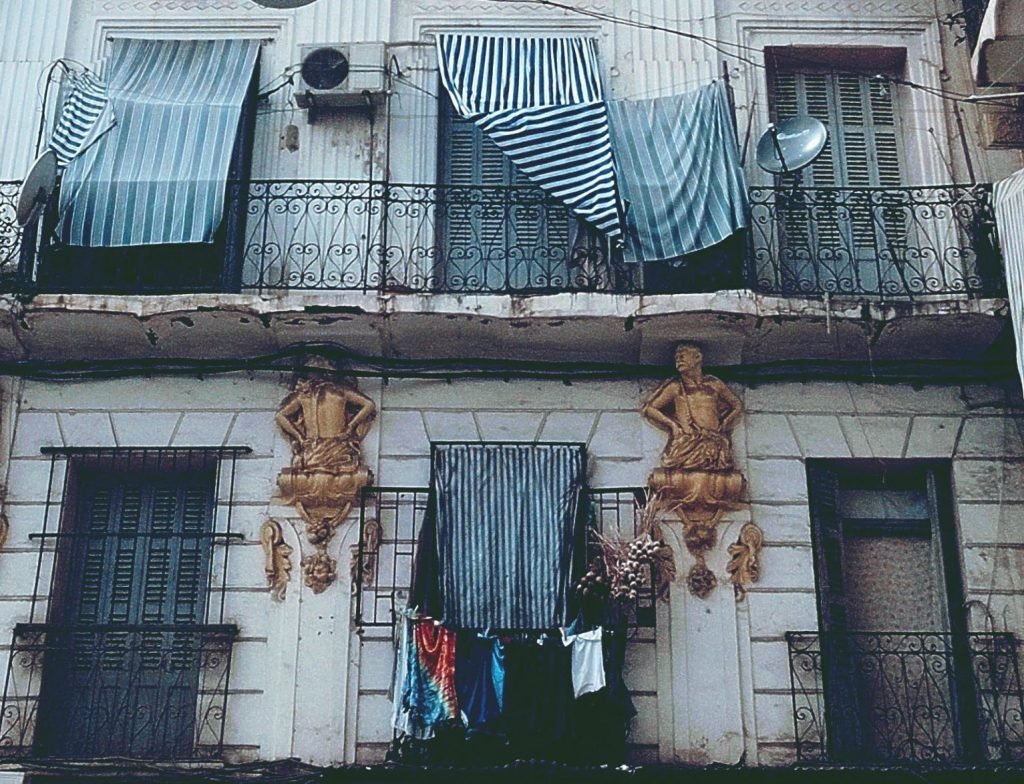
You can take a walk at the Avenue du Colonel Lotfi lined with stores that offer everything from clothing to electronics at discounted prices. Or visit the lively Place des Trois Horloges which is the heart of the neighborhood.
The neighborhood has an Italian character thanks to the Haussmann-style buildings with their vivid doors. The street feels like a huge bazaar, with people crowded onto the sidewalks.
It’s also a vibrant district known for the best restaurants serving the most delicious traditional Algerian dishes.
Day 2: Exploring more hidden gems in Algiers
You can spend the next day in Algiers to explore more of its historic sites, vibrant culture, and lush green spaces.
Make sure not to miss the beautiful gardens and colonial architecture that makes Algiers one of the most attractive cities in North Africa.
-
Visit the Great Mosque of Algiers and Martyr's Memorial
Begin your morning at the Great Mosque of Algiers. It is one of the oldest mosques in North Africa, which offers free entrance. Afterward, head to the nearby Martyr’s Memorial.
The iconic structure commemorates those who lost their lives during the Algerian War of Independence. Entrance to the memorial is free, though a small fee of around 200 DZD ($1.50 USD) grants access to the Museum of the Mujahid below.
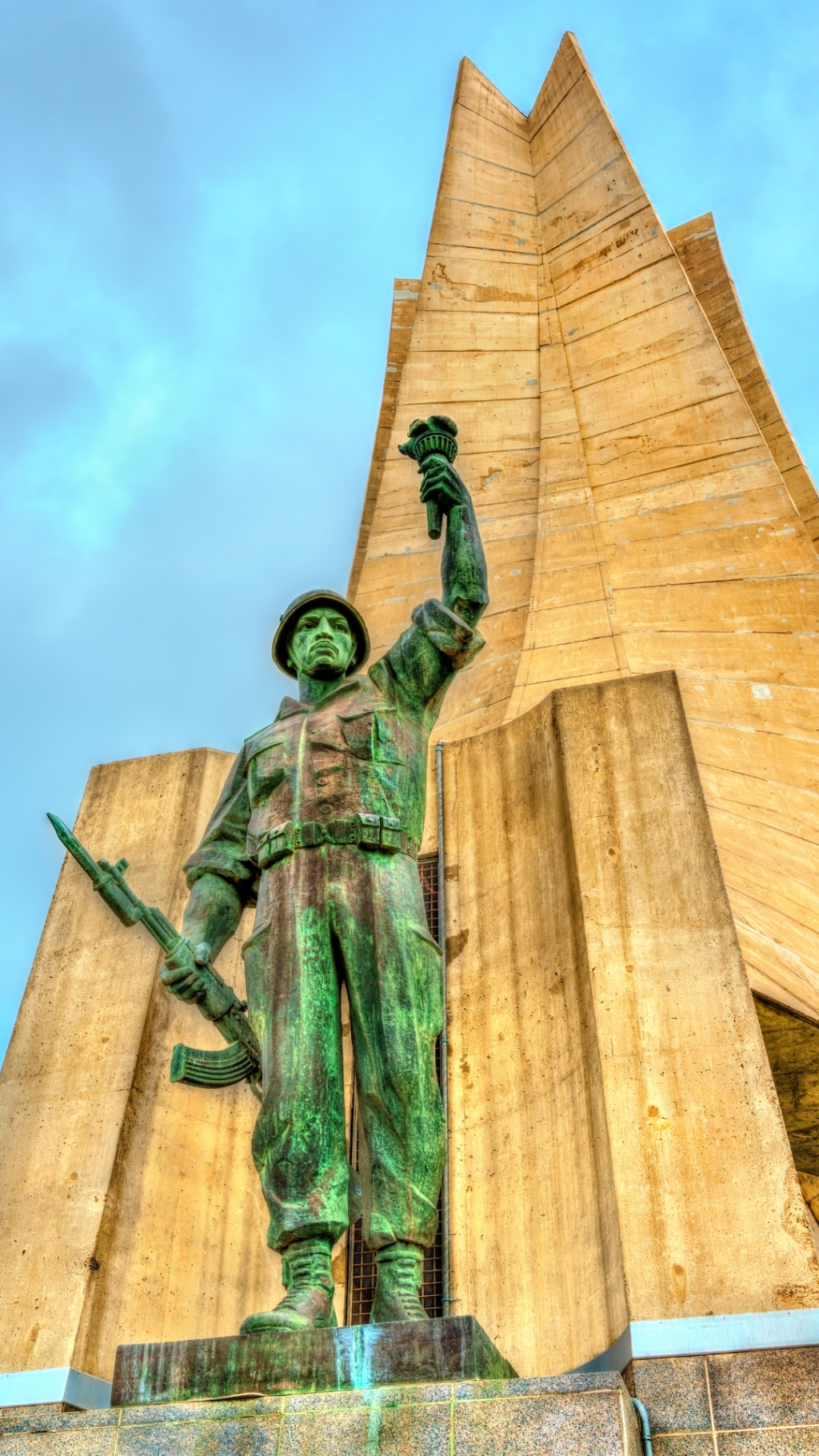
The museum displays artifacts and exhibits about the independence movement. Both sites are reachable via taxi from the city center. The taxi costs approximately 300-400 DZD ($2.20-2.90 USD), or by taking the public bus, which costs around 30 DZD ($0.22 USD).
-
Discover the Bardo Museum
In the afternoon, continue your exploration with a visit to the Bardo Museum, located in a beautiful colonial mansion. The museum’s exhibits showcase Algeria's rich cultural heritage, from prehistoric artifacts to traditional handicrafts.
Entrance is around 500 DZD ($3.60 USD), and it’s easily reachable by taxi or by taking a tram to the Jardin d’Essai station.
-
Take a walk in Jardin d’Essai du Hamma
After your museum visit, make your way to the nearby Jardin d’Essai du Hamma, Algiers' renowned botanical garden filled with various plants.
Admission is around 150 DZD ($1.10 USD) for adults, making it a budget-friendly stop.

Wander through its exotic flora, scenic pathways, and serene water features, a perfect way to recharge in a peaceful setting.
You can also wander through bustling markets of algiers for souvenirs and handcrafted items.
-
Experience the café vibes in Algiers
As evening falls, experience Algiers’ café culture. Stop at a local café to enjoy traditional mint tea, often prepared with fresh mint leaves and sugar.
A cup costs around 80-100 DZD ($0.60-0.75 USD). For a sweet treat, try some baklawa or kalb el louz (a semolina cake) for about 100-150 DZD ($0.75-1.10 USD) per piece. Note that taxis are the most convenient way to move around Algiers.
For the day, plan on an additional budget of $50–100 for meals and transportation. Algiers offers accommodations in a variety of price ranges, with options starting from $50 up to $150 per night. This day will give you a deeper look into Algeria’s history, culture, and natural beauty.
What to eat in Algiers
With dishes that showcase its lively culture, Algiers boasts a thriving culinary scene. It combines Mediterranean and North African flavors.
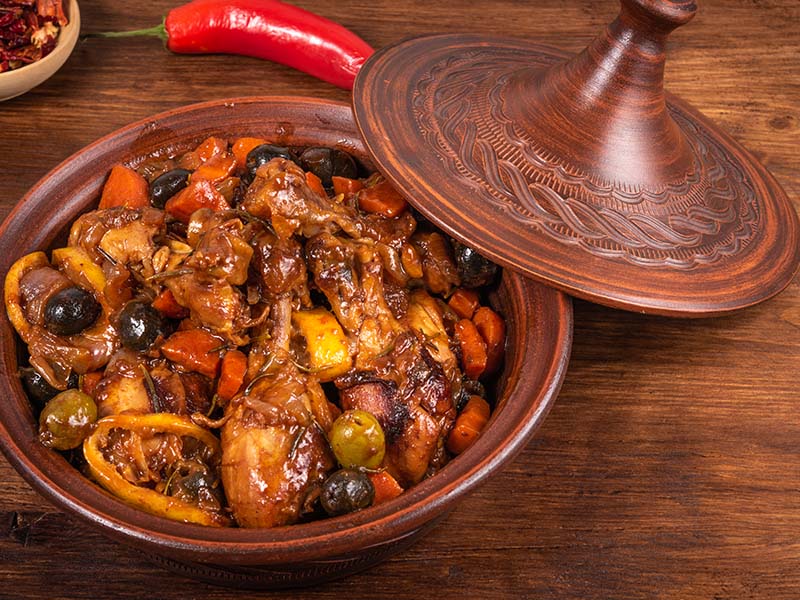
Chakchouka (a tomato-based stew with peppers and eggs), couscous with lamb or chicken, and tajine (a slow-cooked stew served in ancient pottery) are some of the must-try foods.
For an authentic experience, visit the Restaurant El Djenina, which serves traditional couscous, mechoui (roasted lamb) and tagines. The prices usually vary between 1,200–1,800 DZD ($8–$12) a meal.
For dessert, try a serving of Zlabia (a syrupy fried sweet) for just 20-30 DZD ($0.15-0.20 USD).
If fish is more your style, Havana Saïd Hamdine serves up fresh meals in an elegant environment with prices starting at 2,000 DZD ($14).
Brochettes and freshly squeezed juices are just some of the delicious treats available in the old Casbah.
In addition to the breathtaking views of the coast, vendors along the Corniche provide delights such as bourreks ou briks (stuffed pastries).
The night market in El Djemaa El Fna comes alive after dark and offers unique experiences like camel meat and snails laced with harissa.
How to explore Algiers
There are taxis all across the city. They typically cost 300 DZD ($2). Be sure to agree on the price before starting the trip, as meters are rarely used. You can also arrange your trips through apps like Yassir, which are increasingly popular in Algeria.
For more affordable options, major neighborhoods are connected by the tram and subway systems. These options cost about 50 DZD ($0.40) per journey.
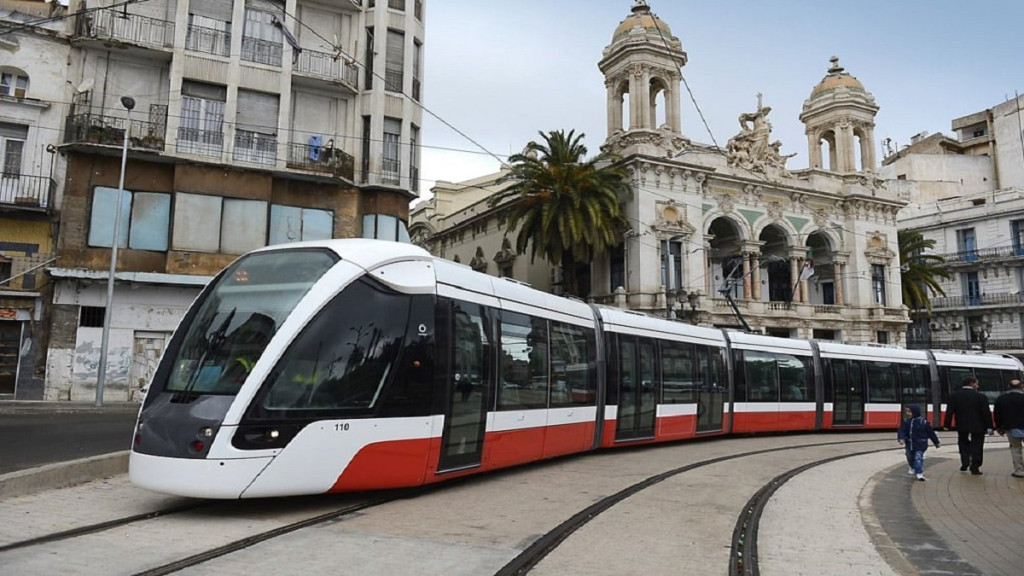
Minibuses, which have fares ranging from 30 to 50 DZD, are another affordable option, particularly for travels to suburban locations.
In addition to following fixed itineraries, shared taxis are a practical way to get around like a local.
Where to stay in Algiers
When it comes to accommodation in Algiers, you can choose between more affordable lodging options and luxurious hotels.
The Sofitel Algiers Hamma Garden is perfect for those seeking luxury. While Hôtel Sidi Yahia in Hydra provides mid-range accommodations with contemporary conveniences for 17,000 DZD ($125) a night.

Low-cost lodging options include Hotel Samir with its affordable prices and central setting.
The Africa Hotel-Casbah, which is close to the metro and Place des Martyrs, is also ideal for budget-conscious travelers. It offers rooms for roughly 5,500–6,000 DZD ($40) per night. Depending on the season, these costs may differ slightly.
Keep in mind that the choice of appropriate accommodation will influence your journey!
Day 3: Explore the Roman ruins in Tipaza and Cherchell
You can seize the chance to visit Tipaza and Cherchell in a one-day trip from the capital of Algeria. These two spots are among the most beautiful places in Algeria.
They are two ancient Roman cities filled with fascinating ruins and scenic coastal views.
-
Admire the roman ruins of Tipaza
Begin your journey early in the morning by traveling to Tipaza, located around 70 km west of Algiers. Buses from Algiers to Tipaza run regularly from the Gare Routière bus station, with tickets costing around 200-300 DZD ($1.50-2.20 USD).
Once in Tipaza, head to the Roman ruins. An entrance fee of 200 DZD ($1.50 USD) grants you access to a spectacular array of archaeological sites.
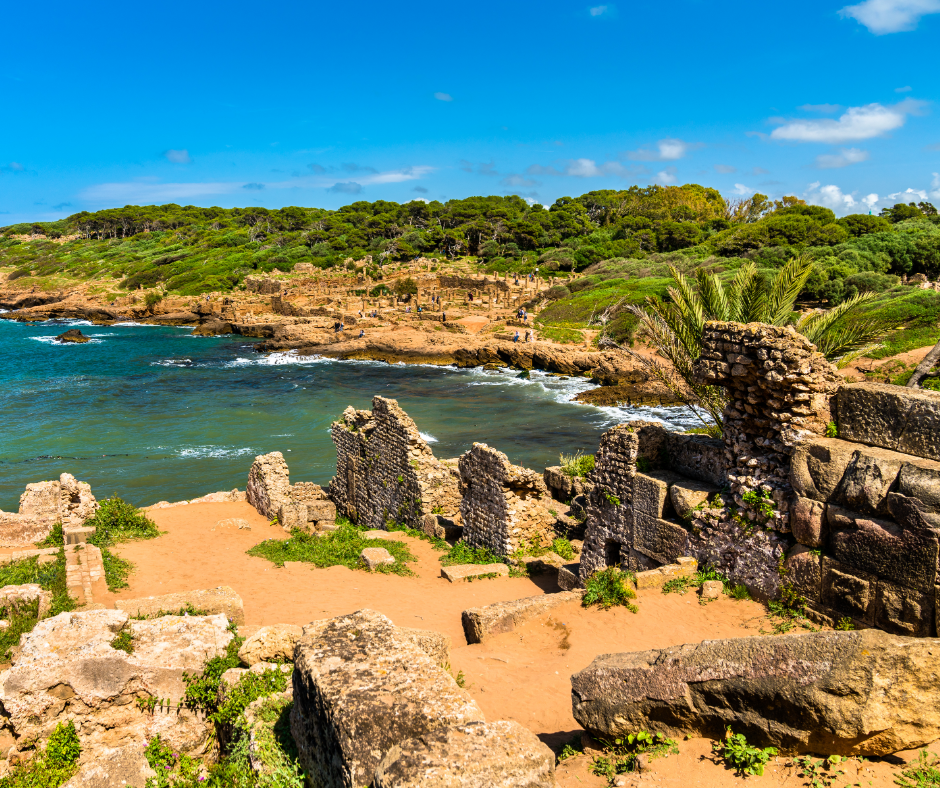
The city has the amphitheater, basilica, and triumphal arches. These ruins, perched above the Mediterranean, offer not only a look back into history but also stunning coastal views.
After exploring the ancient structures, visit Tipaza National Park nearby. It is free to enter and perfect for a scenic walk through nature.
-
Enjoy Cherchell’s rich heritage
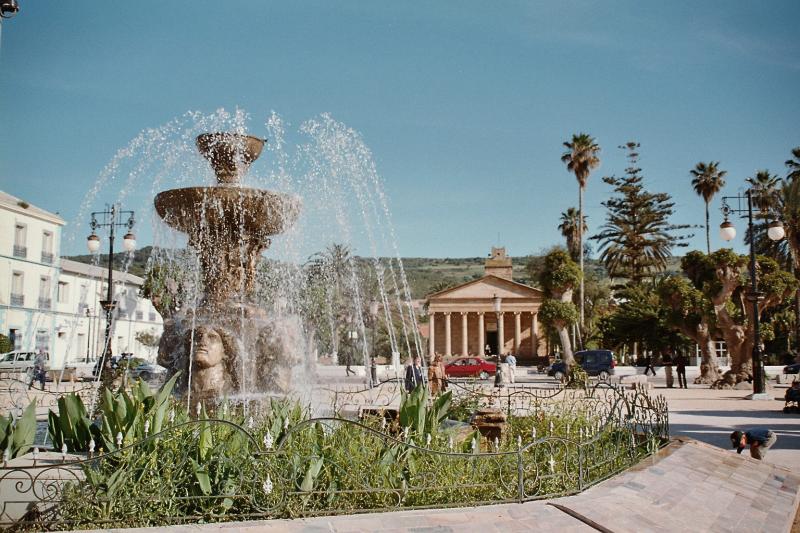
In the afternoon, make your way to Cherchell, about a 30-minute drive from Tipaza. This ancient city is home to additional ruins. It includes Roman and Phoenician artifacts.
It is also known for its National Museum of Cherchell. Entrance to the museum costs around 200 DZD ($1.50 USD). It features an impressive collection of mosaics, statues, and relics from the city’s storied past.
You can get there by car or bus, with buses available between the two cities for around 100 DZD ($0.75 USD).
After a full day of exploration, return to Algiers in the evening, where you can unwind at your hotel.
Transportation for the entire day typically costs between 3000-5000 DZD ($22-36 USD) if using a rental car or around 600 DZD ($4.50 USD) via public buses.
Plan on an additional 1400-2700 DZD ($10-20 USD) for entrance fees, depending on how many sites you visit.
This day trip offers a rich mix of history, nature, and cultural heritage, making it a must for those wanting to explore beyond Algiers.
Day 4: The Bridges of Constantine and Djémila's Marvels
For an unforgettable day exploring the wonders of eastern Algeria, set out for Constantine and the nearby Roman ruins of Djémila.
The two sites are rich in history and breathtaking landscapes. Start early for the approximately 330 km journey from Algiers to Constantine.
If you’re traveling by intercity bus, tickets range from 1000-1500 DZD ($7-11 USD). They can be purchased at the Gare Routière bus station in Algiers.
-
Enjoy the views from Sidi M’Cid Bridge
Upon arriving in Constantine, head to the Sidi M’Cid Bridge. It spans the dramatic Wadi Rhumel gorge. This bridge offers unparalleled views of the rugged cliffs and deep valleys.

It has earned Constantine the nickname “City of Bridges.” The bridge is free to cross, and offers panoramic views of the city. It makes an excellent photo location.
-
Admire the Kasbah of Constantine
From here, visit the Kasbah of Constantine, where entrance is typically free. Wandering its narrow streets, you’ll discover local markets, impressive buildings, and the vibrant atmosphere that brings this city to life.
-
Visit Djémila’s ruins
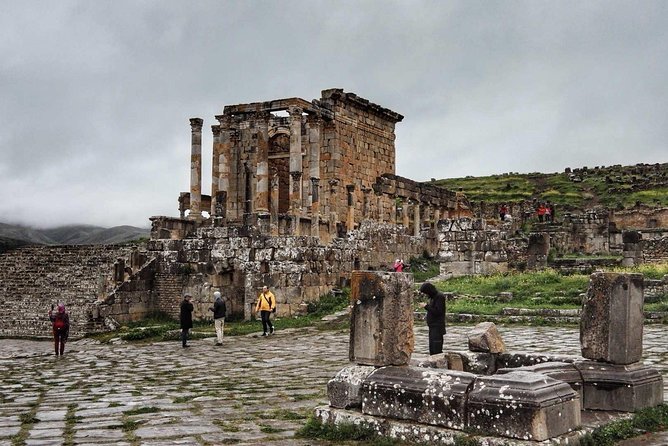
In the afternoon, continue your adventure with a trip to Djémila, about an hour’s drive from Constantine. This site is one of the most well-preserved Roman cities in North Africa.
Entrance to Djémila costs around 200 DZD ($1.50 USD). It grants you access to an impressive collection of ruins, including temples, basilicas, arches, and mosaics. The ruins offer a window into the Roman Empire’s history in the region.
As evening approaches, return to Constantine, where you can relax and enjoy a night in the city.
For transportation costs, expect to budget $30-50 if using a rental car and around $10-15 for bus tickets each way. Entrance fees are modest, ranging from $10-20 for the day.
This trip offers an extraordinary glimpse into Algeria’s ancient and natural heritage. It makes for a memorable journey through history.
Day 5: Timgad's Roman legacy and Batna
For a day trip full of history and culture, head to the ancient Roman city of Timgad and nearby Batna.
Both cities offer fascinating insights into Algeria's past. Start your day with a drive from Constantine to Timgad, located approximately 120 km away.
Buses run from Constantine to Timgad via Batna. They cost around 400 DZD ($3 USD) each way.
-
Explore the Pompeii of Africa
Upon arrival, explore the sprawling ruins of Timgad, a UNESCO World Heritage site and a marvel of Roman urban planning. Entrance to the site is around 200 DZD ($1.50 USD). It grants you access to its remarkably preserved library, amphitheater, temples, and baths.
Known as the "Pompeii of North Africa," Timgad’s grid-like layout and detailed carvings offer a vivid glimpse into Roman daily life. It is a must-see for any history enthusiast.
© Amine Layati
In the afternoon, make your way to Batna, just a 30-minute drive from Timgad. Visit the National Museum of Antiquities, which has an entrance fee of about 100 DZD ($0.75 USD).
Here, you can explore exhibits featuring Roman, Berber, and Numidian artifacts. The collection showcases the region's diverse cultural heritage. Batna also offers a window into local Berber traditions, with displays of traditional crafts and clothing.
-
Savor the local cuisine at Batna
As evening sets in, enjoy savoring authentic local cuisine in Batna. Sample local favorites like couscous au Berkoukes (couscous with pearl-shaped pasta) or Chakhchoukha (a spicy lamb and vegetable stew with flatbread).
They are available at local restaurants for around 700-1000 DZD ($5-7 USD) per person. After dinner, return to Constantine for a restful night.
Transportation costs for the day typically range from $30-50 for a rental car or approximately $6 USD round-trip by bus. While entrance fees total around $10-20 depending on the sites you visit.
This day trip is a rich journey through Roman history and Berber culture, making it an ideal excursion for anyone wanting to explore the depth of Algeria’s heritage.
Day 6: Discovering the M’Zab Valley and Ghardaïa
-
Start at Ghardaïa
Journey south to the captivating M’Zab Valley, a UNESCO World Heritage site celebrated for its distinctive desert architecture and the unique Ibadi Muslim culture that has shaped the region for centuries.
Begin your trip with either a flight or bus ride from Constantine to Ghardaïa, located approximately 600 km away. Flights from Constantine to Ghardaïa typically cost between $100-150 USD.
A long-distance bus ticket will range from 4000-6000 DZD ($30-45 USD) and can be booked at the main bus station.
Upon arrival in Ghardaïa, spend the afternoon exploring the old town’s narrow, winding streets and bustling souks (markets). They are rich in local craftsmanship, colorful textiles, and traditional pottery.
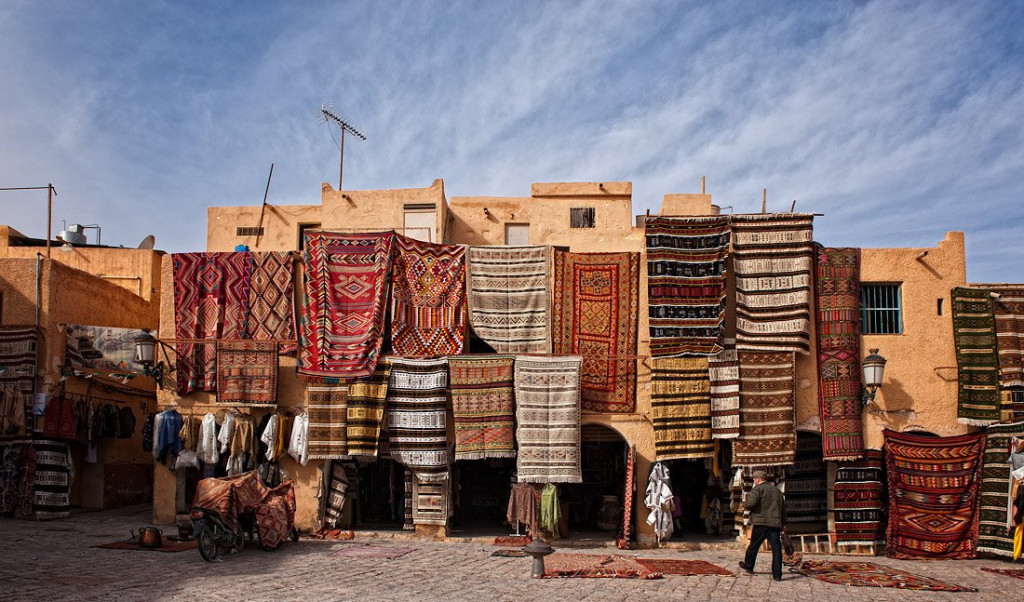
The architecture in Ghardaïa is particularly distinctive. It features fortified, earth-toned buildings that harmonize beautifully with the surrounding desert landscape.
Many sites are free to wander. Guided tours, which provide deeper insights into the Ibadi community’s way of life, usually cost around 1000-1500 DZD ($7-11 USD).
Visits to specific landmarks, like the Great Mosque or the traditional Ksour (fortified villages), may have small entrance fees ranging from 200-300 DZD ($1.50-2.20 USD).
For an authentic experience, consider staying overnight in a traditional guesthouse. Guesthouses typically charge between 7000-14,000 DZD ($50-100 USD) per night. They offer a unique immersion into the local lifestyle.
Opportunities to enjoy traditional algerian dinner and tea gatherings come along.
-
Continue to M’Zab Valley
This trip to M’Zab Valley, with its unique heritage and serene desert ambiance, offers a rare glimpse into Algeria’s spiritual and architectural history. It provides an enriching experience for travelers seeking to connect with the country’s cultural roots.
Transportation costs are around $100-150 by plane or $30-50 by bus. With guest house accommodations and entrance fees totaling around $60-120, depending on your choices.
Day 7: Return to Algiers
Conclude your Algerian journey with a return to Algiers, either by taking an early morning flight or an overnight bus. Flights from Ghardaïa to Algiers generally cost between $100-150 USD.
They are the quickest option, allowing you to arrive in the capital by mid-morning. Alternatively, the overnight bus is a budget-friendly choice.
Tickets range from 4000-6000 DZD ($30-45 USD) and departing from Ghardaïa’s main bus station. Once back in Algiers, you can visit any sites you may have missed, during the afternoon.
Another excellent choice is the Museum of Modern Art. You can explore contemporary Algerian and international artworks. Admission is around 300 DZD ($2.20 USD), making it an affordable addition to your itinerary.
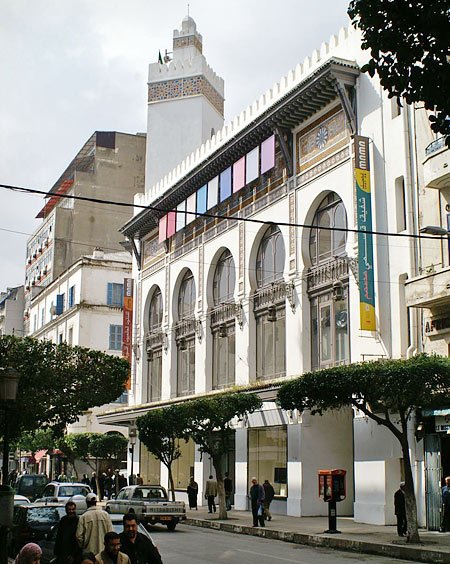
In the evening, head to the Casbah to shop for souvenirs. This historic neighborhood is home to bustling markets and artisan shops.
You can find hand-crafted goods like traditional jewelry, pottery, and textiles, perfect for bringing a piece of Algeria home with you.
End the day with a farewell dinner at a local restaurant. Try Algerian classics like Rechta (noodles with chicken and chickpeas) or Djari bel ham (a traditional lamb soup). Meals cost around 1000-1500 DZD ($7-11 USD) per person.
Transportation costs for this final leg are approximately $100-150 for a flight or $30-50 for the bus. Plan for an additional $10-15 for museum entrance fees, and around $15-20 for dinner, depending on where you dine.
This closing day in Algiers offers a beautiful mix of culture, history, and local flavor, leaving you with memories and souvenirs to cherish.
Optional Days 8-10: Sahara Desert Adventure
Extend your Algerian adventure with a captivating journey to the Sahara Desert, a landscape of endless sands, ancient rock art, and starlit skies, offering an unforgettable immersion into one of the world’s most enigmatic deserts.
Day 8:
Upon arrival, spend the day exploring the park’s remarkable landscapes, famous for its prehistoric rock art that dates back over 6,000 years.
Entrance to Tassili n’Ajjer is approximately 500 DZD ($3.60 USD), and guided tours, which range from 15,000-30,000 DZD ($100-200 USD), are highly recommended to help you navigate the ancient rock formations, cave paintings, and scenic cliffs.

Traditional guesthouses in Djanet offer accommodations between 7000-14,000 DZD ($50-100 USD) per night, where you can unwind and experience local hospitality.
Day 9:
The perfect way to fully experience the Sahara is to embark on a guided desert tour. Many tours include camel rides through the dunes. This will give you a true traditional taste of desert travel.
You can later spend a night of camping under the stars, with tents and traditional meals provided by local guides.
The tour costs approximately $100-200 USD per day and typically includes all essential camping supplies, meals, and the services of a guide.
Very few experiences can match the beauty of watching the sunset over the dunes and the breathtaking sight of the stars in the clear desert sky.
Day 10:
After a night under the stars, return to Djanet in the morning and catch your flight back to Algiers. Use this time to prepare for departure or for any final explorations in the capital.
For this desert extension, transportation costs are around $200-300 for flights, while guided tours and activities range from $100-200 per day. Budget an additional $50-100 per night for guest house accommodations or camping fees.
This journey into the Sahara adds a rich and adventurous chapter to your Algerian travels, allowing you to experience the beauty, tranquility, and mystery of the desert firsthand.
How to get to Djanet
Djanet Airport (DJG) is the main entry point to Djanet, located about 50 km south of the city center. If you’re traveling from Europe, you can travel to Algiers by plane or ferry before connecting to Djanet.
On average, the airport sees two daily flights, with popular domestic routes including Algiers, Tamanrasset, Constantine, Oran, Ouargla, and El Oued. The most frequented international route is to Paris.
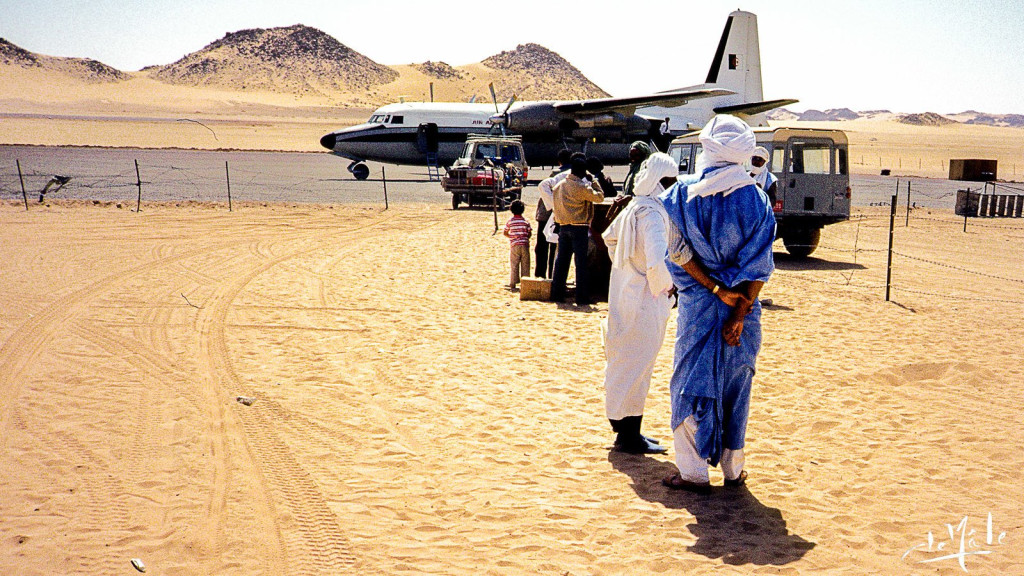
Air Algérie and Tassili Airlines operate regular flights, with tickets available on their websites. Flights typically cost around $200-300 USD.
From Tiska Djanet Airport, taxis and hotel transfers can take you to the city center in approximately 15 minutes, with taxis readily available outside the terminal.
Where to stay in Djanet
For lodging options in Djanet, you can try La Grotte Des Ambassadeurs hotel. Ideally located near amenities and public transport, it offers a peaceful and secure stay.
The hotel is named after a nearby tourist site featuring Neolithic rock paintings. This quiet hotel is popular, especially during tourist seasons, so booking in advance is recommended.
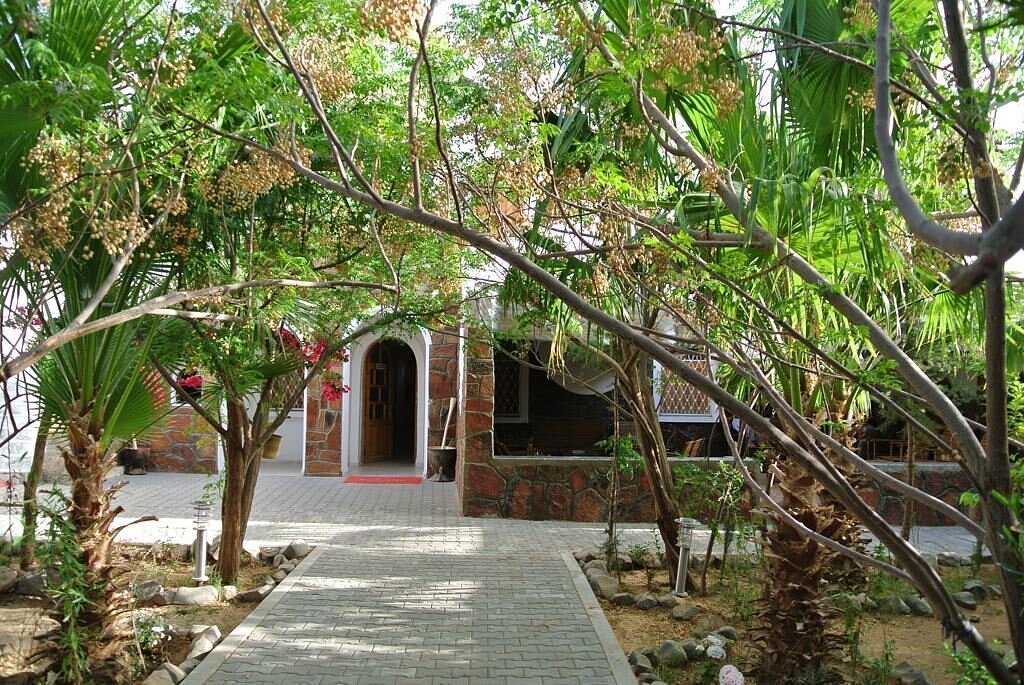
Dar Dhiaf Hotel de Charme also blends perfectly with the surroundings of Djanet. It has simple yet comfortable rooms and a charming terrace with traditional Algerian mattresses, it’s an excellent choice for exploring the Algerian desert.
Experiencing camping locations such as Alaghandoumen, Le Jardin des Sables, Ijjabaren, and Sefar offer a truly immersive experience in the heart of the desert.
These options are ideal for adventure seekers and those desiring an authentic connection with the desert.
Car rental in Algeria:
To navigate at your own pace, you can rent a car. This option will offer you more flexibility.
You can easily access several Algerian car rental providers, like Travelcar and Hertz in Algiers, Oran, and Constantine. You can also find them in major international airports, including Boumediene Airport (ALG).
The prices usually vary between 4000-5000 DZD ($29-36 USD) per day as of 2024.
However, you will require an international driver's license in order to rent a car. Possessing one will guarantee adherence to local laws and facilitate any dealings with local law enforcement.
You should make your reservation at least one day before your trip to get a cheaper deal.
Final thoughts and travel tips:
Algeria promises you a unique travel experience, blending rich history, vibrant culture, and breathtaking landscapes.
From the lively streets of Algiers to the peaceful expanse of the Sahara, this itinerary covers Algeria's highlights, making it an unforgettable journey.

It's important to be well-informed before you arrive and familiarize yourself with the most practical details to ensure a smooth and enjoyable experience.
Most nationalities need a tourist visa, so check with your local Algerian embassy or consulate for the latest requirements. Arabic is the official language, but French is widely spoken. On the other hand, English is not often used.
Note that the local currency, the Algerian Dinar (DZD), is primarily cash-based. It’s best to carry cash, as credit cards are less common.
The best time to visit is in spring (March to May) or autumn (September to November) when the mild weather is perfect for exploring.
For your safety, check government travel advisories and avoid border areas. You can explore our detailed guide on staying safe in Algeria here.
Select your accommodation based on budget and preferences, with options ranging from luxury hotels to traditional guesthouses.
What else are you waiting for? It’s time to pack your bags. Get ready to explore the largest country in Africa, and embrace an adventure like no other!


