


Traveling to a massive country like Algeria can sometimes leave you feeling like an outsider looking in through a glass window, completely disconnected from the daily reality of the local neighborhoods which you can find in homestays.
That is why our team at WildyNess created this guide to help you find the best region to find a homestay for you in Algeria.
What to Expect from an Authentic Algerian Homestay
The Shift from Hotels to True Community Living
Booking a homestay in Algeria requires a complete shift in your travel mindset. You are trading the sterile convenience of a hotel lobby for the warm, involved environment of a family home.
When you arrive, you step into a space where generosity and hospitality are core cultural pillars. Your hosts will treat you as an honored guest rather than a simple paying customer.
This means you will spend a significant amount of time interacting directly with the family. You will learn about their heritage, listen to their stories, and participate in their daily routines.
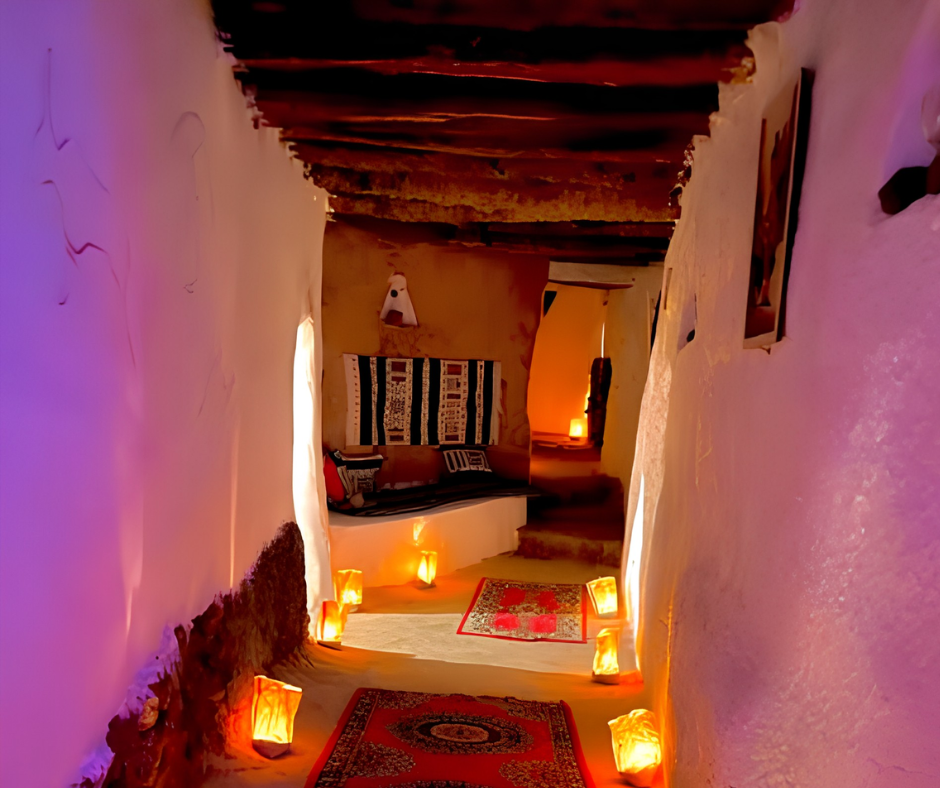
You must be adaptable. There are no rigid buffet times or concierge desks here. Instead, you follow the natural rhythm of the household. In southern regions, your sleeping arrangements might even consist of thick, comfortable mattresses laid directly on the floor covered in colorful woven blankets.
Navigating the Daily Household Routine
Life in an Algerian home follows a specific daily rhythm dictated by the sun and local traditions. Mornings usually start early, often gently waking to the distant sound of the call to prayer.
The house is highly active in the morning as bread is bought fresh from the local bakery and the first pots of coffee are brewed. By midday, especially in the desert regions, the pace slows down dramatically.
The afternoon nap is a cultural staple designed to avoid the peak heat of the day. The streets grow quiet, and families retreat to the coolest rooms in the house to rest. As the sun sets, the household comes back to life.
Children play in the courtyard, neighbors drop by unannounced, and the preparation for dinner begins. Joining in with simple chores like setting the table or carrying groceries will instantly make you feel like part of the family.
The Importance of the Inner Courtyard
When you step inside a traditional Algerian home, you will quickly realize that the inner courtyard is the true heart of the house. The architecture is intentionally designed to face inward.
From the street, homes often feature high, blank walls with heavy wooden doors. Once you cross the threshold, the space opens up into a private, open air patio.
This design keeps the interior cool and provides a secluded sanctuary away from the public eye. The courtyard is where daily life happens. You will find intricate tile work underfoot, potted plants in the corners, and low seating arranged in a circle.
When you are invited to sit in the courtyard, take it as a sign of deep trust. This is the space where women gather, where tea is poured, and where the best conversations take place away from the noise of the city.
Top Regions for Authentic Algerian Homestays
Traditional Adobe Houses in Timimoun
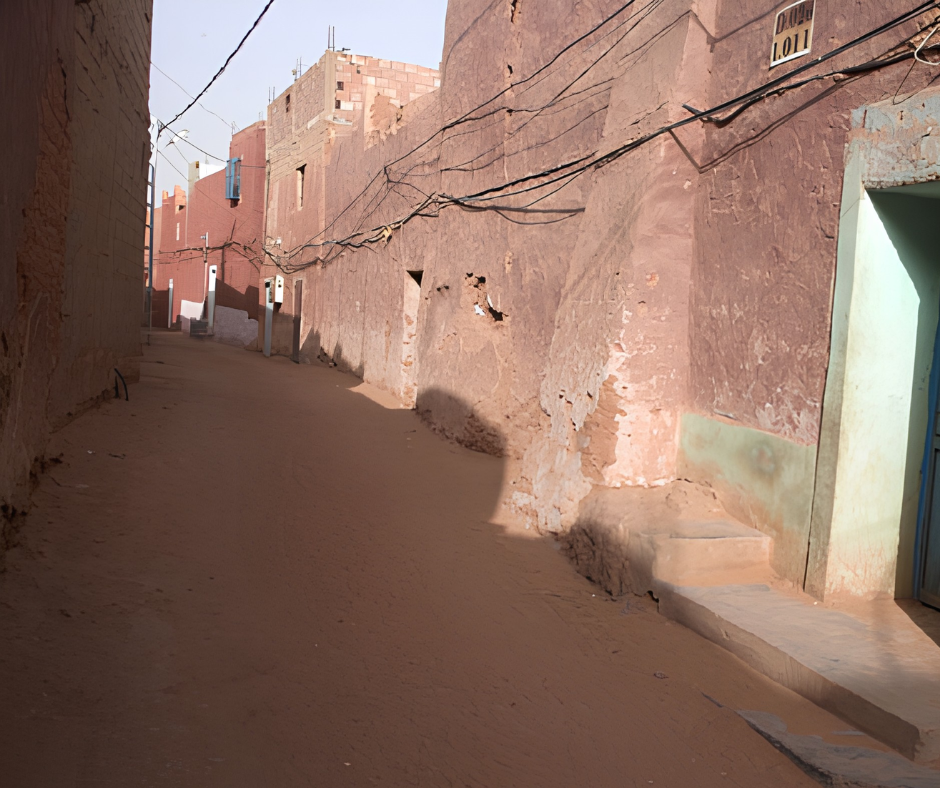
Sleeping in a traditional adobe house in the desert town of Timimoun is an unforgettable experience. The architecture of the Gourara region is famous for its vibrant red mud buildings, known as ksour.
These homes are brilliantly engineered to survive the harsh Saharan climate. The thick earthen walls absorb the daytime heat and slowly release it during the freezing desert nights. The windows are intentionally small to block out the blinding sun and blowing sand.
Your homestay here will likely feature beautifully curved archways, carved wooden doors, and palm trunk ceilings. Spending the night in Timimoun completely changes the rhythm of your trip.
You will wake up to the sound of wind moving through the nearby palm groves and the sight of soft morning light sliding across the red clay walls. It is a deeply grounding environment that connects you instantly to the history of the Sahara.
Palm Grove Guesthouses in Taghit
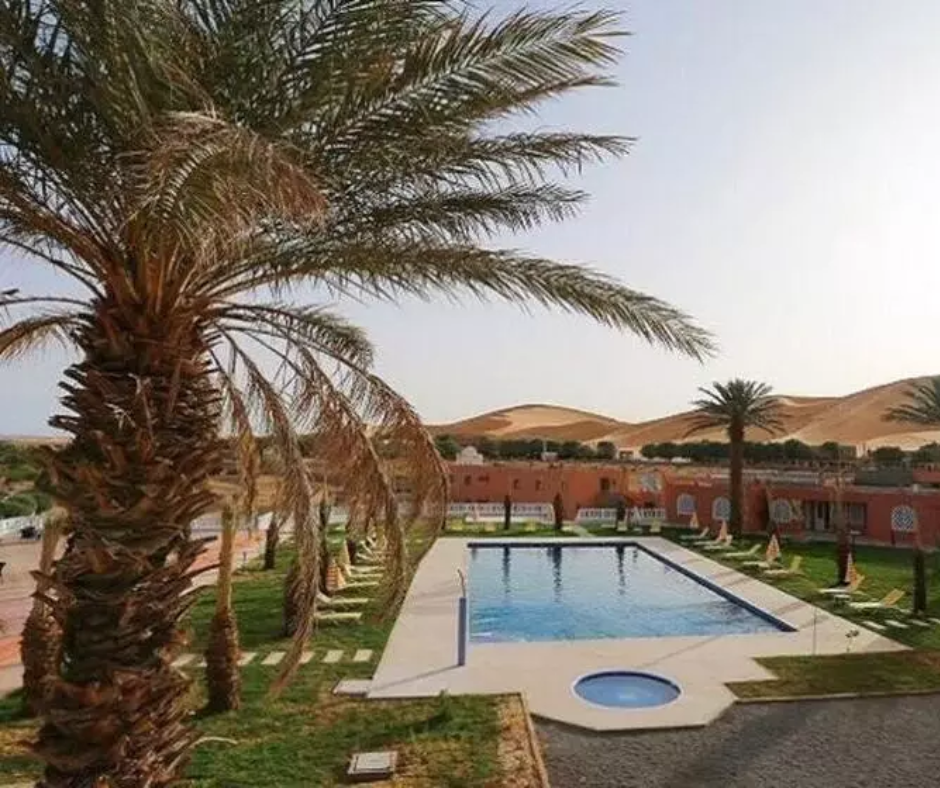
If you want to experience the Sahara at a slower pace, you must stay in a family run guesthouse near the palm grove in Taghit. This small oasis town sits right on the edge of massive, golden sand dunes.
A homestay here places you directly between the endless desert and the lush, green date palms. In the late afternoon, you can hear the sound of ancient water channels irrigating the gardens.
Inside the guesthouse, comfort is simple but incredibly welcoming. You will find clean rooms, heavy blankets for the cool night air, and a quiet atmosphere.
The best part of staying in Taghit is waking up early. Stepping out of your door before breakfast, you will smell the fresh air of the oasis and watch the morning sun slowly illuminate the giant dunes towering over the town.
Communal Living in the M'Zab Valley
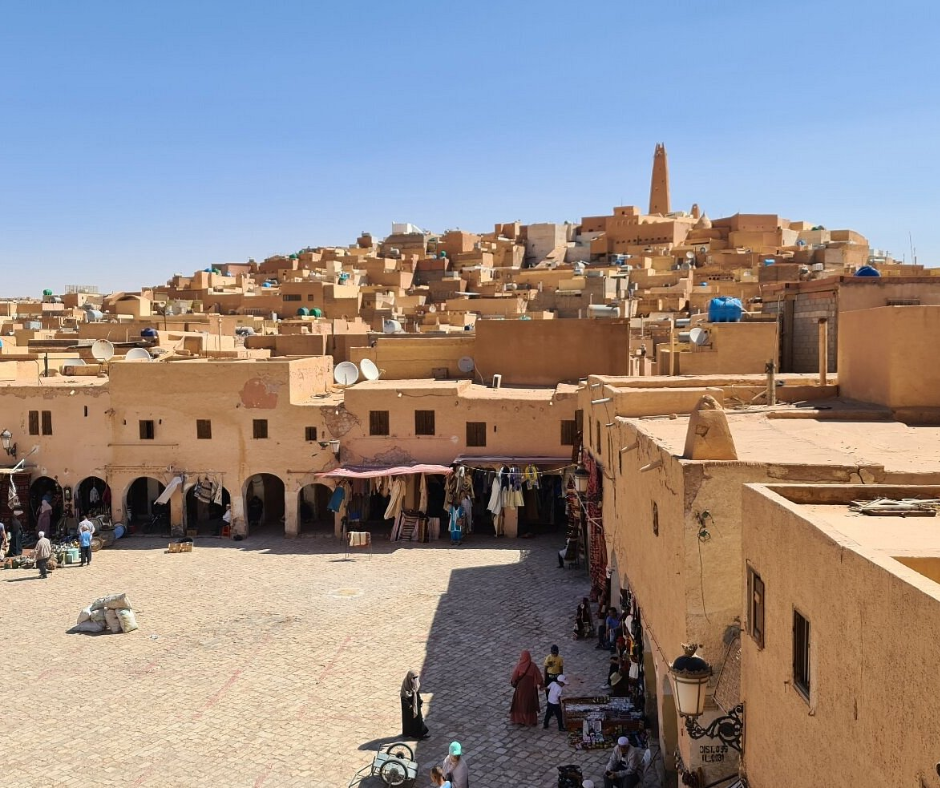
The M'Zab Valley offers one of the most unique cultural experiences in all of North Africa. The towns here, including the famous Ghardaia, are inhabited by the Mozabite people. This is a highly conservative, tightly knit community that has preserved its distinct way of life for nearly a thousand years. Communal living is the absolute norm here.
The towns are built on hills, with homes clustered tightly together along narrow, winding alleys to maximize shade. Staying with a local family is the best way to understand this closed society safely and respectfully.
You will learn how the community shares responsibilities, how neighbors look out for one another, and why privacy is so fiercely protected. Your host will guide you through the complex social rules of the valley, ensuring you experience the immense warmth of the Mozabite people while respecting their ancient traditions.
Culinary Traditions in Algerian Homes
Starting the Day with Local Breads and Coffee Breakfast
in Algeria is a simple but incredibly satisfying ritual. Unlike the heavy, savory breakfasts you might find in other countries, Algerian mornings are focused on fresh breads and strong coffee. When you sit down with your host family, you will likely be served kesra, a dense and delicious semolina flatbread cooked on a clay griddle.
You might also try msemen, which is a flaky, layered square of dough fried in oil and butter. You eat these breads by tearing off pieces and dipping them into small bowls of local olive oil, homemade date jam, or soft cheese.
The meal is always accompanied by a strong cup of coffee mixed with hot milk. Breakfast is not rushed. It is a slow, quiet time to sit together, dip your bread, and plan the activities for the day ahead.
The Ritual of Mint Tea Gatherings
Mint tea is the undisputed national drink of Algeria, and serving it is a highly respected art form. You will be offered tea constantly during your homestay, whether you are checking in, finishing a meal, or simply sitting in the courtyard.
The preparation is precise. Green tea leaves are boiled with massive handfuls of fresh mint and a generous amount of sugar. The host will pour the tea from a great height into small glass cups.
This high pour serves a purpose, as it cools the boiling liquid and creates a thick layer of foam on top, which is a sign of a perfectly brewed pot. Tradition dictates that you will be served three separate glasses over the course of the sitting.
Accept the glass with your right hand, take a slow sip, and enjoy the conversation. The tea is often paired with roasted peanuts or local almonds.
Sharing Chorba and Hearty Evening Meals
Dinner is the main culinary event in an Algerian household. If you stay on a Friday, you will almost certainly be served couscous, as this is the traditional meal for the Islamic holy day.
The women of the house spend hours steaming the semolina grains until they are perfectly fluffy, serving them under a mountain of tender vegetables and slow cooked meat.
On other nights, you will likely share a large bowl of chorba frik. This is a rich, comforting tomato based soup filled with crushed green wheat, chickpeas, and lamb. The most important rule of Algerian dining is that meals are communal.
A single, massive platter or bowl is placed in the center of the table. You are expected to eat only from the section of the dish directly in front of you. Always use your right hand if you are eating with bread, and be sure to compliment the cook enthusiastically.


