
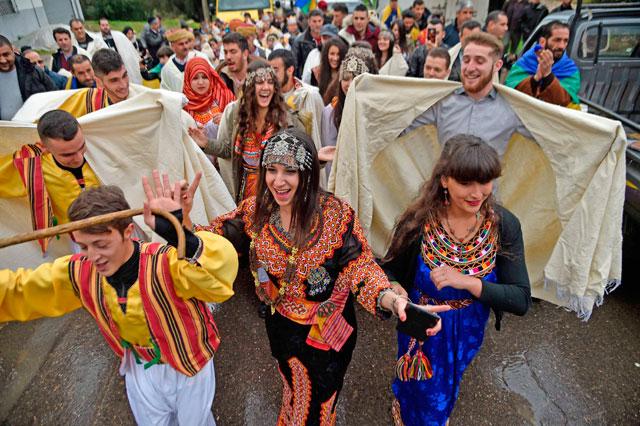

Algeria has ten paid public holidays, adding up to 14 days off a year. Five fall on fixed dates (1 January, 12 January, 1 May, 5 July and 1 November), and five are Islamic holidays that come about 11 days earlier each year. The two Eids last three days each, and they, along with Ramadan, are what change opening hours and transport the most.
The 2027 calendar comes first below, with the confirmed 2026 dates after it. One caveat: the Islamic dates are confirmed by Algeria's Ministry of Religious Affairs only the evening before, after the moon sighting, so read the 2027 ones as plus or minus a day. And plan around the weekend, which in Algeria is Friday and Saturday (it has been since August 2009; Sunday is an ordinary working day).
2027 dates, days off and which ones can still move
The five fixed dates are set by law. The Islamic ones below are expected dates, give or take a day, until the Ministry of Religious Affairs confirms each one after the moon sighting.
- New Year's Day (Jour de l'An): Friday 1 January, one day off, fixed.
- Yennayer, Amazigh New Year 2977: Tuesday 12 January, one day off, fixed.
- Start of Ramadan: about Monday 8 February. Not a holiday, so no days off.
- Eid al-Fitr (Aïd el-Fitr): three days from about Tuesday 9 or Wednesday 10 March, expected.
- Labour Day (Fête du Travail): Saturday 1 May, one day off, fixed.
- Eid al-Adha (Aïd el-Adha, or Aïd el-Kebir): three days from about Sunday 16 or Monday 17 May, expected.
- Islamic New Year (Awal Mouharram, Ras el Am el Hijri): about Sunday 6 June, one day off, expected.
- Ashura (Achoura): about Tuesday 15 June, one day off, expected.
- Independence Day (Fête de l'Indépendance): Monday 5 July, one day off, fixed.
- Prophet's Birthday (El Mawlid Ennabaoui): about Saturday 14 or Sunday 15 August, one day off, expected.
- Revolution Day (Fête de la Révolution, 1er Novembre): Monday 1 November, one day off, fixed.
Algeria public holidays 2026 (confirmed dates)
| Holiday | 2026 date | Days off |
|---|---|---|
| New Year's Day | Thu 1 Jan | 1 |
| Yennayer (Amazigh New Year) | Mon 12 Jan | 1 |
| Ramadan starts (not a holiday) | Thu 19 Feb | 0 |
| Eid al-Fitr | Fri 20 to Sun 22 Mar | 3 |
| Labour Day | Fri 1 May | 1 |
| Eid al-Adha | Wed 27 to Fri 29 May | 3 |
| Awal Muharram (Islamic New Year) | Tue 16 Jun | 1 |
| Ashura | Thu 25 Jun | 1 |
| Independence Day | Sun 5 Jul | 1 |
| Mawlid (Prophet's birthday) | Tue 25 Aug | 1 |
| Revolution Day | Sun 1 Nov | 1 |
On every paid holiday, banks, post offices and government offices close. Over the Eids many shops, cafés and restaurants shut too, usually for the first day or two, and long-distance transport gets crowded before and after.
Below we go through each holiday, what happens on the day, and how to plan a trip around it.
Why Plan Around Algerian Holidays?
There are two reasons, and they pull in opposite directions.
Holidays are when you see Algerian family life: the crowds at the Eid prayer, relatives visiting each other with trays of cakes, the late-night streets during Ramadan. Most of it happens in private homes, so it helps to travel with a local guide or know a family.
They're also when logistics get harder. Offices close, buses and trains fill up before each Eid, and flights from Europe cost more when Algerians living abroad fly home.
Our rule of thumb: come for Ramadan nights or Yennayer if you want the atmosphere, and avoid the first days of the two Eids if your trip depends on transport and open shops.
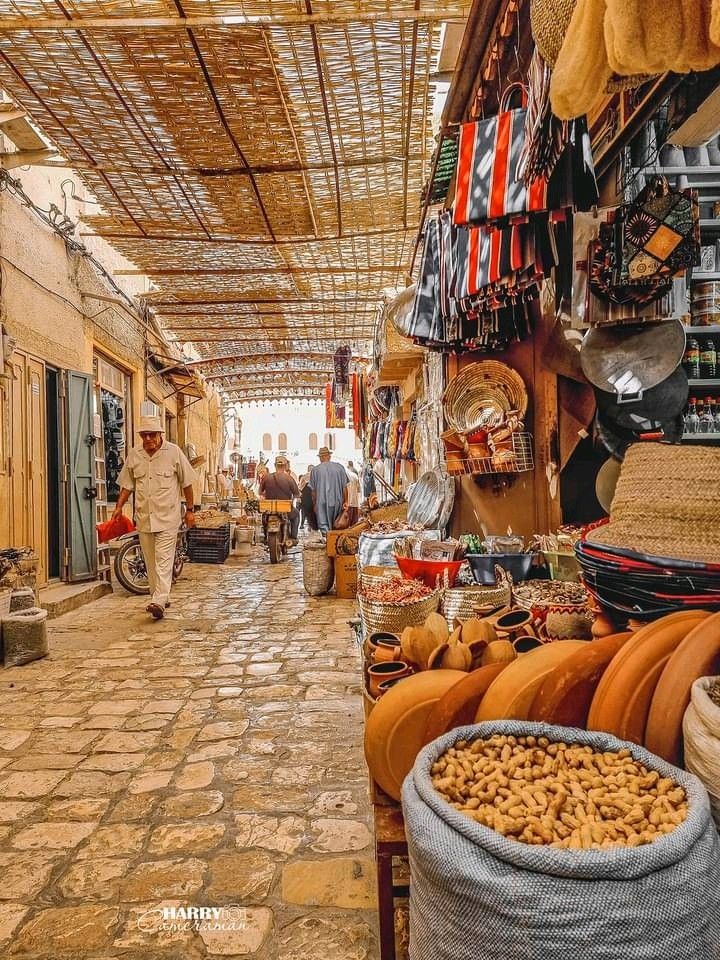
The fixed holidays follow the Gregorian calendar. The religious ones follow the Islamic lunar calendar, which is about 11 days shorter, so each of them moves earlier every year. In 2027, Ramadan starts in early February and Mawlid falls in mid-August.
National holidays
Independence Day on 5 July marks independence from France in 1962. Revolution Day on 1 November marks the start of the War of Independence in 1954. The other fixed-date holidays are Labour Day on 1 May, New Year's Day and Yennayer.
Independence Day and Revolution Day are state occasions more than street parties. Expect flags on buildings, official ceremonies and concerts in the bigger cities such as Algiers, Oran and Constantine.

On 5 July the President lays a wreath at the Maqam Echahid, the Martyrs' Memorial in Algiers. It's an official ceremony rather than a public event, so visit the memorial on another day.
New Year's Day (1 January) is a paid holiday too, but a quiet one. Most New Year's Eve celebrating happens at home or at dinners in hotels and restaurants in the big cities, so book a table if you want one.
Religious holidays
Algeria is a mostly Sunni Muslim country (Maliki school, with an Ibadi community in the M'zab Valley), and the religious holidays change daily life far more than the national ones.
Algeria often runs a day behind Saudi Arabia on the lunar calendar. In 2026, Ramadan started here on 19 February, a day after Saudi Arabia.
The Holy month of Ramadan
Ramadan isn't a public holiday, but it changes the country more than any holiday does. In 2027 it's expected to start around 8 February, with Eid al-Fitr around 9 or 10 March. People fast from dawn to sunset, offices work shorter hours, and many cafés and restaurants stay closed until evening.
Families get up before dawn for the s'hour (suhoor), the last meal before the fast. Mesfouf, fine couscous with butter and raisins, is a classic s'hour dish.
At sunset, with the call to prayer, the fast is broken with dates, following the Prophet's custom, and a glass of milk.
Then comes chorba frik, a soup of green cracked wheat and meat (called jari in Constantine), and bourek, fried rolled pastry filled with minced meat. Both show up on family tables all year, along with the other traditional Algerian dishes worth trying on your trip.
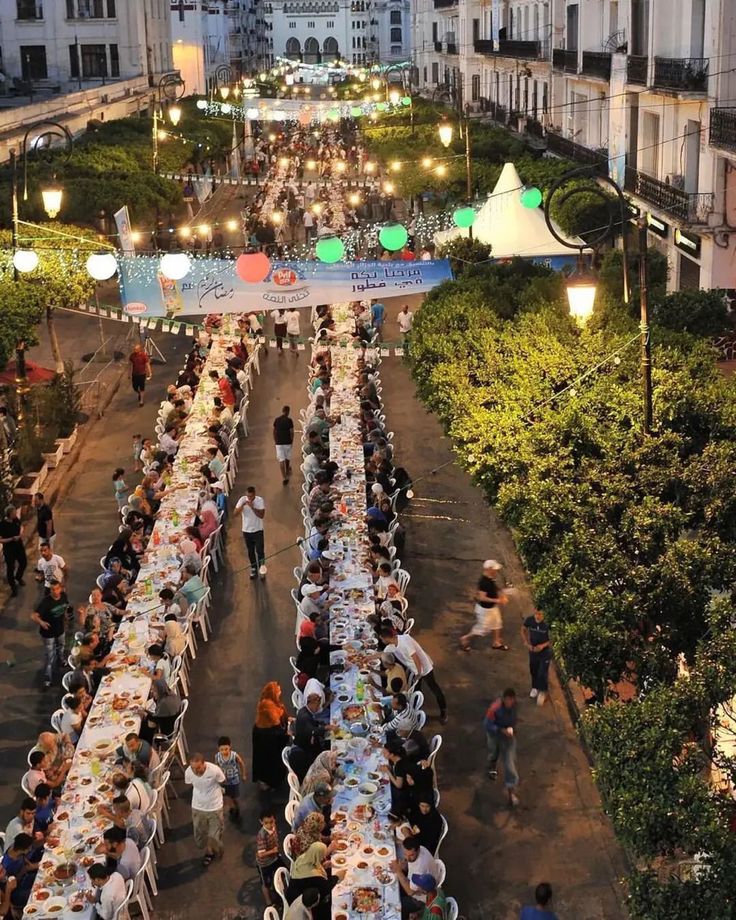
The evening doesn't end at the table. Once the taraweeh prayers are over, people head out for coffee or mint tea and the sweets that only really appear this month: zlabia, qalb el louz (a semolina and almond cake soaked in syrup) and ktayef.
Charity is part of the month. Mosques, associations and the Algerian Red Crescent run free iftar canteens called restaurants Errahma, open to anyone who needs a meal, including travelers far from home.
After iftar the streets fill up again. Shops reopen, people queue at the pastry shops, and cafés stay busy until late. Late afternoon is the hard part of the day: the UK Foreign Office (FCDO) notes that fasting can make people tired then, and roads get busy as everyone heads home for iftar.
Eid al-Fitr
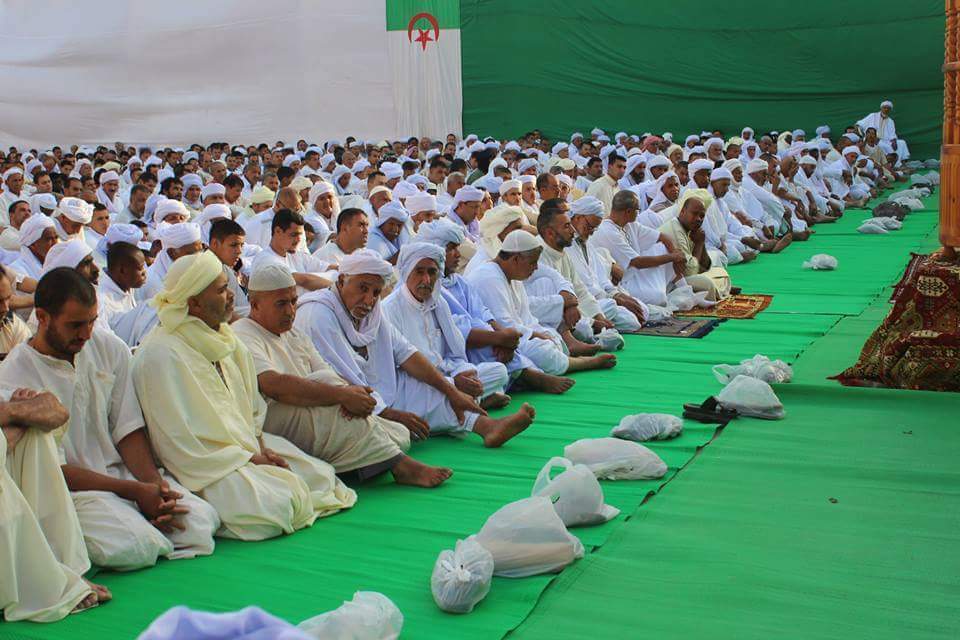
Eid al-Fitr marks the end of Ramadan and is a three-day paid holiday (it was two days until 2023). Before the morning Eid prayer, Muslims pay zakat al-fitr, a fixed charity set each year by the Ministry of Religious Affairs (170 DZD per person in 2026) and given to people in need.
Children get new clothes, and the day is spent visiting relatives with trays of homemade cakes.
The sweets are the main event: makroud (semolina diamonds filled with dates), griwech, baklawa and many small almond cakes. Rechta, thin fresh noodles in a white chicken sauce, is a favorite festive dish in Algiers.
For a visitor, expect many shops and restaurants to stay shut for the first day or two. The Commerce Ministry puts bakeries and grocers on a duty rota to keep supplies going (more than 55,000 traders for Eid al-Fitr 2026), so you won't go hungry, but choice is thin. In the afternoon, parks and seafronts fill with families.
Eid al-Adha
Eid al-Adha, the Feast of Sacrifice (usually called Aïd el-Kebir in Algeria), honors Prophet Ibrahim's readiness to sacrifice his son. It's also a three-day paid holiday. After the morning prayer, families who can afford it sacrifice a sheep.
Traditionally the meat is split into thirds: one for the family, one for relatives and neighbors, and one for people in need.
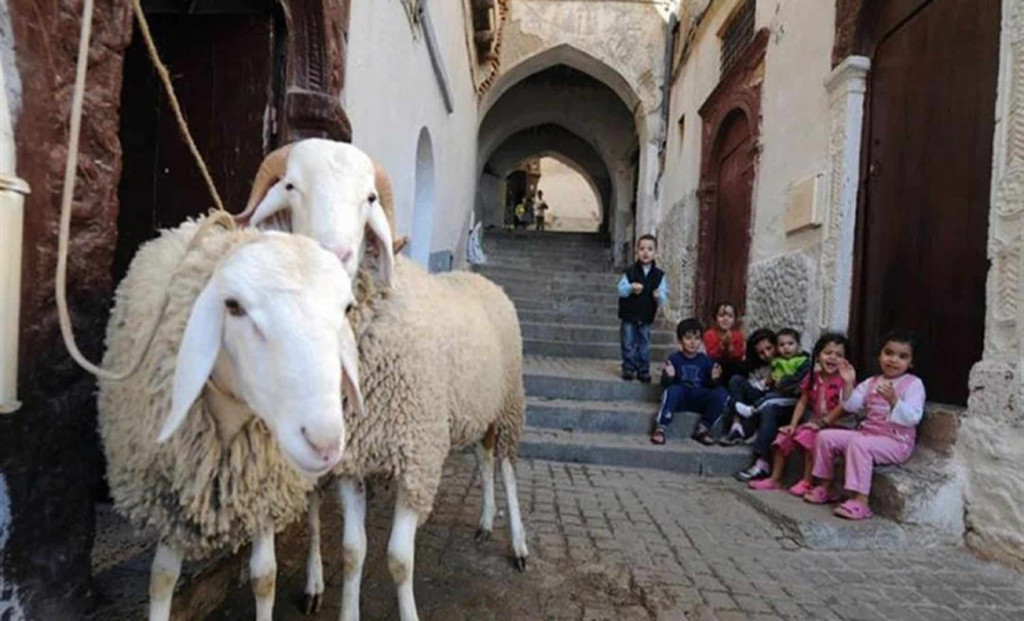
The first day is for offal: liver (kebda), grilled or in a spiced sauce, bouzellouf (sheep's head) and douara, a tripe stew with chickpeas.
Méchoui, whole slow-roasted lamb, is the showpiece dish, and the rest of the meat goes into stews eaten over the following days with kesra, the flat semolina bread.
Awal Muharram (Islamic New Year)
Awal Muharram, also called Ras el Am el Hijri, opens the Islamic year and marks the Prophet's migration (hijra) from Mecca to Medina. It is a one-day paid holiday, expected around Sunday 6 June in 2027. It is a quiet family day rather than a street celebration: families gather for a bigger meal, often couscous or rechta with chicken in Algiers, and offices and banks close.
Ashura
Ashura (Achoura) falls nine days later, on 10 Muharram, and is also a one-day paid holiday, expected around Tuesday 15 June in 2027. Many Algerians fast that day, and it is the customary day to pay the annual zakat, the obligatory alms. Children often get sweets and dried fruit, and some families save a baby's first haircut for Ashura.
Customs vary by region. In the M'zab, families cook ibaoun (dried broad beans) and couscous with a date sauce. In Djanet, Ashura is the date of the Sebeïba, a Tuareg ritual on UNESCO's intangible heritage list since 2014, so in 2027 it falls in mid-June, in the hot season.
Mawlid al-Nabi
Mawlid (El Mawlid Ennabaoui), the Prophet Muhammad's birthday, falls on 12 Rabi' al-Awwal. It was on 25 August in 2026 and is expected around 14 or 15 August in 2027. Mosques hold Quran readings and songs in praise of the Prophet on the evening before.
At home, families light candles in every room and on balconies, and some choose the date for their sons' circumcision. Children traditionally set off firecrackers all night. Fireworks are officially banned and police seize them in markets each year, and the Algerian press described the 2026 Mawlid as much quieter than usual.
In the Gourara oasis of Timimoun, the week after Mawlid ends with the S'boue, a pilgrimage to the zawiya of Sidi El Hadj Belkacem that UNESCO listed in 2015. It's one of the events in our guide to Algerian festivals, and in 2027 it should fall around 21 or 22 August.
If you're invited to an Algerian home for Mawlid, dinner in Algiers is often rechta, and dessert may be tamina, toasted semolina with butter and honey. Many families serve couscous with chicken and chickpeas instead.
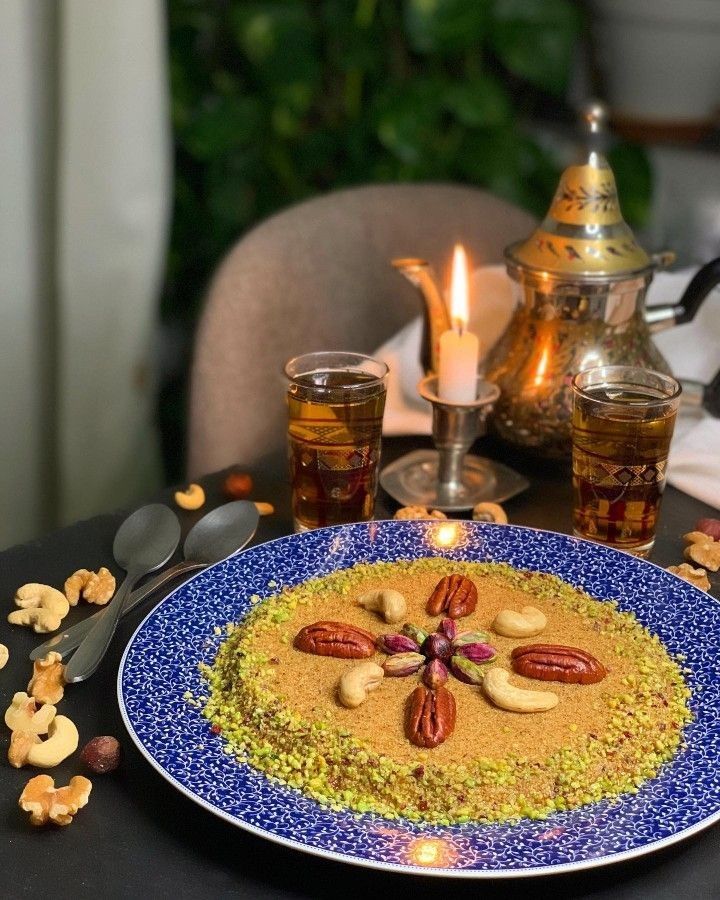
Couscous itself has been on UNESCO's intangible heritage list since 2020, inscribed jointly by Algeria, Mauritania, Morocco and Tunisia.
Seasonal and local celebrations
Yennayer, the Amazigh (Berber) New Year, falls on 12 January and has been a paid public holiday since 2018. 12 January 2027 opens the Amazigh year 2977. It began as a farming new year, and it's most widely celebrated in Kabylie, the Aurès, the M'zab and the west around Tlemcen and Oran.
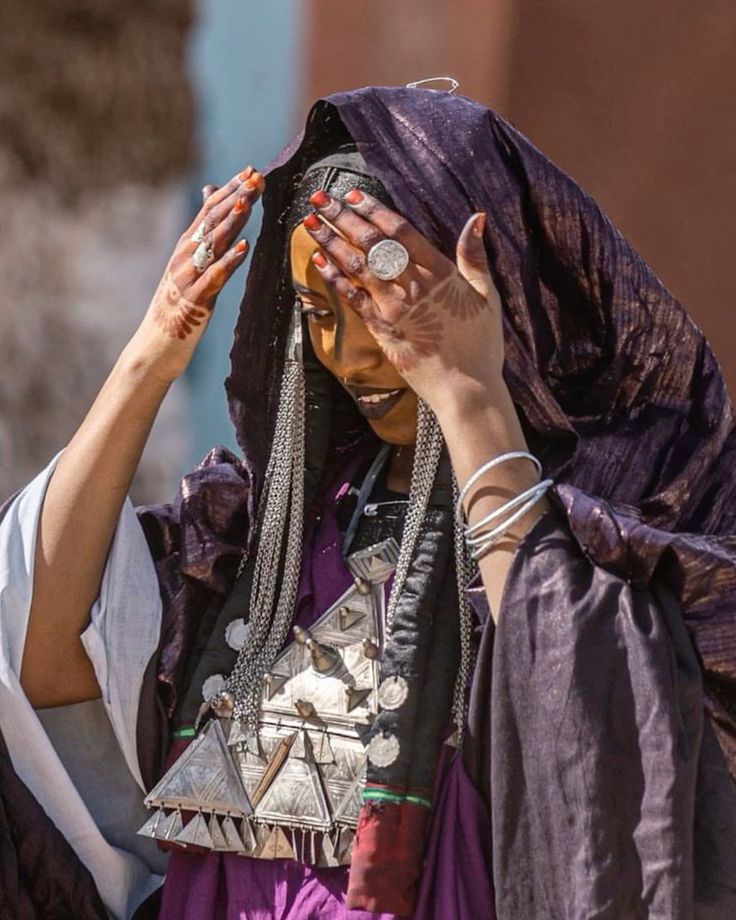
Customs vary by region. In Kabylie the eve is marked with imensi n yennayer, a couscous dinner, often with a chicken slaughtered for the occasion. In the west, families share trez, a mix of dried fruit, nuts and sweets. Many women wear traditional Amazigh dresses and silver jewelry for the day.
In the M'zab, Yennayer comes at the end of the date harvest and the start of work in the palm groves. According to the state news agency APS, the M'zab's own celebration, ammenzu n yennayer, falls on the night of 6 to 7 January, and the ksour hold cultural events around it.
For travelers, Yennayer is the easiest holiday to enjoy. It's a single day, offices close only for that day, and towns put on concerts, craft fairs and food stalls. It's also winter, so the north is cold and wet while the Sahara is in season.
What to do during Algerian holidays
Algiers is the easiest base for a holiday visit. Big hotels stay open over Eid and keep their restaurants running, and on Ramadan nights the city center stays busy until late.
Historical and cultural sites
A long holiday weekend is enough for one of Algeria's seven UNESCO World Heritage sites, such as Roman Timgad, founded by Trajan in AD 100, or Al Qal'a of Beni Hammad, Algeria's first listing (1980). If the holidays leave you with free days, there are plenty of things to see and do across Algeria, from the Casbah to the rock art of Tassili n'Ajjer. Museum and site hours on holidays aren't published reliably, so check before you go.
Visit the M’zab Valley
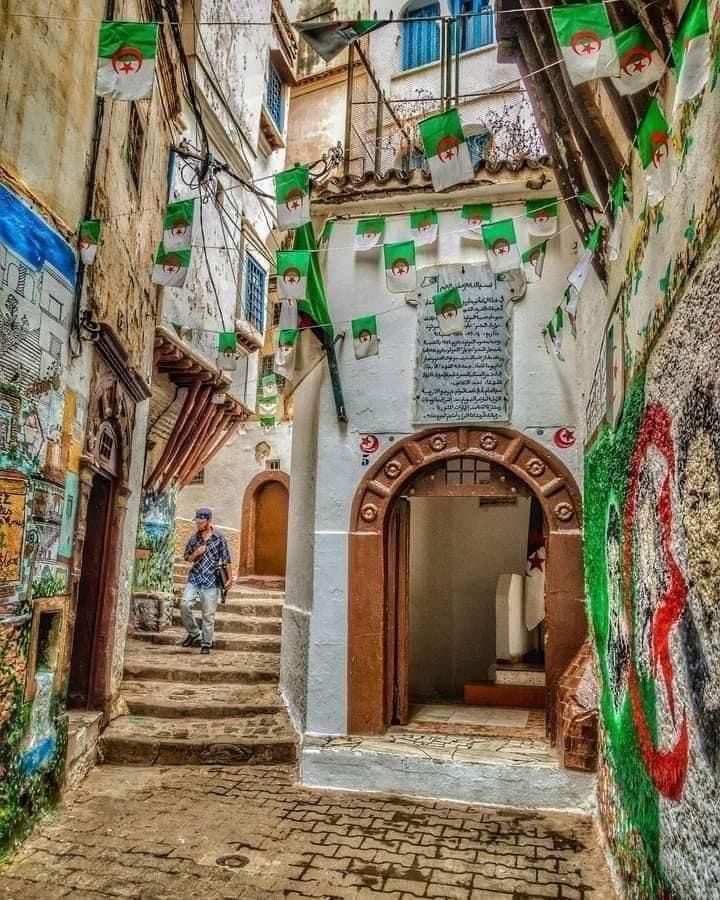
Ghardaïa and the other four walled towns of the M'zab Valley (UNESCO, 1982) make a good January trip around Yennayer: days are mild and nights are cold. In Beni Isguen you go in with a guide or not at all, and you find one at the main gate; keep the camera off the residents, women above all.
Outdoor adventures in nature
The holiday calendar decides which landscapes suit. In 2027, Ramadan and Eid al-Fitr fall in February and March, good months for the Sahara around Djanet or Tamanrasset (trips in the south are organized through an approved agency). Eid al-Adha in mid-May is already hot in the deep south, and Independence Day in July is beach season on the coast around Béjaïa and Jijel.
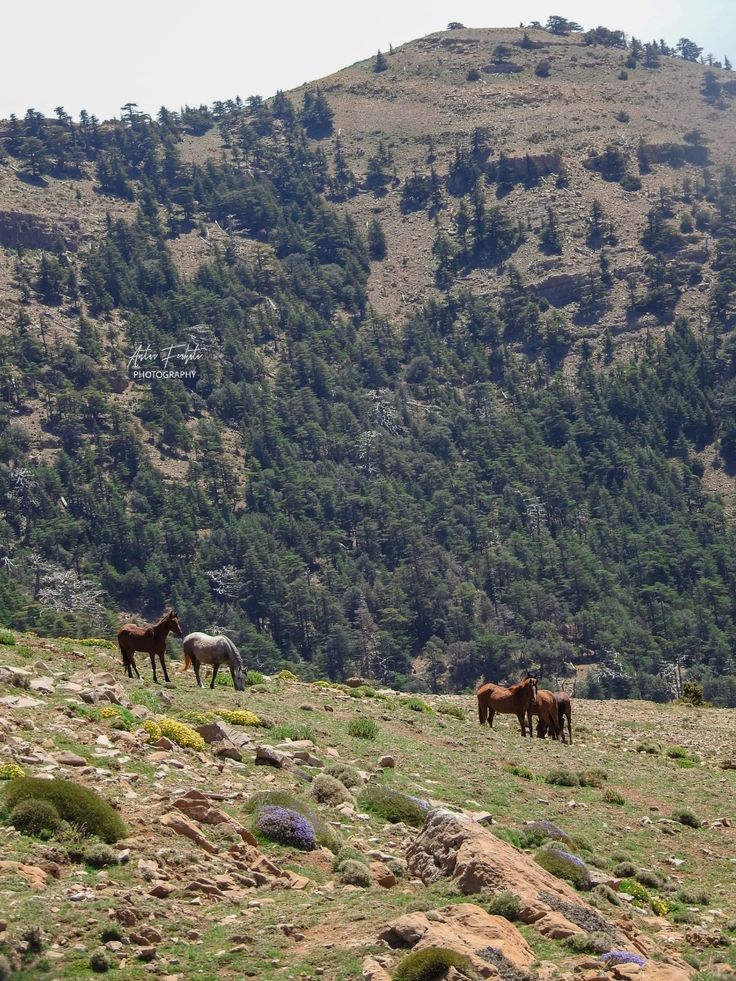
Winter holidays such as Yennayer are a good time for the mountains if you don't mind the cold. The peaks of Djurdjura National Park, topped by Lalla Khedidja at 2,308 m, usually carry snow in winter.
Savor Algerian cuisine
Holiday food is home food, so an invitation or a homestay is the best way to taste it, and we can arrange a homestay with a host family if you don't have an invitation. Makroud and other Eid cakes fill the pastry shops in the days before Eid, and couscous with lamb or chicken is the standard family meal for Eid.
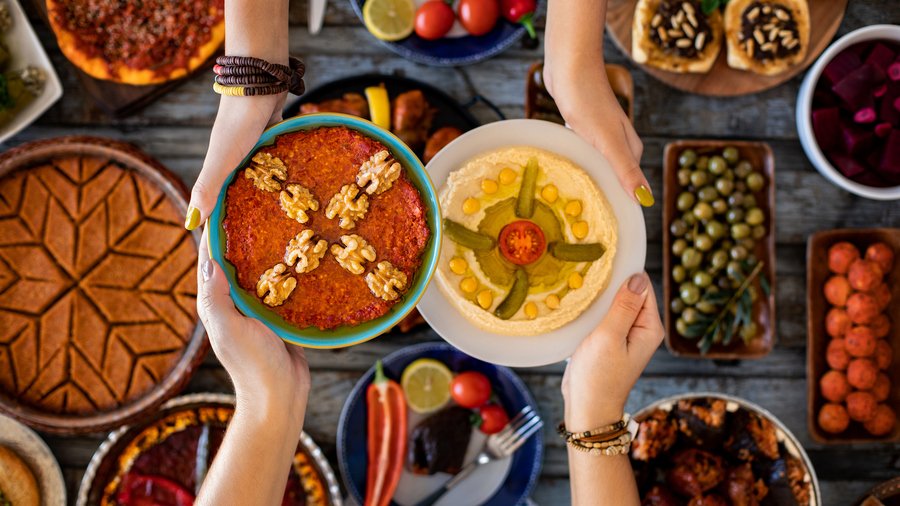
In the last week of Ramadan the markets are at their busiest, as families buy almonds, honey and semolina for Eid baking. It's a good time to walk through a covered market in Algiers or Constantine.
Attend events and festivals
Yennayer brings the most public events: concerts, Amazigh craft and food fairs and exhibitions, organized by towns and by the High Commission for Amazighity (HCA). During Ramadan, the big cities also hold evening concerts and plays after taraweeh.
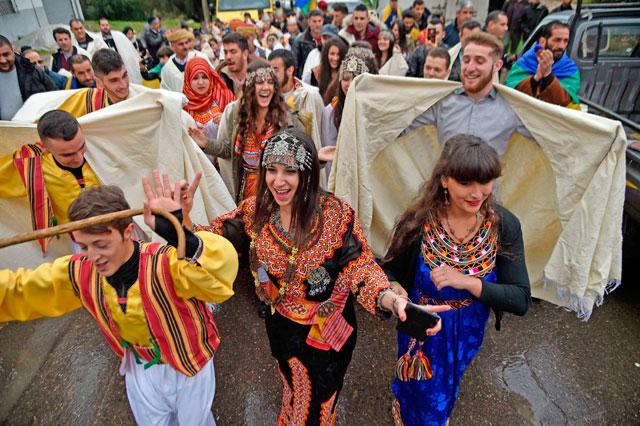
You'll hear Amazigh songs at Yennayer, chaâbi (the urban music of Algiers, rooted in Andalusian tradition) on Ramadan nights, and raï, which was born in the Oran region and added to UNESCO's intangible heritage list in 2022.
How to make the most of holidays: Practical tips
Holidays are good for atmosphere and bad for logistics. Here's what changes and how to plan for it.
What stays open on Algerian holidays
| Period | Banks, post offices, government offices | Shops, cafés, restaurants | Transport |
|---|---|---|---|
| One-day holidays (national days, Yennayer, Awal Muharram, Ashura, Mawlid) | Closed for the day | Mostly open in the cities | Runs; busier around long weekends |
| Eid al-Fitr and Eid al-Adha (3 days each) | Closed all three days, longer if the weekend follows | Many closed for the first day or two; bakeries and grocers on a duty rota | Packed before and after; limited city service and some long-distance stops on day one |
| Ramadan (whole month) | Open, shorter hours | Many cafés and restaurants closed until sunset, busy late at night | Normal, with heavy traffic before iftar |
Big hotels in the large cities stay open through every holiday and keep their restaurants running.
Expect administrative closures during holidays
Banks, post offices and government offices close on every paid holiday, and over the Eids they're shut for all three days. Add the Friday and Saturday weekend and the closure can stretch: Eid al-Adha 2026 ran from Wednesday 27 to Friday 29 May, so banks were closed from Wednesday to Saturday.
During Ramadan, offices and many businesses work shorter hours, and travel agencies and tour operators slow down too.
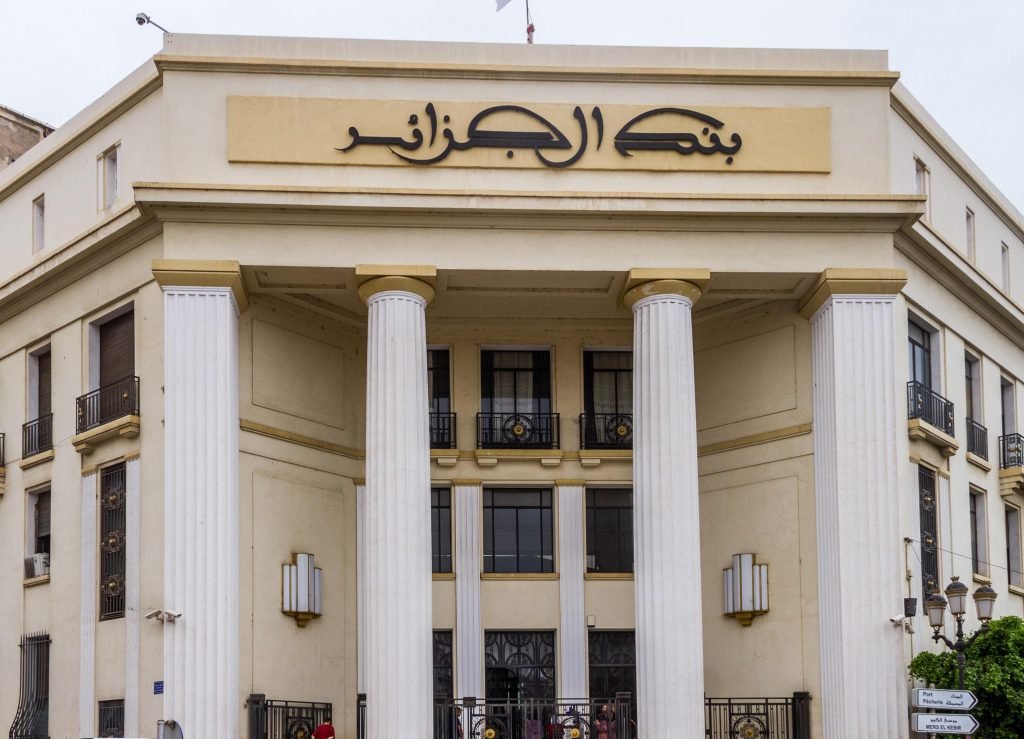
Small businesses, especially in rural areas, may stay closed for longer than the official holiday while owners visit family.
Big hotels and international companies in the large cities usually keep working.
If you're a tourist, sort out paperwork, SIM cards and anything else you need from an office before the holiday starts, and carry enough cash: outside large hotels and some upscale shops, almost everything is paid in cash.
Check the opening hours of museums and UNESCO sites before you go, as holiday hours can differ from the posted ones.
Plan ahead to avoid holiday price surges
Demand peaks around the two Eids and in summer, when many Algerians living in Europe fly home. Flights between Europe and Algeria and the summer ferries from France and Spain fill up first, and hotels in Algiers and Oran, and in beach towns in summer, get pricier.
On a budget, it's easier to travel outside those peaks than to hunt for deals during them. A small group tour can also cost less than a private trip, since transport and the guide are shared.
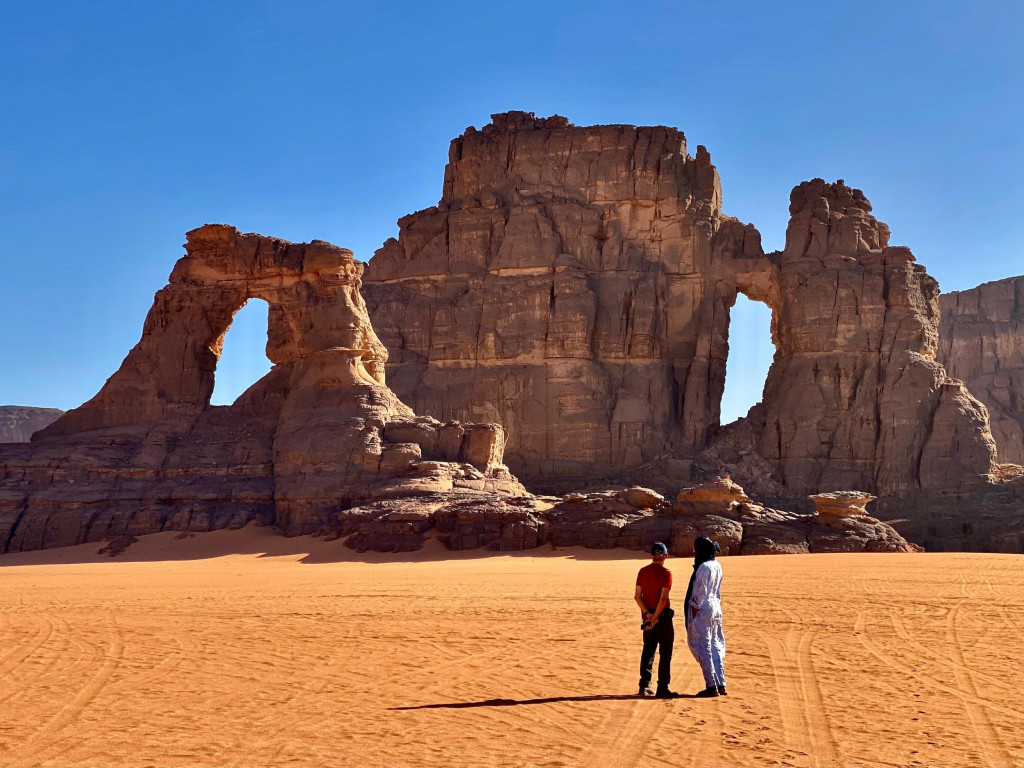
Guesthouses are cheaper than the big hotels, but small family-run places may close or fill up with relatives over Eid, so confirm your booking a few days ahead.
Book flights early for New Year and the Eids, as demand and prices go up. Eid dates are only confirmed close to the day, which is one more reason to ask our team to plan your trip around the calendar.
Respect the local customs
Algerians take their holidays seriously, and a few customs matter more then than the rest of the year.
On Eid, greet people with "Saha Aïdkoum", the usual Algerian greeting, or "Eid Mubarak". Both are understood everywhere.
Dress conservatively, with shoulders and knees covered, and more so in the south and the M'zab. If you go to a mosque, women should cover their hair.
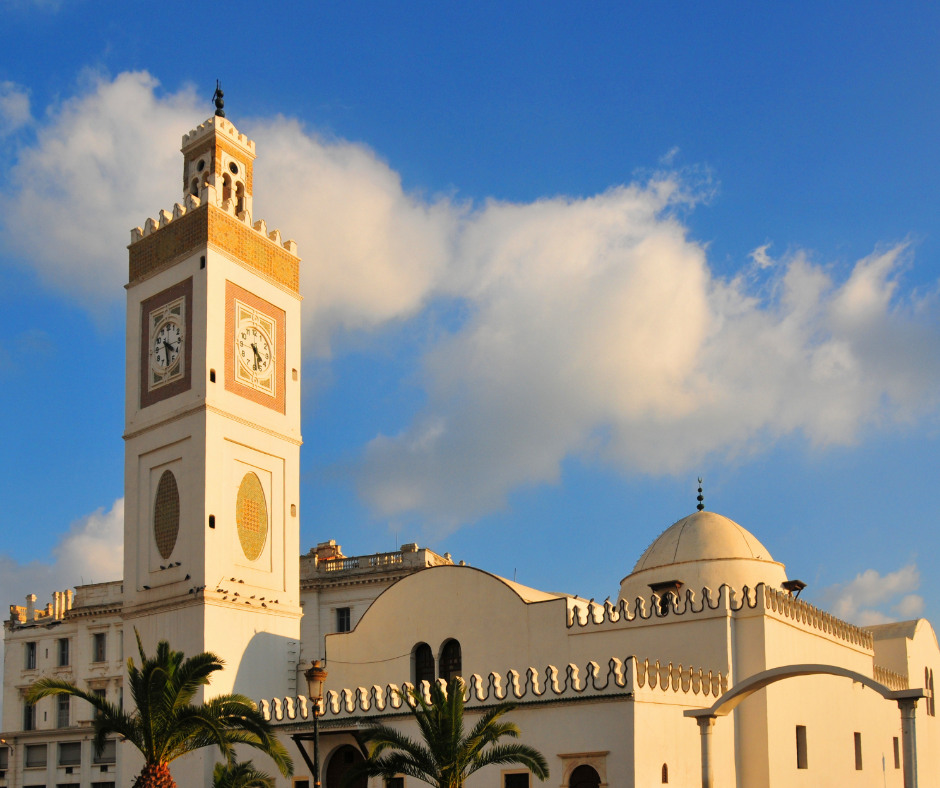
During Ramadan, the UK Foreign Office (checked October 2026) advises against eating, drinking, smoking or chewing gum in public in the daytime, including in your car. Hotels still serve non-fasting guests, sometimes behind screens, and most restaurants don't serve alcohol at any time of year.
Local transportation changes during holidays
Trains, buses and shared taxis are packed in the two or three days before each Eid, when people head home to their families, and again on the way back.
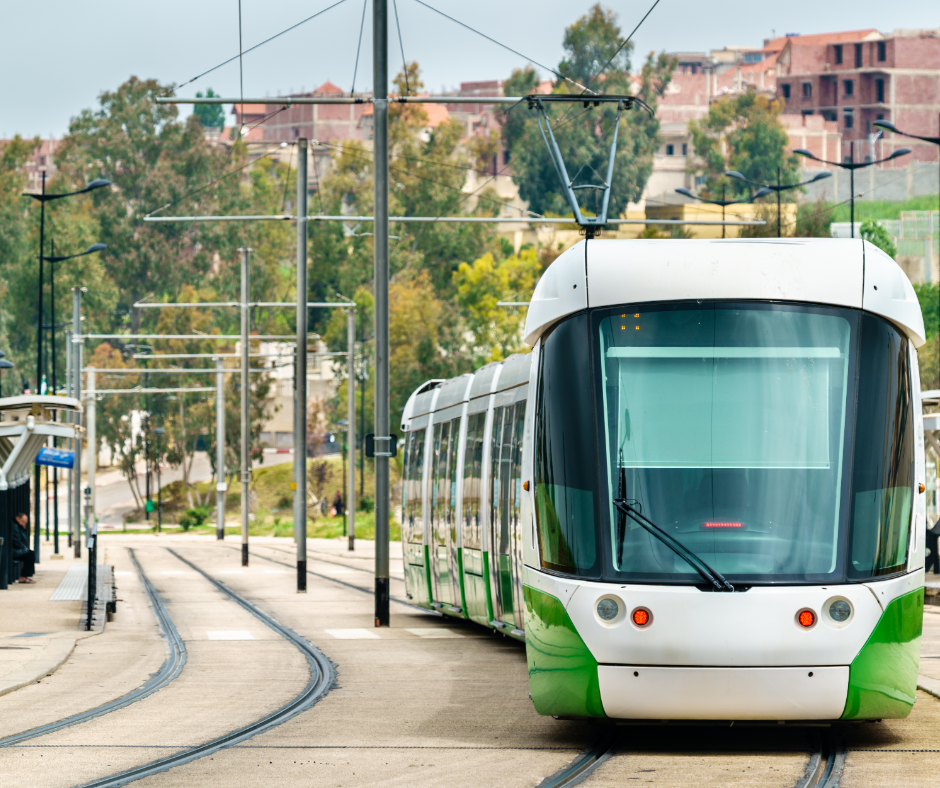
On the first day of Eid, city buses and trains in Algiers and Oran run limited schedules, and some long-distance services stop for the day.
Taxis can be hard to find in smaller towns over Eid. A rental car, or a car with a driver booked in advance, is more reliable.
Flights to the south are the other squeeze. Seats on Air Algérie and Domestic Airlines (the former Tassili Airlines) go quickly around the holidays and fares climb, so if your trip heads for the Sahara, book that leg first.
Anticipate last-minute changes
Islamic holidays depend on the moon sighting, so the exact day is only confirmed the evening before. Leave a spare day in any plan that depends on an Eid or Mawlid date, especially flights and desert departures.
For future years, QPPStudio’s long-term forecasts list expected public holiday dates. The final word comes from the Ministry of Religious Affairs.
A week before you travel, check the UK Foreign Office (FCDO) advice for Algeria and confirm the opening hours of anything you've booked.
Ramadan, Eid banking and the days that aren't holidays
Traveling this autumn: which holiday comes up next?
Next is Revolution Day on Sunday 1 November 2026, which marks the start of the War of Independence in 1954. After that comes New Year's Day on Friday 1 January 2027, then Yennayer on Tuesday 12 January 2027. The next Islamic holiday is Eid al-Fitr, expected around 9 or 10 March 2027.
Do offices close for the whole of Ramadan?
No. Ramadan is a month of fasting, not time off: offices stay open on shorter hours. Around 8 February is when the 2027 fast is expected to begin, and the days off come at the end of it with Eid al-Fitr, three of them, expected from about 9 or 10 March 2027.
My calendar shows 19 March and 8 May. Will things be shut?
No. Victory Day (19 March, the 1962 ceasefire) and the National Day of Memory (8 May) are marked with official ceremonies, but they are not days off. The same goes for other commemorative days such as Martyrs' Day on 18 February and Students' Day on 19 May.
Can I get to a bank during Eid?
No. Banks, post offices and government offices stay shut for all three days of each Eid, and longer when the holiday runs into the Friday and Saturday weekend. Get your cash before it starts, since small shops and taxis take nothing else.
Timing your trip around the holidays
Algeria's holidays mix Islamic, Amazigh and national traditions, and the Islamic ones shape the year the most. The best moments for visitors are Ramadan evenings, Yennayer and the afternoons of Eid, when families are out.
The trade-off is real. Holidays bring crowds, fuller transport and higher prices, and over the Eids much of the country stops for a day or two.
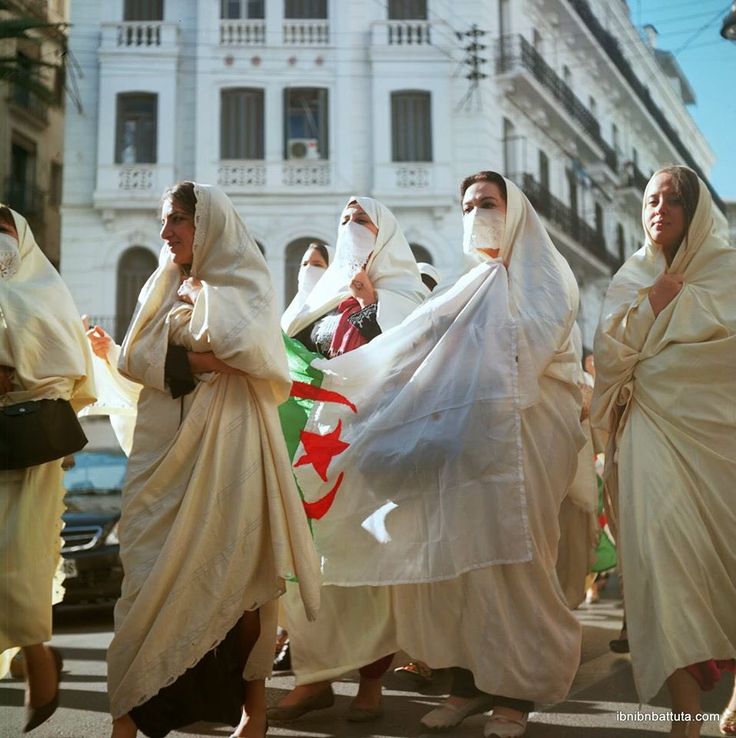
Quieter periods are easier. Late January, after Yennayer and before Ramadan, is calm in the north and still Sahara season in the south. In 2027, that window closes around 8 February, when Ramadan is expected to start.
Sites are emptier, guides and drivers are easier to book, and flights and hotels tend to cost less outside the holiday peaks.
For the rest of your planning, from visas to regions, our travel guide to Algeria covers the basics. If your dates overlap an Eid, plan the first two days around a city base rather than long transfers.


