

Finding authentic local food in a new country often feels like a gamble between tourist traps and missed opportunities.
That is why our team at WildyNess created this guide to ensure you navigate the markets, stalls, and family tables of Algeria like an expert.
Defining the Algerian Flavor Profile
When we talk about Algerian food, we are discussing a massive geographic spread that covers Mediterranean coasts, high plateaus, and the vast Sahara. This diversity means that a food tour is never just one experience. You will encounter the heavy influence of Berber traditions, Ottoman history, and French techniques, all layered into a singular culinary identity. The primary ingredients are hearty and grounded in the land, featuring semolina, lamb, chickpeas, and a wide array of seasonal vegetables.
We find that the best way to approach this journey is to view food as a social bridge. In Algeria, eating is rarely a solitary act. Whether you are standing at a street stall in Algiers or sitting on a rug in a desert camp, the meal is an invitation to slow down and engage with the people around you. You will notice that bread is the constant companion to every dish, often serving as both a side and a utensil.
Essential National Dishes to Know in Algeria
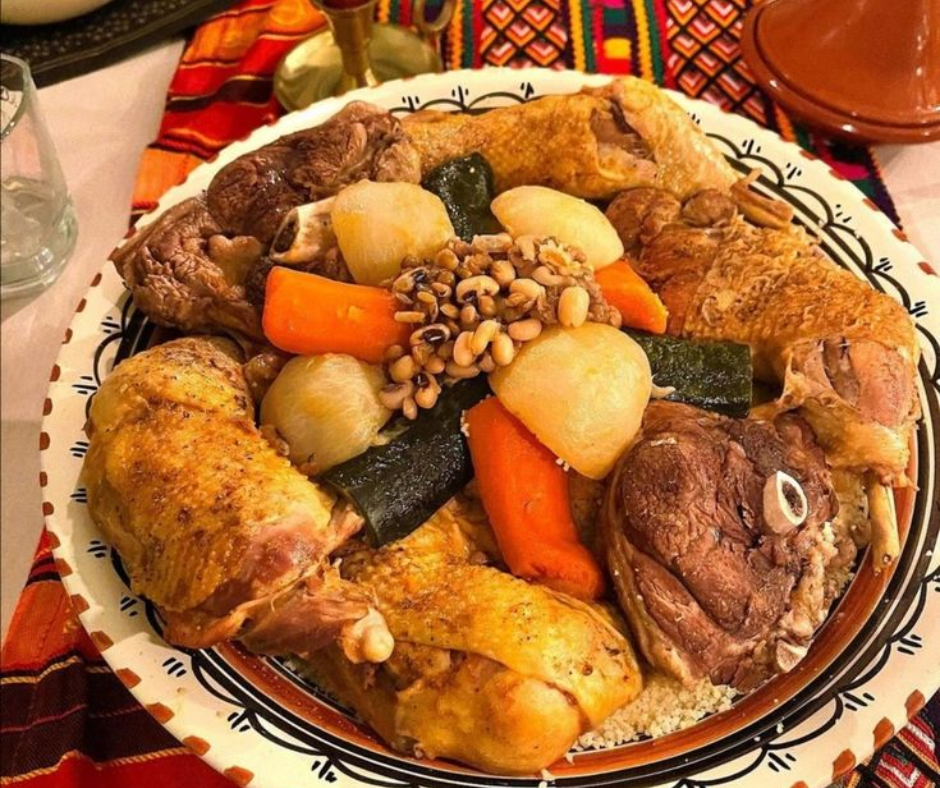
You cannot claim to have explored Algerian cuisine without starting with couscous. While it is famous across North Africa, the Algerian version is distinct for its variety of sauces and grains. On Fridays, the traditional day for this meal, you will find families gathering around large platters of steamed semolina topped with a rich broth.
In the north, this often involves a red sauce with tomatoes and seasonal vegetables like zucchini and turnips. In other regions, you might find a white sauce flavored with cinnamon and served with chicken and chickpeas.
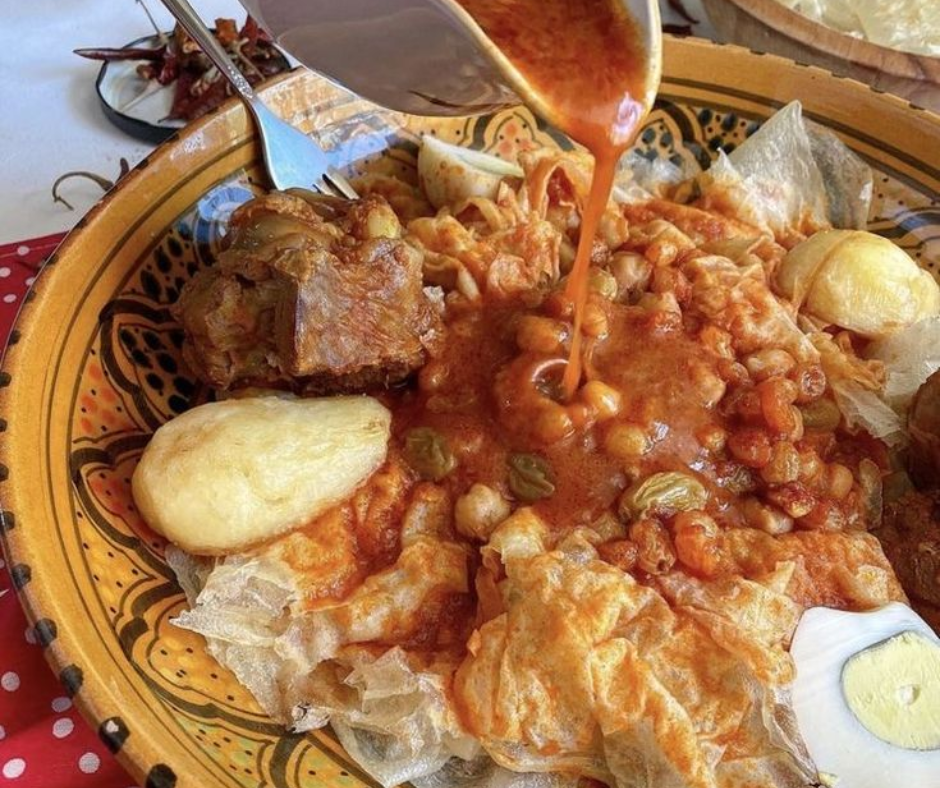
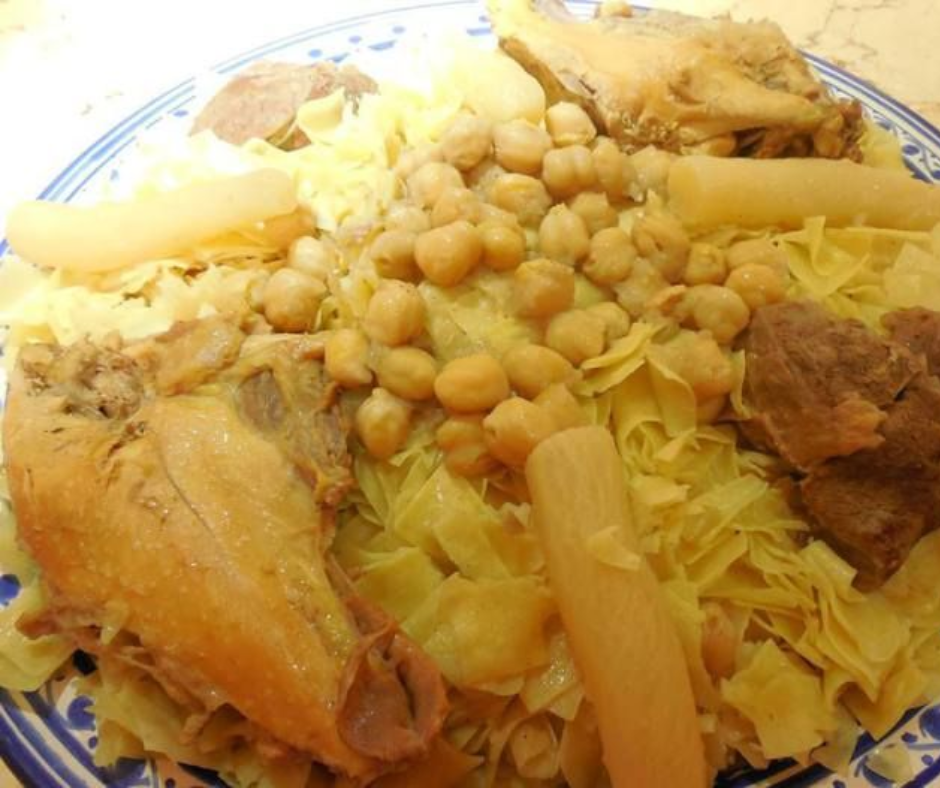
Another cornerstone of the national menu is chakhchoukha.This dish is pure comfort, consisting of thin, hand-torn flatbreads that are soaked in a spicy tomato-based stew. It is usually served with lamb and chickpeas, and the bread absorbs the liquid until it reaches a tender, pasta-like consistency.
It is important to distinguish this from the pepper and egg dish known as shakshuka, which is also popular but serves a different role as a quick, flavorful breakfast or light lunch.
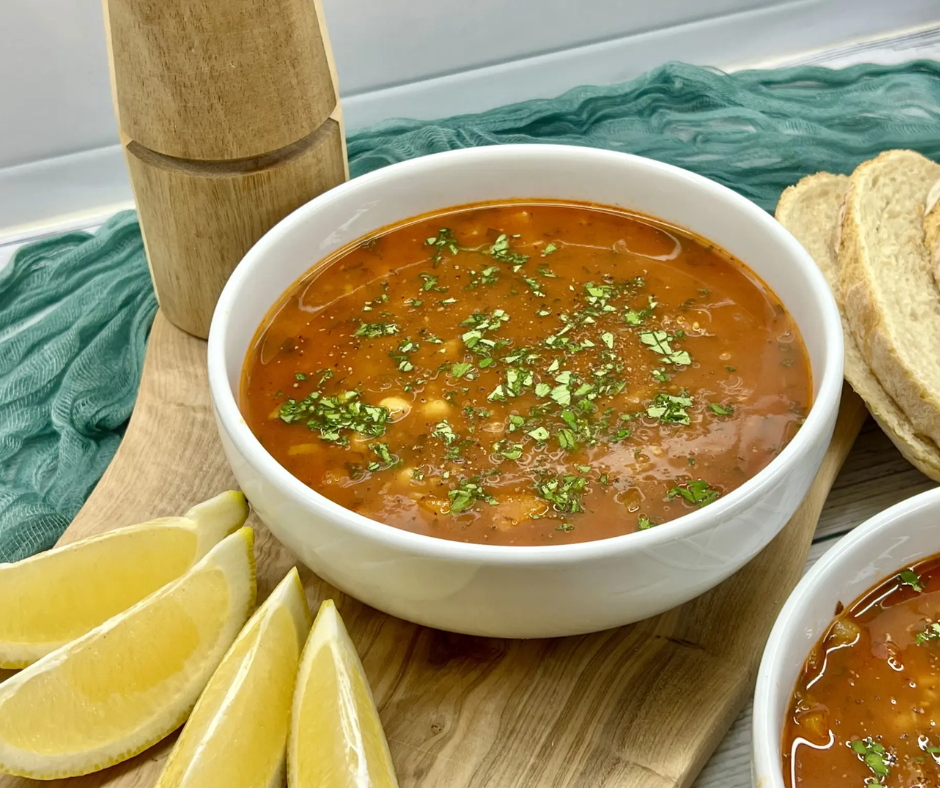
For those visiting during cooler months or the month of Ramadan, chorba frik is the soul of the table. This is a thick, aromatic soup made from crushed green wheat, lamb, and a blend of spices including coriander and mint.
It is usually served with a squeeze of lemon and a side of bourek, which are crispy, deep-fried pastry rolls filled with meat, cheese, or mashed potatoes. Each bite offers a satisfying contrast between the hot, liquid soup and the crunchy pastry.
Navigating the Street Food Scene in Algeria
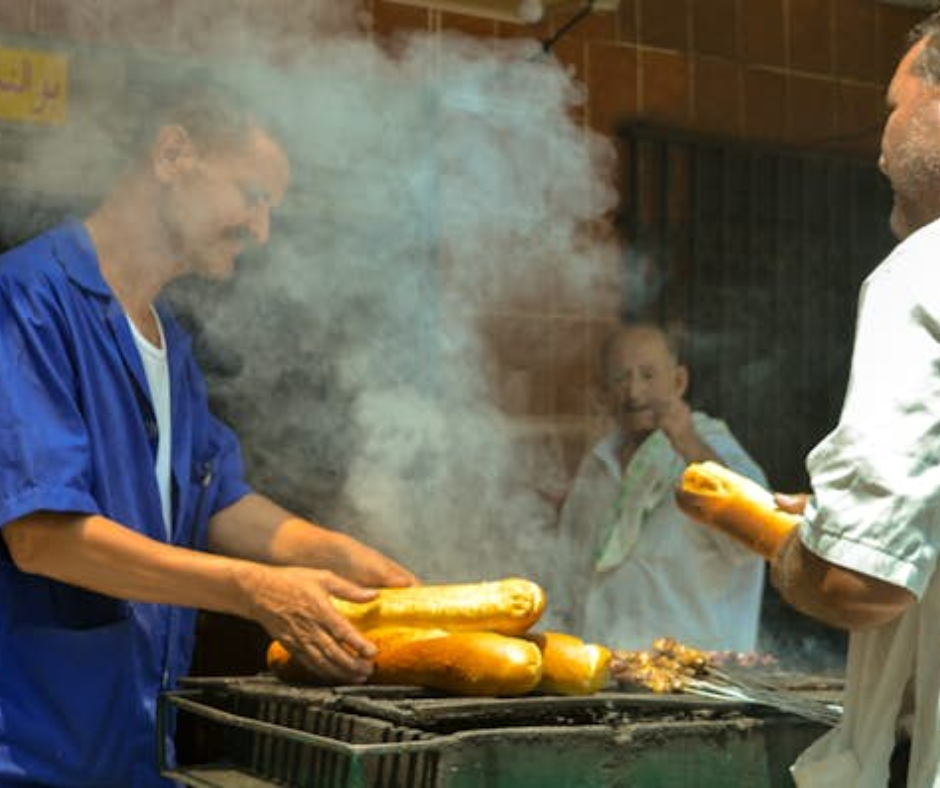
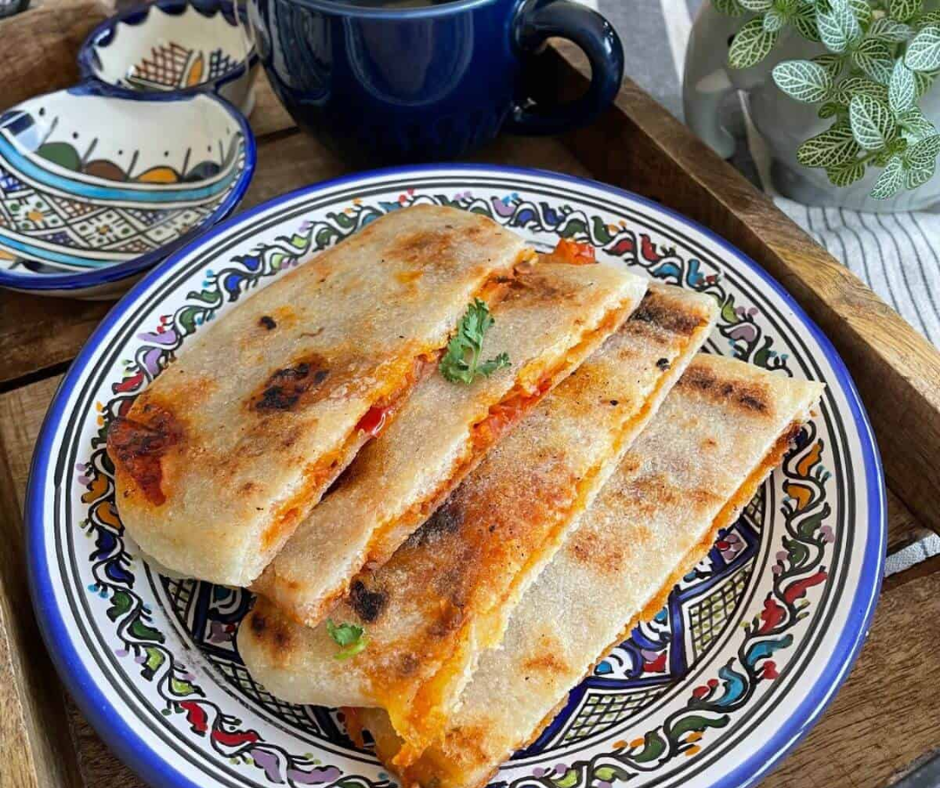
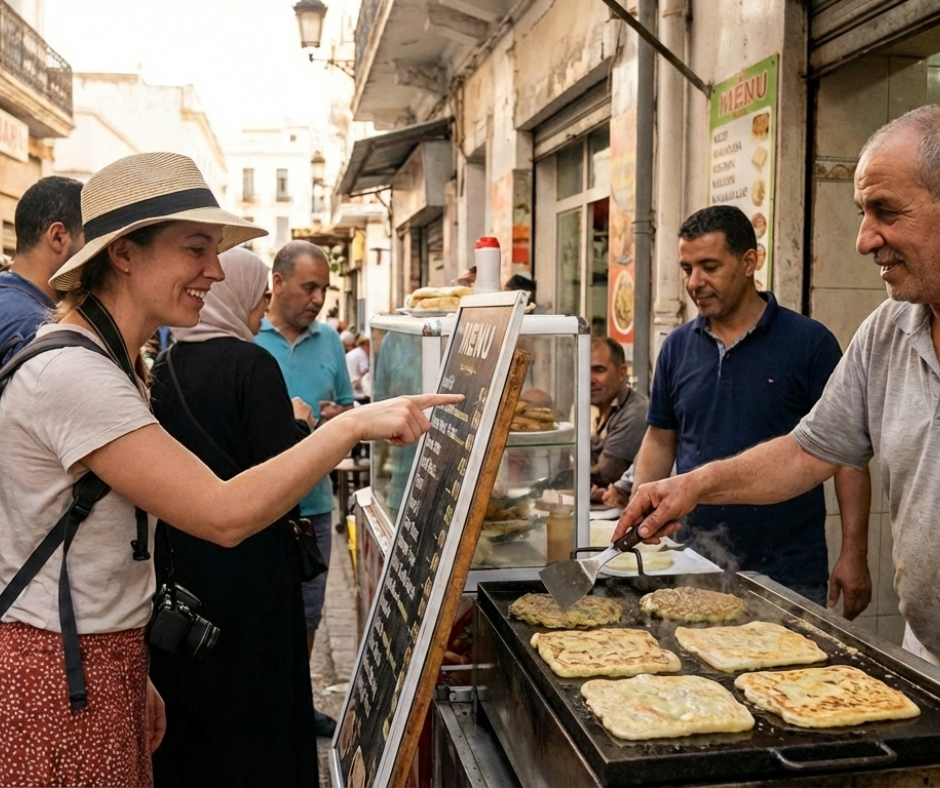
The streets of Algerian cities offer some of the most accessible and honest food experiences. If you are in Algiers, you must look for mahjouba.
These are thin semolina crepes that vendors stuff with a spicy mixture of caramelized onions and tomatoes before folding them and grilling them on a flat metal plate. They are best eaten hot, wrapped in paper, while you continue your walk. One piece usually costs between 50 and 100 DZD, making it an excellent budget-friendly snack.
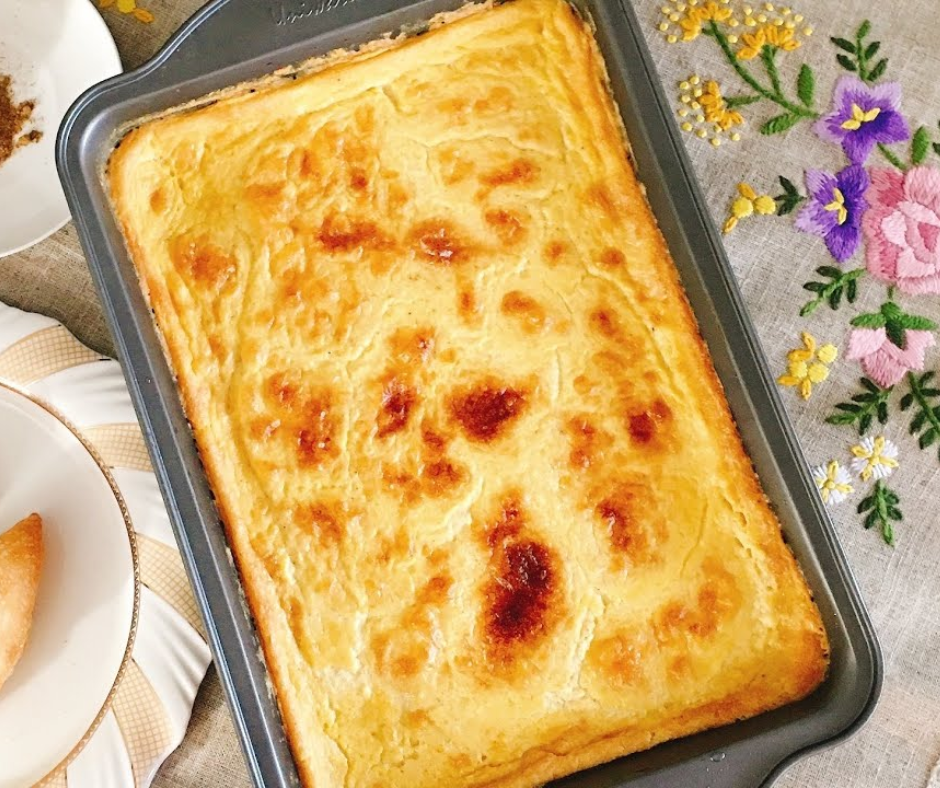
In the coastal city of Oran, the street food king is karantika. This is a simple, savory flan made from chickpea flour, eggs, and oil, baked until the top forms a dark, toasted crust.
Vendors typically slide a thick slice into a piece of fresh baguette and top it with a generous dusting of cumin and a smear of harissa. It is incredibly filling and reflects the Spanish influence that remains part of the city's heritage.
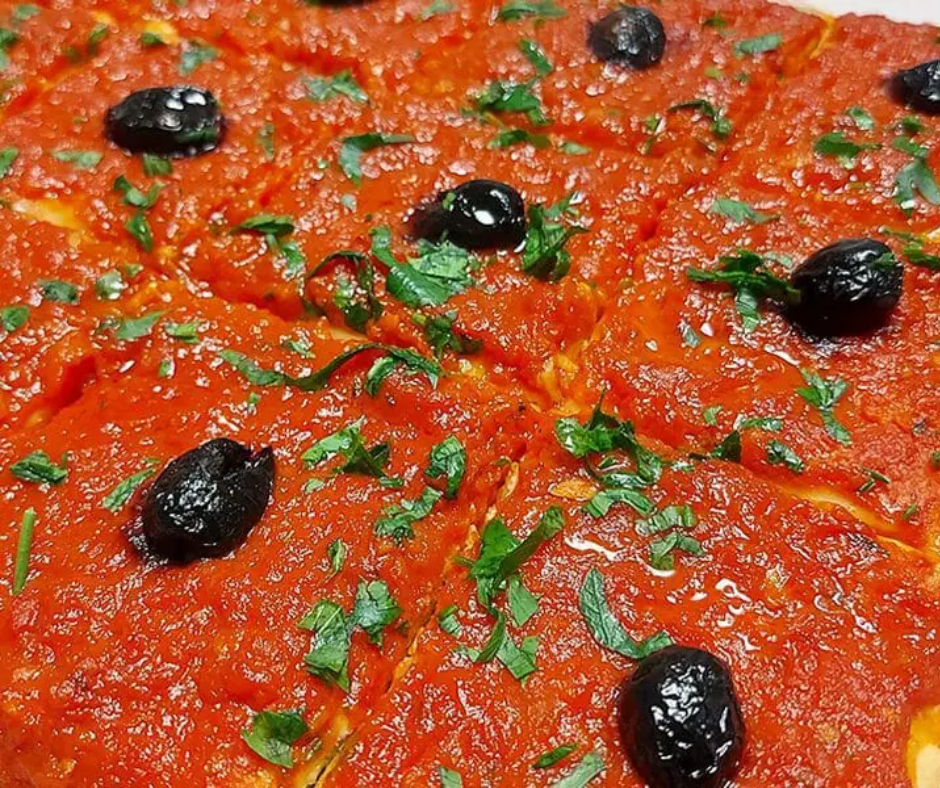
You should also keep an eye out for pizza carrée, which is the Algerian take on street pizza. These are large, rectangular trays of thick dough topped with a simple tomato sauce, a few olives, and occasionally some anchovies or hot peppers.
It is sold by the square and is a staple for students and office workers looking for a quick bite. These street interactions are where you will see the local pace of life most clearly, as people from all walks of life congregate around the most popular stalls.
How to Order Like a Local in Algeria
Walking into a local eatery can be intimidating if you do not know the unspoken rules. Most casual spots in Algeria do not use formal menus. Instead, you will often see the daily specials written on a chalkboard or simply hear the waiter list what is fresh. We recommend starting with a polite greeting such as "Salam" or "Bonjour." To ask what is available, you can say "Wach kayen el youm?" which translates to "What is there today?"
If you are sensitive to spice, you should ask if a dish is "har," meaning spicy. While many Algerian dishes use harissa, the level of heat can vary significantly from one cook to another. When you are ready for the bill, a simple "L'addition, s'il vous plaît" or "Lahseb, min fadlak" will get the job done. In smaller, traditional shops, it is common to pay at the counter rather than at the table.
Cash is the primary currency for these interactions. While larger restaurants in Algiers or Oran might accept cards, the small stalls and neighborhood gems almost exclusively deal in Algerian Dinars. We suggest keeping a mix of small bills and coins to make transactions smoother. Tipping is appreciated but not mandatory; rounding up the bill is a standard way to show your thanks for good service.
Regional Specialties from North to South in Algeria
The culinary map of Algeria changes as you move between its major cities. In Constantine, the city of bridges, the food is bold and hearty to match the dramatic landscape.
Here, you should seek out trida, which are small, square pasta flakes served in a savory white or red sauce with meat. The precision required to make the pasta by hand is a point of pride for local families.
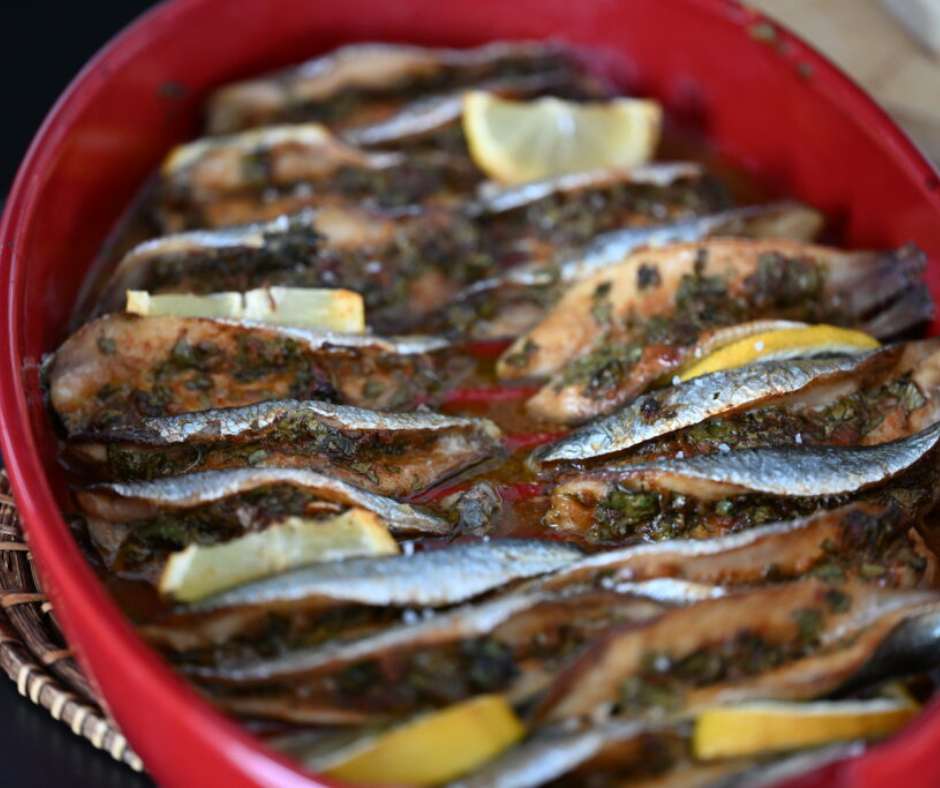
Traveling west to Tlemcen or Oran introduces more Mediterranean and Spanish notes. You will find a greater emphasis on seafood, especially sardines. Grilled sardines seasoned with dersa, a potent paste of garlic and chili, are a coastal must-eat.
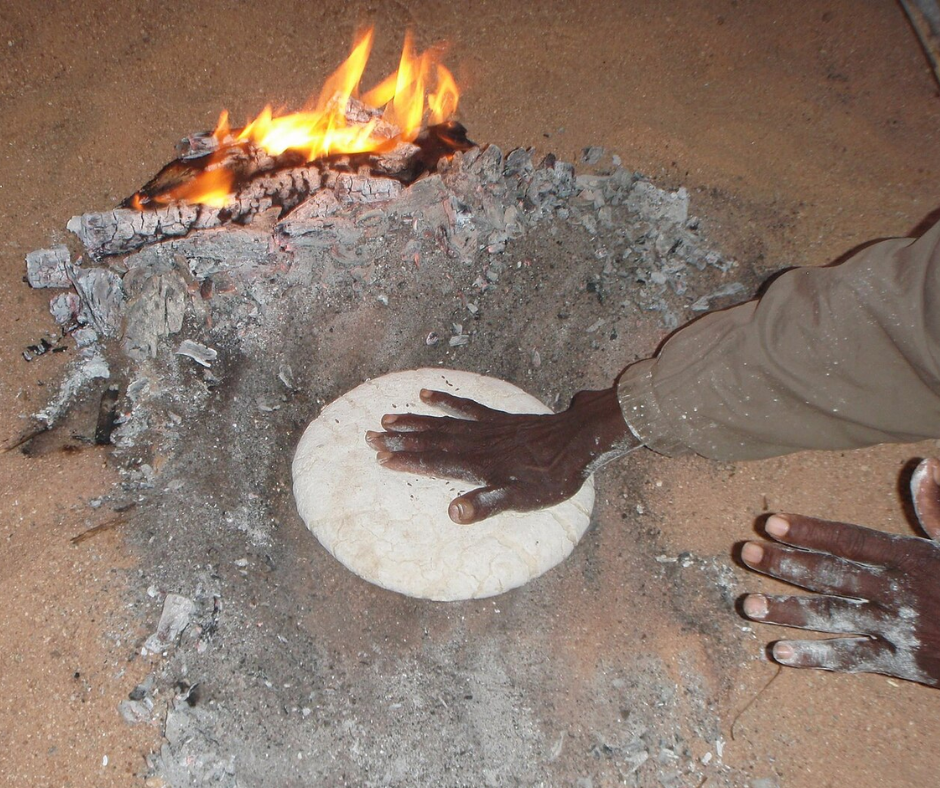
In the southern regions and the Sahara, the diet shifts toward what can be preserved or cooked over open fires. The Tuareg people prepare taguella, a thick bread baked directly under the hot sand and embers of a campfire.
It is then broken into pieces and mixed with a meat and vegetable sauce, creating a dense and nutritious meal designed for desert life.
Even the sweets change by region. In Algiers, you will find refined pastries like rezmet el aroussa, which are often shaped like little pouches and filled with almonds and honey. In the east, the focus shifts to makroudh, a semolina diamond filled with date paste and soaked in honey. Each city takes immense pride in its local variations, and asking a local why their version is the best is a guaranteed way to start a long, passionate conversation.
The Ritual of Coffee and Tea
In Algeria, a café is more than just a place to get caffeine; it is a community hub. You will notice that cafés are predominantly occupied by men during the day, though this is changing in more modern neighborhoods of Algiers. Coffee is typically served strong and short, similar to an espresso, and is often referred to as "café pressé." If you prefer it with milk, ask for a "café au lait" or "direct."
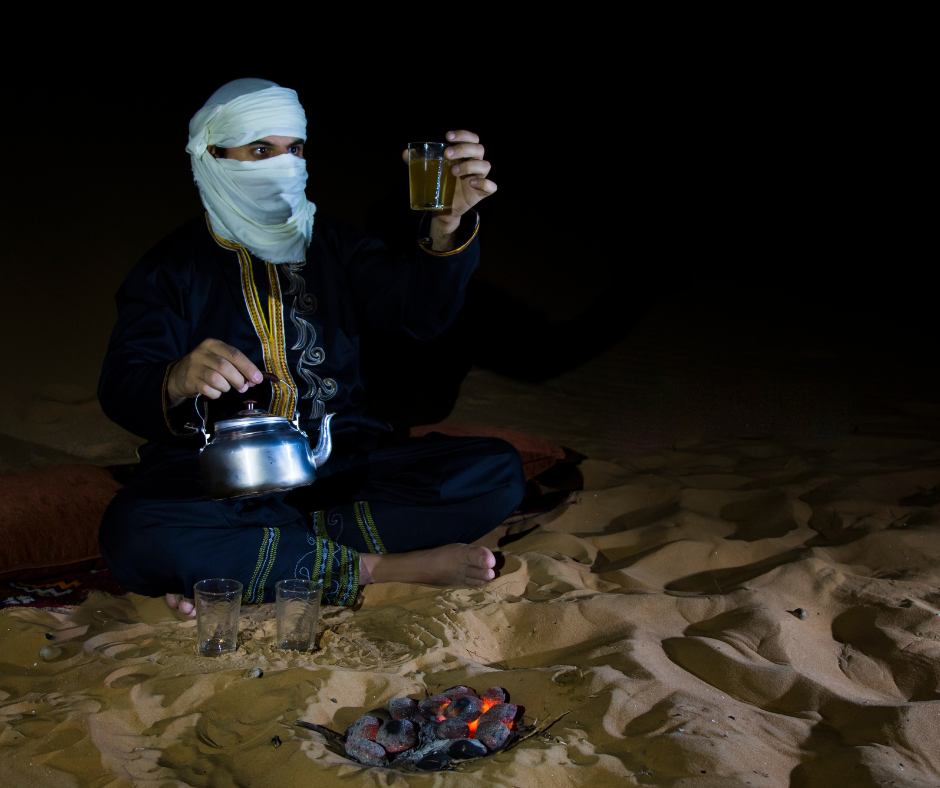
Mint tea is the other half of the beverage story. It is usually served in small glasses and is quite sweet. The preparation involves brewing green tea with fresh mint leaves and pouring it from a height to create a layer of foam on top.
This aeration process is part of the craft. If you are a guest in someone's home, accepting at least one glass of tea is an important gesture of respect and appreciation for their hospitality.
Shopping the Souks and Spice Bazaars
To understand the foundations of Algerian cooking, you must visit a local market. The Marché de Chartres in Algiers is a fantastic place to start. As you walk through the aisles, the air is thick with the scent of cumin, ras el hanout, and dried peppers. We suggest buying spices from vendors who have a high turnover of stock to ensure you are getting the freshest product. Look for deep, rich colors and strong aromas.
When buying produce, follow the lead of the local grandmothers. They will be the ones meticulously checking the firmness of the tomatoes and the scent of the coriander bunches. It is perfectly acceptable to ask for a small taste of olives or dates before you buy. Algeria produces some of the finest dates in the world, particularly the Deglet Nour variety from the Biskra region. They should be translucent, soft, and naturally sweet.
Dining Etiquette and Cultural Norms
If your food tour leads you to a private home, there are several cultural nuances to keep in mind. It is customary to remove your shoes before entering the living or dining area. You should always use your right hand for eating, especially when picking up bread or dipping into a shared platter. If the host offers you the best cuts of meat or extra portions, it is a sign of high regard. Accepting a small amount, even if you are full, is the polite response.
During the holy month of Ramadan, the entire rhythm of the country changes. Most restaurants will be closed during the day, and eating or drinking in public is discouraged. However, the evenings come alive with "Iftar" meals where the atmosphere is celebratory and communal. Being invited to an Iftar is a special experience that provides a deep look into the heart of Algerian culture.
Practical Tips for Your Culinary Journey
To make the most of your time, we suggest pacing your eating. Algerian portions tend to be generous, and it is easy to fill up on bread before the main course even arrives. Drinking bottled water is recommended for travelers to avoid any stomach upsets that could sideline your trip. Most major cities have a reliable supply of bottled water available at every corner shop.
Regarding safety, stick to stalls that have a high turnover of customers, as this usually indicates fresh ingredients. If you see a line of locals waiting for bourek or mahjouba, that is your best indicator of quality. While street food is generally safe, use your judgment and ensure that meat is cooked thoroughly in front of you.
Algeria offers a landscape of flavors that are often overlooked by the mainstream travel world. By stepping away from the hotel buffets and into the local neighborhoods, you will discover a kitchen that is as complex and welcoming as the country itself. Whether you are savoring a complex rechta noodle dish or a simple piece of kalb el louz cake, each bite is a part of a larger story.
If you have more questions about planning your trip, feel free to contact us. We can also help you design a personalized itinerary that hits all the culinary and cultural highlights you are looking for.
Read also: Where to Eat Couscous in Algeria | WildyNess Guide
For a culinary experience check out Flavors of Constantine: A Culinary Journey


