

Planning a trip around major cultural events and festivals in Algeria can often feel overwhelming, especially when trying to align travel dates with local celebrations that shift every year or navigate limited accommodation in remote regions.
That is why our team at WildyNess created this guide to help you find the best festival for you to build your Algeria trip around.
Spring and Summer Music Celebrations
The Timgad International Music Festival
If you appreciate live performances set against historical backdrops, Timgad offers a powerful experience. Held amidst the ancient Roman ruins of Thamugadi near Batna, this event takes place every summer, typically in July or August.
The ancient amphitheater serves as the main stage, providing incredible natural acoustics that modern venues struggle to replicate.
You will hear a vast range of musical styles, from traditional Algerian chaabi and orchestral pieces to contemporary pop and global world music.
The combination of ancient architecture and modern sound draws crowds from across the country. The city of Batna is located in the Aures Mountains, meaning the daytime heat is often offset by cooler mountain breezes in the evening.
We recommend arriving at the archaeological site a few hours before sunset. This gives you time to explore the expansive ruins, including the Trajan Arch and the ancient library, in the cooler afternoon temperatures before taking your seat for the evening performances.
Securing accommodation in Batna early is critical because hotels fill up fast during the festival week. You should also arrange your transport from Batna to the ruins in advance, as local taxis become scarce when the concerts end late at night.
Dimajazz in Constantine
Constantine is famous for its dramatic suspension bridges and deep gorges, but it also hosts one of the most respected jazz events in North Africa.
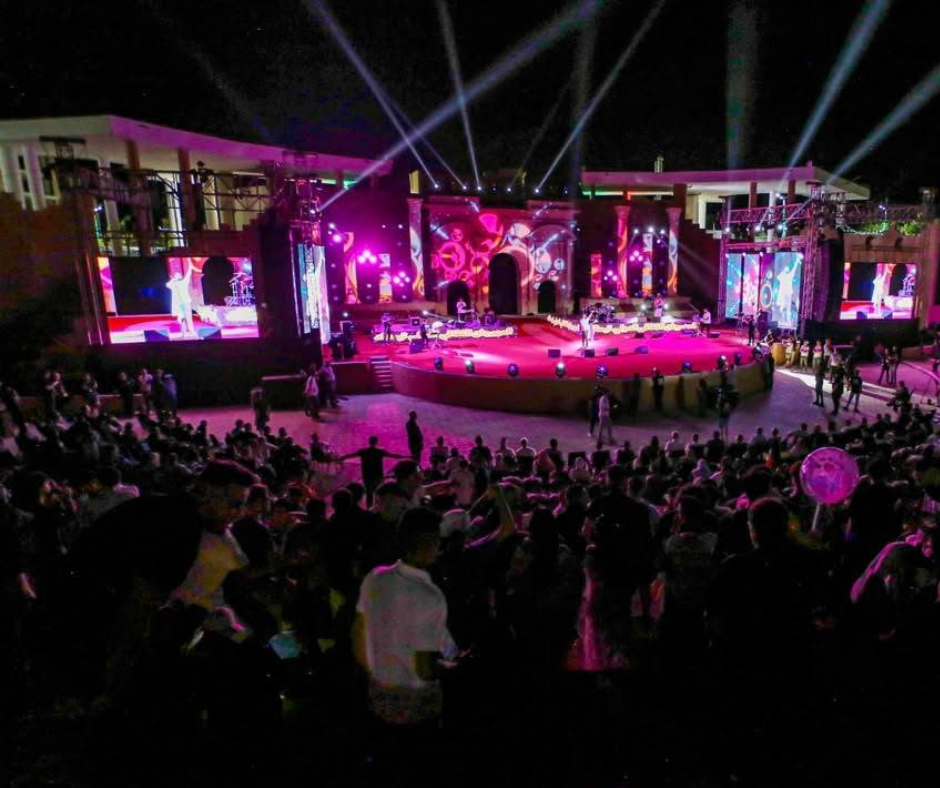
Dimajazz usually runs in the spring and brings a kinetic mix of traditional jazz, funk, rock, and global fusion to the city. Founded in 2003, the festival has grown significantly, attracting both local Algerian students and international music fans.
The performances take place at major venues like the Palais de la Culture, with smaller offshoots and masterclasses happening throughout the week.
Exploring Constantine during Dimajazz allows you to see the city come alive after dark. Constantine is built on a massive rocky plateau surrounded by a deep ravine carved by the Rhummel River.
Between sets, you can walk through the narrow lanes of the old city and try local street food. The festival offers a diversified schedule, making it easy to catch evening shows after spending your day visiting the iconic Sidi M'Cid bridge and the grand Emir Abdelkader Mosque.
Getting around the city is highly efficient if you use the modern tramway system, which connects the historical downtown directly to the newer cultural venues.
Rai d'Oran Folk Music Festival
Rai music is an essential piece of Algerian cultural identity, and experiencing it in its birthplace of Oran is highly recommended.
The festival celebrates the origins and evolution of this genre, which started as traditional folk music and transformed into a global phenomenon addressing social change.
You will experience the raw energy of electric guitars mixed with traditional percussion instruments like the derbouka drum and the gasba flute.
The event features both legendary performers and emerging local talent. Attending this festival gives you a direct look into the social fabric of western Algeria.
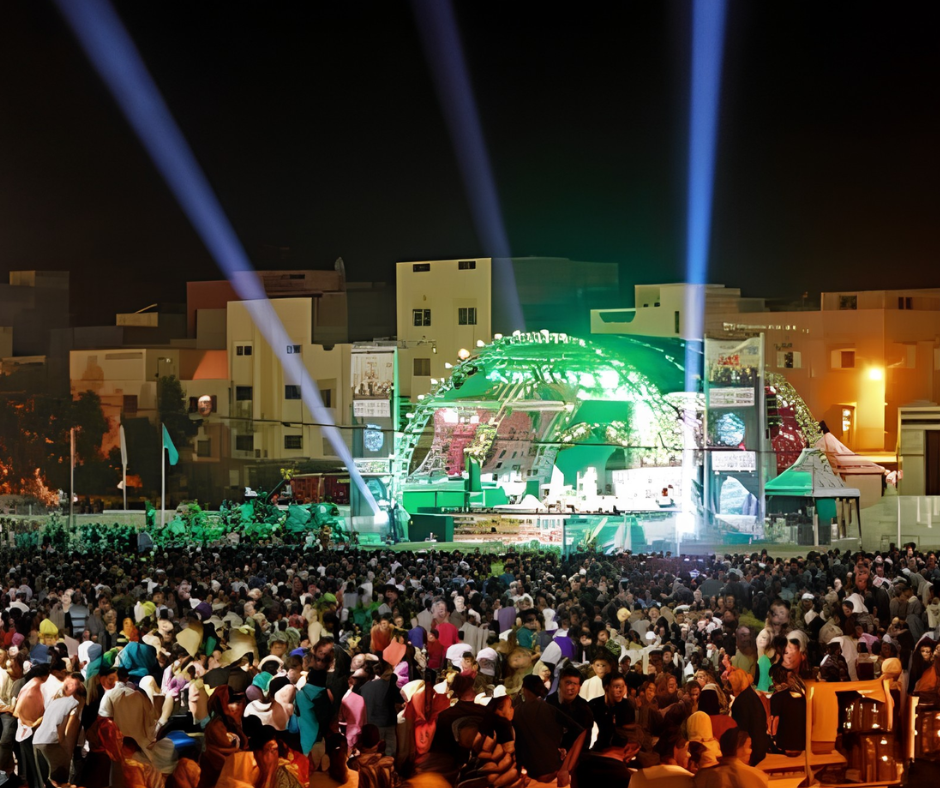
The crowds are highly engaged, often singing along to every word, creating a collective energy that is infectious. Oran, known locally as El Bahia, provides a brilliant coastal setting for these concerts.
Beyond the performances, the festival often includes interactive workshops and panel discussions about the history of the music.
While in Oran, you can easily combine festival nights with days spent exploring the Spanish architecture of the Santa Cruz fort, walking along the busy seafront promenade, and eating fresh seafood at the local port restaurants.
Sahara Desert Cultural and Cinematic Events
The Sahara International Film Festival
The Sahara International Film Festival, also known as FiSahara, is an incredible cinematic event held in the southwestern region near Tindouf.
Unlike typical glamorous film festivals, this event focuses on human rights, storytelling, and cultural exchange. It takes place in the Sahrawi refugee camps, bringing entertainment and global awareness to a marginalized community.
You will watch films projected onto large outdoor screens under the vast desert sky. The programming covers themes of migration, identity, and daily life, featuring both international submissions and local creations.
Attending FiSahara requires specific logistical planning, as visitors typically fly into the domestic airport in Tindouf and stay with local host families in the camps.
This setup provides an unfiltered look into the daily lives and resilience of the Sahrawi people. The festival also includes audiovisual workshops teaching editing and cinematography to local youth.
During the day, you can participate in traditional cultural fairs, watch camel races, and attend concerts, making it a comprehensive cultural immersion rather than just a film screening event.

The Sebeiba Ritual in Djanet
Deep in the Tassili n'Ajjer region, the oasis town of Djanet hosts the Sebeiba festival. This profound cultural event is celebrated by the Tuareg community and takes place on the day of Ashura, the tenth day of the Islamic lunar calendar.
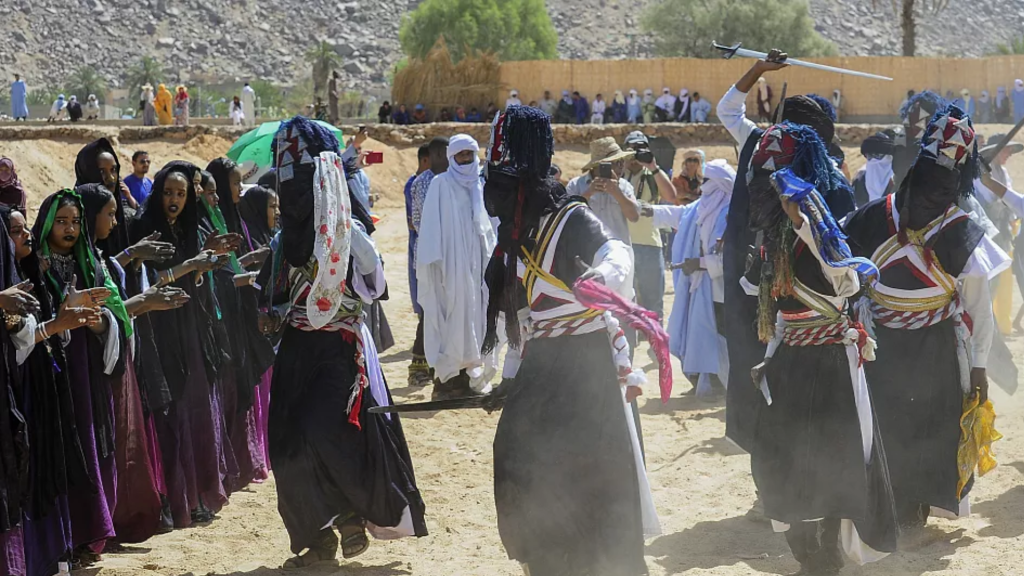
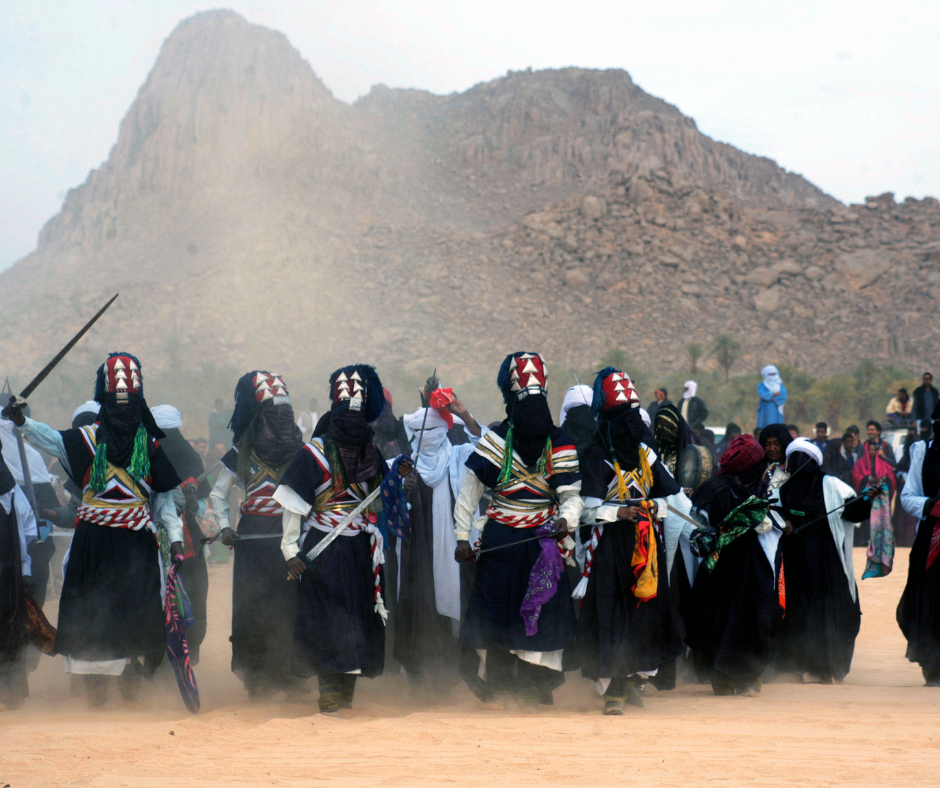
Sebeiba commemorates an ancient peace pact between two previously warring Tuareg tribes. You will witness a highly structured ritual featuring rhythmic drum beats, intricate sword dances, and participants wearing rich traditional garments.
The men perform martial dances while wearing indigo tagelmust turbans, while the women provide the musical backbone through chanting and playing the tende drum.
The visual impact of the detailed clothing against the stark desert landscape is remarkable. As a visitor, your goal should be to observe respectfully and follow local cues regarding photography and personal space.
Engaging with the Tuareg culture here offers a rare window into traditions that have been preserved for over three thousand years.
Djanet also serves as the gateway to the Tassili n'Ajjer National Park, allowing you to combine the festival with an expedition to see some of the most famous prehistoric rock art in the world.
The S'Bou of Timimoun
In the Gourara region, the town of Timimoun comes alive for the S'Bou festival, a seven day celebration marking the Mawlid, the birth of the Prophet Muhammad. Recognized by UNESCO as an intangible cultural heritage, this event is a powerful display of community cohesion and spiritual devotion.
The festival brings together people from various ksour, which are traditional fortified villages, across the region.
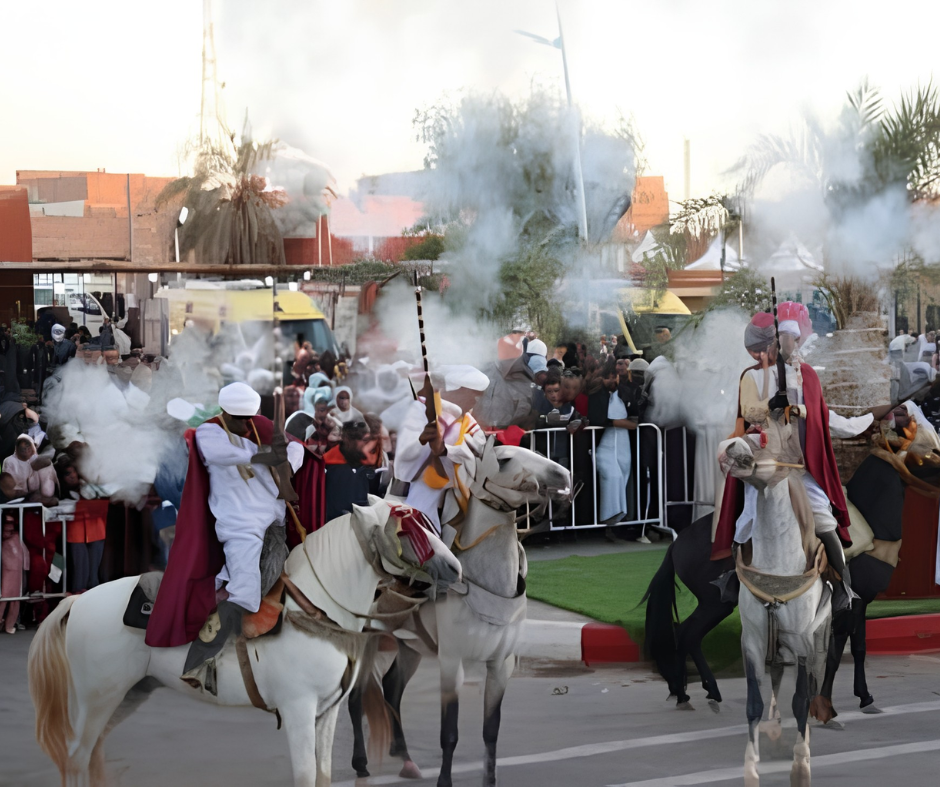
You will see organized processions where groups march toward the main zawiya, or religious center, singing religious chants and playing traditional drums.
The rhythmic gatherings create a hypnotic atmosphere that envelops the entire town. The architecture of Timimoun, with its distinctive red mud brick buildings built in the neo Sudanese style, provides a striking backdrop for the white robes worn by the participants.
During the festival, you might also hear ahellil poetry, a traditional form of musical storytelling unique to the Gourara area.
Understanding the spiritual significance of the event enhances the experience, so taking time to learn about local Sufi traditions before you arrive is highly beneficial for connecting with the local community.
Agricultural and Artisanal Traditions
The Ghardaia Carpet Festival
The M'zab Valley is a unique architectural and cultural region composed of a pentapolis, or five distinct hilltop towns. The Ghardaia Carpet Festival, typically held in the spring, showcases the deep artisanal roots of this area.
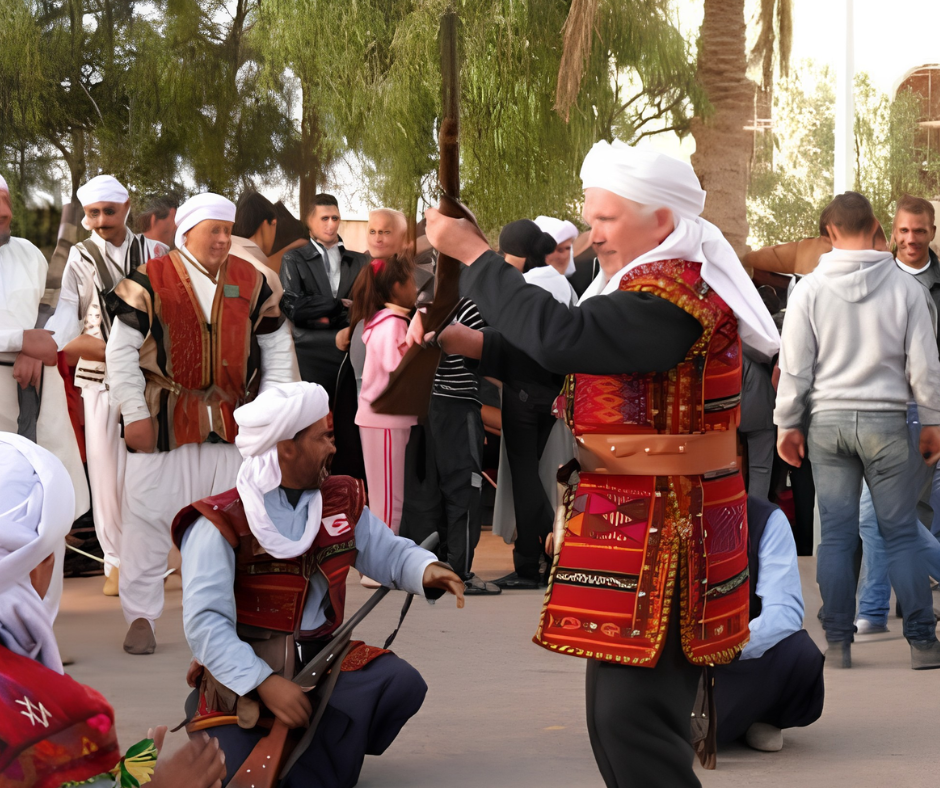
This event is not merely a market but a celebration of the intricate craft of Berber weaving. Families in the region have safeguarded these weaving techniques for generations, passing down patterns that hold specific historical and cultural meanings.
You will see artisans demonstrating their work on traditional wooden looms, transforming raw wool into complex geometric masterpieces. The carpets often feature symbols representing protection, fertility, and the natural environment.
The festival provides an excellent opportunity to engage directly with the creators, ask questions about the symbolism behind the motifs, and purchase authentic pieces at fair prices.
When planning your visit, remember that the M'zab Valley has specific cultural rules for visitors. Towns like Beni Isguen enforce strict dress codes, prohibit smoking in public spaces, and restrict photography in certain residential areas.
You must respect these local regulations at all times to ensure a positive interaction with the community.
The Taghit Date Harvest Festival
In the Saoura Valley, the picturesque oasis of Taghit hosts an annual date festival to celebrate the autumn harvest. Dates are a staple of the Algerian diet and a critical component of the regional economy, making the harvest a time of immense communal joy.
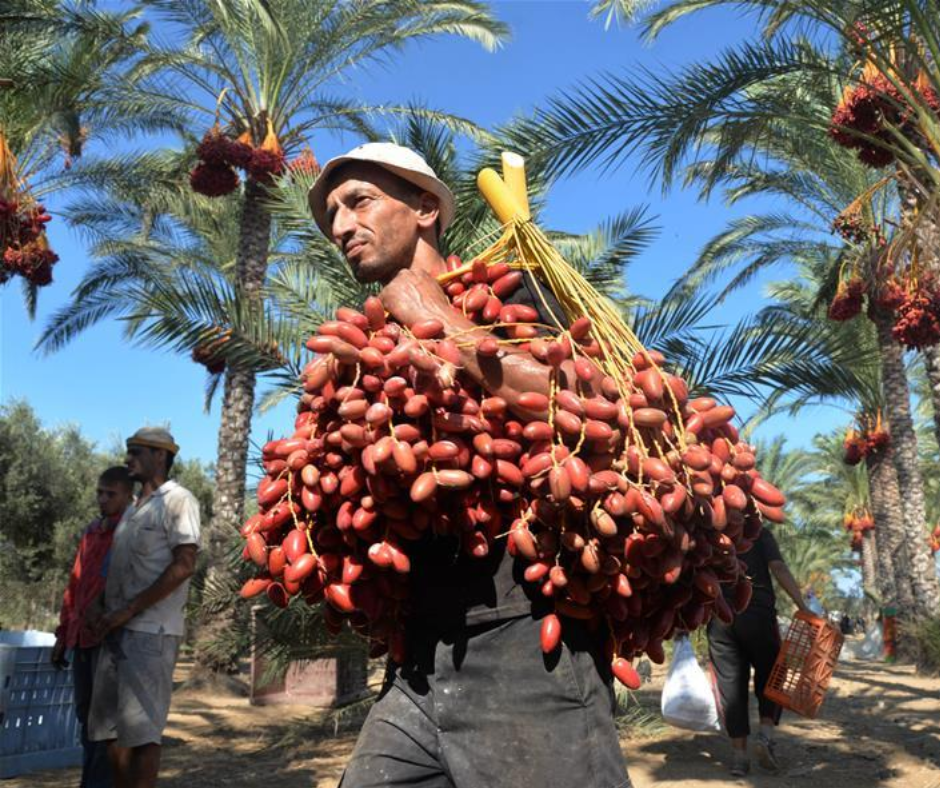
During the festival, farmers and artisans gather to showcase the best of their agricultural yields. You will have the opportunity to taste dozens of different date varieties, from the famous translucent Deglet Nour to richer, darker types used for cooking and traditional sweets like makroud.
The festival atmosphere is lively, with families celebrating the agricultural triumph through folk music and communal meals. This is a highly practical festival for travelers looking to understand the desert economy and local food systems.
You can visit the palm groves to see the ancient foggara water irrigation system in action and learn how farmers scale the tall trees to carefully collect the fruit.
The backdrop of the massive golden sand dunes bordering the town makes this agricultural event visually impressive, and climbing the main dune at sunset provides a perfect end to the harvest celebrations.
Expert Tips for Navigating Algerian Festivals
Aligning with the Lunar Calendar
The most critical aspect of planning your festival trip is understanding the timing. Many of Algeria's most significant cultural and religious festivals operate on the Islamic lunar calendar, which shifts backward by roughly eleven days each solar year compared to the Gregorian calendar.
This means an event like the Sebeiba in Djanet or the S'Bou in Timimoun will occur in different seasons depending on the year. Traveling during Ramadan also shifts the daily rhythm entirely, as restaurants and cafes close during daylight hours and the streets become highly active late into the night.
You must double check the exact dates close to your departure. Additionally, secular events like Dimajazz or the Timgad festival can occasionally change their schedules based on local funding or logistical constraints.
We highly recommend verifying dates through local contacts or official tourism boards before booking non refundable flights or committing to a fixed itinerary.
Essential Packing and Administration
Once your dates are locked in, you need to prepare your logistics thoroughly. Attending festivals often means spending long hours outdoors in varying climates.
If you are heading to the Sahara for FiSahara or Sebeiba, you must pack for extreme temperature swings. Bring lightweight, breathable clothing for the daytime heat, but also pack warm thermal layers and a quality jacket, as desert temperatures plummet sharply after dark.
For northern festivals like Dimajazz, standard smart casual layered clothing works perfectly for the mild spring weather. Administratively, Algeria requires a visa for most nationalities.
The process can take several weeks and often requires an official letter of invitation from a local travel agency or host, so you must start this paperwork well in advance.
Furthermore, while cities like Oran and Constantine have robust banking systems with widespread card acceptance, many of the southern towns rely entirely on cash.
You should withdraw sufficient Algerian Dinars in the major northern cities before traveling to remote festival locations to ensure you can purchase food, crafts, and transport without issue.
Lastly, festivals can be physically demanding due to large crowds and intense schedules. Pace yourself, carry hydration salts, and prioritize your health so you can enjoy every moment of the celebrations.


