
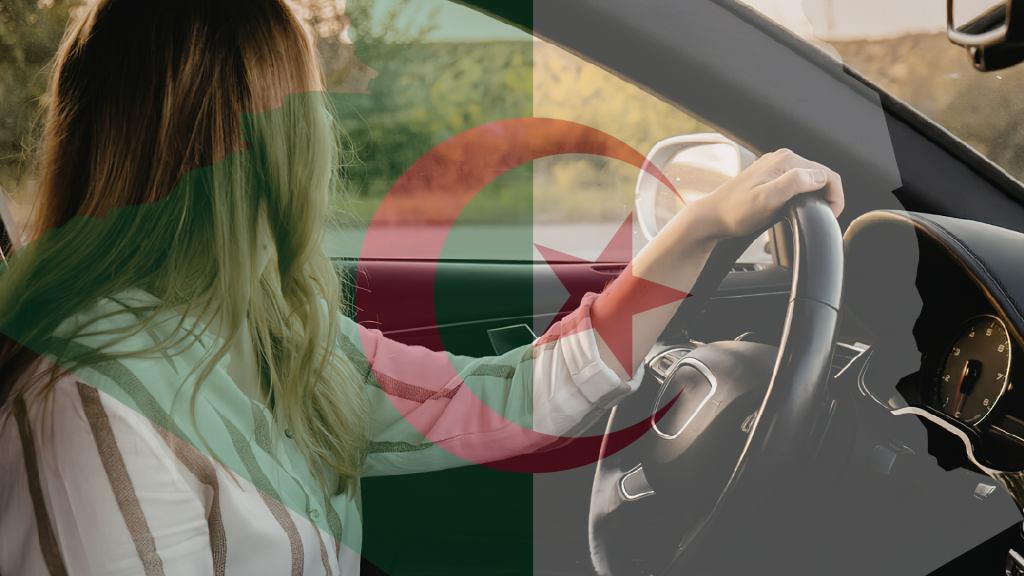

Renting a vehicle in Algeria requires a clear understanding of the diverse geographic zones you intend to traverse.
The country features a vast transportation network that extends from well-maintained coastal highways to challenging, unpaved desert tracks deep in the interior and matching your specific itinerary to the correct vehicle class is maybe the most critical decision you will make during the planning phase of your road trip.
That is exactly why WildyNess Team created this article to help you navigate the car rental scene in Algeria and choose wisely what you should rent.

Choosing the Right Car Rental in Algeria for Your Travel Itinerary
Urban Commuters and Hatchbacks
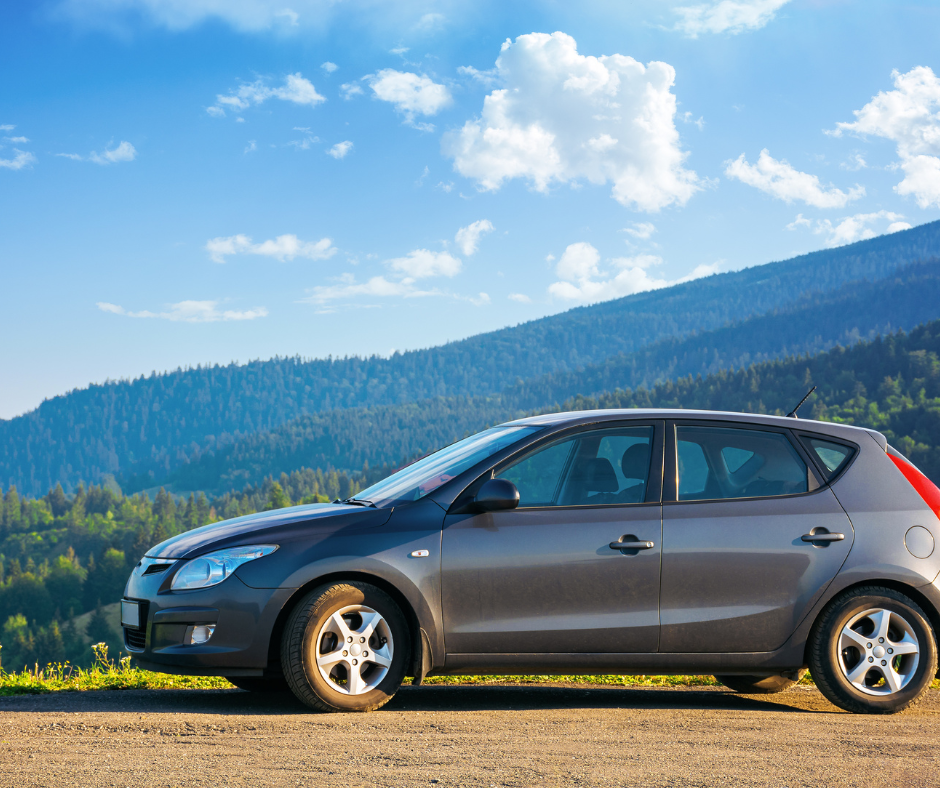
If your travel itinerary focuses primarily on navigating major metropolitan centers such as Algiers, Oran, or Constantine, a compact hatchback or standard economy sedan is the most practical choice.
Urban centers in Algeria feature dense traffic patterns, narrow historical avenues, and highly competitive parking environments where a smaller vehicle footprint is a major advantage.
These front-wheel-drive vehicles offer excellent fuel efficiency, which is highly advantageous given the stop-and-go nature of city driving, and they are fully capable of handling the paved highways that connect the northern coastal cities.

High-Clearance Vehicles and Four-Wheel Drives
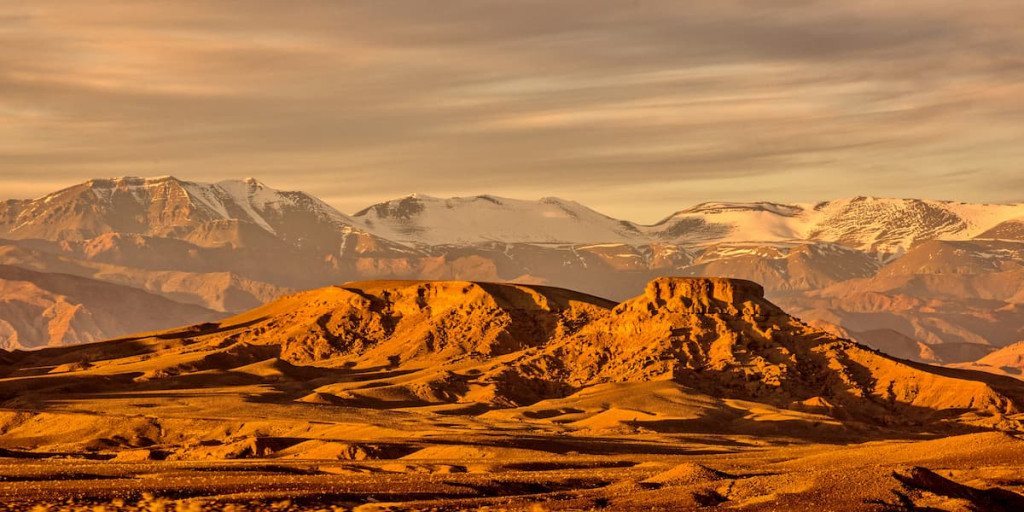
When your travel plans involve leaving the coastal shelf to explore the rugged Atlas Mountains, the high plateaus, or the northern edges of the Sahara, a high-clearance four-wheel-drive vehicle becomes a mandatory safety requirement.
Rural routes frequently feature unexpected pavement breaks, deep potholes, loose gravel shoulders, and seasonal washouts caused by sudden downpours.
A robust four-wheel-drive vehicle protects the undercarriage from structural damage, provides the necessary ground clearance to clear rocky obstacles, and offers the essential mechanical traction required to navigate steep mountain switchbacks or soft sand drifts that blow across southern asphalt roads.
Transmission Selection and Regional Fleet Realities
Manual transmissions represent the overwhelming standard across commercial rental fleets throughout Algeria. If you are only certified to drive automatic vehicles, you must secure your reservation several months in advance, particularly if you are traveling during peak seasons.
It is also important to note that diesel fuel is highly prevalent and readily available at every service station across the country, making diesel-powered rental cars an exceptionally reliable and economical option for long-distance overland expeditions.
Document Requirements and Legal Protocols
Operating a rental vehicle legally within Algeria requires strict compliance with national transportation laws and the systematic organization of your personal identification papers.
Local authorities place a high priority on road safety and security, meaning you will frequently interact with official security personnel at various transit points.
Mandatory Licenses and the International Permit
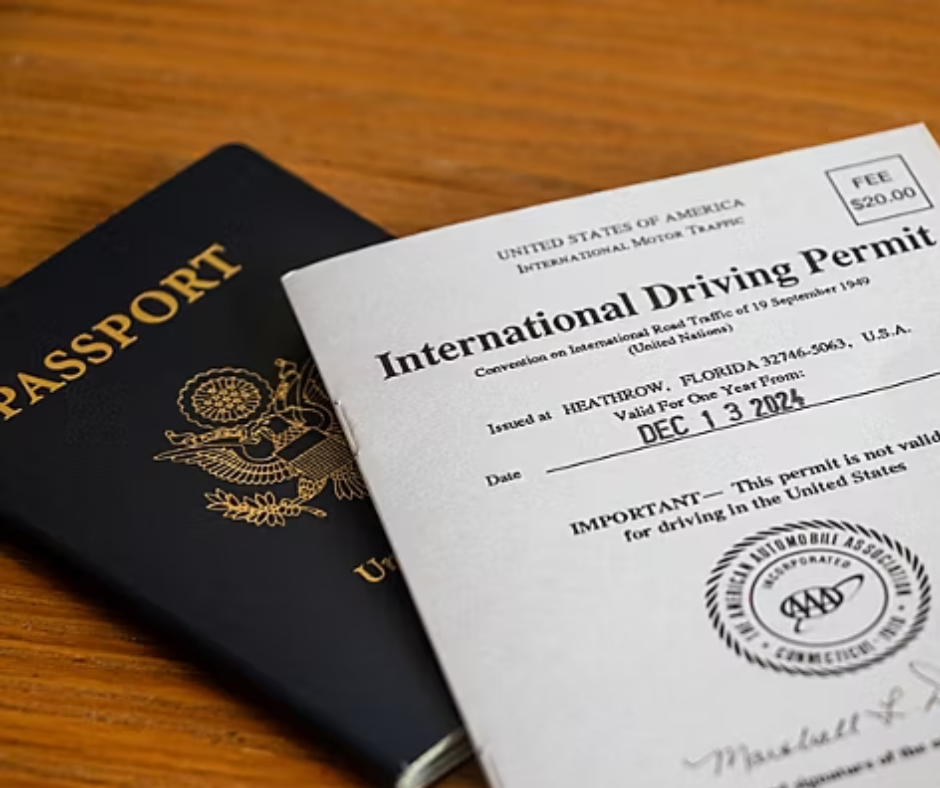
To collect a rental vehicle from any commercial desk in Algeria, you must present a valid domestic driver’s license from your home country alongside an International Driving Permit.
The International Driving Permit serves as a legally recognized translation of your credentials, allowing local police officers and insurance adjusters to verify your driving privileges quickly.
Travelers must secure this document from their national automobile association prior to departing their home country, as it cannot be issued after you arrive in Algeria.
Identification Retention and Checkpoint Security
You must keep your original passport containing a valid Algerian tourist or business visa on your person at all times while operating the vehicle.
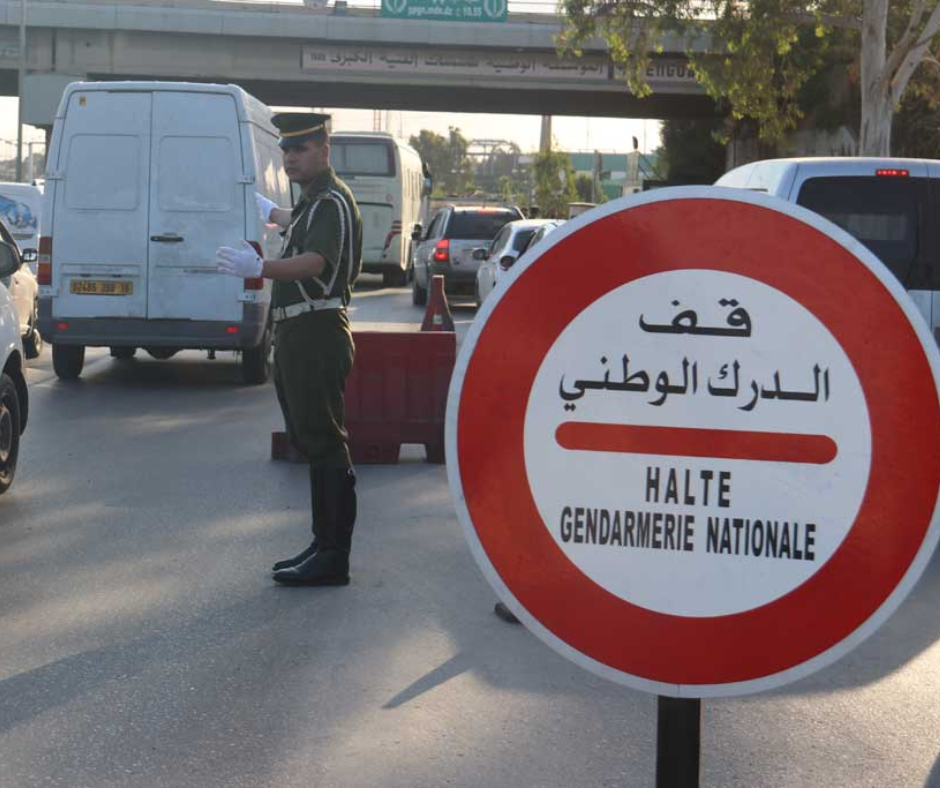
Police and military checkpoints are positioned regularly at city entrances, major highway junctions, and provincial borders to maintain regional safety.
When approaching a checkpoint, you must reduce your speed early, extinguish your headlights if you are traveling at night, turn on your interior dome light, and wait calmly for instructions from the officer on duty.
Contract Preservation and the Carte Grise
The rental agency will provide you with a valid vehicle registration document, known locally as the carte grise, along with an official authorization certificate confirming your right to operate that specific vehicle.
You must keep these papers, along with your original signed rental agreement, in a secure and easily accessible location inside the car, such as the glove compartment.
Security officials will routinely cross-check the name on your passport against the names listed on the car rental authorization to ensure the vehicle has not been taken illegally.
Navigating the Algerian Highway System
Algeria possesses some of the most expansive road infrastructure on the African continent, featuring major arterial routes that connect remote industrial outposts to thriving northern maritime ports.
The East-West Highway and Northern Corridors
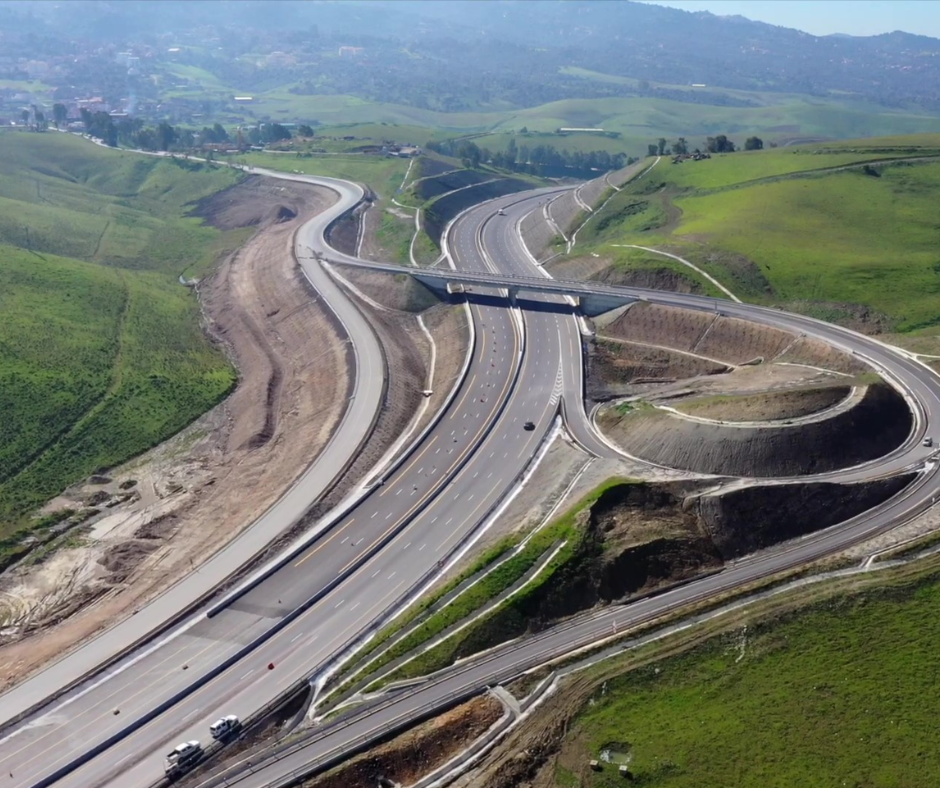
The primary driving artery in the north is the East-West Highway, a modern multi-lane toll road that stretches across the entire width of the country, linking Tlemcen near the western border to El Tarf in the east.
This highway is generally kept in excellent structural condition, featuring clear signage in both Arabic and French, regular service plazas, and dedicated highway patrol units.
Driving on this corridor is straightforward and comparable to navigating major European or North American highway networks, making it the ideal route for rapid transit between northern cultural hubs.
National Routes and Regional Speed Thresholds
Once you transition off the primary highway onto the national routes, known as Routes Nationales, driving dynamics change considerably.
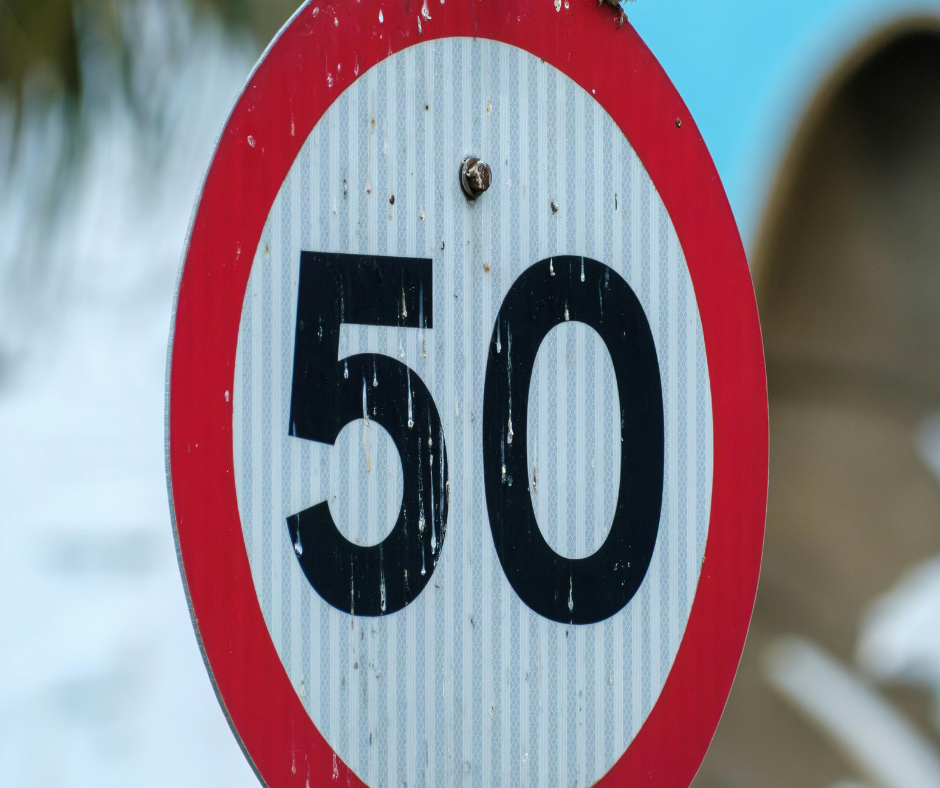
Speed limits are strictly enforced throughout the country and are generally capped at 50 kilometers per hour in built-up urban zones, 100 kilometers per hour on standard rural single-lane roads, and 120 kilometers per hour on the main East-West Highway.
These limits drop automatically during periods of rain or heavy fog, and local traffic police regularly deploy radar equipment to issue immediate financial penalties to speeding motorists.
Route Planning and Navigation Technology
While major highways feature clear directional signage, rural and desert tracks often lack comprehensive physical markers, making advanced digital navigation essential.
You should download detailed offline mapping files for your entire route prior to starting your engine, as cellular data coverage can become highly inconsistent once you move behind the coastal mountain ridges.
Relying purely on real-time online streaming navigation can leave you without active guidance in remote provincial zones, making pre-loaded offline maps a critical safety asset.
Comprehensive Insurance and Fleet Protection
Understanding the exact parameters of your vehicle insurance policy is the single most important factor in preventing unexpected financial liabilities during an international car rental.
Third-Party Liability and Legal Minimums
Every vehicle permitted on public roads in Algeria must be covered by a valid third-party liability insurance policy, which is automatically integrated into the base cost of your commercial rental agreement.
This basic coverage handles property damage and personal injury claims tracking to external third parties if you are involved in a collision.
However, third-party liability provides absolutely zero financial protection for damage sustained by your actual rental vehicle, leaving you personally responsible for repair costs unless supplementary coverage is active.
Collision Damage Waivers and Contract Exclusions
To protect yourself against significant out-of-pocket expenses, we highly recommend upgrading to a comprehensive Collision Damage Waiver or Loss Damage Waiver at the rental counter.
These protection packages significantly reduce your financial exposure by capping your maximum deductible liability in the event of an accident or vehicle theft.
Understanding the Off-Road Contract Void Clause
You must carefully read the fine print of your rental agreement to identify specific geographic restrictions and policy exclusions. The vast majority of standard commercial car rental contracts in Algeria contain a strict clause that immediately voids all insurance coverages the moment the vehicle leaves a paved asphalt surface.
If you operate a standard rental sedan on unpaved dirt tracks or desert dunes, you will be held fully liable for any resulting mechanical breakdowns, tire ruptures, or undercarriage damage.
Tactical Driving Across Distinct Terrains
Driving safely in Algeria requires you to adapt your technical habits to match two completely contrasting operational environments.
Defensive Urban Navigation Strategies
Driving within major cities like Algiers demands constant situational awareness, defensive positioning, and immense personal patience.
Local drivers frequently employ flexible lane discipline, and busy roundabouts are often managed by physical hand signals from traffic police officers rather than automated traffic lights.
Keep your doors locked, ensure all valuable items are stored entirely out of sight beneath the seats or in the trunk, and utilize designated, attended parking lots near your hotel to ensure vehicle security overnight.
Arid Zones and Desert Sand Safety Mechanics
When navigating roads that skirt the borders of the Sahara, blowing sand represents a constant environmental hazard that can dramatically alter road traction within seconds.
If you encounter an asphalt section covered by drifting sand, you must maintain a steady, moderate throttle input and avoid making sharp, sudden steering adjustments that can cause your tires to plow and dig into the loose surface.
For adventurous travelers seeking deep desert routes, combining forces with an expert local driver who possesses intimate knowledge of changing dune patterns remains the safest way to explore the interior wilderness.
Mandatory Vehicle Recovery Gear for Rural Tracks
If your approved itinerary permits travel along unpaved rural routes, you should verify that the vehicle is equipped with a functional mechanical jack, a fully inflated spare tire, a heavy-duty tow strap, and a sturdy shovel.
Check that you have an adequate emergency supply of fresh drinking water stored in the vehicle before departing any urban center, as vehicle recovery services operate with significant time delays once you enter remote provincial territories.
Always schedule your driving segments to ensure you reach your destination well before sunset, as rural driving after dark is highly discouraged due to limited road illumination and unpredictable road hazards.


