


Tipping, as many of you know, is the act of giving extra money to someone after they deliver a service. The amount, method, and expectations around tipping can vary widely from one country to another. In Tunisia, tipping follows its own unique customs.
In this article, we will explore every detail. Our goal is to answer all your questions and provide additional information to help you navigate tipping in Tunisia confidently.
Tunisia is not only known for its rich history and beautiful landscapes, including the famed Tunisian coral coast and spectacular white sandy beaches, but also for its vibrant tourist areas that attract visitors from all over the world. Unlike Western nations such as the USA and many European countries, tipping in Tunisia is generally optional rather than mandatory. This relaxed approach reflects local values and the Tunisian way of life, where good service is appreciated but not strictly expected in return.

In this guide, we’ll look at:
- How much to tip in different situations.
- Which service providers benefit from tips.
- The best methods to tip
Whether you’re staying at a tourist resort, exploring the larger cities of Tunisia, or simply enjoying the local cuisine, understanding these simple rules will enhance your experience and support the local Tunisian travel industry.
Tipping in Tunisia : Optional, Yet Appreciated
First and foremost, it’s important to note that unlike in many Western countries, tipping is not a requirement in Tunisia. In fact, it is completely optional and is not expected by most service providers. However, if you receive exceptional service, offering a small amount as a token of appreciation is always a good idea.
For example, waiters and taxi drivers often work hard to ensure you have a pleasant experience. Even though their primary income might not rely heavily on tips, extra money, especially in the form of cash, goes a long way.
How Much to Tip in Various Settings in Tunisia
Restaurants and Cafés in Tunisia
In many street food venues, small coffee shops, and casual dining spots, you are not expected to leave a tip. If you do decide to tip in these casual establishments, a very small amount, often a few Tunisian dinar, is more than enough.

In more luxurious and expensive restaurants, although tipping is still not mandatory, waitstaff often anticipate it as a sign of recognition for a job well done. A tip between 5% and 10% of the total bill is generally considered appropriate if you are satisfied with the service.
Remember that the exchange rate between the Tunisian dinar and other currencies, such as us dollars or order euros, might vary, so it’s useful to check current rates to ensure your tip is fair.
Taxis and Ride Services
For taxi drivers, tipping is not an expectation. However, rounding up the fare is common practice if you feel the driver provided a particularly comfortable ride. In these cases, offering a tip in Tunisian dinar rather than foreign currency is best, as it avoids any confusion with the exchange rate.

Hotels and Resorts
Hotel staff, especially bellboys and housekeeping personnel, often rely on tips as part of their income. For bellboys, who usually carry luggage and assist with various requests, a tip of around 2 Tunisian dinar per suitcase is appropriate.
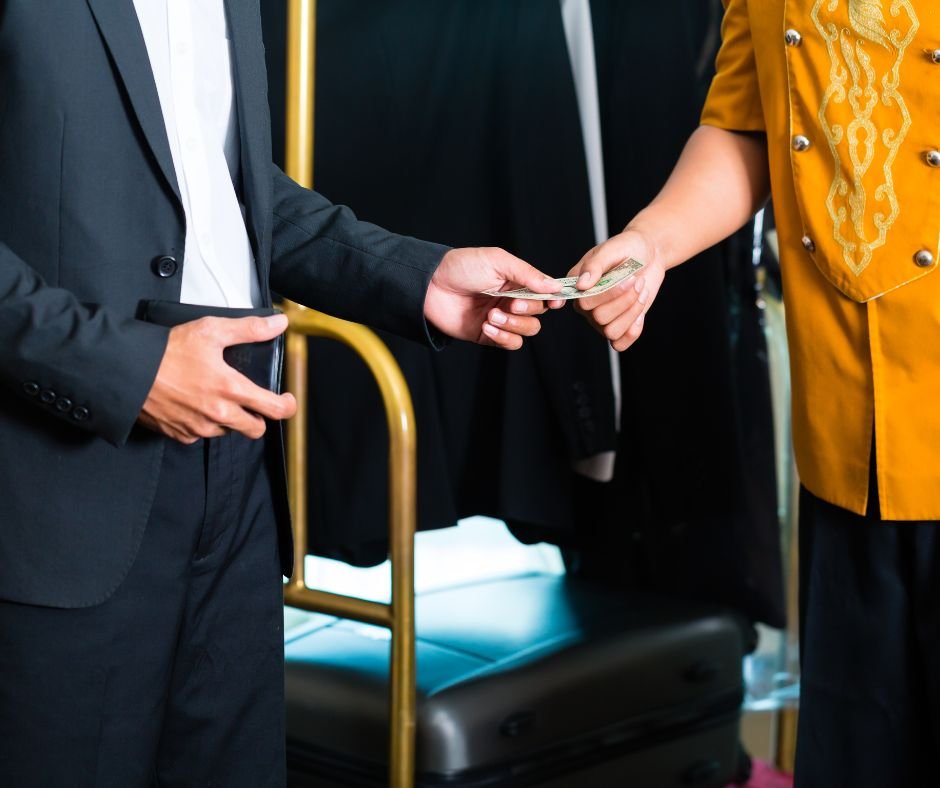
Some hotels include a hotel service charge in the bill, but it is still a good idea to offer an additional small amount if the service was exceptional. This extra gesture is particularly appreciated at tourist resorts and 5 star hotels in larger cities of Tunisia, where the standard tipping practice may be more refined.
Tour Guides and Excursions
If you are taking a tour, whether around ancient ruins or along the breathtaking Tunisian coral coast, tour guides typically expect a tip ranging from 10 to 20 Tunisian dinar. Although this is not mandatory, showing your appreciation with a tip reflects well on you as a visitor and supports the local Tunisian travel industry.

Always base your tip on the quality of the guide’s service and the information they provide about historical sites, religious sites, and local customs.

Other Services: Hairdressers, Delivery Staff, and More
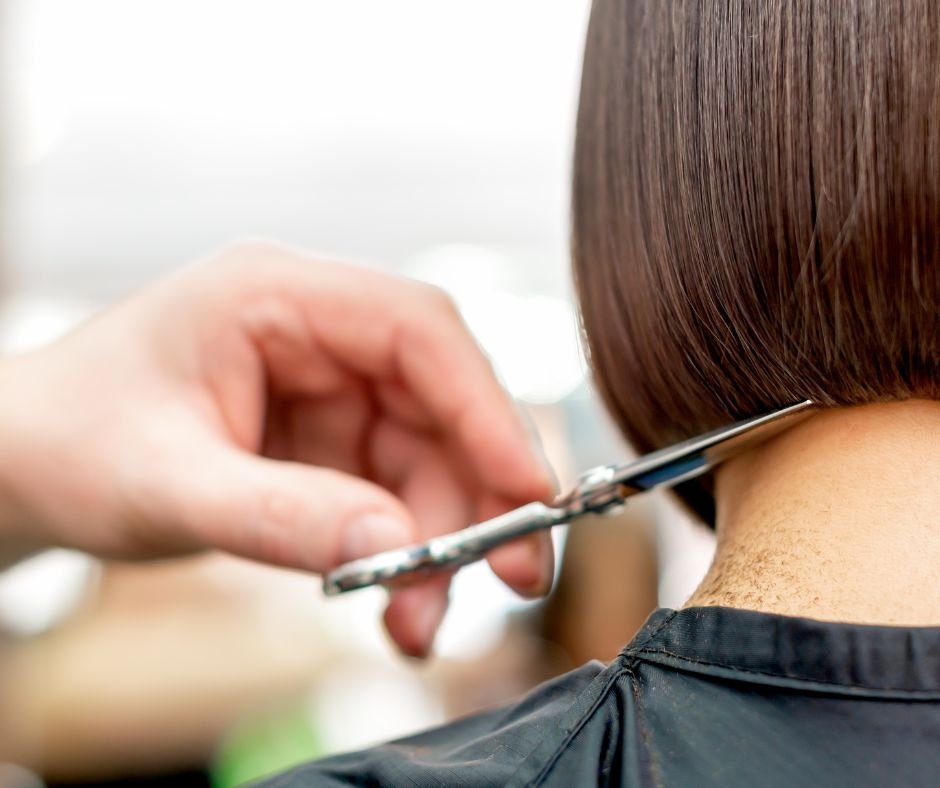
Many other service providers, such as hairdressers and delivery personnel, do not require a tip. Nevertheless, if you feel that the service exceeded your expectations, a small amount can make their day a little brighter. Since these workers are less likely to receive a direct service charge, your tip can be a significant token of gratitude.
Tipping Etiquette: Cash or Card?
In Tunisia, cash remains the preferred method for tipping. Most transactions, especially those in local restaurants and taxis, are conducted in cash rather than by card.
While larger hotels and tourist resorts might accept card payments, it is still a good idea to carry some cash in local currency. This is particularly useful when you need to tip for services, such as tipping the bellboy.
Special Considerations for Travelers in Tunisia
Understanding the Local Economy
When traveling in Tunisia, it’s important to be aware of the local economic context. For instance, the Tunisian dinar is the local currency, and its value can differ significantly from us dollars or other foreign currencies. Keeping an eye on the current exchange rate ensures that you tip an appropriate amount without overpaying.

Timing and Context
Another key aspect to consider is the time of year you are visiting. Tipping practices might be slightly different during the most expensive time of the year or peak season, such as during summer, when tourist areas and resorts are busiest.
During these times, service providers might work under high pressure, making any tip even a small amount especially welcome. Conversely, during off-peak months like winter time, the dynamics may change, and a modest tip can still convey your gratitude.
Social Media and Modern Trends
Platforms like TikTok have also influenced modern travel culture. Many travelers now share their experiences and tipping tips on TikTok.

Make sure to follow some trusted travel influencers for the latest advice on tipping, dining, and enjoying local attractions in Tunisia. This social media trend not only provides practical tips but also helps in understanding the nuances of local etiquette from a first-hand perspective.
To sum up
While tipping in Tunisia is entirely optional, it remains an appreciated gesture that enhances service and builds a positive rapport between visitors and service providers. Whether you are dining in a fine restaurant, catching a taxi ride through bustling tourist areas, or staying at a tourist resort along the Tunisian coral coast, your willingness to tip—even with a small amount in Tunisian dinar—can make a significant difference.
Remember to consider the exchange rate, use direct communications when necessary, and adjust your tip based on the quality of service. With these tips in mind, you are well-prepared to enjoy all that Tunisia has to offer while supporting the local community in a respectful and culturally sensitive manner.
If you still have any other questions, don't hesitate to contact us, and we will respond to you quickly!
Also, we can help you create the perfect itinerary in Tunisia. All you have to do is EMAIL US, and we will plan together your personalized itinerary.


